Every gas appliance installation has a single point of failure that is often overlooked: the connector between the appliance and the supply line. In a commercial kitchen, a hose failure can close a c...
It started, as many gas code discussions do, with a bad install: on a plumbing forum, a licensed plumber described inspecting a friend's new standby generator and finding about 100 feet of 1/2-inch C...
Picture a gas line running through a wood-frame house. It has to turn around corners, fit into tight stud bays, and avoid wasting time on threading and cutting. That is exactly the problem corrugated...
You are rerouting a gas supply for a new range, and the existing black-iron pipe ends two feet short of the appliance. Rather than cutting threads and assembling another rigid nipple, you reach for a...
Corrugated stainless steel tubing (CSST) is now one of the most common ways to deliver natural gas inside residential and commercial buildings. But CSST safety is not decided by a single test result ...
Quick Answer: How To Match A Connector To Your Gas Appliance
The right stainless steel gas appliance connector is selected by matching three things at once: the appliance inlet diameter, the physical...
Corrugated Stainless Steel Tubing Or Copper Pipe For Gas Lines
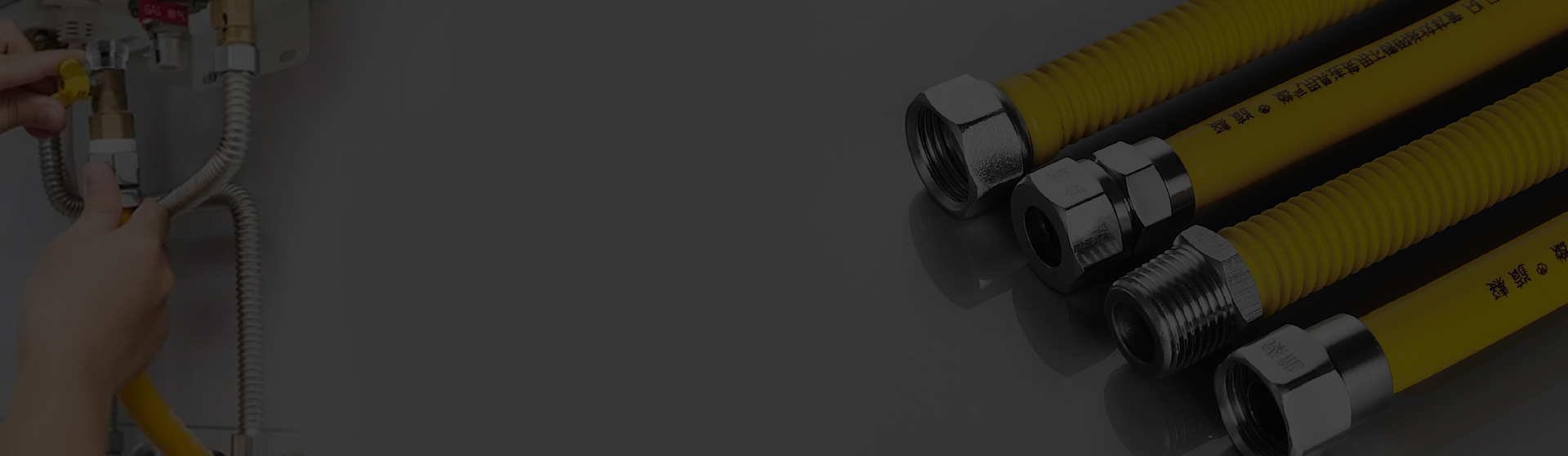
Corrugated Stainless Steel Tubing For Gas Pipes generally offers faster installation and better flexibility around obstacles compared wi...
How Flexible Gas Connectors Improve Appliance Safety: The Direct Answer
In most kitchens, utility rooms, and mechanical spaces, metal wrapped hoses for gas appliance connections improve safety mainly...
10 Things to Know Before Buying Corrugated Metal Hose
A stainless steel corrugated hose is a flexible, durable solution for conveying fluids and gases under pressure while accommodating movement, ...


 English
 中文简体
中文简体 Español
 عربى
عربى
