 English
 中文简体
中文简体 Español
 عربى
عربى
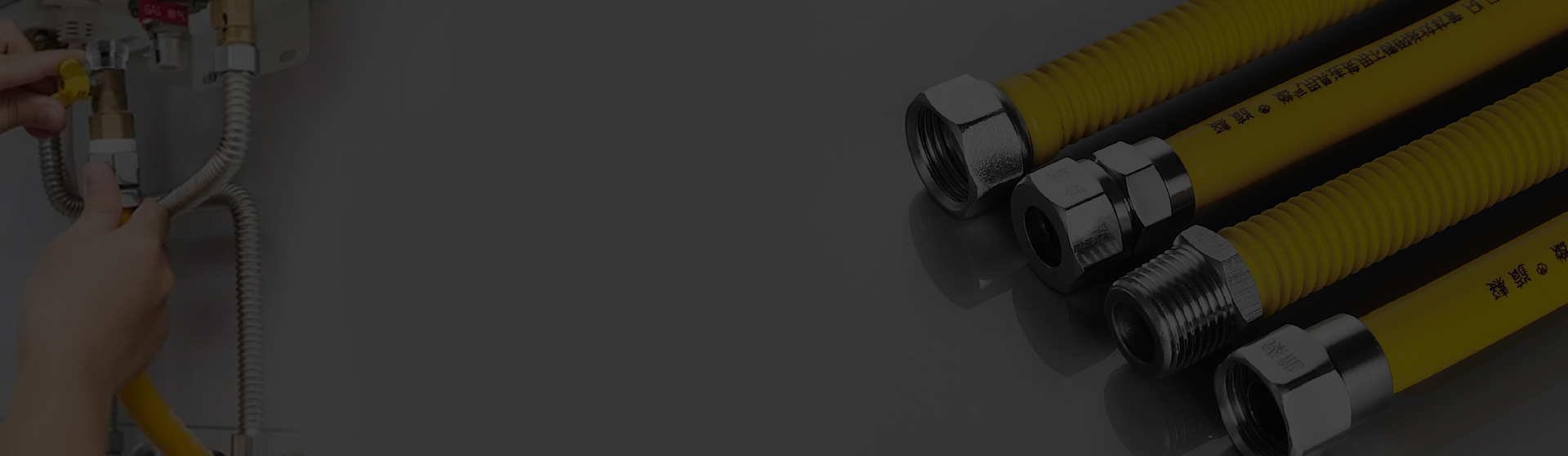

Picture a gas line running through a wood-frame house. It has to turn around corners, fit into tight stud bays, and avoid wasting time on threading and cutting. That is exactly the problem corrugated stainless steel tubing (CSST) was designed to solve. CSST is a flexible stainless steel pipe used to supply natural gas and propane in residential, commercial, and industrial structures. Its familiar yellow or black plastic jacket makes it easy to spot under a floor or behind a basement wall. If you are planning a gas line, buying a home, or inspecting an existing system, this guide covers what CSST is, how it is made, why it is a common choice, and when it needs extra attention.
Content
What Is CSST?
CSST stands for corrugated stainless steel tubing. Unlike rigid black iron pipe, CSST comes in reels and bends by hand around many obstacles. The tube is formed from a stainless steel strip that is shaped into a corrugated profile and welded into a continuous pipe. The corrugations act like bellows, giving the material flexibility while still resisting gas pressure and external loads.
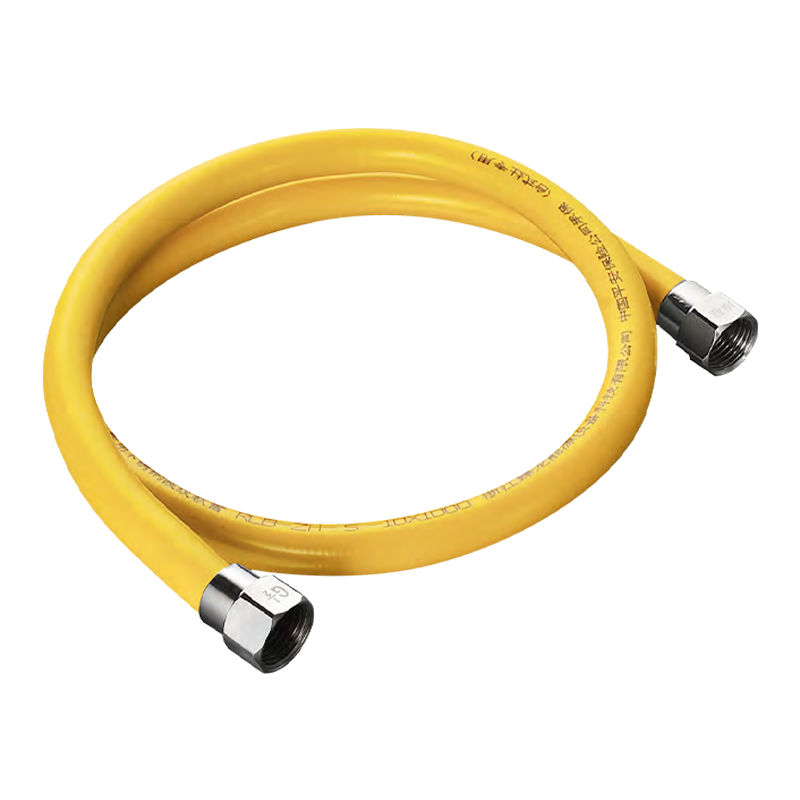
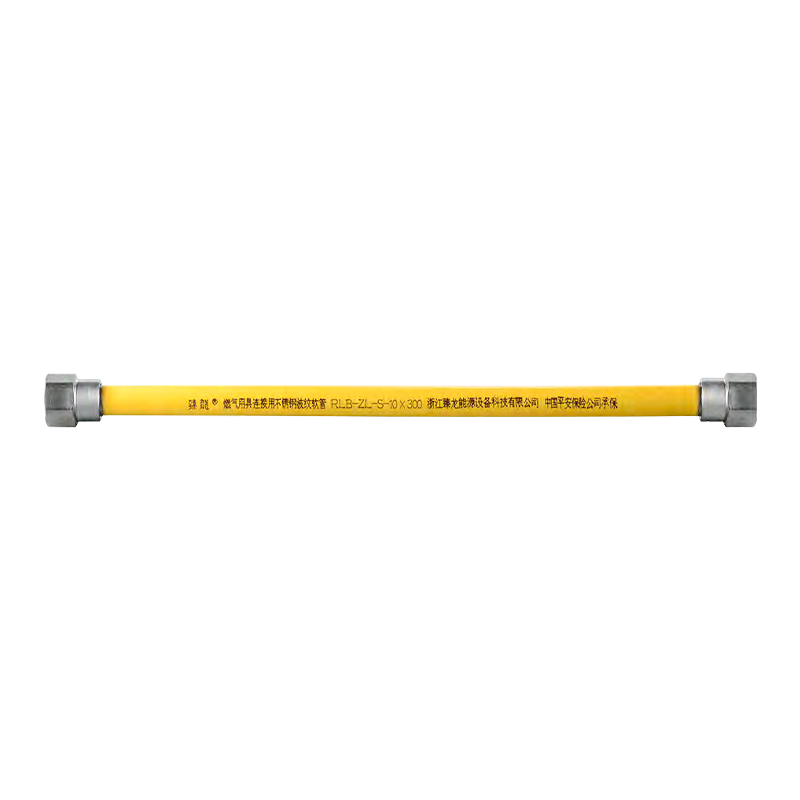
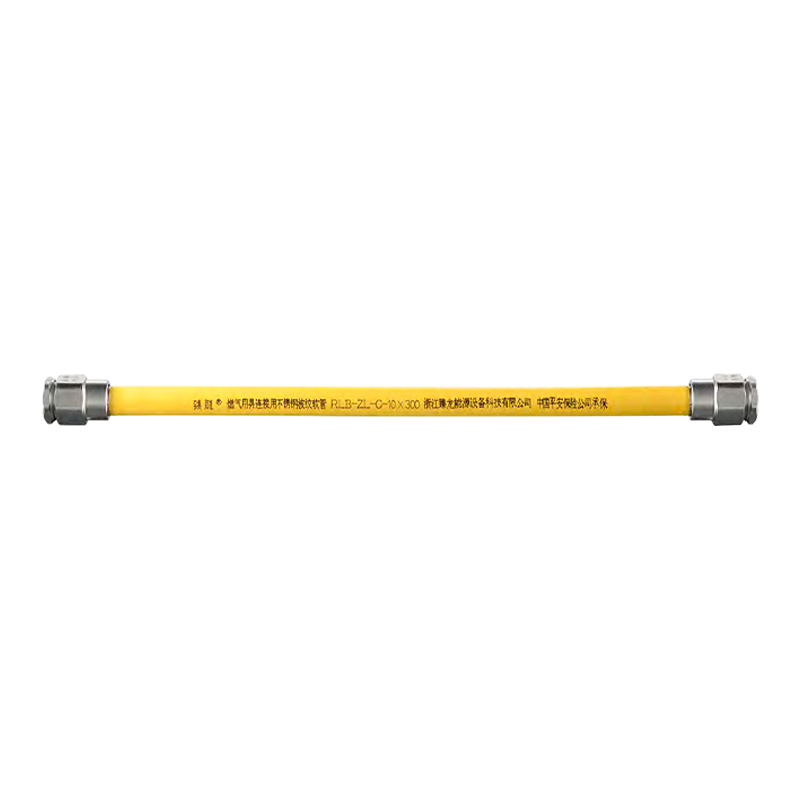
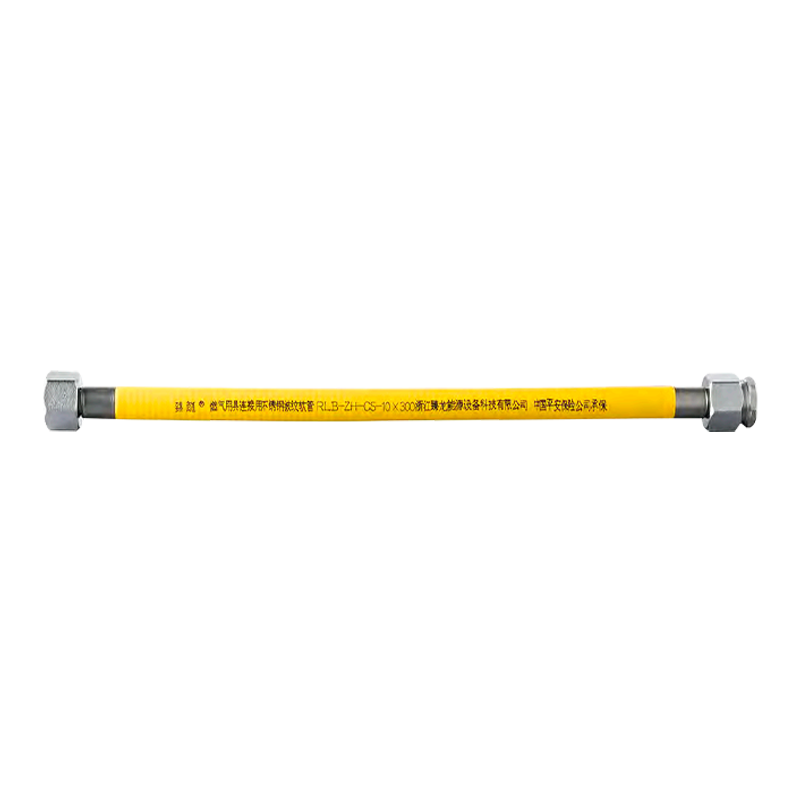
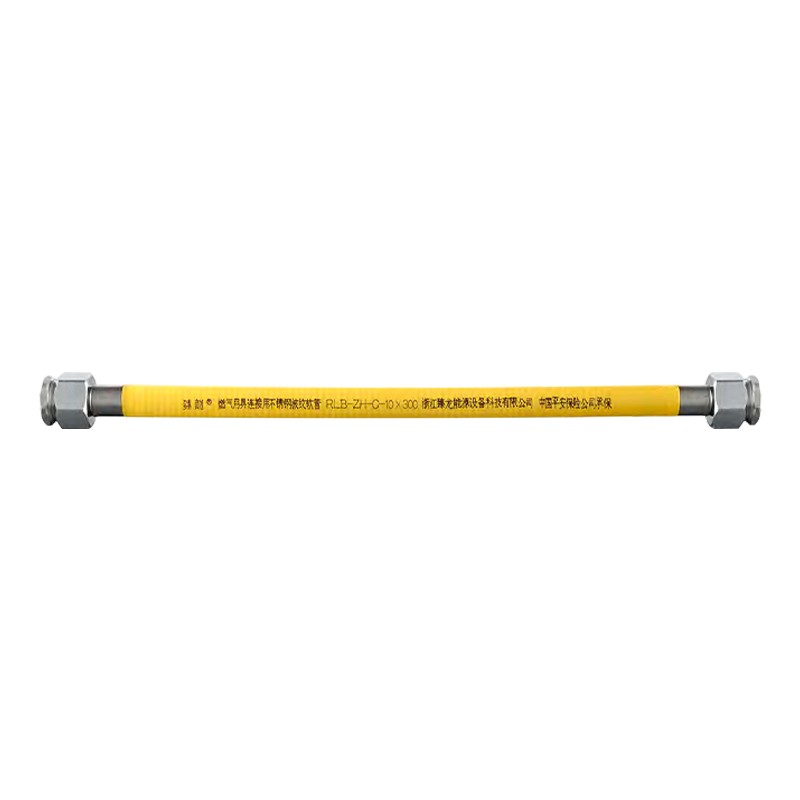
CSST is not a single product. Different manufacturers produce corrugated stainless steel tubing with different diameters, wall designs, coatings, and connector systems. All are intended to move natural gas or liquefied petroleum gas safely from a supply line to gas appliances. When an installer selects a precision-machined corrugated gas hose, they can rely on factory-finished ends that create a leak-tight seal with approved fittings.
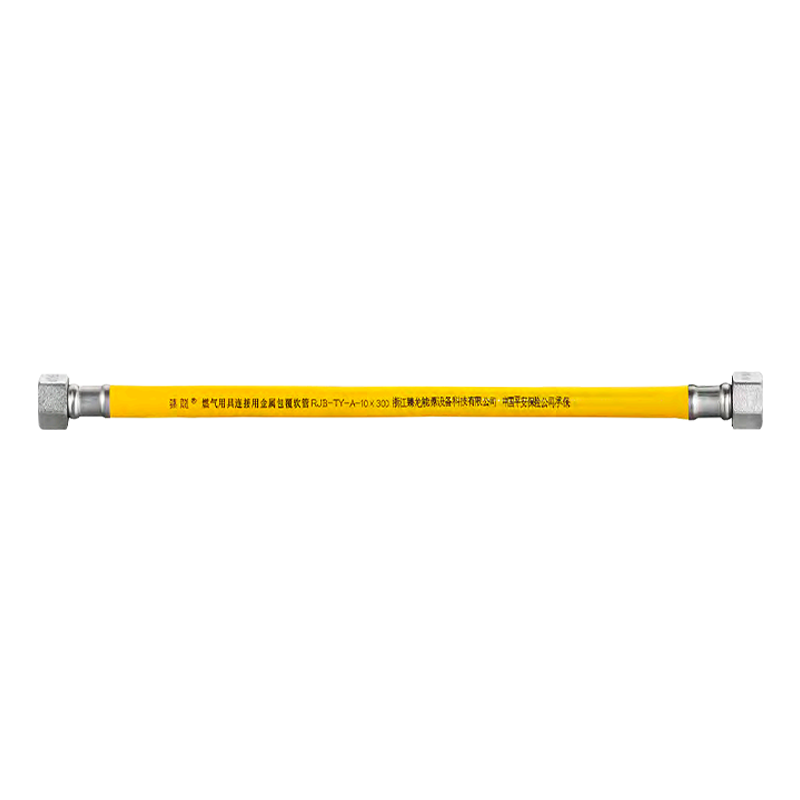
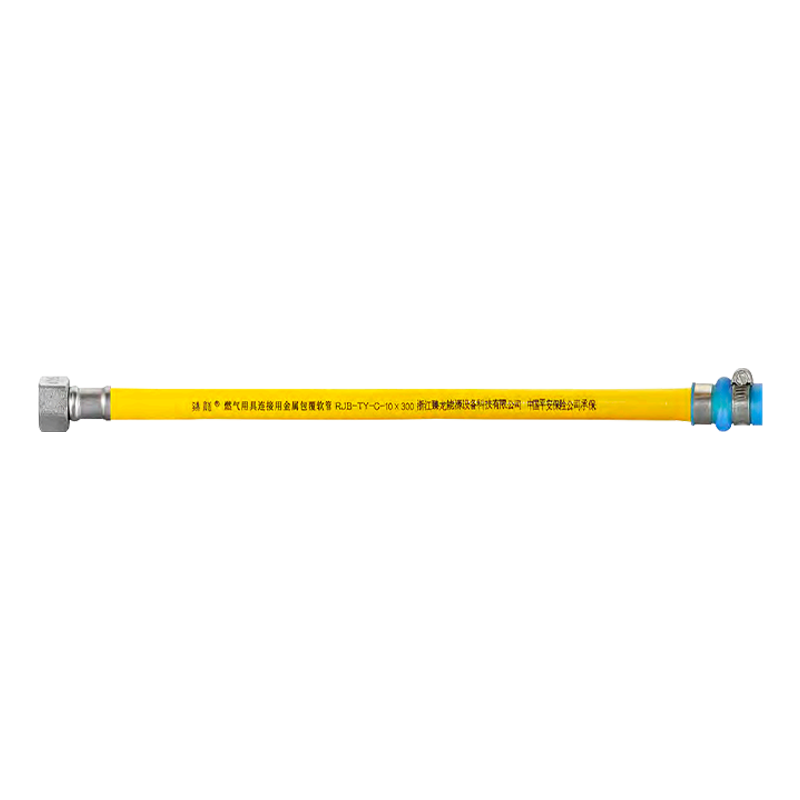
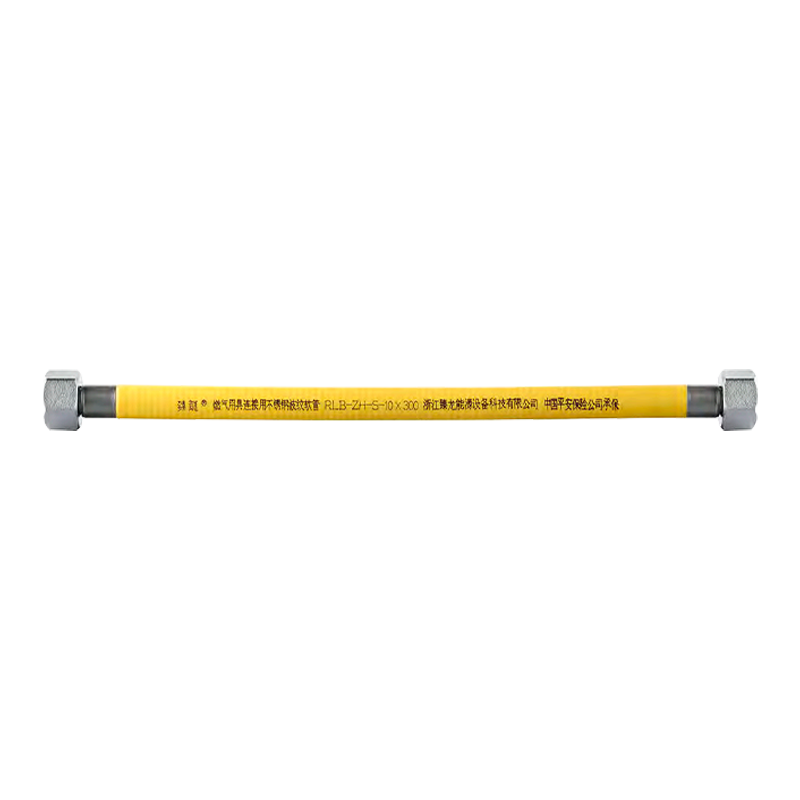 Wholesale Stainless steel corrugated gas hose, precision machined ZLR-07 SupplieZhejiang Zhenlong is China wholesale Stainless steel corrugated gas hose, precision machined ZLR-07 suppliers and OEM/ODM company,The Sta...View Product →
How CSST Is Structured
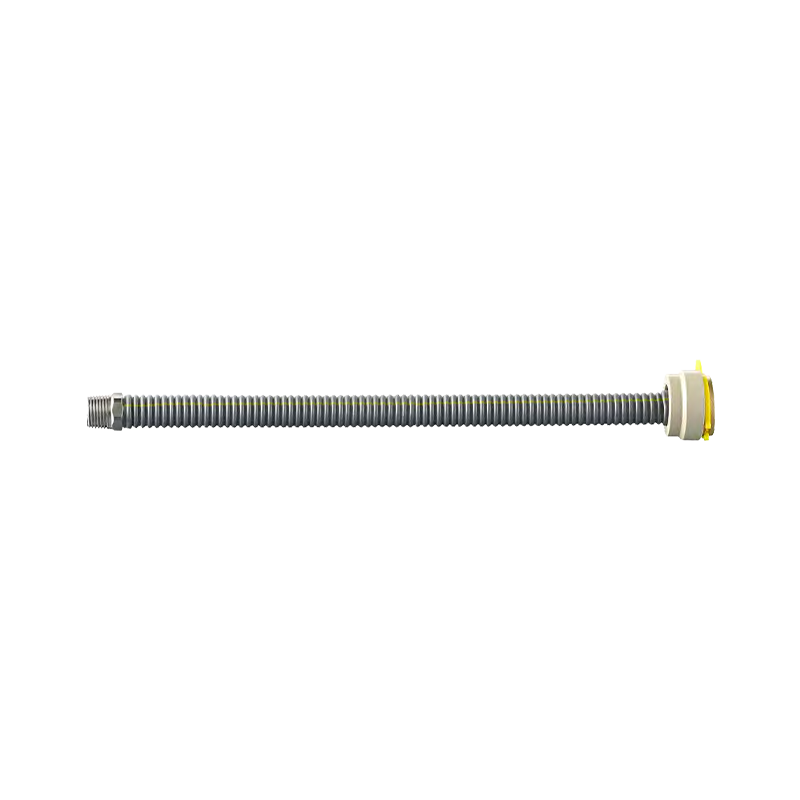
Most CSST gas piping has three functional layers at minimum:
- A stainless steel corrugated core that carries the gas.
- A polymer jacket, usually yellow or black, that protects the steel from corrosion, abrasion, and contact with concrete.
- Approved fittings at each end, typically brass or stainless, that connect the tubing to appliances, shut-off valves, or a manifold.
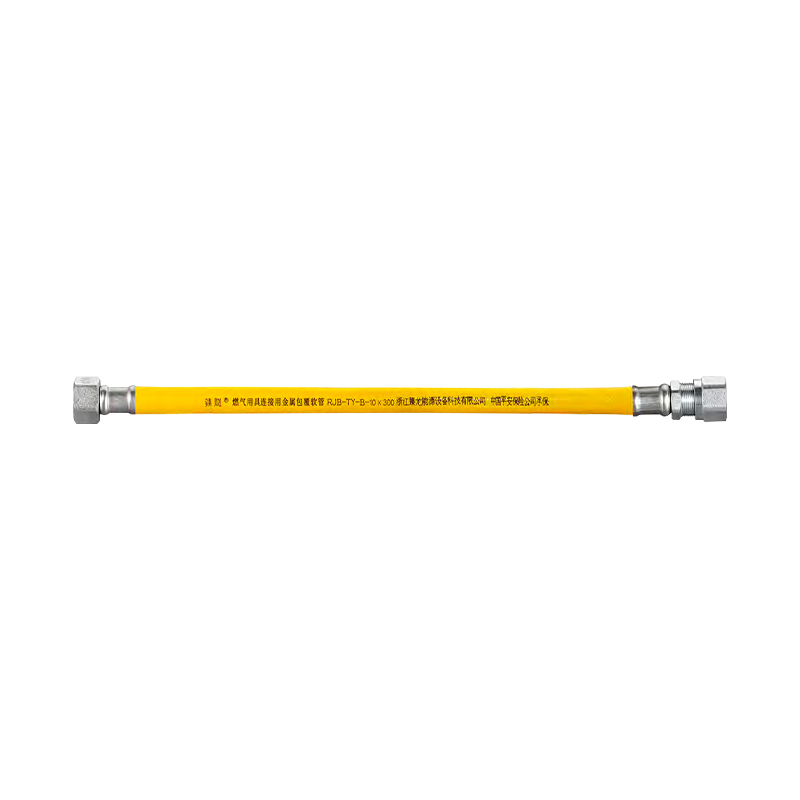
The yellow jacket also acts as a visual reminder that the line is gas pipe, not water or drain pipe. Some systems use additional layers for high-pressure or outdoor applications.
The illustration above shows the relationship between the stainless core, the polymer coat, and the end fitting. That arrangement gives CSST its combination of strength and bending ability.
CSST vs. Traditional Gas Piping
CSST competes most often with black iron pipe, copper tubing, and polyethylene pipe. Each solution has a place. The table below summarizes the trade-offs for indoor gas distribution.
| Material | Typical Use | Flexibility | Connection Points | Corrosion Resistance | Important Code Note |
|---|---|---|---|---|---|
| CSST | Indoor gas distribution | High | Fewer | High | Bonding required |
| Black iron pipe | Rigid indoor runs | Low | Many | Moderate | Heavier labor, threads need care |
| Copper tubing | Some gas and appliance connections | Medium | Medium | High | Requires clean installation and bonding as required |
| Polyethylene pipe | Underground outdoor gas mains | Medium | Low | High | Not approved for exposed indoor runs |
Because CSST reduces the number of joints, it also reduces the number of places where a leak can develop. That is a meaningful safety and labor advantage for project teams that value speed without sacrificing consistency.
Relative Performance at a Glance
Comparing different gas piping systems is rarely a simple yes-or-no exercise. The chart below uses illustrative rankings to show why so many installers choose CSST for interior runs. The length of each bar indicates a higher relative rating for that specific quality.
Actual performance depends on the product specification, installation conditions, and local code requirements.
Safety, Bonding, and Code Requirements
Bonding is the single most-read topic around CSST. Lightning or a power surge can create a voltage difference between building metal and gas piping. If CSST is not bonded, that energy can travel through the tubing and create a pinhole arc, which may ignite gas. National installation standards and local building codes therefore require electrical bonding of CSST to the building's grounding electrode system using the manufacturer's approved bonding clamp and conductor.
Yellow and black CSST are both corrugated stainless steel tubing. The jacket color usually reflects the manufacturer's product line or outdoor rating, not a different safety class. In every case, the electrical bonding path must follow the product instructions. To keep a gas system safe:
- Install CSST with the listed bonding clamp and the minimum conductor size specified by code or manufacturer.
- Bond before the gas system is energized.
- Use approved fittings and tighten them to the manufacturer's torque values.
- Protect tubing where it passes through walls, floors, or foundations with a sleeve or protective plate.
A buried-wall switch box can help protect the gas hose and shut-off valve where they exit a wall, reducing the risk of accidental damage during daily use. Modern codes and inspection guides increasingly include dedicated boxes for switches and valves. As covered in more detail in this article on buried-wall safety requirements, a protective switch box reduces the chance of mechanical damage around gas inlets.
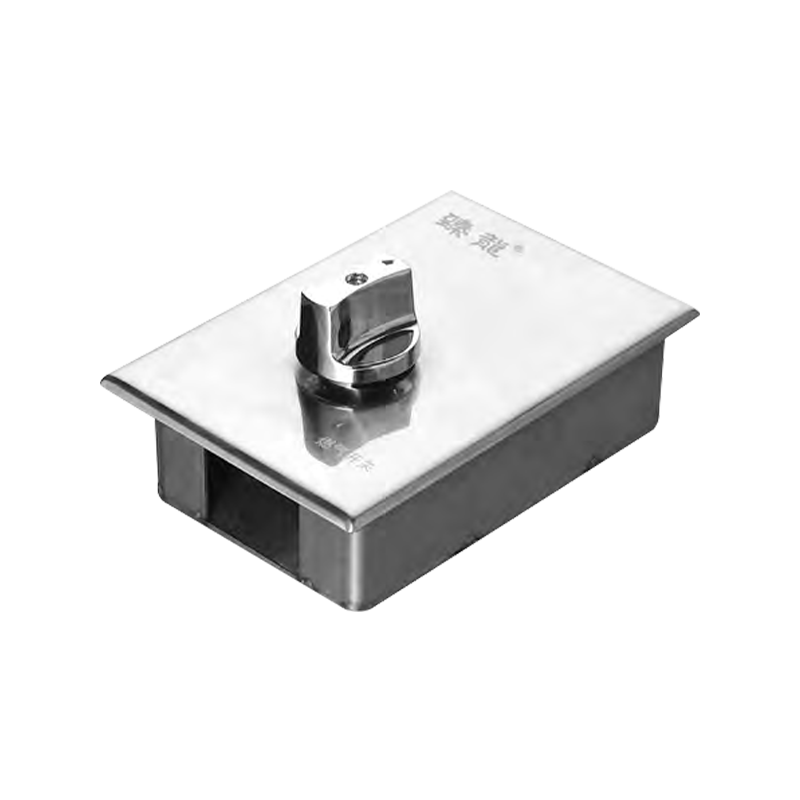 Wholesale Stainless steel buried wall switch box for home gas hose Suppliers, CoZhejiang Zhenlong is China wholesale Stainless steel buried wall switch box for home gas hose suppliers and OEM/ODM company,The Stainless...View Product →
Choosing CSST for Residential or Commercial Gas Systems
Before choosing CSST, verify that the project follows the applicable code and that the product carries the right approvals. Consider the pressure rating, pipe diameter, travel distance, and appliance load. For each product, confirm that the fittings are compatible and that you have a clear bonding path. For an outdoor underground run, PE pipe remains a common option, but for indoor distribution and appliance connections, CSST is often the most practical answer.
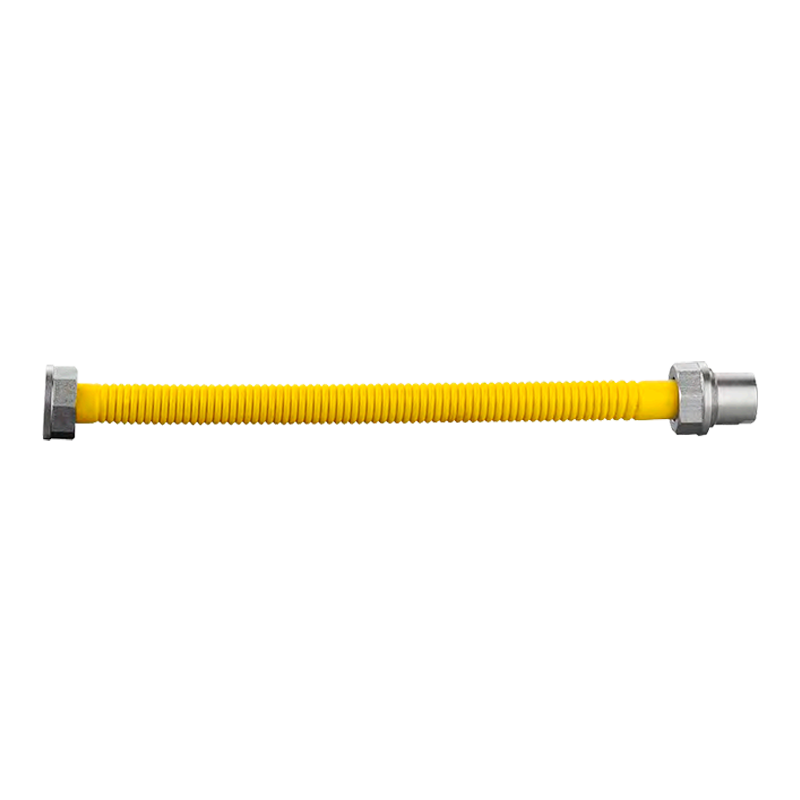
Supplier quality matters. Weld consistency, jacket adhesion, and the accuracy of end connections are difficult to judge from a photo. A factory with proper testing and certification is a safer point of reference. At the planning stage, you can compare options in the manufacturer's full gas piping range. One relevant choice is a yellow PVC-coated stainless steel gas hose, which matches the conventional look of indoor CSST systems and provides a defined outer protection layer.
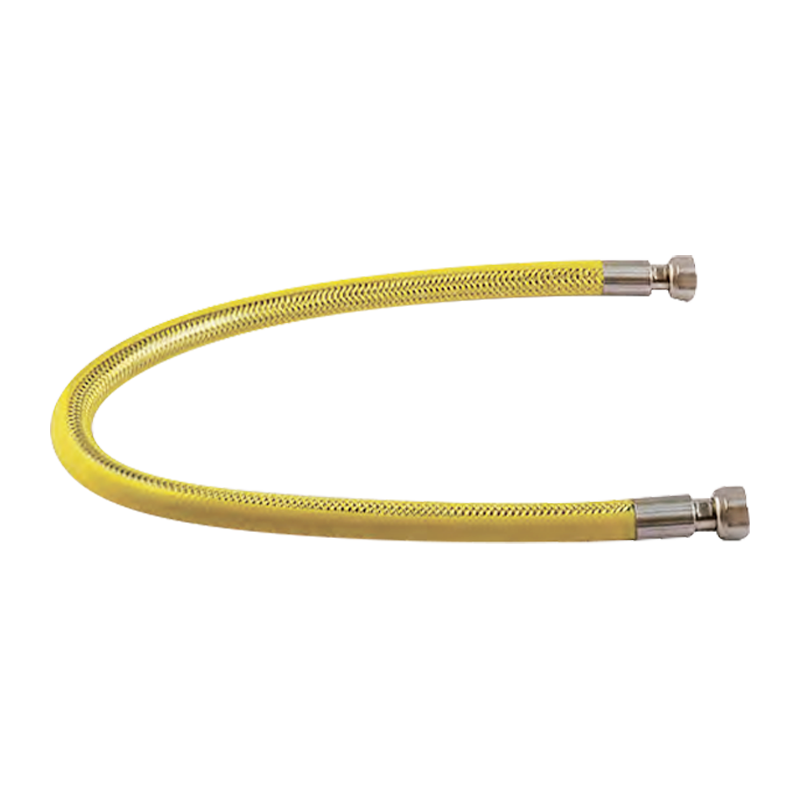
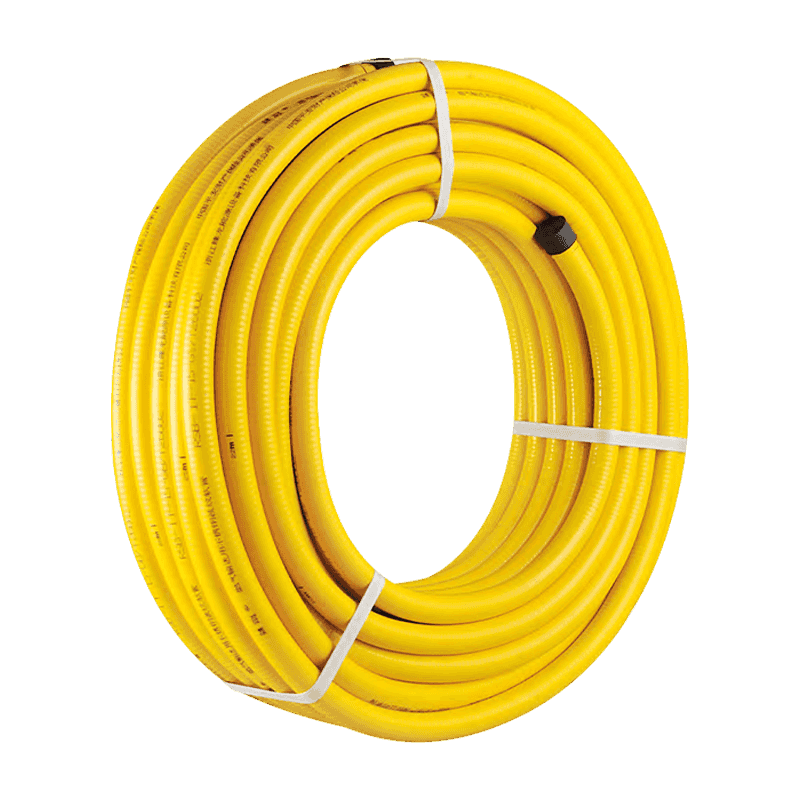 Wholesale Yellow PVC-coated stainless steel gas hose ZLR-01 Suppliers, CompanyZhejiang Zhenlong is China wholesale Yellow PVC-coated stainless steel gas hose ZLR-01 suppliers and OEM/ODM company,The Yellow PVC-coate...View Product →
Zhejiang Zhenlong Energy Equipment Technology Co.,LTD. is a company engaged in the research and development, manufacturing, and processing of energy equipment; We are an enterprise that manufactures, processes, and combines industry and trade in metal hoses, natural gas pipelines, plumbing fittings, sanitary ware, valves, plastic products, and hardware.
Our company is located in Yuyao, Ningbo, Zhejiang, covering an area of 40 acres with a factory building of 30000 square meters. We have 30 welding and forming production lines, 2 uninterrupted solid melting hydrogen furnace production lines, and testing equipment such as metal material analysis direct reading spectrometer, flow tightness tester, etc. We strictly implement the ISO9000:2008 quality management system and hold the People's Republic of China Special Equipment Manufacturing License (Pressure Pipeline) and the EU CE certification national testing center report. We are a member of the China Urban Gas Association. The company has a strong R&D, design, and production team to provide customers with safe pipe fittings and comprehensive pre-sales and after-sales services. Zhejiang Zhenlong Energy Equipment Technology Co., Ltd. originates from sincere cooperation with friends at home and abroad, working together to create brilliance.
Frequently Asked Questions About CSST
Q1. Is CSST safe for home gas lines?
A1. Yes. CSST is safe when installed by a qualified professional, bonded correctly, and tested according to code and manufacturer instructions.
Q2. Does CSST require bonding?
A2. Yes. CSST must be bonded to the building grounding electrode system using an approved bonding clamp and conductor.
Q3. What is the difference between yellow and black CSST?
A3. The jacket color usually reflects the product line or outdoor rating, not a different safety class. Both still require correct bonding.
Q4. Can CSST be used outdoors?
A4. Some CSST products are rated for outdoor exposure, but most are intended for indoor or protected installations. Follow the product listing.
Q5. Does CSST need special fittings?
A5. Yes. Only fittings approved for that specific CSST brand and diameter should be used, and they must be tightened to the required torque.
Q6. Can I repair CSST myself?
A6. No. CSST installation and repairs should be performed by licensed gas professionals who can verify bonding, leak testing, and code compliance.