 English
 中文简体
中文简体 Español
 عربى
عربى
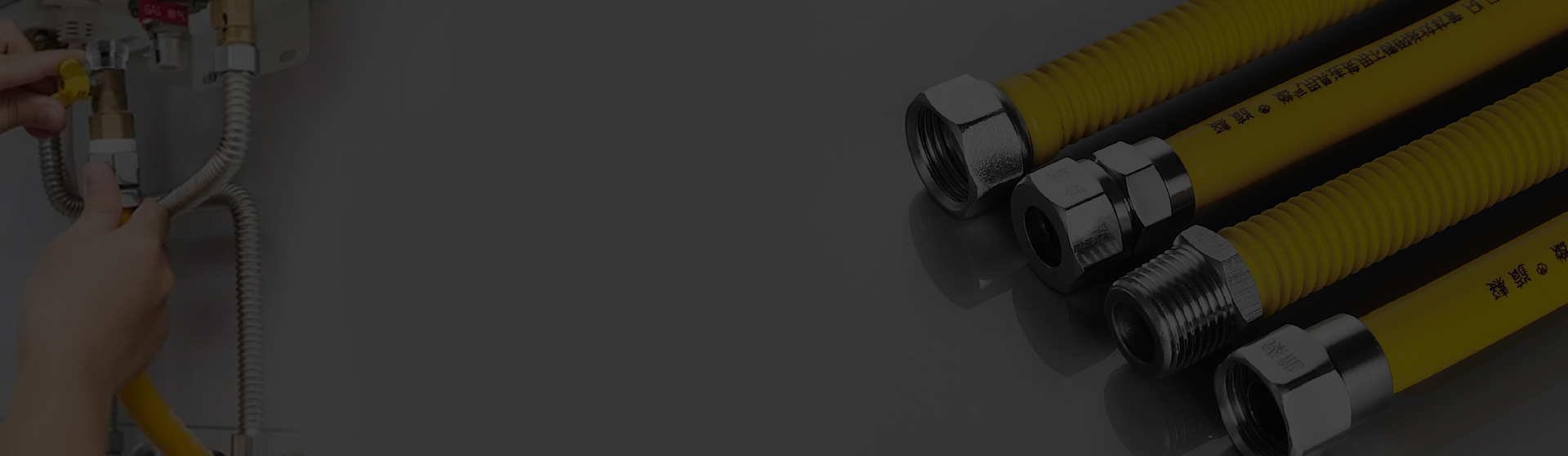

A storm rolls through a few hundred metres away, and lightning hits a transformer. The surge travels along the utility lines into a building, then looks for the easiest path to earth. In an unbonded corrugated stainless steel tubing (CSST) gas line, that path can run straight through the thin tubing wall and burn a pinhole into the pipe.
Bonding a CSST gas line prevents this scenario. It connects the tubing to the building's electrical service grounding electrode system, so the tubing and all nearby metal parts stay at the same electrical potential. The short answer: bonding is not an upgrade or a nice-to-have — it is a safety requirement in the National Fuel Gas Code (NFPA 54) and in every CSST manufacturer's installation instructions.
Content
- 1 What Does Bonding a CSST Gas Line Mean?
- 2 Why Bonding a CSST Gas Line Is a Code Requirement
- 3 CSST Bonding Requirements at a Glance
- 4 How to Bond a CSST Gas Line: Step-by-Step
- 5 Tools and Materials You Will Need
- 6 Common CSST Bonding Mistakes to Avoid
- 7 How to Verify the Bond Is Correct
- 8 Choosing a CSST Manufacturer You Can Trust
- 9 CSST Gas Line Bonding FAQ
What Does Bonding a CSST Gas Line Mean?
People often use "bonding" and "grounding" as if they mean the same thing, but they are separate jobs. Grounding connects a system to the earth through a grounding electrode such as a ground rod. Bonding connects two or more metal parts together so they share the same electrical potential.
For a CSST system, a bonding conductor connects the tubing to the electrical service grounding electrode system. The standard setup uses a minimum 6 AWG copper conductor attached to the first fitting or manifold with a listed bonding clamp. The other end terminates on the grounded bus of the main panel or at another approved point of the grounding electrode system.
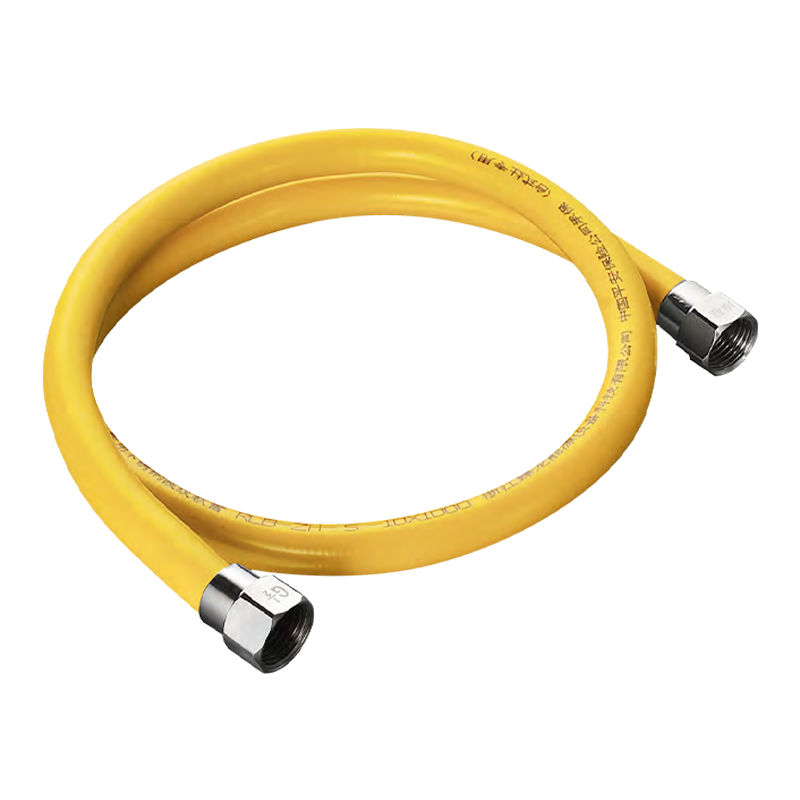
This requirement applies to every CSST configuration — bare stainless steel, yellow PVC-coated tubing, and metal-wrapped hose. Plan the bonding point before the piping is boxed into walls, because the clamp must stay accessible.
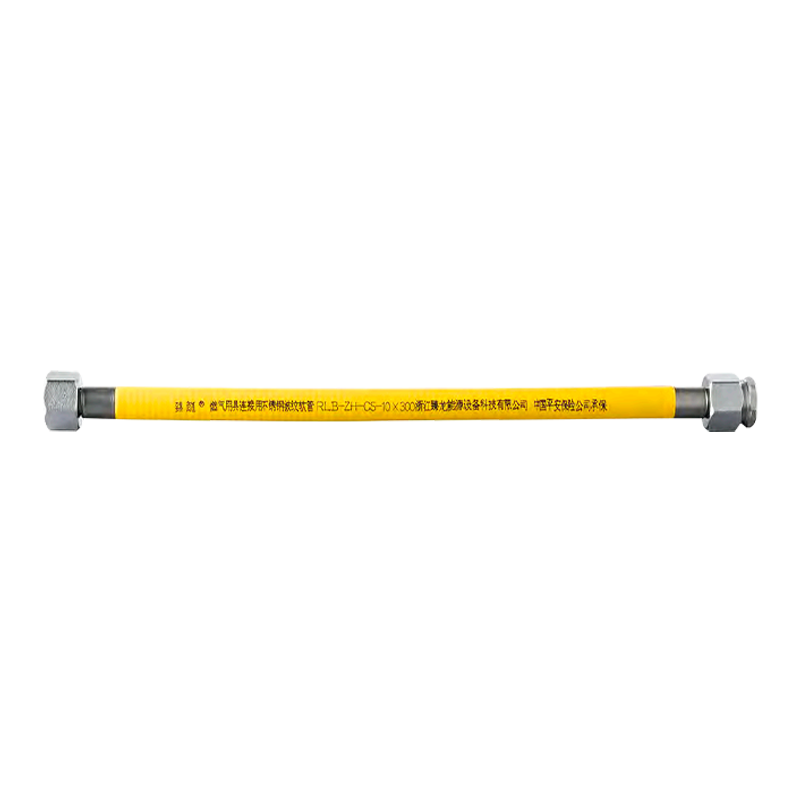
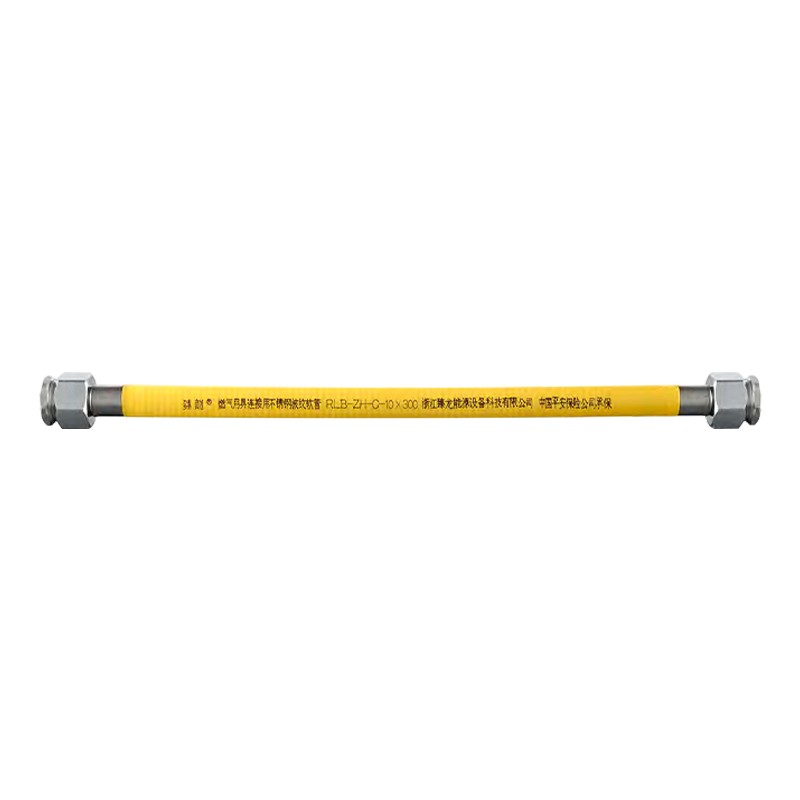
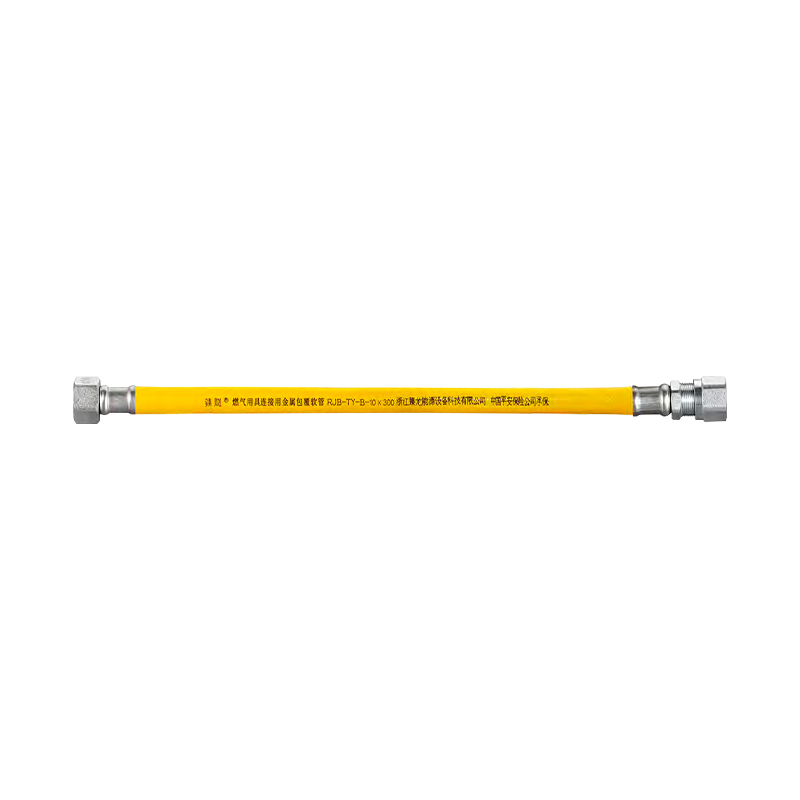
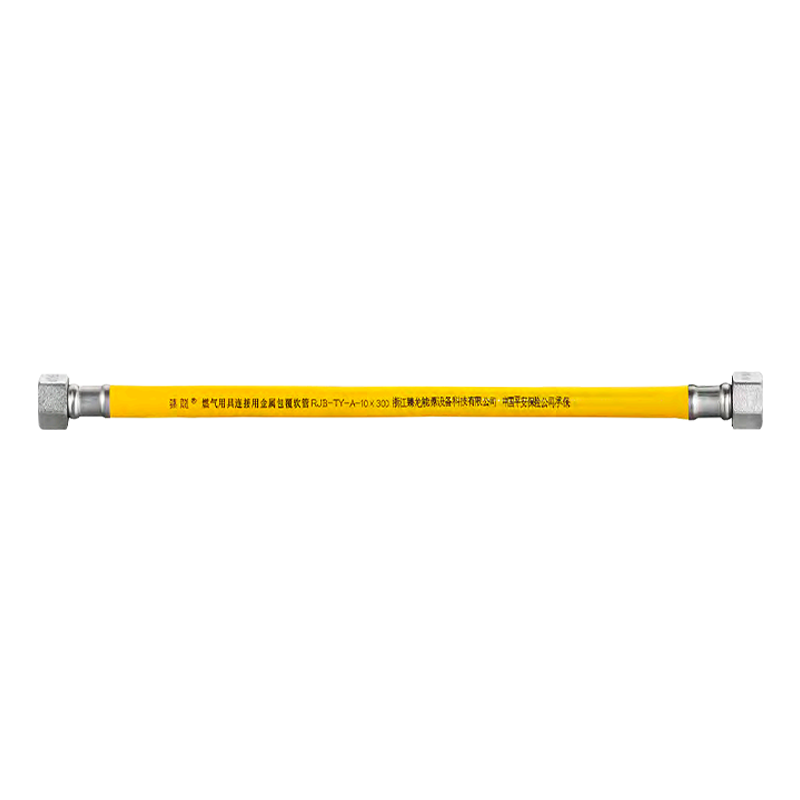
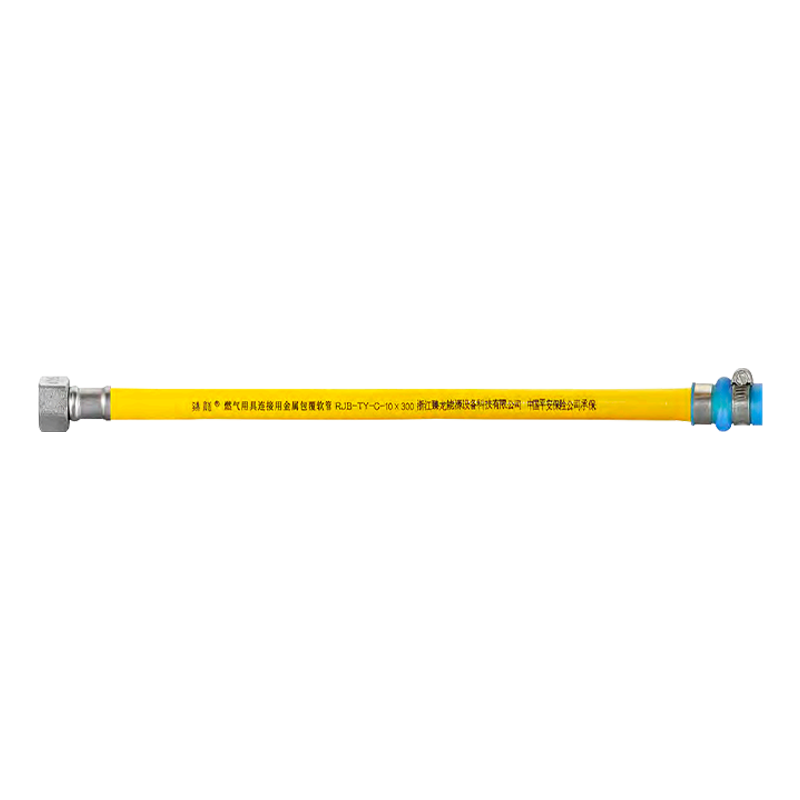
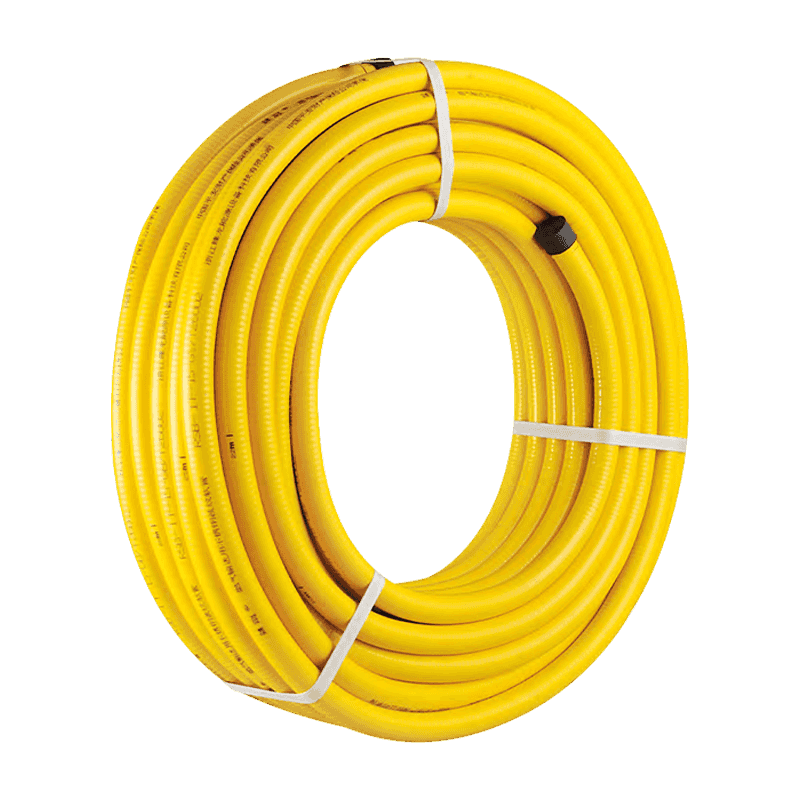 Yellow PVC-Coated Stainless Steel Corrugated Gas Hose ZLR-01This CSST hose offers flexibility for routing gas lines, but its corrugated steel wall can concentrate electrical stress. Review its bonding requirements before installation to avoid hidden leak risks.View Product →
Why Bonding a CSST Gas Line Is a Code Requirement
CSST is made from thin stainless steel, typically 0.010 in. to 0.014 in. (0.25 mm to 0.36 mm) thick. The corrugated profile gives installers flexibility to route the line with few fittings, but it also concentrates electrical stress at the peaks of the corrugation. If lightning current or a utility surge flows across the tubing, an arc can form and melt a pinhole through the wall. In a gas line, a pinhole means an undetected leak.
The National Fuel Gas Code (NFPA 54) has required bonding for all CSST gas piping systems since the 2015 edition. Its bonding section requires each CSST system to be bonded to the electrical service grounding electrode system with a jumper no smaller than 6 AWG copper. Building inspectors, gas utilities, and insurance underwriters routinely verify that a visible bond is present before a system is accepted.
The reason for the 6 AWG minimum is straightforward: the bonding conductor must provide a low-impedance path to earth so surge current stays on the wire instead of arcing through the tubing. NEC Chapter 9, Table 8 shows why this size was chosen.
CSST Bonding Requirements at a Glance
The table below summarizes the requirements that appear consistently in NFPA 54 and typical manufacturer manuals.
| Requirement | Specification |
|---|---|
| Minimum bonding conductor | 6 AWG copper or equivalent |
| Connection point on the CSST system | First fitting or manifold |
| Termination point | Electrical service grounding electrode system |
| Bonding clamp | Listed for CSST, corrosion-resistant |
| Installation reference | NFPA 54 and manufacturer's manual |
| Timing | Before the gas system is placed into service |
A 6 AWG conductor also carries substantial continuous current. NEC Table 310.16 rates it at 55 A at 60°C, as the line chart shows — a useful measure of the thermal margin that matters during short, high-current surges.
How to Bond a CSST Gas Line: Step-by-Step
Bonding must be completed before the gas system is placed into service. If you are not comfortable with electrical work, hire a licensed electrician. The procedure below follows NFPA 54 and the approach used by most CSST manufacturers.
- Identify the first fitting or manifold of the CSST system. This is the approved bonding point in most manufacturer manuals.
- Turn off the main electrical service if you are working near the panel or any live conductors.
- Attach a listed CSST bonding clamp to the first fitting or manifold. Tighten it to the torque value printed on the clamp; overtightening can deform the fitting.
- Run a minimum 6 AWG copper bonding conductor from the clamp to the grounding electrode system. Keep the route short and direct.
- Land the conductor on the grounded bus in the main panel, or at another approved point of the grounding electrode system, with a listed connector.
- Secure the conductor along its route with approved supports so it cannot rub against sharp edges or be pulled loose.
- Label the conductor at both ends if local code requires it, and keep the record for inspection.
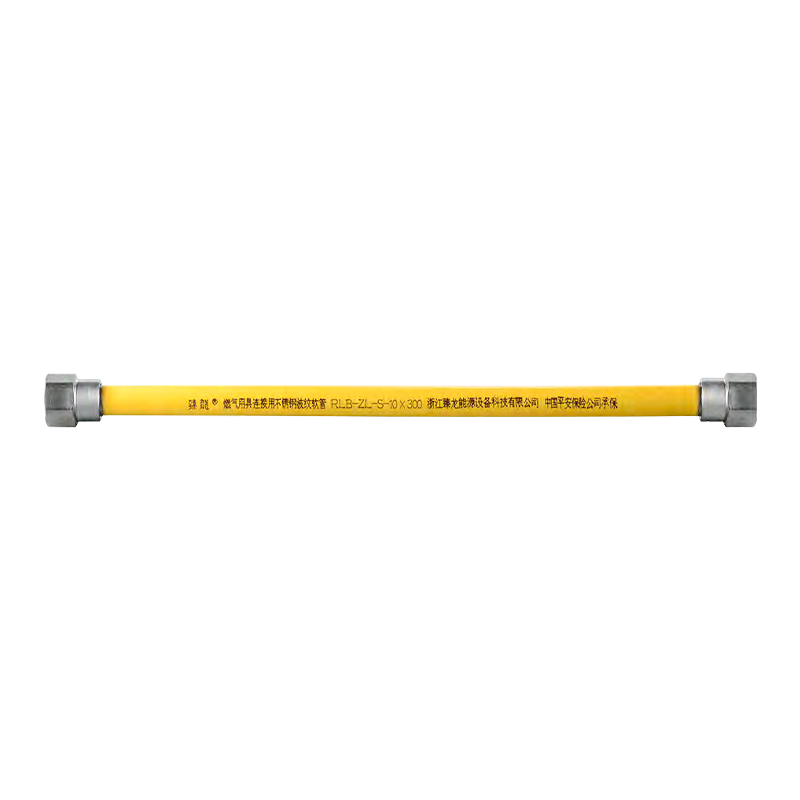
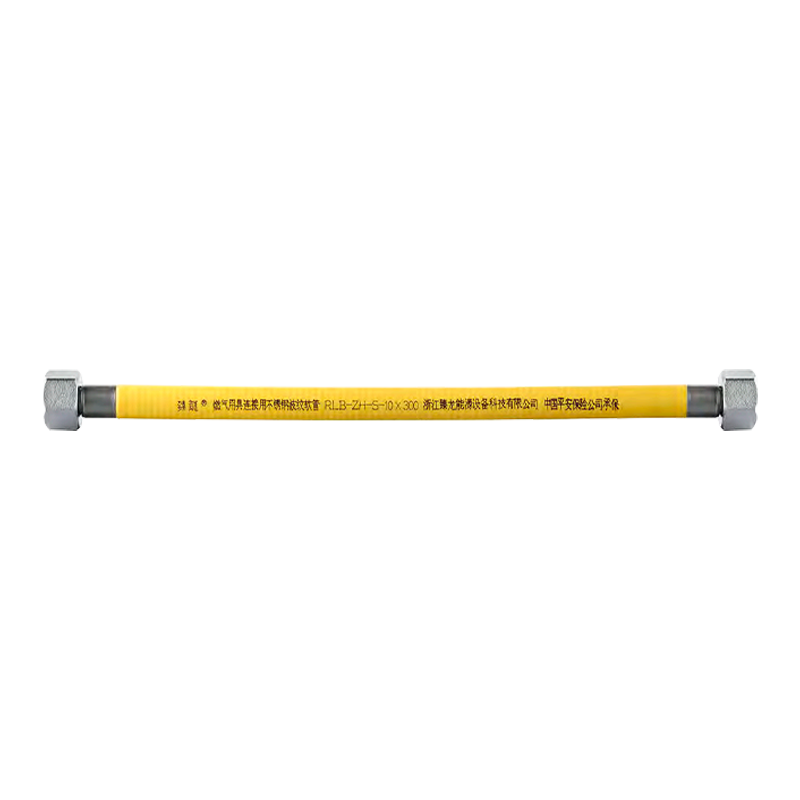
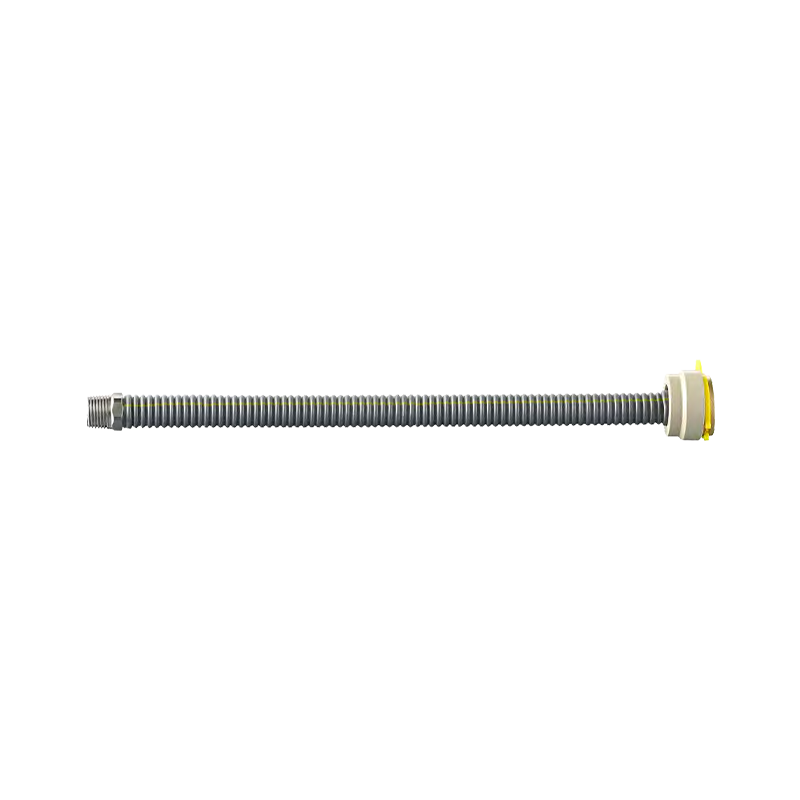
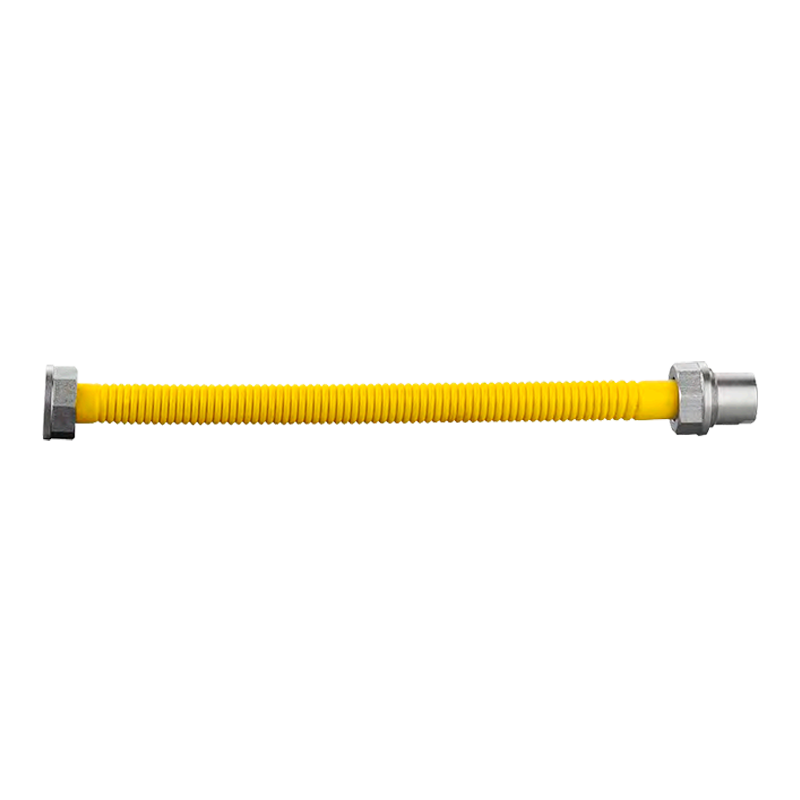
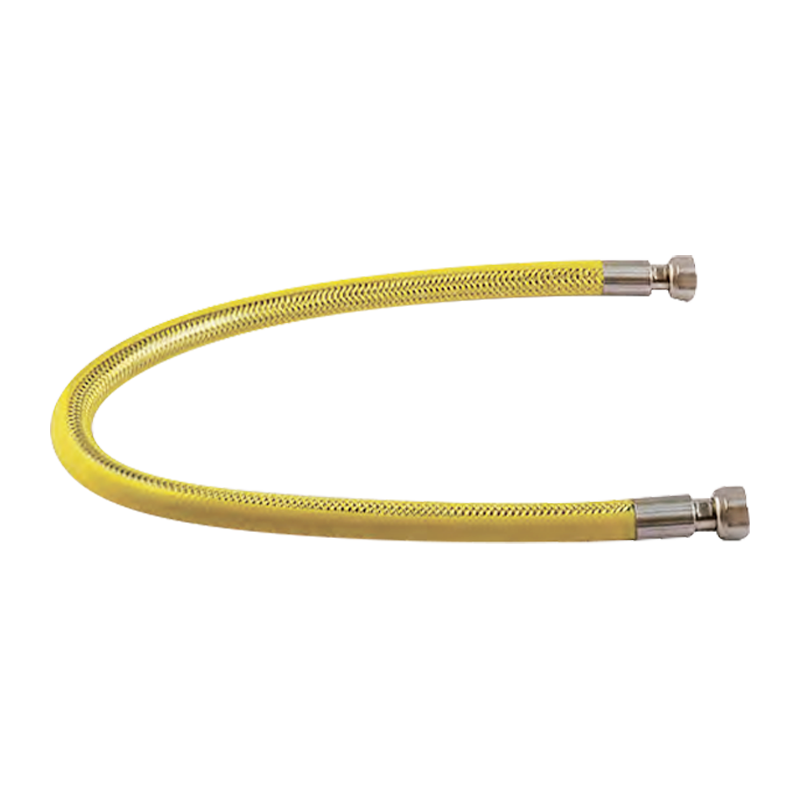
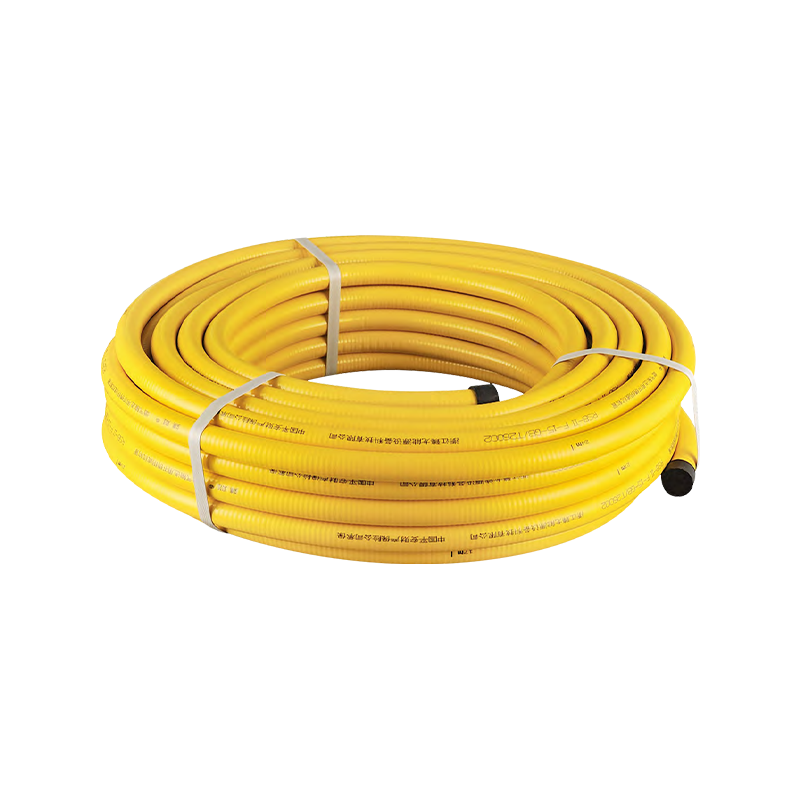 304 Stainless Steel Corrugated Gas Pipe with Yellow PVC Coating ZLR-02A flexible CSST pipe designed for gas transmission, featuring a 304 stainless bellows and a protective PVC layer. Proper bonding is essential; refer to the installation guide for safe grounding.View Product →
If you are installing the CSST piping for the first time, review our complete step-by-step CSST gas line installation guide before you start; it covers the bonding point in the context of the full piping run.
Tools and Materials You Will Need
Gather everything before you start. The bonding clamp and the 6 AWG conductor are the core items; the rest are standard installation tools.
- Listed CSST bonding clamp, sized for the fitting or manifold
- Minimum 6 AWG copper bonding conductor, solid or stranded
- Torque wrench or screwdriver that matches the clamp's torque specification
- Wire strippers and side-cutting pliers
- Listed connector for the panel ground bus
- Approved conductor supports or clips
- Multimeter or low-resistance ohmmeter for the final continuity check
Your CSST system also needs correctly rated fittings at every connection. The bonding clamp usually attaches to the first metal fitting, so the fitting's material and thread quality directly affect the reliability of the bond.
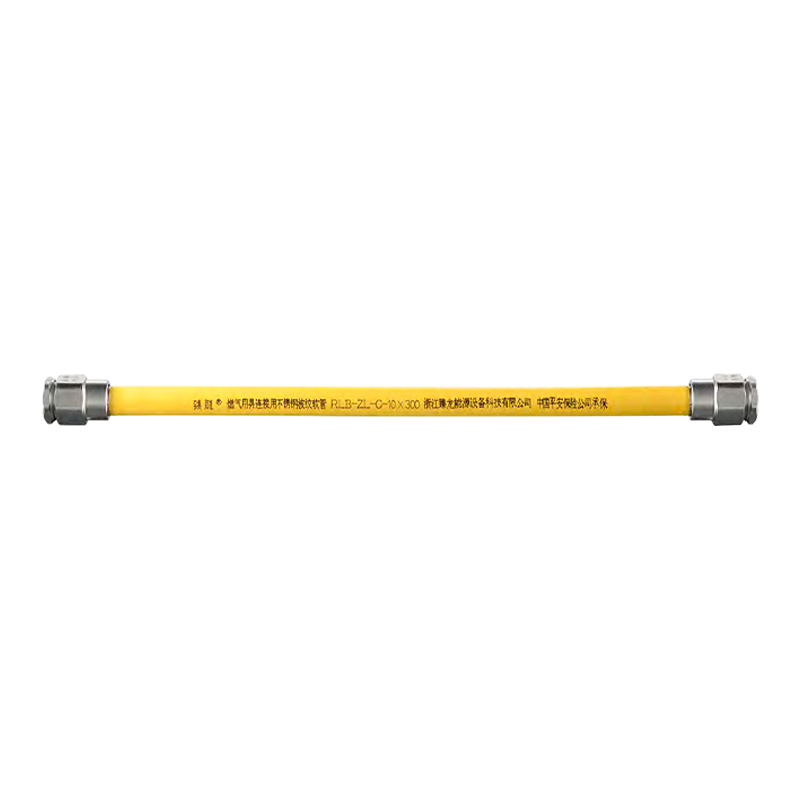
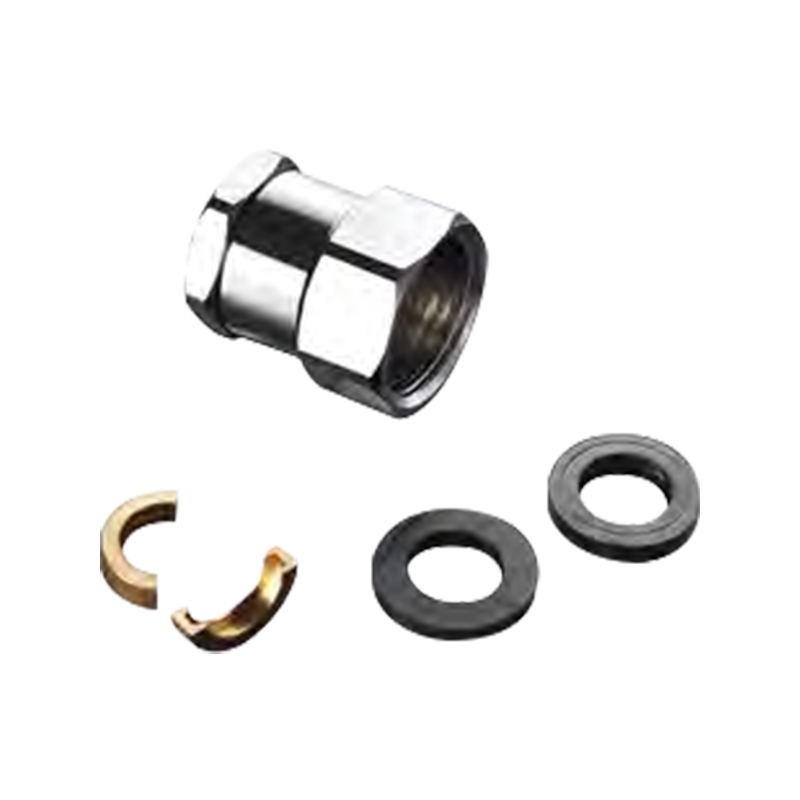 Precision Gas Pipe Screw Joint FittingThis screw joint provides a secure, leak-resistant connection between gas pipes. Its thread quality directly affects bonding reliability, making it a key component for safe CSST installations.View Product →
Common CSST Bonding Mistakes to Avoid
Most bonding failures in the field are installation mistakes, not bad hardware. Avoid these six.
- Bonding to a cold-water pipe instead of the electrical service grounding electrode system. A water pipe bond does not meet NFPA 54.
- Using a conductor smaller than 6 AWG. The minimum exists for a reason.
- Attaching the clamp to the corrugated wall of the tubing instead of the approved fitting or manifold.
- Overtightening the clamp. A deformed fitting or crushed tubing creates a leak path.
- Painting over the clamp or the connection. The bond must remain accessible and electrically clean.
- Assuming one bond covers several CSST systems. Check the manufacturer's instructions when multiple manifolds exist.
Most of these problems are easy to catch during a visual inspection. Our article on CSST safety and installation best practices explains the most common risks in more detail.
How to Verify the Bond Is Correct
A bond that looks right is not the same as a bond that is electrically right. Perform these checks before the inspector arrives.
- Confirm the clamp sits on the first fitting or manifold against a clean, unpainted metal surface.
- Confirm the conductor is 6 AWG copper or larger and is supported along its full route.
- Measure continuity between the CSST system and the service ground bus. A healthy bond typically reads below 1 ohm — often below 0.5 ohm.
- Re-check the connection after any renovation that could disturb the conductor.
Choosing a CSST Manufacturer You Can Trust
Bonding protects a gas system, but the gas system itself also has to be sound. Tubing, fittings, and clamps all need consistent quality, traceability, and the correct certifications.
Zhejiang Zhenlong Energy Equipment Technology Co., LTD. is a company engaged in the research and development, manufacturing, and processing of energy equipment. We are an enterprise that manufactures, processes, and combines industry and trade in metal hoses, natural gas pipelines, plumbing fittings, sanitary ware, valves, plastic products, and hardware. Our company is located in Yuyao, Ningbo, Zhejiang, covering an area of 40 acres with a factory building of 30,000 square meters. We have 30 welding and forming production lines, 2 uninterrupted solid melting hydrogen furnace production lines, and testing equipment such as a metal material analysis direct reading spectrometer and a flow tightness tester.
We strictly implement the ISO9000:2008 quality management system and hold the People's Republic of China Special Equipment Manufacturing License (Pressure Pipeline) and the EU CE certification national testing center report. We are a member of the China Urban Gas Association. The company has a strong R&D, design, and production team to provide customers with safe pipe fittings and comprehensive pre-sales and after-sales services. Zhejiang Zhenlong Energy Equipment Technology Co., Ltd. originates from sincere cooperation with friends at home and abroad, working together to create brilliance.
CSST Gas Line Bonding FAQ
Q1: Is bonding required for every CSST gas line?
Yes. NFPA 54 requires every CSST gas piping system to be bonded to the electrical service grounding electrode system, regardless of building type. The bond must be in place before the gas line is put into service.
Q2: What size bonding wire do I need for CSST?
The minimum is 6 AWG copper or equivalent, per NFPA 54. Always check the manufacturer's manual as well; some systems specify a larger conductor.
Q3: Can I bond CSST to a copper cold-water pipe?
No. The CSST system must be bonded to the electrical service grounding electrode system. A cold-water pipe is not an approved replacement.
Q4: What happens if the CSST is not bonded?
During a lightning strike or utility surge, current can arc through the thin stainless steel wall and form a pinhole leak. Unbonded CSST also fails most gas inspections and may void the manufacturer's warranty.