 English
 中文简体
中文简体 Español
 عربى
عربى
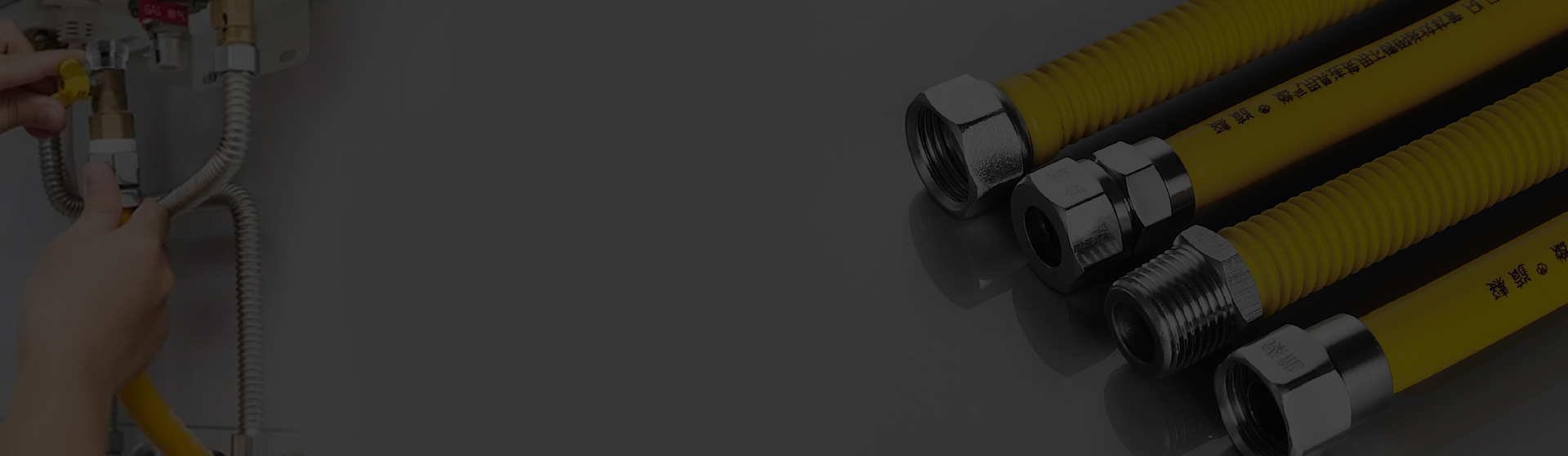

A single over-tightened nut on a gas connector can turn a two-hour fit-out into a full day of rework, and it can put a utility crew on a homeowner's doorstep at midnight. That is why CSST pipe fittings are not a commodity line item. Here is the conclusion first: buy fittings that are listed with the exact corrugated stainless steel tubing you are installing, confirm the thread form and size against the appliance or manifold, and never mix brands or substitute plumbing-grade parts to save a few cents per unit. The rest of this article explains why those three rules matter, where connections actually fail, and how to vet a supplier before you commit to a container.
Content
- 1 What CSST Pipe Fittings Actually Do
- 2 Where CSST Connections Actually Fail
- 3 Matching Fittings to Tubing: The Checks That Prevent Rework
- 4 Choosing by Application: Appliance, Piping, or Concealed
- 5 A Visual Check on Material Choices
- 6 Procurement Checklist: What to Ask Before You Order
- 7 How Zhejiang Zhenlong Energy Equipment Technology Controls Fitting Quality
- 8 Frequently Asked Questions About CSST Pipe Fittings
What CSST Pipe Fittings Actually Do
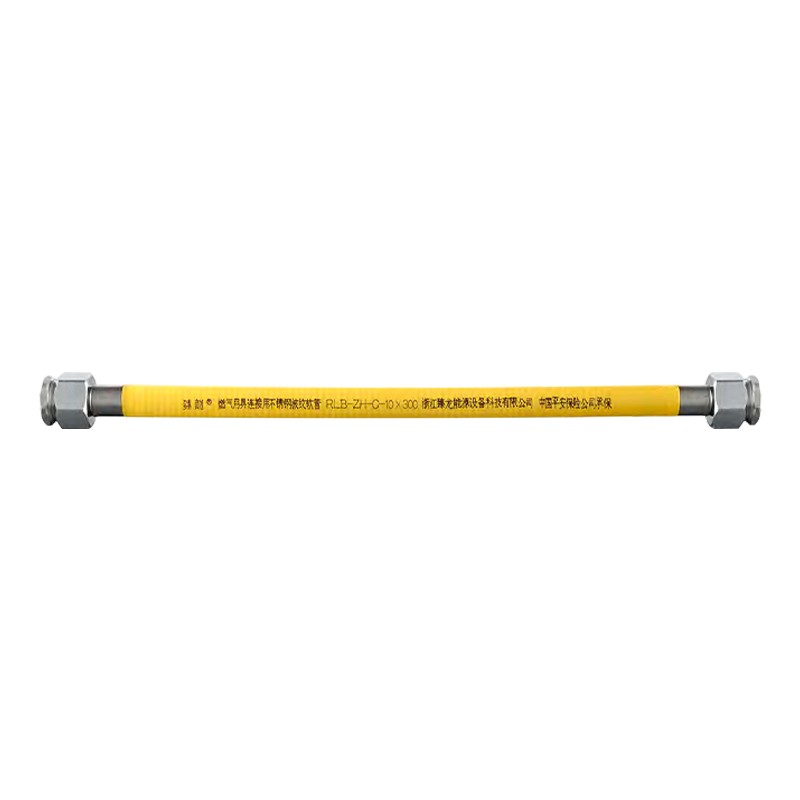
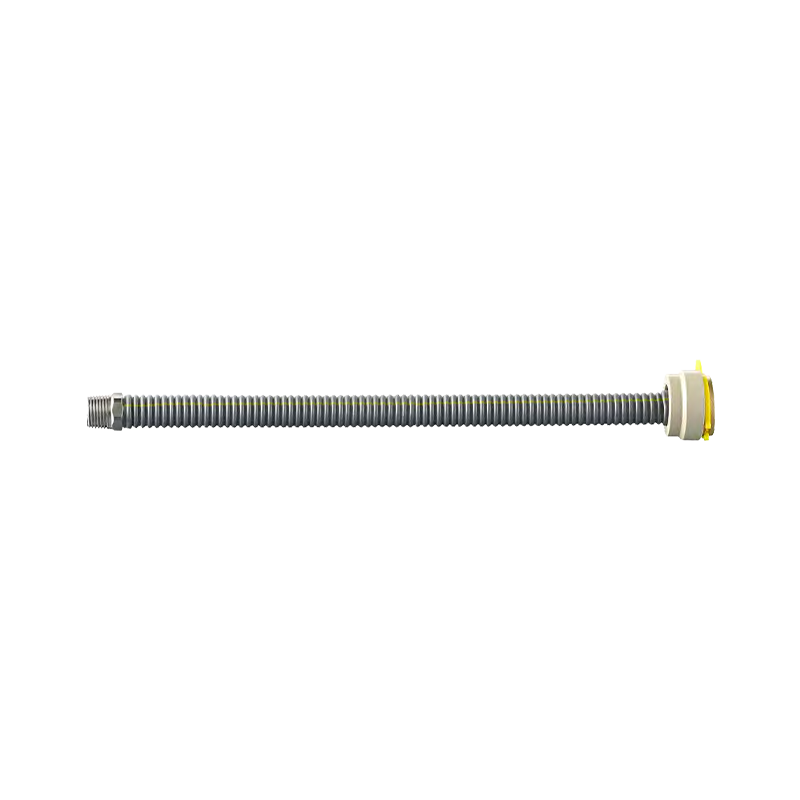
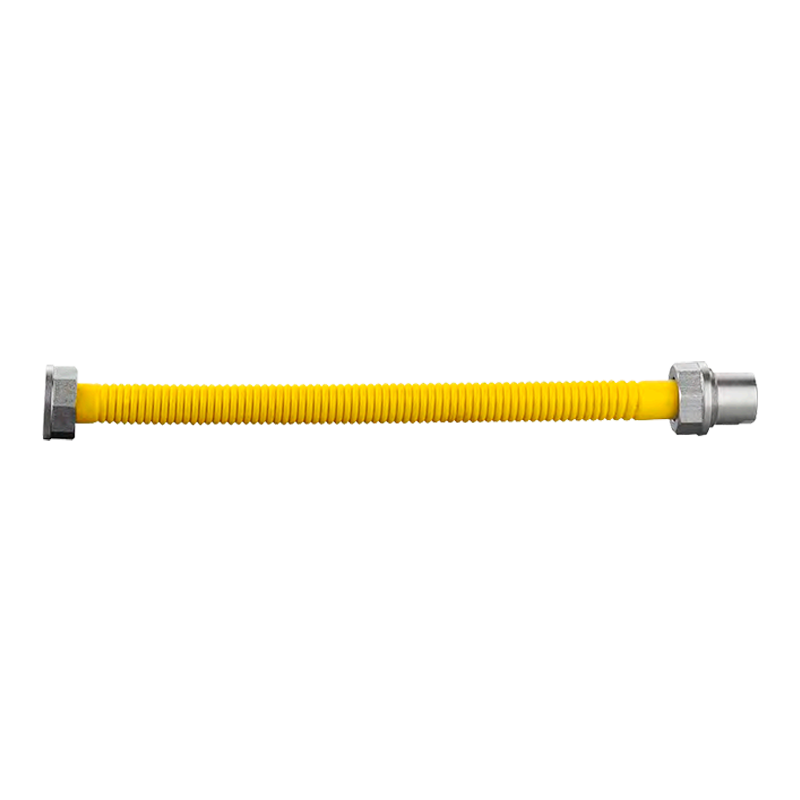
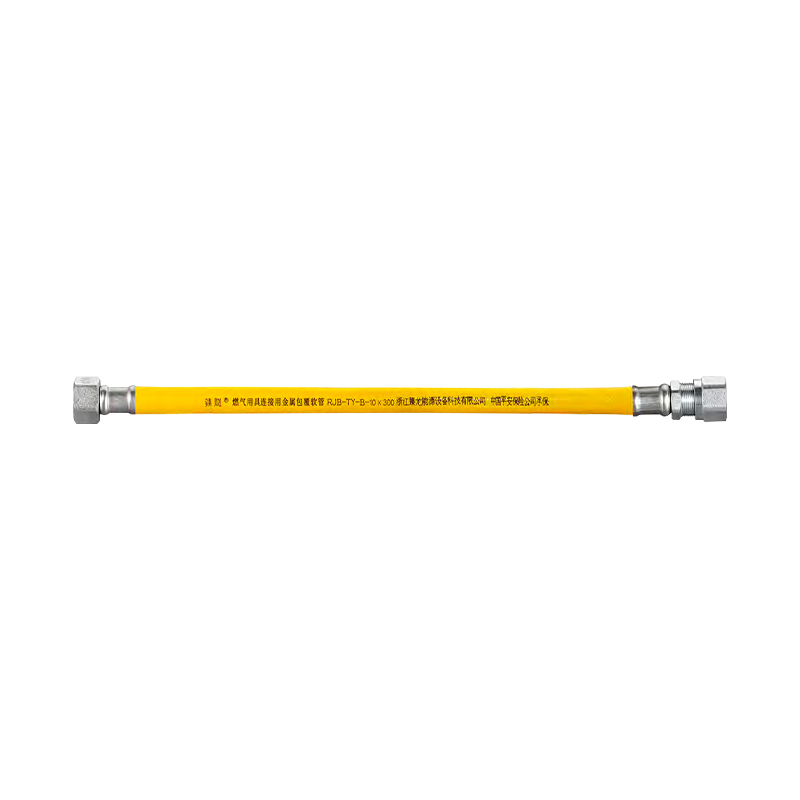
CSST, or corrugated stainless steel tubing, is an annealed, thin-wall 304 or 316 stainless tube with a continuous corrugation and, in most residential and light commercial products, an extruded polymer jacket in yellow, black or orange. The tube is flexible by design. The fittings are what convert that flexibility into a fixed, code-compliant gas path.
A fitting has two separate jobs, and they are two separate engineering problems. It has to seal: hold gas at the system's working pressure with no measurable leakage, across years of thermal cycling. It has to anchor: resist pull-off, vibration and the small sideways loads created when someone drags a dryer or range into position.
Because those jobs are different, the fittings used with CSST are not one product but a family:
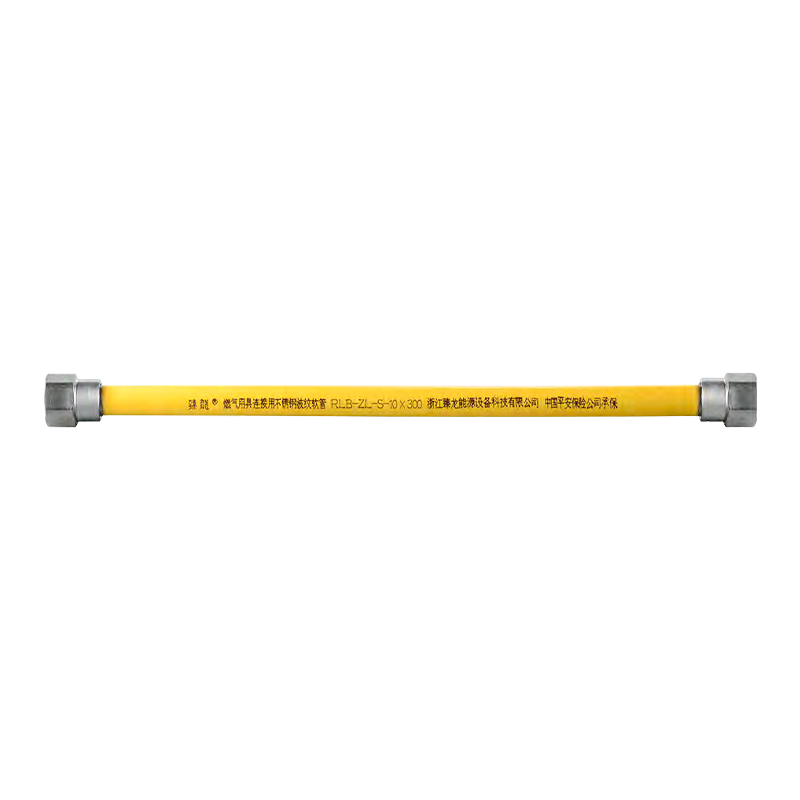
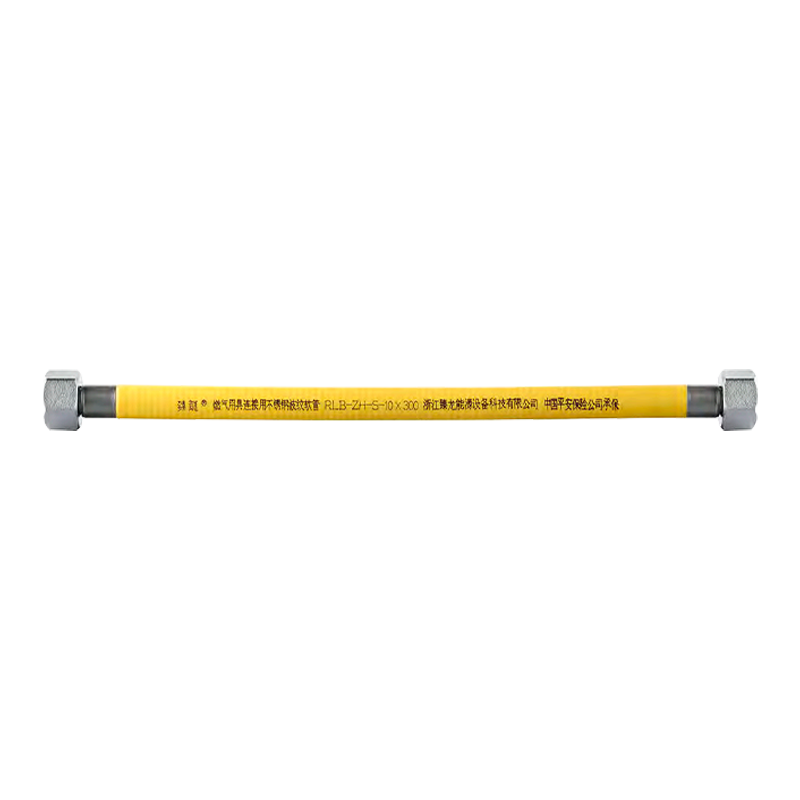
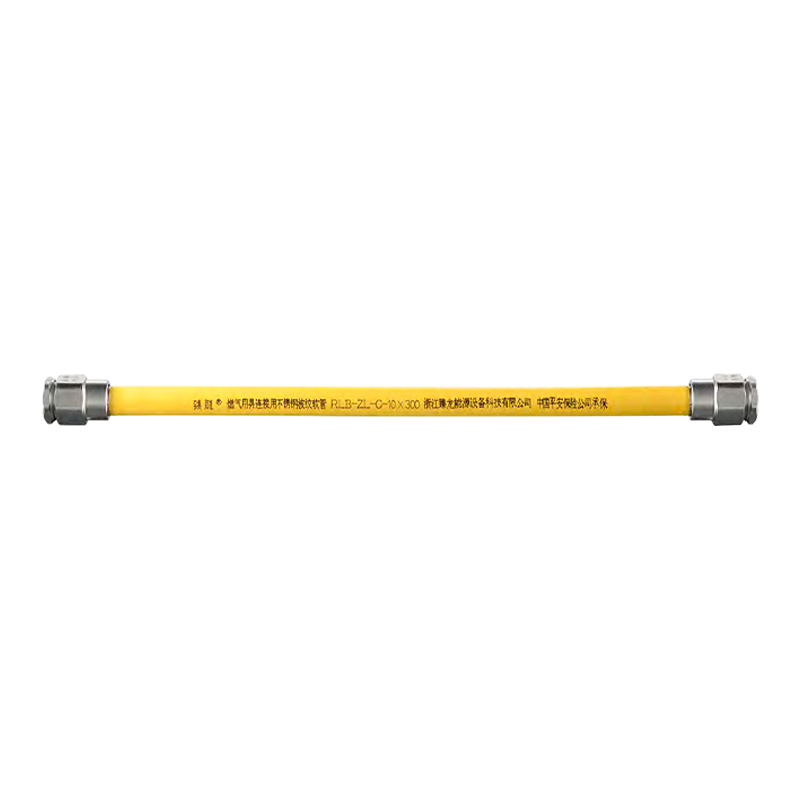
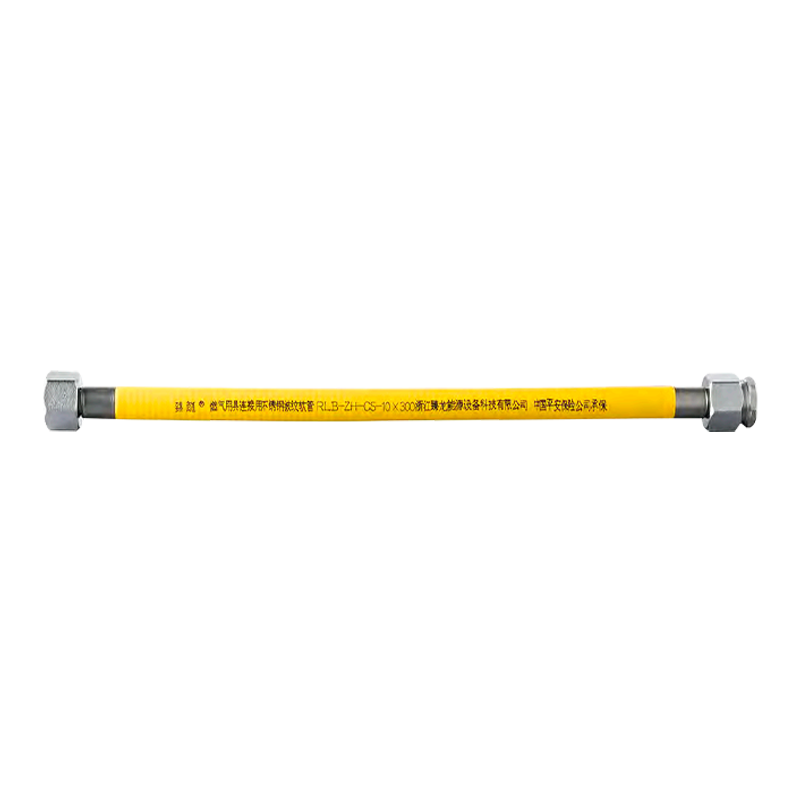
- Termination adapters, including male and female threaded fittings, flanged ends, sleeve-type connectors and plug-in swivel joints.
- Distribution components such as tees, F-type tees, reducers and manifolds.
- Control components including ball valves, single-nozzle valves and triangle valves for individual appliance drops.
- Concealed outlet hardware, most notably buried-wall and outside-wall switch boxes.
- Protection and support items such as pipe clamps, guard plates, insulation sleeves and wall grommets.
Every one of these is part of the listed assembly, not an accessory. A certified tube terminated with an uncertified adapter is an uncertified system.
Where CSST Connections Actually Fail
In field practice, the corrugated tube itself is rarely the source of a leak. The interface is. Gas appliance connector standards such as ANSI Z21.24 compliance for gas appliance connectors exist precisely because the joint, not the pipe body, is the weak point that has to be validated by test.
The recurring causes of a failed CSST joint are predictable and almost always installation-driven:
- The tube is cut out of square or the cut end is not deburred, so the sealing face never seats concentrically.
- An O-ring, gasket or ferrule is missing, the wrong size, or reused after a disassembly.
- A tapered thread is cross-threaded, which produces a joint that passes a sniff test today and weeps next winter.
- Thread sealant is applied to a flare or compression seat, contaminating the very surface that must stay dry and clean.
- The tube is bent tighter than the manufacturer's minimum bend radius within one fitting length, creating a stress riser exactly where the load is highest.
- The system is not bonded in accordance with the applicable fuel gas code, leaving the tubing exposed to surge energy it was never intended to absorb.
Matching Fittings to Tubing: The Checks That Prevent Rework
Sizing errors are the most expensive mistakes in this category because they are only discovered on site. A 1/2 in nominal CSST fitting will not accept 3/4 in tubing, and an NPT adapter will not seal into a BSPP port no matter how much tape is wound onto it. Work through the following checks before releasing a purchase order.
| What to verify | Why it matters | Typical options |
|---|---|---|
| Listing and matching | Fittings are qualified as part of a specific tubing system; mixing brands voids the listing. | Same-brand fitting and tube, listed to the CSST product standard |
| Nominal size | A mismatch cannot be corrected by tightening; it must be re-ordered. | 1/2 in, 3/4 in, 1 in (DN15 / DN20 / DN25) |
| Thread form | Tapered threads seal on the thread; parallel threads seal on a gasket or face. | NPT, BSPP (G), metric — confirm against the port |
| Body material | Brass is standard; chloride-rich or coastal environments often justify 316 stainless. | Brass, 316 stainless steel |
| Sealing element | Determines whether the joint depends on an elastomer, a metal-to-metal seat, or a gasket. | O-ring, compression ferrule, bonded gasket |
| Protection hardware | Wall boxes, guard plates and clamps protect the tube where it cannot flex freely. | Switch boxes, guard plates, clamps, insulation sleeves |
Buyers who handle both plumbing and gas work often blur the two. They should not. A water fitting that looks identical may use a different elastomer and a different surface finish, and neither is evaluated against fuel gas exposure.
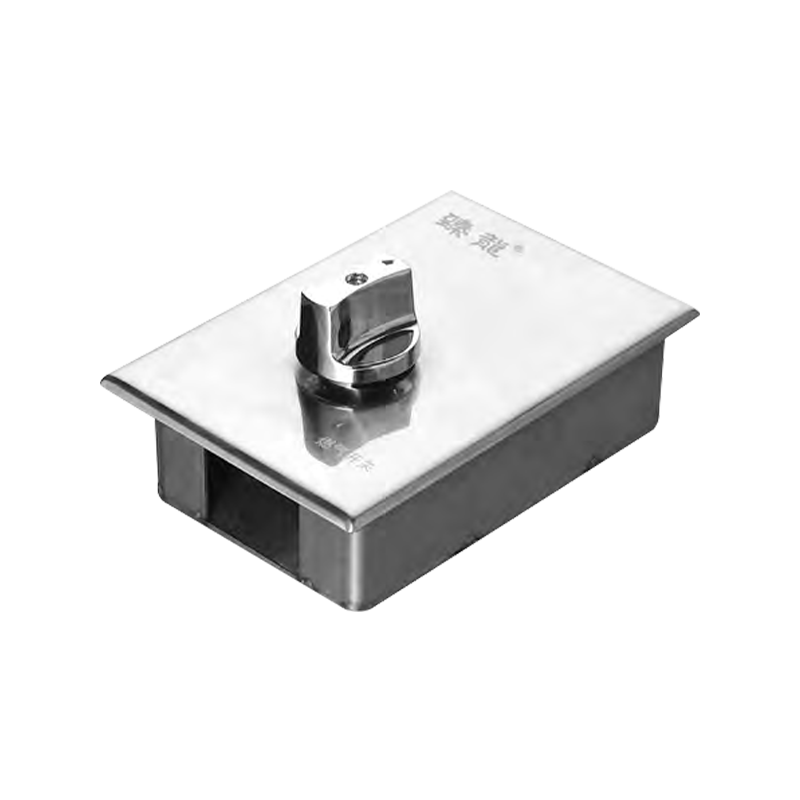 Stainless steel corrugated hose fittings for gas transmission ManufacturerStainless steel buried wall switch box for home gas hoseView Product →
Choosing by Application: Appliance, Piping, or Concealed
Appliance connections
Short, visible runs behind a range, dryer or water heater are governed by the appliance connector standard, and the fitting is usually a compression nut with an O-ring or a flare seat. These are the joints most likely to be disturbed by a homeowner, so pull-off resistance and a clean, square cut matter more here than anywhere else.
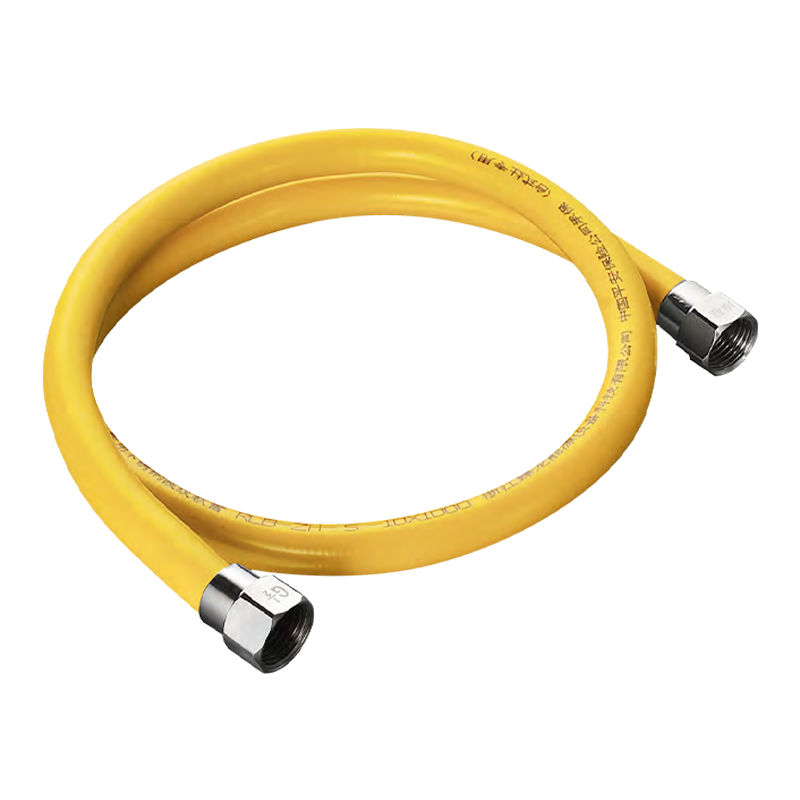 Stainless steel corrugated tubes for the connecting gas appliances ManufacturerStainless steel corrugated gas hose with strong pressure resistance ZLR-04View Product →
Piping systems
Longer runs through ceilings and wall cavities need fittings that terminate rigidly at a manifold or a shut-off, plus protection wherever the tube passes through structure. Pressure rating, bend radius and support spacing all come from the manufacturer's installation instructions, and they are not interchangeable between brands.
Concealed and wall-box outlets
Where the tube disappears into a wall, the outlet hardware becomes part of the safety envelope. A switch box gives the termination a fixed, serviceable point and lets an installer or a technician reach the connection without opening finished surfaces.
Stainless steel buried wall switch box for home gas hoseThe Stainless steel buried wall switch box for home gas hose is a durable and corrosion-resistant enclosure designed for securely housing gas hose connections within r...View Product →A Visual Check on Material Choices
The chart below is a qualitative comparison based on general material properties, not a laboratory result for any specific product. It is meant to frame the trade-off conversation, not to replace a datasheet.
Material profile comparison (1 = lowest, 5 = highest)
Corrosion resistance
Heat tolerance
Flexibility at the joint
Procurement Checklist: What to Ask Before You Order
Most failures traced back to fittings are actually documentation failures. Ask these questions and keep the answers with the order.
- Which tube product is this fitting listed with, and can the supplier show the listing?
- What is the working pressure and temperature range of the complete assembly, not just the tube?
- Which thread forms and sizes are held in stock, and what is the lead time on non-standard ends?
- Are O-rings and ferrules supplied as spare parts, so a service visit does not require a new fitting?
- Does the supplier provide installation instructions and a bend radius figure in writing?
- What sample quantity and documentation will be provided before a full container ships?
Ask for a mixed sample carton on the first order. Comparing three suppliers' fittings side by side, under a light and on a bench, exposes wall thickness, thread cleanliness and O-ring quality faster than any specification sheet.
How Zhejiang Zhenlong Energy Equipment Technology Controls Fitting Quality
Zhejiang Zhenlong Energy Equipment Technology Co.,LTD. is a company engaged in the research and development, manufacturing, and processing of energy equipment; we are an enterprise that manufactures, processes, and combines industry and trade in metal hoses, natural gas pipelines, plumbing fittings, sanitary ware, valves, plastic products, and hardware. Our company is located in Yuyao, Ningbo, Zhejiang, covering an area of 40 acres with a factory building of 30000 square meters. We have 30 welding and forming production lines, 2 uninterrupted solid melting hydrogen furnace production lines, and testing equipment such as metal material analysis direct reading spectrometer, flow tightness tester, etc. We strictly implement the ISO9000:2008 quality management system and hold the People's Republic of China Special Equipment Manufacturing License (Pressure Pipeline) and the EU CE certification national testing center report. We are a member of the China Urban Gas Association. The company has a strong R&D, design, and production team to provide customers with safe pipe fittings and comprehensive pre-sales and after-sales services. Zhejiang Zhenlong Energy Equipment Technology Co., Ltd. originates from sincere cooperation with friends at home and abroad, working together to create brilliance.
For buyers comparing sources, the practical question is whether the factory can show the equipment that makes the difference: a spectrometer that verifies incoming stainless chemistry, a tightness tester that proves every batch seals, and a hydrogen furnace that controls the annealing that gives CSST its flexibility. More detail on the wider product range is available on the Zhenlong Energy Equipment home page.
Frequently Asked Questions About CSST Pipe Fittings
Q1. Are CSST pipe fittings interchangeable between brands?
No. Fittings are listed as part of a specific tubing system, and mixing brands removes that listing. Always pair a fitting with the tube it was tested with.
Q2. What size CSST fittings do I need for a typical home gas line?
Most residential runs use 1/2 in or 3/4 in nominal tubing, with smaller appliance drops. Confirm against the appliance inlet and the local code rather than assuming.
Q3. Can CSST fittings be reused after disassembly?
Generally no. Ferrules, O-rings and gaskets are single-use in most designs. Replace the sealing element and follow the manufacturer's re-torque instructions.
Q4. What thread sealant should be used on CSST fittings?
Use only sealant approved for fuel gas, and only on tapered threads. Never apply tape or paste to a flare seat or a compression face.
Q5. How often should CSST fittings be inspected?
Inspect visible appliance connectors at least annually and replace them if there is cracking, corrosion or a loose connection. Concealed runs are checked during routine system service.
Q6. Do CSST fittings need bonding or grounding?
Yes. The fuel gas code requires bonding of CSST piping systems. Bonding is a separate requirement from the fitting itself, and it is a common inspection failure.