 English
 中文简体
中文简体 Español
 عربى
عربى
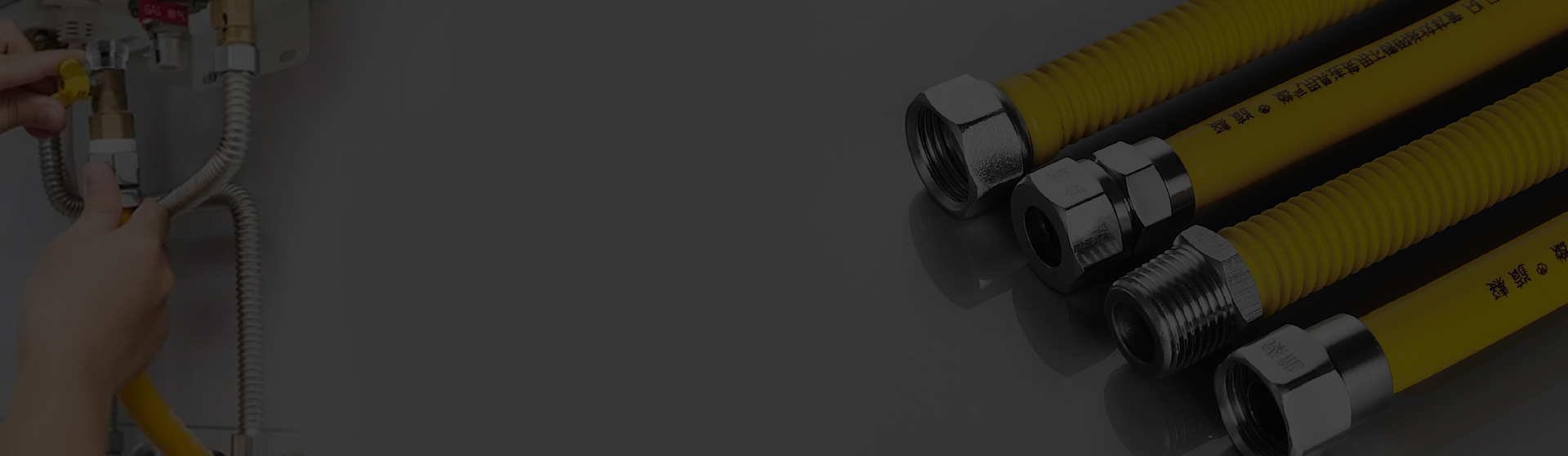

An installer finishes a CSST run to a range, pressure-tests every joint, and signs off. Months later, a lightning strike near the house starts a fire at a wall penetration. That pattern, repeated in enough investigations, is why the National Fuel Gas Code treats corrugated stainless steel tubing differently from black steel pipe: the tubing has to be bonded to the building's grounding electrode system, not simply installed and left alone.
The short answer is yes, CSST must be bonded, and it must be done with a listed conductor and a listed clamp at the point the tubing manufacturer specifies. It is not the same task as grounding the gas appliance, and it is not satisfied by the appliance's equipment grounding conductor. The installation instructions shipped with the coil override general rules, and those details are where most inspection failures happen. What follows is the practical version of how to ground a CSST gas line, written the way it gets checked in the field.
Content
- 1 Bonding and Grounding Are Not the Same Job
- 2 Why Thin-Wall Tubing Needs Its Own Conductor
- 3 What the Codes and the Tubing Manufacturer Require
- 4 How to Bond a CSST Gas Line, Step by Step
- 5 The Bonding Path at a Glance
- 6 Common Mistakes That Fail Inspection
- 7 Buried Runs, Wall Boxes, and Appliance Connectors
- 8 Where the Tubing, Hoses, and Fittings Come From
- 9 Frequently Asked Questions
- 9.1 Q1. Does CSST have to be bonded if my local code does not mention it?
- 9.2 Q2. What size wire should I use to bond a CSST gas line?
- 9.3 Q3. Can I bond CSST to a water pipe or a nearby ground rod?
- 9.4 Q4. Is bonding required for black steel or copper gas pipe?
- 9.5 Q5. Does the yellow PVC jacket replace the bonding wire?
- 9.6 Q6. Can CSST be buried underground?
Bonding and Grounding Are Not the Same Job
Field language blends the two words, but the requirement attached to CSST is bonding. Bonding ties metal parts together with a conductor so they stay at roughly the same electrical potential. Grounding connects an electrical system to the earth. Both exist in a house, but the obligation that follows the tubing is the bonded connection to the grounding electrode system.
One consequence matters from the first day on site: gas piping may not be used as a grounding electrode, and the bonding conductor is not there to carry normal operating current. It exists for the fraction of a second when a lightning-related surge or a fault is looking for a path to travel.
| Term | What it means | Where it appears in a gas installation |
|---|---|---|
| Bonding | Connecting metallic parts with a conductor so a dangerous voltage difference cannot build between them | A listed clamp on the CSST, connected by a copper conductor to the grounding electrode system |
| Grounding | Connecting an electrical system to the earth through a grounding electrode | The service panel's grounding electrode conductor and its ground rod |
| Appliance grounding | The appliance chassis is connected to ground through its equipment grounding conductor | A range or water heater plugged into a grounded circuit |
Why Thin-Wall Tubing Needs Its Own Conductor
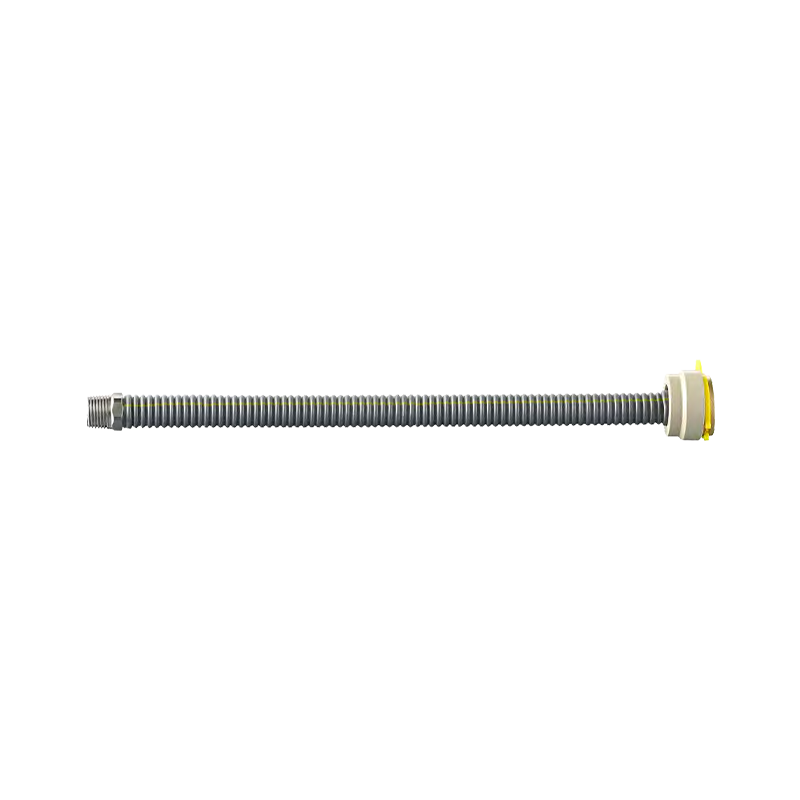
CSST is 304 stainless steel, corrugated for flexibility, and thin. Typical walls sit near 0.2 mm, a small fraction of the wall on the rigid pipe it replaced in many renovations.
That thin wall is the reason for the rule. When lightning strikes near a structure, current travels through wiring, plumbing, and metallic systems, and where it meets a discontinuity it can arc. A 0.2 mm stainless wall can be punctured by that arc, leaving a pinhole that leaks gas inside a wall cavity. Fire investigations compiled by U.S. state fire marshals in the mid-2000s documented this failure chain, and the industry response was a bonding requirement written into the fuel gas codes.
Bonding lowers the impedance of the path between the tubing and the rest of the electrical system, so surge current has an easier route than jumping from one metal system to another. It reduces the risk. It does not make the tubing lightning-proof, and it does not replace a surge protective device at the service.
What the Codes and the Tubing Manufacturer Require
The bonding requirement for CSST entered NFPA 54, the National Fuel Gas Code, in its 2009 edition and appears in the International Fuel Gas Code as well. Because CSST is a listed product, the printed instructions packaged with the tubing define the exact details, and inspectors read those instructions before they read anything else.
| Item | Common requirement | Why it matters |
|---|---|---|
| Conductor size | 6 AWG copper, minimum, for most listed products | Carries surge current without melting or separating |
| Conductor length | 75 ft (about 23 m) maximum routed length | Keeps impedance low enough to be effective |
| Attachment point | A listed bonding clamp on a metal fitting, or the bonding attachment the manufacturer provides | Guarantees metal-to-metal contact at the intended location |
| Termination | Grounding electrode conductor, grounding electrode, or service panel enclosure, using a listed connector | Ties the tubing to the same electrical reference as the rest of the house |
| Product-specific rules | Arc-resistant jacketing and integral bonding fittings may carry different instructions | The instructions for the exact part number govern the job |
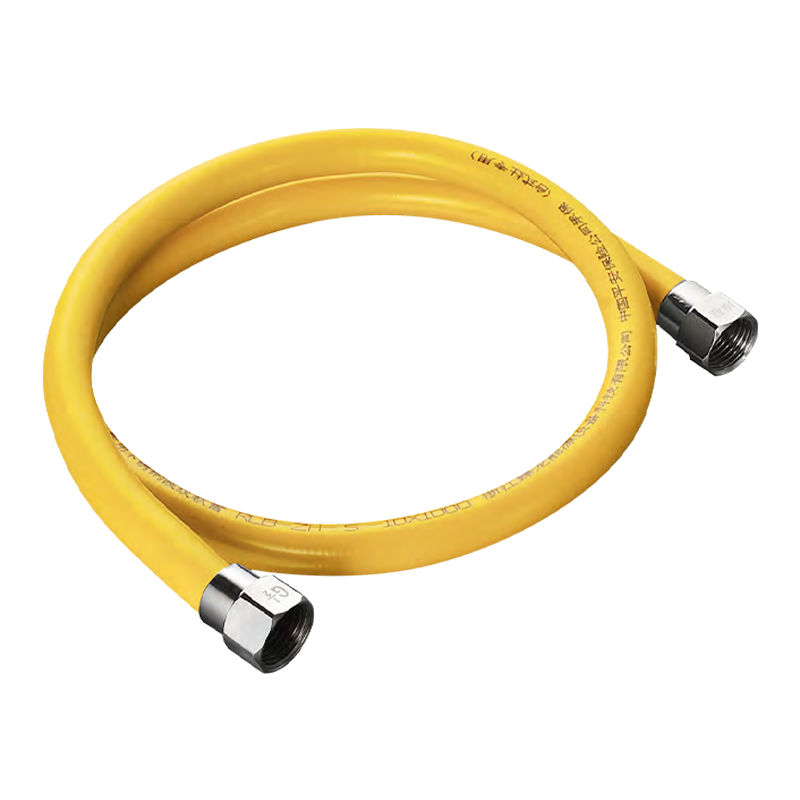
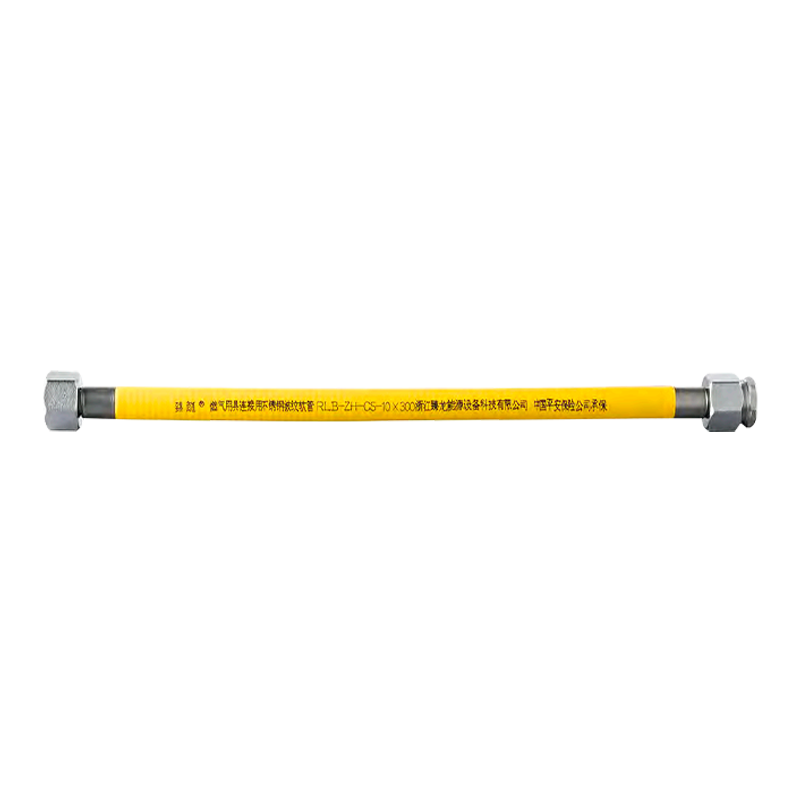
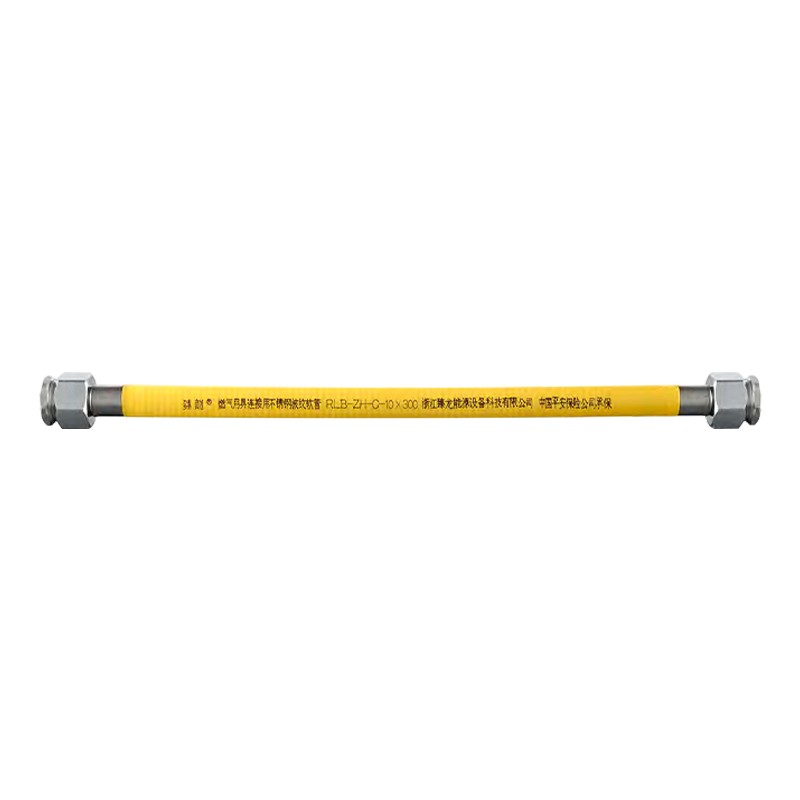
Two clarifications prevent most arguments on site. First, the length limit applies to the routed length of the conductor, not the straight-line distance across the house. Second, a plastic or PVC jacket never removes the requirement; it protects the tubing from abrasion, moisture, and UV, and it is not an electrical path.
How to Bond a CSST Gas Line, Step by Step
- Read the instructions for the exact product. Note the required conductor size, the maximum run length, and whether the tubing ships with an integral bonding attachment.
- Choose the connection point. Bond at a metal fitting or at the attachment point the manufacturer lists. Never clamp onto the jacket, and never use the appliance connector as the bonding location.
- Install a listed bonding clamp. Clean paint, tape, or pipe dope from the contact area so the clamp closes on bare metal, then torque it to the value in the instructions.
- Run 6 AWG copper for most products, by the shortest practical route, keeping total routed length within 75 ft.
- Terminate the far end on the grounding electrode conductor, the grounding electrode, or the service panel enclosure with a listed connector.
- Support and protect the conductor. Secure it, keep it off sharp edges, and avoid routing it where future drywall screws or cabinet work can damage it.
- Verify continuity with a low-resistance meter and record the reading with the installation documentation.
If you want the full sequence with the inspection checkpoints, this CSST installation and bonding guide walks through it in the same order a gas inspector would.
The Bonding Path at a Glance
In a typical single-family installation, the bonding conductor starts at a clamp on the CSST near the meter or the first fitting, follows the tubing run, and lands on the electrical panel's grounding system. The conductor does not have to mirror the tubing's route exactly, but it must stay short enough, stay attached at both ends, and stay protected.
Common Mistakes That Fail Inspection
- Using the gas pipe as a grounding electrode. Metal gas piping is excluded from that role, so the bonding conductor terminates on the electrical grounding system instead.
- Bonding the appliance connector rather than the CSST. The flexible connector at the appliance has its own listing and is not the bonding point.
- Running the conductor longer than the limit in the instructions, usually because it was routed around the building instead of along the tubing.
- Clamping onto painted, taped, or jacketed surfaces, which leaves a poor connection that looks correct until someone measures it.
- Assuming a plastic jacket removes the requirement. Jacketing is mechanical and UV protection, not an electrical path.
- Skipping the bonding connection when the tubing passes through walls or an attic, where a pinhole leak is hardest to detect.
Buried Runs, Wall Boxes, and Appliance Connectors
Bonding does not stop at the wall. If part of a CSST run is buried or concealed, the above-ground portion still needs the same bonded connection, and underground sections bring additional rules on sleeving, sealing, and protection. Direct burial is not permitted for every product, and routing rules for a buried section differ from those for tubing inside a wall cavity.
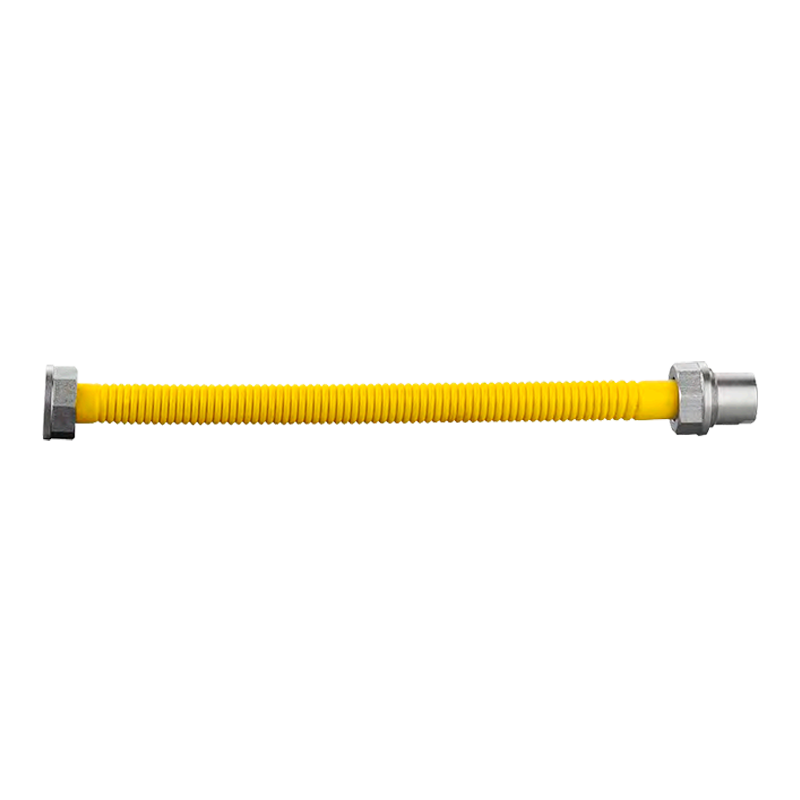
Where a hose leaves the wall to serve a range or a water heater, mechanical protection matters as much as the conductor. A wall box or guard plate keeps the tubing from being kinked or abraded during cabinet work, and it gives the installer a defined point to inspect and tighten later. Components with a defined attachment point make the bonding and leak check straightforward instead of improvised.
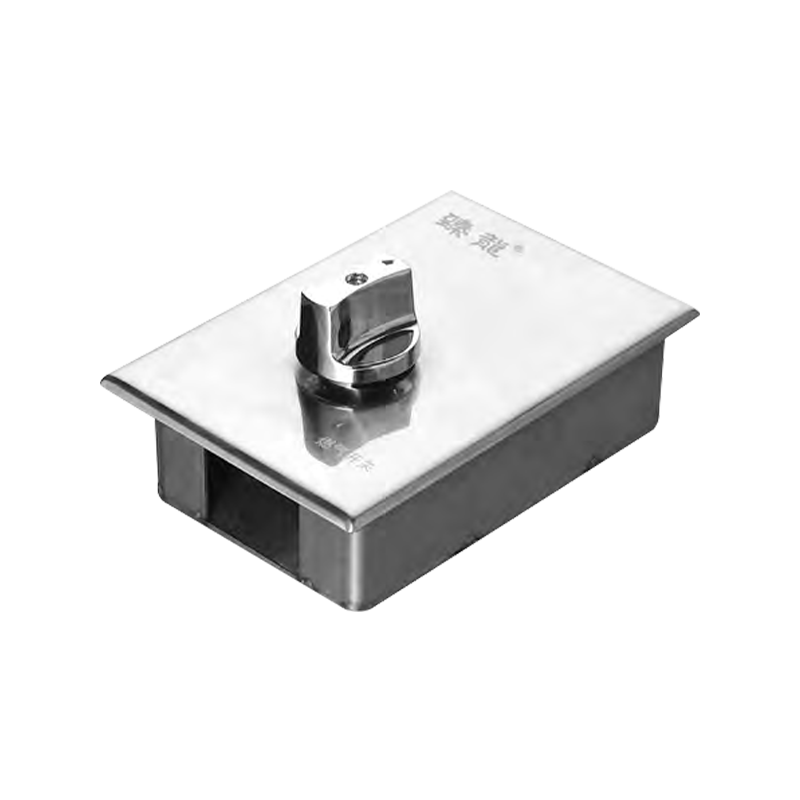 Stainless steel buried wall switch box for home gas hoseThe Stainless steel buried wall switch box for home gas hose is a durable and corrosion-resistant enclosure designed for securely housing gas hose connections within r...View Product →
Where the Tubing, Hoses, and Fittings Come From
Bonding is one small part of a gas installation, but the components around it decide how long the system stays leak-free. Zhejiang Zhenlong Energy Equipment Technology Co.,LTD. is a company engaged in the research and development, manufacturing, and processing of energy equipment, covering metal hoses, natural gas pipelines, plumbing fittings, sanitary ware, valves, plastic products, and hardware. The company is located in Yuyao, Ningbo, Zhejiang, on a 40-acre site with 30,000 square meters of factory buildings.
Production runs on 30 welding and forming lines and 2 uninterrupted solid melting hydrogen furnace lines, with testing equipment that includes a metal material analysis direct reading spectrometer and a flow tightness tester. Operations follow the ISO9000:2008 quality management system, and the company holds a Special Equipment Manufacturing License (Pressure Pipeline) from the People's Republic of China, an EU CE certification national testing center report, and membership in the China Urban Gas Association.
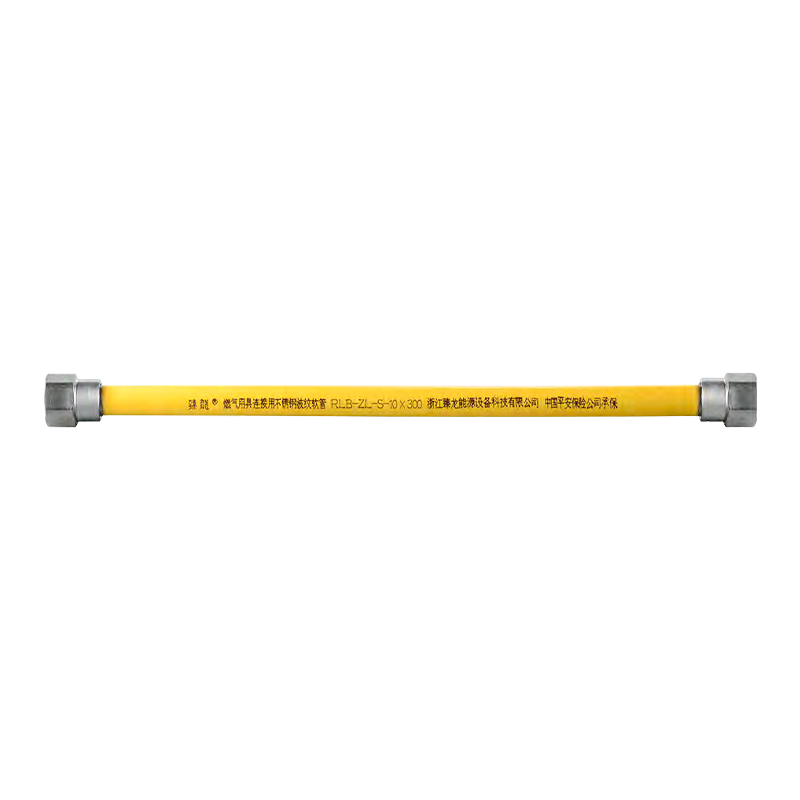
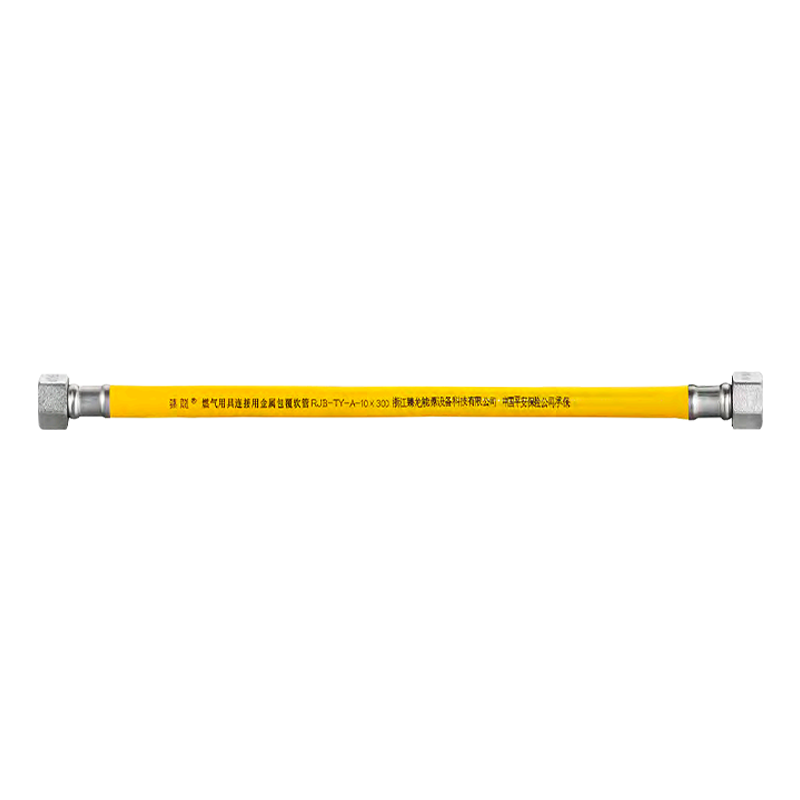
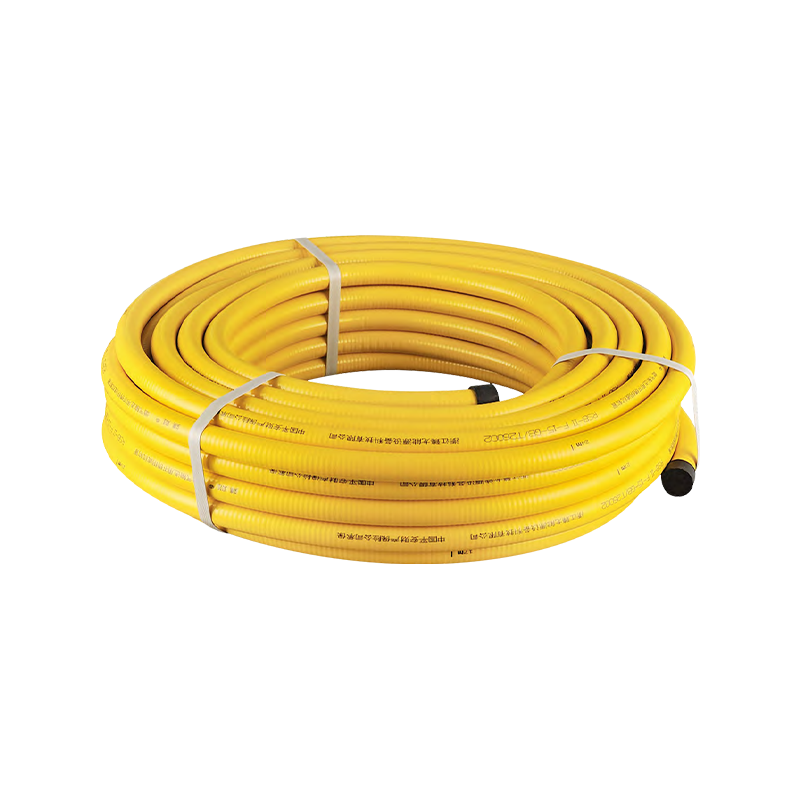 304 stainless steel corrugated gas pipe ZLR-02The 304 stainless steel corrugated gas pipe ZLR-02 is a high-performance solution designed to meet the demands of gas transmission systems. The corrugated structure in...View Product →
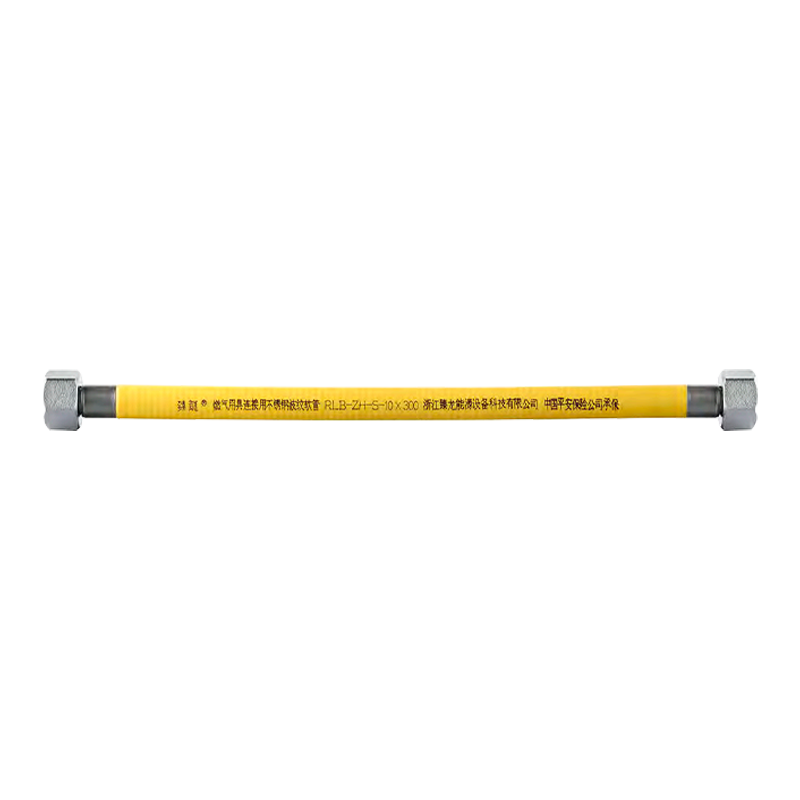
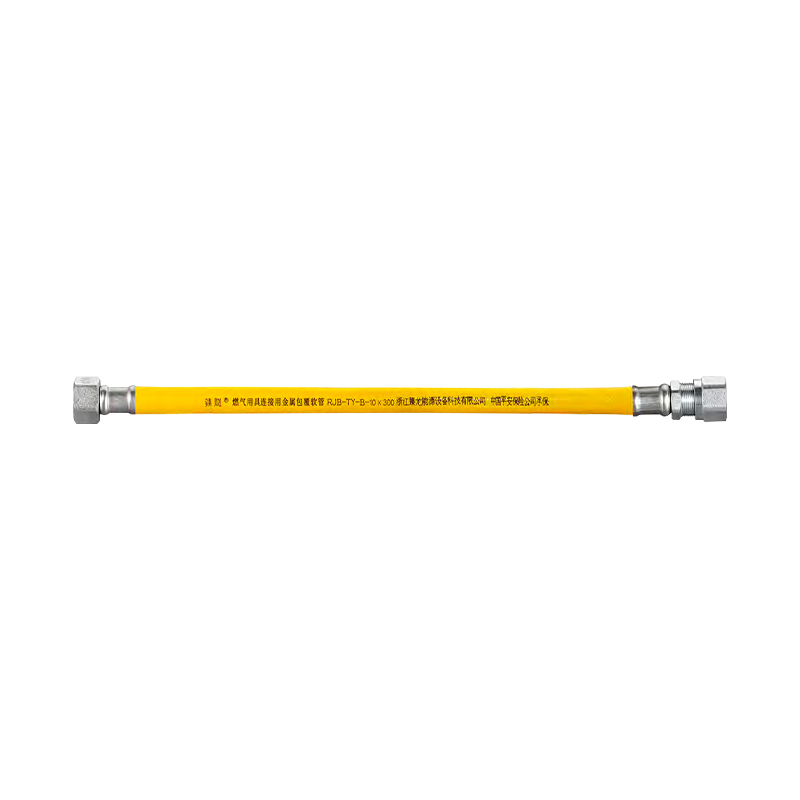
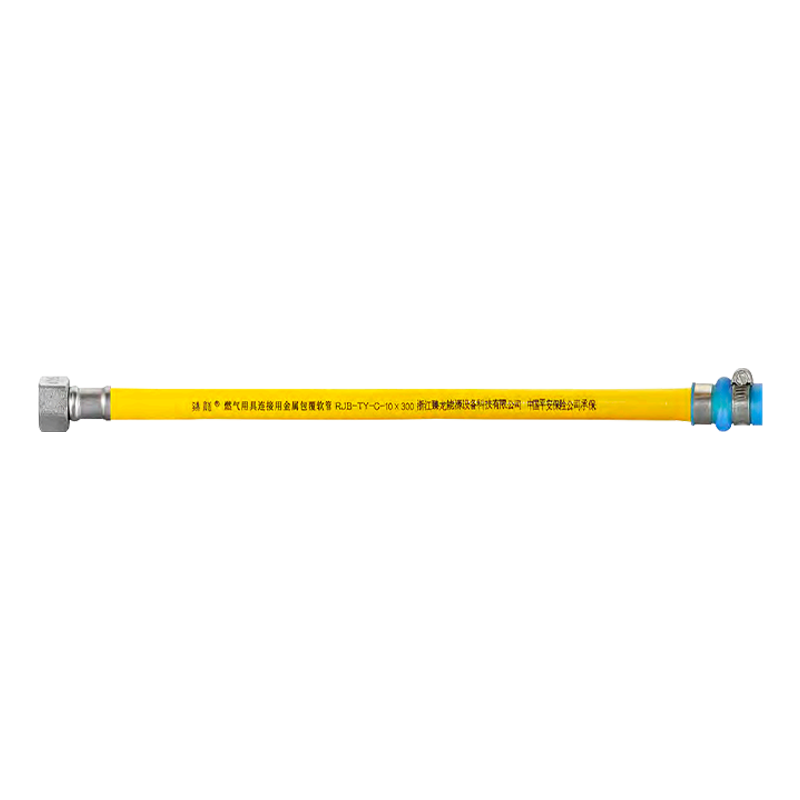
 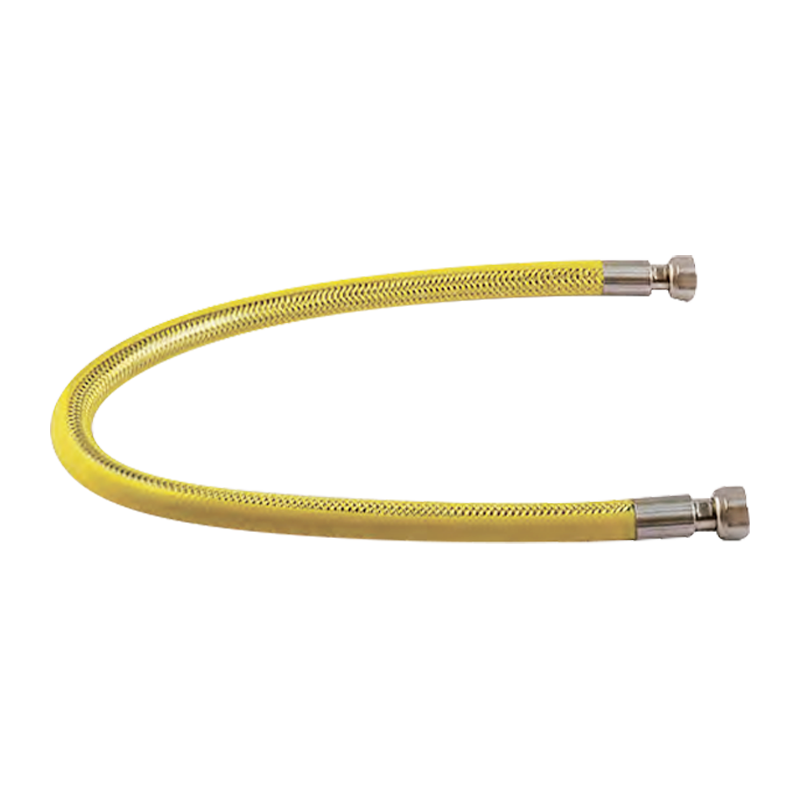 Metal-wrapped stainless steel corrugated gas hose ZLR-14The Metal-wrapped stainless steel corrugated gas hose ZLR-14 is a robust solution designed for high-performance applications in gas transportation. The hose is constru...View Product →
The company's gas piping and fitting range covers system tubing, appliance connectors, and the valves, tees, and wall boxes that complete an installation, with pre-sales and after-sales support for buyers who need consistent dimensions and documented material grades.
Frequently Asked Questions
Q1. Does CSST have to be bonded if my local code does not mention it?
The requirement comes from the product listing and from the fuel gas codes that most jurisdictions adopt. Confirm the details with your local authority having jurisdiction before you close up walls.
Q2. What size wire should I use to bond a CSST gas line?
Six AWG copper with a routed length of no more than 75 ft is the typical instruction for listed products. The instructions supplied with the tubing govern.
Q3. Can I bond CSST to a water pipe or a nearby ground rod?
Terminate on the grounding electrode conductor, the grounding electrode, or the service panel enclosure using a listed connector. An unrelated water line is not an acceptable substitute.
Q4. Is bonding required for black steel or copper gas pipe?
No. This requirement applies to corrugated stainless steel tubing. Rigid steel and copper gas piping do not need the bonding conductor.
Q5. Does the yellow PVC jacket replace the bonding wire?
No. The jacket protects against abrasion, moisture, and UV. It is not an electrical path and does not remove the bonding requirement.
Q6. Can CSST be buried underground?
Not every product permits direct burial, and concealed or buried sections bring extra rules on sleeving and protection. Check the manufacturer's instructions, and remember the above-ground portion still requires bonding.