 English
 中文简体
中文简体 Español
 عربى
عربى
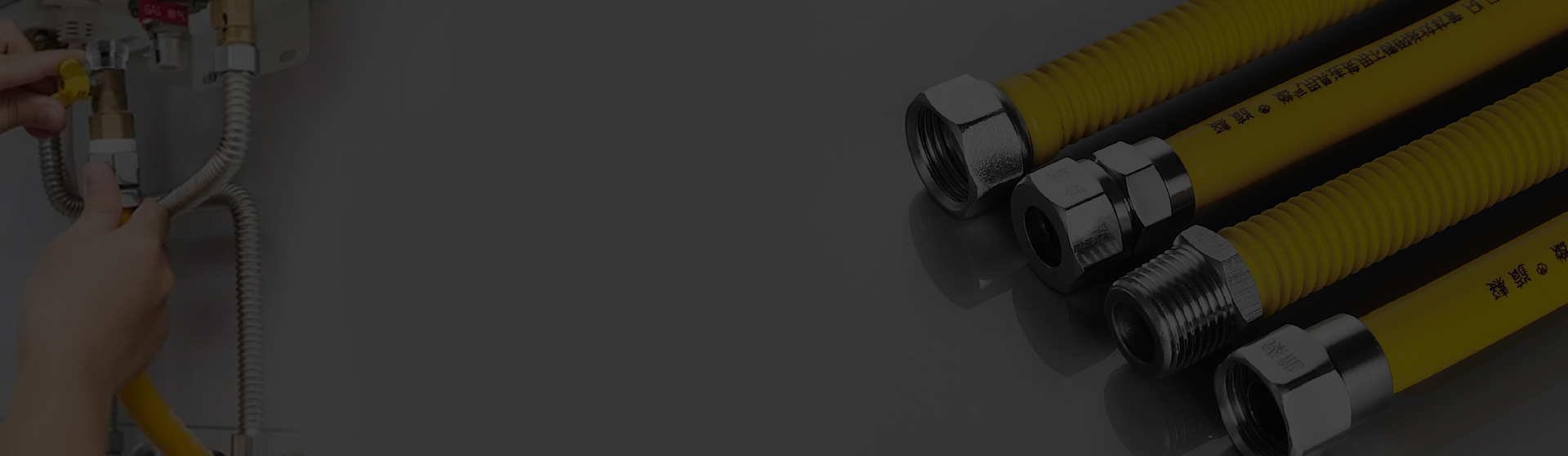

You are rerouting a gas supply for a new range, and the existing black-iron pipe ends two feet short of the appliance. Rather than cutting threads and assembling another rigid nipple, you reach for a CSST gas line. Corrugated stainless steel tubing (CSST) is fast, flexible, and compact. It can reduce the number of joints in a gas piping system and shorten installation time. But it is not a universal soft hose: CSST must be cut, connected, protected, bonded, and tested exactly as the manufacturer specifies.
Here is the short answer: CSST gas line installation is manageable for a qualified installer or a careful DIY homeowner, but the success of the job depends on using approved components, preparing the tubing edge correctly, choosing the right fitting, protecting the tubing through walls, bonding the system, and carrying out a leak test. The following sections walk through the process step by step and highlight where installers most often run into trouble.
Content
- 1 What is CSST gas line and why use it?
- 2 Before you start: plan, permit and materials
- 3 Cutting CSST and assembling fittings
- 4 Routing, supporting and protecting the gas line
- 5 Bonding and grounding CSST
- 6 Pressure testing and final inspection
- 7 Why component quality matters for CSST installation
- 8 Common CSST installation mistakes and how to avoid them
- 9 CSST gas line installation FAQ
What is CSST gas line and why use it?
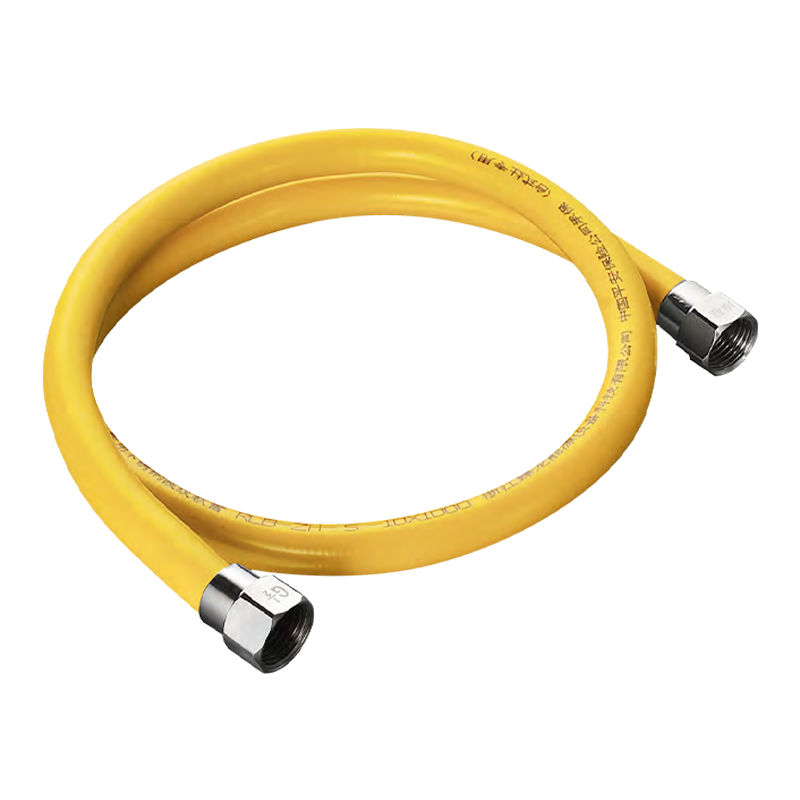
CSST is a continuous flexible pipe made from thin-wall stainless steel, usually covered with a yellow or black polymer jacket. The corrugated profile allows it to bend around obstacles without elbows, and the long coil lengths reduce the number of threaded joints inside walls.
For a typical residential water heater, stove, fireplace, or dryer connection, CSST can be routed in a fraction of the time needed for rigid pipe. It is also lighter and easier to handle in retrofit jobs. The critical thing is to understand that the steel wall is thin, so mishandling can nick, crush, or distort the tubing.
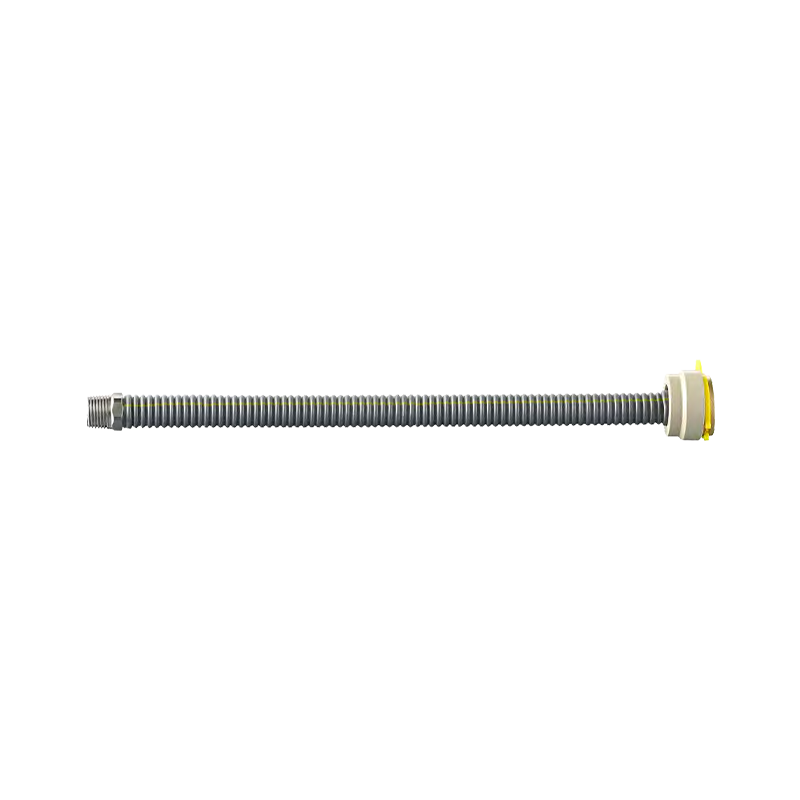
Anatomy of a CSST line
The diagram below shows the main parts of a typical CSST assembly before the fitting is crimped or tightened.
Before you start: plan, permit and materials
Start with the local code and the gas utility’s rules. In most jurisdictions, a permit is required for changes to a fuel-gas piping system. You also need to know the gas pressure, the appliance BTU load, and the correct tube diameter.
Tools and components you will need
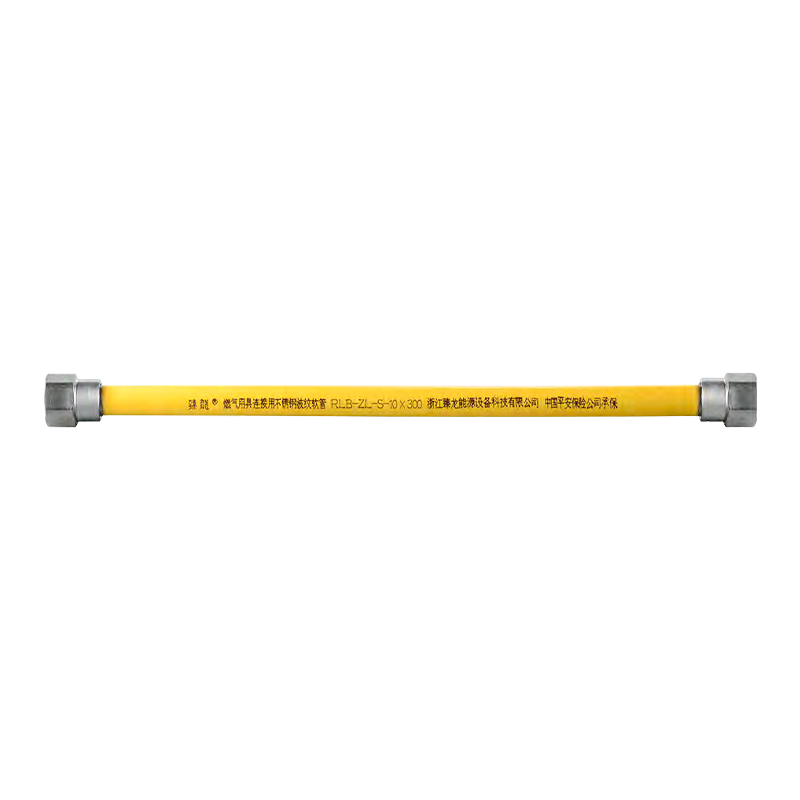
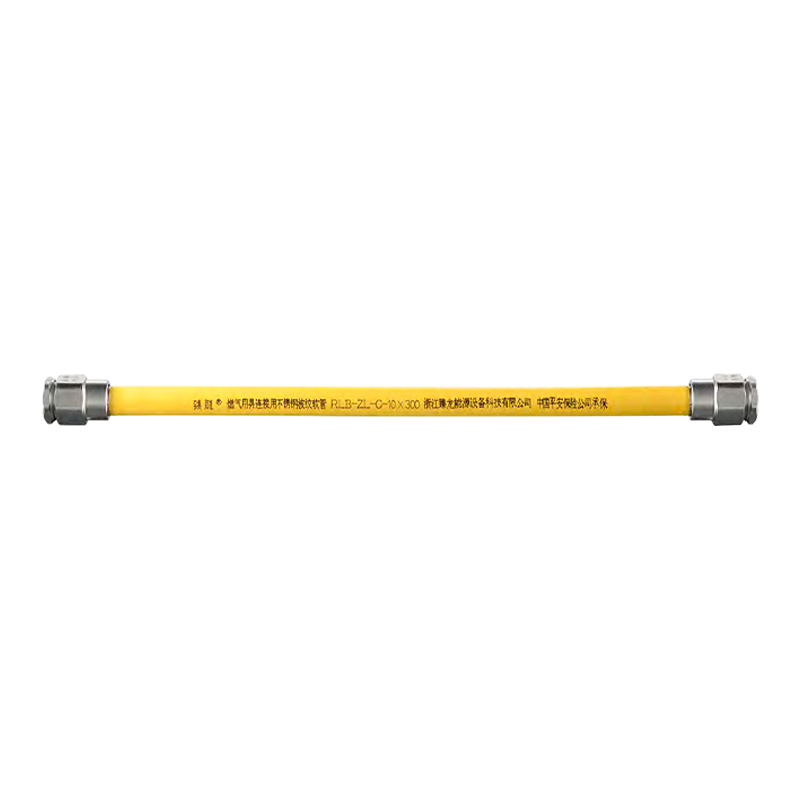
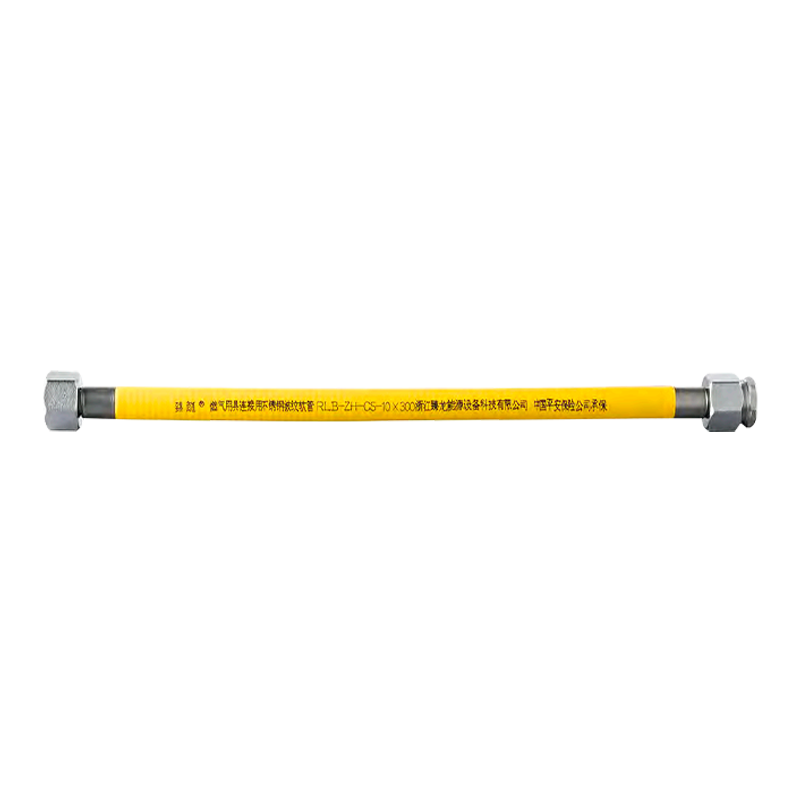
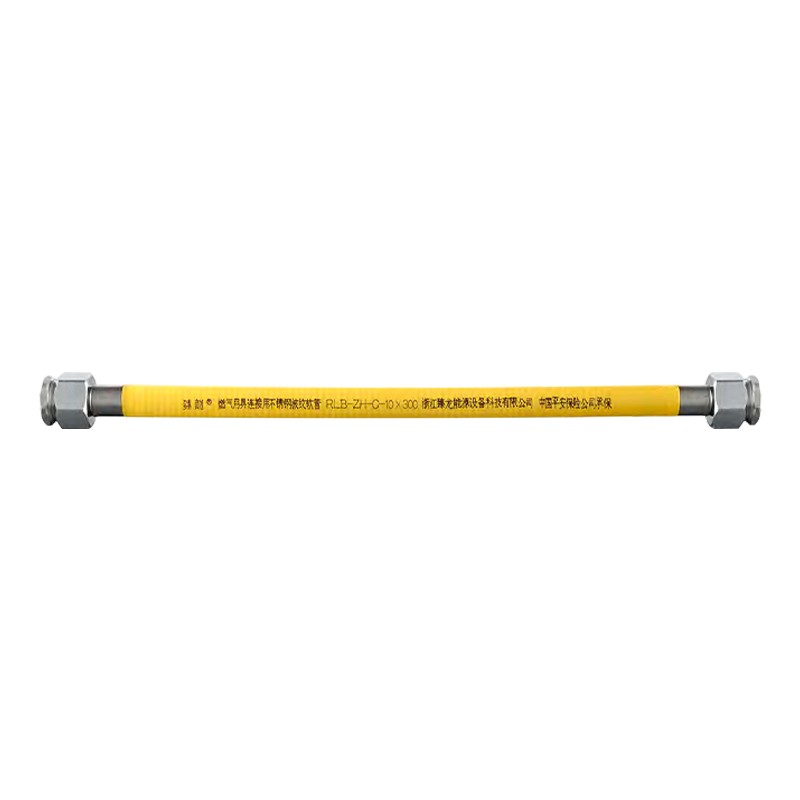
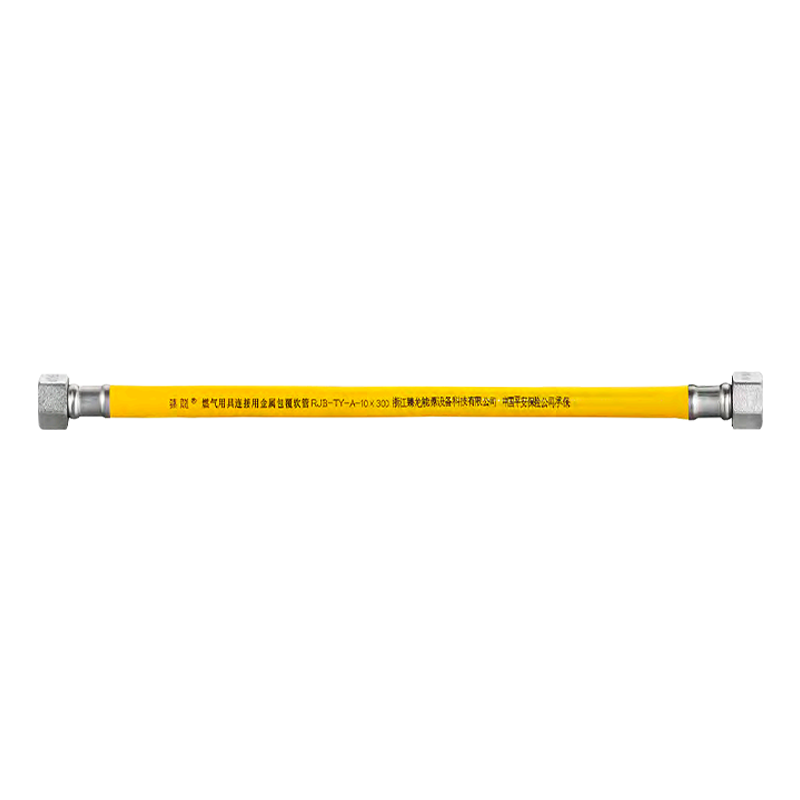
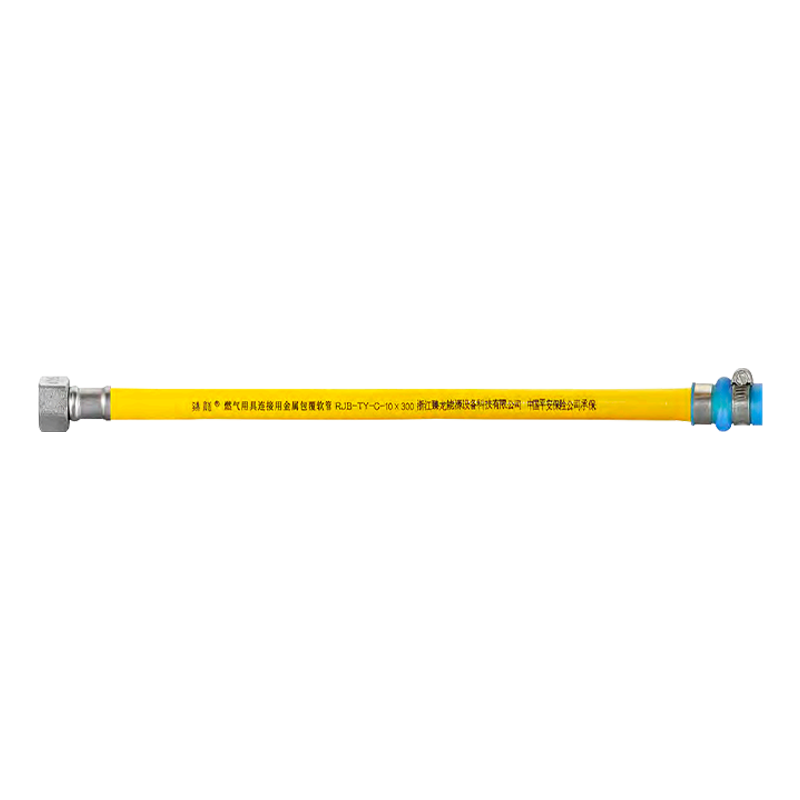
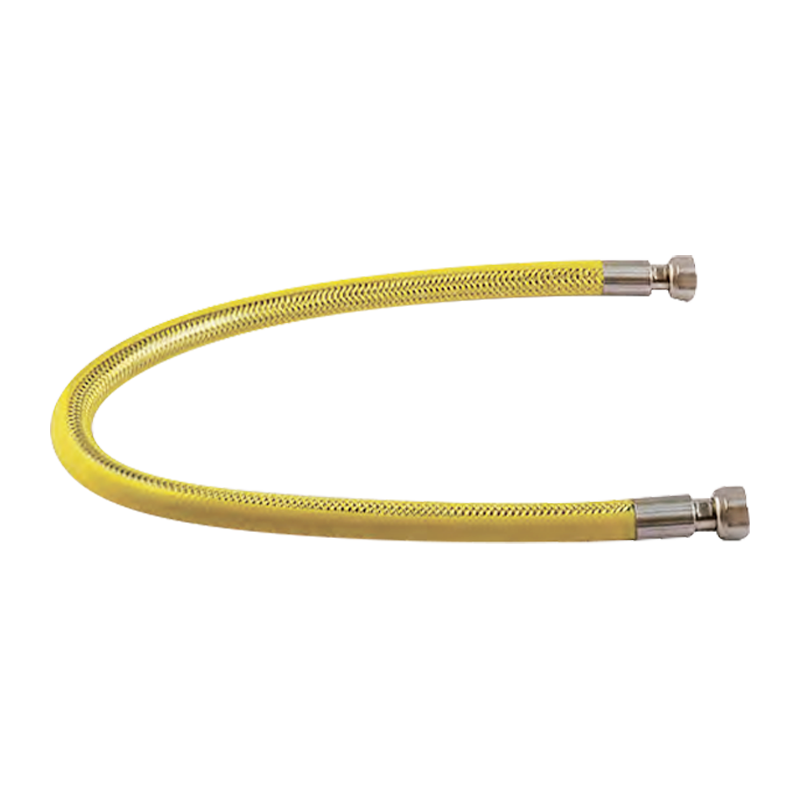
- CSST approved for your application, for example a flame-retardant PVC-coated 304 stainless steel corrugated gas pipe
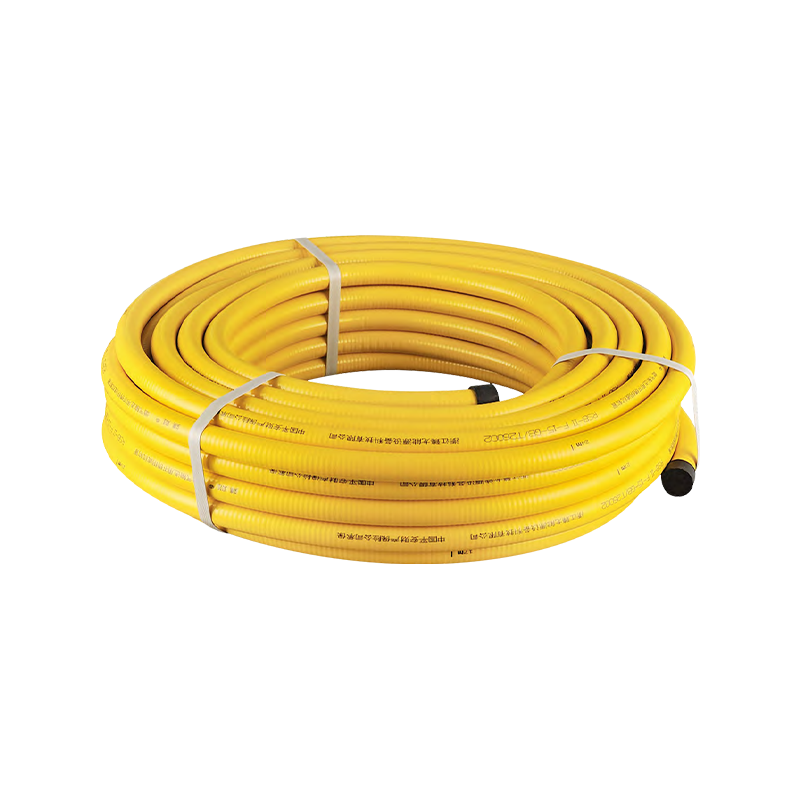 Wholesale 304 stainless steel corrugated gas pipe ZLR-02 Suppliers, CompanyZhejiang Zhenlong is China wholesale 304 stainless steel corrugated gas pipe ZLR-02 suppliers and OEM/ODM company,The 304 stainless steel...View Product → designed for gas piping systems.
 - Manufacturer-approved cutting tool and deburring/re-rounding tool.
- Approved fittings: nuts, sleeves, gaskets, and valve adapters.
- Rigid pipe or manifold to make the transition at the supply end.
- Plastic or metal supports, wall guards, and protective plates.
- Leak-detection fluid or an electronic gas detector, plus a pressure-test gauge.
Using the same brand for tubing and fittings is important. Mixing manufacturers can change the sealing geometry and may violate the listing. If you are planning a long appliance connection, it helps to review how the corrugated design reduces the risk of leakage before you select a tube.
Cutting CSST and assembling fittings
This is where most field failures begin. A burr or oval end will tear the gasket, and a cracked jacket can allow moisture to reach the stainless steel.
Cutting steps
- Measure the run and add a small allowance for the fitting depth.
- Support the tube with the manufacturer’s cutting block so the pipe stays round.
- Use a sharp wheel cutter designed for CSST. Rotate the cutter around the tube and cut through the wall with light pressure.
- Deburr the inner edge and check that the end is round.
Fitting assembly
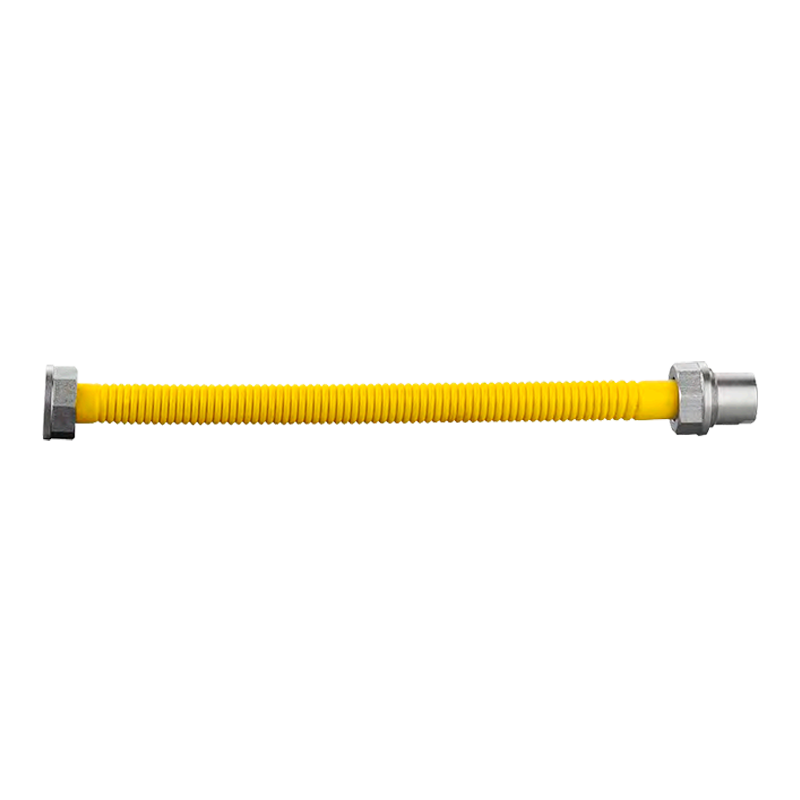
Slide the nut and sleeve over the tube, push the tube onto the fitting body until it bottoms out, then tighten the nut to the torque value given in the instructions. Do not use a wrench on the body unless the fitting is designed for that. For appliance connections, a factory-assembled option such as a precision-machined stainless steel corrugated gas hose can reduce the number of field-made joints.
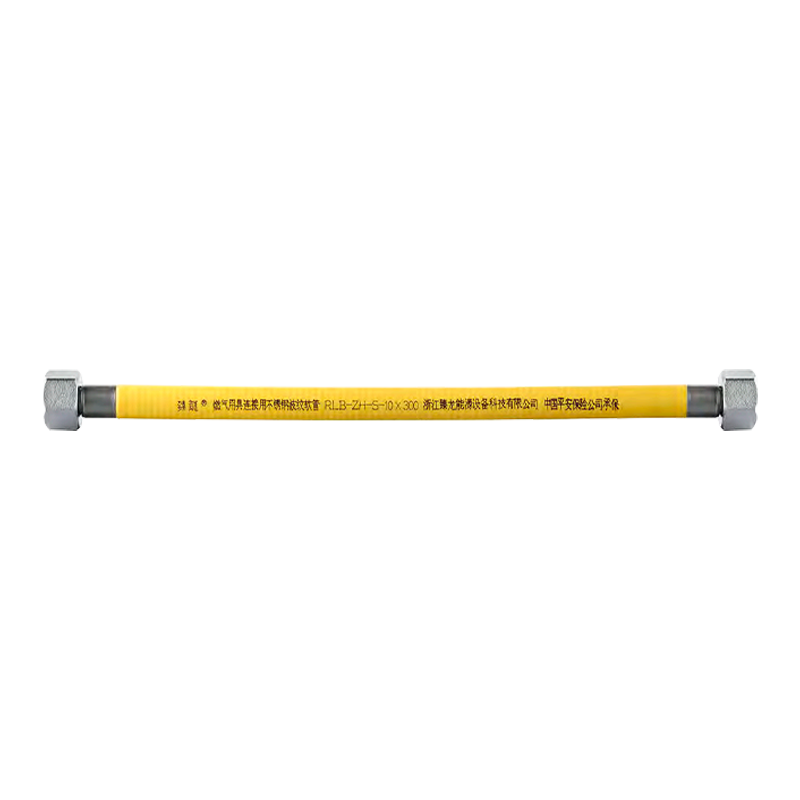 Wholesale Stainless steel corrugated gas hose, precision machined ZLR-07 SupplieZhejiang Zhenlong is China wholesale Stainless steel corrugated gas hose, precision machined ZLR-07 suppliers and OEM/ODM company,The Sta...View Product →
Routing, supporting and protecting the gas line
Keep the CSST as straight as practical. A tight 90-degree bend is allowed, but repeated bending at the same point can fatigue the steel. Use a wide-radius sweep around obstacles. Support the tube at regular intervals with clips or clamps that do not crush the jacket.
Whenever CSST passes through a floor, wall, or steel stud, you must protect it from physical damage. A metal sleeve or guard plate prevents a screw or nail from puncturing the tube. The installation point should let the tube move slightly without rubbing against sharp metal edges.
For a clean and safe wall transition, many installers choose a stainless steel buried-wall switch box for home gas hose. This box gives the tubing a protected path through the wall and provides a neat place for the valve. It is especially helpful in kitchen and bathroom remodels where the visual finish matters.
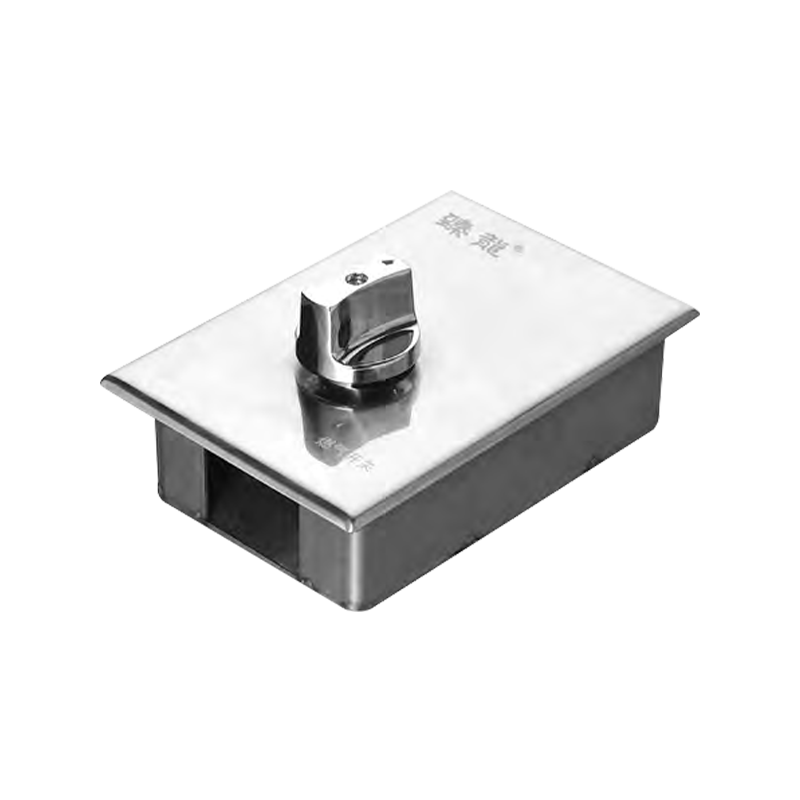 Wholesale Stainless steel buried wall switch box for home gas hose Suppliers, CoZhejiang Zhenlong is China wholesale Stainless steel buried wall switch box for home gas hose suppliers and OEM/ODM company,The Stainless...View Product →
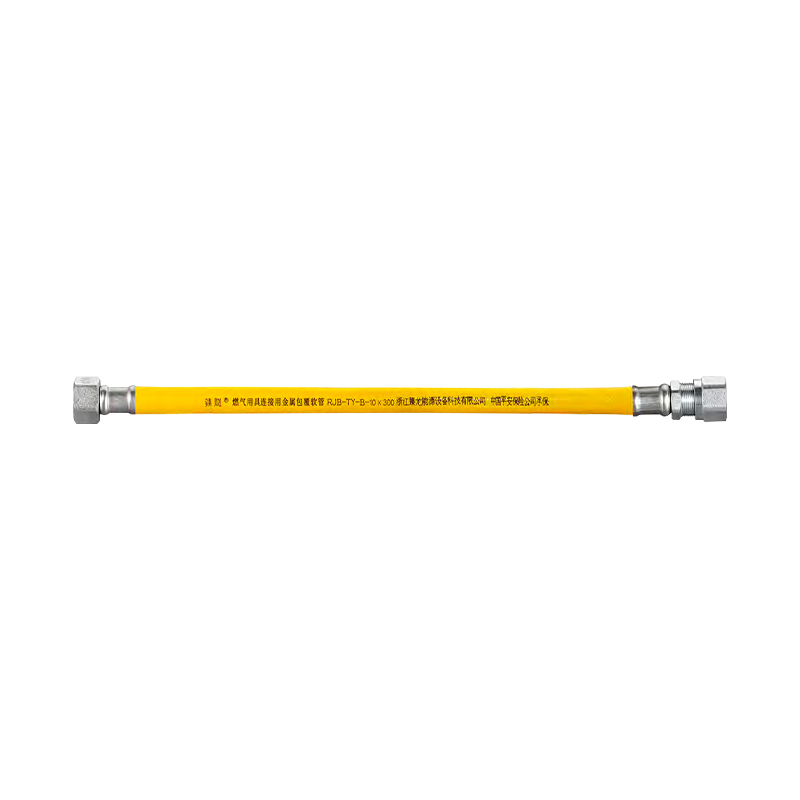
If your installation uses a metal-wrapped CSST for areas with higher mechanical wear, read the guidance on choosing a metal-wrapped stainless steel corrugated gas hose before buying.
Bonding and grounding CSST
Bonding is not an optional extra on a CSST gas line. During a lightning strike, the thin stainless steel wall can arc if the tubing is at a different electrical potential from other metal systems. The arc can create a tiny hole and lead to a gas leak.
The standard approach is to bond the CSST to the building’s grounding electrode system with a 6 AWG or larger copper wire. Use a UL-listed bonding clamp designed for CSST, attach it directly to the tubing or to the fitting body according to the manufacturer’s instructions, and keep the conductor as short as practical. Confirm continuity after the connection and make sure the clamp is not installed on the plastic jacket alone.
Newer black-jacketed CSST products are designed to reduce lightning-related risk, but the manufacturer’s bonding requirements still apply. Never skip this step because the pipe looks protected.
Pressure testing and final inspection
After all connections are made, complete the system and conduct a pressure test before concealing the line. The test pressure is often 1.5 times the working pressure, or the value required by the local code and the utility. Use a dedicated pressure-test gauge and allow time for the system to stabilize.
Check every fitting and valve with a gas leak detector or soapy water. Do not rely on smell alone; small leaks can be masked by other odors. Keep the pressure test record along with the manufacturer’s instruction sheet for the inspector.
Why component quality matters for CSST installation
The best installation technique cannot fix a tube with an inconsistent wall thickness, a weak seam, or a damaged jacket. For this reason, source CSST and fittings from a manufacturer that is set up for the job.
One manufacturer with this type of capability is Zhejiang Zhenlong Energy Equipment Technology Co., Ltd. The company is engaged in the research and development, manufacturing, and processing of energy equipment, and it manufactures metal hoses, natural gas pipelines, plumbing fittings, sanitary ware, valves, plastic products, and hardware. Located in Yuyao, Ningbo, the 40-acre factory has 30,000 square meters of plant space, 30 welding and forming production lines, and two uninterrupted solid melting hydrogen furnace lines. Testing equipment includes a metal material analysis direct-reading spectrometer and a flow tightness tester.
Zhenlong strictly implements ISO9000:2008, holds the People’s Republic of China Special Equipment Manufacturing License for pressure piping, and has an EU CE certification national testing center report. It is also a member of the China Urban Gas Association. Its strong R&D, design, and production team aims to provide customers with safe pipe fittings and comprehensive pre-sales and after-sales service. For installers looking for a dependable supply base, Zhenlong’s gas piping product range is worth reviewing.
Common CSST installation mistakes and how to avoid them
| Mistake | Typical consequence | How to avoid |
|---|---|---|
| Cutting with a hacksaw | Burrs and oval ends damage the O-ring | Use a CSST cutter and deburr the edge |
| Too many sharp bends at one point | Kink restricts gas flow and weakens the wall | Use a long radius and smooth supports |
| Missing bonding clamp | Potential arcing and code violation | Install a listed clamp with ≥6 AWG copper wire |
| Running through a steel stud unprotected | Sheet-metal screw can puncture the tube | Protect with a guard plate or sleeve |
| Finger-tightening fittings | Leak at first pressure test | Torque to manufacturer’s specification |
If you see any of these issues during an inspection, correct them before the line is concealed. A small delay now is cheaper than a gas leak later.
CSST gas line installation FAQ
Q1. Do I need to bond CSST gas line?
Yes, in almost every residential installation. Use a UL-listed bonding clamp and at least a 6 AWG copper wire to connect the tubing to the building grounding electrode system, following the manufacturer’s instructions.
Q2. Can I cut CSST with a regular pipe cutter?
Only if the cutter is designed for thin-wall stainless tubing and you use the manufacturer’s backing/support block. After cutting, deburr the inner edge and confirm the end is perfectly round.
Q3. How tight should CSST fittings be?
Tighten the nut to the torque value printed or included with the fitting instructions. Overtightening can crush the gasket; undertightening can leave a gap that leaks.
Q4. Can CSST gas line be run outdoors?
Only if the product is listed for outdoor exposure. Standard yellow PVC-coated CSST is intended for indoor runs; outdoor runs need a metal-wrapped or UV-rated product and physical protection from damage.