 English
 中文简体
中文简体 Español
 عربى
عربى

Every gas appliance installation has a single point of failure that is often overlooked: the connector between the appliance and the supply line. In a commercial kitchen, a hose failure can close a cooking line for hours. In a home, the same failure can create a fire hazard. The common thread behind safe installations is the ANSI Z21.24/CSA 6.10 standard. It defines how gas appliance connectors are tested, labeled, and rated. If you specify or install connectors without this certification, you are putting more than code compliance at risk.
Content
- 1 What ANSI Z21.24 Requires from a Connector
- 2 Key Performance Tests Behind ANSI Z21.24
- 3 Picking the Right Materials and Construction
- 4 Installation Practices That Protect Compliance
- 5 Common Non-Compliance Mistakes
- 6 Choosing a Supplier That Can Back Up the Standard
- 7 Frequently Asked Questions
- 7.1 Q1: What is ANSI Z21.24?
- 7.2 Q2: What pressure do ANSI Z21.24 connectors typically carry?
- 7.3 Q3: Is 304 stainless steel suitable for gas connectors?
- 7.4 Q4: How frequently should gas appliance connectors be replaced?
- 7.5 Q5: Can I extend a gas hose by joining two connectors?
- 7.6 Q6: What happens if a connector has no ANSI label?
What ANSI Z21.24 Requires from a Connector
ANSI Z21.24/CSA 6.10 covers listed and labeled appliance connectors for gas appliances. The standard's core requirement is straightforward: a connector must be certified by a recognized testing laboratory and permanently marked with the standard designation. It must be installed in accordance with the manufacturer's instructions. The standard applies to flexible connectors made from stainless steel corrugated tubing, metal wrapped hoses, and PVC coated hoses used with gas ranges, water heaters, furnaces, and similar appliances. For most residential applications, rated pressure is 0.5 PSI (14 inches water column). The connector is tested at a burst pressure five to ten times higher.
Key Performance Tests Behind ANSI Z21.24
Certification is not symbolic. ANSI Z21.24 defines specific tests that a connector must pass. Leakage testing exposes the connector to the rated gas pressure and verifies zero pressure drop over a defined period. Burst testing raises the pressure until failure, ensuring the connector is not close to its rupture point during normal operation. Flexing endurance tests move the connector through thousands of bending cycles, simulating years of appliance movement. Temperature tests cover both hot and cold ranges, so a connector can perform in a utility room in winter or a cramped cabinet above a stove.
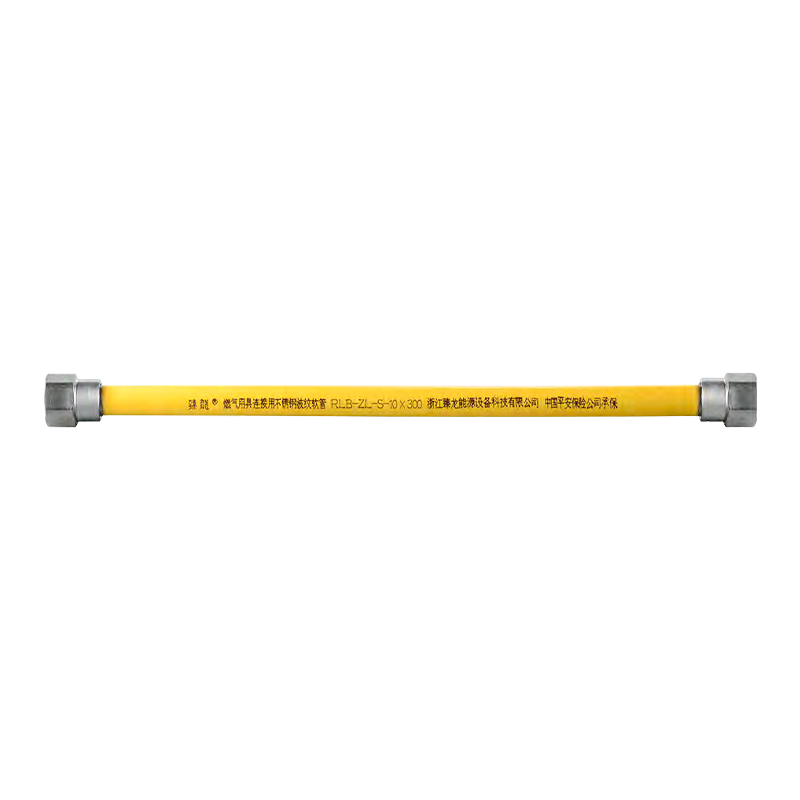
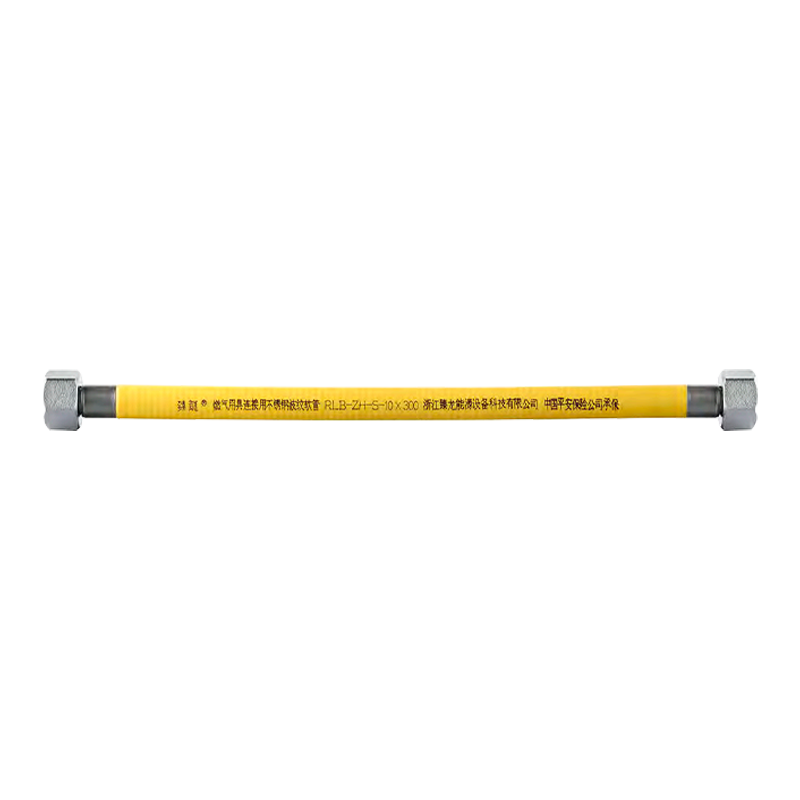
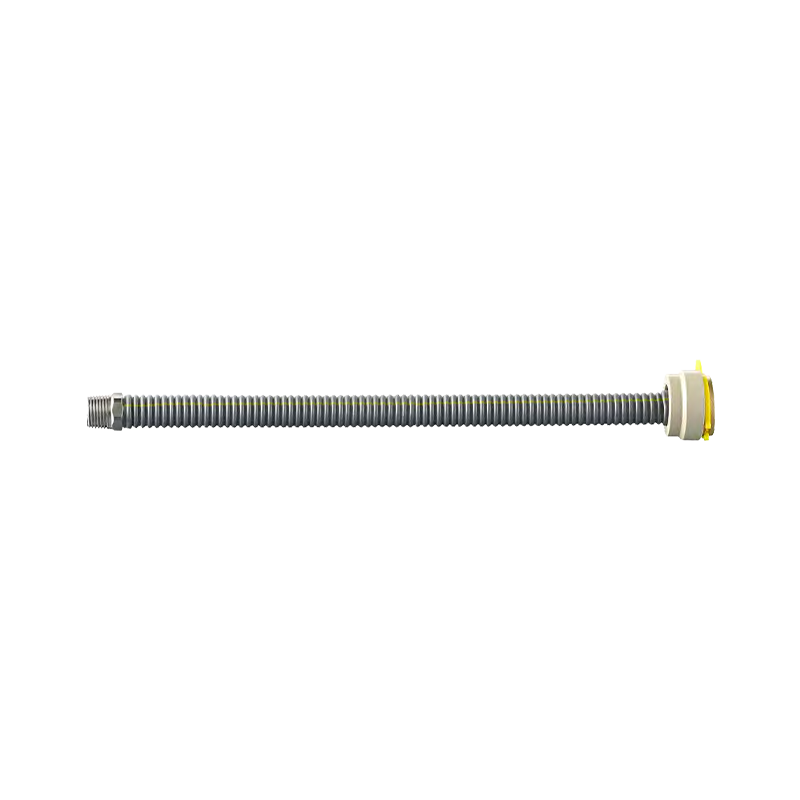
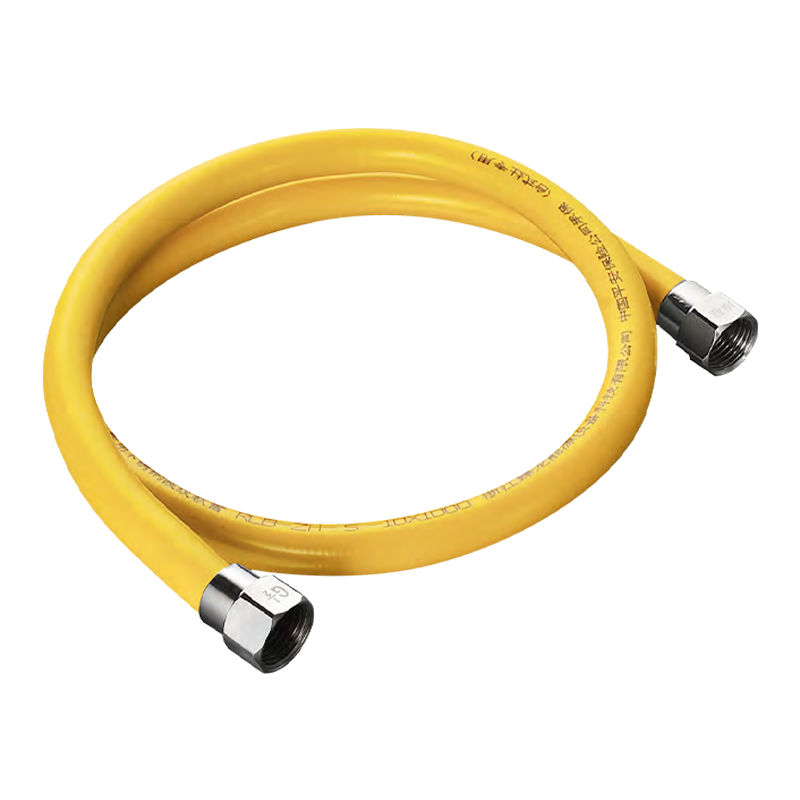 Corrugated Stainless Steel Gas Hose with Enhanced Pressure ResistanceThis multi-layered hose features a braided steel mesh and PVC jacket for added strength and durability, meeting rigorous safety standards while offering flexibility for appliance connections.View Product →
Picking the Right Materials and Construction
Material choice drives how well a connector meets the standard. The most common base material is 304 stainless steel, which resists corrosion from humidity, cleaning agents, and outdoor air. The corrugated wall allows the hose to flex without kinking. Some connectors use fewer, deeper corrugations for higher burst strength, while others use a thin-wall corrugation for maximum flexibility. A braided stainless steel layer adds abrasion resistance and protects the corrugated tube from mechanical damage. A PVC jacket is useful when the connector may sit in a wall cavity or be exposed to accidental contact with a hot surface.
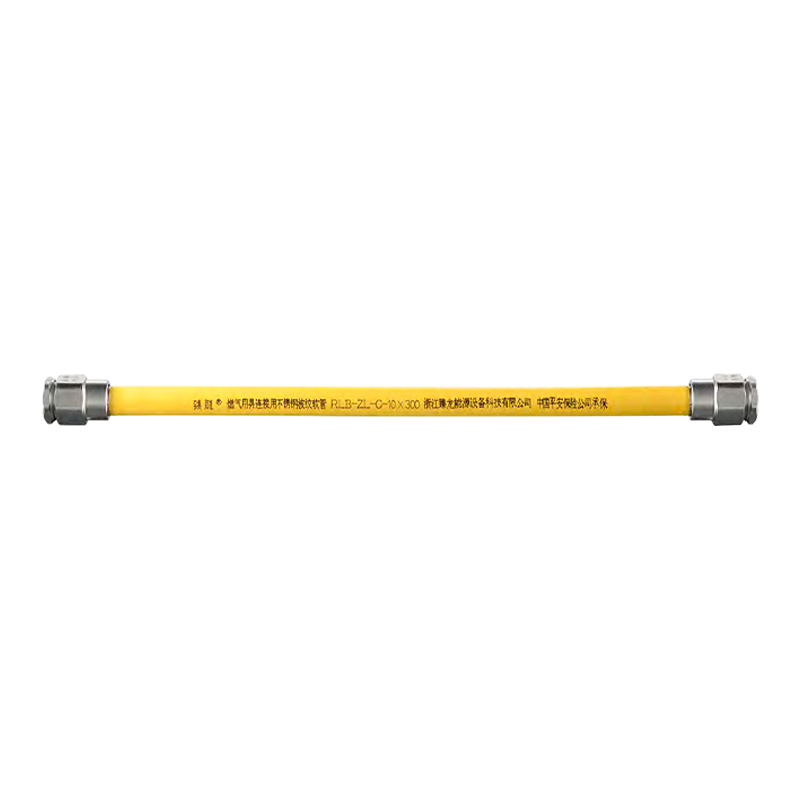
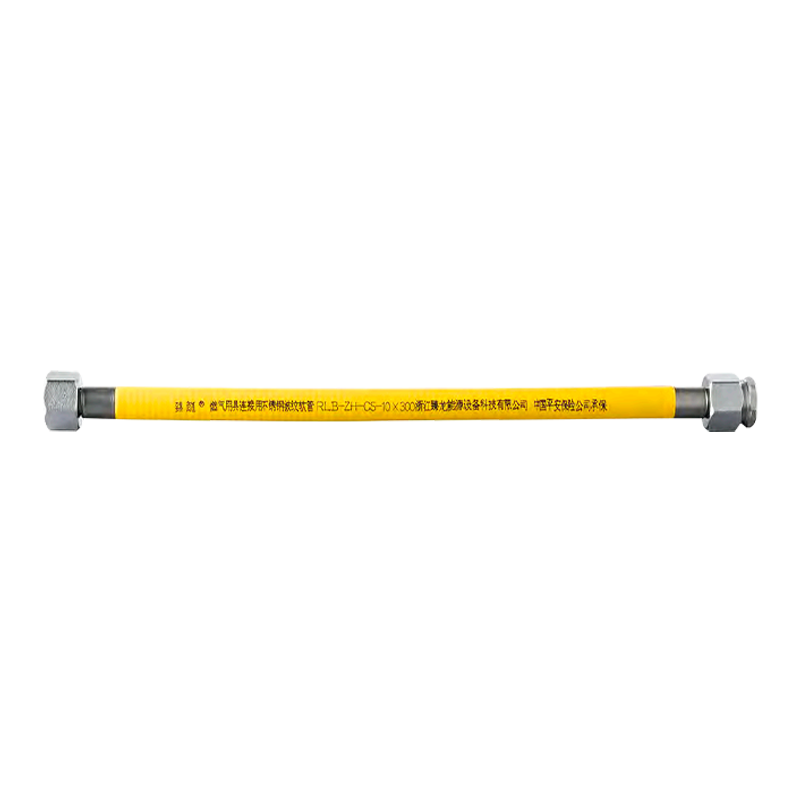
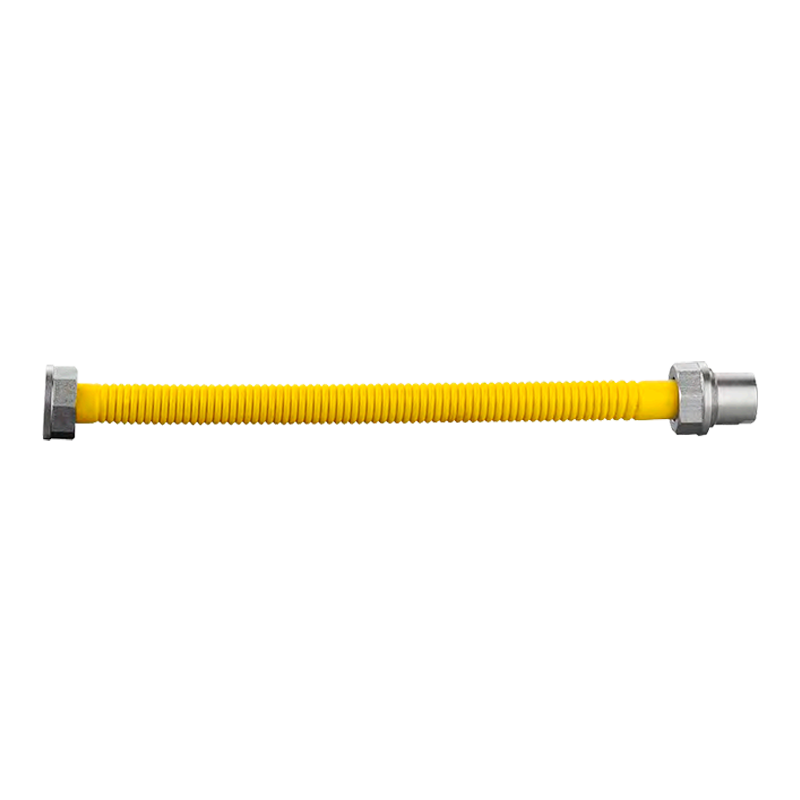
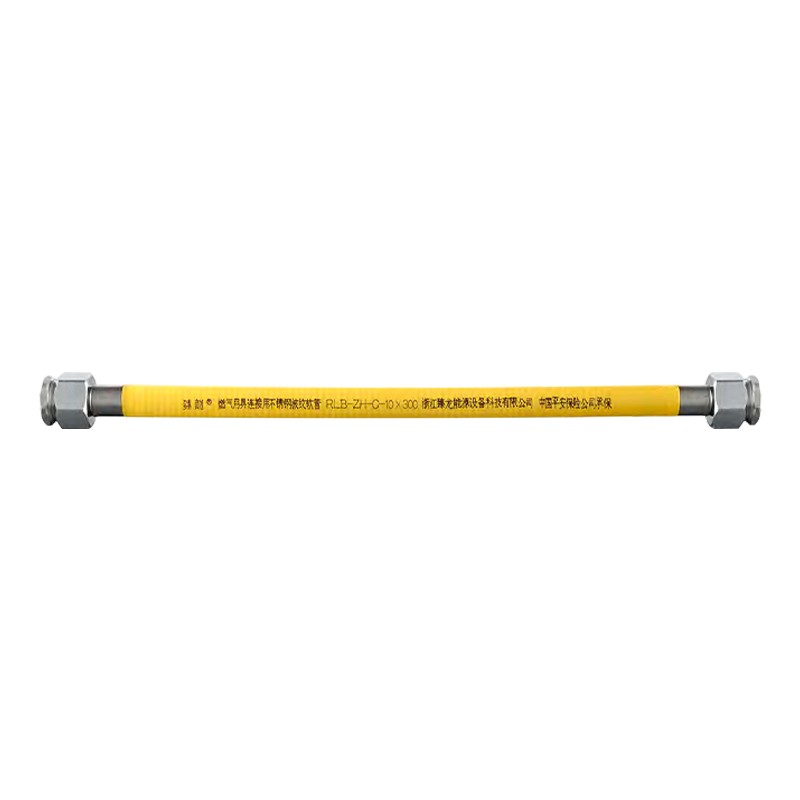 Seamless Corrugated Stainless Steel Gas Pipe for Reliable ServiceIts seamless construction and protective PVC layer ensure corrosion resistance and leak-free performance, making it a dependable choice for demanding gas pipeline installations.View Product →
Installation Practices That Protect Compliance
Even a certified connector can be installed in a way that violates the standard. Avoid twisting, pulling, or kinking the hose during installation. Give the connector enough slack to allow the appliance to move, but not so much that it can be pinched. When a connector passes through a wall or cabinet, a protective wall box or guard plate is required. A shutoff valve should be fitted upstream for easy service isolation. Use only the fittings specified by the connector manufacturer.
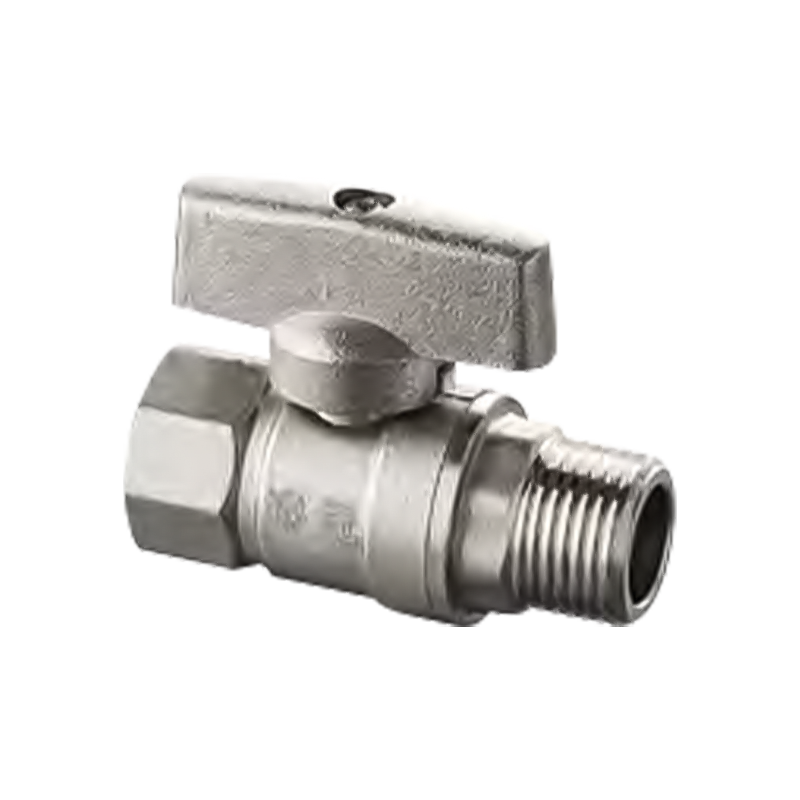 Threaded Ball Valve for Precise Gas Flow ControlEquipped with internal and external threads for versatile installation, this valve provides smooth flow regulation and a tight seal to prevent leakage in high-pressure systems.View Product →
Common Non-Compliance Mistakes
Several mistakes appear again and again in field inspections. Substituting an unlisted hose because it looks similar and costs less. Over-tightening a compression fitting until the ferrule cracks. Routing a connector behind an appliance with no clearance to the flue. Reusing a connector after displacing an appliance, instead of installing a fresh one. Failing to label a connector after replacement is another simple but costly error, because inspectors and future technicians have no way to verify what is installed.
Choosing a Supplier That Can Back Up the Standard
Selecting a supplier for ANSI Z21.24 compliant connectors comes down to verifiable manufacturing capability. A manufacturer that performs in-house testing and holds third-party certification is safer than a reseller that cannot demonstrate its product chain.
Zhejiang Zhenlong Energy Equipment Technology Co., LTD. is a company engaged in the research and development, manufacturing, and processing of energy equipment. The company operates 30 welding and forming production lines and 2 uninterrupted solid melting hydrogen furnace lines. Testing equipment includes a metal material analysis direct reading spectrometer and a flow tightness tester. Zhenlong strictly implements the ISO9000:2008 quality management system and holds the People's Republic of China Special Equipment Manufacturing License (Pressure Pipeline) and the EU CE certification national testing center report. As a member of the China Urban Gas Association, the company also participates in the safety standards dialogue that continues to shape gas equipment requirements. Its factory covers 40 acres with a 30,000 square meter building, which supports the volume and traceability that large projects need.
Frequently Asked Questions
Q1: What is ANSI Z21.24?
ANSI Z21.24/CSA 6.10 is a North American standard covering gas appliance connector performance, testing, and labeling requirements.
Q2: What pressure do ANSI Z21.24 connectors typically carry?
The standard covers connectors rated for 0.5 PSI (14" WC) natural gas or propane. Burst pressure is substantially higher.
Q3: Is 304 stainless steel suitable for gas connectors?
Yes. 304 stainless steel resists corrosion and is the most common material in compliant corrugated gas connectors.
Q4: How frequently should gas appliance connectors be replaced?
Check the manufacturer's rating. In commercial kitchens, replace every 3–5 years; in residential settings, often every 5–10 years.
Q5: Can I extend a gas hose by joining two connectors?
No. Joining connectors with couplings is not allowed under the standard. Use one properly sized connector.
Q6: What happens if a connector has no ANSI label?
Without a label, the connector is not certified. Installations with unlisted connectors can fail inspection and pose a safety risk.