 English
 中文简体
中文简体 Español
 عربى
عربى

Content
- 1 Corrugated Stainless Steel Tubing Or Copper Pipe For Gas Lines
- 2 What Corrugated Stainless Steel Tubing Is Made Of
- 3 Side By Side Comparison Of Core Properties
- 4 Installation Time Differences Across Typical Runs
- 5 Durability Factors Over A Multi Year Service Period
- 6 Overall Performance Comparison Across Key Factors
- 7 Fittings Used With Corrugated Tubing And Copper Pipe
- 8 Sizing And Routing Considerations For Each Material
- 9 Where Each Material Is Commonly Applied
- 10 About Zhejiang Zhenlong Energy Equipment Technology
- 11 Frequently Asked Questions
Corrugated Stainless Steel Tubing Or Copper Pipe For Gas Lines
Corrugated Stainless Steel Tubing For Gas Pipes generally offers faster installation and better flexibility around obstacles compared with rigid copper pipe, while copper pipe remains a familiar choice valued for its long installation history and straightforward joint methods. Neither material is universally better, and the right choice depends heavily on building layout, routing complexity, and how the gas piping system needs to move through walls, floors, and tight spaces.
Both materials serve the same basic purpose, carrying gas safely from a supply point to appliances, but they approach that job very differently. Corrugated tubing bends by hand around framing members and corners, while copper pipe relies on cut lengths joined together at fixed angles using dedicated Gas Pipes Fittings.
What Corrugated Stainless Steel Tubing Is Made Of
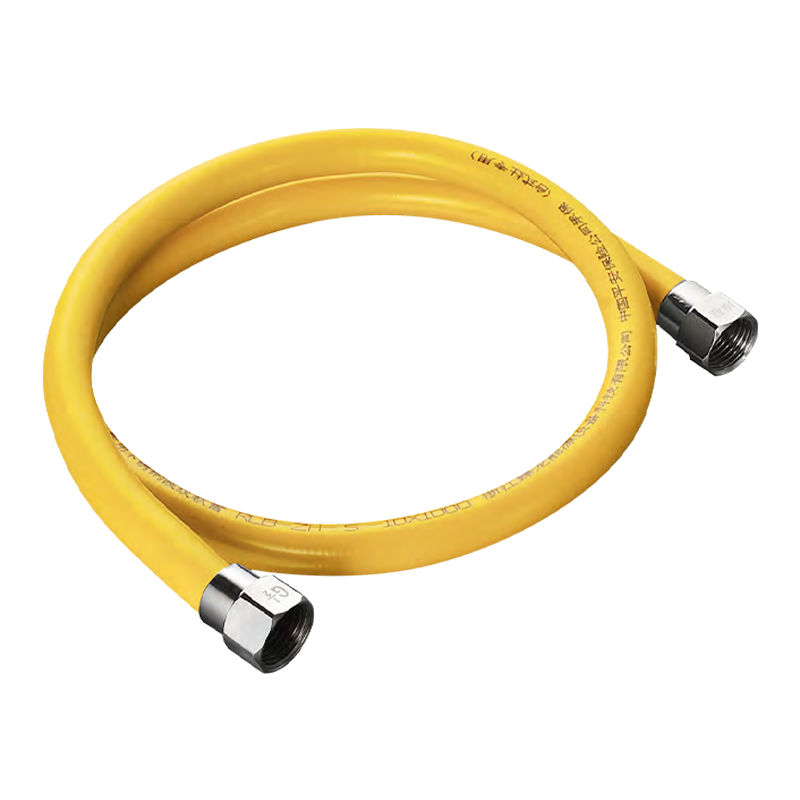
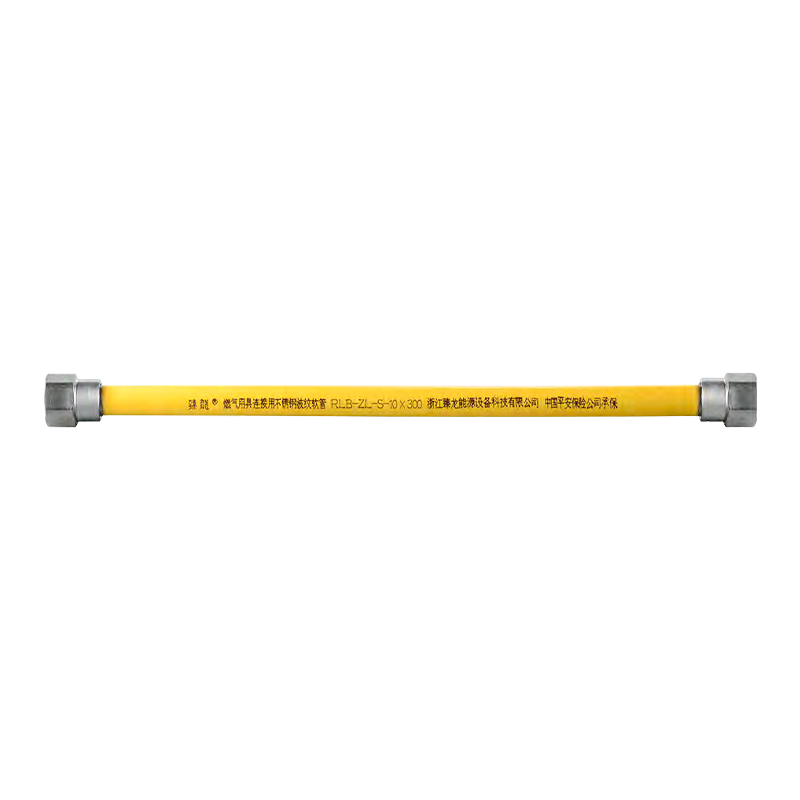
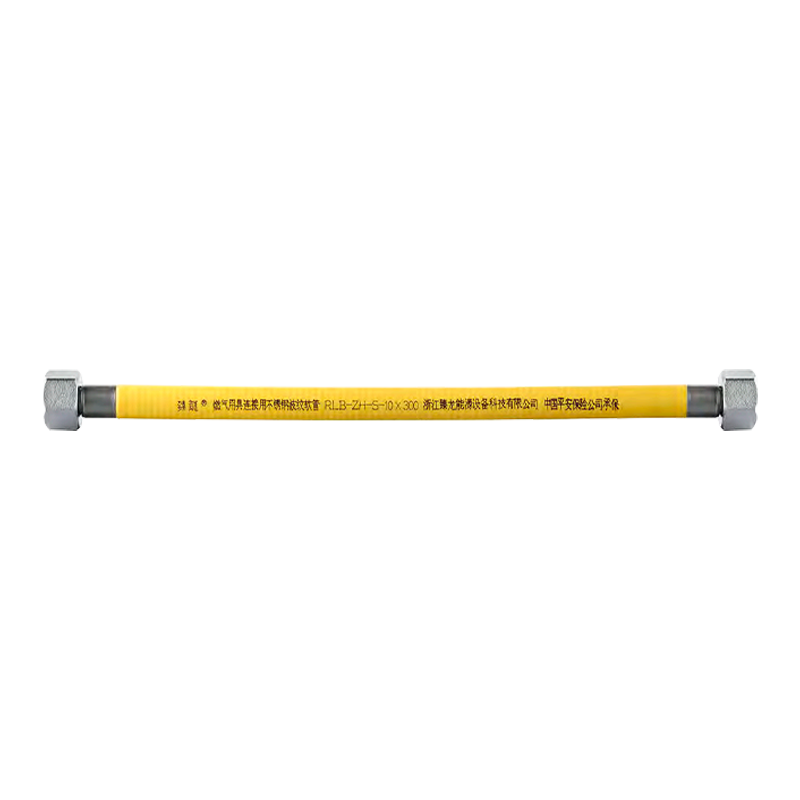
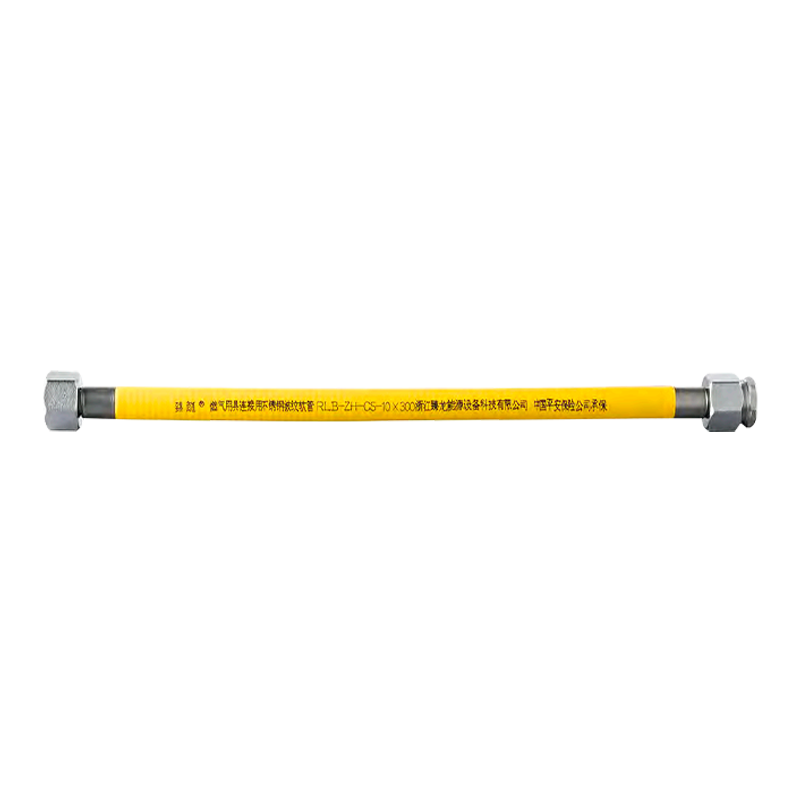
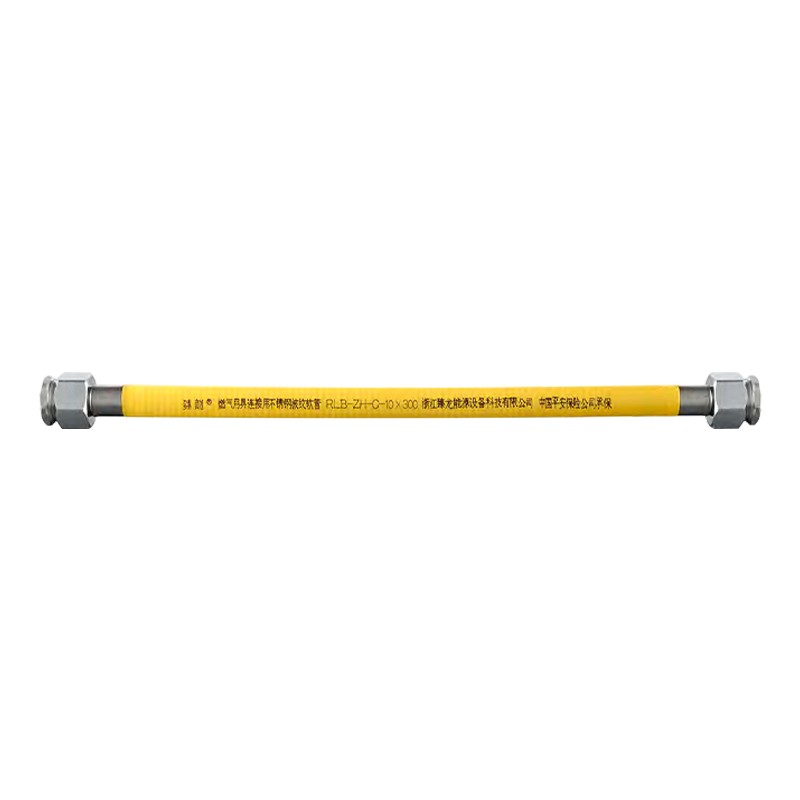
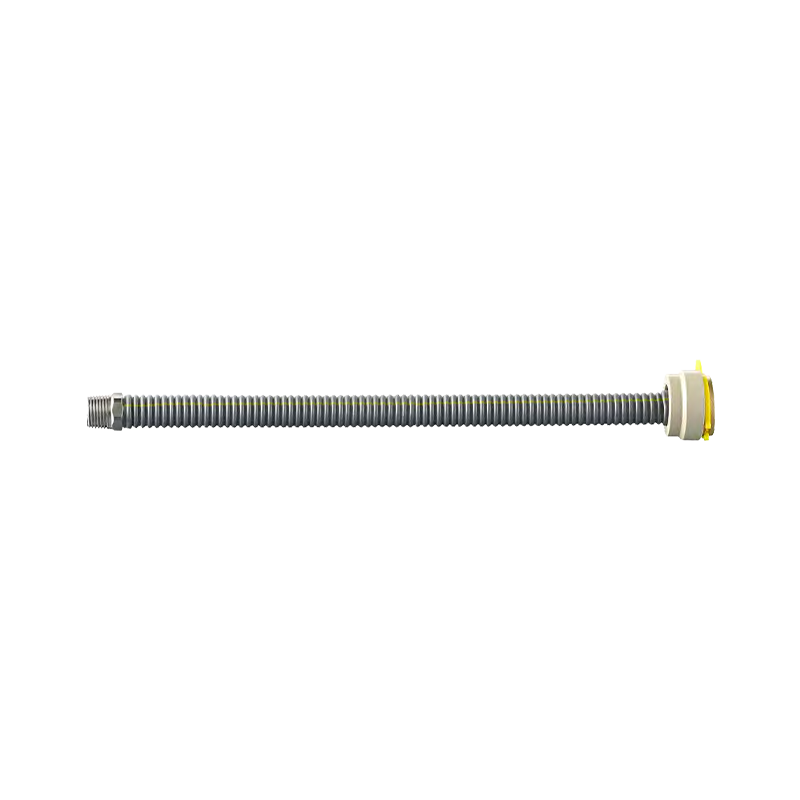
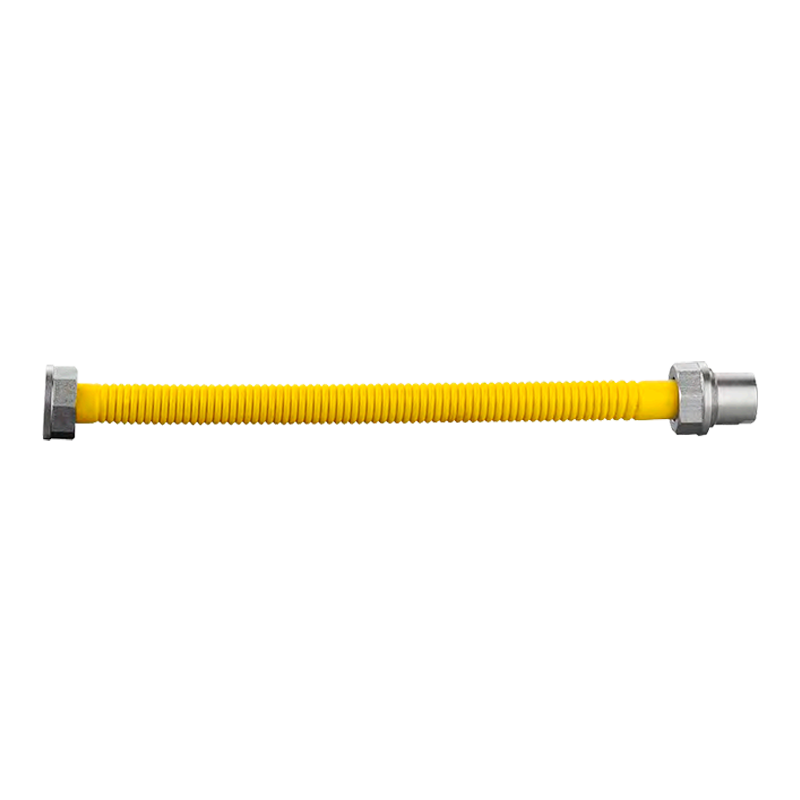
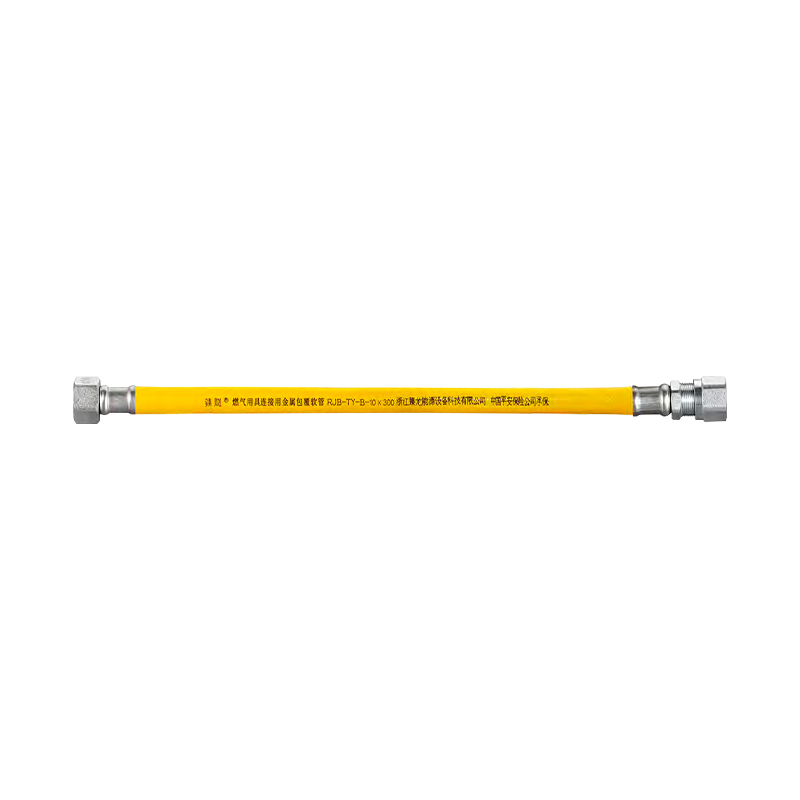
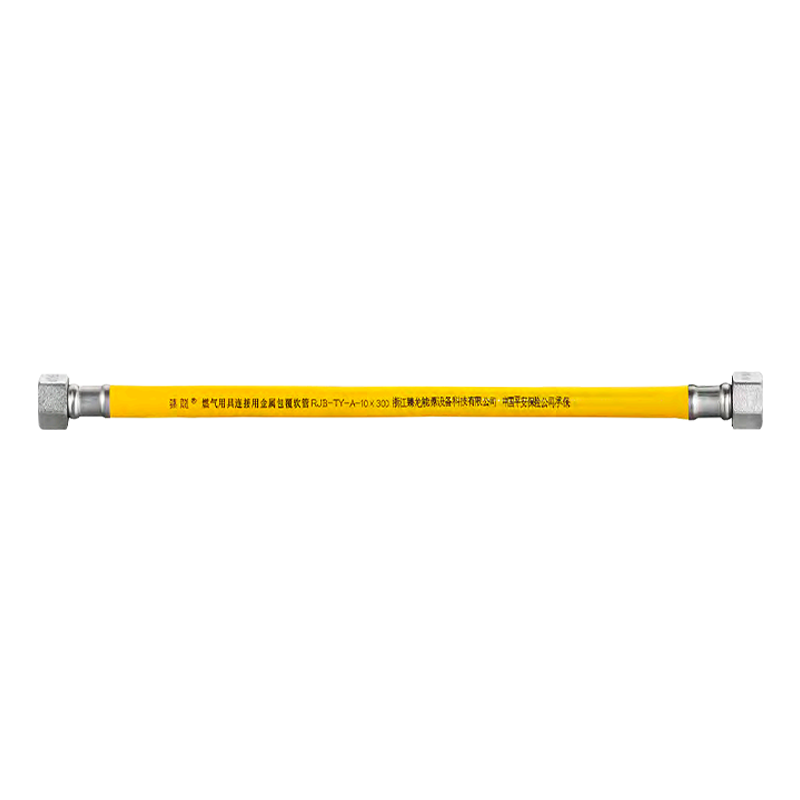
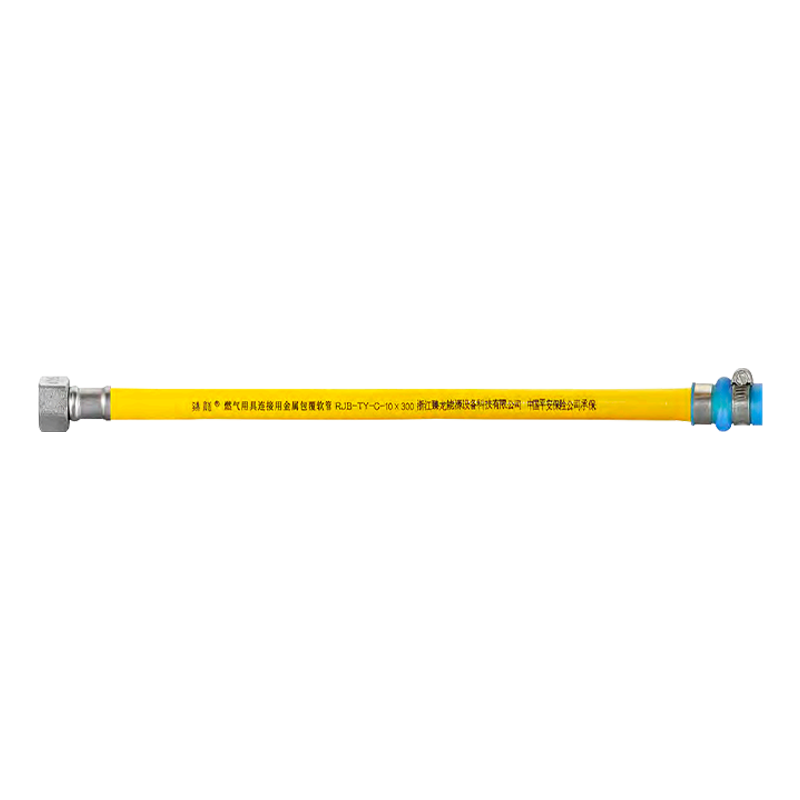
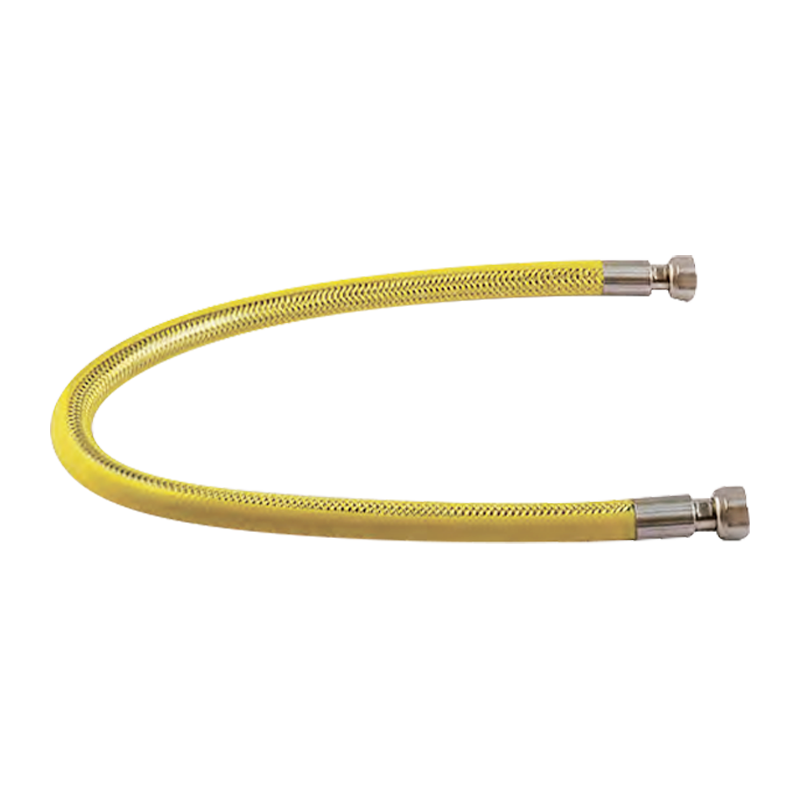
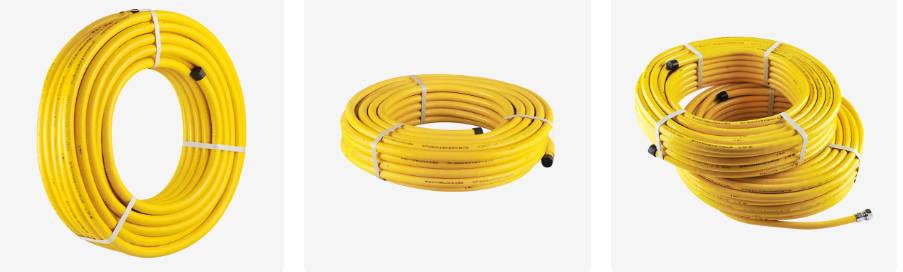
Corrugated stainless steel tubing, often shortened to CSST, is a flexible metal tube formed with a ridged, wave-like wall pattern rather than a smooth surface. This corrugated wall is what gives the tubing its flexibility, allowing it to bend repeatedly without kinking or weakening the way a smooth-walled pipe would under the same stress.
Typical Construction Layers
- Corrugated stainless steel core tube carrying the gas flow
- Protective outer jacket, often yellow, shielding the core from abrasion
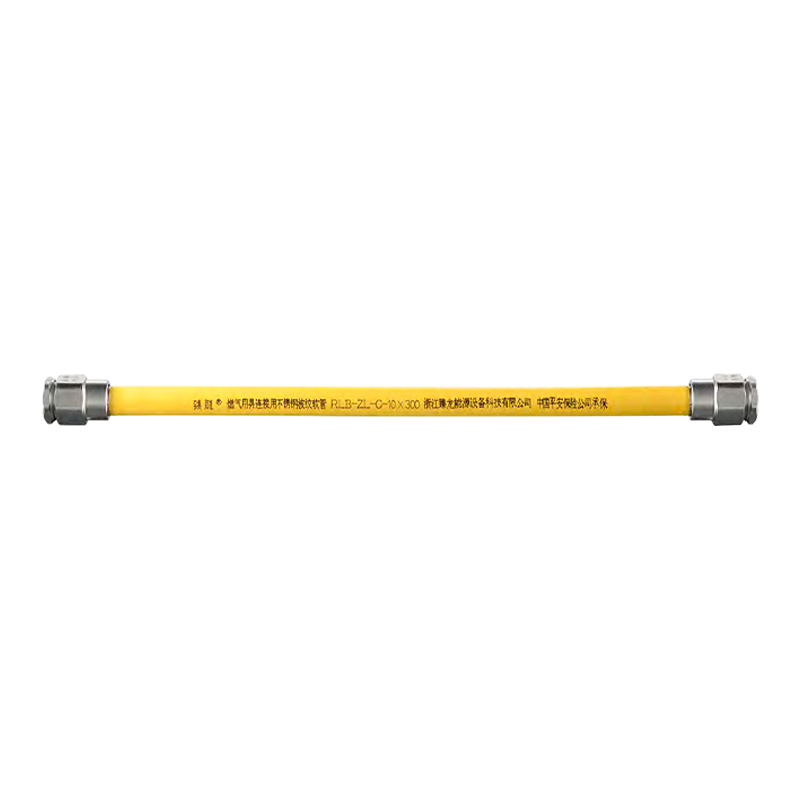
- End fittings crimped or mechanically joined to the tubing ends
- Bonding or grounding provisions built into the fitting connection points
Copper pipe, by comparison, is a rigid smooth-wall tube that requires cutting to exact length and joining with soldered, brazed, or flared connections at every direction change, which naturally increases the number of joints in a typical run compared with flexible tubing.
Side By Side Comparison Of Core Properties
The table below lines up the two materials across the properties that matter most when planning a gas piping installation.
| Property | Corrugated Stainless Steel Tubing | Copper Pipe |
|---|---|---|
| Flexibility | High, bends by hand around obstacles | Rigid, needs fittings for direction changes |
| Joint Count Per Run | Fewer joints across long runs | More joints at every bend point |
| Corrosion Resistance | Strong, stainless steel construction | Good, though affected by certain soil or water conditions |
| Installation Method | Mechanical crimp or compression fittings | Soldering, brazing, or flare fittings |
| Routing Through Framing | Simple, threads through drilled holes easily | Requires precise measuring and cutting |
Installation Time Differences Across Typical Runs
Flexibility translates directly into installation speed, since fewer joints mean fewer connection points to prepare and test. The bar chart below reflects a general pattern in relative installation time across common run lengths.
Long runs with multiple direction changes tend to show the biggest time gap between the two materials, since every bend in a copper run adds a fitting, a cut, and a joint that has to be checked, while a corrugated run simply flexes around the same obstacle.
Durability Factors Over A Multi Year Service Period
Long-term performance depends on how each material responds to vibration, minor ground movement, and repeated temperature cycling. The column chart below outlines a general durability pattern across these stress factors.
The flexible wall structure of corrugated tubing tends to absorb minor movement and vibration more readily than a rigid pipe run, which is one reason CSST has become a common choice for corrugated stainless steel tubing for natural gas installations in areas with more building movement or seismic activity.
Overall Performance Comparison Across Key Factors
Bringing several factors together into a single view helps clarify where each material tends to lead. The radar chart below compares corrugated stainless steel tubing against copper pipe across five commonly weighed factors.
Corrugated tubing generally leads on installation speed, flexibility, and vibration tolerance, while copper pipe holds a long-standing position on joint simplicity for installers who are more familiar with traditional soldered connections.
Fittings Used With Corrugated Tubing And Copper Pipe
Gas Pipes Fittings differ significantly between the two systems. Corrugated tubing typically connects through mechanical fittings that crimp or compress around the tubing end, creating a seal without heat or flame. Copper pipe relies on soldered joints, brazed connections, or flare fittings, each requiring careful surface preparation and precise technique.
Common Fitting Types By Material
- Crimp fittings, common on corrugated tubing end connections
- Compression fittings, used on both tubing and pipe transitions
- Flare fittings, common where copper pipe meets appliance connectors
- Soldered or brazed joints, used along rigid copper pipe runs
- Transition fittings, joining tubing or pipe to different material types
Fitting selection needs to match both the tubing or pipe specification and the intended use condition, since a fitting sized correctly for one diameter will not seal reliably on a mismatched tube or pipe size.
Sizing And Routing Considerations For Each Material
Diameter selection depends on gas flow demand, appliance load, and total run length. Corrugated stainless steel tubing is commonly available across a range of nominal sizes suited to residential and light commercial gas piping, while copper pipe sizing follows a similar demand-based approach using standard nominal pipe sizes.
Routing behavior is where the two materials diverge most. A corrugated run can pass through multiple framing members using a continuous length with far fewer stops, which simplifies planning for flexible stainless steel tubing for HVAC and general gas supply projects alike. Copper pipe routing usually benefits from planning bend points in advance, since each direction change becomes a fixed fitting location once installed.
Where Each Material Is Commonly Applied
Both materials appear across residential and light commercial gas piping, though usage patterns tend to follow building type and routing complexity.
- Corrugated tubing for interior gas distribution in framed residential construction
- Corrugated tubing for CSST for propane systems in supplemental fuel setups
- Copper pipe for exposed runs where a rigid finished appearance is preferred
- Copper pipe for shorter runs with minimal direction changes
- Corrugated tubing for renovation projects where framing access is limited
Project teams sourcing through an established corrugated gas tubing supplier often select tubing specifically for renovation work, since threading flexible tubing through existing walls avoids the demolition that a rigid copper run would typically require.
About Zhejiang Zhenlong Energy Equipment Technology
Zhejiang Zhenlong Energy Equipment Technology Co., Ltd. is engaged in the research, development, manufacturing, and processing of energy equipment, working across metal hoses, natural gas pipelines, plumbing fittings, sanitary ware, valves, plastic products, and hardware. The company is located in Yuyao, Ningbo, Zhejiang, covering an area of 40 acres with a factory building spanning 30000 square meters.
Production capability includes 30 welding and forming production lines along with uninterrupted solid melting hydrogen furnace lines and material testing equipment, supporting consistent output across corrugated stainless steel tubing and pipe fitting product lines. As a Corrugated Stainless Steel Tubing For Gas Pipes supplier and Gas Pipes Fittings company, Zhenlong works with an R&D, design, and production team supporting OEM corrugated stainless steel tubing and custom corrugated stainless steel tubing programs for partners across multiple regions.
Frequently Asked Questions
It is a flexible metal tube with a ridged wall pattern, used to carry gas through a building with fewer joints than rigid pipe.
It is used for residential and light commercial gas distribution, routing supply from a meter or manifold to individual appliances.
Yes, corrugated stainless steel tubing is widely used for natural gas distribution across residential and light commercial buildings.
Yes, corrugated tubing is also used in propane systems, following the same general routing and fitting approach as natural gas installations.
Properly installed tubing is designed for long-term service, with stainless steel construction supporting extended use under normal conditions.
Yes, the stainless steel core provides strong resistance to corrosion compared with many traditional piping materials.
Corrugated tubing is manufactured to handle typical residential and light commercial gas pressure ranges within its rated specification.
Tubing is available across a range of nominal diameters sized to match different flow demands and appliance loads.
Mechanical crimp and compression fittings are the most common connection method, sealing the tubing without soldering or brazing.