 English
 中文简体
中文简体 Español
 عربى
عربى

Content
- 1 How Flexible Gas Connectors Improve Appliance Safety: The Direct Answer
- 2 Common Risks With Rigid or Low-Quality Gas Connections
- 3 How Metal Wrapped Hoses for Gas Appliance Connections Improve Safety
- 4 What Metal Wrapped Gas Hoses Are Made Of
- 5 Metal Wrapped Gas Hose vs Rubber Gas Hose vs Rigid Pipe: A Comparison
- 6 Appliances That Commonly Use Flexible Gas Connectors
- 7 How to Identify a High-Quality Gas Appliance Connector
- 8 Installation and Maintenance Best Practices
- 9 Corrosion Resistance and Long-Term Durability
- 10 Custom and OEM Metal Wrapped Gas Hose Manufacturing
- 11 About Zhejiang Zhenlong Energy Equipment Technology Co., Ltd
- 12 Frequently Asked Questions
How Flexible Gas Connectors Improve Appliance Safety: The Direct Answer
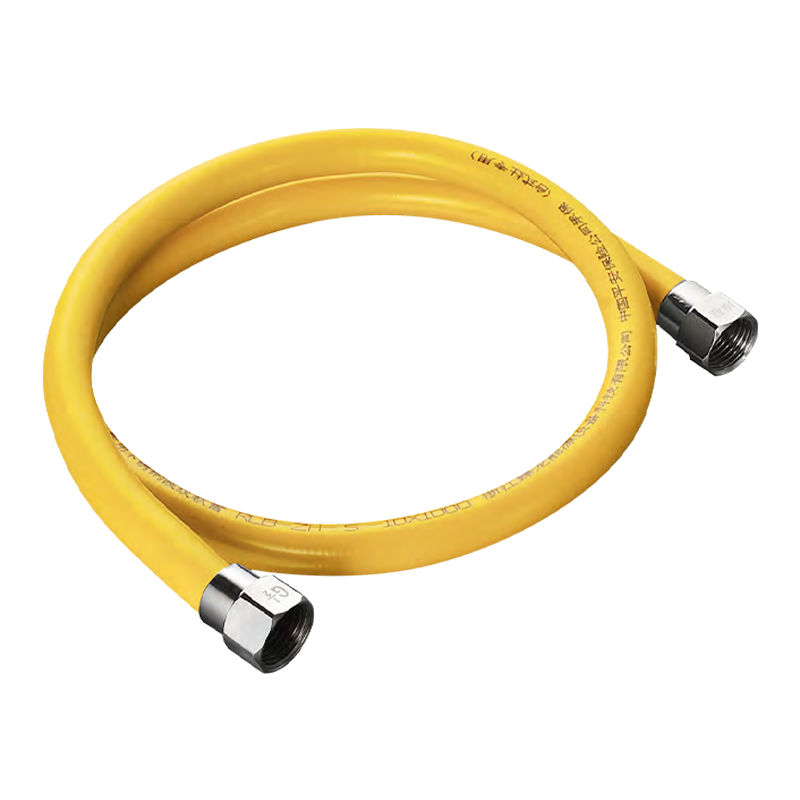
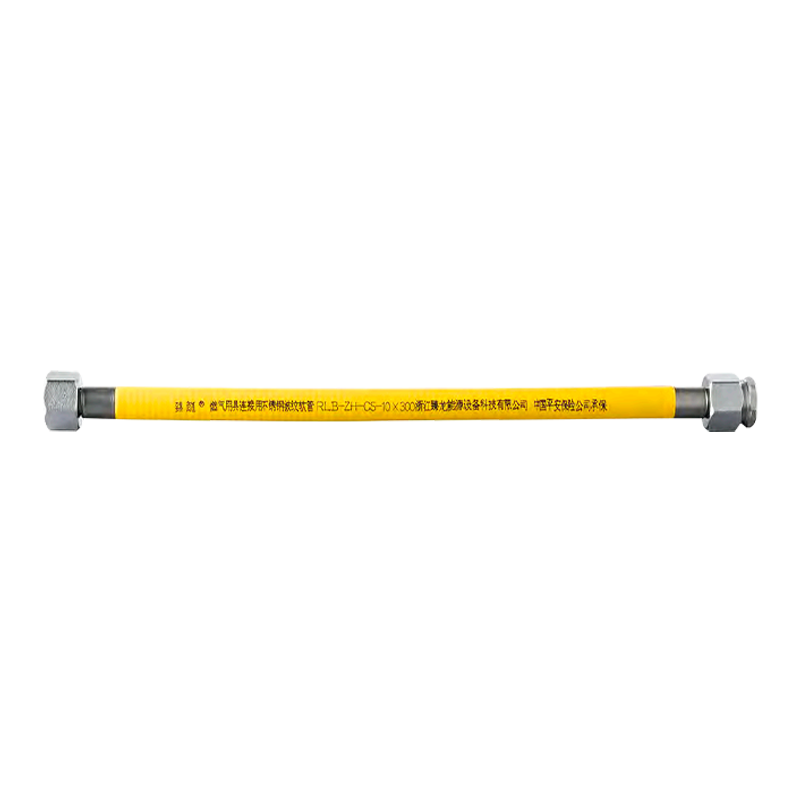
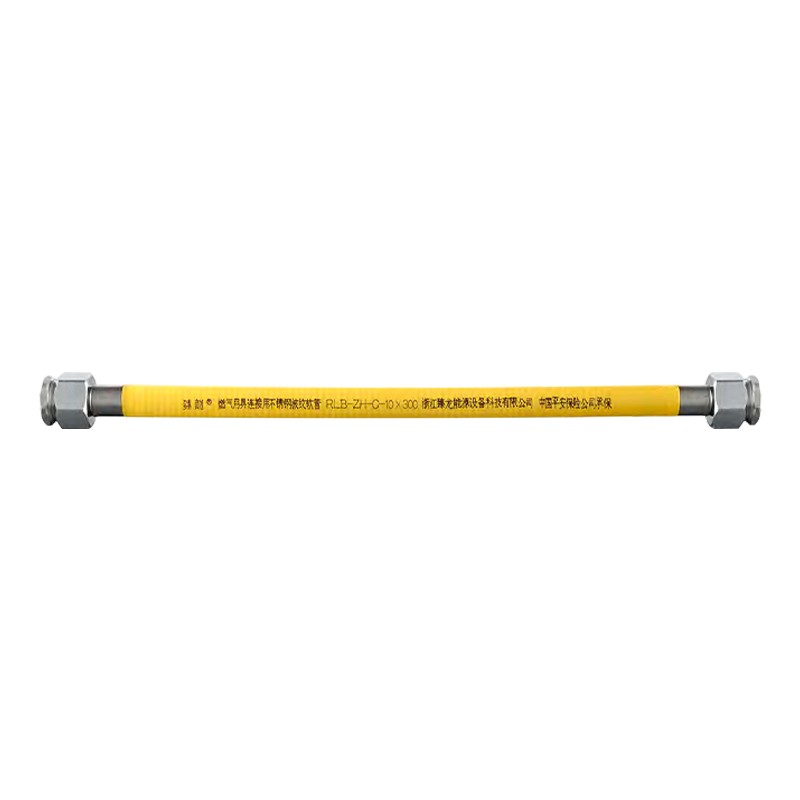
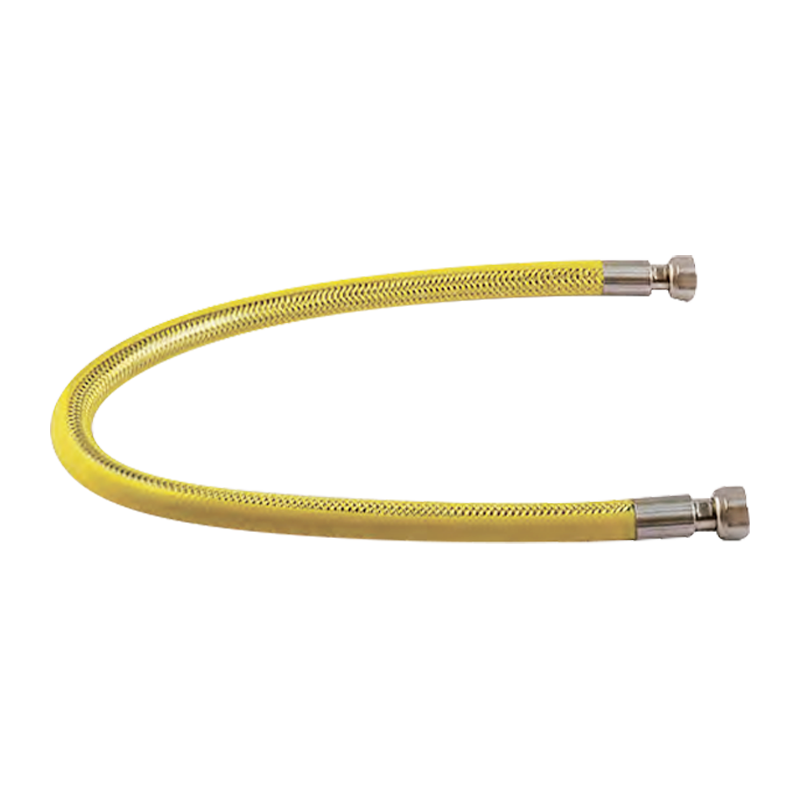
In most kitchens, utility rooms, and mechanical spaces, metal wrapped hoses for gas appliance connections improve safety mainly by replacing a rigid, fixed joint with a flexible line that can absorb vibration, minor appliance movement, and installation misalignment without placing constant stress on a single connection point. A stainless steel braided exterior adds mechanical protection against abrasion and accidental impact, while the corrugated inner tube resists corrosion far better than standard rubber hose material over years of continuous use.
The result is a connector that stays sealed and structurally sound through the kind of everyday movement that a fixed pipe joint or a lower grade rubber hose is more likely to react poorly to. Appliances such as gas stoves, ovens, boilers, and water heaters shift slightly during normal use, cleaning, and servicing, and a flexible metal connector is built specifically to tolerate that movement while keeping the gas line properly sealed.
- Absorbs vibration and minor appliance movement without stressing the connection point
- Stainless steel construction resists corrosion better than standard rubber hose material
- Simplifies appliance servicing since a flexible line is easier to work around than rigid pipe
Common Risks With Rigid or Low-Quality Gas Connections
Before looking at why flexible metal connectors perform well, it helps to understand what actually causes problems with older or lower quality gas connections in the first place.
Corrosion at Fittings and Joints
Moisture, humidity, and everyday kitchen or utility room conditions gradually corrode lower grade metal fittings, which can weaken a joint over time even when the connection was installed correctly at first.
Vibration Fatigue
Appliances with motors, pumps, or compressors generate small amounts of constant vibration. Rigid connections concentrate this movement at the joint itself, which can lead to fatigue cracking after extended use.
Improper Bending Stress
Rigid pipe that has been bent or forced into position during installation carries ongoing mechanical stress at the bend point, which is a common source of long-term weakness in older gas line setups.
Material Degradation in Standard Rubber Hose
Standard rubber hose materials break down gradually when exposed to heat, ozone, and general aging, becoming brittle and more likely to crack well before a properly specified metal hose would show similar wear.
The chart below summarizes how these four factors typically compare in terms of their overall contribution to gas connection failures in older or lower quality installations.
Relative contribution to gas connection issues in older or lower quality setups, shown on a 0 to 100 scale for illustration purposes.
How Metal Wrapped Hoses for Gas Appliance Connections Improve Safety
Once the common failure points are clear, the practical advantages of a properly built flexible metal connector become easier to see.
Corrosion Resistant Core Tube
The corrugated inner tube is typically formed from stainless steel, which resists the gradual oxidation that weakens lower grade metals and standard rubber compounds over time.
Braided Outer Protection
A woven stainless steel braid surrounds the core tube, adding resistance to abrasion, accidental impact, and rodent damage while also providing additional support against internal pressure.
Flexibility That Absorbs Movement
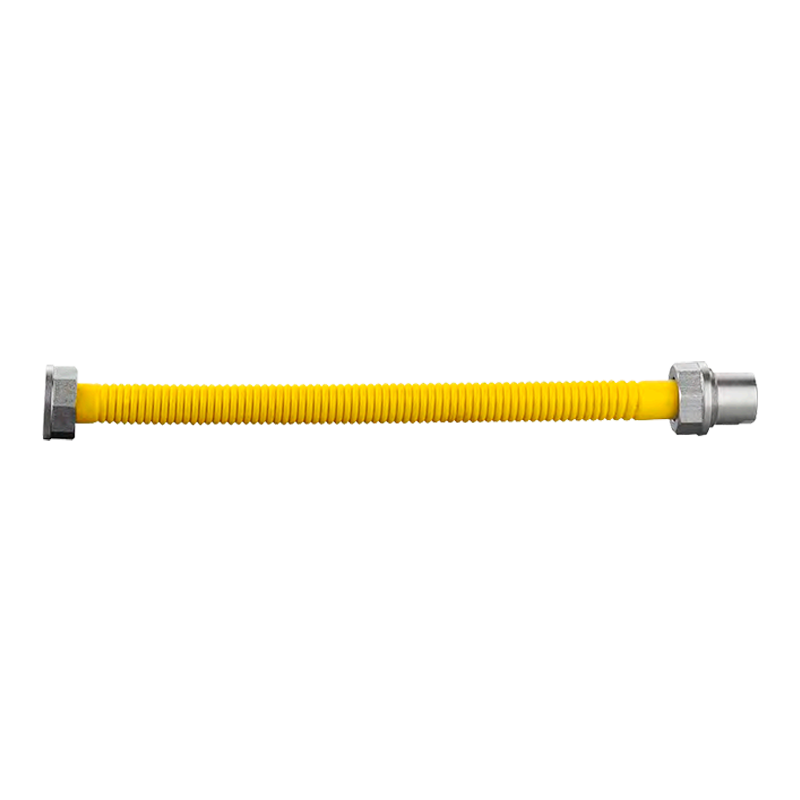
The corrugated structure allows the hose to flex and move with the appliance rather than transferring stress directly into the connection point, which is one of the main reasons flexible connectors outperform rigid pipe in areas prone to vibration.
Durability over time is where the difference between hose types becomes most visible. The line chart below compares the general condition of a metal wrapped hose against a standard rubber hose across a ten year span of ordinary appliance use.
Illustrative material condition over time, shown on a 0 to 100 scale where a higher score reflects better condition.
What Metal Wrapped Gas Hoses Are Made Of
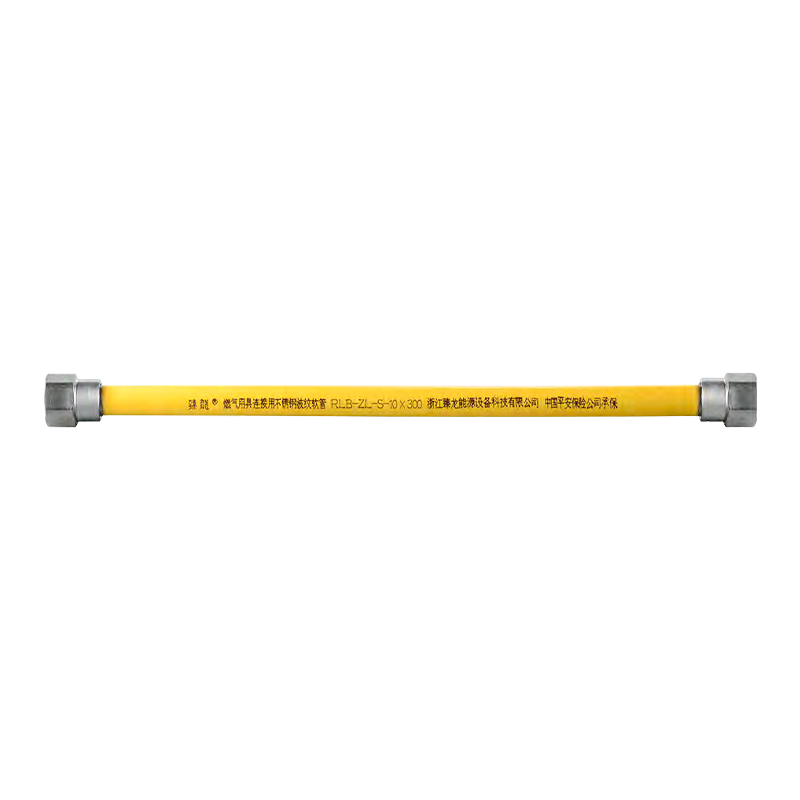
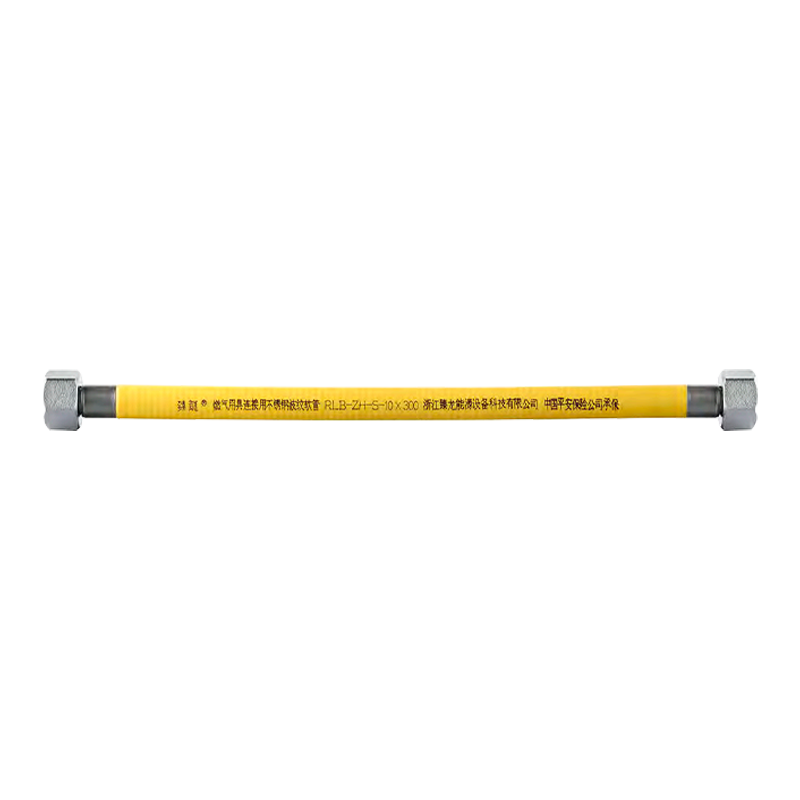
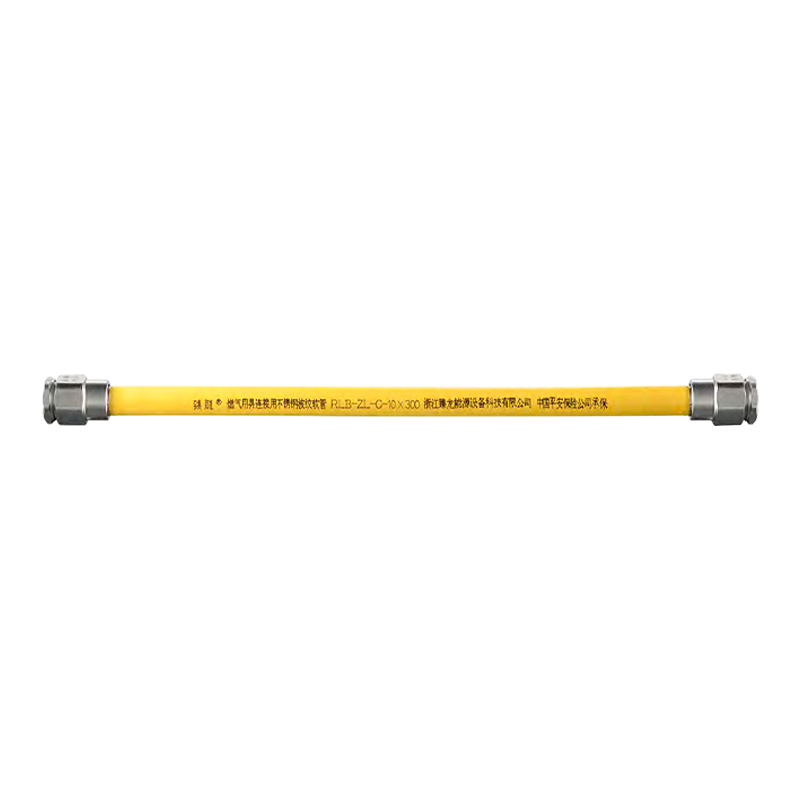
A flexible gas connector is built from a small number of components, each with a specific job. Understanding the construction makes it easier to evaluate quality when comparing different products.
| Component | Typical Material | Function |
|---|---|---|
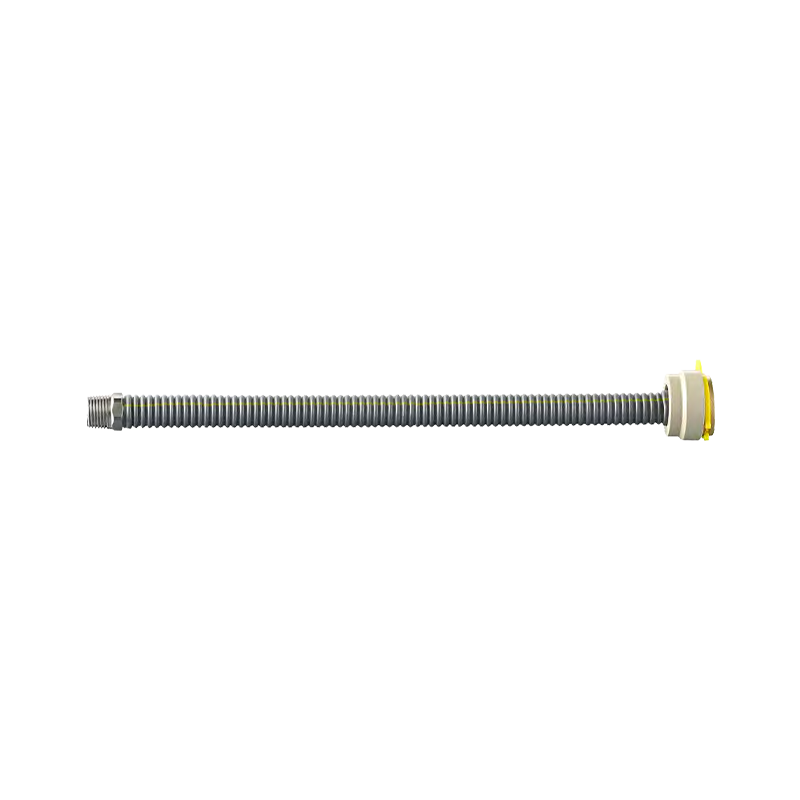
| Inner corrugated tube | Stainless steel, part of the stainless steel gas hose material family | Carries gas flow while allowing controlled flexibility |
| Outer braided layer | Woven stainless steel wire, forming a metal braided gas hose exterior | Adds mechanical protection and helps support internal pressure |
| End fittings | Brass or stainless steel | Connects the hose securely to the appliance and gas supply line |
Metal Wrapped Gas Hose vs Rubber Gas Hose vs Rigid Pipe: A Comparison
Choosing the right connection type often comes down to weighing flexibility, durability, and installation practicality against one another. The table and chart below lay out how the three common options generally compare.
| Feature | Metal Wrapped Hose | Rubber Hose | Rigid Pipe |
|---|---|---|---|
| Corrosion resistance | High | Moderate | High on the surface, weaker at joints over time |
| Flexibility | Good | Very high | None once installed |
| Typical service life | Longer | Shorter | Long, provided joints stay sound |
| Response to vibration | Absorbs movement well | Absorbs movement well | Prone to stress concentration at joints |
Illustrative scoring across five practical qualities, shown on a 0 to 10 scale.
Appliances That Commonly Use Flexible Gas Connectors
Flexible metal connectors are used wherever a gas appliance needs a secure but adjustable connection to a fixed supply line. Common examples include a gas connector for kitchen appliances such as ranges and ovens, along with connections for boilers, water heaters, and fireplaces.
- Gas stoves and cooktops, where the connector needs to tolerate movement during cleaning and servicing
- Wall ovens, which often sit in a fixed cabinet space with limited connection clearance
- Boilers and central heating systems, where vibration from pumps is a regular factor
- Water heaters, both residential units and larger commercial gas appliance hose setups
- Fireplaces and freestanding heating appliances that may be repositioned occasionally
Relative frequency of flexible gas connector use by appliance type, shown on a 0 to 100 scale for illustration purposes.
How to Identify a High-Quality Gas Appliance Connector
Not all flexible gas connectors are built to the same standard. A short visual and physical check before installation helps confirm that a quality gas connector is being used.
- Check that the braided exterior is tightly woven with no loose, frayed, or crossed strands.
- Confirm the fittings are free of visible pitting, scratches, or discoloration that could suggest poor material quality.
- Look for consistent, even corrugations along the full length of the inner tube.
- Flex the hose gently by hand to confirm it moves smoothly without kinking or resistance.
- Verify the connector length and fitting type match the appliance and supply line before installation begins.
A simple gas hose inspection like this, repeated periodically after installation, is one of the easiest ways to catch early signs of wear before they become a larger issue.
Installation and Maintenance Best Practices
Proper installation and light ongoing maintenance both play a large role in how well a flexible gas connector performs over its service life.
- Have installation carried out by a qualified technician familiar with gas appliance connections
- Allow gentle, natural curves in the hose rather than sharp bends
- Inspect visible connectors periodically for signs of wear, corrosion, or damage
- Keep connectors clear of direct contact with sharp edges or heat sources
- Avoid forcing a connector into a tight bend to fit a space it was not sized for
- Avoid reusing an old connector when relocating or replacing an appliance
- Avoid painting over or coating the braided exterior, which can hide early signs of wear
- Avoid leaving a connector under tension where it stretches across a gap
Corrosion Resistance and Long-Term Durability
Corrosion is one of the most common reasons a gas connection eventually needs replacement, which is why material choice matters so much. A properly specified corrosion resistant gas hose built from stainless steel holds up significantly better in humid kitchens, utility rooms, and outdoor installations than standard plated steel or basic rubber alternatives.
Over a typical service period, a stainless steel connector maintains a smoother, more consistent surface, which also supports a more reliable seal at the fitting. This is a major reason stainless steel has become the standard material choice across most modern flexible gas appliance connector products.
Custom and OEM Metal Wrapped Gas Hose Manufacturing
Appliance manufacturers, distributors, and contractors sourcing connectors at volume typically look for a production partner that can maintain consistent quality across large batches while also supporting project specific requirements. Working with an established metal wrapped gas hose manufacturer makes it easier to standardize braid density, corrugation pattern, and fitting type across an entire order.
A flexible gas connector manufacturer that also offers OEM services can typically adjust hose length, fitting configuration, and packaging to match a specific appliance line. Buyers evaluating a gas appliance connection hose supplier or a stainless steel gas connector supplier for an ongoing program should confirm sample review, production lead times, and inspection procedures before scaling up an order. Options in this category commonly include stainless steel flexible gas hose assemblies, corrugated stainless steel gas hose configurations, and custom gas appliance connector builds designed around a specific fitting layout.
For businesses that need a fully tailored solution, a custom gas hose manufacturer offering flexible gas connector OEM manufacturer services can support everything from a single prototype run to a full gas hose assembly manufacturer program. This is particularly useful for teams sourcing an industrial flexible gas hose supplier for commercial kitchens or equipment lines that need connectors built to a consistent internal specification.
| Production Lines | Factory Footprint | Location |
|---|---|---|
| 30 welding and forming lines, 2 solid melting hydrogen furnace lines | 40 acre site with a 30,000 square meter factory building | Yuyao, Ningbo, Zhejiang, China |
About Zhejiang Zhenlong Energy Equipment Technology Co., Ltd
Zhejiang Zhenlong Energy Equipment Technology Co., Ltd is engaged in the research, development, manufacturing, and processing of energy equipment, with a product range spanning metal hoses, natural gas pipeline components, plumbing fittings, sanitary ware, valves, and related hardware. The company is based in Yuyao, Ningbo, Zhejiang, on a 40 acre site with a 30,000 square meter factory building.
Production Capability
The facility operates 30 welding and forming production lines along with 2 uninterrupted solid melting hydrogen furnace lines, supported by testing equipment such as a metal material analysis direct reading spectrometer and a flow tightness tester used throughout the production process.
Team and Development Focus
A dedicated research, design, and production team works across the product range to support customers with pipe fittings suited to a variety of gas and plumbing applications, backed by pre-sales consultation and after-sales support.
Working Approach
The company places emphasis on long-term cooperation with partners both domestically and internationally, aiming to build reliable working relationships across each stage of a project rather than treating individual orders as one time transactions.
Frequently Asked Questions
| Q1. What is a metal wrapped gas hose made of It is typically built from a stainless steel corrugated inner tube covered by a braided metal braided gas hose layer, using stainless steel gas hose material throughout the core construction. |
Q2. What are the advantages of metal wrapped flexible gas hoses Corrosion resistance, pressure resistance, a longer service life, and better mechanical protection are the most commonly cited advantages. |
| Q3. Are stainless steel gas hoses corrosion resistant Yes, a properly specified corrosion resistant gas hose made from stainless steel generally outperforms standard rubber or plated steel alternatives in humid or exposed conditions. |
Q4. What appliances use flexible gas connectors Common examples include gas stoves, ovens, boilers, water heaters, and fireplaces, along with many commercial kitchen setups. |
| Q5. How do I identify a high-quality gas appliance connector Check for a tightly woven braid, clean fittings without pitting, even corrugations, and smooth flexing without kinking during a basic inspection. |
Q6. Can gas hose connectors be customized for OEM projects Yes, length, fitting configuration, braid density, and packaging can typically be adjusted through a custom or OEM manufacturing program. |
| Q7. What is the production capacity of the company The facility runs 30 welding and forming production lines along with 2 solid melting hydrogen furnace lines, supported by dedicated material testing equipment. |
Q8. How many people work at the company The team includes production staff alongside a dedicated research, design, and technical group supporting product development and customer service. |