 English
 中文简体
中文简体 Español
 عربى
عربى
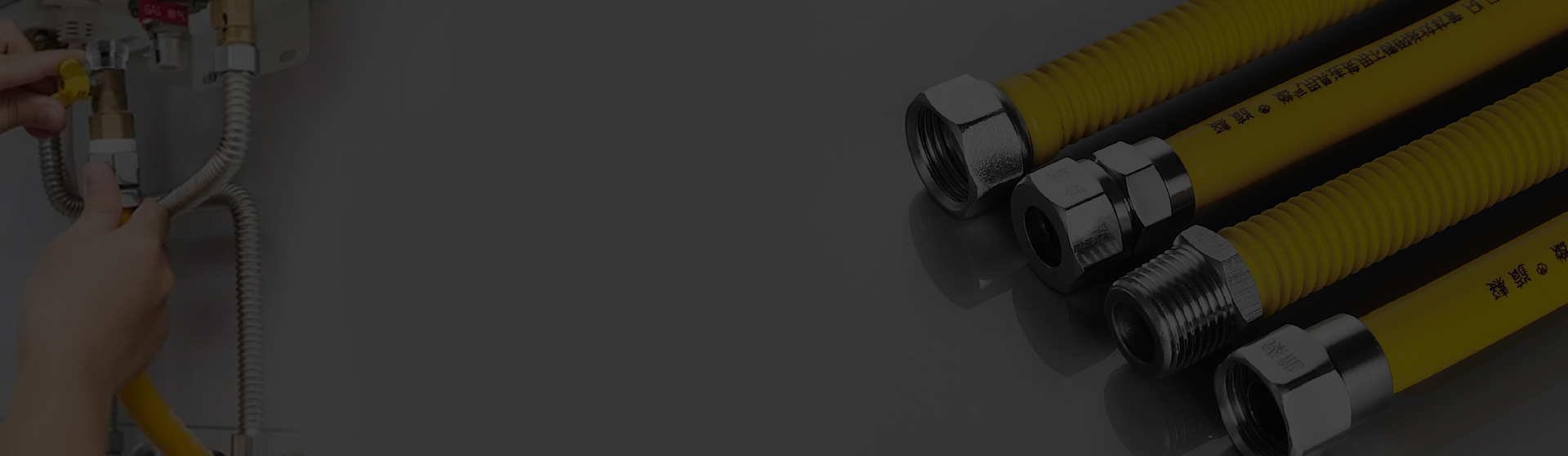

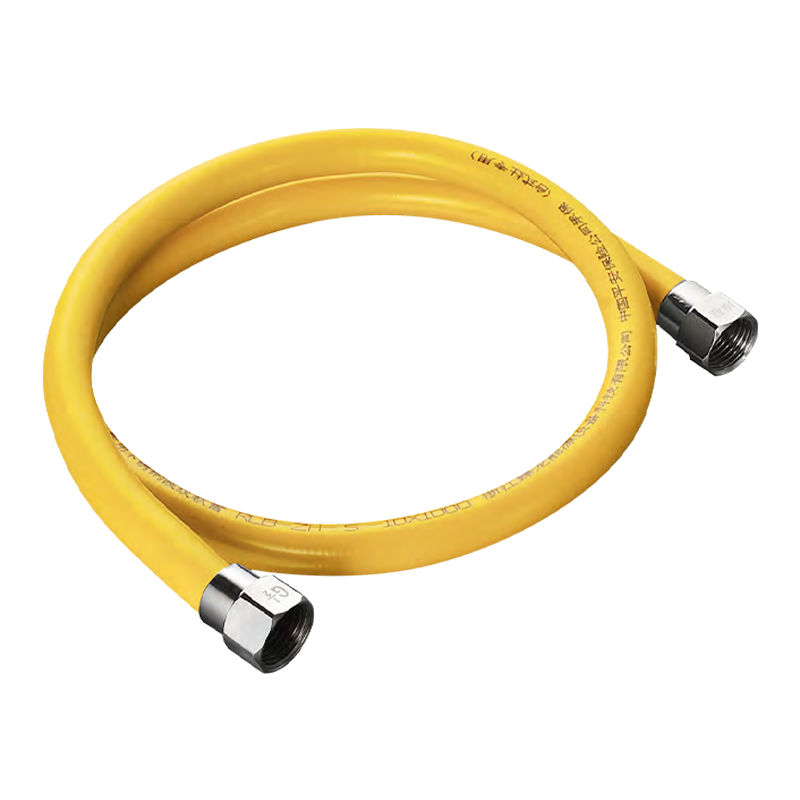
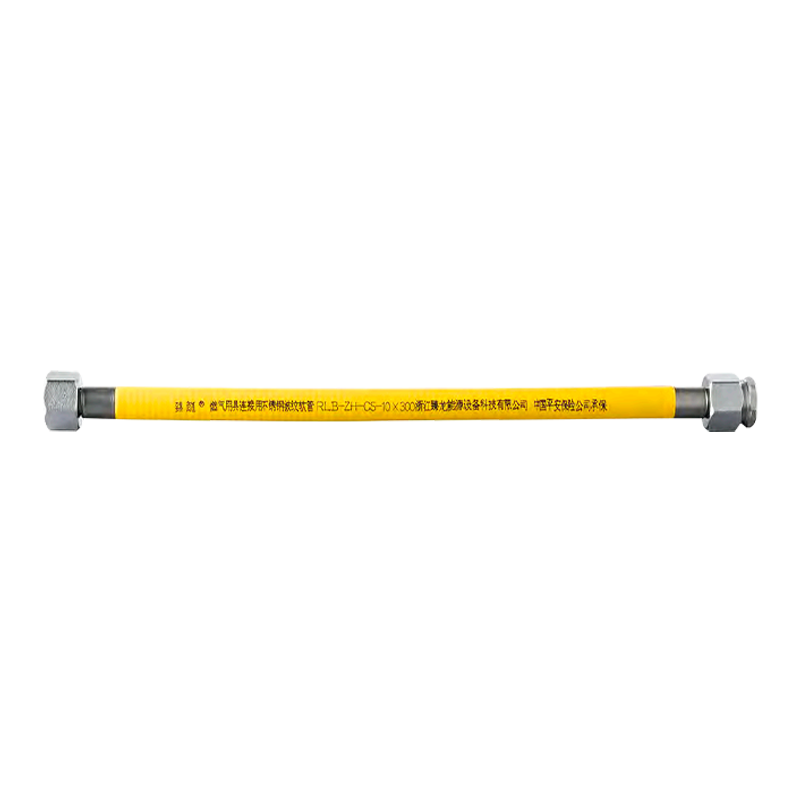
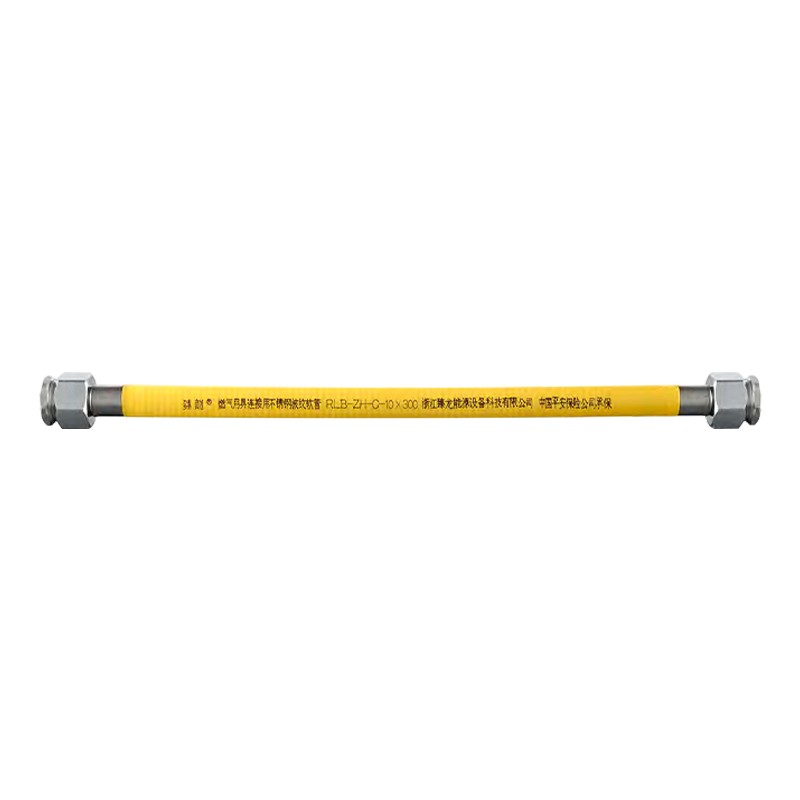
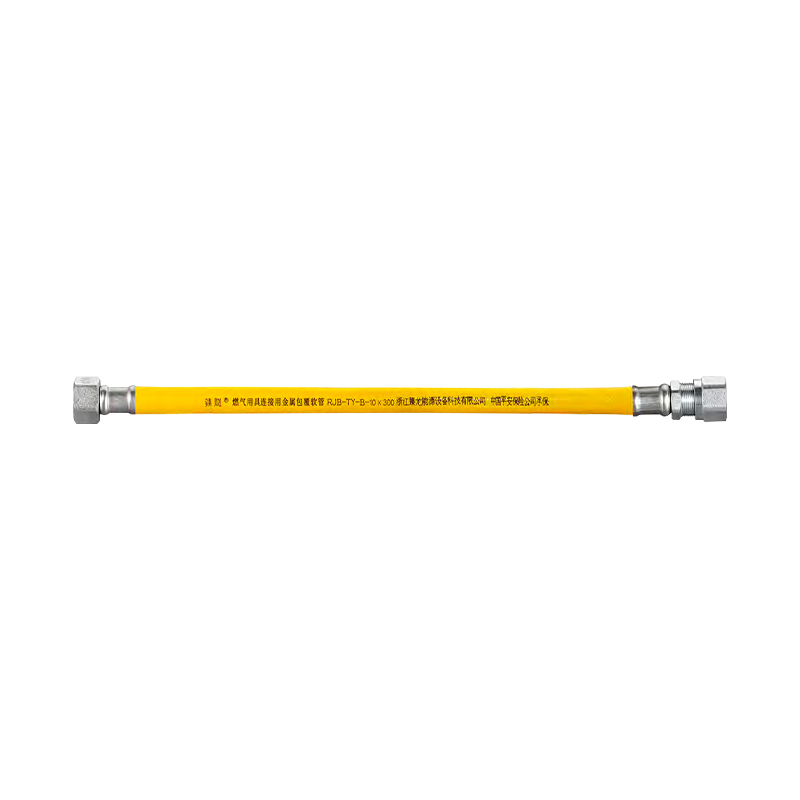
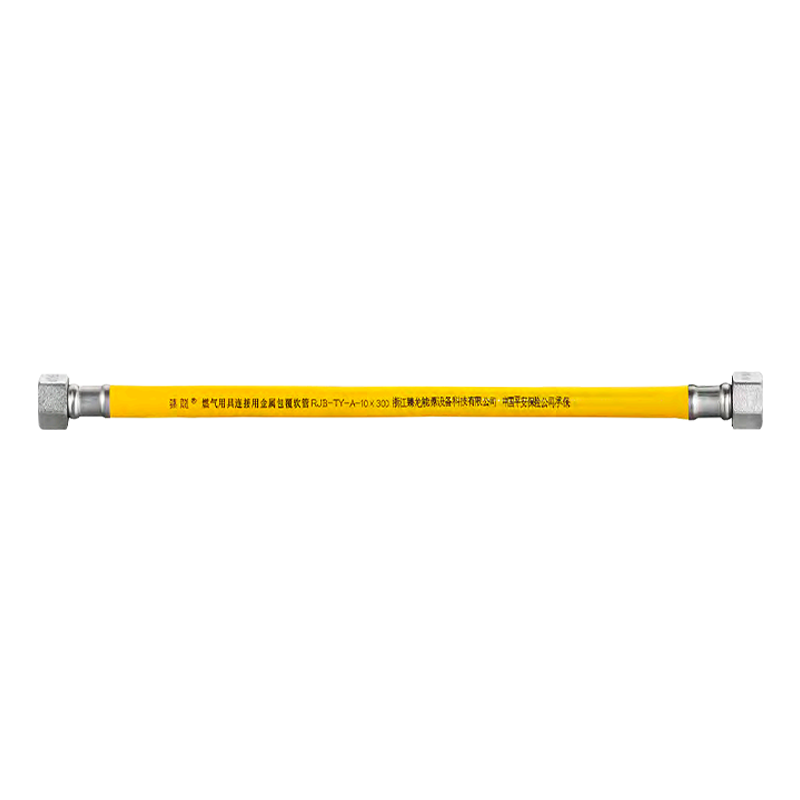
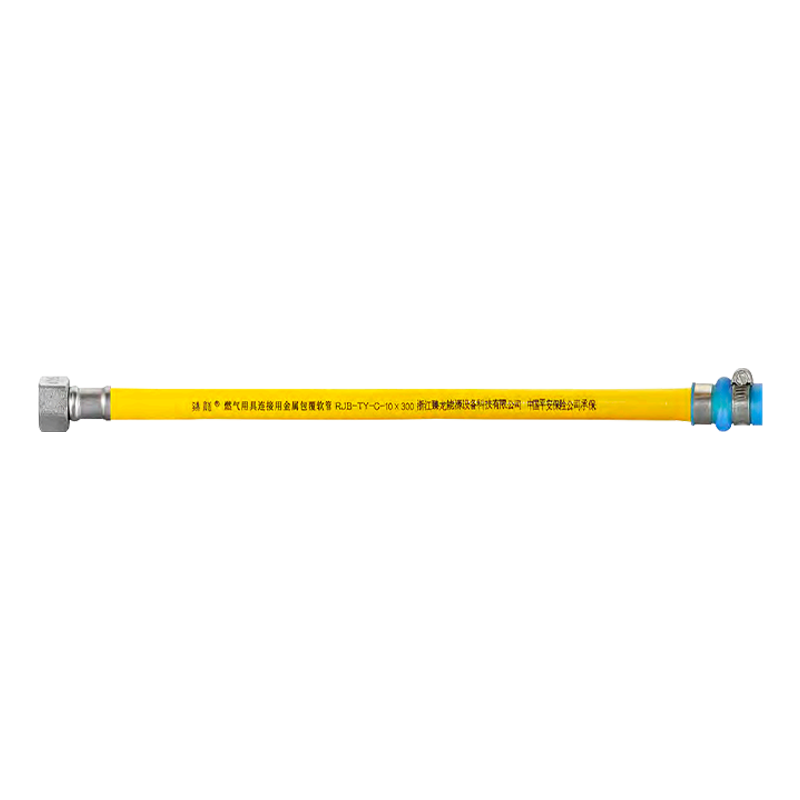
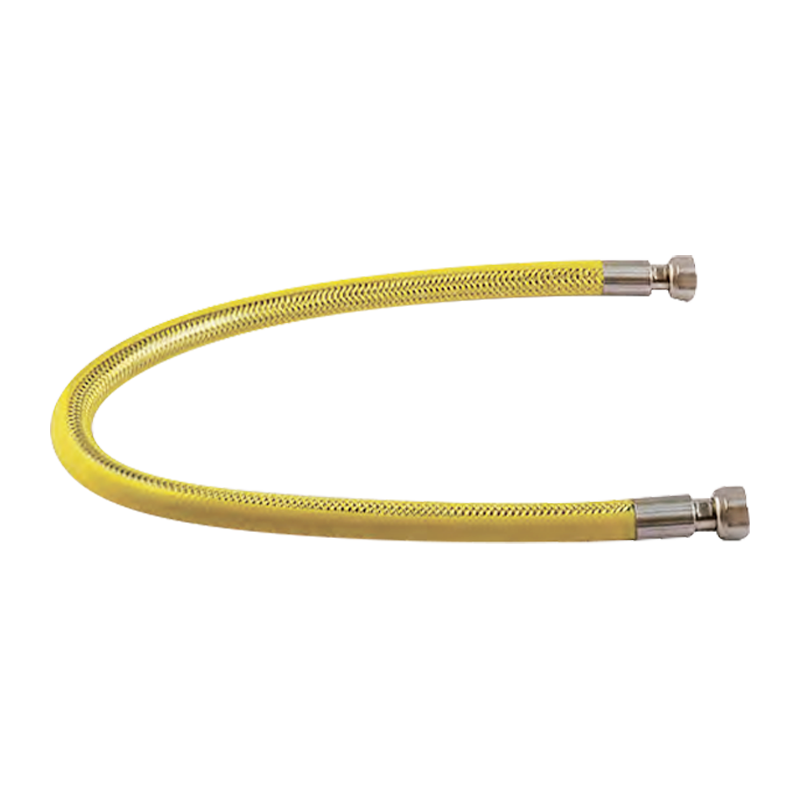
Stainless steel corrugated tubes for connecting gas appliances are the safest, most durable, and most code-compliant choice for both residential and commercial gas installations. Unlike rigid iron pipes or rubber hoses, corrugated stainless steel connectors offer flexibility, corrosion resistance, and long service life — making them the preferred solution for connecting gas ranges, dryers, water heaters, and other appliances. This article explains exactly why, backed by data and practical comparisons.
Content
- 1 What Makes Stainless Steel Corrugated Tubes the Right Choice?
- 2 Performance Data: Why Numbers Matter in Gas Safety
- 3 Applications: Where Corrugated Appliance Connectors Are Used
- 4 Stainless Steel Gas Pipe Fittings: Understanding the Connection System
- 5 Installation Best Practices for Flexible Gas Connection Hoses
- 6 Certifications and Standards: What to Look For
- 7 About Zhejiang Zhenlong Energy Equipment Technology Co., Ltd.
- 8 Frequently Asked Questions
What Makes Stainless Steel Corrugated Tubes the Right Choice?
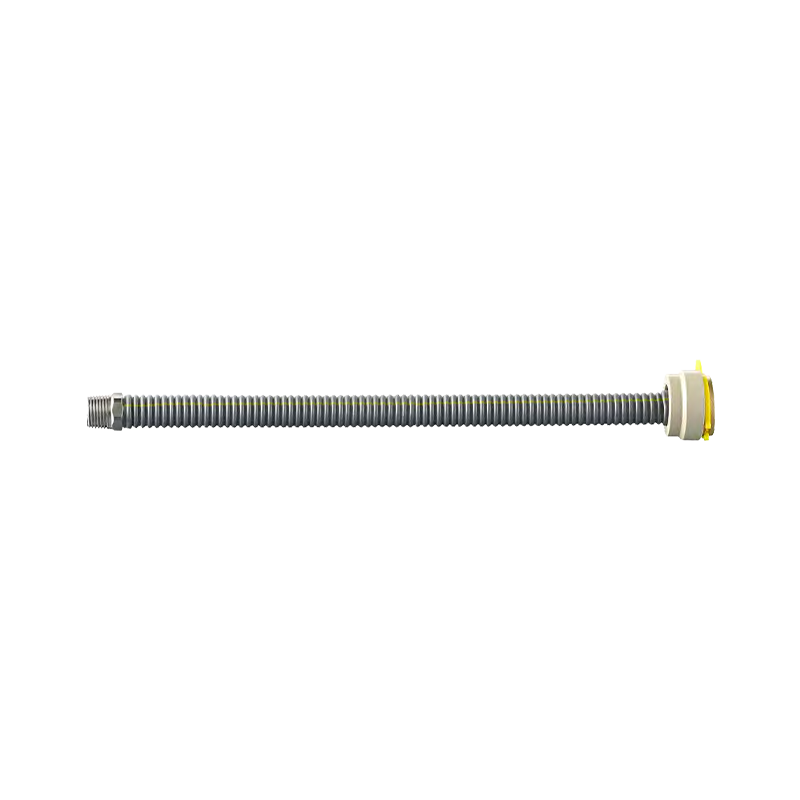
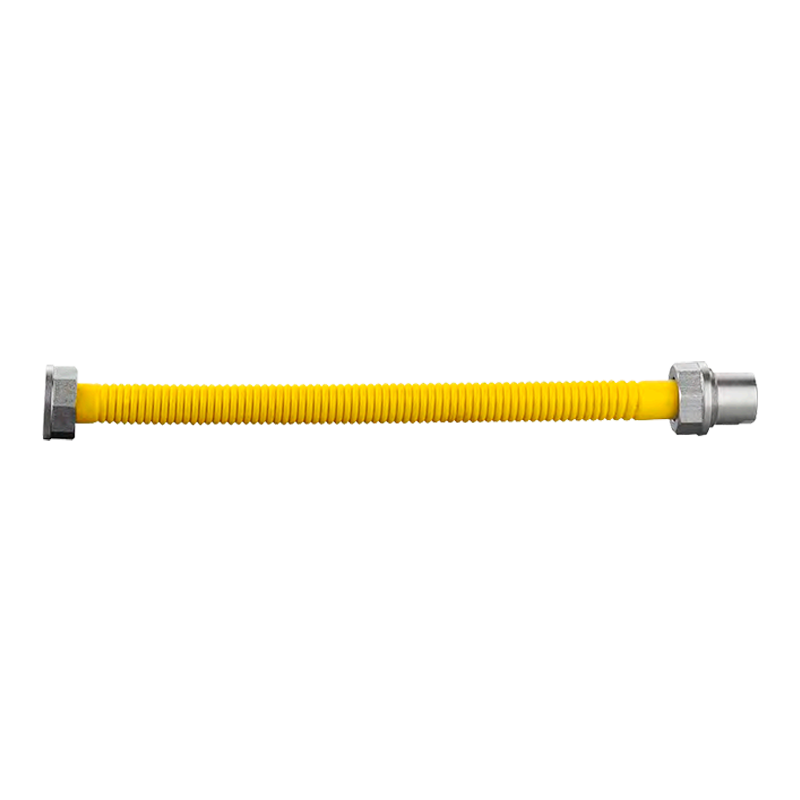
A flexible gas connection hose made from stainless steel corrugated tubing combines the strength of metal with the adaptability of a flexible connector. The corrugated structure allows the tube to bend, absorb vibration, and accommodate minor misalignments without cracking or leaking — issues that rigid pipe systems commonly face over time.
Key properties that set stainless steel corrugated tubes apart:
- Corrosion resistance: Grade 304 and 316 stainless steel withstand moisture, humidity, and gas condensate without degrading.
- High pressure tolerance: Rated for working pressures up to 0.1 MPa (standard residential gas) and burst-tested well beyond that threshold.
- Temperature range: Suitable for environments from -20°C to +200°C, covering virtually all appliance installation conditions.
- Long service life: Industry testing confirms service lifespans of 15–20 years with normal use, significantly outperforming rubber hoses (typically 5–8 years).
- Flexibility: The corrugated wall design allows bending radius as tight as 3–5× the tube diameter without kinking.
| Feature | Stainless Steel Corrugated Tube | Rubber Gas Hose | Rigid Iron Pipe |
|---|---|---|---|
| Service Life | 15–20 years | 5–8 years | 20+ years |
| Corrosion Resistance | Excellent | Moderate | Poor (rusts) |
| Flexibility | High | High | None |
| Installation Ease | Easy | Easy | Difficult |
| Safety Level | Very High | Moderate | High |
Performance Data: Why Numbers Matter in Gas Safety
Gas appliance safety is not a topic where estimates are acceptable. Stainless steel corrugated tubes are subjected to rigorous standardized testing before reaching the market. Here are key performance benchmarks commonly required by certification bodies:
- Burst pressure: Minimum 5× the rated working pressure (e.g., a 0.1 MPa-rated connector must withstand at least 0.5 MPa before failure).
- Leak tightness: Zero measurable leakage at 1.5× working pressure during standard air or nitrogen pressure tests.
- Bending fatigue: Endurance of 5,000+ bending cycles at rated bend radius without cracking or loss of seal integrity.
- Tensile strength: The connection fittings and tube body must withstand a pull-out force of at least 500 N without separation.
Applications: Where Corrugated Appliance Connectors Are Used
Corrugated appliance connectors are suitable for a wide range of residential, commercial, and light industrial gas applications. Their design makes them adaptable to many installation scenarios that rigid or semi-rigid piping cannot handle efficiently.
Residential Applications
- Gas ranges and cooktops — where the appliance may need to be moved for cleaning
- Gas dryers — connection must withstand vibration from the drum motor
- Tankless water heaters — compact installations with tight bend requirements
- Gas fireplaces and log sets
- Outdoor grills and barbecue gas lines
Commercial and Industrial Applications
- Restaurant commercial kitchens — high-frequency movement and vibration environment
- Boiler rooms and heating plants
- Laboratory gas distribution systems
- Industrial manufacturing where natural gas is a process fuel
Stainless Steel Gas Pipe Fittings: Understanding the Connection System
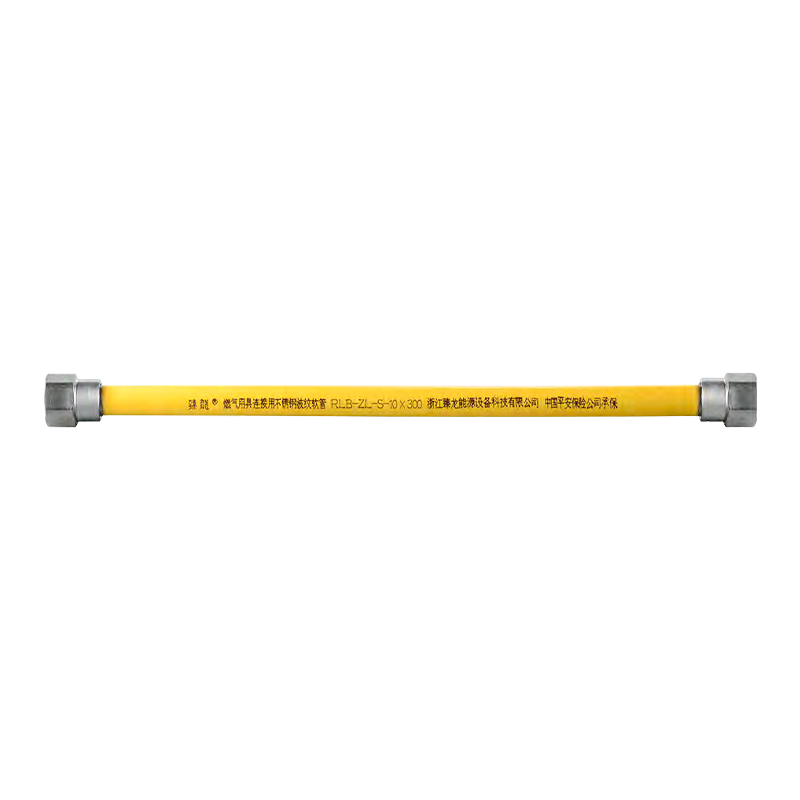
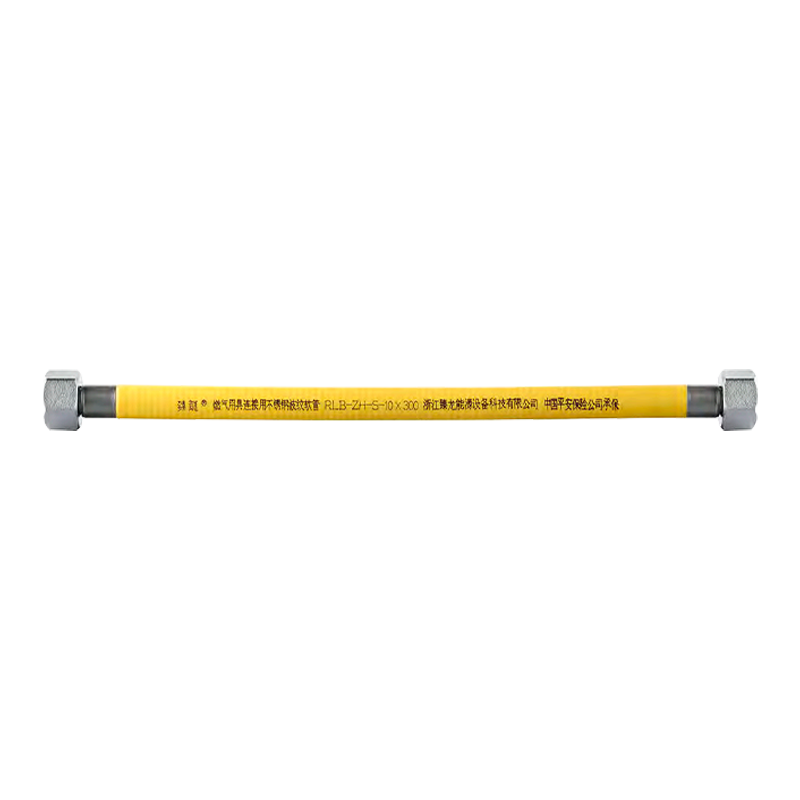
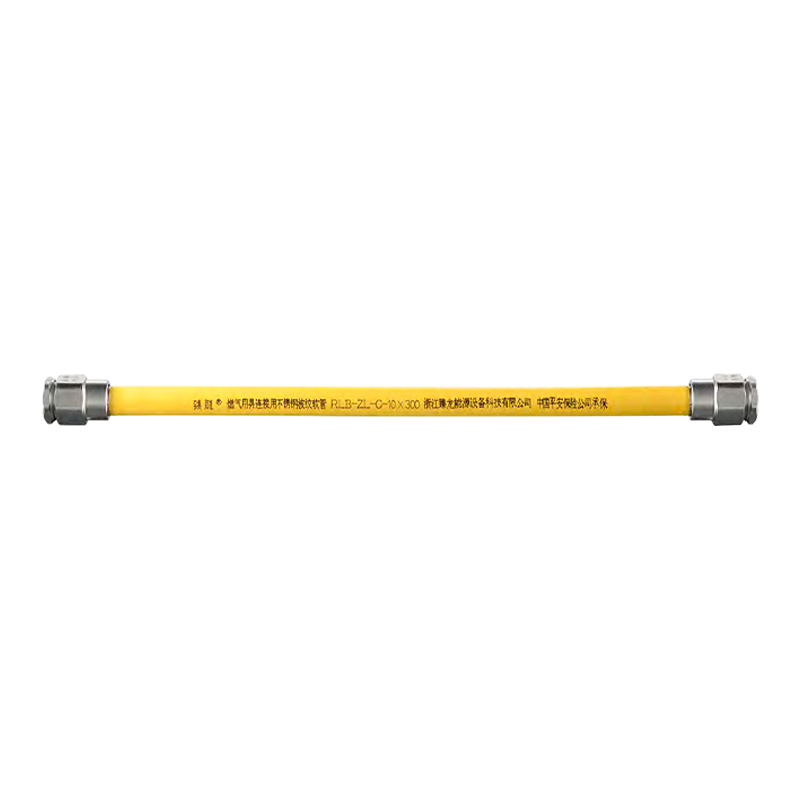
A complete gas connection system involves more than just the flexible tube. Stainless steel gas pipe fittings — including threaded end connectors, flare fittings, and compression nuts — are an integral part of a leak-free installation. The quality of the end fittings determines the integrity of the entire connection.
Common fitting configurations for stainless steel corrugated tubes:
- Male NPT × Male NPT: Most common for straight appliance connections
- Male NPT × Female NPT: For connections requiring a swivel end
- Flare end × Male NPT: Standard for range and dryer connectors in North American markets
- BSP threaded: Widely used in European and Asian markets
Fitting materials should match or exceed the tube grade. Using brass or 304 stainless steel fittings avoids galvanic corrosion at the joint — a common failure point in mixed-metal installations.
Installation Best Practices for Flexible Gas Connection Hoses
Even a high-quality flexible gas connection hose will underperform if installed incorrectly. Proper installation is essential for safety and longevity. The following guidelines align with general best practices recognized in the gas appliance industry:
- Do not over-bend: Maintain a bend radius at least 3× the tube's outer diameter. Sharp kinks damage the corrugation and can create stress fractures.
- Do not stretch or compress: Install with slight slack; avoid installing under tension or fully compressed, which puts stress on the end fittings.
- Use thread sealant correctly: Apply PTFE tape or gas-rated pipe dope to male threads only. Do not apply to female threads or flare connections.
- Avoid contact with sharp edges: Ensure the tube does not rest against metal edges that could abrade the outer surface over time.
- Perform a leak test after installation: Use soapy water or a certified gas leak detector to verify zero leakage at all connections before putting the appliance into service.
- Replace at manufacturer-recommended intervals: Even durable stainless steel connectors should be inspected annually and replaced per the manufacturer's stated service life.
Certifications and Standards: What to Look For
Not all stainless steel corrugated tubes meet the same standards. When evaluating stainless steel corrugated tubes for connecting gas appliances, confirm compliance with recognized certification frameworks:
| Standard / Certification | Region | What It Covers |
|---|---|---|
| CE Certification | European Union | Safety, pressure, materials compliance |
| GB/T (China National Standard) | China | Dimensional, pressure, and leakage standards |
| Special Equipment Manufacturing License | China | Pressure pipeline manufacturing authorization |
| ISO 9001 | International | Quality management system for manufacturing |
Certifications provide an objective verification that the product has been independently tested and meets minimum safety thresholds. They should be treated as a baseline requirement, not a differentiator.
About Zhejiang Zhenlong Energy Equipment Technology Co., Ltd.
Zhejiang Zhenlong Energy Equipment Technology Co., Ltd. is a company engaged in the research and development, manufacturing, and processing of energy equipment. We are an enterprise that manufactures, processes, and combines industry and trade in metal hoses, natural gas pipelines, plumbing fittings, sanitary ware, valves, plastic products, and hardware.
Our company is located in Yuyao, Ningbo, Zhejiang, covering an area of 40 acres with a factory building of 30,000 square meters. We operate 30 welding and forming production lines, 2 uninterrupted solid melting hydrogen furnace production lines, and advanced testing equipment including metal material analysis direct reading spectrometers and flow tightness testers.
As a professional stainless steel corrugated tubes for connecting gas appliances manufacturer and factory, we strictly implement the ISO 9000:2008 quality management system and hold the People's Republic of China Special Equipment Manufacturing License (Pressure Pipeline) and the EU CE certification national testing center report. We are a member of the China Urban Gas Association. The company has a strong R&D, design, and production team to provide customers with safe pipe fittings and comprehensive pre-sales and after-sales services.
Zhejiang Zhenlong Energy Equipment Technology Co., Ltd. originates from sincere cooperation with friends at home and abroad, working together to create brilliance.