 English
 中文简体
中文简体 Español
 عربى
عربى
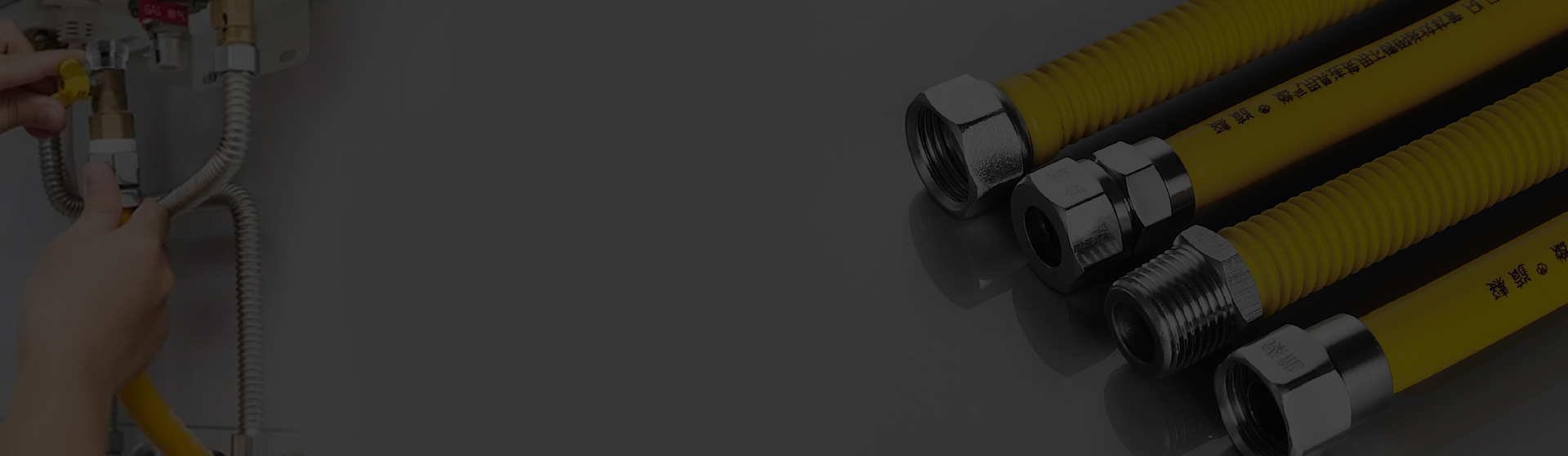

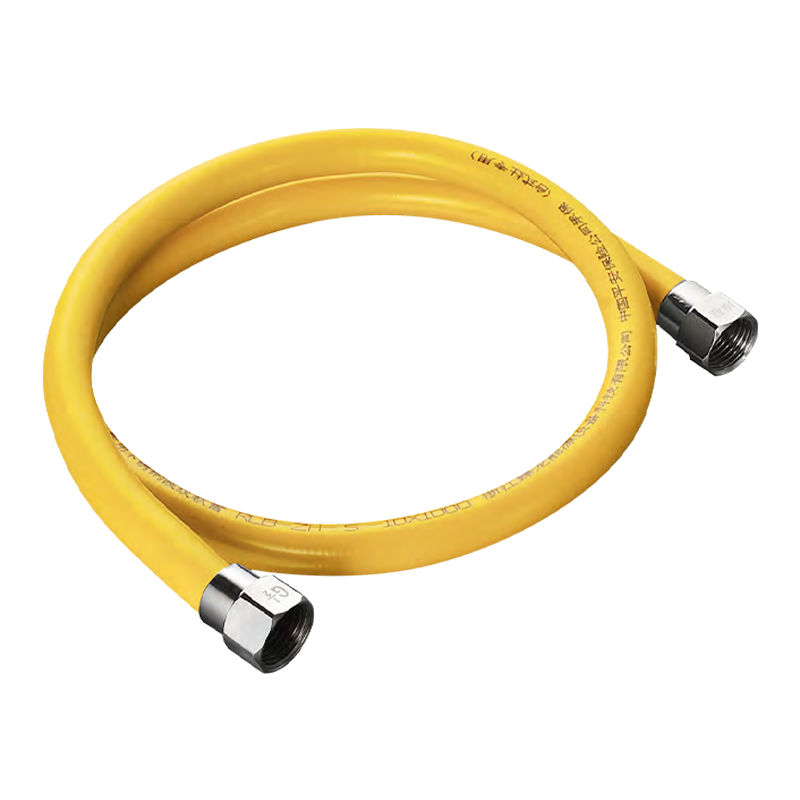
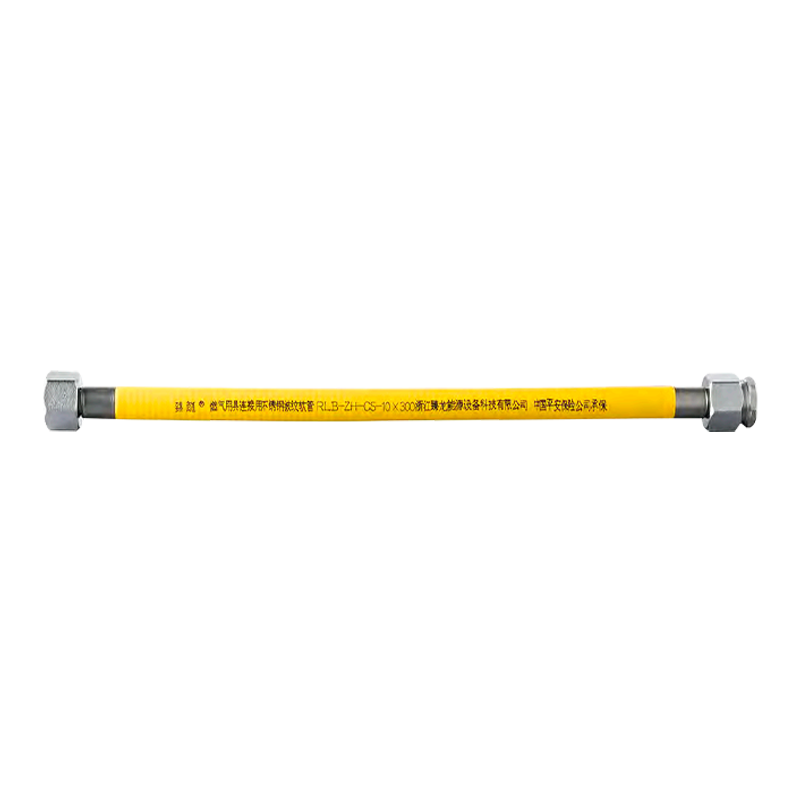
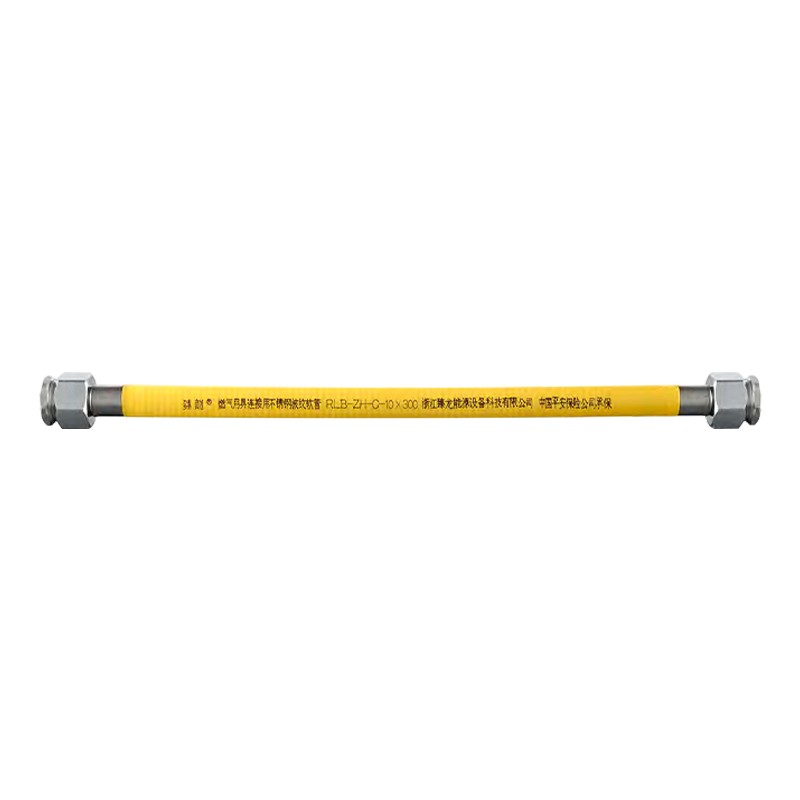
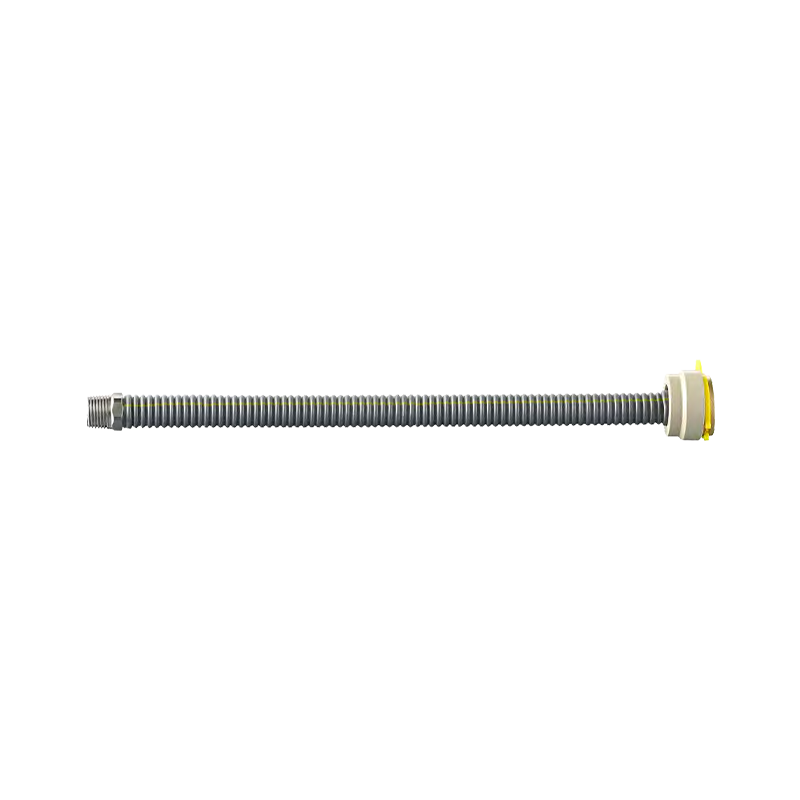
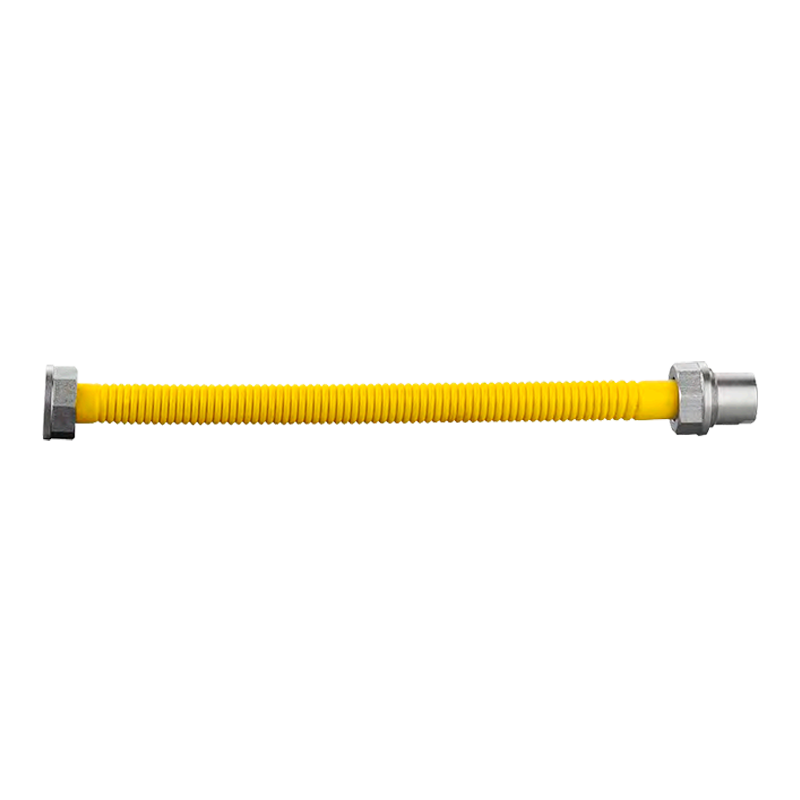
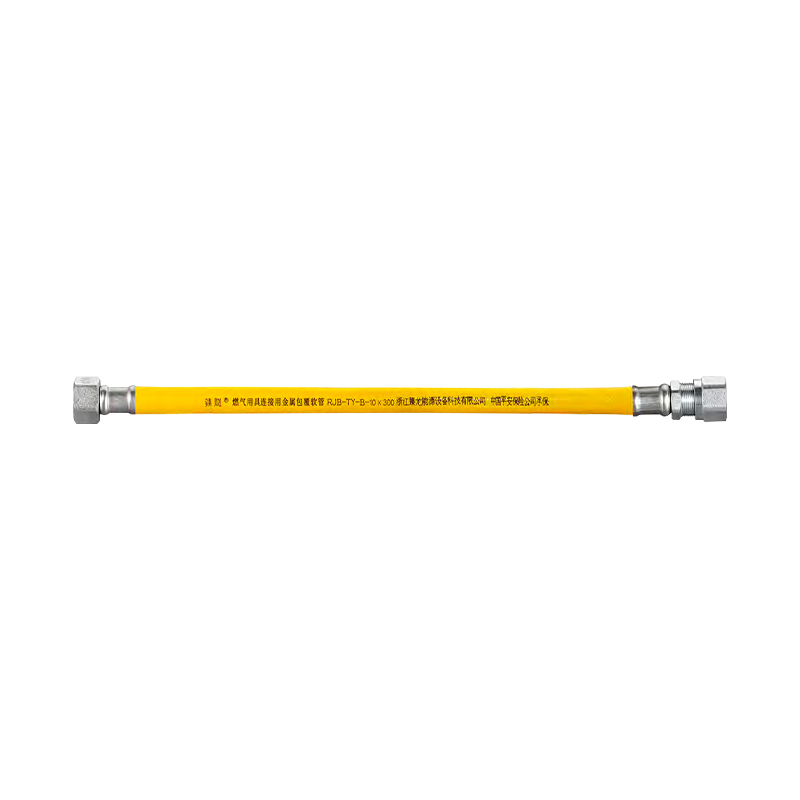
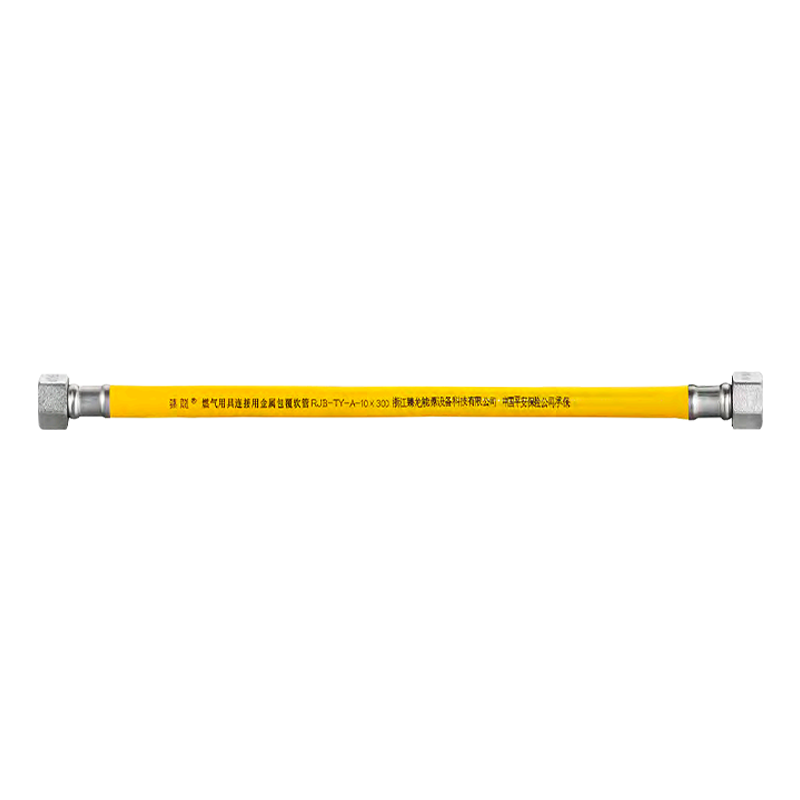
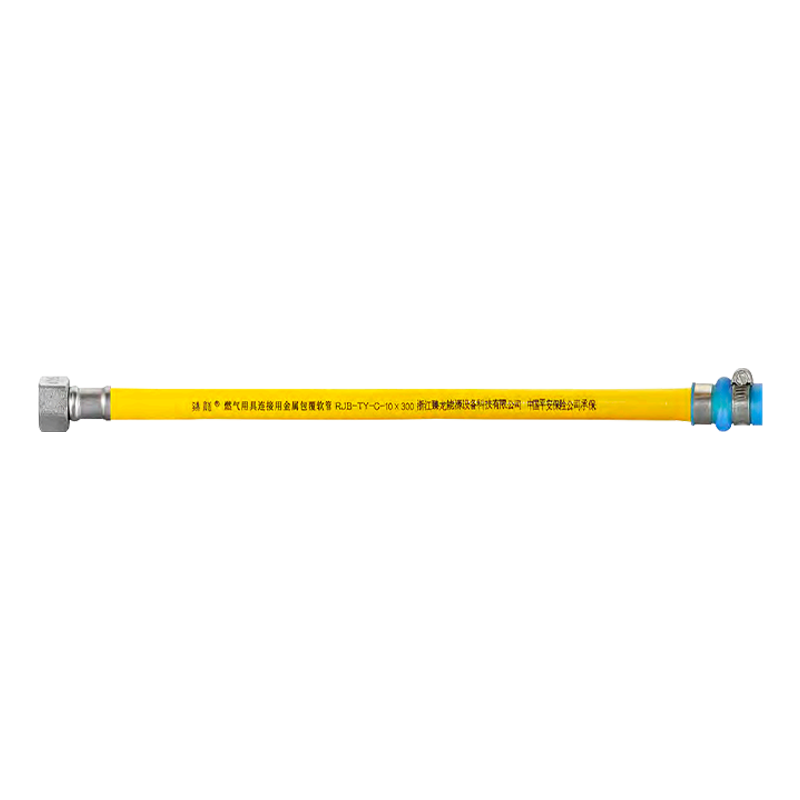
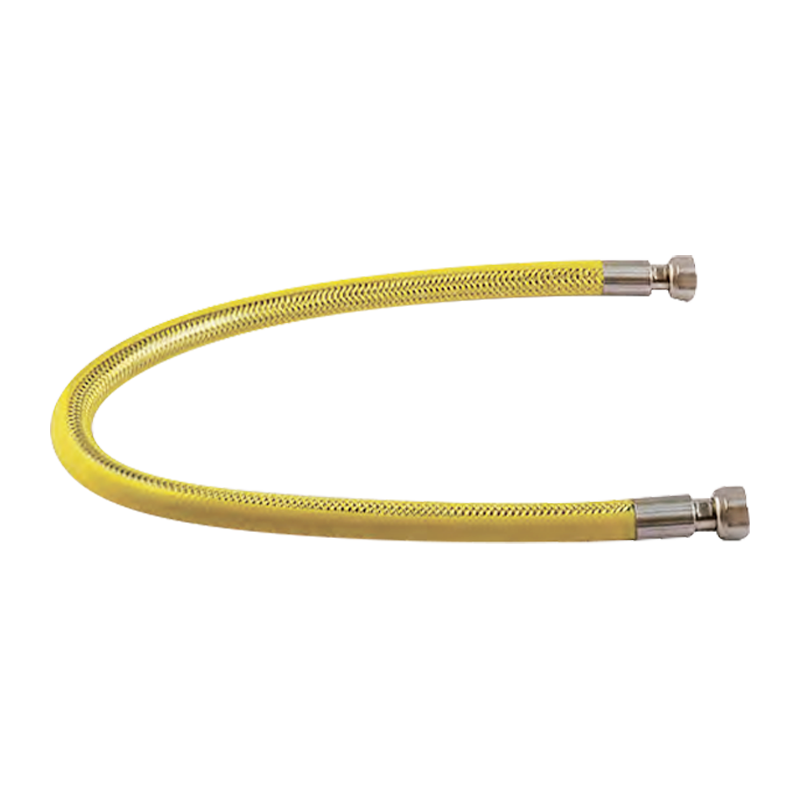
Metal Wrapped Hoses For Gas Appliance Connections can significantly reduce the risk of gas leaks by providing stronger structural integrity, better sealing performance, and higher resistance to pressure, corrosion, and external damage. While they do not eliminate all risks, proper installation and maintenance make them one of the most reliable solutions for safe gas connections.
Content
- 1 Why Gas Leaks Occur in Appliance Connections
- 2 How Metal Wrapped Hoses Reduce Leak Risks
- 3 Comparison with Traditional Gas Hoses
- 4 Key Benefits of Using Metal Wrapped Hoses
- 5 Proper Installation and Maintenance Practices
- 6 Visual Representation of Leak Risk Reduction
- 7 About Zhejiang Zhenlong Energy Equipment Technology Co., Ltd.
- 8 FAQs About Metal Wrapped Gas Hoses
Why Gas Leaks Occur in Appliance Connections
Gas leaks commonly occur due to material degradation, poor installation, or environmental stress. Traditional connection materials such as rubber hoses are more prone to aging, cracking, and deformation over time.
- Aging and material fatigue
- Improper sealing at connection points
- External mechanical damage
- Exposure to heat and chemicals
Studies show that over 60% of gas leaks in household systems are related to connection failures, highlighting the importance of selecting durable materials.
How Metal Wrapped Hoses Reduce Leak Risks
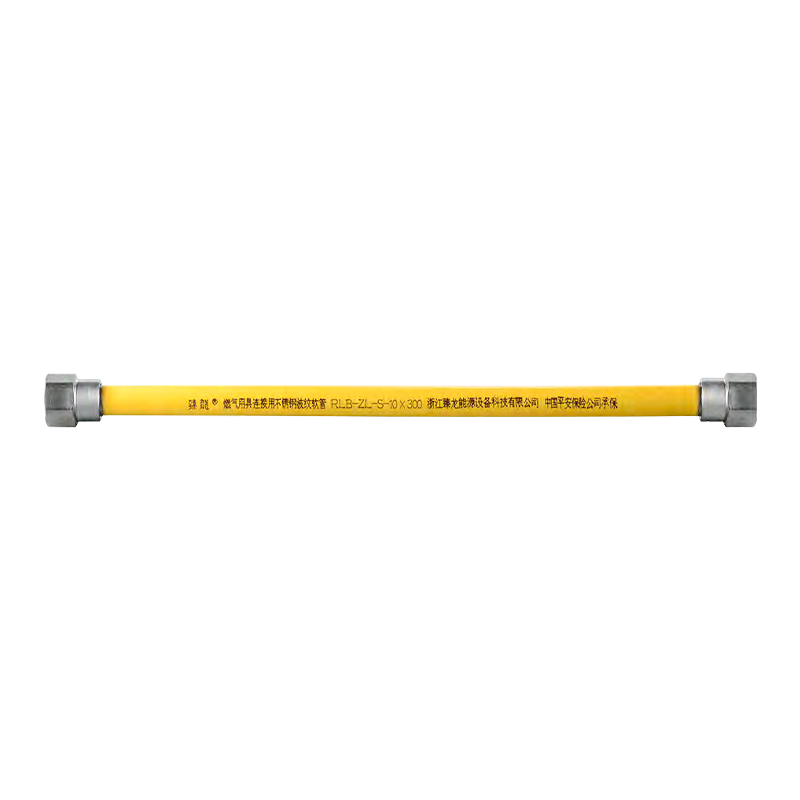
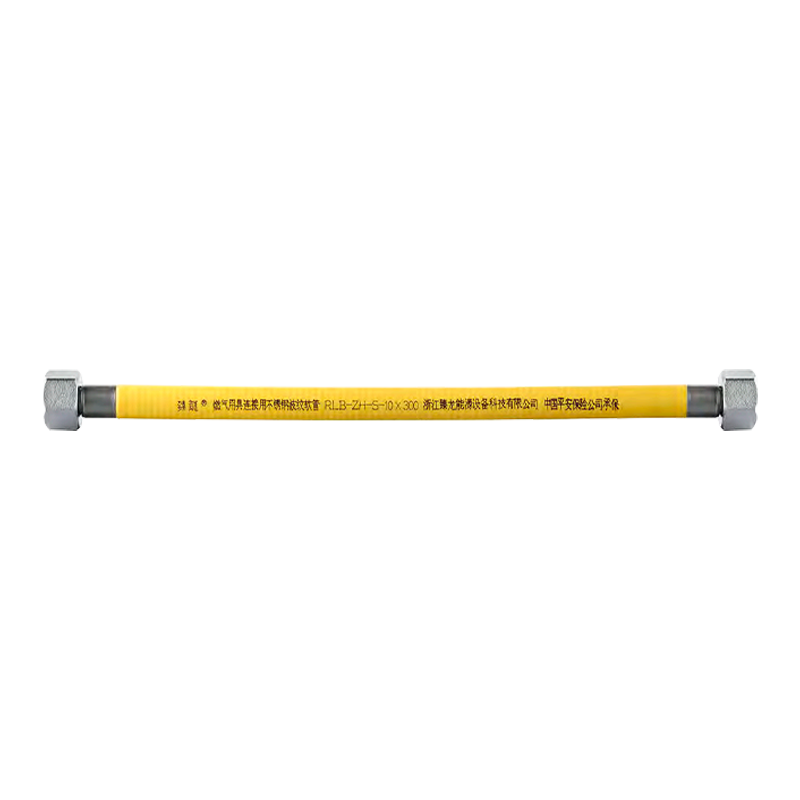
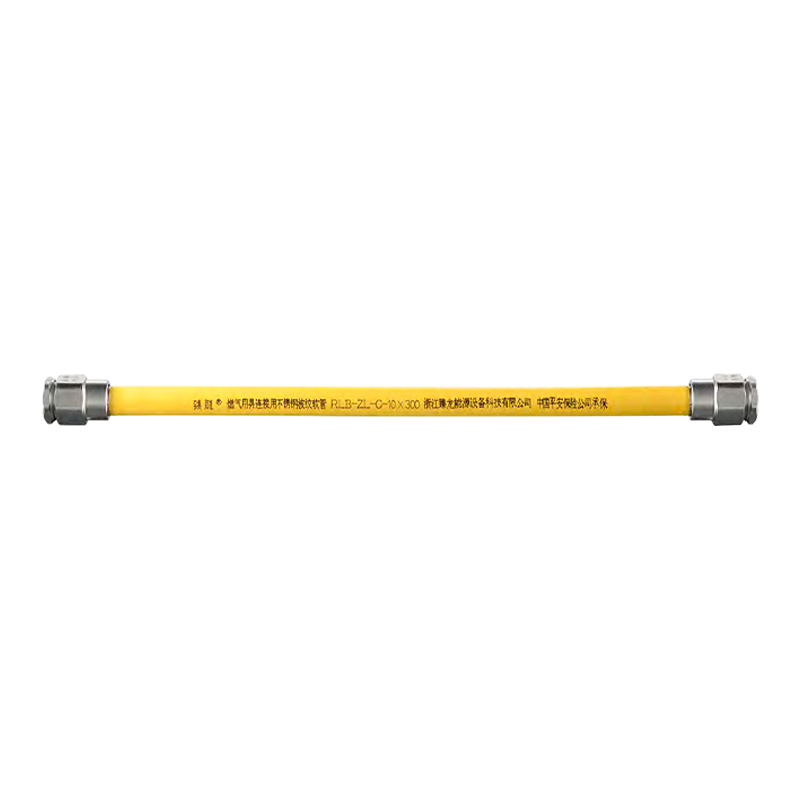
Metal wrapped hoses, including Stainless Steel Gas Connector Hose designs, are engineered to withstand demanding conditions while maintaining tight seals.
Enhanced Structural Strength
The metal braid or wrap protects the inner tube from damage and prevents deformation under pressure.
Superior Sealing Performance
Precision fittings and reinforced ends ensure tight connections, minimizing the chances of leakage.
Resistance to Environmental Factors
These hoses are resistant to corrosion, high temperatures, and physical impact, making them suitable for long-term use.
Comparison with Traditional Gas Hoses
| Feature | Rubber Hose | Metal Wrapped Hose |
|---|---|---|
| Durability | Moderate | High |
| Leak Resistance | Lower | Higher |
| Heat Resistance | Low | High |
| Service Life | 2–3 Years | 5–10 Years |
Key Benefits of Using Metal Wrapped Hoses
Choosing a Flexible Gas Appliance Hose with a metal wrap offers multiple safety and performance advantages.
- Reduced risk of cracking and leakage
- High resistance to pressure fluctuations
- Longer service life compared to traditional hoses
- Improved safety in high-temperature environments
In many applications, these hoses can reduce maintenance frequency by up to 40%.
Proper Installation and Maintenance Practices
Even the best Metal Wrapped Hoses For Gas Appliance Connections require correct installation and regular inspection to ensure optimal performance.
- Ensure all connections are tightly secured
- Avoid excessive bending or twisting
- Inspect regularly for wear or damage
- Replace hoses after recommended service life
Regular inspection can detect early signs of wear and prevent potential hazards.
Visual Representation of Leak Risk Reduction
| Hose Type | Leak Risk Level |
|---|---|
| Rubber Hose | High |
| Standard Flexible Hose | Medium |
| Metal Wrapped Hose | Low |
About Zhejiang Zhenlong Energy Equipment Technology Co., Ltd.
Zhejiang Zhenlong Energy Equipment Technology Co., Ltd. specializes in the research, development, and manufacturing of energy equipment, including metal hoses, natural gas pipelines, and plumbing fittings.
The company operates on a 40-acre facility with 30,000 square meters of factory space and advanced production lines, including welding, forming, and hydrogen furnace systems.
With certifications such as ISO9000:2008 and CE, and as a member of the China Urban Gas Association, the company ensures high safety standards and reliable product quality.
As a professional Metal Wrapped Hoses For Gas Appliance Connections manufacturer and factory, the company provides comprehensive solutions and technical support for global customers.
FAQs About Metal Wrapped Gas Hoses
Q1: Can metal wrapped hoses completely prevent gas leaks?
A1: They significantly reduce the risk but require proper installation and maintenance.
Q2: How long do these hoses last?
A2: Typically 5–10 years depending on usage conditions.
Q3: Are they suitable for all gas appliances?
A3: Yes, they are widely compatible with most residential and commercial appliances.
Q4: Do they require special maintenance?
A4: Routine inspection and avoiding excessive bending are sufficient for maintenance.