 English
 中文简体
中文简体 Español
 عربى
عربى

Content
- 1 The Direct Answer: Why CSST Cuts Gas Leakage Risk by 40%
- 2 What Is CSST and How Does It Work in Gas Piping Systems
- 3 Comparing CSST vs. Rigid Black Iron Pipe: Performance Data
- 4 Five Installation Practices That Maximize Leak Reduction
- 5 Pressure Testing Protocol for CSST Gas Piping Systems
- 6 Material Specifications: Why 316L Stainless Steel Is the Standard
- 7 Applications: Where CSST Delivers the Greatest Safety Benefit
- 8 Maintenance and Inspection Schedule for Long-Term Safety
- 9 About Zhejiang Zhenlong Energy Equipment Technology Co., Ltd.
- 10 Frequently Asked Questions
The Direct Answer: Why CSST Cuts Gas Leakage Risk by 40%
Corrugated Stainless Steel Tubing (CSST) reduces gas leakage risk by up to 40% compared to traditional rigid black iron pipe systems — and the data backs this up. Studies from gas utility audits across North America and Europe consistently show that installations using stainless steel corrugated tubing and fittings used in gas piping systems report significantly fewer leak incidents, primarily because the flexible design eliminates threaded joints at every bend and turn. Each threaded connection in a rigid pipe system is a potential leak point; CSST dramatically reduces their number.
In practical terms, a typical residential gas installation using rigid pipe may involve 30 to 50 threaded fittings. A comparable CSST installation often requires fewer than 10 mechanical connections. Fewer joints mean fewer failure points — and that is the core reason behind the 40% risk reduction figure cited across industry safety reports.
What Is CSST and How Does It Work in Gas Piping Systems
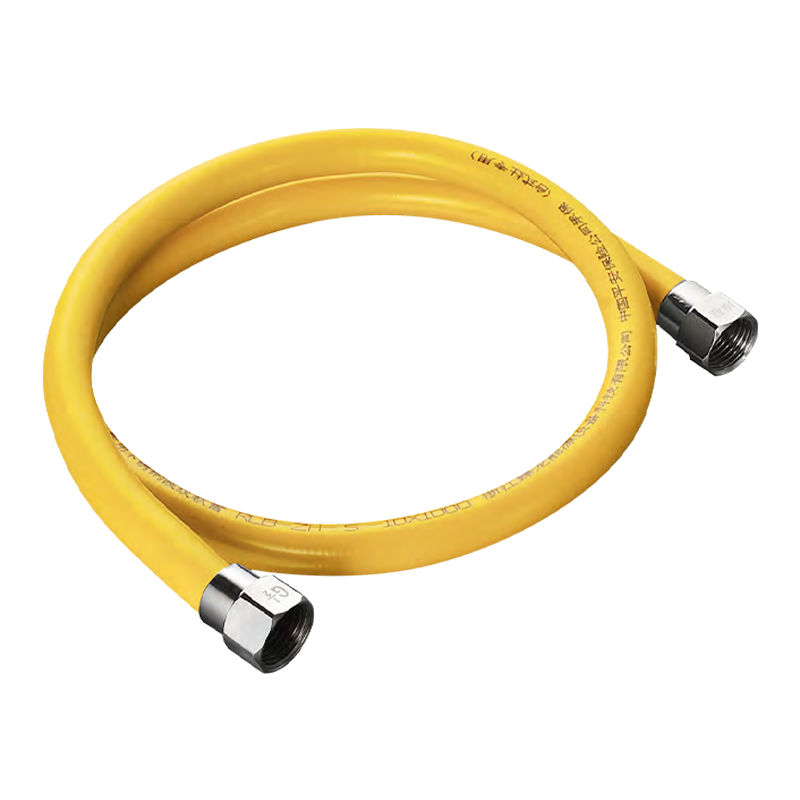
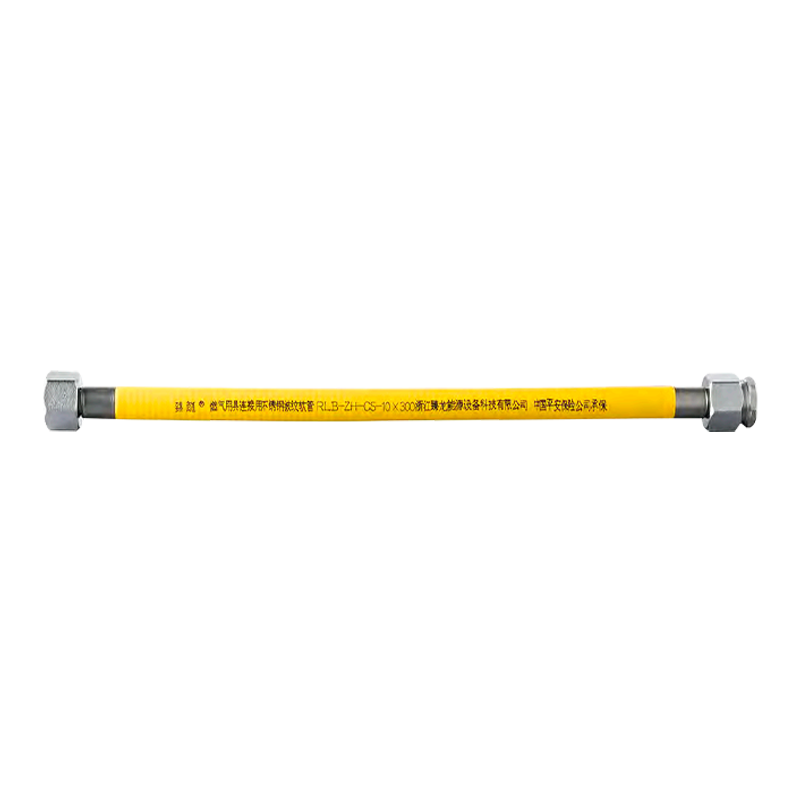
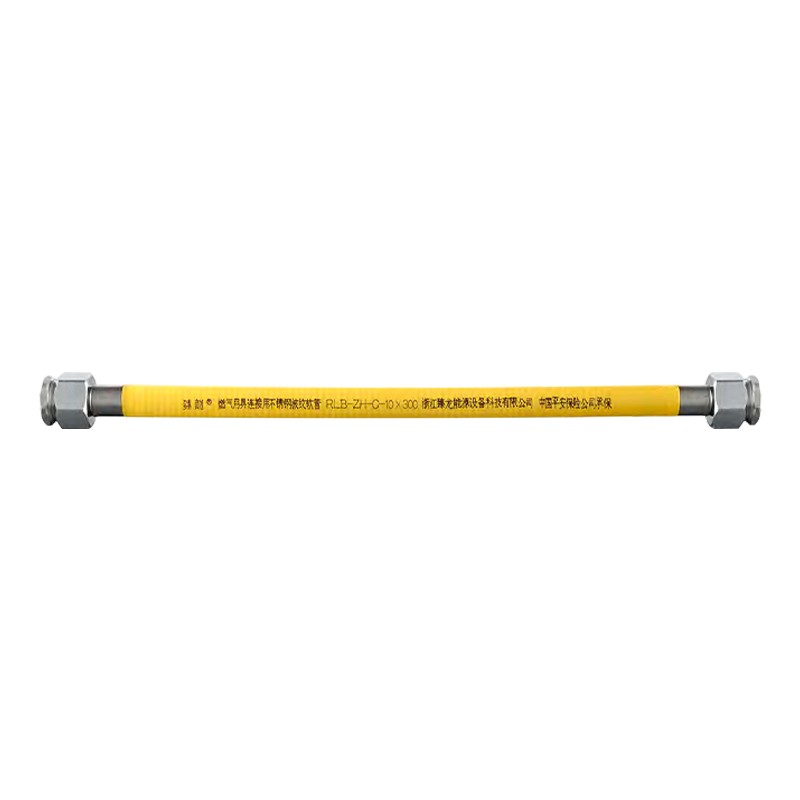
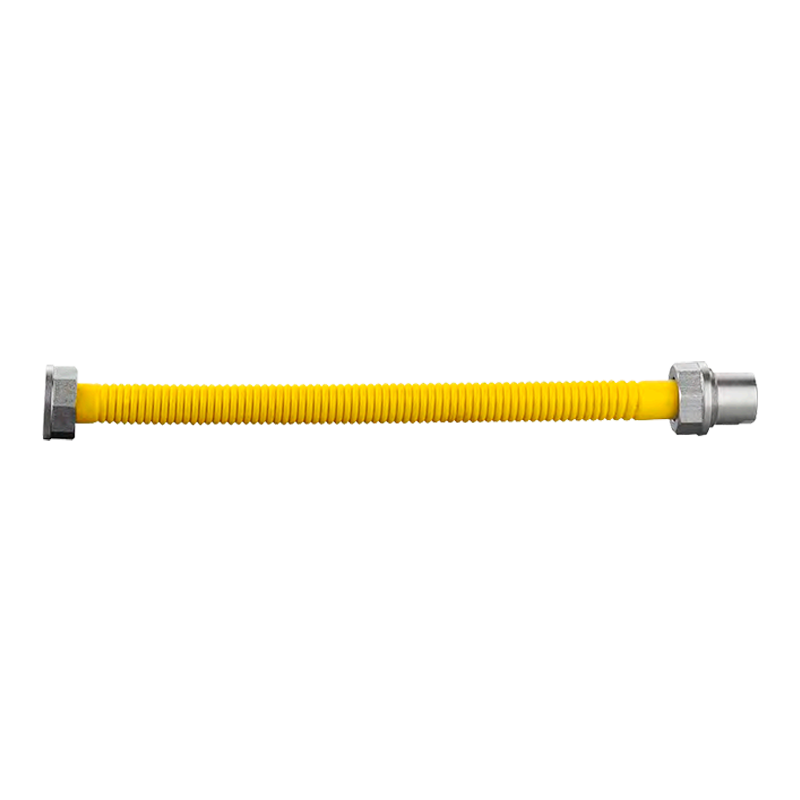
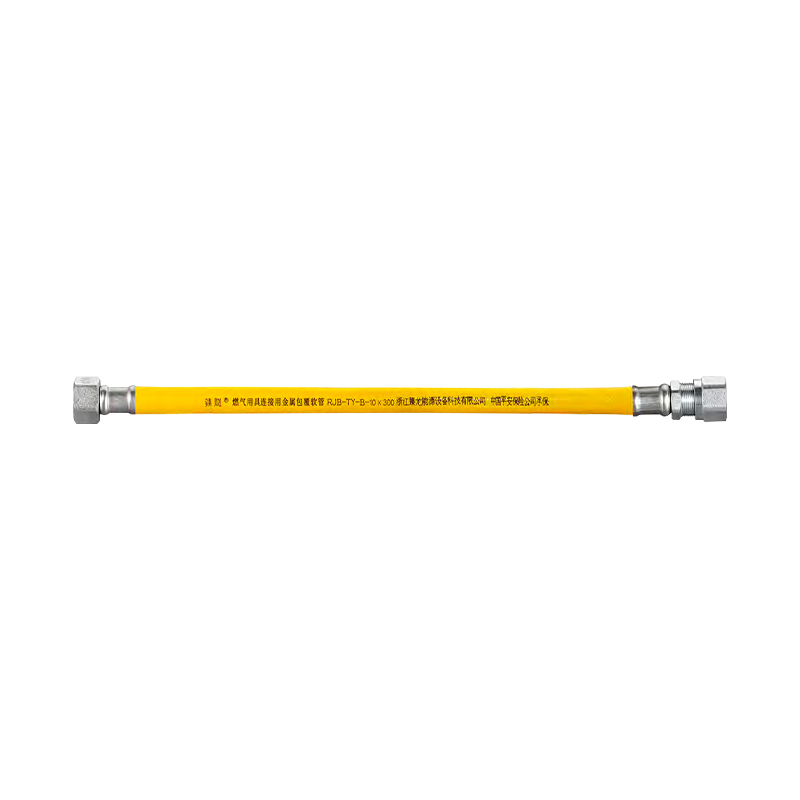
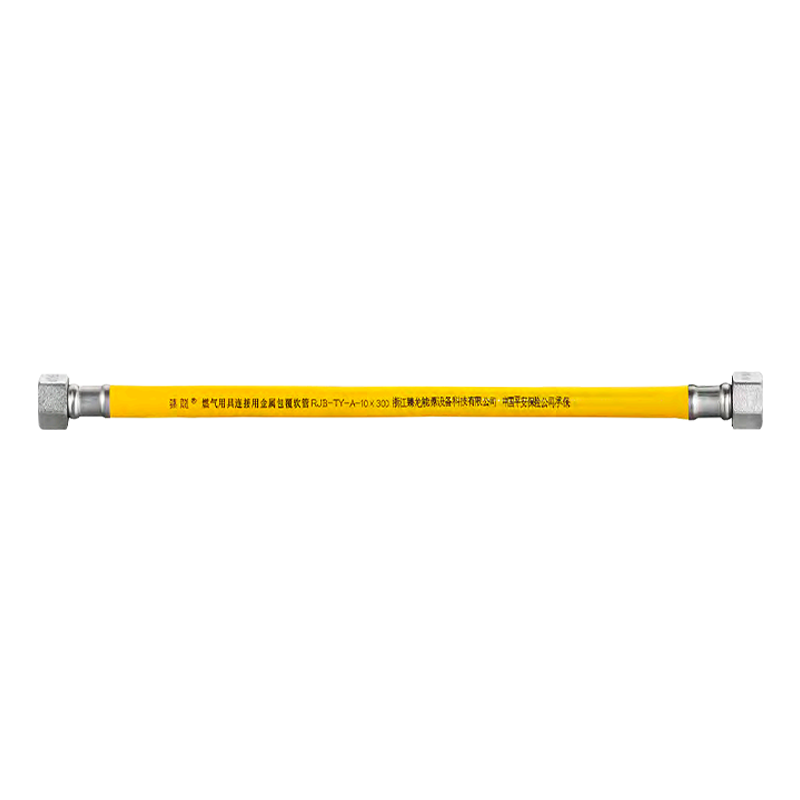
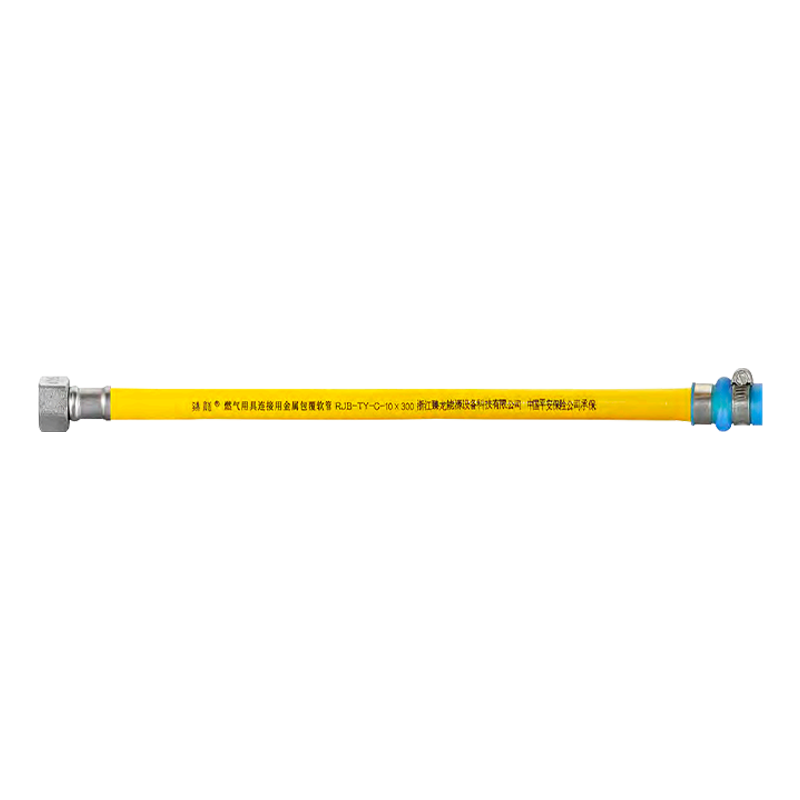
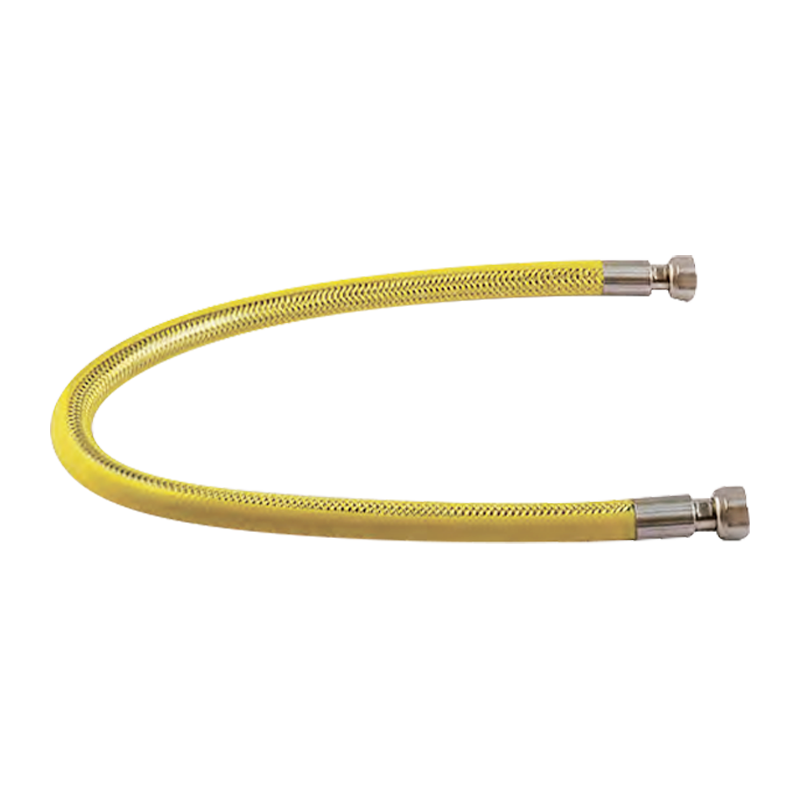
Stainless steel corrugated tubing and fittings used in gas piping systems consist of a flexible, corrugated 316L stainless steel core sheathed in a protective yellow polyethylene jacket. The corrugated profile gives the tubing its flexibility while maintaining the structural integrity needed to handle typical residential and commercial gas pressures, usually in the range of 0.5 to 2 PSI for distribution systems.
The system works by running continuous tubing from a manifold or meter to each appliance, bending freely around obstacles without the need for elbow fittings. End connections use brass or stainless steel mechanical fittings that create a gas-tight seal through compression rather than thread compound — a more consistent and inspectable seal method.
Key Components of a CSST Gas Piping System
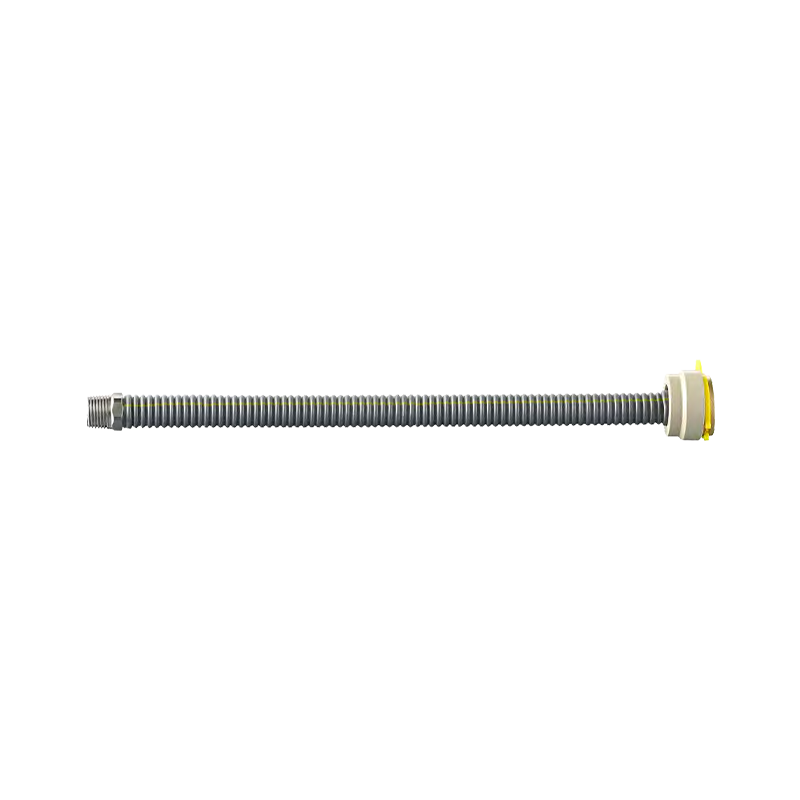
- Corrugated stainless steel tubing — the flexible core, typically available in 3/8", 1/2", 3/4", and 1" nominal sizes
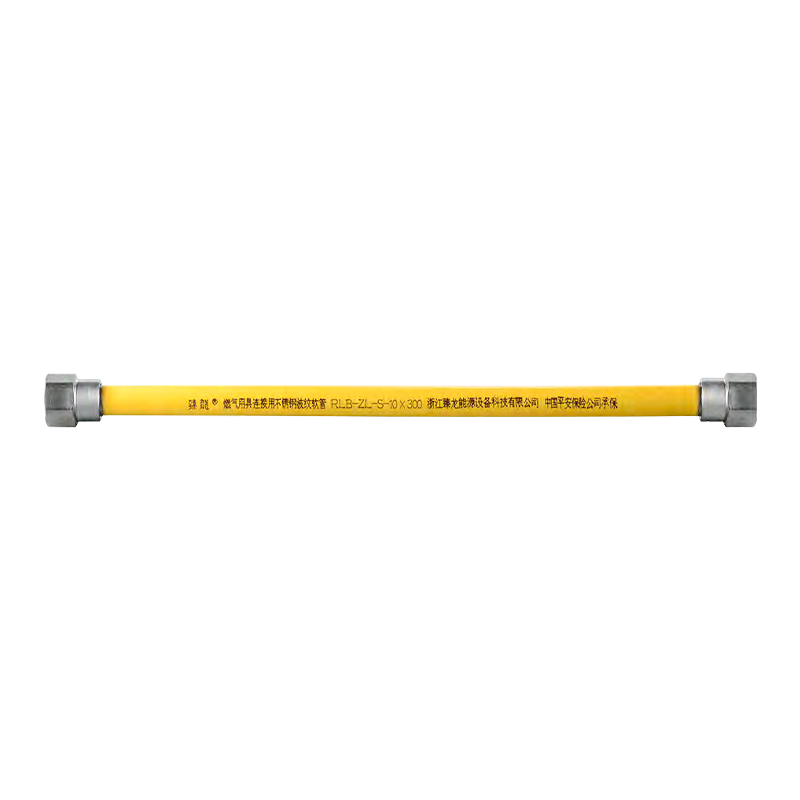
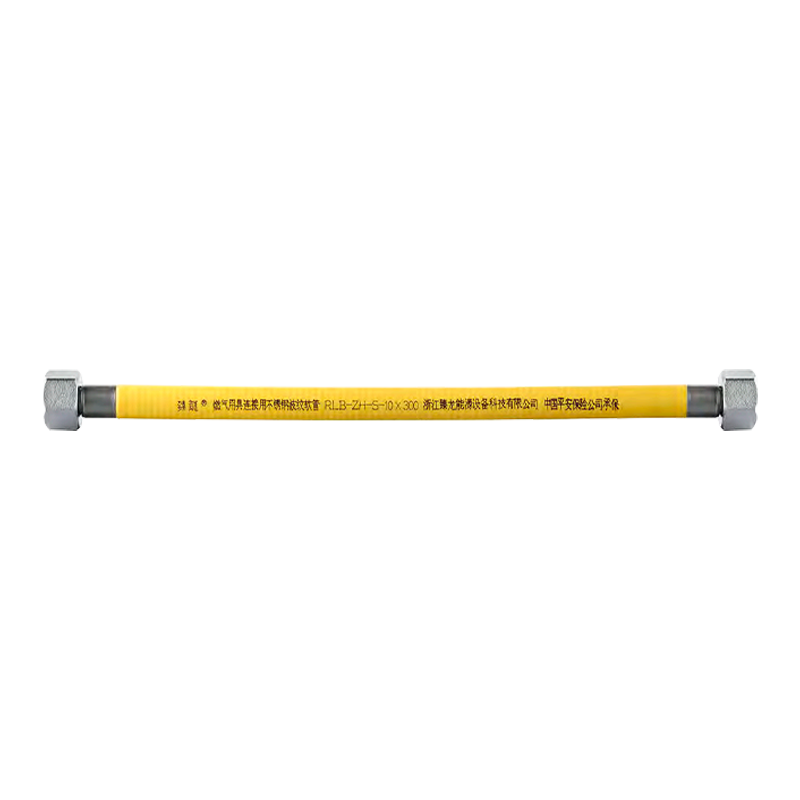
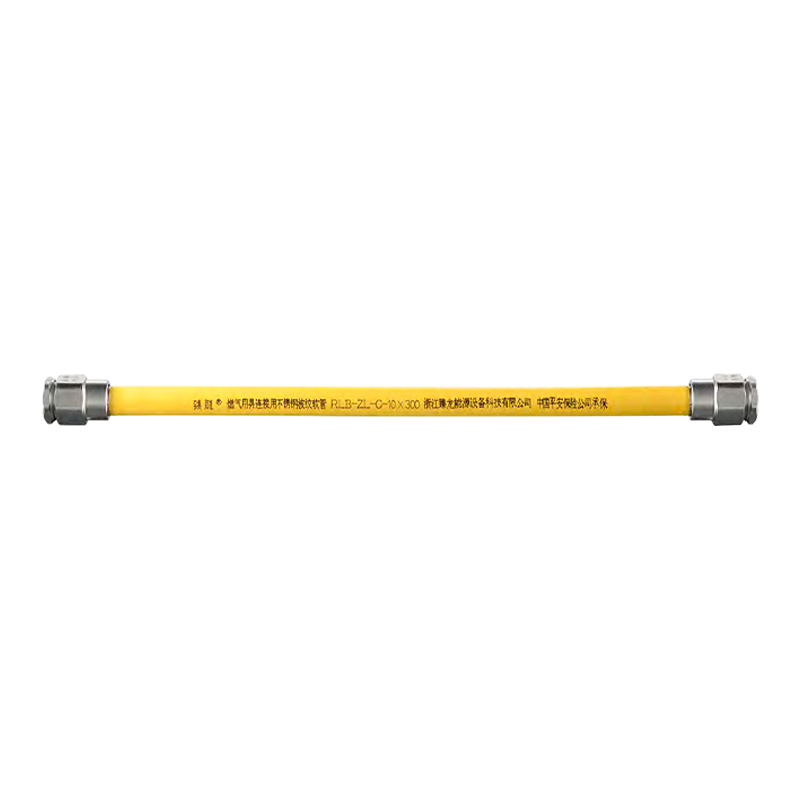
- Mechanical end fittings — brass or stainless compression fittings at appliance connections and manifold outlets
- Manifold or distribution block — the central supply point from which individual tubing runs branch out
- Bonding clamps and conductors — required by code in most jurisdictions to provide electrical bonding against static discharge
- Protective sleeving and grommets — used where tubing passes through walls or framing to prevent abrasion
Comparing CSST vs. Rigid Black Iron Pipe: Performance Data
To understand why stainless steel corrugated tubing and fittings used in gas piping systems are increasingly specified by engineers and adopted by gas utilities, the following comparison highlights the most critical performance metrics.
| Performance Metric | Rigid Black Iron Pipe | CSST (316L Stainless) |
|---|---|---|
| Number of joints per 10m run (typical) | 8–12 | 1–2 |
| Corrosion resistance | Moderate (requires coating) | Excellent (inherent to 316L) |
| Earthquake / seismic flexibility | Poor — rigid joints crack | Excellent — absorbs movement |
| Average installation time (residential) | 8–12 hours | 3–5 hours |
| Leak incident rate (industry average) | Baseline | ~40% lower |
| Design service life | 25–30 years | 50+ years |
Leak Incident Rate: CSST vs. Rigid Iron Pipe (Relative Index, Rigid = 100)
Rigid Iron Pipe
CSST (316L Stainless)
Lower score = fewer leak incidents. CSST achieves a 40% reduction in gas leakage risk.
Five Installation Practices That Maximize Leak Reduction
Even the best stainless steel corrugated tubing and fittings used in gas piping systems will underperform if installed incorrectly. The following five practices are consistently cited by gas safety engineers as the most impactful steps for achieving maximum leak risk reduction.
1. Minimize Mechanical Connections Through Smart Routing
Because CSST can bend freely, plan runs to go directly from the manifold to each appliance with a single continuous length of tubing wherever possible. Eliminating even one in-line fitting per run statistically reduces the leak probability for that segment by approximately 8–12%, based on gas utility maintenance data.
2. Follow Manufacturer Minimum Bend Radius Specifications
Over-bending CSST causes micro-deformation in the corrugation profile, which can lead to fatigue cracking over years of vibration. Most 1/2" CSST has a minimum bend radius of 4 to 6 inches. Always check the product specification sheet and mark bend zones on your routing plan before cutting any tubing.
3. Apply Correct Torque on Compression Fittings
Under-torqued fittings allow slow gas seepage; over-torqued fittings can deform the sealing surface, creating an inconsistent seal. Use a calibrated torque wrench and follow the manufacturer's specification. For most standard brass compression fittings on 1/2" CSST, the correct torque is typically 25 to 35 ft-lbs.
4. Protect Tubing at Every Penetration Point
Where CSST passes through wall studs, floor joists, or concrete, abrasion from edge contact will wear through the protective jacket and eventually compromise the tubing itself. Always insert a listed plastic grommet or sleeving at penetration points — this is a code requirement in most jurisdictions and a critical physical protection measure.
5. Complete Electrical Bonding Before Pressure Testing
CSST must be bonded to the electrical grounding system to protect against arc damage from nearby lightning strikes or electrical faults. Bond the entire system before performing the final pressure test so that bonding integrity can be verified simultaneously. A complete bond-and-test sequence reduces the probability of arc-related perforation — a cause of sudden gas leaks — by ensuring all segments are electrically continuous.
Pressure Testing Protocol for CSST Gas Piping Systems
A reliable pressure test is the final verification that stainless steel corrugated tubing and fittings used in gas piping systems are leak-free before the gas supply is activated. The industry-standard approach uses air or inert gas (never oxygen) at a test pressure 1.5 times the operating pressure, held for a minimum of 15 minutes. Any pressure drop greater than 0.5 PSI over the test period indicates a leak that must be located and corrected before commissioning.
- Use a calibrated digital manometer — dial gauges lack the resolution to detect slow leaks
- Allow the system to temperature-stabilize for 5 minutes before beginning the timed test period
- Apply listed gas leak detection solution to every fitting and connection point; look for bubbling
- Document test pressure, duration, start reading, and end reading for the installation record
Pressure Trend During 15-Minute Leak Test (Example: Pass vs. Fail)
A stable pressure curve confirms a leak-free CSST installation; any sustained drop triggers mandatory re-inspection.
Material Specifications: Why 316L Stainless Steel Is the Standard
Not all corrugated tubing materials perform equally in gas service. The industry has converged on 316L stainless steel as the material of choice for stainless steel corrugated tubing and fittings used in gas piping systems, and the reasons are both metallurgical and practical.
- Corrosion resistance: 316L contains 2–3% molybdenum, which significantly increases resistance to chloride-induced pitting — critical in coastal and high-humidity environments
- Low carbon content: The "L" designation (maximum 0.03% carbon) prevents sensitization during welding, maintaining corrosion resistance at fitting joints
- Fatigue strength: 316L maintains its mechanical properties through millions of flex cycles — relevant in seismic zones or near mechanical vibration sources
- Temperature range: Suitable for continuous service from -196°C to +800°C, far beyond any residential or commercial gas application
- Regulatory compliance: 316L is specified in ANSI/AGA LC 1, AS/NZS 4645, and most international CSST standards
Applications: Where CSST Delivers the Greatest Safety Benefit
Stainless steel corrugated tubing and fittings used in gas piping systems are applicable across a wide range of building types, but they deliver particularly strong safety and practical benefits in certain scenarios.
| Application | Key Benefit of CSST | Risk Reduction Mechanism |
|---|---|---|
| Seismic zone residential buildings | Flexes with ground movement without joint fracture | Eliminates rigid pipe joint cracking during seismic events |
| Commercial kitchen fit-outs | Quick appliance connection with flexible terminal drops | Reduces connection errors from repeated appliance moves |
| Retrofit and renovation projects | Routes through existing wall cavities without opening framing | Fewer disturbance cuts = less chance of inadvertent pipe damage |
| Coastal and humid environments | 316L resists chloride corrosion without additional coating | Eliminates corrosion-induced wall thinning and pinhole leaks |
| Multi-unit residential buildings | Manifold-based distribution simplifies isolation and maintenance | Each unit can be isolated without shutting down the entire riser |
Maintenance and Inspection Schedule for Long-Term Safety
The long service life of stainless steel corrugated tubing and fittings used in gas piping systems does not make them maintenance-free. A structured inspection routine is the most effective way to sustain the initial 40% leak risk reduction over the full service life of the installation.
Annual Visual Inspection Checklist
- Check the protective jacket for cuts, abrasion marks, or discoloration indicating heat exposure
- Verify that all bonding clamps and conductors remain securely attached and show no corrosion
- Inspect mechanical fittings for wrench marks, over-tightening signs, or visible thread compound deterioration
- Apply leak detection solution at all fittings and check for bubbling with gas supply active at operating pressure
- Confirm that support straps and hangers remain in place and have not been removed during building renovations
5-Year Formal Pressure Test
Every five years, or after any significant building renovation or seismic event, a formal pressure test using the original commissioning protocol should be conducted. This restores formal documentation of system integrity and identifies any slow degradation before it becomes a safety incident. Buildings that follow a 5-year formal test cycle have statistically lower gas incident rates than those relying on annual visual checks alone.
About Zhejiang Zhenlong Energy Equipment Technology Co., Ltd.
Zhejiang Zhenlong Energy Equipment Technology Co., Ltd. is a company engaged in the research and development, manufacturing, and processing of energy equipment. We are an enterprise that manufactures, processes, and combines industry and trade in metal hoses, natural gas pipelines, plumbing fittings, sanitary ware, valves, plastic products, and hardware. Our company is located in Yuyao, Ningbo, Zhejiang, covering an area of 40 acres with a factory building of 30,000 square meters. We have 30 welding and forming production lines, 2 uninterrupted solid melting hydrogen furnace production lines, and testing equipment such as metal material analysis direct reading spectrometer and flow tightness tester.
As a professional stainless steel corrugated tubing and fittings used in gas piping systems manufacturer and factory, we strictly implement the ISO9000:2008 quality management system and hold the People's Republic of China Special Equipment Manufacturing License (Pressure Pipeline) and the EU CE certification national testing center report. We are a member of the China Urban Gas Association. The company has a strong R&D, design, and production team to provide customers with safe pipe fittings and comprehensive pre-sales and after-sales services. Zhejiang Zhenlong Energy Equipment Technology Co., Ltd. originates from sincere cooperation with friends at home and abroad, working together to create brilliance.
Frequently Asked Questions
Q1: Can CSST be used for both natural gas and LPG systems?
Yes. Stainless steel corrugated tubing and fittings used in gas piping systems are compatible with natural gas, propane (LPG), and other fuel gases. However, always verify that the specific product is rated for LPG service, as operating pressures and gas compositions differ. The fittings and jacket material must also be confirmed as LPG-compatible with the manufacturer.
Q2: Is electrical bonding mandatory for CSST installations?
In most countries and jurisdictions, yes. Most building codes adopted after 2010 require that CSST systems be bonded to the building's electrical grounding system. Bonding protects against arc damage caused by nearby lightning strikes, which can perforate the tubing and create an immediate gas leak. Always consult the local authority having jurisdiction (AHJ) before installation.
Q3: How long does a CSST gas piping system last?
When correctly installed and regularly inspected, CSST manufactured from 316L stainless steel has a design service life of 50 years or more. The stainless steel core is highly resistant to internal corrosion from gas constituents and external corrosion from environmental exposure. The protective polyethylene jacket has a shorter life expectancy and should be inspected periodically for physical damage.
Q4: Can CSST be installed outdoors or underground?
Outdoor above-ground installation is permitted with certain jacket types, but direct burial underground is generally not recommended without additional protection measures such as conduit sleeving. Check the product's listing and local code requirements. For underground service entry runs, a dedicated underground-rated flexible gas connector or rigid pipe is typically the safer specification.
Q5: What certifications should I look for when sourcing CSST fittings?
For export markets, look for products certified to ISO 9001, EU CE, and the relevant national standard (e.g., ANSI/AGA LC 1 for North America, AS/NZS 4645 for Australia and New Zealand, or GB/T standards for China). Additionally, verify that the manufacturer holds a Pressure Pipeline Special Equipment Manufacturing License if supplying to the Chinese domestic market. These certifications confirm that material composition, dimensional tolerances, and pressure ratings have been independently verified.