 English
 中文简体
中文简体 Español
 عربى
عربى

Content
- 1 The Direct Answer: How Long Does a Stainless Steel Corrugated Hose Last?
- 2 What Is a Stainless Steel Corrugated Hose and Where Is It Used?
- 3 Key Factors That Determine Lifespan
- 4 Lifespan Comparison: Corrugated Stainless Steel vs Other Hose Types
- 5 How to Extend Stainless Steel Corrugated Hose Lifespan by Up to 30%
- 6 Signs It Is Time to Replace Your Corrugated Hose
- 7 Selecting the Right Hose for Long-Term Performance
- 8 Frequently Asked Questions
- 9 About Zhejiang Zhenlong Energy Equipment Technology Co., Ltd.
The Direct Answer: How Long Does a Stainless Steel Corrugated Hose Last?
A stainless steel corrugated hose typically lasts between 10 and 30 years under standard residential or commercial conditions. The actual lifespan depends heavily on installation quality, operating pressure, media type, and environmental exposure. In controlled, low-vibration indoor environments with clean gas or water media, a well-manufactured Flexible Stainless Steel Hose can reach or exceed 25 years of reliable service. In corrosive or high-vibration settings, lifespan may drop to 8–12 years without proper maintenance.
Understanding what drives longevity — and how to extend it by up to 30% — is what this guide covers in full detail.
What Is a Stainless Steel Corrugated Hose and Where Is It Used?
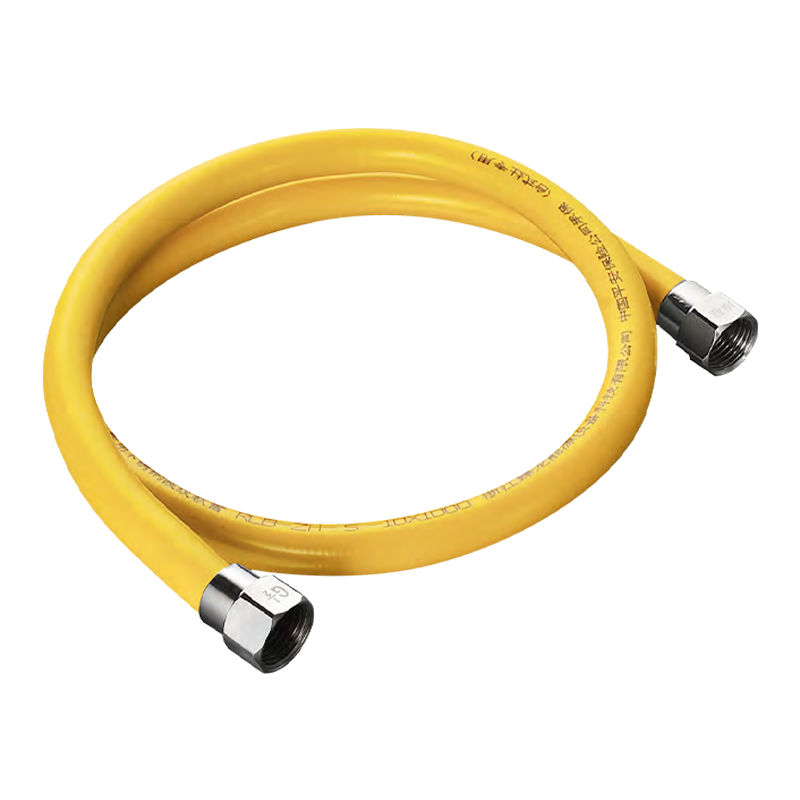
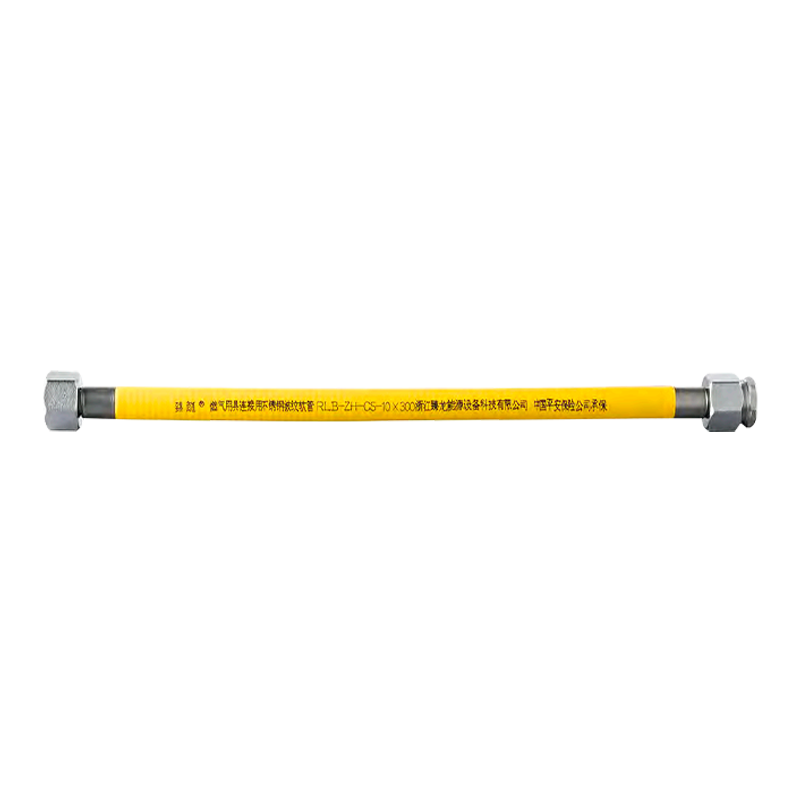
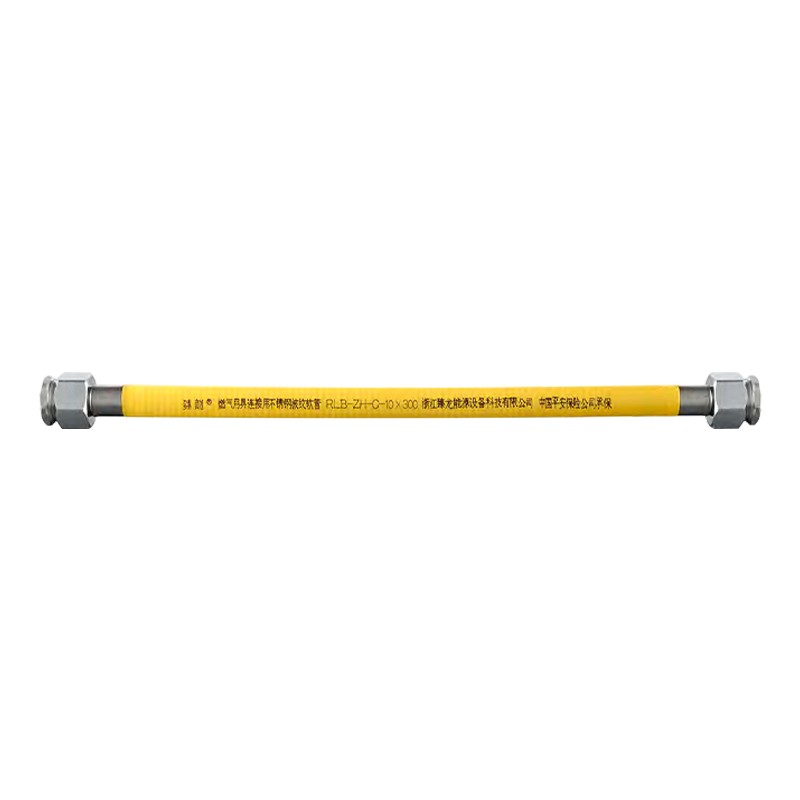
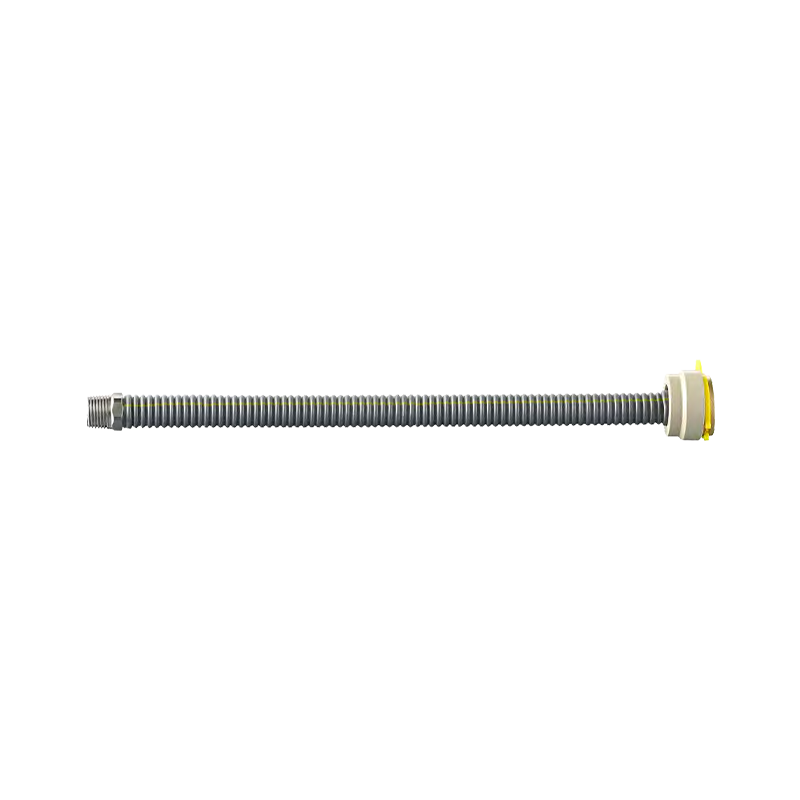
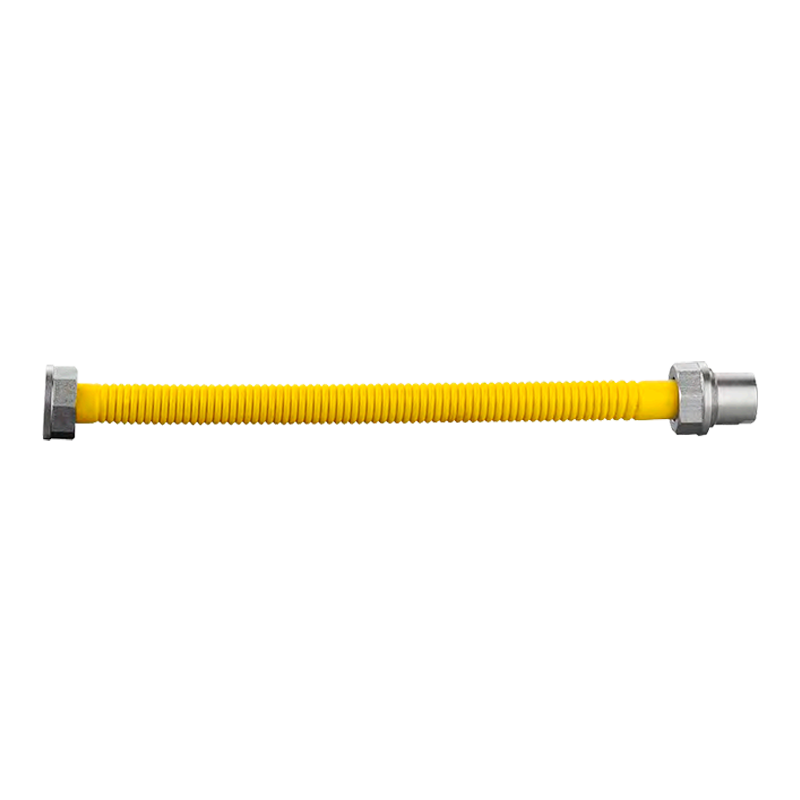
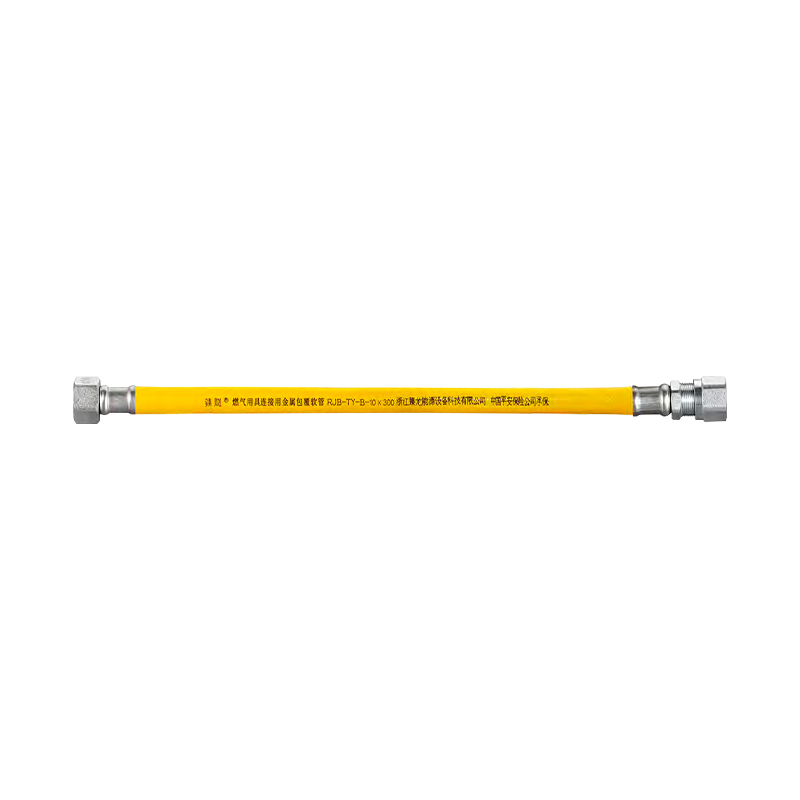
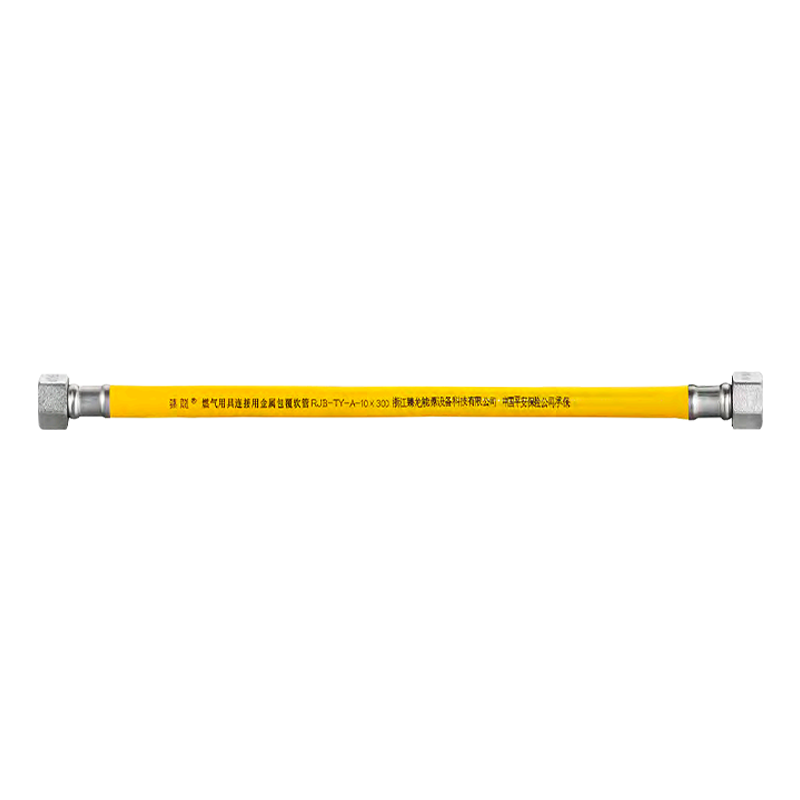
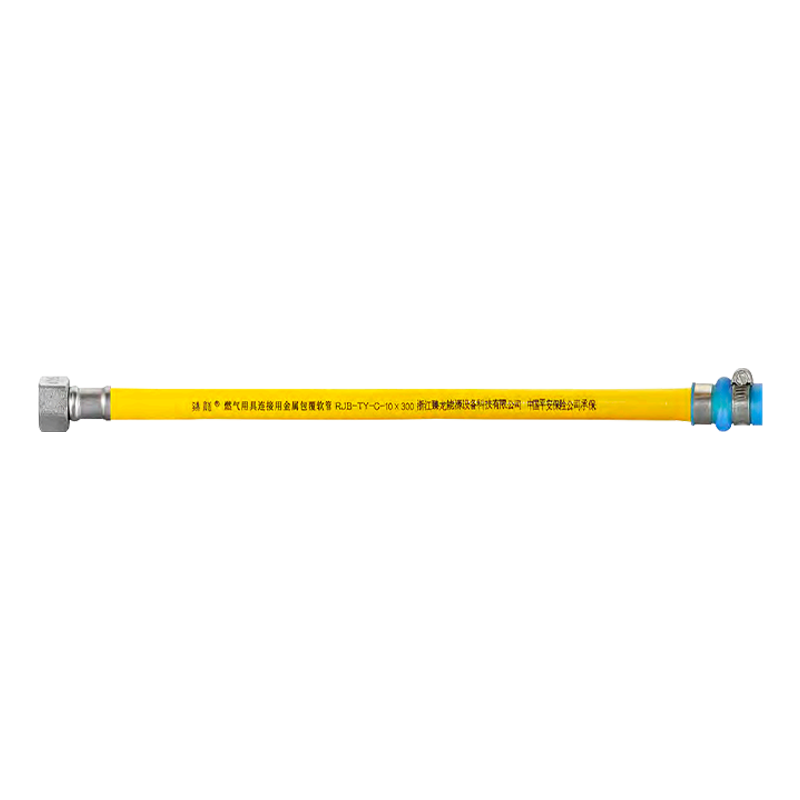
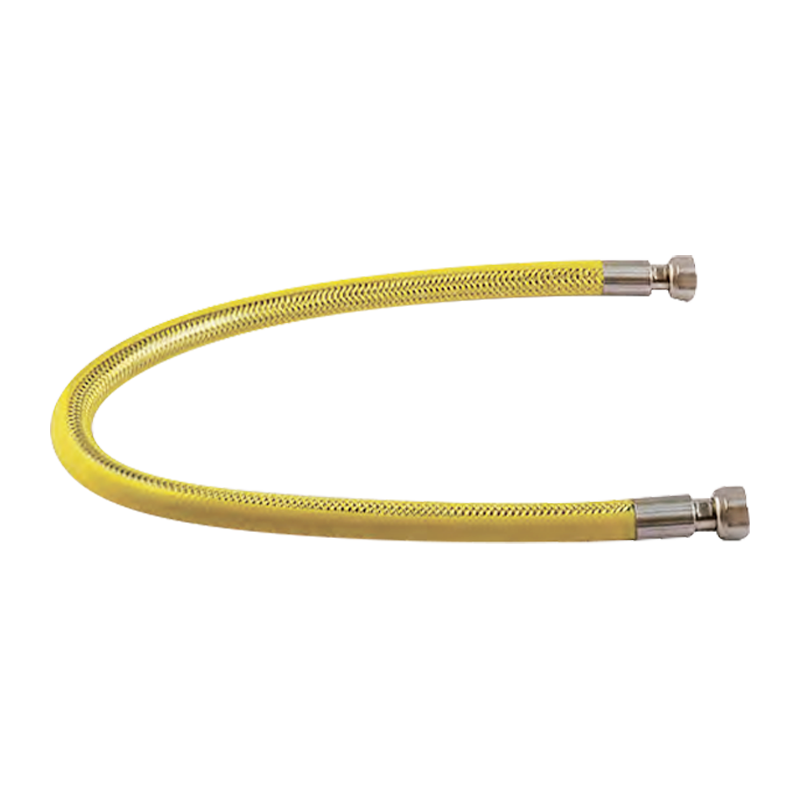
A stainless steel corrugated hose is a flexible metal conduit formed from thin-walled, corrugated tubing — typically 304 or 316 stainless steel — designed to convey gases, liquids, or steam while accommodating movement, vibration, and thermal expansion. The corrugated profile provides axial, lateral, and angular flexibility that rigid piping cannot offer.
Common applications include:
- Natural gas supply lines in residential kitchens, commercial cooking equipment, and HVAC systems
- Water supply connections for boilers, water heaters, and washing machines
- Industrial process piping where vibration isolation is required
- Solar thermal systems and underfloor heating circuits
- Seismic expansion joints in commercial buildings
The Corrugated Metal Hose Assembly is also widely used in shipbuilding, petrochemical plants, and power generation facilities where both flexibility and pressure resistance are critical.
Key Factors That Determine Lifespan
Material Grade
The two most common grades are 304 stainless steel and 316 stainless steel. Grade 316 contains molybdenum, which significantly improves resistance to chloride corrosion — making it the preferred choice for coastal environments or applications involving saltwater or chlorinated fluids. In highly corrosive conditions, choosing 316 over 304 can add 5 to 10 years to the hose's service life.
Operating Pressure and Temperature
Continuous operation near or above the rated pressure accelerates fatigue in the corrugated wall. Similarly, thermal cycling — repeated heating and cooling — causes stress in the metal. Most standard corrugated hoses are rated for –196°C to +600°C, but sustained extreme temperatures reduce flexibility and can lead to stress cracking over time.
Installation Quality
Improper installation is the single most common cause of early failure. Key installation errors include:
- Over-bending beyond the minimum bend radius (typically 3–10x the hose diameter)
- Applying torque directly to the corrugated body when tightening fittings
- Installing in a kinked or twisted orientation
- Failing to support long horizontal runs, causing sag and uneven stress
Media Type and Chemical Exposure
A Stainless Steel Gas Hose Connector used exclusively for natural gas in a dry indoor environment will typically outlast the same product used in a high-humidity or chemically aggressive setting. Chlorine, acids, and alkalis can initiate pitting corrosion even on stainless steel, especially at weld points or fittings.
Vibration and Movement
Corrugated hoses are designed to absorb movement, but continuous, high-frequency vibration (such as from industrial pumps or compressors running 24/7) accelerates fatigue. In such environments, expect lifespan in the lower range of 8–12 years and schedule more frequent inspection cycles.
Estimated Lifespan by Installation Condition (Years)
Estimates assume proper installation and periodic inspection. Grade 316 recommended for corrosive environments.
Lifespan Comparison: Corrugated Stainless Steel vs Other Hose Types
| Hose Type | Typical Lifespan | Pressure Resistance | Temperature Range | Corrosion Resistance |
|---|---|---|---|---|
| Stainless Steel Corrugated | 10–30 years | High | –196°C to +600°C | Excellent |
| Rubber / EPDM Hose | 5–10 years | Medium | –40°C to +150°C | Moderate |
| PVC Braided Hose | 3–7 years | Low–Medium | 0°C to +60°C | Low |
| Galvanized Steel Hose | 8–15 years | High | –20°C to +300°C | Moderate |
How to Extend Stainless Steel Corrugated Hose Lifespan by Up to 30%
The following practices, applied consistently, have been documented to extend service life by 20–30% compared to hoses installed without ongoing maintenance.
Correct Installation from the Start
Always follow the manufacturer's minimum bend radius specification. For most standard Flexible Stainless Steel Hose products, this is at least 3 times the nominal diameter for static applications and 6–10 times for dynamic movement. Never use the hose body as a wrench handle — apply torque only to the fitting nut. Use two wrenches when tightening: one to hold the hose fitting, one to turn the pipe fitting.
Schedule Annual Visual Inspections
Annual checks take under five minutes and can catch problems before they become failures. Look for:
- Visible corrosion, discoloration, or pitting on the corrugated surface
- Flattening or kinking of the corrugated section
- Rust staining at the end fittings
- Any signs of moisture or deposit accumulation around connection points
Match the Hose Grade to the Environment
In areas with chlorinated water or within 2 km of a coastline, always specify grade 316 stainless steel. For pure gas applications in dry indoor settings, grade 304 is generally sufficient. Using an undersized grade for a demanding environment is the fastest route to premature failure.
Protect Against External Damage
Where the hose may be exposed to foot traffic, mechanical contact, or UV radiation, install a protective sleeve or conduit. Though stainless steel is robust, repeated mechanical abrasion can damage the corrugations over time.
Control Vibration at the Source
If the hose connects to a pump or compressor, isolate equipment vibration using anti-vibration mounts before the hose connection. A corrugated hose can absorb some vibration, but it should not serve as the primary vibration dampener — that significantly reduces its fatigue life.
Cumulative Failure Rate Over Time: Maintained vs. Unmaintained
Regular inspection and correct installation significantly reduce cumulative failure rate over 25 years.
Signs It Is Time to Replace Your Corrugated Hose
Even a well-maintained hose eventually reaches end of service life. Replace immediately if you observe any of the following:
- Visible cracks or splits in the corrugated wall, even hairline fractures
- Detectable gas or fluid odor near the hose or fittings
- Permanent deformation — the hose no longer returns to its original shape after flexing
- Heavy surface pitting or through-wall corrosion visible to the eye
- Age exceeding the rated design life stated in the product datasheet, regardless of appearance
As a general industry guideline, any Corrugated Metal Hose Assembly used in gas service should be proactively replaced after 15 years in residential applications, even if no visible defects are present, as a precautionary safety measure.
Selecting the Right Hose for Long-Term Performance
When specifying a new installation, the following checklist helps match the product to the application:
- Identify the media: gas, potable water, steam, or chemical fluid
- Determine maximum operating pressure and temperature
- Assess the level of movement: static, low-cycle, or dynamic/continuous vibration
- Check the installation environment: indoor, outdoor, coastal, or industrial
- Select material grade accordingly: 304 for standard indoor, 316 for corrosive or coastal
- Verify that the assembly carries applicable certifications (CE, ISO, national pressure pipeline license)
- Confirm the end fitting type matches the existing pipeline connections
A correctly specified Stainless Steel Gas Hose Connector or water hose assembly from a certified manufacturer, installed properly, will consistently achieve the upper range of the expected service life — often 20 years or more.
Frequently Asked Questions
Q1 How often should I inspect a stainless steel corrugated hose?
For gas applications, inspect at least once a year. For water supply hoses in accessible locations, every two years is generally sufficient. In industrial environments with continuous operation or vibration, inspect every 6 months and after any seismic event or significant system shock.
Q2 Can a stainless steel corrugated hose be used outdoors?
Yes, but grade 316 stainless steel is strongly recommended for any outdoor installation, especially in humid or coastal areas. Additional UV-resistant jacketing or a protective conduit can further extend outdoor service life by preventing surface contamination buildup.
Q3 What is the difference between a corrugated hose and a braided stainless steel hose?
A corrugated hose uses its ridged wall structure to provide flexibility. A braided hose wraps an inner tube with a stainless steel wire braid for pressure reinforcement. Corrugated stainless steel hoses handle higher temperatures and are more suitable for gas, while braided hoses are common in water and low-pressure fluid applications.
Q4 Is it safe to reuse a corrugated hose after disconnecting it?
In most cases, no. Reconnecting a used corrugated hose — especially for gas service — risks compromised sealing at the fittings due to deformation of the seating surfaces. It is strongly recommended to install a new hose assembly whenever a gas or high-pressure water connection is remade.
Q5 What certifications should a stainless steel corrugated hose have?
Look for ISO 9001 quality management certification, CE marking for European markets, and any applicable national pressure pipeline manufacturing license. For gas applications in China, the Special Equipment Manufacturing License (Pressure Pipeline) issued by national authorities is mandatory.
Q6 Does a stainless steel corrugated hose require any special cleaning or maintenance?
The hose itself requires no chemical treatment under normal use. Keep the exterior clean and dry, particularly around fittings. Avoid using chlorine-based cleaning agents on the hose surface, as residual chloride can initiate crevice corrosion even on stainless steel alloys.
About Zhejiang Zhenlong Energy Equipment Technology Co., Ltd.
ISO 9001:2008 Certified EU CE Certified China Special Equipment License China Urban Gas Association Member
Zhejiang Zhenlong Energy Equipment Technology Co., Ltd. is a specialized enterprise engaged in the research, development, manufacturing, and processing of energy equipment. The company integrates industry and trade across a broad product range, including metal hoses, natural gas pipelines, plumbing fittings, sanitary ware, valves, plastic products, and hardware.
Located in Yuyao, Ningbo, Zhejiang, the facility covers 40 acres with a factory building of 30,000 square meters. Production capacity includes 30 welding and forming production lines and 2 uninterrupted solid melting hydrogen furnace production lines. Advanced testing equipment — including a metal material analysis direct reading spectrometer and flow tightness tester — ensures every product meets rigorous quality standards.
As a professional stainless steel corrugated hose manufacturer and factory, Zhenlong strictly implements the ISO 9000:2008 quality management system and holds both the People's Republic of China Special Equipment Manufacturing License (Pressure Pipeline) and the EU CE certification national testing center report. The company is a member of the China Urban Gas Association, with a strong R&D, design, and production team committed to providing customers with safe pipe fittings and comprehensive pre-sales and after-sales service.
Zhejiang Zhenlong Energy Equipment Technology Co., Ltd. originates from sincere cooperation with friends at home and abroad, working together to create brilliance.
40 Acres Facility 30,000 m² Factory Building 30 Production Lines 2 Hydrogen Furnace Lines