 English
 中文简体
中文简体 Español
 عربى
عربى

Content
- 1 The Right Gas Pipe Fittings Start With One Non-Negotiable: Certified Safety
- 2 Why Material Selection Is the Foundation of Safe Gas Pipe Connections
- 3 Understanding the Types of Gas Pipes Fittings and When to Use Each
- 4 Why Corrugated Stainless Steel Tubing for Gas Pipes Is the Leading Choice in 2026
- 5 How to Evaluate Flexible Gas Piping for Your Specific Application
- 6 Best Practices for Safe Gas Pipe Connections: Installation and Inspection
- 7 Stainless Steel Gas Fittings: What to Look for in a Quality Product
- 8 About Zhejiang Zhenlong Energy Equipment Technology Co., Ltd.
- 9 Frequently Asked Questions
The Right Gas Pipe Fittings Start With One Non-Negotiable: Certified Safety
Before exploring materials or installation methods, here is the direct answer: the safest gas pipe fittings in 2026 are those made from certified stainless steel or approved flexible gas piping systems that comply with your local building codes and pressure ratings. Everything else — cost, aesthetics, ease of installation — comes second. Gas leaks cause thousands of residential fires and explosions globally each year, and the vast majority are traced back to improper fitting selection or faulty gas pipe connections.
This guide walks you through material selection, connection types, compliance standards, and practical tips so you can make confident, safety-first decisions for any residential or light commercial gas installation.
Why Material Selection Is the Foundation of Safe Gas Pipe Connections
The material of your gas pipe and its fittings determines long-term durability, corrosion resistance, and leak prevention. Common residential indoor gas piping materials include:
- Galvanized Steel Pipes: Widely used due to anti-corrosion properties and moderate cost. Compatible with galvanized steel fittings. Best for dry, indoor environments.
- Corrugated Stainless Steel Tubing (CSST): A modern solution that has grown significantly in market share. CSST for gas pipes offers flexibility, earthquake resistance, and faster installation — cutting labor time by up to 40% compared to rigid pipe systems.
- Aluminum-Plastic Composite Pipes: Lightweight and corrosion-resistant. Suitable for low-pressure residential applications but must be paired with compatible aluminum-plastic composite fittings.
- Polyethylene (PE) Pipes: Growing in popularity for outdoor underground gas distribution due to superior corrosion resistance, impact resistance, and weather resistance. PE fittings must match PE pipes for proper sealing.
Key rule: always match your fittings material to your pipe material. Mixing incompatible materials — such as using steel fittings on aluminum-plastic composite pipes without transition adapters — can cause galvanic corrosion and eventual leaks.
| Pipe Material | Compatible Fittings | Best Application | Corrosion Resistance |
|---|---|---|---|
| Galvanized Steel | Galvanized Steel Fittings | Indoor residential | Moderate |
| CSST (Corrugated Stainless Steel) | Stainless Steel Gas Fittings | Flexible indoor/outdoor routing | High |
| Aluminum-Plastic Composite | Al-Plastic Composite Fittings | Low-pressure indoor | Good |
| Polyethylene (PE) | PE Fittings | Underground outdoor | Excellent |
Understanding the Types of Gas Pipes Fittings and When to Use Each
Gas pipes fittings are the connectors that bring a pipeline system together. Selecting the wrong type — or the wrong size — is one of the most common causes of dangerous gas pipe connections failures. Here are the main fitting types used in gas systems:
Elbows
Used to change the direction of gas flow — typically at 45° or 90° angles. Available in both rigid steel and stainless steel versions. When routing flexible gas piping around structural elements, stainless steel elbows with smooth interior bores minimize pressure loss.
Tees and Crosses
Tees split a single gas line into two branches; crosses create four-way junctions. These must be rated for the maximum operating pressure of your system — typically 0.5 PSI for residential indoor low-pressure systems, or up to 2 PSI for medium-pressure systems.
Flanges
Flanged connections are used where regular maintenance or inspection access is required — such as near shutoff valves or meters. They allow components to be disassembled without cutting the pipe.
Joints and Unions
Unions provide a removable connection point without requiring rotation of the pipe. Particularly valuable in confined spaces. Always verify that joint seals — whether threaded tape or gaskets — are rated for gas service, not just water.
Why Corrugated Stainless Steel Tubing for Gas Pipes Is the Leading Choice in 2026
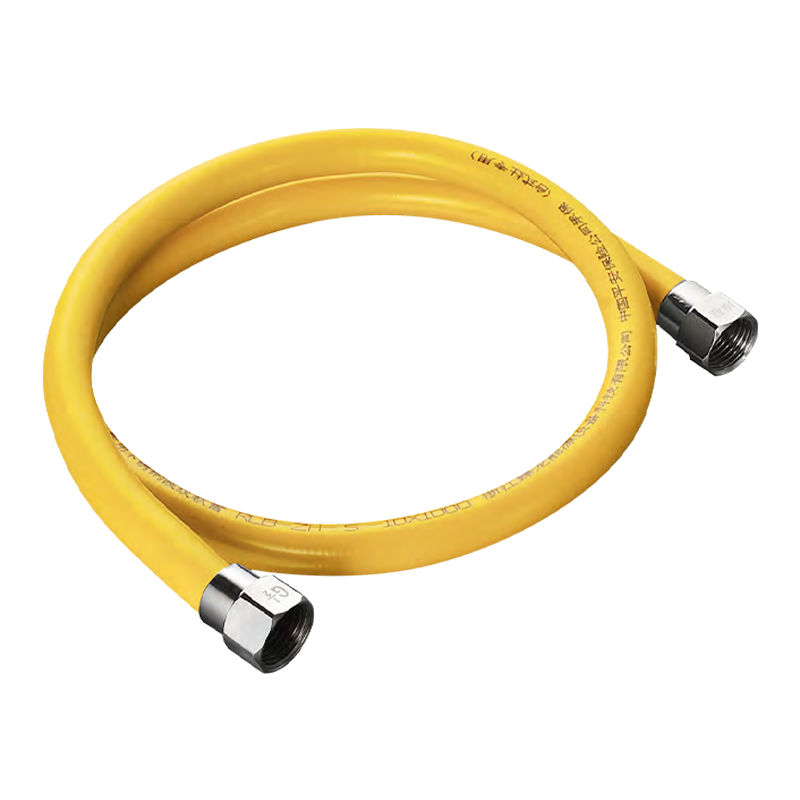
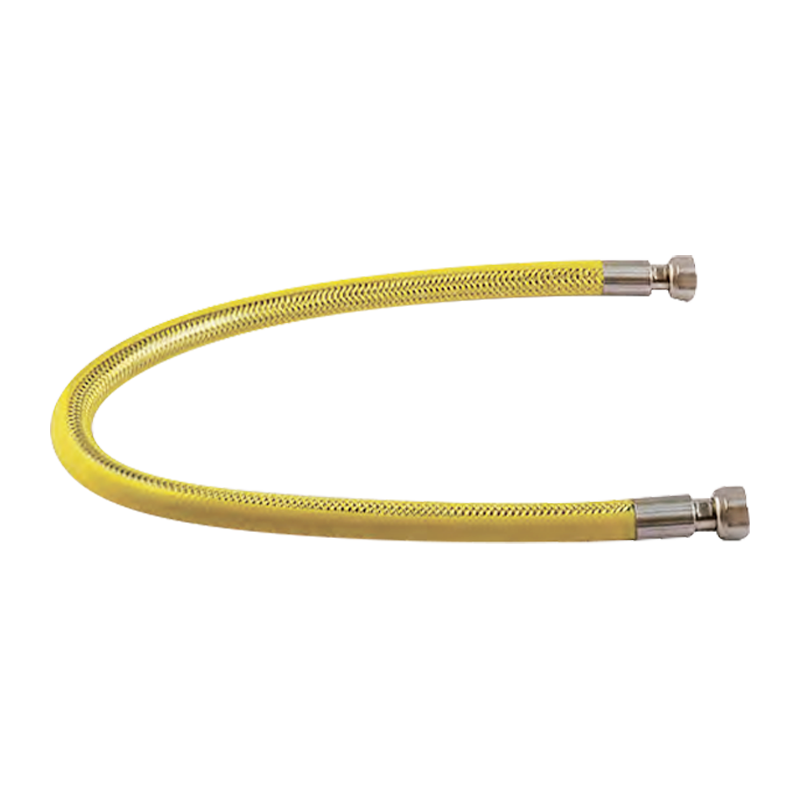
Corrugated stainless steel tubing for gas pipes — commonly called CSST — has become the preferred solution for modern residential and commercial gas installations. Its corrugated design provides inherent flexibility, allowing installers to route gas lines through walls, floors, and tight spaces without the need for multiple rigid fittings.
Key advantages that make CSST stand out:
- Earthquake and vibration resistance: The flexible nature of CSST absorbs movement, reducing the risk of joint failures during seismic events — a critical feature in earthquake-prone regions.
- Fewer connection points: Fewer fittings mean fewer potential leak points. A CSST run from meter to appliance can often be completed with only two fittings vs. 10+ for rigid pipe.
- Speed of installation: Studies show CSST installation takes 30–50% less time than equivalent black iron or galvanized rigid pipe work.
- Corrosion resistance: Stainless steel construction resists moisture, oxygen, and mild chemical exposure far better than galvanized or black iron pipe.
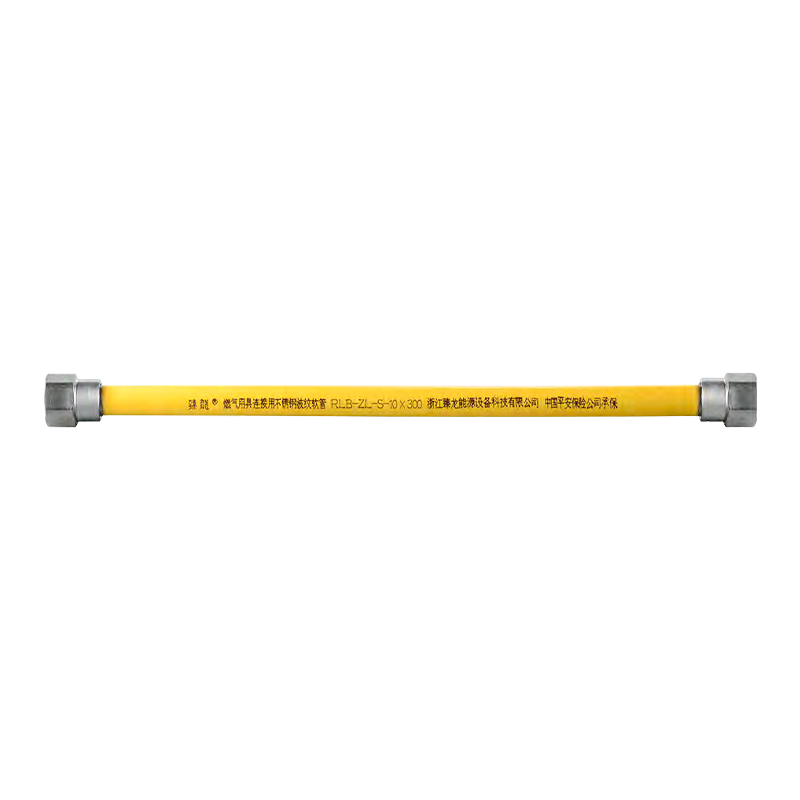
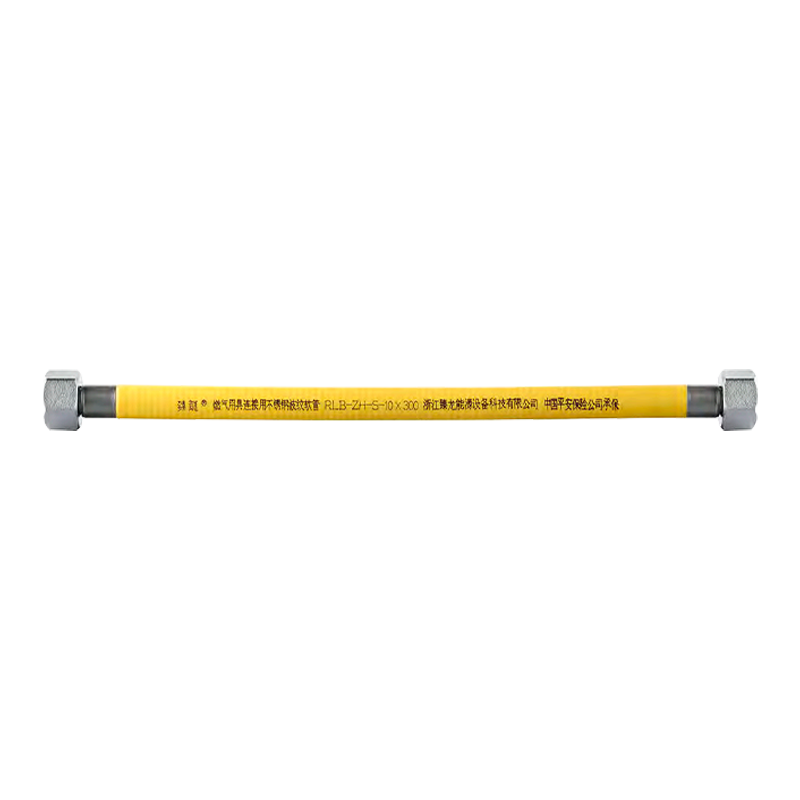
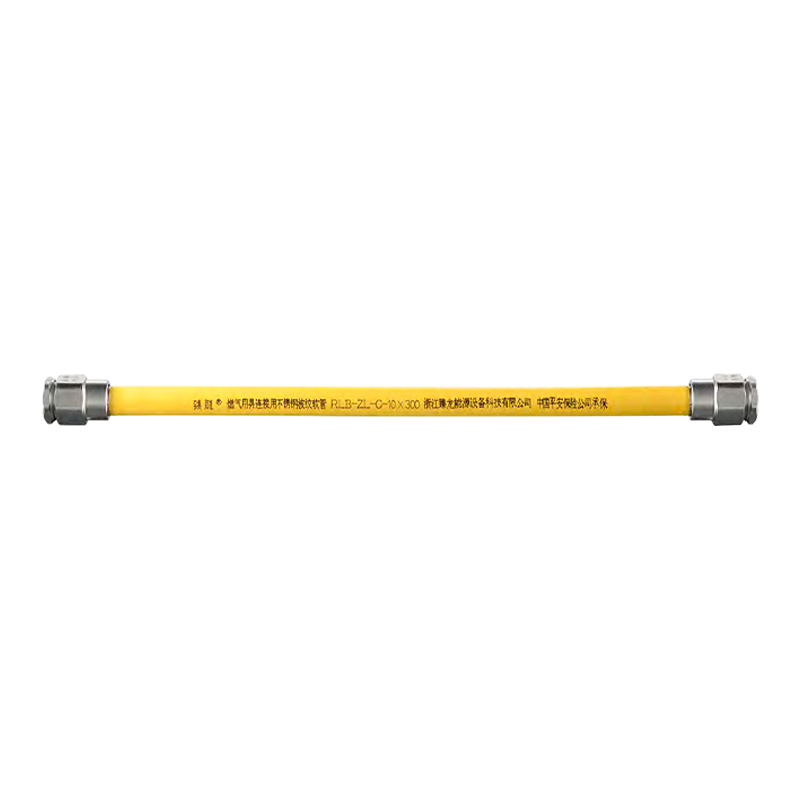
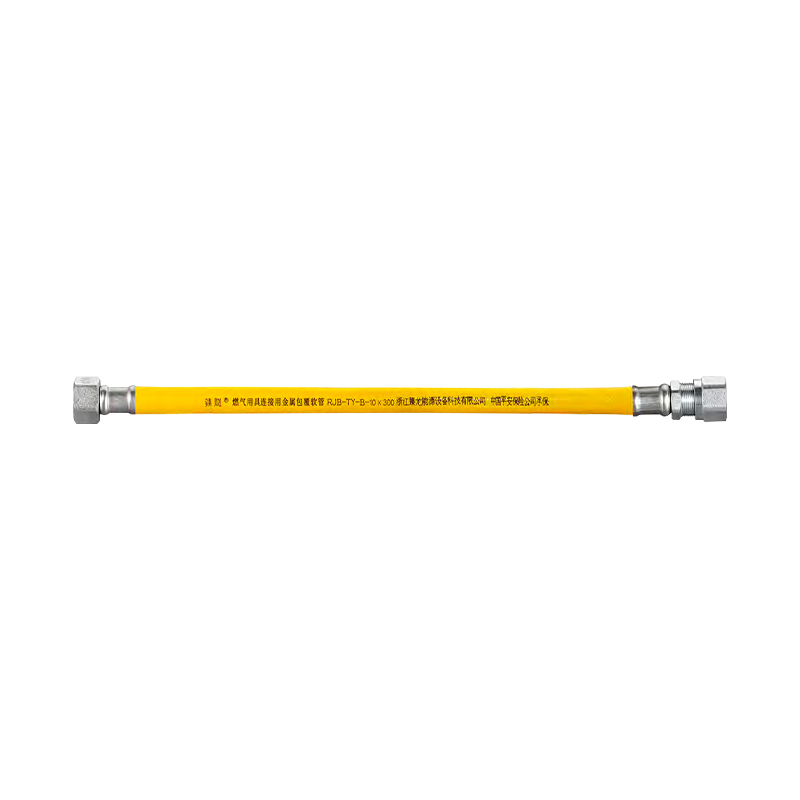
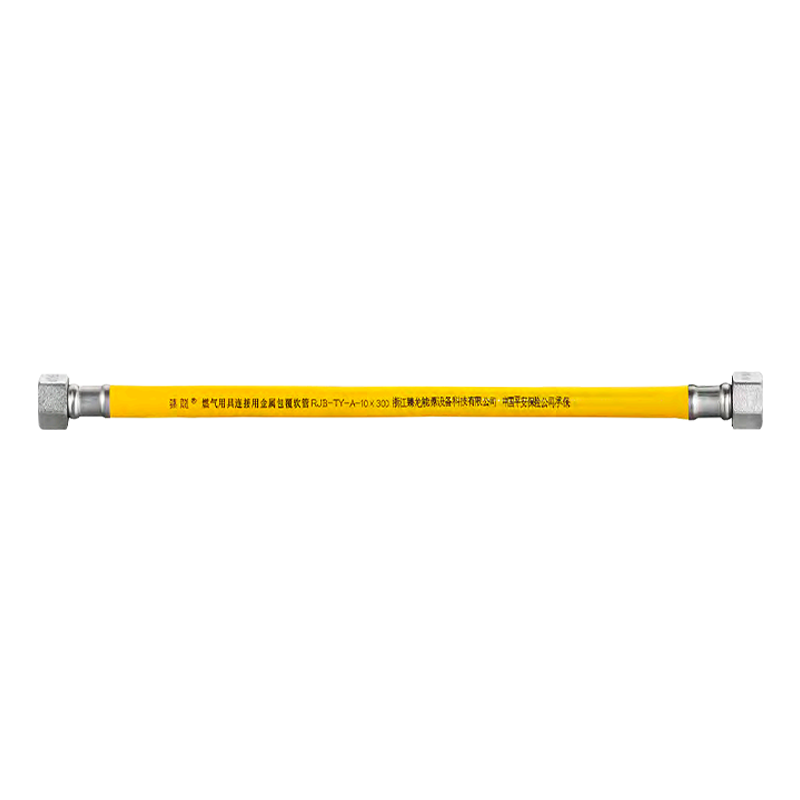
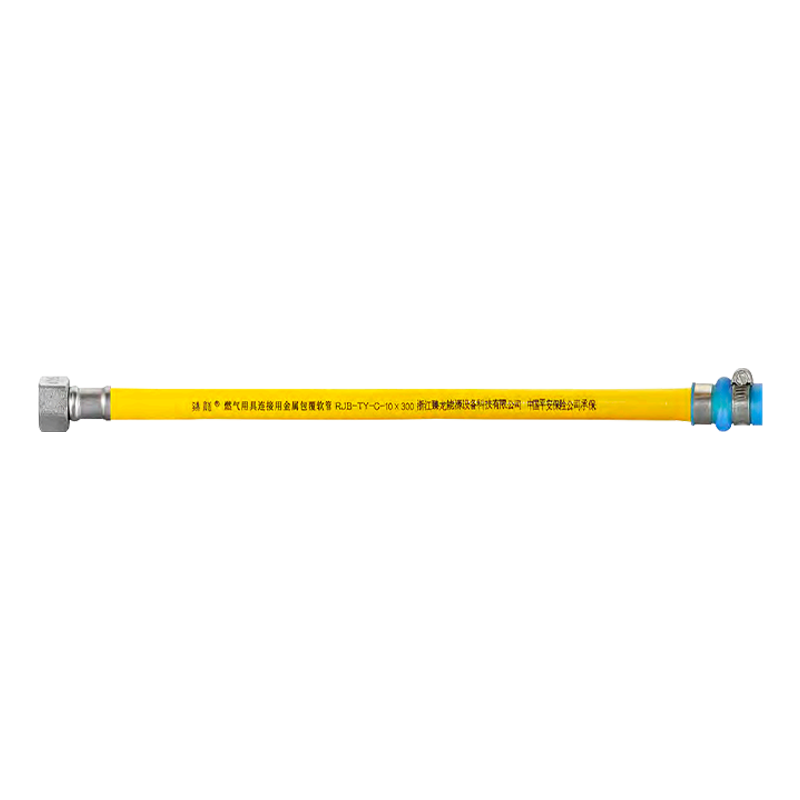
When using CSST, always pair it with listed stainless steel gas fittings that are specifically designed for corrugated tubing. Generic threaded fittings can damage the corrugation and compromise the system's integrity.
CSST vs. Rigid Pipe: Performance Comparison
Figure 1: Comparative performance of CSST vs. rigid pipe systems in residential gas installations
How to Evaluate Flexible Gas Piping for Your Specific Application
Not all flexible gas piping is created equal. When evaluating options, consider the following criteria systematically:
Pressure Rating
Confirm that your flexible piping and all gas pipes fittings are rated at or above the maximum system operating pressure. Residential low-pressure systems typically operate at 7 inches water column (WC) or 0.25 PSI. Medium-pressure systems can reach 2 PSI. Never install fittings rated below your system's design pressure.
Diameter and Flow Capacity
Undersized piping causes pressure drop, leading to appliance underperformance and potential unsafe operating conditions. Use your gas utility's sizing charts or IFGC (International Fuel Gas Code) tables to determine the correct diameter based on BTU demand and pipe length. For example, a 50-foot run supplying a 100,000 BTU/hr appliance typically requires at least ½-inch CSST.
Listing and Certification
In 2026, all gas pipe connections and fittings used in residential construction should carry recognized safety certifications — such as ISO 9000 quality management compliance, CE certification (for European markets), or equivalent national testing center reports. Uncertified components may be visually identical to listed products but lack the rigorous testing that ensures long-term seal integrity under thermal cycling and pressure fluctuation.
Bonding Requirements for CSST
Corrugated stainless steel tubing for gas pipes has specific electrical bonding requirements in many jurisdictions. Lightning-induced electrical surges can arc through CSST and cause pinhole leaks or ignition. Bonding the CSST to the home's electrical grounding system is required by most codes and dramatically reduces this risk. Always consult local code requirements before installation.
Best Practices for Safe Gas Pipe Connections: Installation and Inspection
Even the highest-quality stainless steel gas fittings can fail if installed incorrectly. Follow these best practices to ensure every connection is safe and durable:
- Clean threads before assembly. Debris, scale, or old sealant in threaded connections cause incomplete seals. Use a thread chaser or wire brush on existing threads.
- Use gas-rated thread sealant only. Standard plumber's tape (white PTFE) is not always rated for gas. Use yellow PTFE tape or a pipe dope compound specifically labeled for gas service.
- Do not over-tighten. Over-tightening threaded fittings can crack the fitting body or distort sealing surfaces. Follow manufacturer torque specifications — typically 2–3 full turns past hand-tight for NPT threads.
- Pressure-test before concealment. Before covering any gas pipe connections in walls or floors, conduct a pressure test using an inert gas (typically nitrogen or air). A 30-minute test at 1.5x operating pressure with zero pressure drop confirms system integrity.
- Inspect annually. Gas pipe connections can develop micro-leaks due to thermal expansion, vibration, or corrosion over time. Annual inspections by a licensed professional identify issues before they become hazards.
- Support flexible gas piping properly. CSST and other flexible piping must be supported at intervals per manufacturer specifications — typically every 4–6 feet for horizontal runs — to prevent sagging and stress on end fittings.
Residential Gas Incident Rate Reduction With Certified Fittings (Index: 2018 = 100)
Figure 2: Decline in residential gas incident index as certified fitting adoption increased (2018–2023)
Stainless Steel Gas Fittings: What to Look for in a Quality Product
Not all stainless steel gas fittings offer the same performance. Here is what to evaluate when sourcing fittings for gas pipe connections:
- Grade of stainless steel: 304 and 316 stainless are the most common grades. 316 grade offers superior resistance to chlorides and is preferred in coastal or high-humidity environments.
- Surface finish: Smooth interior surfaces reduce turbulence and pressure drop. Look for fittings with consistent machining and no burrs or casting irregularities.
- Thread quality: NPT (National Pipe Taper) threads must be precisely cut to ensure a leak-free seal with sealant. Poorly cut threads cannot be fully corrected with tape or dope.
- Pressure and temperature ratings: Verify that fittings are rated for your maximum operating pressure and the full range of ambient temperatures your system will experience.
- Certifications: Look for ISO 9000 compliance, CE marking, or national testing center reports. These certifications confirm that the fittings have been subjected to flow tightness testing and material analysis, not just visual inspection.
About Zhejiang Zhenlong Energy Equipment Technology Co., Ltd.
Zhejiang Zhenlong Energy Equipment Technology Co., Ltd. is a company engaged in the research and development, manufacturing, and processing of energy equipment. As a professional Corrugated Stainless Steel Tubing for Gas Pipes Supplier and Gas Pipes Fittings Company, Zhenlong manufactures and processes metal hoses, natural gas pipelines, plumbing fittings, sanitary ware, valves, plastic products, and hardware — combining industry expertise with trade capabilities.
Located in Yuyao, Ningbo, Zhejiang, the company covers an area of 40 acres with a factory building of 30,000 square meters. Zhenlong operates 30 welding and forming production lines and 2 uninterrupted solid melting hydrogen furnace production lines, backed by advanced testing equipment including metal material analysis direct reading spectrometers and flow tightness testers.
Zhenlong strictly implements the ISO 9000:2008 quality management system and holds the People's Republic of China Special Equipment Manufacturing License (Pressure Pipeline) and the EU CE certification national testing center report. A member of the China Urban Gas Association, the company maintains a strong R&D, design, and production team dedicated to providing safe pipe fittings and comprehensive pre-sales and after-sales services to customers worldwide.