 English
 中文简体
中文简体 Español
 عربى
عربى
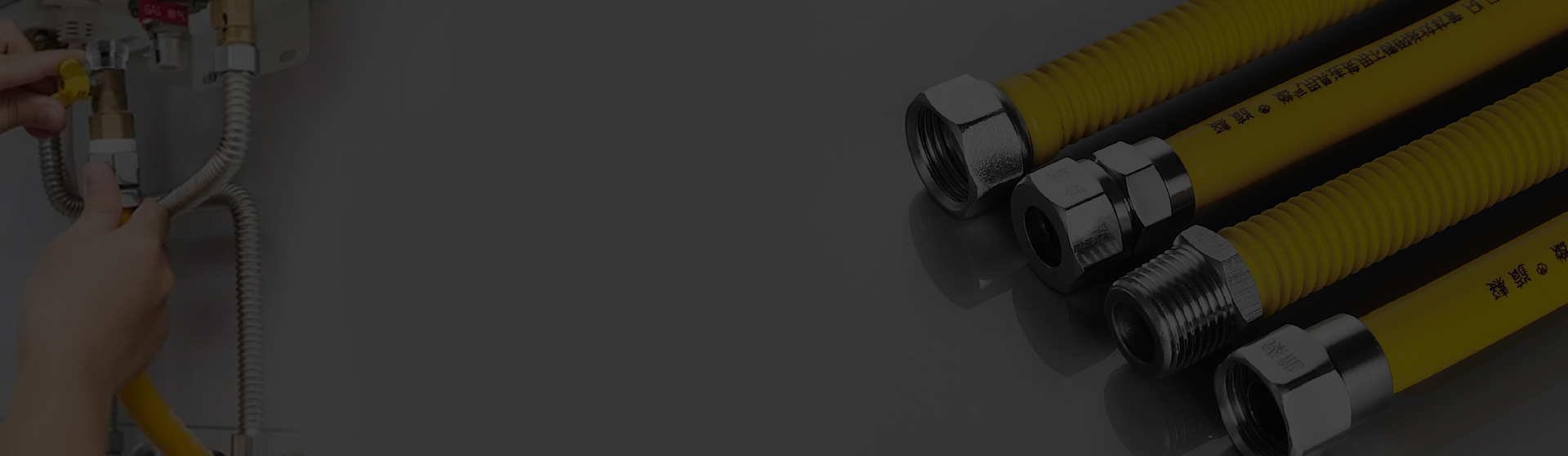

Gas appliance hoses should be replaced every 5 to 10 years as a general guideline, though the actual service life depends heavily on the connector material, installation environment, and how frequently the appliance is used or moved. Physical warning signs — cracking, corrosion at fittings, kinking, or any detectable gas odor — call for immediate replacement regardless of age. This article provides direct, actionable guidance on replacement schedules, the performance differences between connector types, and the role that metal wrapped hoses for gas appliance connections play in long-term household and commercial safety.
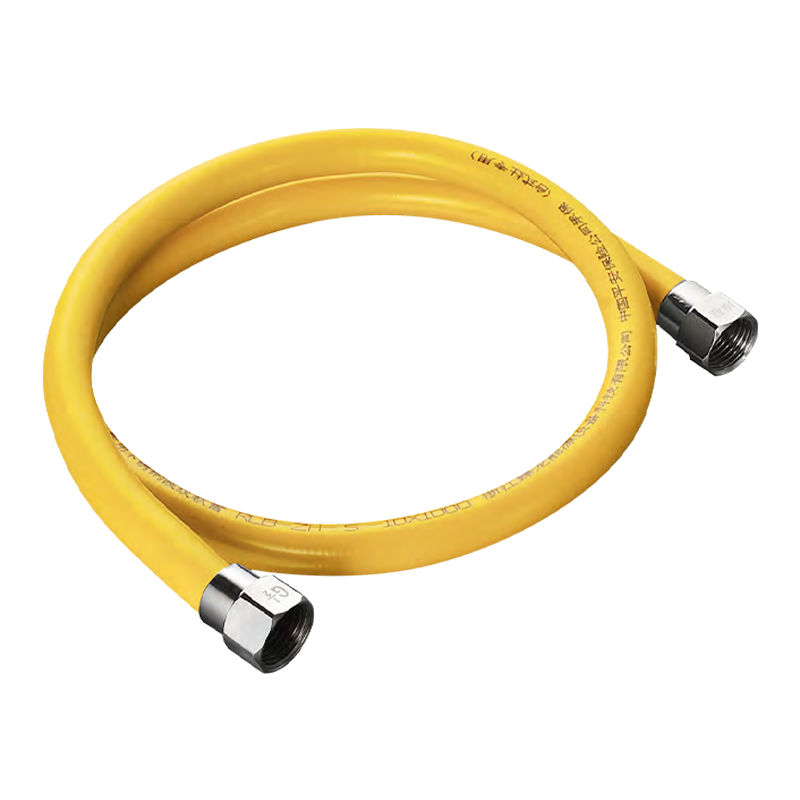
Choosing the right connector at the point of installation — and understanding when it needs to be retired — is one of the most practical gas leak prevention steps available to homeowners, facility managers, and appliance technicians alike. A stainless steel flexible gas hose or a metal wrapped gas hose will typically outlast a standard rubber connector by a significant margin while offering superior mechanical and thermal protection throughout its service life.
Content
- 1 Replacement Intervals by Connector Type and Material
- 2 Physical Warning Signs That Require Immediate Replacement
- 3 Why Metal Wrapped Gas Hoses Deliver Superior Performance
- 4 Certification Standards Every Safe Gas Connector Should Meet
- 5 Replacement Guidelines by Appliance and Use Environment
- 6 Step-by-Step Safe Replacement Process
- 7 Choosing the Right Connector: Key Selection Criteria
- 8 Frequently Asked Questions
Replacement Intervals by Connector Type and Material
Different connector materials age at very different rates. The table below summarizes widely referenced service life guidelines for the most common gas appliance connection hose types used in residential and commercial settings. These figures reflect typical conditions — actual service life may be shorter in high-humidity, high-heat, or outdoor environments.
| Connector Type | Typical Lifespan | Primary Failure Mode | Typical Application |
|---|---|---|---|
| Rubber / Polymer Hose | 3–5 years | UV / ozone cracking | Temporary or low-use indoor |
| Corrugated Gas Connector (uncoated) | 5–8 years | Stress cracking at bends | Ranges, ovens, dryers |
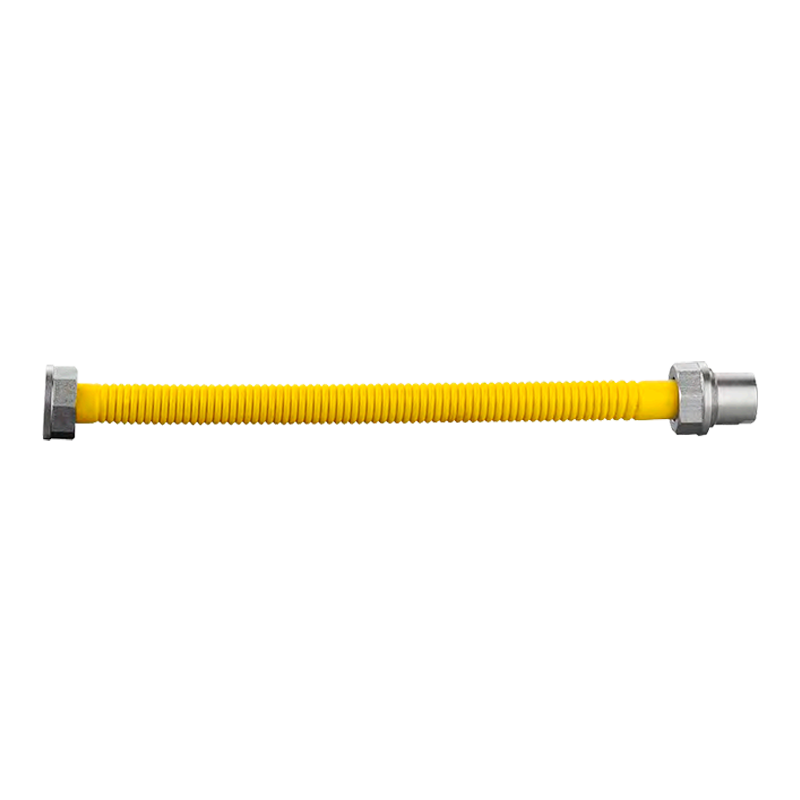
| Stainless Steel Gas Connector | 8–12 years | Fitting corrosion in humid zones | Residential appliances |
| Metal Wrapped Gas Hose | 10–15 years | External mechanical damage | Commercial kitchens, high-use |
| CSA Certified Gas Connector (SS) | Up to 15 years | Periodic inspection required | All gas appliance types |
Even within these intervals, condition-based inspection is the primary safety checkpoint. A flexible gas appliance connector installed in a coastal or high-humidity environment may show corrosion within three years, while the same connector in a dry inland setting may remain fully serviceable beyond its rated interval. The figures above are general benchmarks — always defer to local code requirements and the connector manufacturer's stated specifications.
This horizontal bar chart illustrates the maximum recommended service life for the five most common gas appliance connector types under normal operating conditions. The gap between a basic rubber hose (5 years) and a metal wrapped or CSA certified stainless steel connector (up to 15 years) is substantial — effectively tripling the replacement interval and reducing the lifetime cost and inconvenience of connector maintenance. For property managers or commercial kitchen operators responsible for multiple appliances, moving to a higher-specification natural gas flexible hose across all installations can meaningfully reduce the frequency of scheduled replacements and associated inspection labor.
Physical Warning Signs That Require Immediate Replacement
Scheduled replacement intervals provide a planning framework, but condition-based inspection is what catches failures before they become hazards. The following signs indicate that a gas appliance connection hose must be replaced without delay — no matter when it was last installed or inspected.
- Visible cracking or splitting on rubber or polymer surfaces — even hairline fractures propagate quickly under operating pressure
- Corrosion or rust at fittings — particularly on uncoated connectors installed in damp basements, coastal properties, or near water sources
- Kinking or sharp permanent bends — a kinked corrugated gas connector develops internal stress concentrations that permanently weaken the tube wall
- Any detectable gas odor near the appliance — verify the source with a soap-bubble test or calibrated gas detector before restoring supply
- Heat discoloration or burn marks — signals the connector has been exposed to temperatures above its rated range
- Loose or weeping fittings — a fitting that cannot be tightened to a leak-free state requires full connector replacement, not tape or additional sealant
- Post-seismic inspection — even undamaged-looking connectors may carry internal stress damage after an earthquake and should be inspected professionally before continued use
If any of these conditions are observed, shut off the gas supply at the nearest shutoff valve, ventilate the space, and replace the connector before restoring flow. Attempting to repair a compromised natural gas flexible hose or propane connector hose with tape, adhesive, or filler is not a recognized safe repair — replacement is the only appropriate corrective action.
Why Metal Wrapped Gas Hoses Deliver Superior Performance
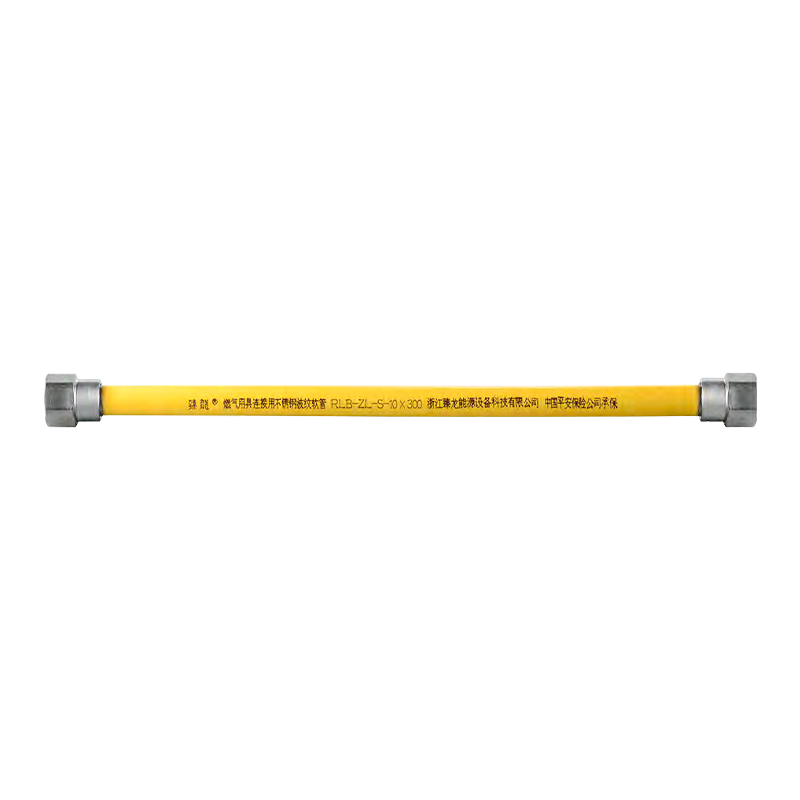
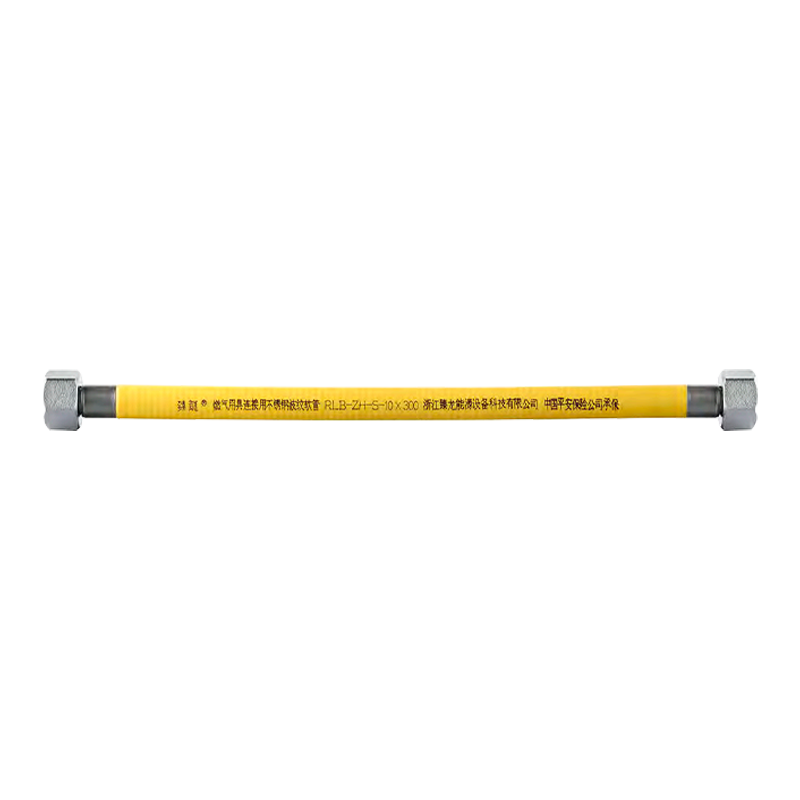
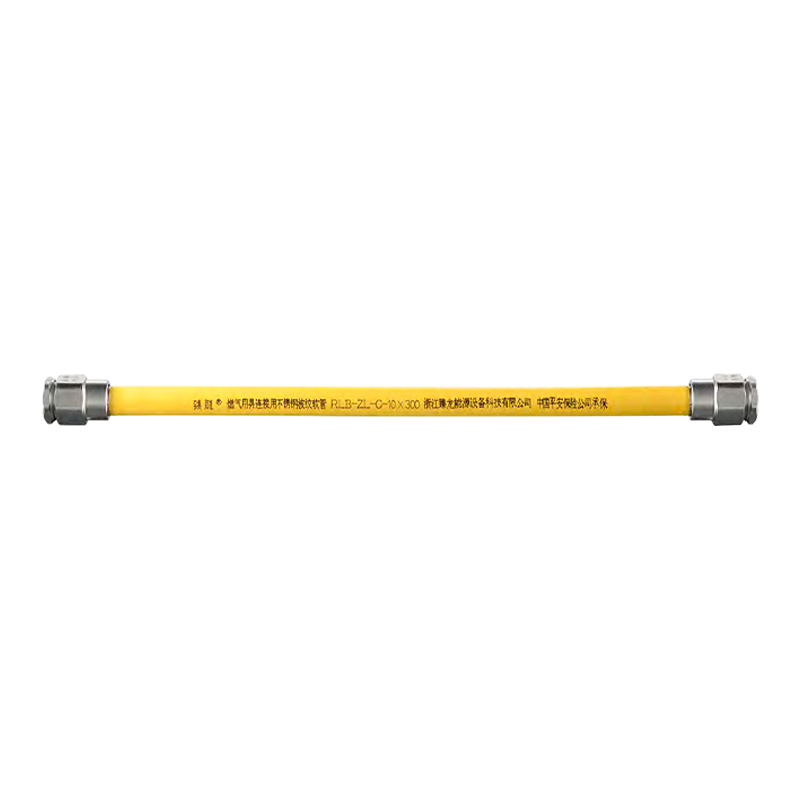
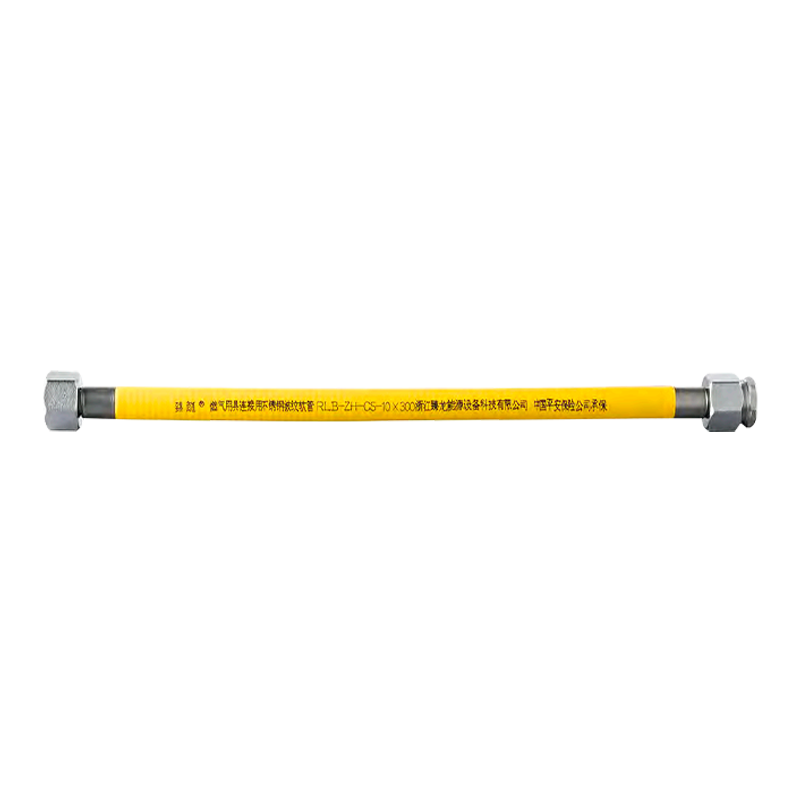
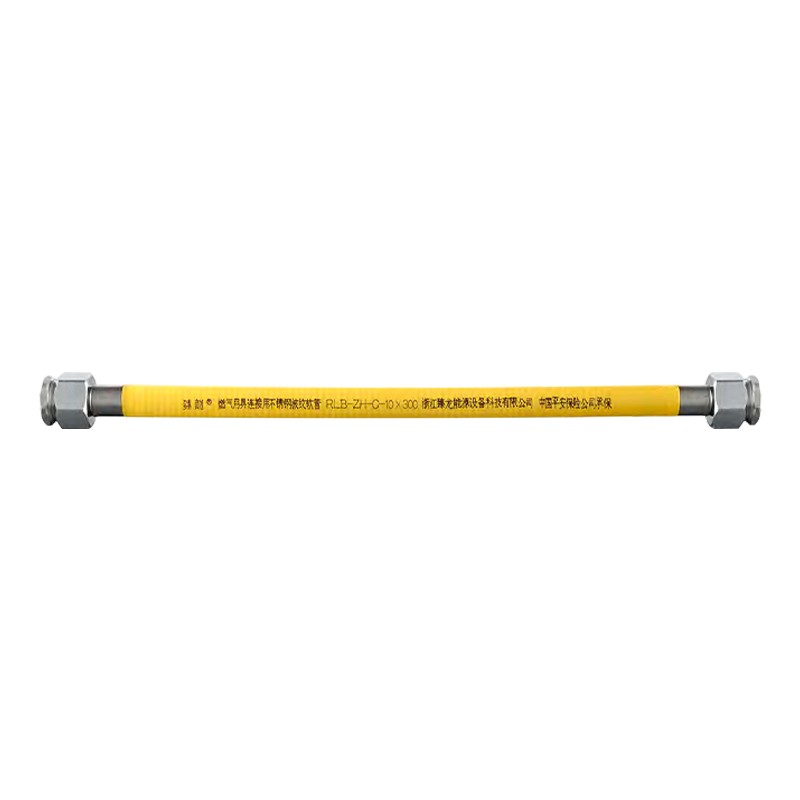
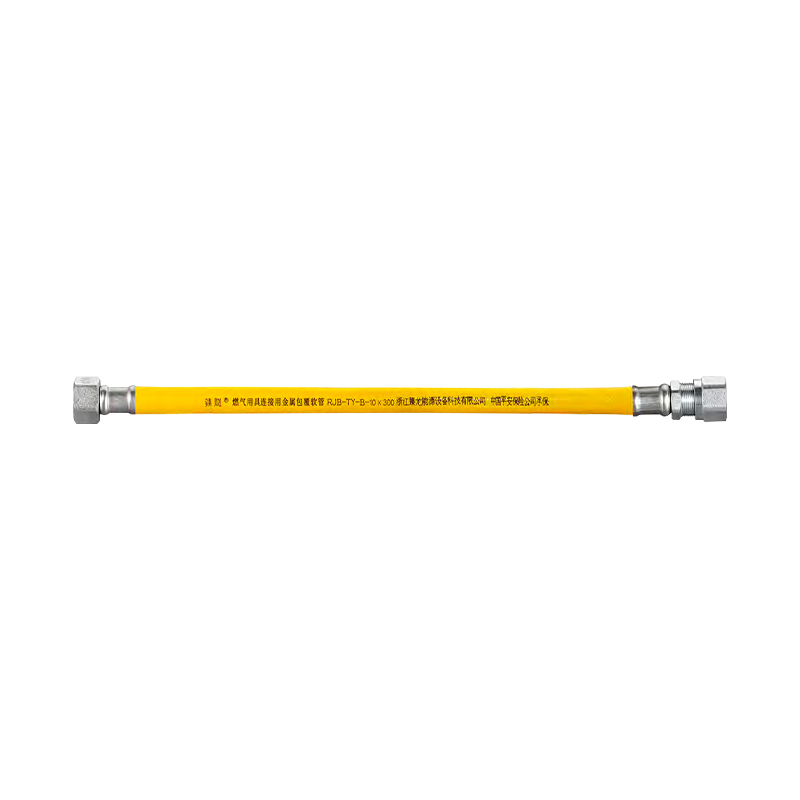
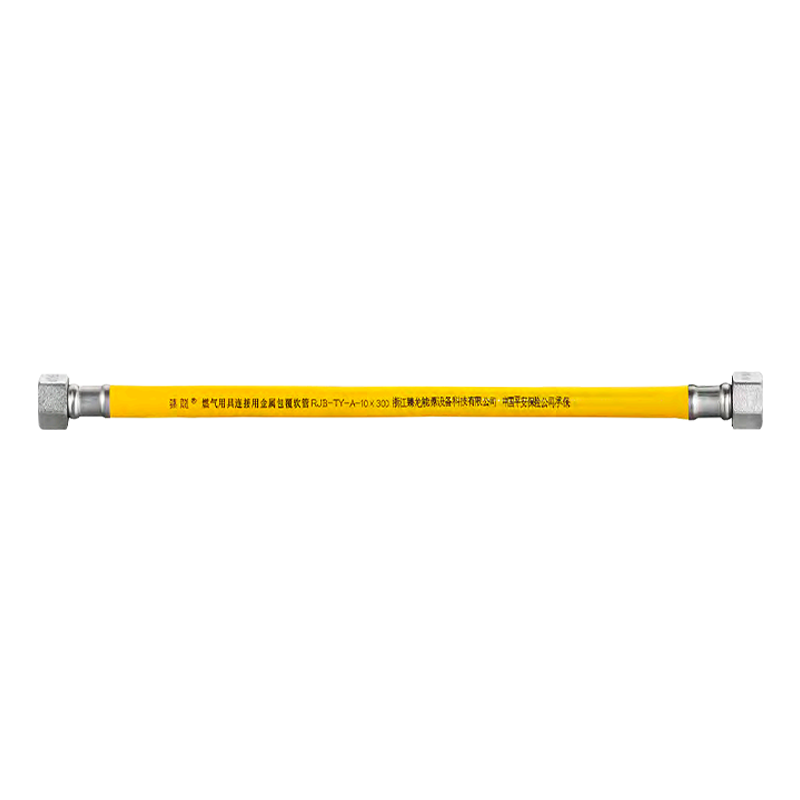
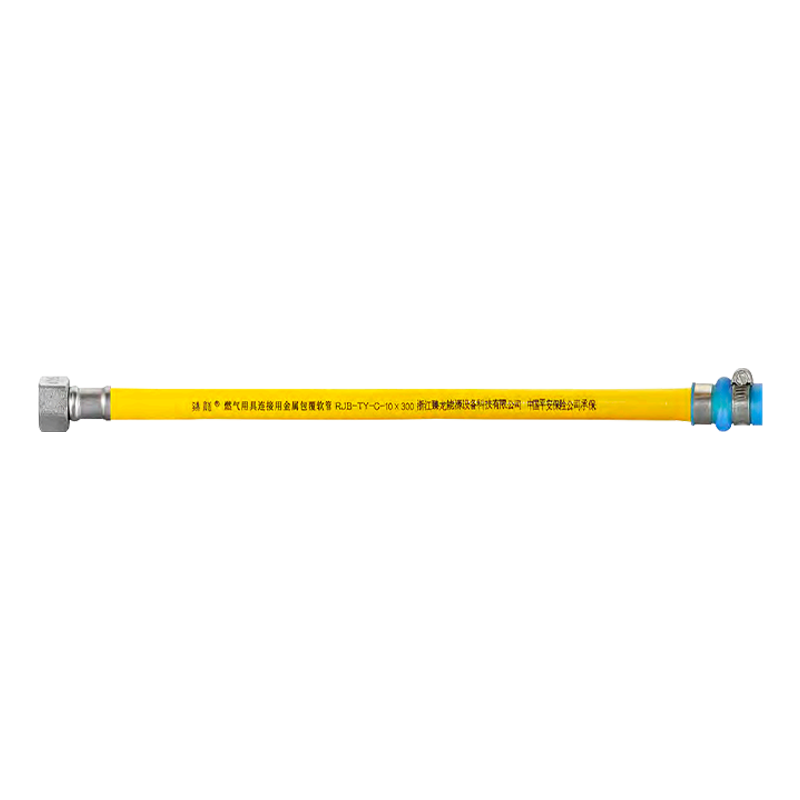
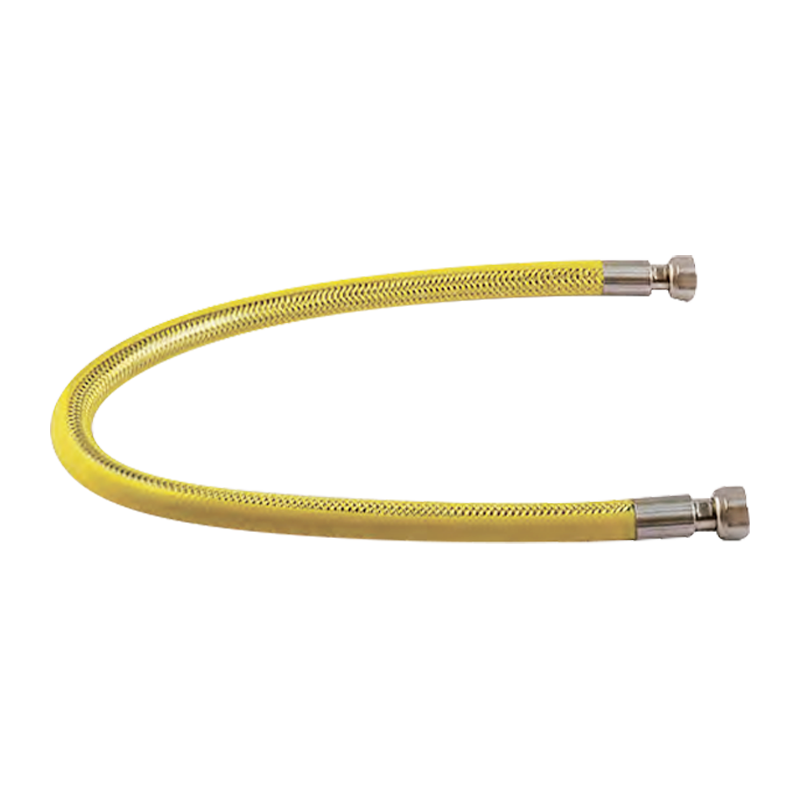
Among the range of connector types available for gas appliance installations, metal wrapped hoses for gas appliance connections represent a well-established standard for demanding residential and commercial environments. These connectors combine a corrugated stainless steel inner tube — which carries gas under pressure while maintaining flexibility — with an outer layer of interlocked or braided stainless steel wire that resists abrasion, crushing, and contact with sharp edges or hot surfaces.
The outer wrap serves a secondary protective function: if a micro-fracture develops in the inner tube, the outer sheath contains the flow and provides a visible indicator of internal damage, allowing detection before a full failure occurs. In commercial kitchen environments where gas ranges are routinely moved for deep cleaning, this mechanical robustness is particularly valuable. Repeated flexing, dragging, and incidental contact with adjacent equipment are everyday realities that a basic polymer or uncoated corrugated connector is not designed to handle over a multi-year service life.
A quality stainless steel flexible gas hose with metal wrapping also performs reliably under thermal cycling. Commercial cooking equipment operates at ambient temperatures that can cause basic polymer hoses to harden and crack within a few seasons. Stainless steel retains its structural integrity across a temperature range that far exceeds what rubber alternatives can sustain, making it the appropriate specification for any installation adjacent to ovens, fryers, wok burners, or other high-heat commercial cooking equipment.
This radar chart compares a metal wrapped stainless steel gas hose against a standard rubber connector across six performance dimensions critical to long-term safe operation. The metal wrapped connector scores substantially higher in durability, heat resistance, corrosion resistance, and certification compliance — the attributes most directly linked to gas appliance safety and regulatory adherence. The rubber hose maintains advantages in raw flexibility and installation ease, which is why it continues to appear in low-frequency or short-term applications. For any permanent residential installation or commercial environment involving daily use, the performance margin of the metal wrapped option is clear and consequential.
Certification Standards Every Safe Gas Connector Should Meet
Certification by a recognized standards body is a non-negotiable baseline when selecting any gas stove connector hose, propane connector hose, or natural gas line connector. In North America, ANSI Z21.24 / CSA 6.10 is the primary standard governing flexible connectors for residential gas appliances. A CSA certified gas connector has been independently tested for pressure integrity, flexibility cycle endurance, temperature resistance, and sustained leak performance under simulated service conditions.
Connectors must pass a minimum hydrostatic pressure test at three times their rated operating pressure and demonstrate the ability to survive a defined number of flex cycles without leakage. The certification mark on the connector body or packaging provides documented evidence of compliance — something uncertified products cannot offer. In European markets, CE certification covers the equivalent performance requirements, while Chinese domestic installations are governed by GB/T standards and the Special Equipment Manufacturing License framework administered by the relevant regulatory authority.
Zhejiang Zhenlong Energy Equipment Technology Co., Ltd. holds the People's Republic of China Special Equipment Manufacturing License (Pressure Pipeline) and EU CE certification, and operates under the ISO 9000:2008 quality management system. As a member of the China Urban Gas Association, Zhenlong's metal wrapped hoses for gas appliance connections are manufactured and tested to meet international safety standards — providing verifiable compliance documentation for export, commercial installation, and regulatory inspection purposes.
Replacement Guidelines by Appliance and Use Environment
Gas appliance types place very different demands on their connector hoses. Understanding the specific requirements of each application helps homeowners and facilities teams select the right connector and set appropriate replacement intervals as part of a broader gas appliance safety tips program.
Residential Gas Ranges and Cooktops
A residential gas stove connector hose typically needs to accommodate occasional movement — for cleaning behind the appliance — while withstanding daily thermal cycling. A stainless steel gas connector or corrugated stainless steel connector in the 18–24 inch length range is the standard specification. Replacement is generally appropriate every 8–10 years, or immediately if the range is repositioned and any kinking or fitting stress is observed during reinstallation.
Gas Dryers
Dryer connectors are less exposed to direct heat but are commonly installed in confined utility spaces where visual inspection is difficult. A flexible gas appliance connector of 48 inches or longer is typically specified to allow adequate service clearance. Because these connectors tend to receive less frequent inspection than kitchen appliances, selecting a long-life metal wrapped gas hose from the outset reduces replacement burden and provides better protection against the undetected degradation that confined installation positions can conceal.
Outdoor Grills and Propane Appliances
Outdoor connectors face UV radiation, temperature extremes, and the possibility of insect or rodent damage. A propane connector hose for outdoor use should carry outdoor-rated certification and be replaced on a 5-year cycle at minimum, or annually if the appliance is in continuous seasonal service. Inspecting the connector before each grilling season is a straightforward and often overlooked gas leak prevention practice — check fittings for corrosion, the hose body for cracking or chafing, and test connections with soapy water before use.
Commercial Kitchen Equipment
Commercial applications require the most robust connector specifications. High-BTU commercial burners operate at supply pressures above residential standards, and equipment is moved repeatedly during routine deep cleaning. A heavy-duty natural gas flexible hose with a metal wrapped exterior, corrugated stainless steel inner core, and a commercial-grade CSA or equivalent listing is the appropriate specification. Many commercial kitchen safety codes require annual professional inspection of all gas connector hoses regardless of rated service life.
This column chart compares the maximum recommended replacement intervals across five common gas appliance and connector categories. Outdoor propane grills and basic rubber hoses occupy the short end of the spectrum, driven by UV exposure and material limitations respectively. A metal wrapped stainless steel connector installed on a commercial appliance — or in any high-demand residential application — can extend the service interval to 15 years, representing a meaningful reduction in the frequency of replacement work and associated supply downtime. The chart reinforces the economic and practical case for specifying a higher-grade connector from initial installation rather than upgrading reactively after premature failure.
Step-by-Step Safe Replacement Process
Replacing a gas appliance connector is a task that many homeowners can complete safely when approached methodically. However, local codes in some jurisdictions require that gas line work be carried out by a licensed technician — verify local requirements before beginning. The process below applies to standard residential appliance connectors using a flexible gas appliance connector replacement in a natural gas or propane system.
- Turn off the gas supply at the appliance shutoff valve, then at the main supply valve if the shutoff valve condition is uncertain
- Ventilate the area by opening windows and doors — allow any residual gas to dissipate before proceeding
- Disconnect the appliance end of the old connector using an appropriate wrench — do not use excessive force on corroded fittings without first applying a penetrating agent
- Disconnect the supply end and remove the old connector — inspect the supply fitting threads for damage or corrosion before installing the new connector
- Select a new CSA certified gas connector of the correct length and diameter — never reuse an old connector, and never join two connectors together to increase length
- Apply thread sealant tape (yellow PTFE for gas) to male threads at both ends — do not over-apply
- Connect the new safe gas connector hand-tight at both ends, then tighten with a wrench to the manufacturer's specified torque — do not over-tighten compression fittings
- Test for leaks by restoring gas supply and applying soap solution to all connections — bubbles indicate a leak requiring immediate attention before appliance use
This line chart maps the relative failure risk profile of a standard rubber gas hose against a metal wrapped stainless steel connector over a 15-year period. The rubber hose risk curve rises sharply after year 3, reaching high-risk territory by year 5 and very high levels by year 7 — well before many homeowners consider replacement. The metal wrapped connector maintains a low-to-moderate risk profile through year 8 and only enters the moderate risk zone around year 10, consistent with a recommended replacement at the 10–12 year mark. The vertical dashed lines indicate the appropriate replacement thresholds for each type. Installing a higher-specification connector from the outset effectively shifts the entire risk curve rightward, reducing the number of replacements required over the life of an appliance and keeping the connector operating well within its safe performance envelope throughout.
Choosing the Right Connector: Key Selection Criteria
Selecting a safe gas connector involves evaluating several practical criteria beyond material type. The following checklist summarizes the key factors that should inform connector selection for any new installation or replacement project.
- Certification mark — verify CSA, UL, CE, or equivalent regional certification is present and legible on the connector or packaging
- Gas type compatibility — connectors for natural gas and LP/propane have different material and pressure ratings; confirm the connector matches the supply gas
- Correct length — the connector should reach without stretching, kinking, or requiring any joining; do not use connectors behind walls or in concealed spaces unless specifically rated for that use
- Thread type and size — verify fitting thread type (NPT, BSP, compression) and size matches both the appliance inlet and supply valve outlet
- Environmental rating — outdoor or corrosive environments require connectors with explicit outdoor or marine-grade ratings, not standard indoor specifications
- Operating pressure — commercial applications typically operate at higher supply pressures than residential; confirm the connector's working pressure rating meets or exceeds the system requirement
Zhejiang Zhenlong Energy Equipment Technology Co., Ltd. manufactures metal wrapped hoses for gas appliance connections across a range of specifications covering residential, commercial, and industrial applications. With 30 welding and forming production lines, in-house spectrometer analysis for material verification, and flow tightness testing equipment, Zhenlong's products are designed and manufactured to meet the documentation and performance standards required for both domestic and international supply chains.
Frequently Asked Questions
Q1: How often should I replace my gas appliance hose at home?
For most residential installations, a stainless steel gas connector or corrugated stainless connector should be replaced every 8–10 years. Basic rubber or polymer hoses warrant replacement every 3–5 years. A metal wrapped gas hose from a certified manufacturer can extend this to 10–15 years under normal conditions. Always replace immediately if you detect any physical damage, corrosion, or gas odor regardless of age.
Q2: Can I use the same gas connector for both natural gas and propane?
Not always. Some flexible gas appliance connectors are rated for both natural gas and LP propane, while others are gas-type specific. Natural gas and propane systems also operate at different supply pressures, which affects material and fitting requirements. Always check the connector's labeling or certification data sheet to confirm compatibility with the gas type in your system before installation.
Q3: What is the difference between a corrugated gas connector and a metal wrapped gas hose?
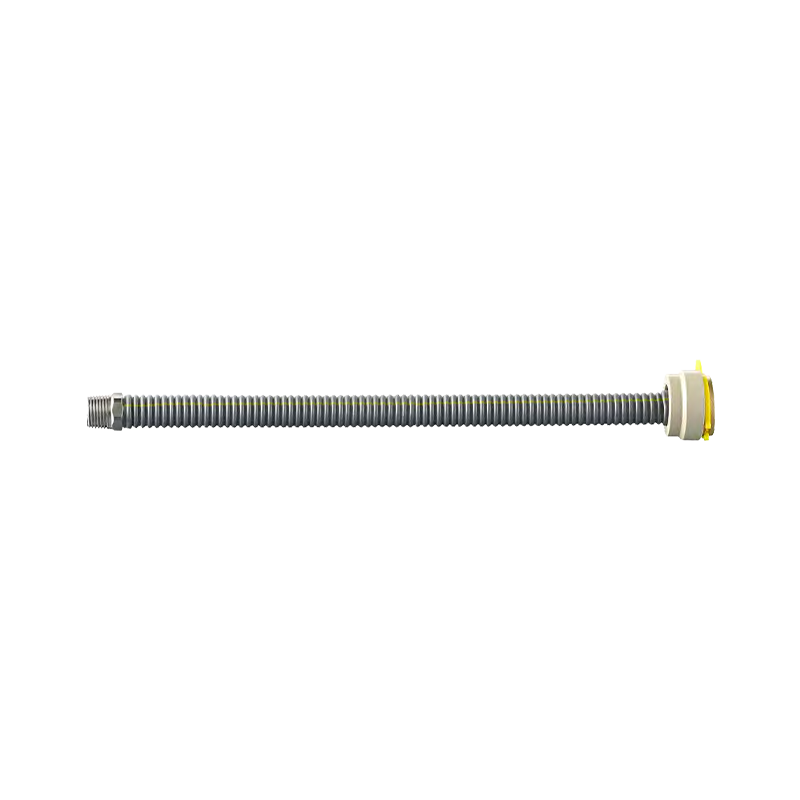
A corrugated gas connector consists of a single corrugated stainless steel tube — flexible but exposed. A metal wrapped gas hose adds an outer layer of interlocked or braided stainless steel wire over the corrugated inner tube, providing mechanical protection against crushing, abrasion, and sharp-edge contact. The metal wrapped version offers greater durability in high-movement or high-traffic environments and is the preferred specification for commercial kitchen installations.
Q4: How do I know if my gas hose is leaking?
The most reliable low-cost test is the soap-bubble method: with the gas supply on and the appliance off, apply a soap-and-water solution to all fittings and along the hose body. Bubbles forming at any point indicate a leak. A calibrated gas detector provides a more sensitive check, particularly for slow leaks in enclosed spaces. A persistent sulfur or rotten-egg odor near the appliance is also a strong indicator — ventilate the area and inspect the connector immediately as a gas leak prevention measure.
Q5: Is a CSA certified gas connector required by code?
In most North American jurisdictions, local plumbing and gas codes require that flexible gas connectors meet the requirements of ANSI Z21.24 / CSA 6.10 or an equivalent listed standard. A CSA certified gas connector bearing the certification mark satisfies this requirement. Using an uncertified connector can void appliance warranties, create insurance complications, and result in failed inspections. For installations outside North America, verify the applicable regional standard — CE marking applies across most of the EU, and GB/T standards apply to domestic Chinese installations.
Q6: Can I extend a gas connector hose if it is too short?
No. Gas codes universally prohibit connecting two flexible connectors in series to achieve a longer run. If the existing connector is too short, the correct approach is to replace it with a single unit of the appropriate length. A natural gas flexible hose or propane connector hose should reach comfortably between the supply valve and appliance inlet without stretching, kinking, or requiring any joining hardware. Most manufacturers offer connectors in standard lengths from 12 to 60 inches to accommodate a wide range of installation distances.