 English
 中文简体
中文简体 Español
 عربى
عربى

Content
- 1 How to Choose the Right Stainless Steel Corrugated Tube for Gas Appliances
- 2 Why Corrugated Stainless Steel Construction Matters for Gas Connections
- 3 Flexibility Compared Across Common Gas Connection Materials
- 4 Core Factors to Evaluate Before Selecting a Gas Appliance Connector
- 5 Corrosion Resistance Across Common Tube Materials
- 6 Matching Connector Type to Appliance and Installation Setting
- 7 Usage Distribution Across Appliance Types
- 8 Manufacturing Steps Behind a Reliable Corrugated Gas Connector
- 9 Comparing a Quality-Focused Manufacturer Against a Basic Production Approach
- 10 A Practical Checklist Before Placing an Order
- 11 Manufacturing Background Worth Knowing
- 12 Frequently Asked Questions About Stainless Steel Gas Connectors
- 12.1 Q1: Are stainless steel gas connectors safe
- 12.2 Q2: How long do gas connectors last
- 12.3 Q3: Can stainless steel gas hoses leak
- 12.4 Q4: Are flexible gas connectors reliable
- 12.5 Q5: How do you install a gas appliance connector
- 12.6 Q6: Can gas connectors be bent
- 12.7 Q7: Can a gas connector touch a wall
- 12.8 Q8: How much bending is allowed
- 13 Final Thoughts on Selecting the Right Connector
How to Choose the Right Stainless Steel Corrugated Tube for Gas Appliances
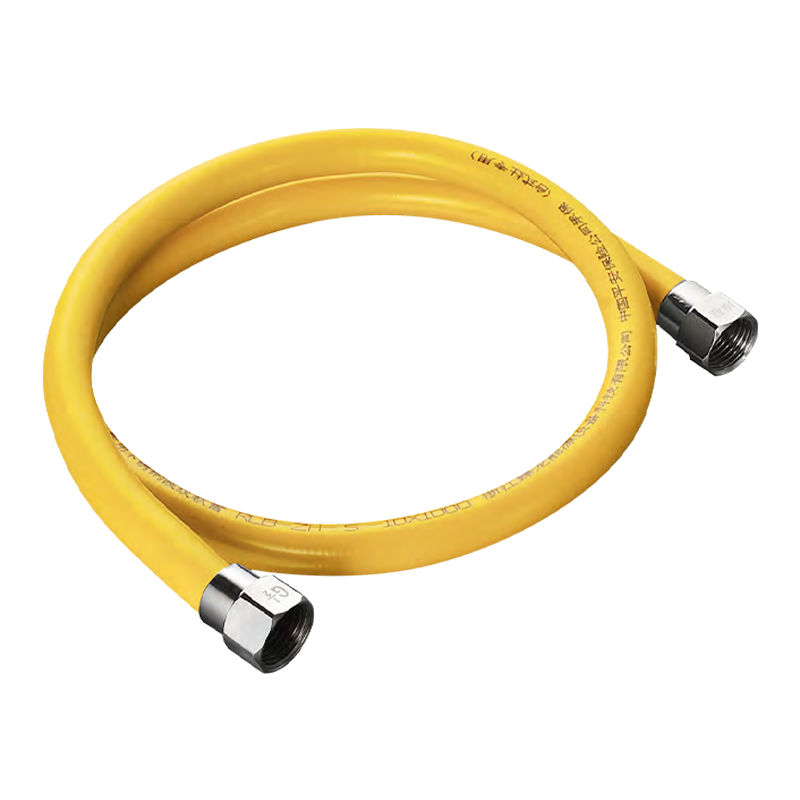
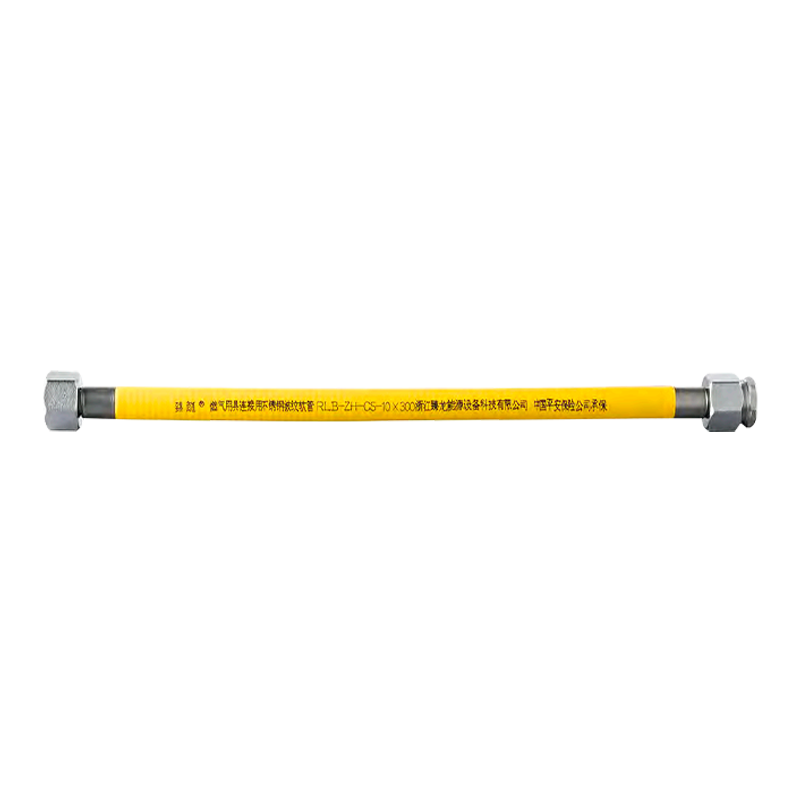
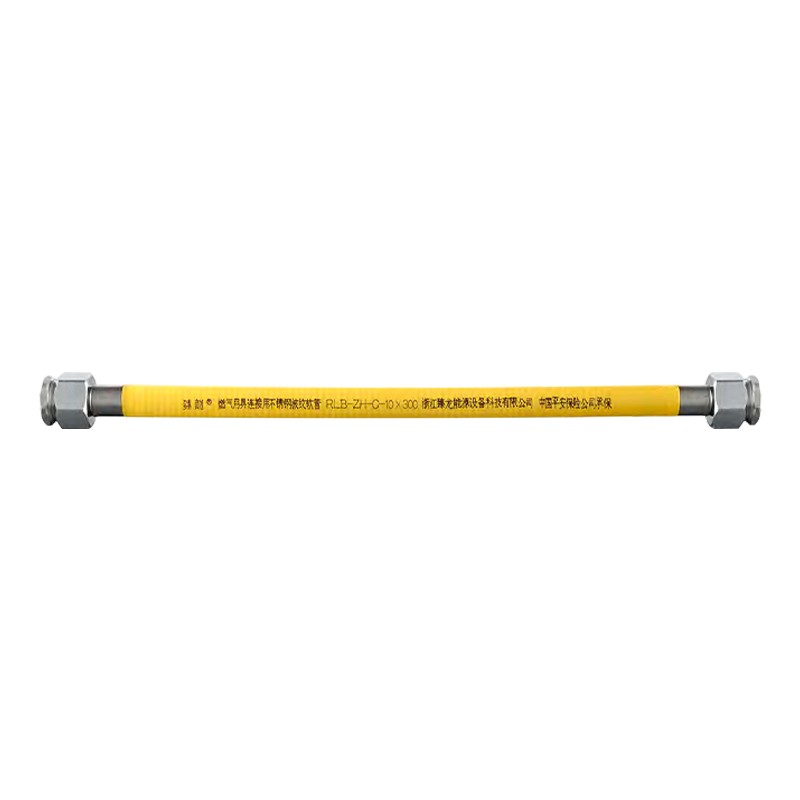
The direct answer is this: the right choice is a stainless steel gas connector made from 304 or 304L grade stainless steel, fitted with a flame-retardant and ultraviolet-resistant PVC outer layer, and matched precisely to the appliance connection type, whether that is a gas cooker, a gas water heater, or a gas meter. If a connector meets these three conditions and comes from a supplier with consistent welding and forming quality, it will generally provide a long, safe, and stable service life. The sections below expand on why each of these factors matters and how to evaluate them in practice.
A flexible gas connector is not a simple accessory. It is the component that physically bridges a fixed gas pipe and a movable or replaceable appliance, and it must withstand vibration, minor movement, temperature changes, and years of continuous gas exposure without developing a leak. Choosing the correct gas appliance connector is therefore a decision that affects household and commercial safety over the full service life of the appliance.
Why Corrugated Stainless Steel Construction Matters for Gas Connections
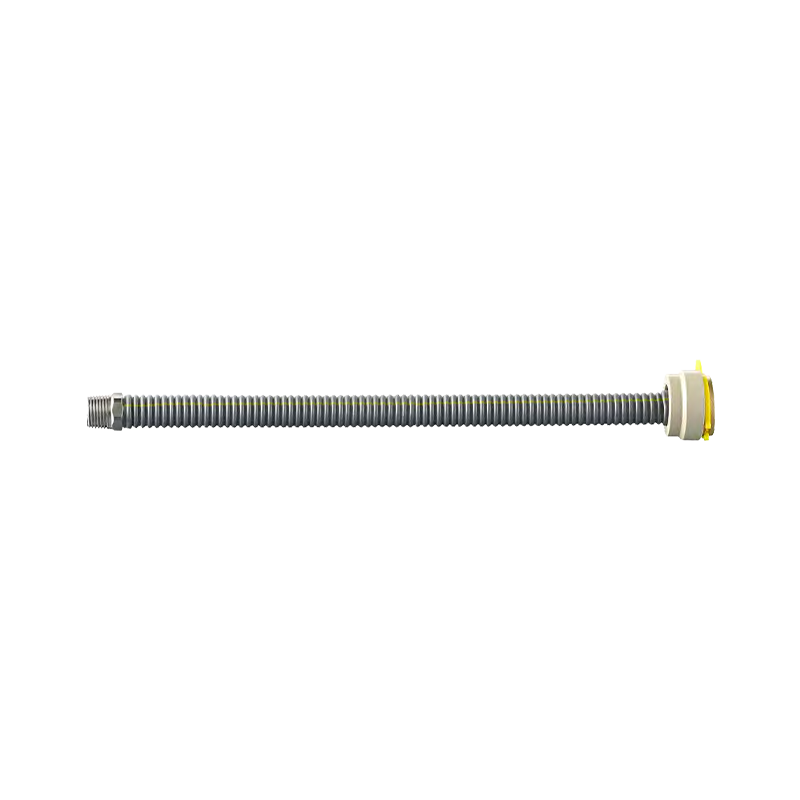
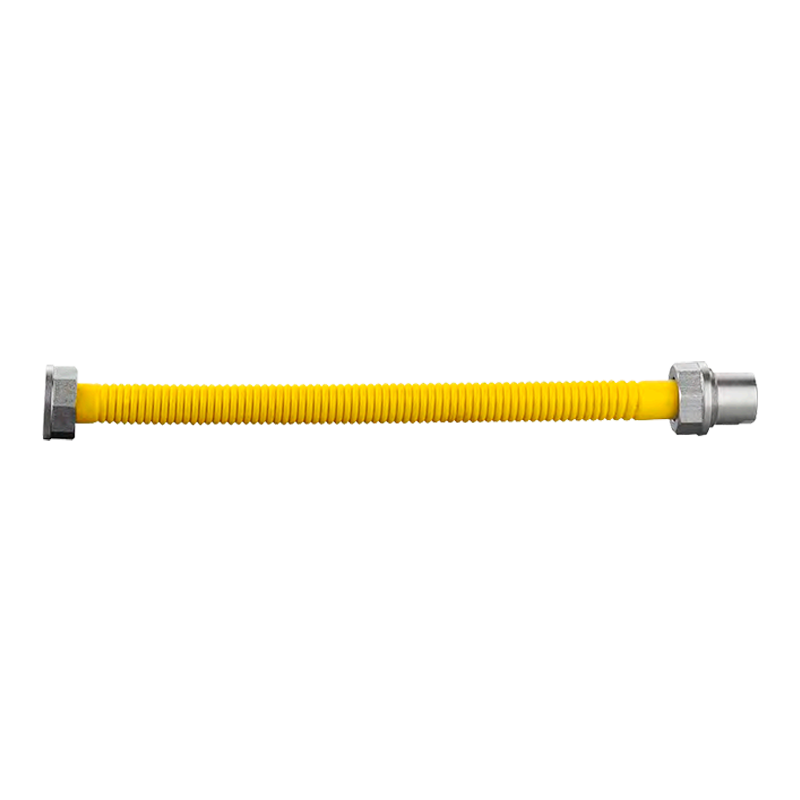
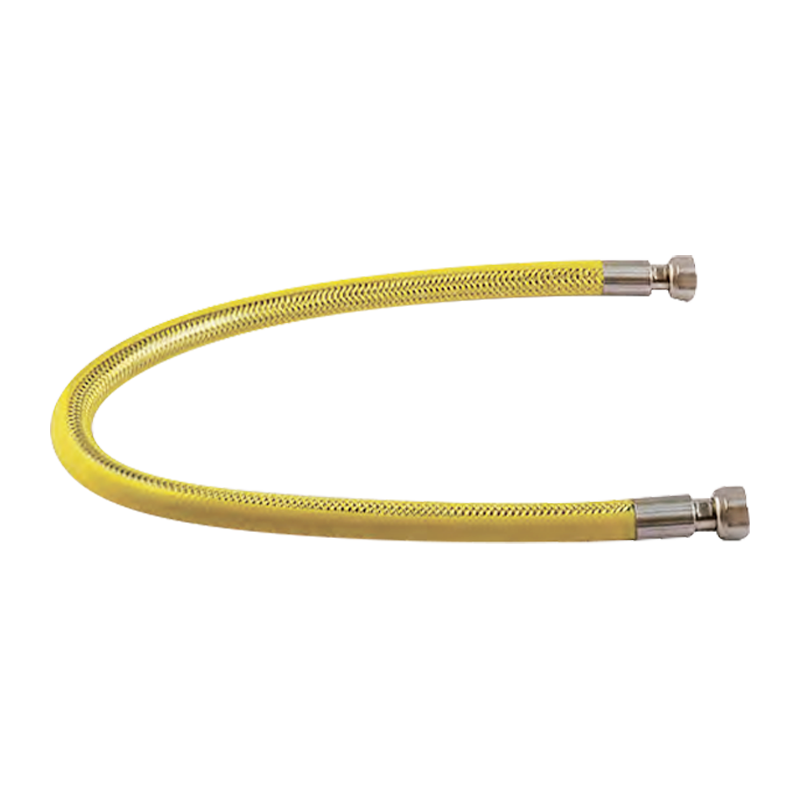
A corrugated stainless steel tube is built with a wave-like ring or spiral pattern along its body. This is not a decorative feature. The corrugation gives the tube controlled flexibility while still maintaining a continuous, uninterrupted metal wall between the gas source and the appliance.
What Makes Corrugated Tubing Different From Rigid Pipe
Rigid gas pipe cannot absorb small amounts of appliance movement, vibration from a water heater burner, or minor building settlement. A properly designed stainless steel corrugated tube for gas appliances flexes slightly to absorb this movement while the stainless steel wall itself remains intact, avoiding the stress concentration points that would eventually crack a rigid connection.
- The corrugated pattern distributes bending stress evenly along the tube length.
- 304 and 304L stainless steel resist corrosion from ambient moisture and minor condensation.
- An outer flame-retardant PVC layer protects the metal core from surface abrasion and UV exposure.
- Multiple joint options allow the same tube design to fit different appliance connection standards.
Flexibility Compared Across Common Gas Connection Materials
Flexibility is one of the most important practical differences between rigid pipe, basic flexible hose, and a purpose-built corrugated stainless steel connector. The chart below illustrates a general comparison of relative flexibility for typical connection materials used in gas appliance installation.
Core Factors to Evaluate Before Selecting a Gas Appliance Connector
Buyers comparing a stainless steel gas connector manufacturer should look past the surface appearance of the product and examine the underlying material and construction details. The table below summarizes the factors that most directly affect long-term performance.
| Evaluation Factor | Why It Matters | What to Ask For |
|---|---|---|
| Stainless Steel Grade | 304 or 304L grade affects corrosion resistance and aging behavior | Material specification sheet |
| Corrugation Pattern | Annular or spiral pattern affects flexibility and bend life | Sample tube for bend testing |
| Outer Protective Layer | Flame-retardant, UV-resistant PVC protects the metal core | Outer layer material description |
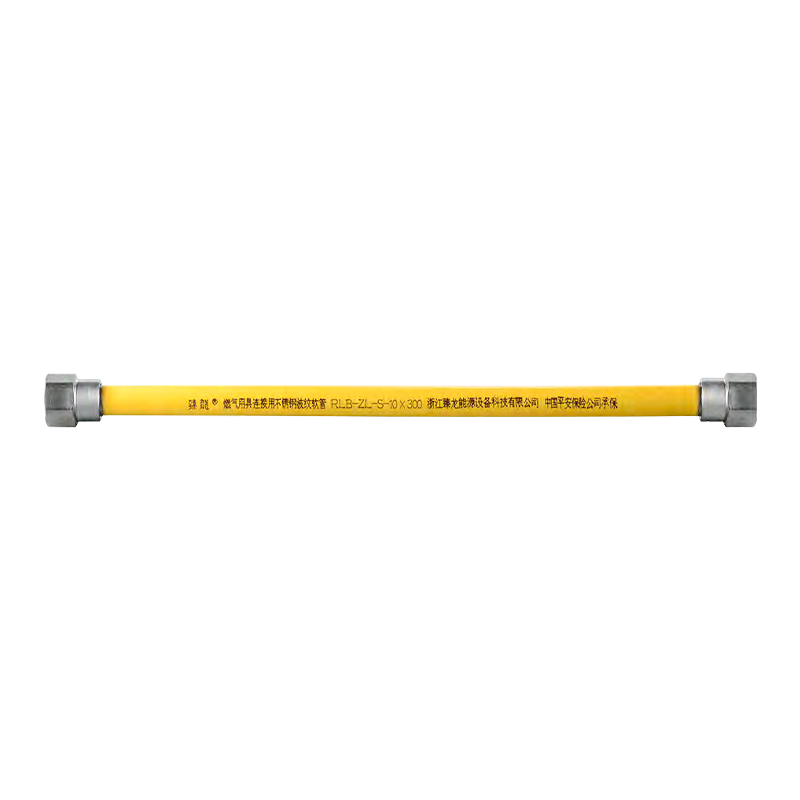
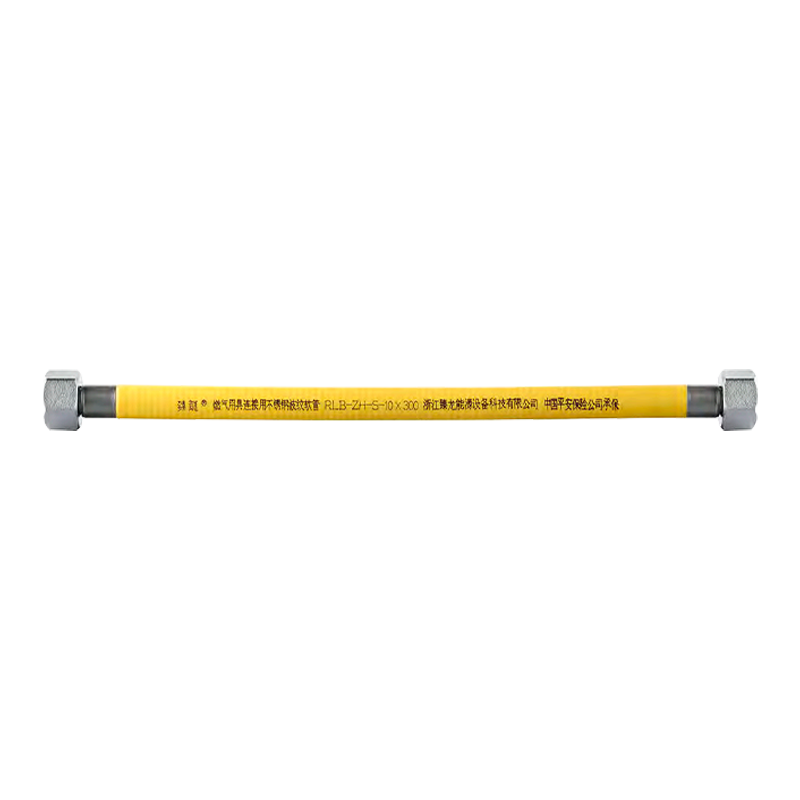
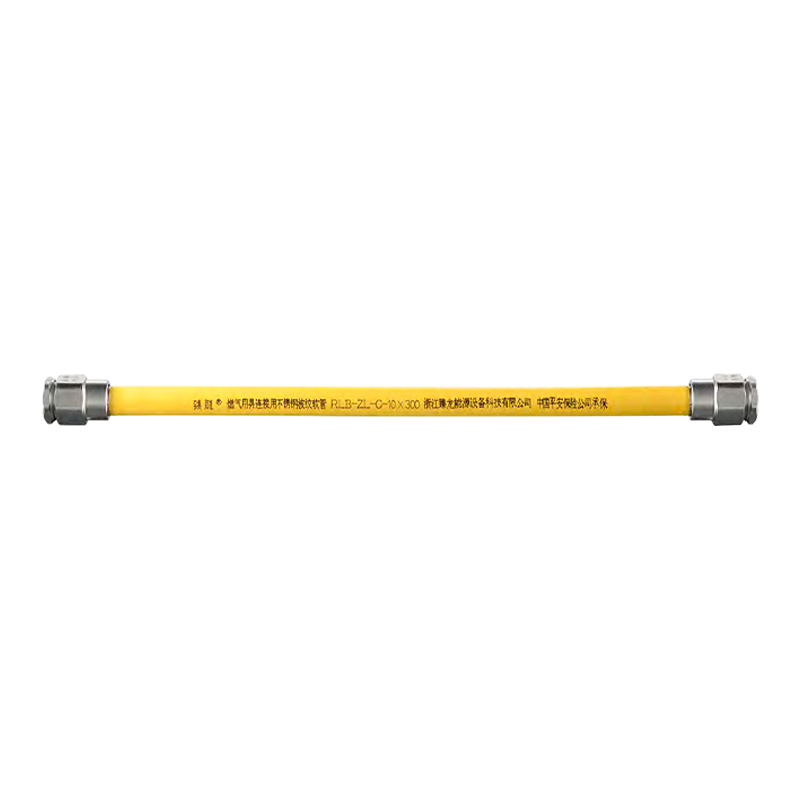
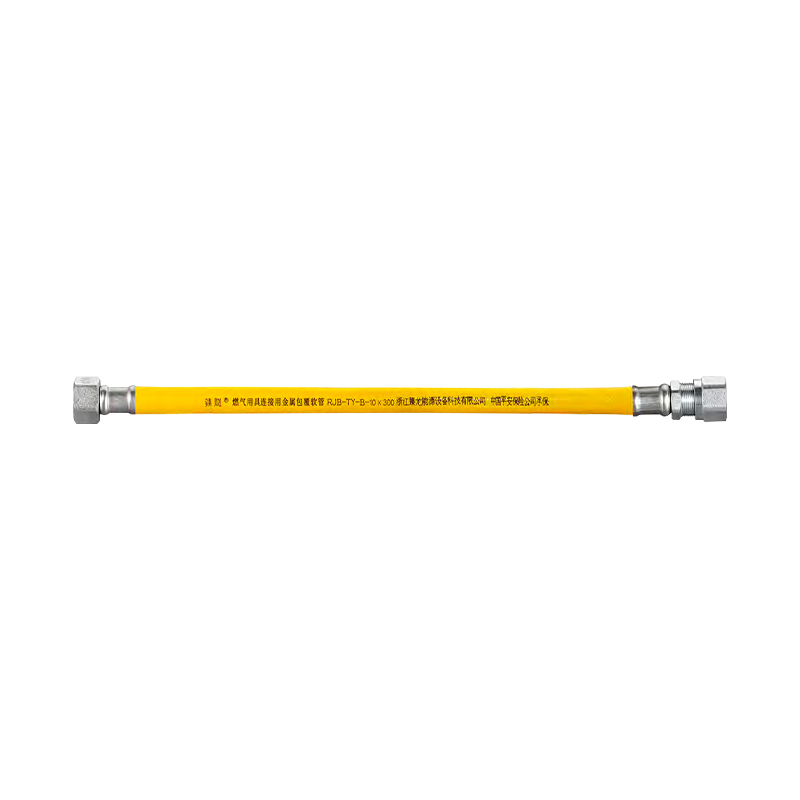
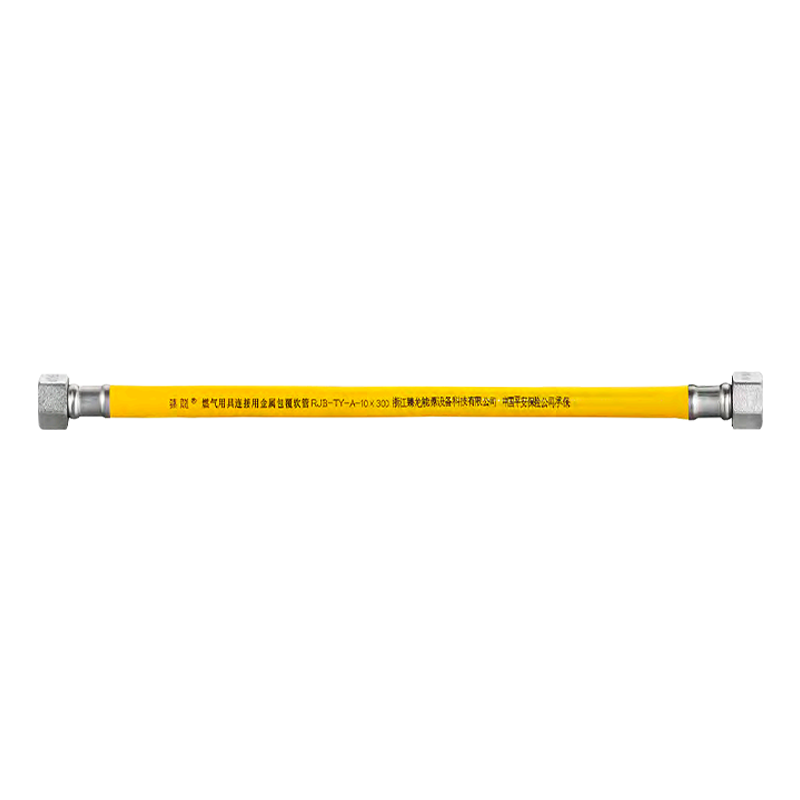
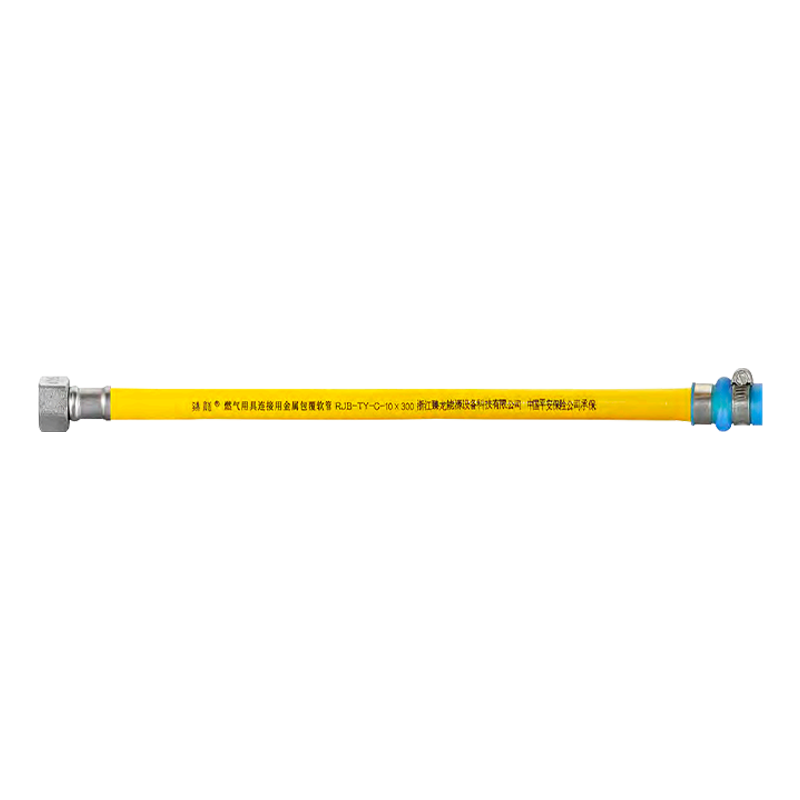
| Joint and Fitting Options | Determines compatibility with different appliances | Range of available connector end types |
| Production Consistency | Uniform welding and forming reduces the risk of weak points | Batch inspection and testing records |
Corrosion Resistance Across Common Tube Materials
Long-term corrosion resistance is one of the clearest differentiators between grades of stainless steel used in gas connector manufacturing. The horizontal comparison below illustrates a general pattern of relative corrosion resistance across common material choices.
Relative long-term corrosion resistance, illustrative comparison based on material characteristics.
Matching Connector Type to Appliance and Installation Setting
A gas appliance connector needs to be matched not only to the appliance itself but also to the installation environment and how frequently the appliance may be moved or serviced.
Residential Kitchens and Gas Cookers
These installations generally favor compact, easily routed connectors that can accommodate the small amount of movement that occurs when a cooker is pulled out slightly for cleaning or maintenance.
Gas Water Heaters
Water heater connections often experience continuous minor vibration from the burner and expansion and contraction from heat cycles, which places a higher demand on corrugation flexibility and long-term weld integrity.
Commercial and Wholesale Installations
For buyers sourcing a commercial gas appliance connector supplier or ordering bulk flexible gas connectors for multiple installation sites, consistency across every unit in a shipment becomes a central concern, since even a small variance in wall thickness or joint fit can create uneven installation quality across a large project.
Usage Distribution Across Appliance Types
Corrugated stainless steel connectors are used across a range of gas appliance types, though usage patterns vary by installation setting. The column chart below illustrates a general distribution across common appliance categories.
Illustrative usage distribution, not tied to a single dataset.
Manufacturing Steps Behind a Reliable Corrugated Gas Connector
Producing a dependable stainless steel corrugated tube for gas appliances involves a controlled sequence of steps rather than simple tube cutting. A capable manufacturer typically follows this general process:
- Selection of 304 or 304L stainless steel strip or tube stock with verified chemical composition.
- Forming of the annular or spiral corrugation pattern using dedicated welding and forming production lines.
- Continuous or spot welding along the seam to maintain a gas-tight metal structure.
- Extrusion of the flame-retardant, ultraviolet-resistant PVC outer layer over the finished metal tube.
- Attachment of end fittings matched to the intended appliance connection type, followed by flow and tightness testing.
Skipping or rushing any of these steps tends to surface later as an uneven corrugation pattern, a weak weld seam, or a PVC layer that degrades faster than expected under sunlight or heat exposure.
Comparing a Quality-Focused Manufacturer Against a Basic Production Approach
Buyers frequently compare quotations without weighing the underlying process differences between manufacturers. The radar comparison below illustrates typical differences between a manufacturer with dedicated forming and testing equipment and one using a more basic production setup.
Blue: process-controlled manufacturer. Yellow: basic production approach. Illustrative scoring, not measured lab data.
A supplier that scores well across material quality, weld precision, bend life, customization, and consistency is far more likely to deliver a dependable OEM gas appliance connector manufacturer partnership over time compared with one relying on minimal process control.
A Practical Checklist Before Placing an Order
Before finalizing an order for a custom stainless steel gas connector or switching to a new stainless steel gas hose factory partner, buyers benefit from working through a short verification checklist.
- Confirm the stainless steel grade used for the tube body, whether 304 or 304L.
- Ask about the specific corrugation pattern and how it affects bend radius and flexibility.
- Review the outer PVC layer specification for flame-retardant and UV-resistant properties.
- Confirm the range of joint and fitting types available to match your appliance connections.
- Ask whether flow and tightness testing is performed on production batches.
- Clarify support for both smaller custom orders and larger wholesale volumes.
Working through this list before committing to a supplier helps avoid inconsistent installation quality across multiple units and reduces the chance of premature connector replacement.
Manufacturing Background Worth Knowing
Zhejiang Zhenlong Energy Equipment Technology Co., Ltd. is engaged in the research, development, manufacturing, and processing of energy equipment, combining industry and trade across metal hoses, natural gas pipelines, plumbing fittings, sanitary ware, valves, plastic products, and hardware. The company is located in Yuyao, Ningbo, Zhejiang, covering an area of 40 acres with a factory building of 30000 square meters.
Production capability includes 30 welding and forming production lines along with two uninterrupted solid melting hydrogen furnace production lines, supported by testing equipment such as a metal material analysis direct reading spectrometer and a flow tightness tester. This level of equipment investment supports consistent quality across both standard and custom connector orders, from small development batches to larger wholesale production runs.
Frequently Asked Questions About Stainless Steel Gas Connectors
Q1: Are stainless steel gas connectors safe
When manufactured from 304 or 304L stainless steel with a properly welded seam and correctly matched fittings, these connectors are designed specifically for safe, long-term gas appliance connection use.
Q2: How long do gas connectors last
Service life depends on installation conditions and appliance usage patterns, but a properly installed stainless steel corrugated connector is generally built for many years of continuous service under normal household or commercial conditions.
Q3: Can stainless steel gas hoses leak
Leaks are uncommon when the connector is installed correctly and undamaged, though physical damage, incorrect fitting selection, or an improperly tightened connection point can lead to leaks over time.
Q4: Are flexible gas connectors reliable
Yes, when built with proper corrugation design and quality stainless steel, flexible connectors reliably absorb minor appliance movement while maintaining a continuous, gas-tight metal barrier.
Q5: How do you install a gas appliance connector
Installation generally involves connecting the appropriate end fitting to the fixed gas supply line and the corresponding appliance inlet, ensuring the connector is not twisted or kinked during the process.
Q6: Can gas connectors be bent
Yes, the corrugated design allows controlled bending to route the connector around obstacles, though bends should remain gentle rather than sharp to avoid stressing the metal structure.
Q7: Can a gas connector touch a wall
Light contact with a wall surface is generally acceptable as long as the connector is not pinched, crushed, or forced into a sharp angle at the contact point.
Q8: How much bending is allowed
Bend allowance varies by product design, so it is best to follow the minimum bend radius noted for the specific connector model rather than applying a single fixed rule across all products.
Final Thoughts on Selecting the Right Connector
Choosing the right stainless steel gas connector comes down to matching material grade, corrugation design, and fitting type to the specific appliance and installation environment. A supplier who can clearly explain steel grade selection, corrugation forming methods, and outer layer protection is positioned to serve as a dependable long-term partner rather than a one-time vendor. Whether the application involves a single residential kitchen or a large wholesale order for commercial installations, the evaluation approach stays consistent: verify the material and the process, not just the finished appearance of the product.