 English
 中文简体
中文简体 Español
 عربى
عربى

Content
- 1 Stainless Steel Is the Safer Choice for Gas Appliance Connections
- 2 Key Applications: Stoves, Water Heaters, and Ovens
- 3 Safety Advantages of Stainless Steel Construction
- 4 Stainless Steel vs Rubber Gas Hose: Direct Comparison
- 5 Installation Guide for Stainless Steel Gas Connectors
- 6 Certification and Standards: UL, CSA, and ANSI
- 7 Frequently Asked Questions
- 8 Partner With an Experienced Gas Connector Manufacturer
Stainless Steel Is the Safer Choice for Gas Appliance Connections
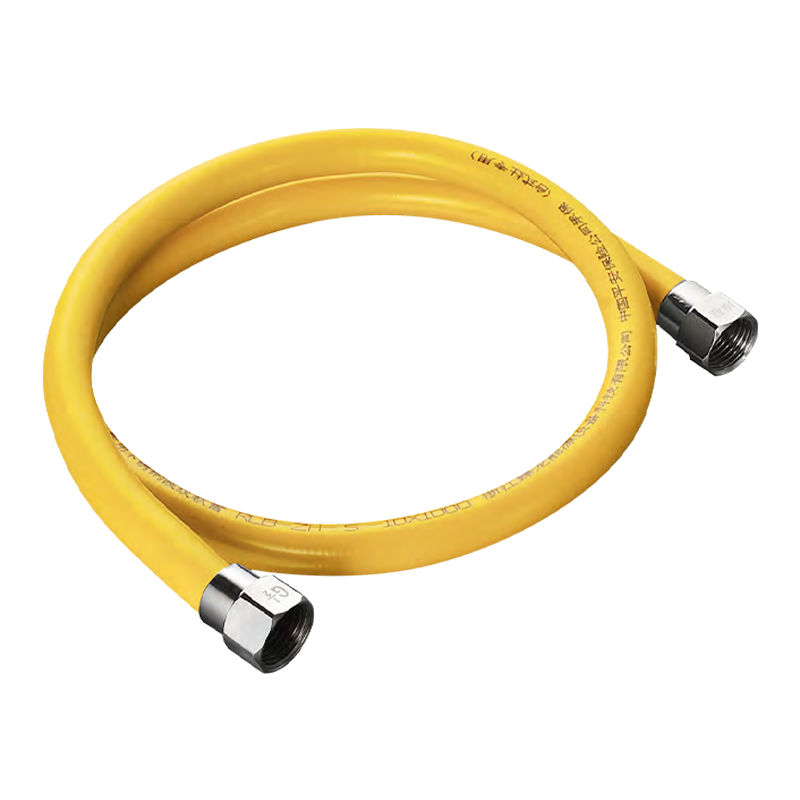
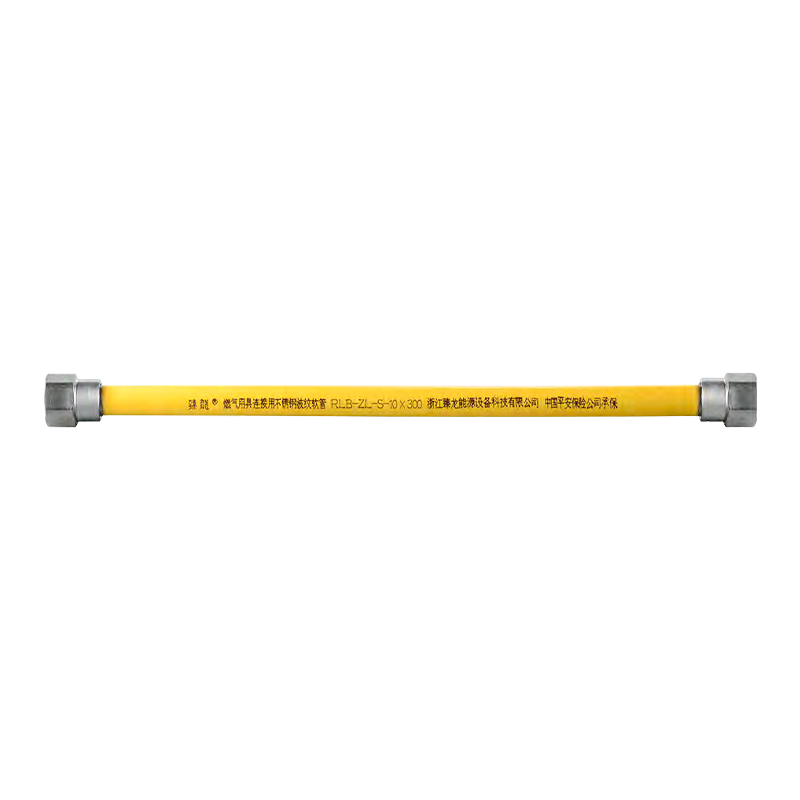
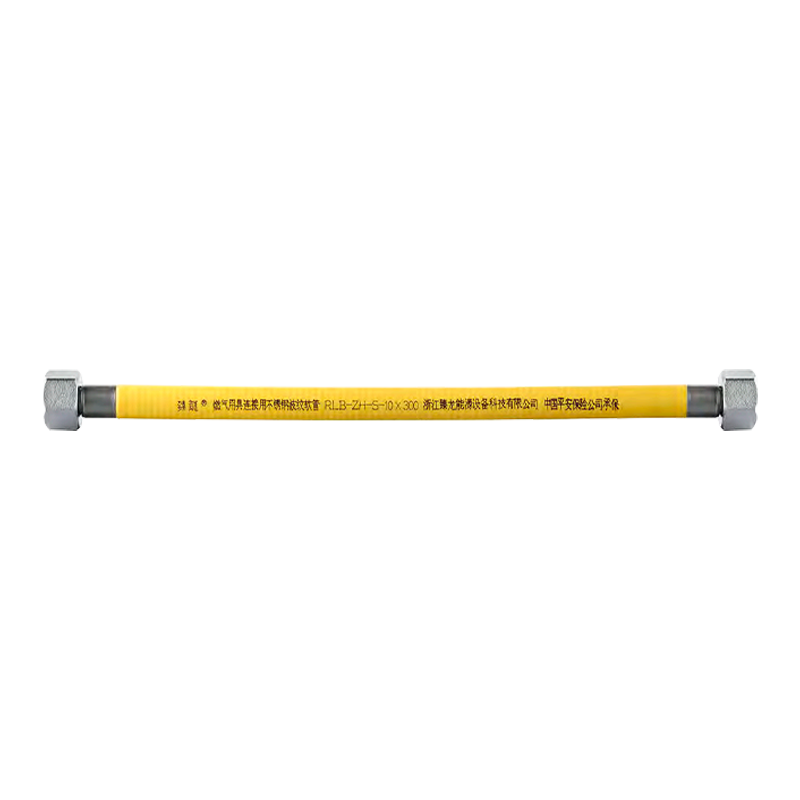
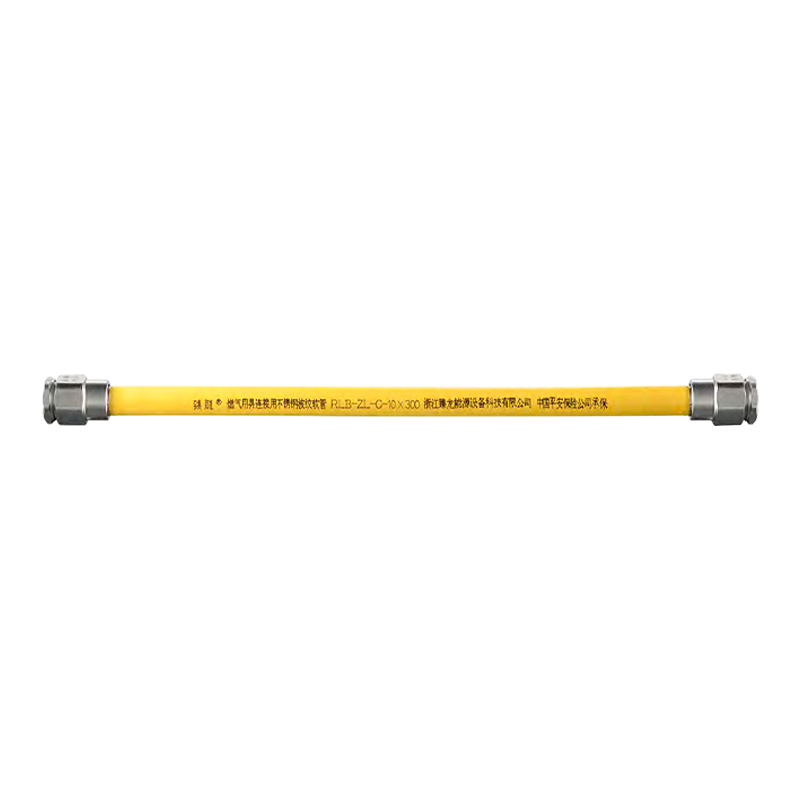
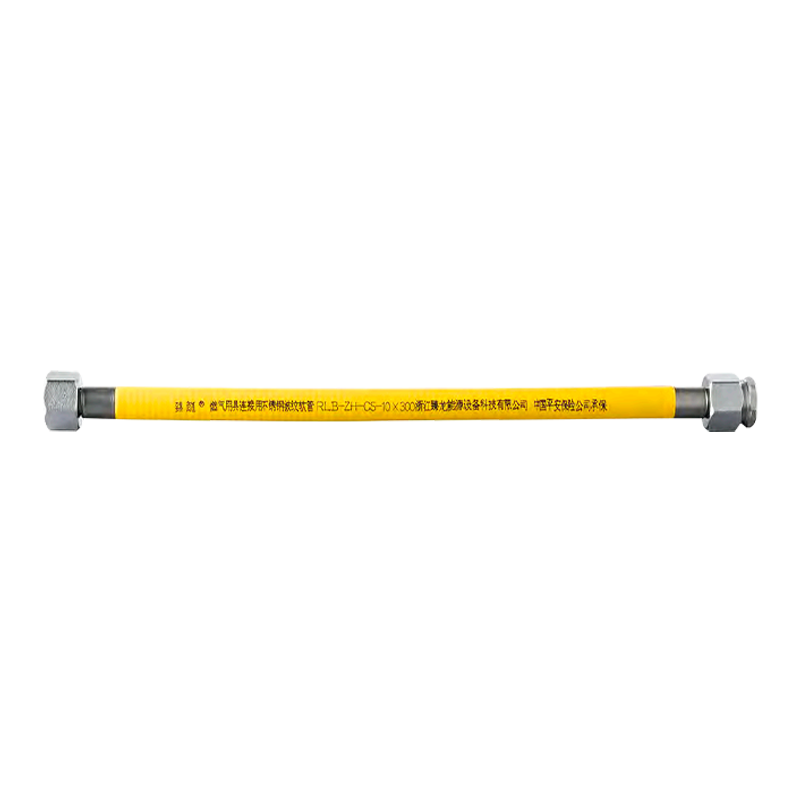
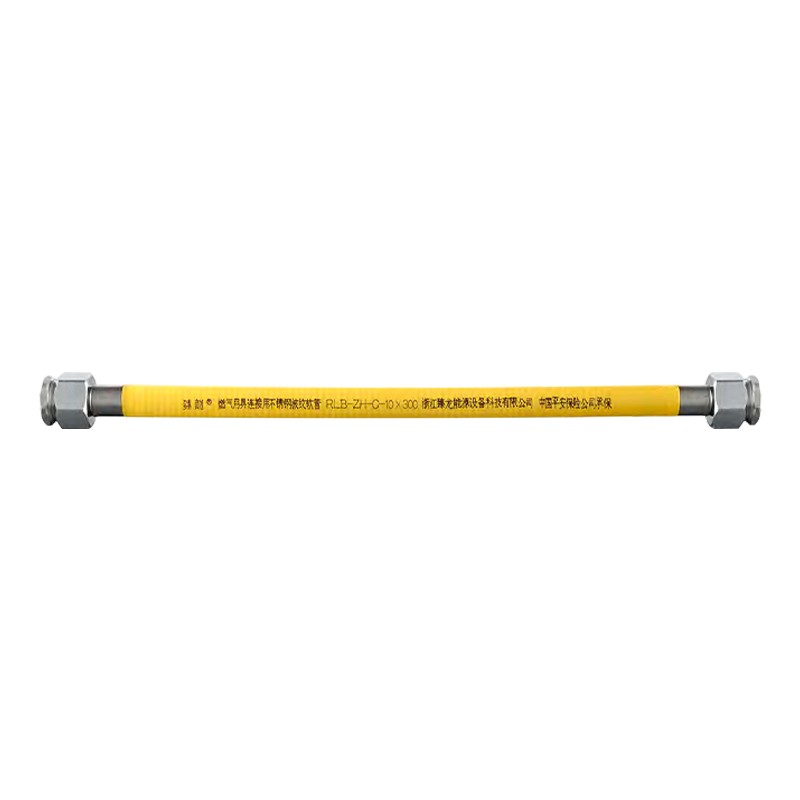
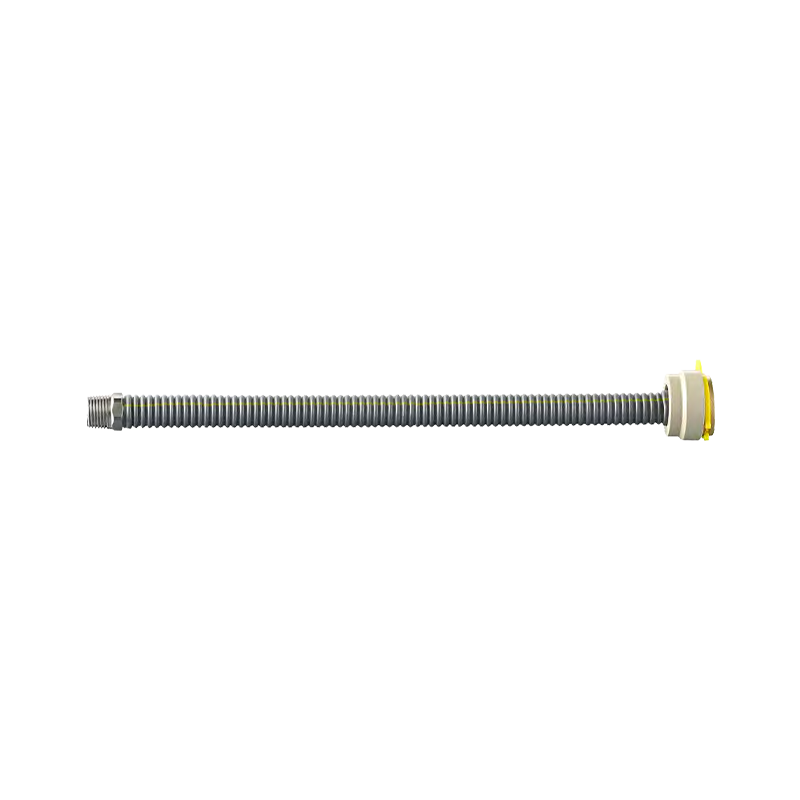
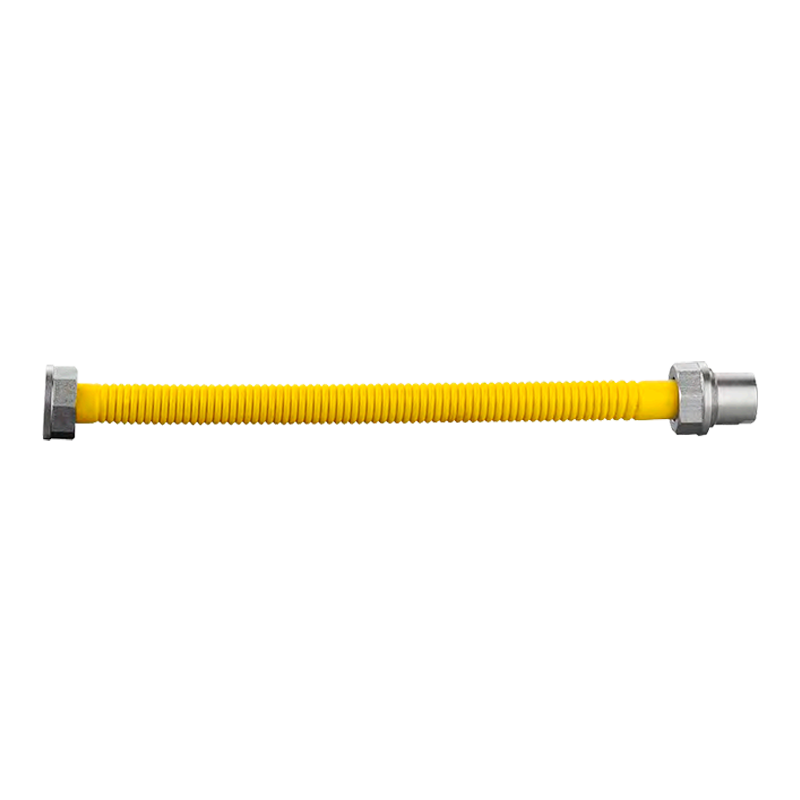
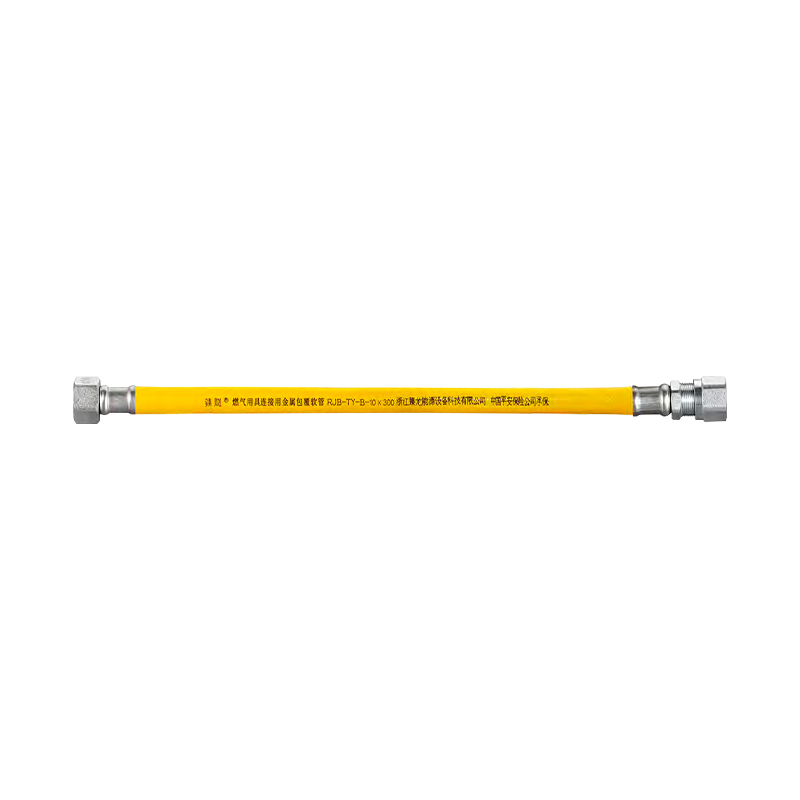
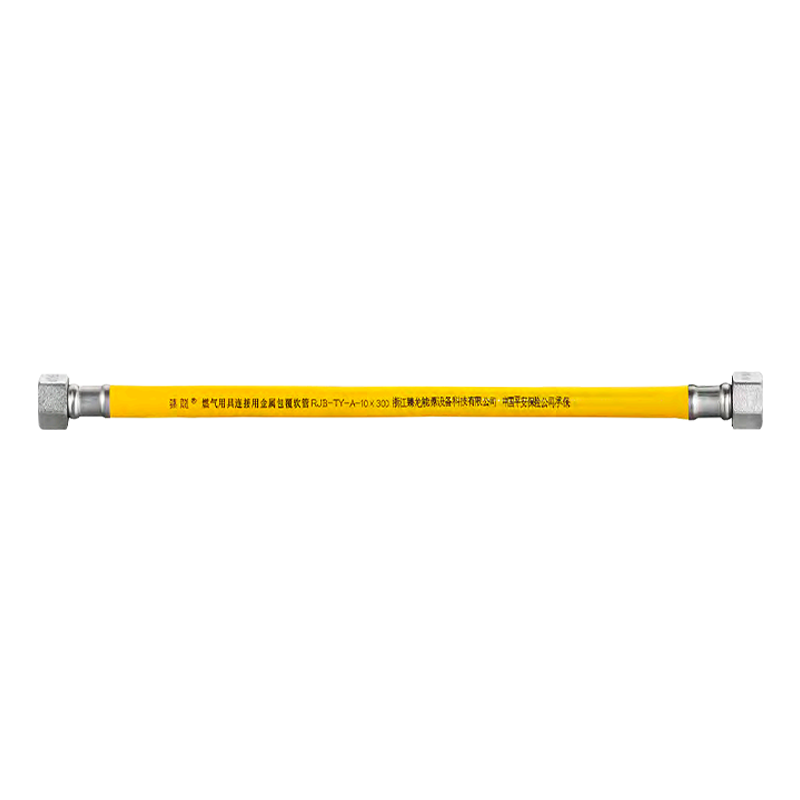
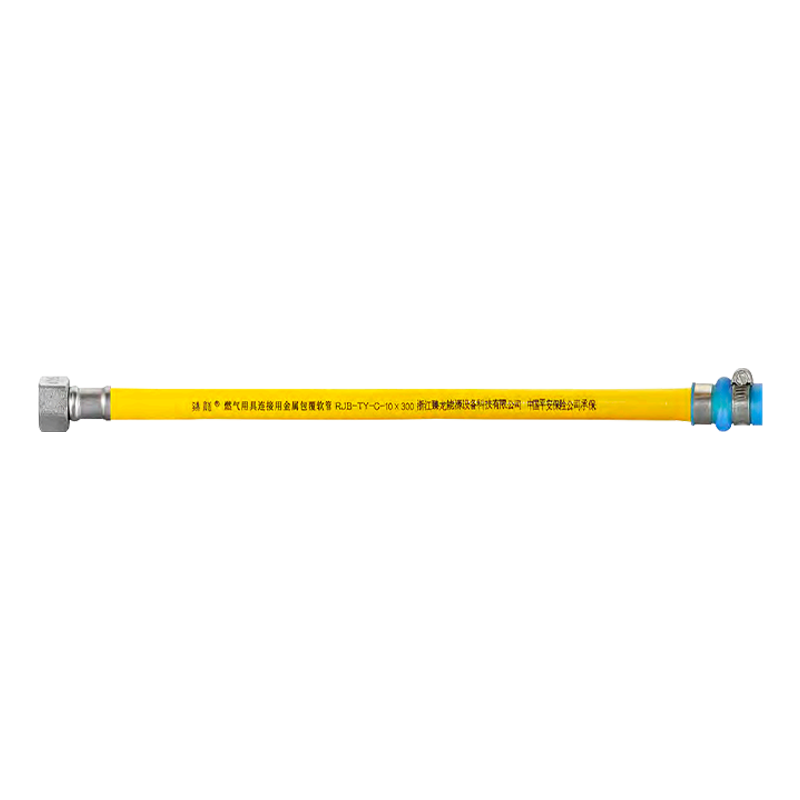
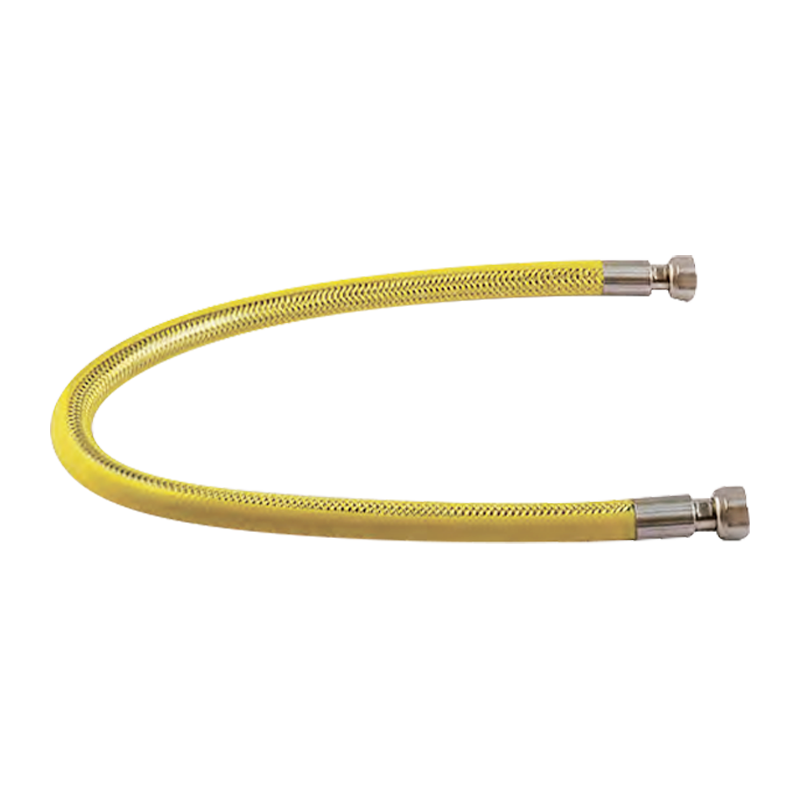
The direct answer is that a stainless steel gas connector is generally safer than a rubber gas hose because it resists cracking, aging, rodent damage, and heat exposure far better over its service life. A stainless steel corrugated gas connector is a flexible metal hose made from annular or spiral corrugated stainless steel tubing, typically 304 or 304L grade, paired with a flame-retardant, ultraviolet-resistant PVC outer coating and fitted with connection joints suited to different gas appliances.
Unlike rigid black iron pipe, this type of flexible gas line for gas appliances allows appliances such as stoves, water heaters, and ovens to be moved slightly for cleaning or servicing without disconnecting the gas supply entirely. The corrugated structure gives the hose flexibility while the stainless steel body maintains structural integrity under pressure, making it a standard component in both residential and light commercial gas installations.
Key Applications: Stoves, Water Heaters, and Ovens
Stainless steel corrugated gas hoses are used wherever a gas appliance needs a flexible, reliable connection point between a fixed gas line and the appliance itself. The most common applications include:
- Gas stoves and cooktops, where a stainless steel corrugated gas hose for stove use allows the unit to be pulled out for cleaning.
- Gas water heaters, commonly connected using a flexible gas connector for water heater installations in both tank and tankless units.
- Built-in gas ovens, where limited clearance space makes rigid piping impractical.
- Gas meters and regulator connections requiring a short, adjustable link between fixed piping sections.
- Commercial kitchen equipment that requires periodic repositioning for cleaning and maintenance.
This horizontal bar chart illustrates the typical distribution of stainless steel corrugated hose use across residential and light commercial gas installations. Gas stoves and water heaters together account for more than half of all installations, which reflects how frequently these two appliance types require repositioning for cleaning, servicing, or replacement. Built-in ovens follow closely because their enclosed cabinetry space makes flexible connection almost a practical necessity rather than a convenience. Commercial kitchen and gas meter applications make up a smaller but steady share, largely tied to equipment layouts that change periodically as kitchens are reconfigured.
Safety Advantages of Stainless Steel Construction
The core safety advantage of a stainless steel gas appliance connector comes down to material resistance. 304 and 304L stainless steel resist corrosion, oxidation, and material fatigue significantly better than rubber compounds, which naturally degrade from heat, ozone exposure, and ultraviolet light over time. This resistance directly reduces the risk of gas leaks caused by material breakdown.
| Property | Safety Benefit |
|---|---|
| Corrosion Resistance | Reduces risk of pinhole leaks from internal oxidation |
| Heat Tolerance | Maintains integrity near stoves and ovens without softening |
| UV and Ozone Resistance | Outer coating resists cracking from light and ambient ozone exposure |
| Rodent Resistance | Metal core is far harder for pests to puncture than rubber |
| Flexibility Under Load | Corrugated structure absorbs movement without stressing joints |
An anti corrosion stainless steel gas line pipe is particularly valuable in kitchen environments where humidity, heat, and cleaning chemicals are present daily. Because the corrugated design distributes mechanical stress evenly along the hose length, connectors are also less prone to developing weak points at bend locations compared to a rubber hose bent repeatedly in the same spot.
Stainless Steel vs Rubber Gas Hose: Direct Comparison
When comparing stainless steel vs rubber gas hose which is better, the short answer is that stainless steel outperforms rubber in nearly every safety-relevant category, with rubber only holding a slight edge in initial flexibility for very tight bend radii.
The radar chart above compares stainless steel connectors against rubber gas hoses across five practical categories based on common material performance characteristics. Stainless steel scores substantially higher in heat resistance, service life, corrosion resistance, and pest resistance, which together represent the most safety-critical performance factors for a gas connection. Rubber hoses hold a modest advantage only in bend flexibility for extremely tight installation spaces, though this comes at the cost of long-term durability. This comparison is one reason building codes in many regions increasingly favor or require UL approved gas appliance connector hose products over rubber alternatives for permanent appliance connections.
Typical Service Life Comparison
This bar chart compares general expected service life ranges across hose types based on common manufacturer guidance and industry replacement recommendations. Rubber hoses typically require replacement within five to eight years due to material aging, while stainless steel connectors under standard household use commonly remain serviceable for ten to fifteen years or longer. Actual lifespan always depends on installation quality, appliance movement frequency, and environmental exposure, so periodic visual inspection remains important regardless of hose material.
Installation Guide for Stainless Steel Gas Connectors
Proper installation is essential for safe, long-lasting performance. While a licensed technician should always handle final gas connections, understanding the general process helps homeowners communicate clearly with installers and recognize correct workmanship.
- Turn off the gas supply valve completely before beginning any connection work.
- Select a connector length and fitting type matched to the specific appliance and gas line thread size.
- Apply appropriate thread sealant compatible with gas line applications to fitting threads.
- Hand-tighten fittings first, then use a wrench to achieve final tightness without overtightening.
- Avoid kinking or sharply bending the corrugated hose beyond its rated bend radius.
- Apply a soap-and-water solution to all joints and check for bubbling, which indicates a leak.
- Turn the gas supply back on gradually and recheck all connection points before normal appliance use.
A gas connector should never be reused once disconnected from an appliance. Repeated bending and refitting can weaken the corrugated structure at stress points, so a new connector is recommended any time an appliance is removed and reinstalled.
Certification and Standards: UL, CSA, and ANSI
Certification is one of the clearest indicators of connector quality and safety compliance. In North America, gas appliance connectors are commonly evaluated against UL standards for safety performance, CSA standards for Canadian compliance, and ANSI standards that define testing methods for gas appliance accessories. In Europe, CE certification confirms conformity with applicable safety directives.
- UL certification verifies performance under standardized safety and durability testing.
- CSA certification confirms compliance with Canadian gas appliance safety requirements.
- ANSI standards establish testing protocols manufacturers use during product development.
- CE certification indicates conformity with European Union safety directives.
- ISO 9000 quality management certification reflects consistent manufacturing process control.
Buyers seeking a UL approved gas appliance connector hose should always request documentation directly from the manufacturer rather than relying solely on product listing claims. A manufacturer holding a Special Equipment Manufacturing License for pressure piping, along with recognized quality certifications, generally demonstrates a more established and accountable production process.
Frequently Asked Questions
Q1: Are stainless steel gas connectors safe?
Yes, when properly installed and certified, they offer strong resistance to corrosion, heat, and physical damage compared to rubber alternatives.
Q2: How long do gas flexible hoses last?
Stainless steel connectors typically last ten to fifteen years or more under normal household use, compared to five to eight years for rubber hoses.
Q3: How do you install a stainless steel gas line?
Shut off gas supply, connect fittings with proper sealant, hand-tighten then wrench-tighten, and always leak-test with a soap solution.
Q4: Can I reuse a gas connector?
No, a connector should be replaced with a new one any time it is disconnected from an appliance to avoid weakened stress points.
Q5: Stainless steel vs rubber gas hose, which is better?
Stainless steel generally outperforms rubber in heat resistance, corrosion resistance, pest resistance, and overall service life.
Q6: What size gas connector do I need?
Size depends on the appliance's gas input rating and connection thread size, so matching manufacturer specifications is essential before purchase.
Partner With an Experienced Gas Connector Manufacturer
Zhejiang Zhenlong Energy Equipment Technology Co., Ltd. specializes in the research, development, and manufacturing of stainless steel corrugated hoses for gas appliance connections, along with related natural gas pipeline components, plumbing fittings, and valves. Located in Yuyao, Ningbo, Zhejiang, the company operates a 40-acre facility with a 30,000 square meter factory building, supported by 30 welding and forming production lines and two uninterrupted solid melting hydrogen furnace lines.
The company strictly implements the ISO9000:2008 quality management system and holds the People's Republic of China Special Equipment Manufacturing License for pressure piping, along with EU CE certification testing reports, and is a member of the China Urban Gas Association. For buyers evaluating an OEM gas appliance connector manufacturer, a gas flexible hose supplier China partner, or a stainless steel gas connector factory OEM program, working with a facility that combines in-house welding, forming, and testing capability generally supports more consistent product quality across large production runs.
Whether sourcing a wholesale gas appliance connection pipe program or requesting a custom gas corrugated tube manufacturer partnership for specific appliance fitting requirements, sharing target certification standards, connector lengths, and expected order volume early in discussions allows the technical team to recommend the most suitable specification and production timeline.