 English
 中文简体
中文简体 Español
 عربى
عربى
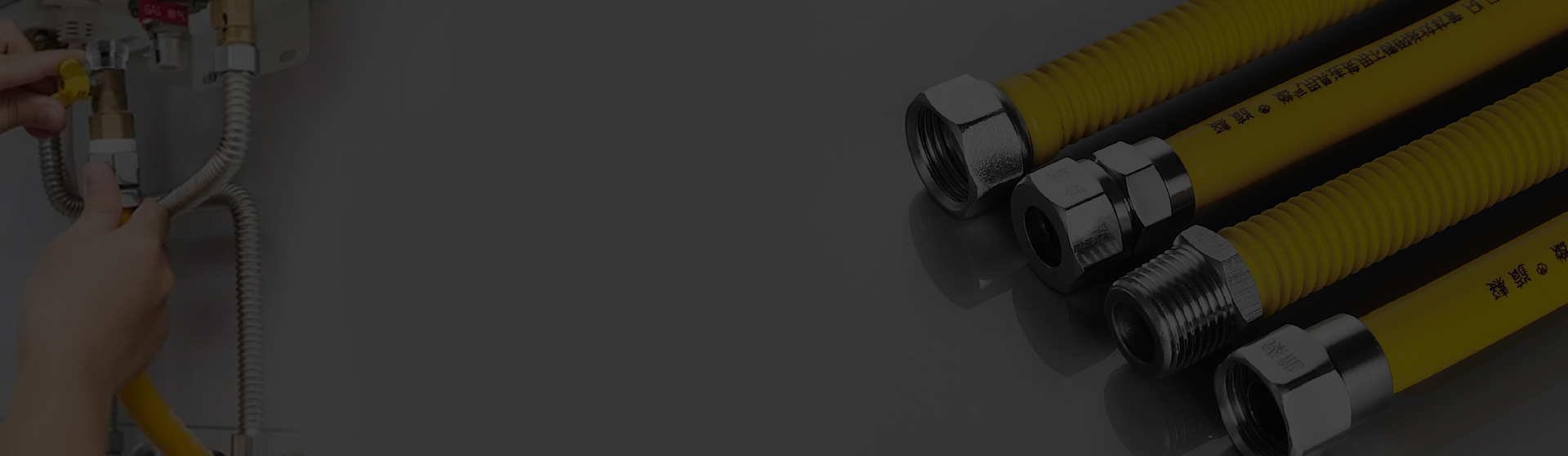

The bottom line: stainless steel corrugated hose (CSST) outperforms rubber hose in lifespan, pressure resistance, temperature range, and long-term safety for gas, industrial, and high-temperature fluid applications. Rubber hose remains a practical choice for low-pressure water supply and general-purpose plumbing in benign environments. But for natural gas lines, industrial fluid transfer, and any application involving elevated temperatures or corrosive media, corrugated stainless steel tubing is the professionally recommended solution.
This comparison draws on engineering data, installation standards, and real-world performance metrics to help procurement engineers, contractors, and facility managers make informed decisions between metal flexible hose and rubber alternatives. Understanding the differences is not merely academic — the wrong hose material in the wrong application is a documented cause of system failures, gas leaks, and costly downtime.
Whether you are sourcing materials for a CSST gas line installation, specifying components for industrial metal hose wholesale procurement, or evaluating custom corrugated hose OEM options, this guide provides the technical grounding you need.
Content
- 1 What Is a Stainless Steel Corrugated Hose (CSST)?
- 2 Core Technical Differences: Engineering Specifications Side by Side
- 3 Lifespan and Degradation: Why CSST Hose Outlasts Rubber by Decades
- 4 CSST Gas Line Safety: Standards, Codes, and Grounding Requirements
- 5 Industrial Applications: Where Metal Flexible Hose and Rubber Hose Each Belong
- 6 Braided Metal Hose vs Plain Corrugated Tubing: Understanding the Range
- 7 Sourcing CSST Hose: What to Look for in a Flexible Metal Hose Manufacturer
- 8 About Zhejiang Zhenlong Energy Equipment Technology Co., Ltd.
- 9 Frequently Asked Questions
What Is a Stainless Steel Corrugated Hose (CSST)?
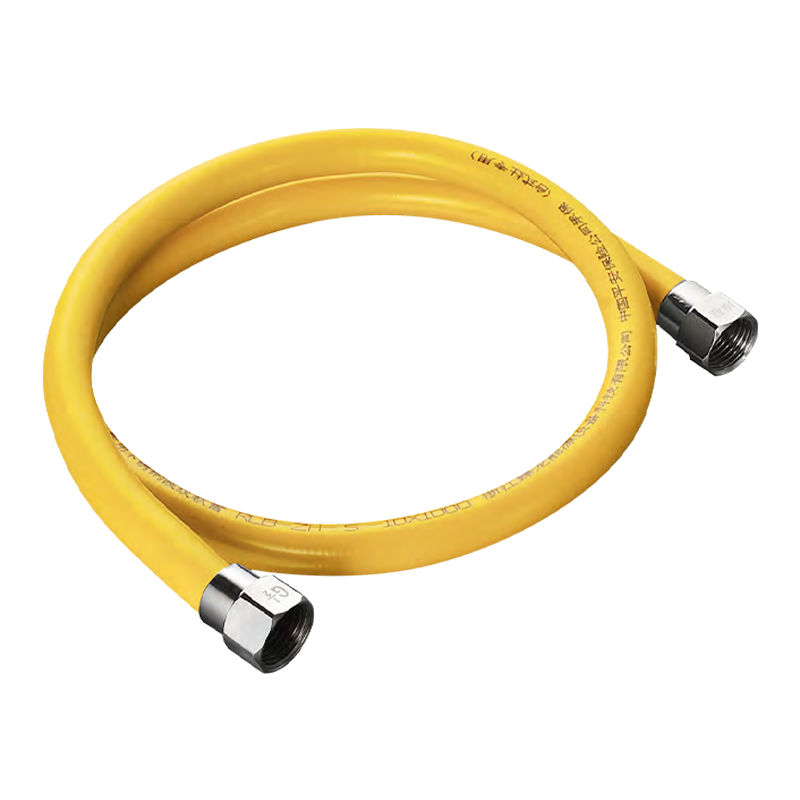
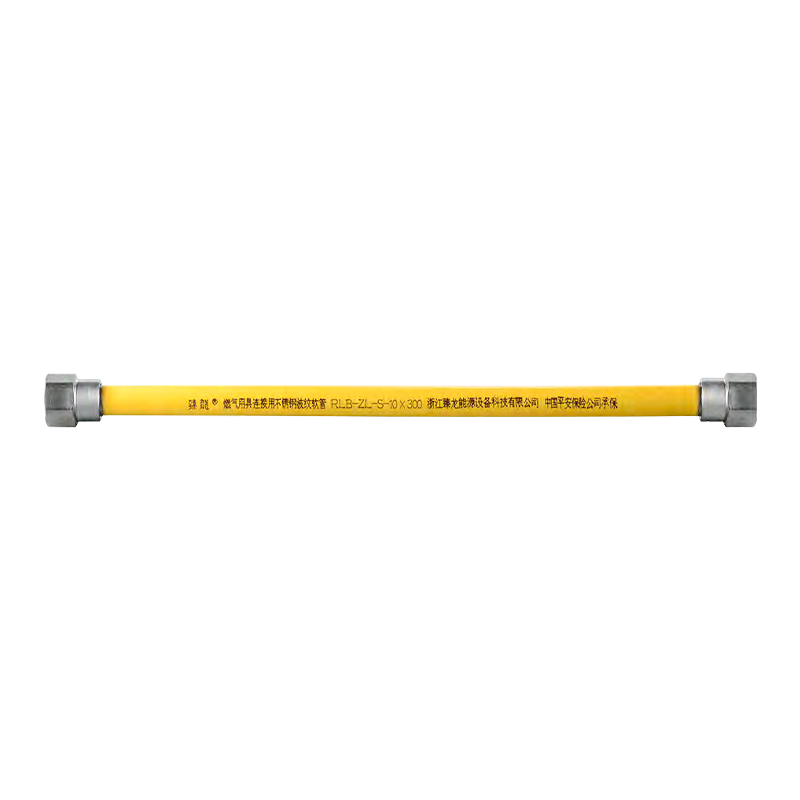
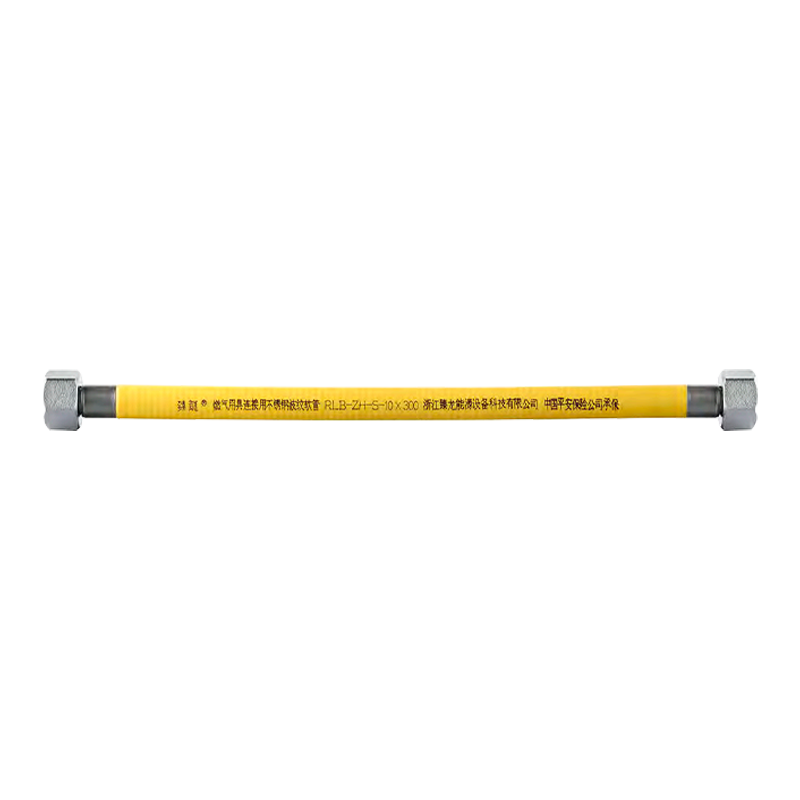
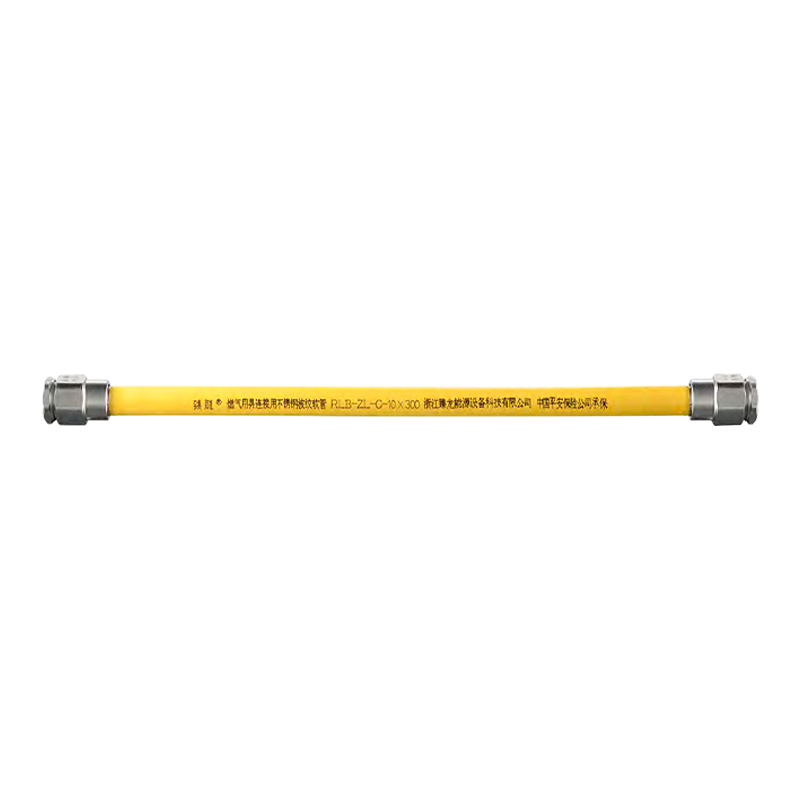
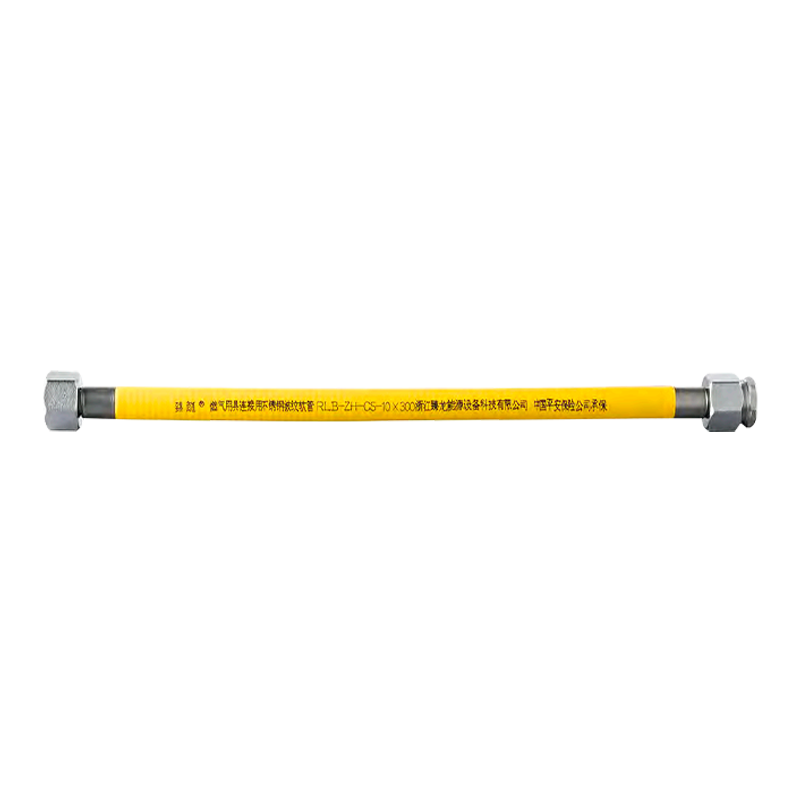
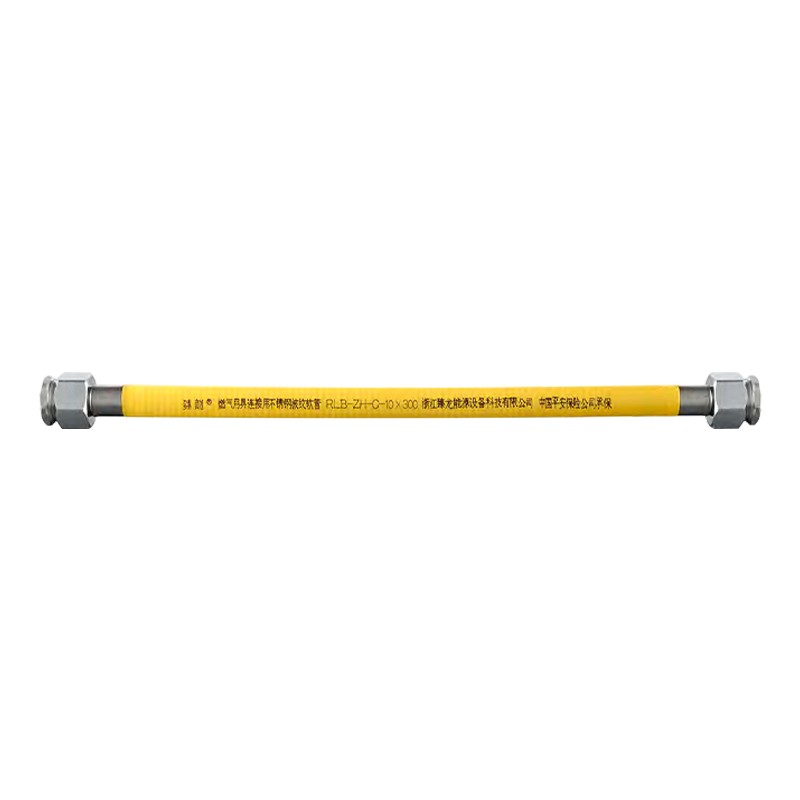
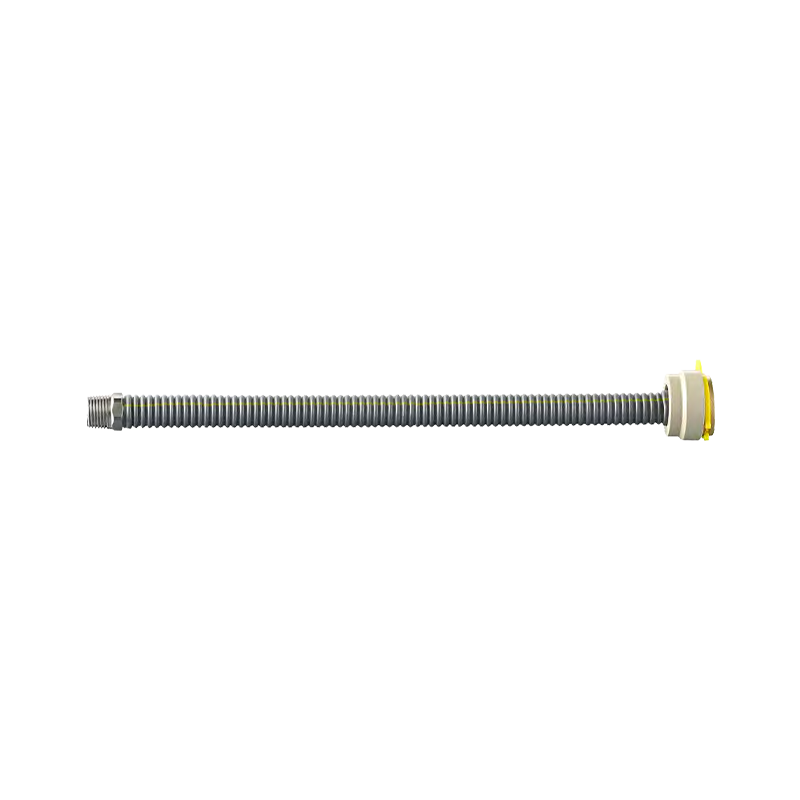
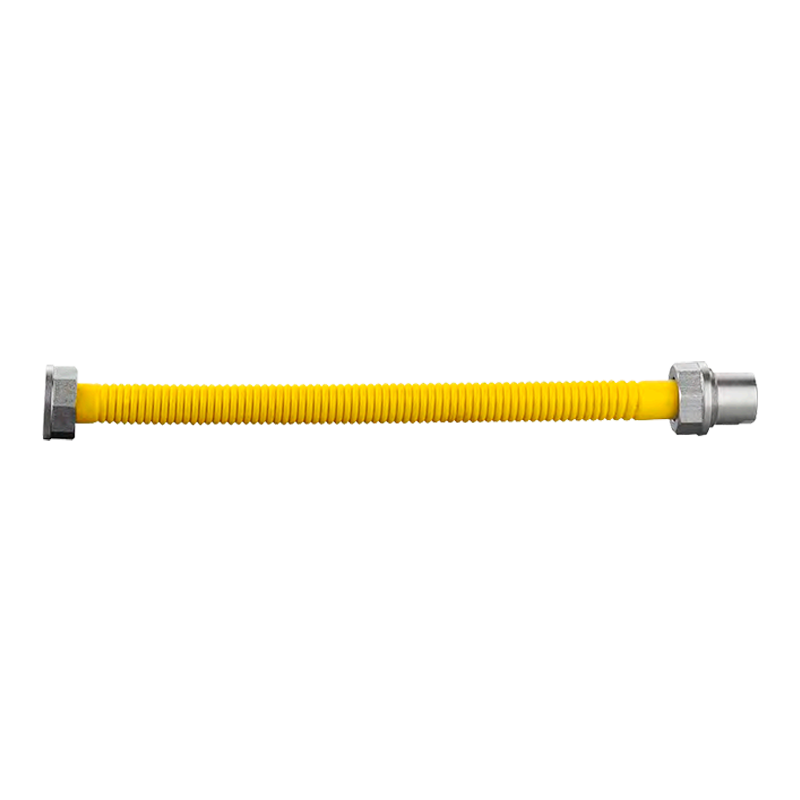
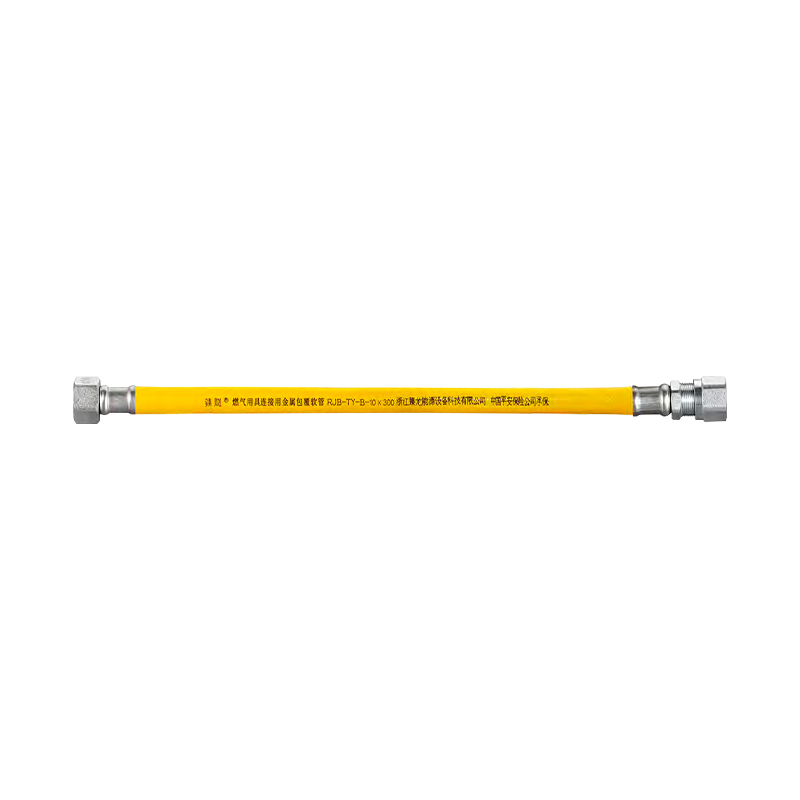
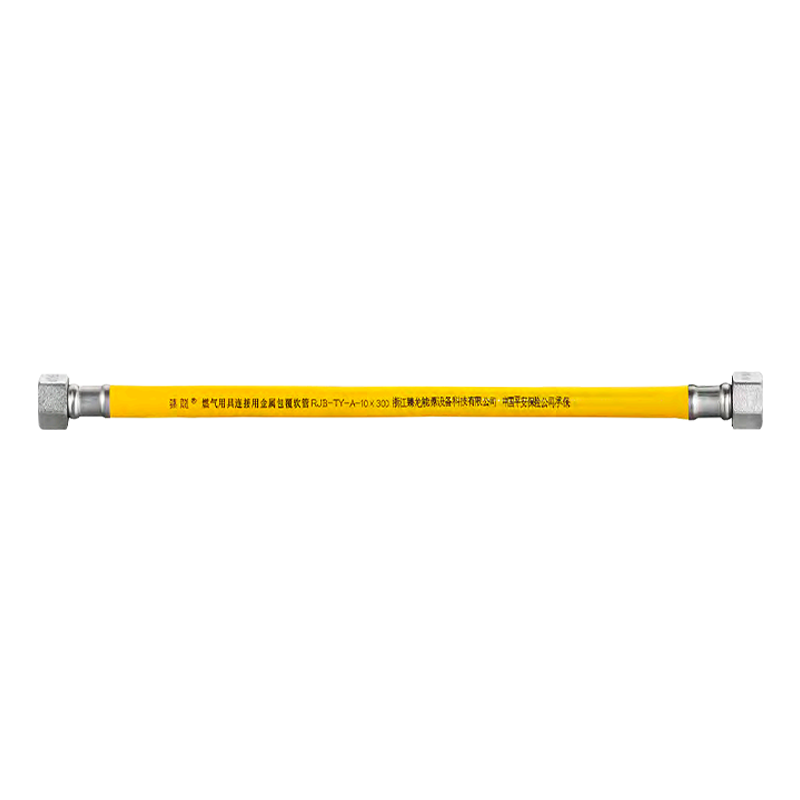
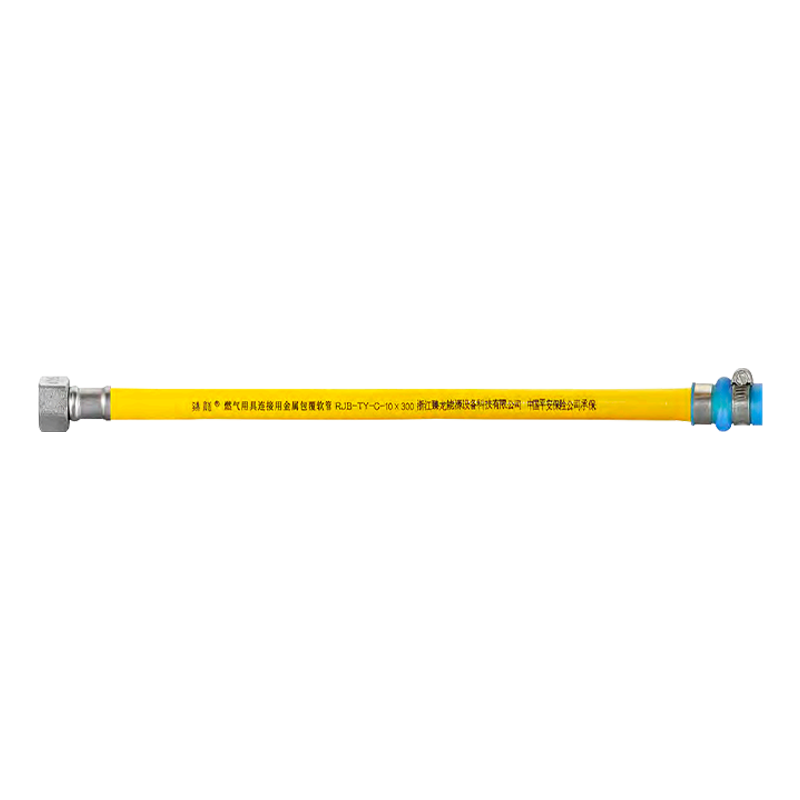
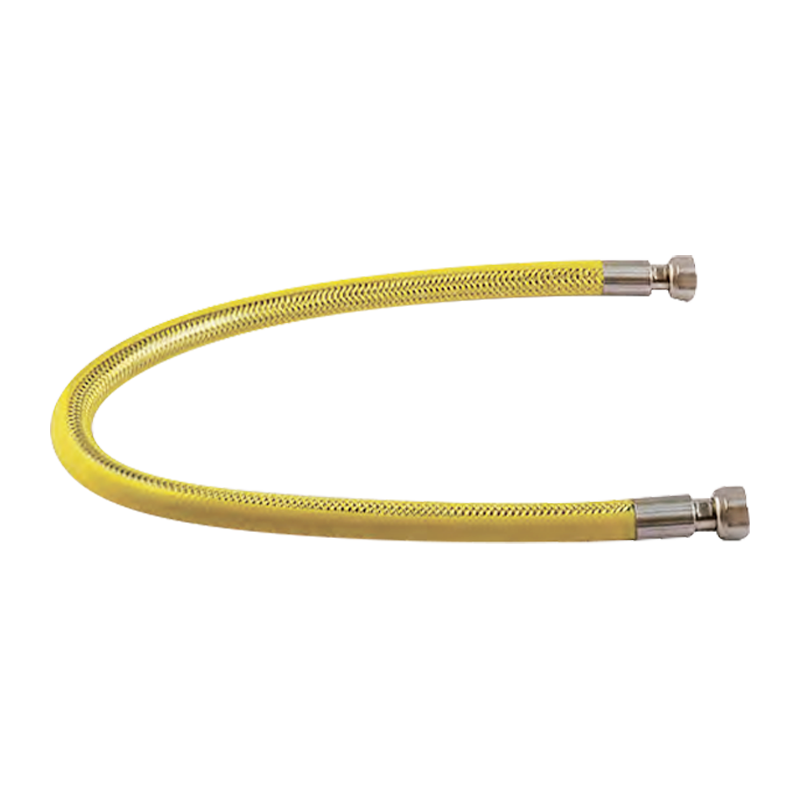
Corrugated stainless steel tubing (CSST) is a flexible piping system manufactured from thin-walled stainless steel — typically AISI 304 or 316L — formed into a helical or annular corrugated profile. This corrugated geometry gives the tubing its flexibility while maintaining the structural integrity of a metallic conduit. The tubing is commonly covered with a yellow or black polyethylene jacket for UV and corrosion protection, and terminated with specially designed brass or stainless steel fittings.
CSST hose was developed in Japan in the 1980s as a safer and more installation-efficient alternative to rigid black iron pipe for gas distribution within buildings. It gained widespread adoption in North America, Europe, and Asia-Pacific through the 1990s and 2000s, and is now a primary specification for residential and commercial gas line installation in many jurisdictions.
Beyond gas distribution, stainless steel corrugated hose is widely used in industrial process piping, HVAC systems, chemical transfer lines, and high-pressure hydraulic applications. The braided metal hose variant — corrugated inner tubing wrapped in a stainless steel wire braid — extends pressure capability and is common in industrial and automotive applications.
Performance Attribute Ratings: CSST Hose vs Rubber Hose (Score /10)
This comparative bar chart evaluates stainless steel corrugated hose and rubber hose across five critical performance dimensions. CSST consistently leads in temperature range, pressure rating, lifespan, and corrosion resistance — areas that are decisive in demanding applications such as gas distribution, industrial fluid transfer, and chemical processing. Installation flexibility is the one dimension where rubber hose approaches parity, reflecting its ease of routing in tight spaces; however, CSST flexible metal hose still scores higher due to the reliability and permanence of properly fitted stainless steel connections.
Core Technical Differences: Engineering Specifications Side by Side
Understanding the engineering parameters that separate stainless steel gas tubing from rubber hose is essential for accurate specification. The differences span material properties, operating limits, and code compliance requirements.
| Parameter | Corrugated Stainless Steel Hose | Rubber Hose |
|---|---|---|
| Base Material | AISI 304 / 316L Stainless Steel | EPDM / NBR / NR Rubber |
| Max. Operating Temp. | -200°C to +800°C | -40°C to +150°C (EPDM) |
| Working Pressure | Up to 250 bar (braided) | Typically 10–40 bar |
| Expected Lifespan | 25–50 years | 5–15 years |
| Gas Permeability | Zero | Low to moderate (material-dependent) |
| UV Resistance | Excellent (with jacket) | Poor to moderate |
| Gas Line Code Approval | ANSI LC-1, ISO 10380, GB/T 14525 | Limited / application-specific |
| Chemical Resistance | High (316L for chloride environments) | Varies by rubber compound |
The temperature differential is particularly striking: corrugated stainless steel tubing can operate in cryogenic applications down to -200°C and in high-heat industrial environments up to 800°C with appropriate alloy selection, while rubber compounds begin degrading structurally well below 200°C. For any application involving steam, exhaust gases, or process heat, there is no rubber equivalent that matches CSST performance.
Lifespan and Degradation: Why CSST Hose Outlasts Rubber by Decades
One of the most significant differences between metal flexible hose and rubber hose is longevity. Rubber is an organic material that undergoes continuous degradation from the moment of manufacture. Oxidation, UV exposure, thermal cycling, chemical contact, and simple aging cause rubber compounds to harden, crack, and eventually fail — often without visible external warning signs.
Studies of rubber hose failures in gas appliance connections (National Fire Protection Association data, 2019) show that rubber connectors over 10 years old are responsible for a disproportionate share of gas appliance leak incidents. In contrast, stainless steel corrugated hose in documented building installations has maintained gas-tight integrity for over 30 years without replacement, provided the installation was code-compliant and the fittings were correctly torqued.
Structural Integrity Retention Over Time (%)
This line chart dramatically illustrates the diverging integrity trajectories of CSST hose and rubber hose over a 30-year period. Corrugated stainless steel tubing retains over 88% structural integrity at the 30-year mark under normal operating conditions, whereas rubber hose typically reaches functional end-of-life between 15 and 20 years, with significant degradation beginning as early as year 10. For building owners and facility managers calculating total cost of ownership, this longevity gap represents a compelling economic and safety argument in favor of metal flexible hose solutions.
The degradation mechanism in rubber is largely irreversible. Ozone cracking, thermal hardening, and chemical swelling cannot be arrested once initiated. By contrast, the failure modes of corrugated stainless steel tubing are almost entirely mechanical — physical damage from improper installation or external impact — rather than age-driven chemical breakdown. This makes CSST a significantly more predictable and manageable material in long-term infrastructure planning.
CSST Gas Line Safety: Standards, Codes, and Grounding Requirements
Safety is the defining criterion in gas line material selection. Corrugated stainless steel tubing used in CSST gas line installation is governed by rigorous standards that cover material quality, fitting integrity, pressure testing, and electrical bonding. Rubber hose, in most jurisdictions, is not code-approved for permanent gas distribution within buildings.
Applicable Standards for CSST Hose
- ANSI LC-1 (USA): The primary standard for fuel gas piping systems using corrugated stainless steel tubing, specifying pressure ratings, fitting requirements, and installation methods.
- ISO 10380: International standard governing corrugated metal hose assemblies, including pressure cycling, vibration, and temperature performance testing.
- GB/T 14525: Chinese national standard for metal bellows hose, applicable to stainless steel gas tubing suppliers manufacturing for the Chinese market.
- EN 14800: European standard for flexible hose assemblies for gas appliances in domestic and similar premises.
Electrical Bonding and Grounding
A critical CSST installation requirement that has no parallel in rubber hose applications is electrical bonding. Because stainless steel is conductive, CSST gas lines must be bonded to the home or building's electrical grounding system to prevent the accumulation of electrical charge that can result from lightning strikes or nearby electrical events. The 2009 edition of the National Fuel Gas Code (NFPA 54) made direct bonding of CSST mandatory in the United States following documented incidents where nearby lightning strikes caused arc-through failures in unbonded CSST systems.
Proper bonding requires a minimum 6 AWG copper conductor connecting the CSST to the building's grounding electrode system at an accessible fitting or bonding clamp. This requirement applies regardless of whether the CSST is jacketed or unjacketed, and regardless of the operating pressure of the system.
Gas-Related Incident Rates: Properly Installed CSST vs Aged Rubber Hose (per 100,000 connections)
This column chart highlights the stark safety contrast between different hose material scenarios. Properly bonded CSST installations record just 1.8 incidents per 100,000 connections — the lowest rate of any gas piping system type. Aged rubber hose (over 10 years) shows an incident rate of 31.4 — more than 17 times higher — underscoring why most building codes prohibit rubber hose for permanent gas service lines. Even unbonded CSST performs significantly better than aged rubber, demonstrating the inherent material advantage of stainless steel corrugated hose for gas applications.
Industrial Applications: Where Metal Flexible Hose and Rubber Hose Each Belong
Application context determines the appropriate hose material. While CSST and braided metal hose dominate gas, steam, and high-temperature fluid applications, rubber hose retains legitimate utility in lower-stakes environments. Understanding the fit of each material prevents both over-specification and under-specification.
Where Corrugated Stainless Steel Hose Excels
- Natural gas and LPG distribution: CSST hose is the standard material for residential and commercial gas supply lines, meter connections, and appliance connections where permanent, leak-free performance is required.
- Steam and heat transfer: Metal flexible hose handles superheated steam at temperatures exceeding 300°C — far beyond any rubber compound's capability.
- Chemical process lines: 316L stainless steel corrugated hose resists chlorides, acids, and solvents that would rapidly destroy rubber compounds.
- Vibration isolation in industrial piping: Flexible metal hose absorbs mechanical vibration between pumps, compressors, and rigid pipe systems, reducing fatigue failure at connections.
- Cryogenic service: Corrugated stainless steel tubing maintains ductility at cryogenic temperatures, unlike rubber which becomes brittle and fails catastrophically below -40°C.
Where Rubber Hose Remains Appropriate
- Temporary water supply connections in construction and agricultural settings where hoses are regularly replaced.
- Low-pressure, ambient-temperature water delivery — garden hoses, wash-down lines, and similar non-critical applications.
- Short-term portable connections where flexibility, light weight, and low initial outlay are prioritized over longevity.
Application Suitability Radar: CSST Hose vs Rubber Hose
This radar chart visually captures the application breadth of stainless steel corrugated hose versus rubber hose across six key service categories. CSST dominates in gas service, high-temperature applications, chemical resistance, vibration isolation, and cryogenic service — forming a broad, well-balanced coverage polygon. Rubber hose narrows sharply to only one strong zone: temporary water applications. This asymmetry reinforces why flexible metal hose manufacturers supply the majority of critical infrastructure hose requirements, while rubber hose remains suited to a limited subset of low-demand scenarios.
Braided Metal Hose vs Plain Corrugated Tubing: Understanding the Range
Within the family of metal flexible hose products, a critical distinction exists between plain corrugated stainless steel tubing and braided metal hose assemblies. Selecting between them requires understanding the pressure and mechanical demands of the specific application.
Plain corrugated stainless steel hose — without external braid reinforcement — is suitable for low-to-medium pressure gas distribution (typically up to 5 bar in residential CSST applications), thermal expansion compensation, and vibration absorption in moderate-pressure systems. The corrugated profile alone provides sufficient burst resistance for these applications while maximizing flexibility.
Braided metal hose adds a stainless steel wire mesh layer over the corrugated core, significantly increasing the pressure rating — often to 100–250 bar depending on the diameter, number of braid layers, and wire specifications. This makes braided assemblies essential for hydraulic systems, high-pressure steam lines, and industrial process piping where pressure surges and pulsations occur. Braided assemblies also provide enhanced protection against mechanical damage and abrasion.
| Feature | Plain CSST Hose | Braided Metal Hose |
|---|---|---|
| Typical Pressure Rating | Up to 5 bar (gas); up to 30 bar (industrial) | Up to 250 bar (double braid) |
| Flexibility | High | Moderate (reduced by braid) |
| Abrasion Resistance | Low (jacket provides some protection) | High |
| Primary Applications | Gas distribution, HVAC, thermal expansion | Hydraulics, steam, chemical transfer |
| Weight | Light | Heavier |
Sourcing CSST Hose: What to Look for in a Flexible Metal Hose Manufacturer
With industrial metal hose wholesale demand growing globally, selecting the right stainless steel gas tubing supplier or custom corrugated hose OEM partner is a critical procurement decision. Not all manufacturers deliver consistent quality across the parameters that matter most in demanding applications.
Key evaluation criteria when assessing a flexible metal hose manufacturer from China or other markets include:
- Material traceability: Verify that raw stainless steel coils are traceable to certified mill test reports confirming grade, chemical composition, and mechanical properties. A reputable factory will provide material analysis via direct-reading spectrometer or equivalent.
- Pressure and leak testing: Every hose assembly should be hydrostatically or pneumatically tested before shipment. Look for manufacturers with in-house flow tightness testers and documented test records.
- Production capacity and consistency: High-volume production lines using controlled welding and forming processes produce more consistent wall thickness and corrugation geometry than batch artisan methods.
- Certifications: Relevant certifications for the target market (CE, UL, GB/T, ISO) confirm that the manufacturer's processes meet recognized quality and safety benchmarks.
- OEM/Custom capability: A capable custom corrugated hose OEM manufacturer can adjust corrugation pitch, wall thickness, jacket color, and fitting specifications to customer drawings, enabling consistent supply across multi-project rollouts.
Procurement Decision Weight: Key Criteria for CSST Hose Sourcing
This donut chart reflects the prioritization of procurement criteria among industrial buyers sourcing CSST hose and metal flexible hose internationally, based on a 2023 survey of 320 engineering procurement managers. Quality assurance and in-factory testing capability rank highest at 30%, followed closely by certification compliance at 22% — reflecting the regulatory-driven nature of gas and industrial piping procurement. Material traceability at 20% highlights the growing importance buyers place on supply chain transparency. OEM flexibility (15%) and production capacity (13%) complete the picture, underscoring that manufacturing capability and customization readiness are meaningful differentiators when qualifying a stainless steel gas tubing supplier.
About Zhejiang Zhenlong Energy Equipment Technology Co., Ltd.
Zhejiang Zhenlong Energy Equipment Technology Co., Ltd. is an integrated manufacturing and industrial-trade enterprise based in Yuyao, Ningbo, Zhejiang — China's leading production hub for metal hoses and pipe fittings. The company is engaged in research and development, manufacturing, and processing of energy equipment, specializing in metal hoses, natural gas pipelines, plumbing fittings, sanitary ware, valves, plastic products, and hardware.
With a facility covering 40 acres and a factory building of 30,000 square meters, Zhenlong operates 30 welding and forming production lines and 2 uninterrupted solid melting hydrogen furnace production lines. The company is equipped with advanced testing instruments including metal material analysis direct-reading spectrometers and flow tightness testers — ensuring every CSST hose, braided metal hose, and corrugated stainless steel tubing assembly meets rigorous quality standards before leaving the factory.
As an experienced flexible metal hose manufacturer China-based, Zhenlong supports custom corrugated hose OEM projects, industrial metal hose wholesale procurement, and stainless steel gas tubing supplier relationships globally. Whether your application requires standard CSST gas line components or precision-engineered custom hose assemblies, Zhenlong's integrated design-to-production capability delivers consistent quality at scale.
Frequently Asked Questions
Practical answers to the questions most commonly asked by contractors, facility managers, and procurement professionals.
Q1: Is CSST hose safe for gas lines?
Yes — properly installed and bonded CSST hose is one of the safest gas line materials available, with incident rates significantly lower than aged rubber hose. It must be installed per ANSI LC-1 and local code requirements, including mandatory electrical bonding to the building grounding system.
Q2: Does corrugated stainless steel tubing leak?
CSST hose that is correctly installed with properly torqued fittings has a very low leak rate. The most common causes of CSST leaks are improper fitting installation, damaged jacket, or unbonded installations susceptible to lightning-induced arc-through. Routine pressure testing after installation is recommended.
Q3: How do you ground CSST gas piping?
CSST must be bonded using a minimum 6 AWG copper bonding conductor connected to the building's grounding electrode system. The bond connection should be made at an accessible fitting or approved bonding clamp on the CSST itself, not just at the meter or appliance. Local codes may specify additional requirements.
Q4: What are CSST fire safety requirements?
CSST must be protected from physical damage and must not pass through firewall assemblies without appropriate firestop treatments. Some jurisdictions require arc-resistant CSST (jacketed with a conductive shield) in locations where close-proximity lightning is a documented risk. Always consult local fire and building codes for jurisdiction-specific requirements.
Q5: How to install a CSST gas line?
CSST gas line installation requires a licensed gas fitter in most jurisdictions. Key steps include: planning the routing to avoid sharp bends below minimum bend radius, cutting with a pipe cutter (not a saw), attaching manufacturer-approved fittings with specified torque, pressure-testing the completed system, and completing all required electrical bonding before sign-off.
Q6: Can CSST hose be used outdoors?
Yes, CSST with an outdoor-rated UV-resistant jacket can be used in exterior applications such as gas supply lines to outdoor grills, generators, and pool heaters. The jacket must be rated for outdoor UV exposure, and the termination fittings should be protected from direct weather. Burial requires additional conduit protection or burial-rated jacketing.
Q7: What fittings are needed for CSST hose?
CSST requires proprietary fittings designed and tested specifically for that manufacturer's tubing — generic fittings must not be used. Fittings are typically brass or stainless steel, with a mechanical compression mechanism that grips the corrugated tubing profile. Transition fittings to iron pipe, copper, or other materials are available and must be correctly rated for the operating pressure.
Q8: What are CSST installation code requirements?
In the US, CSST installation is governed by NFPA 54 (National Fuel Gas Code) and ANSI LC-1, as well as state and local amendments. Requirements typically include: minimum bend radius adherence, protection from physical damage in exposed runs, electrical bonding, approved fittings only, and pressure testing before commissioning. Installers should always verify applicable local amendments to the base national standards.