 English
 中文简体
中文简体 Español
 عربى
عربى
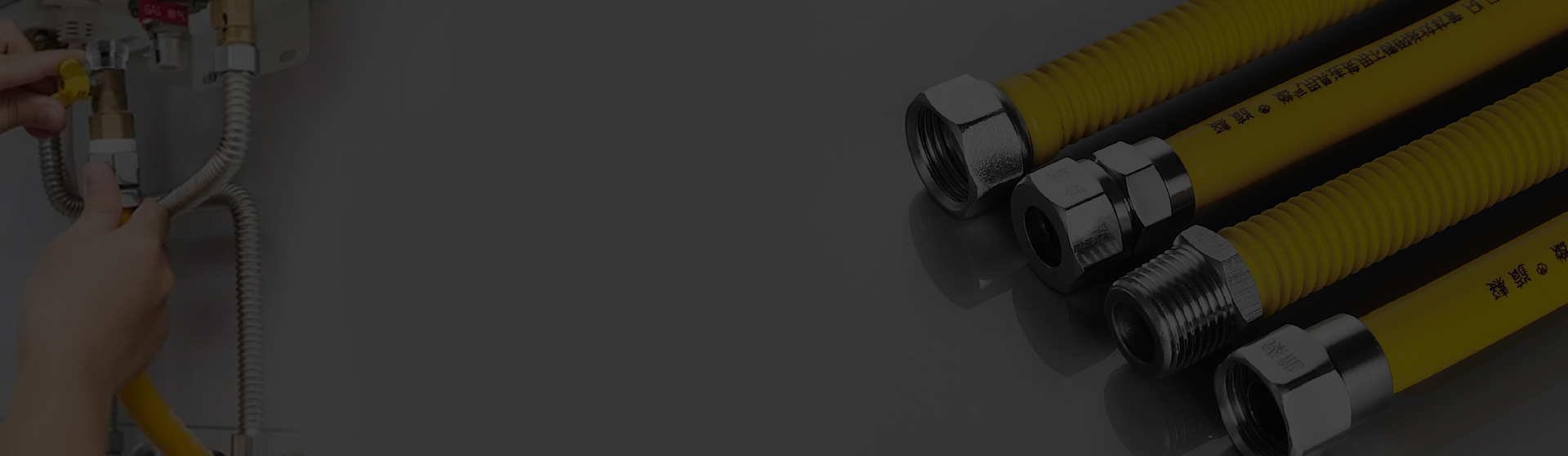

Corrugated stainless steel tubing (CSST) typically lasts 30 to 50 years or more under normal residential and commercial conditions, when properly installed and maintained. Unlike traditional black iron pipe, which can corrode from the inside over time due to moisture in natural gas, CSST's stainless steel construction is highly resistant to corrosion. However, the actual service life depends on factors including installation quality, bonding and grounding compliance, environmental exposure, and fitting integrity. This article provides a comprehensive look at CSST longevity, performance data, material comparisons, and guidance from a leading corrugated stainless steel tubing for natural gas manufacturer.
Whether you are a homeowner, contractor, or sourcing professional evaluating a flexible stainless steel gas pipe system for a project, understanding the lifespan and durability of CSST is essential for making a sound, long-term decision.
Content
- 1 What Is CSST and How Is It Constructed?
- 2 How Long Does CSST Last? The Data Behind the Lifespan
- 3 Factors That Affect CSST Service Life
- 4 Is CSST Better Than Black Iron Pipe for Longevity?
- 5 Can CSST Be Used Outdoors?
- 6 CSST Gas Piping Installation Guide: Key Steps for Long-Term Performance
- 7 Does CSST Require Bonding, and Why Does It Matter for Lifespan?
- 8 CSST Lifespan by Application: Residential, Commercial, and Industrial
- 9 About Zhejiang Zhenlong Energy Equipment Technology Co., Ltd.
- 10 Frequently Asked Questions About CSST
What Is CSST and How Is It Constructed?
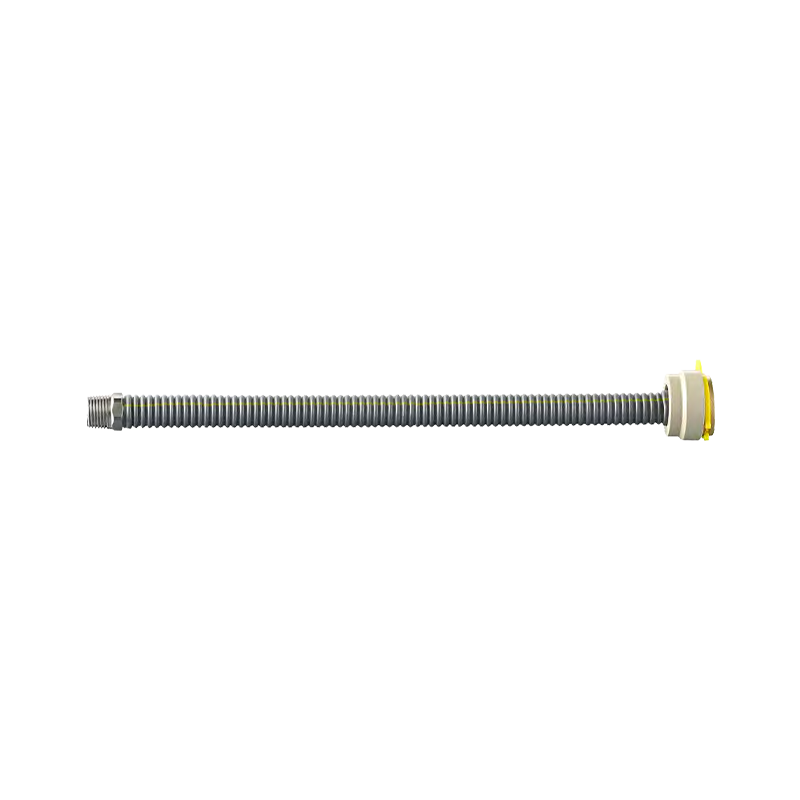
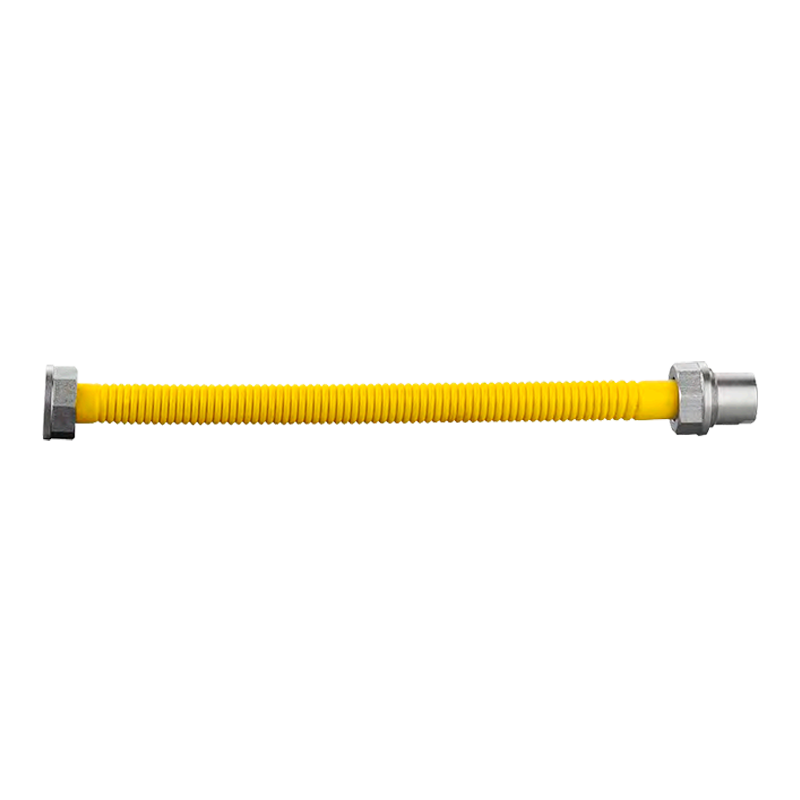
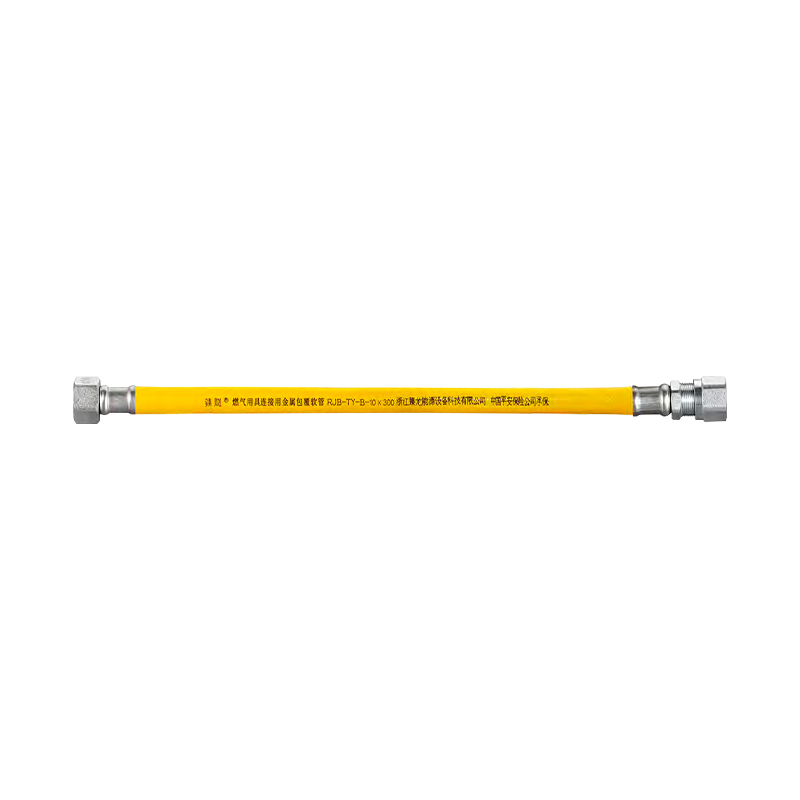
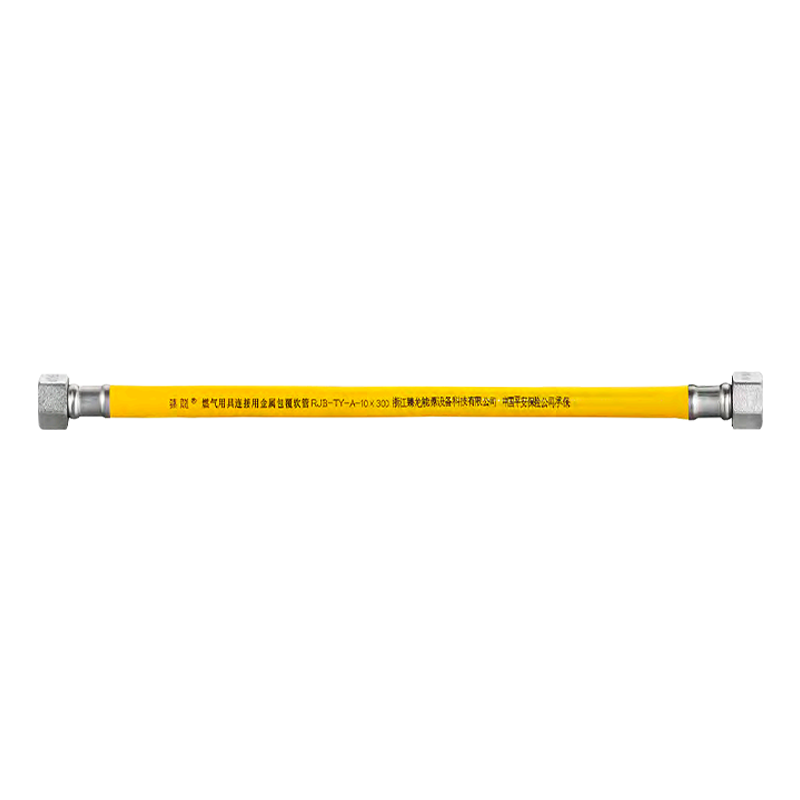
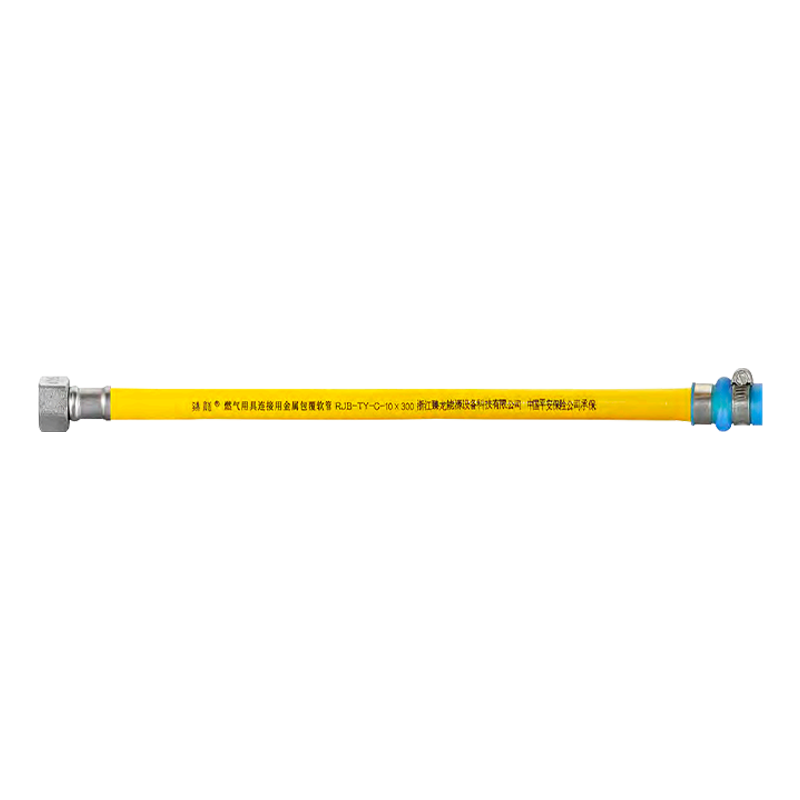
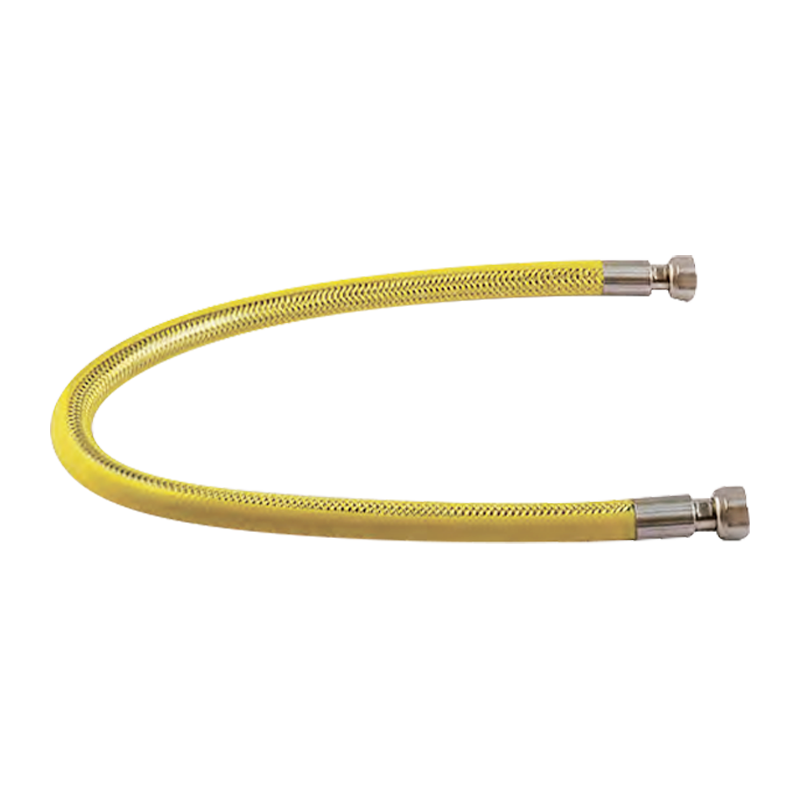
Corrugated stainless steel tubing is a flexible, lightweight gas distribution system used widely in residential and commercial buildings. It is manufactured from 304 or 316 stainless steel, shaped into a corrugated (wave-like) profile that allows the tubing to bend around corners and obstacles without fittings. This design significantly reduces installation time and the number of potential leak points compared to rigid iron pipe systems.
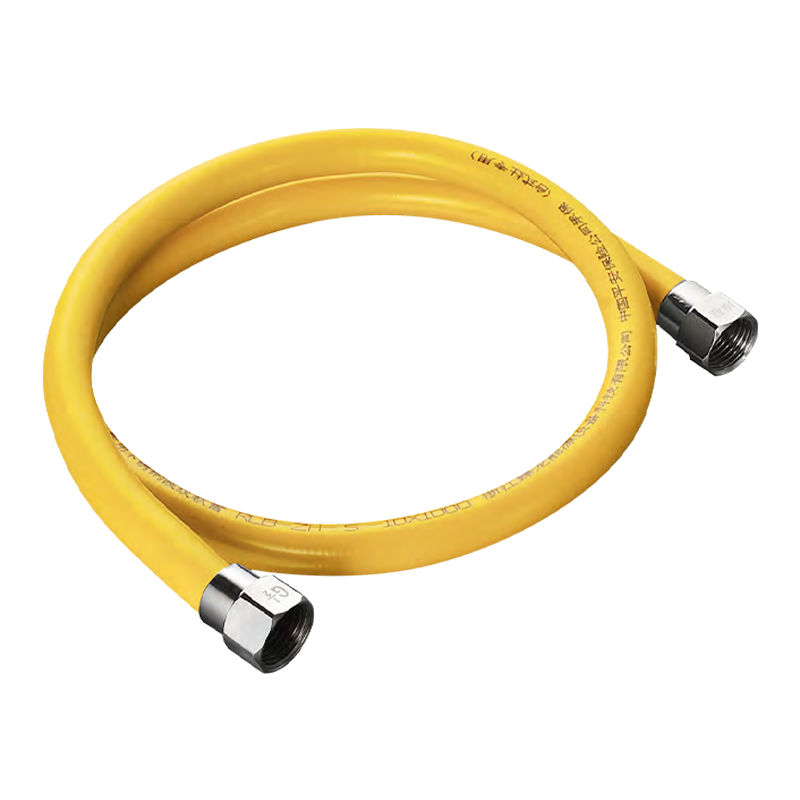
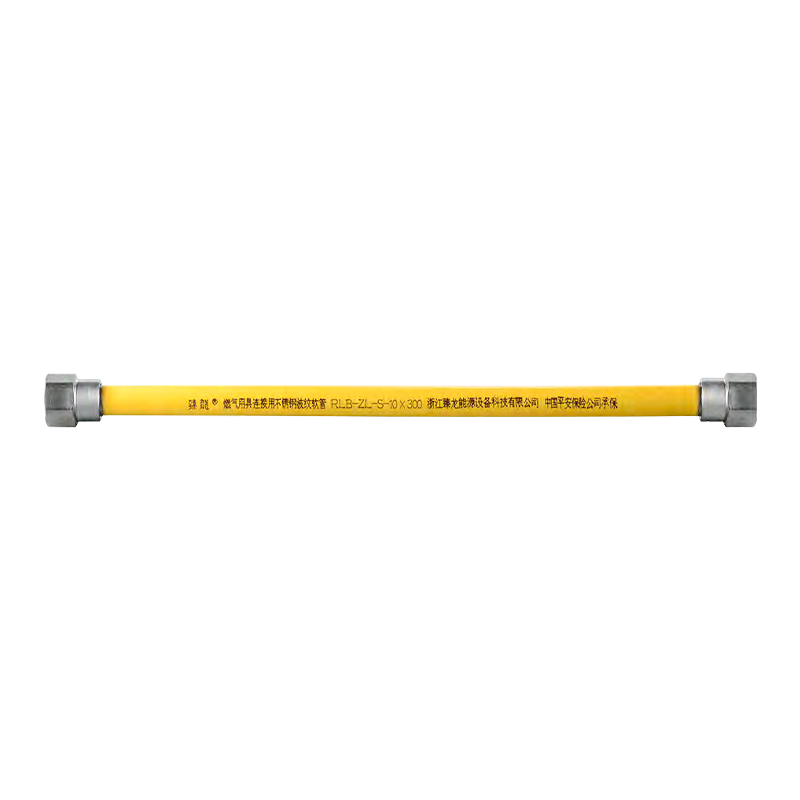
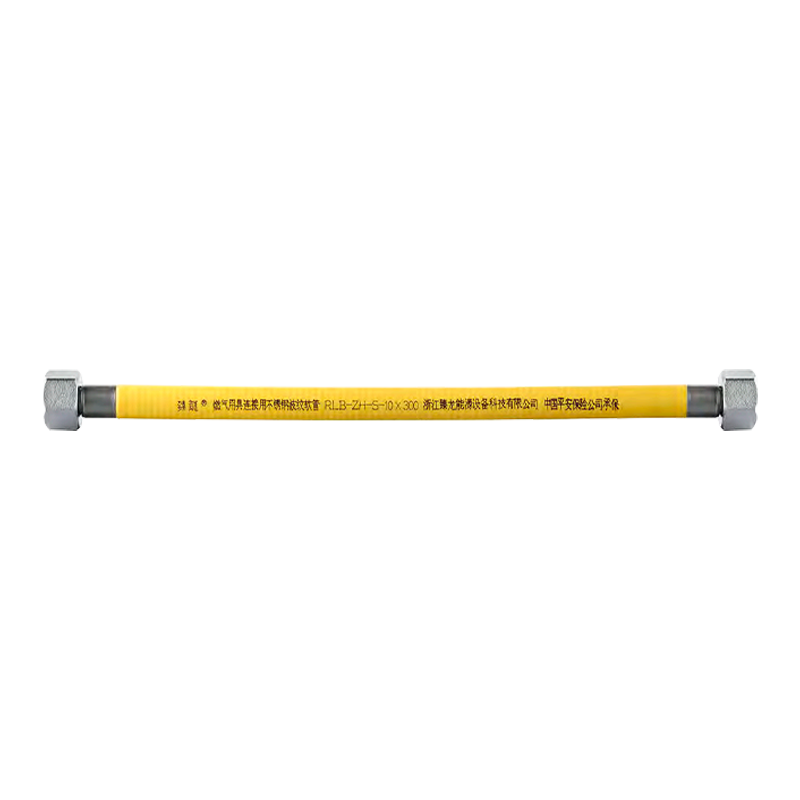
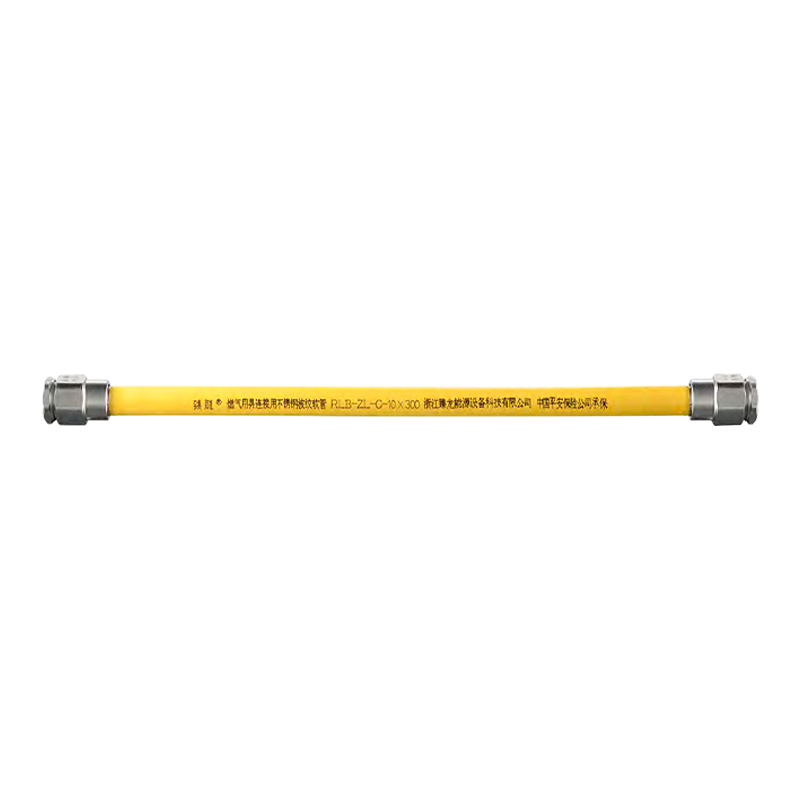
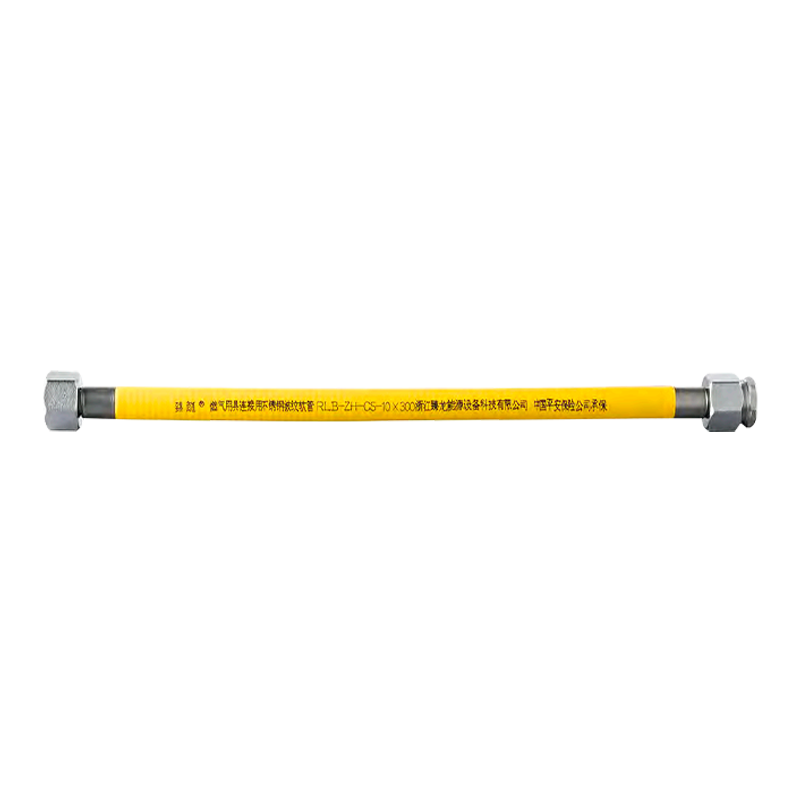
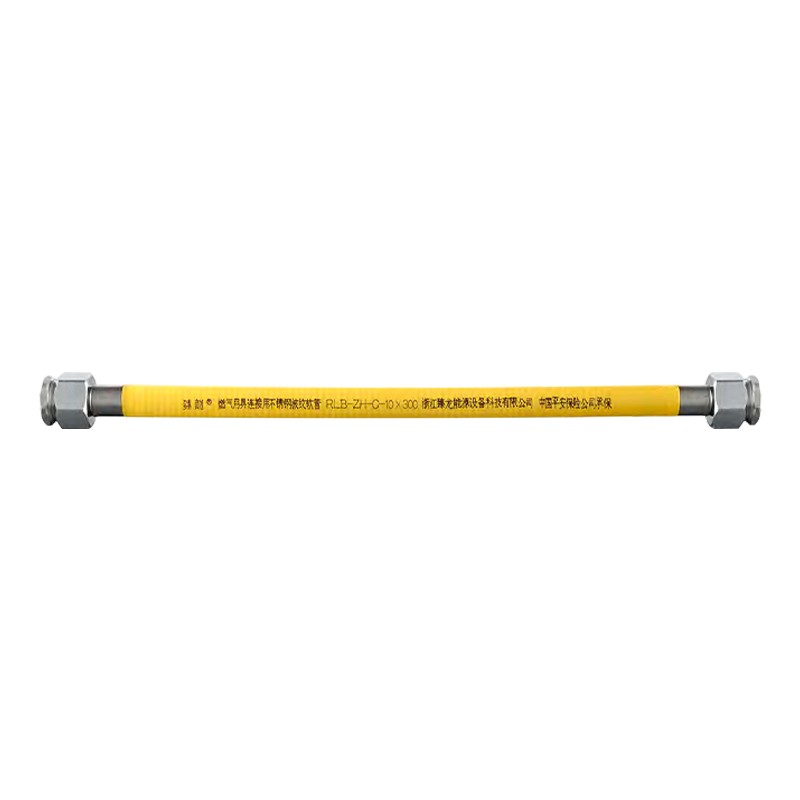
CSST gas piping systems consist of the flexible tubing itself, a protective yellow or black jacket (typically made of polyethylene), and specialized gas pipe fittings at connection points. The jacket protects the stainless steel from abrasion and moisture. The fittings are engineered to create a gas-tight seal without welding or threading, which is a key advantage during installation.
As a professional stainless steel gas tubing manufacturer, Zhejiang Zhenlong Energy Equipment Technology Co., Ltd. produces CSST that meets ISO9000:2008 standards and holds both the EU CE certification and the People's Republic of China Special Equipment Manufacturing License (Pressure Pipeline). The product is engineered with rigorous material analysis using direct reading spectrometers and flow tightness testing.
CSST vs. Black Iron Pipe: Key Material Properties (Score out of 10)
Figure 1: Comparative property scores for CSST and black iron pipe across five performance dimensions. CSST consistently outperforms traditional piping in corrosion resistance, flexibility, and estimated longevity.
The chart above illustrates CSST's superior performance profile. Its near-perfect corrosion resistance score reflects its stainless steel construction, while its high flexibility and installation speed scores demonstrate why contractors increasingly prefer CSST over rigid pipe for both new builds and retrofits.
How Long Does CSST Last? The Data Behind the Lifespan
Based on industry testing, field data, and manufacturer studies, properly installed CSST gas piping can last between 30 and 50 years, with many systems showing no material degradation at the 25-year mark. Some early-generation CSST installations from the late 1980s are still in service, indicating that the real-world lifespan may even exceed published estimates.
The longevity of a CSST gas pipe system is influenced by several interlocking variables. Research published by the American Gas Association and industry working groups identifies installation quality, jacket integrity, bonding compliance, and fitting material as the primary determinants of service life. Systems that are properly bonded and grounded — per the National Fuel Gas Code (NFPA 54) and local codes — show significantly lower rates of failure over time.
Estimated CSST Condition Index Over Time (0–100 Scale)
Figure 2: Estimated condition index of CSST vs. black iron pipe over a 50-year service life. CSST maintains a significantly higher condition index well past 30 years, while black iron pipe performance declines more steeply due to internal corrosion and joint fatigue.
The line chart above demonstrates that CSST's degradation curve is notably more gradual than that of black iron pipe. At the 30-year mark, CSST still maintains roughly 80% of its original condition index, while black iron pipe may have declined to 40–50%, especially in humid or moisture-prone environments. This advantage makes CSST a preferred choice for long-term infrastructure planning.
It is important to note that the jacket around the CSST — not the stainless steel itself — may need attention over time. The polyethylene jacket can become brittle in very high UV environments or where it contacts incompatible materials. In such cases, the jacket can be inspected and replaced without necessarily replacing the tubing itself.
Factors That Affect CSST Service Life
While CSST is inherently durable, several installation and environmental factors can either extend or reduce its operational lifespan. Understanding these factors is critical for anyone evaluating a CSST gas piping installation guide or managing long-term building infrastructure.
1. Bonding and Grounding Compliance
CSST must be bonded to the electrical grounding system of the building per most current codes. Without proper bonding, lightning strikes or electrical surges can cause arcing that damages the tubing wall. Studies have shown that unbonded CSST has a disproportionately higher risk of arc damage compared to bonded systems. Most building codes in the United States now require equipotential bonding per NFPA 54 or IFGC Section 310.
2. Physical Protection and Routing
CSST routed through areas where it may be subject to abrasion, puncture, or contact with sharp metal edges requires protective sleeves or conduit. The corrugated jacket is tough but not immune to mechanical damage. When CSST is properly protected during installation — through studs, joists, and walls — it is far less likely to experience damage during the building's lifetime.
3. Gas Quality and Moisture
Natural gas supplied by utility companies in most regions is dry, meaning moisture content is regulated. CSST performs best with dry gas. In areas where gas quality may be inconsistent or where the system is exposed to condensation, internal corrosion is possible over very long timeframes, although stainless steel is significantly more resistant than iron or galvanized pipe.
4. Fitting Quality and Installation Workmanship
The fittings used in a flexible stainless steel gas pipe system are often the most vulnerable points. High-quality gas pipe fittings for residential systems — sourced from a reputable gas pipe fittings supplier — dramatically reduce the chance of leaks and joint failures over time. Fittings should meet applicable standards (e.g., ANSI/CSA, AS 4645) and be installed per the manufacturer's torque specifications.
Primary Causes of CSST System Issues (% of Reported Cases)
Figure 3: Distribution of reported CSST system issues by root cause. Lightning-induced arc damage and poor installation practices together account for over 65% of all cases, highlighting the critical importance of proper bonding and certified installation. Source: compiled from industry loss data and NFPA fire incident reports.
The data above underscores a critical point: the vast majority of CSST failures are preventable. They are not caused by material deficiencies in the stainless steel itself, but by external factors — primarily unbonded systems exposed to lightning and improper installation. This reinforces the importance of sourcing from a certified CSST manufacturer and working with trained installers who follow manufacturer guidelines.
Is CSST Better Than Black Iron Pipe for Longevity?
This is one of the most common questions when evaluating best gas piping material for residential use. The answer depends on the specific application and installation context, but CSST generally offers meaningful advantages in longevity, especially in certain environments.
| Attribute | CSST | Black Iron Pipe |
|---|---|---|
| Estimated Lifespan | 30–50+ years | 25–40 years |
| Corrosion Risk | Very Low (stainless steel) | Moderate–High (internal rust) |
| Seismic Flexibility | Excellent | Poor (rigid joints may crack) |
| Installation Time | Up to 50% faster | Slower, more joints |
| Outdoor Use | Possible with correct jacket | Requires external coating |
| Bonding Requirement | Required (most codes) | Standard grounding |
| Weight | Light | Heavy |
When is CSST better than black iron pipe? In seismically active regions, tight spaces, and retrofits, CSST's flexibility is a decisive advantage. In above-ground, straight-run commercial installations where rigid pipe is easier to support, black iron can still be competitive. For most residential applications — especially new construction in the United States and Europe — CSST is the preferred choice among professional contractors.
Can CSST Be Used Outdoors?
Yes, CSST can be used outdoors, but it requires specific considerations. The stainless steel tubing itself is resistant to outdoor corrosion, but the polyethylene jacket that covers it is susceptible to UV degradation if left exposed. For outdoor use, CSST should be run inside a UV-resistant conduit, buried underground at the appropriate depth, or protected with a UV-rated outer jacket.
When buried, CSST must be sleeved or use a jacket rated for direct burial to prevent soil contact from degrading the polymer coating. Most manufacturers — including compliant stainless steel gas tubing factories — provide product lines designed for buried or outdoor applications. Always consult local building codes and manufacturer specifications before installing CSST in outdoor environments, as requirements vary by region.
In exposed outdoor installations (e.g., running gas to an outdoor kitchen or generator), CSST should be housed in a protective conduit or painted schedule 40 PVC pipe where permissible. The connection points at appliances should use gas pipe fittings rated for outdoor exposure, including stainless or brass fittings with appropriate sealants.
CSST Gas Piping Installation Guide: Key Steps for Long-Term Performance
Correct installation is the single most influential factor in maximizing CSST service life. A well-installed CSST system can deliver reliable, safe gas delivery for 40 years or more, while a poorly installed system may develop problems within a few years. The following is a summary of critical installation practices from industry-accepted guidelines:
- Plan the layout before installation to minimize bends and unnecessary fittings. Fewer connections mean fewer potential leak points over time.
- Use manufacturer-approved fittings only. Mixing CSST tubing with non-approved gas pipe fittings is a common source of long-term failures and voids warranties.
- Bond the system to the building's electrical grounding per NFPA 54 or local code. This is non-negotiable for arc damage prevention.
- Protect from mechanical damage at every penetration point through walls, floors, and joists using the appropriate grommets or striker plates.
- Pressure test the system before and after connection to appliances. Standard practice is a 10 psi test held for 10–15 minutes with no pressure drop.
- Label all tubing runs with color-coded tags where possible, particularly in commercial or multi-tenant buildings, to facilitate future inspections and maintenance.
- Conduct periodic visual inspections every 5–10 years, focusing on fitting connections, the condition of the jacket, and any signs of corrosion at transition points.
Radar: CSST System Quality — Ideal vs. Substandard Installation
Figure 4: Radar comparison of installation quality dimensions for ideal vs. substandard CSST installations. The gap between the two polygons represents lost performance potential — particularly in bonding and fitting quality — that directly shortens system lifespan and increases safety risk.
The radar chart reveals that substandard CSST installations typically fall shortest in bonding compliance and fitting quality — precisely the two factors most closely linked to premature failures. When both are addressed, CSST systems consistently reach or exceed their projected 30–50 year lifespan. Contractors sourcing from a reliable wholesale gas piping systems supplier should verify that all components, including fittings, are from the same manufacturer and meet consistent quality standards.
Does CSST Require Bonding, and Why Does It Matter for Lifespan?
Yes — CSST requires bonding in nearly all jurisdictions in the United States, Canada, and increasingly in Europe and Asia. The requirement exists because CSST's thin stainless steel wall (typically 0.006 to 0.010 inches) can be punctured by an electrical arc caused by a lightning strike or a fault current traveling along the gas line.
Equipotential bonding connects the CSST system to the building's grounding electrode with a minimum 6 AWG copper bonding conductor (per most code interpretations). This equalizes the potential between the gas system and the electrical system, preventing arc formation. Yellow-jacketed CSST (standard type) requires bonding; some manufacturers offer arc-resistant CSST with a thicker jacket that may have different requirements, but bonding is still widely recommended as best practice.
From a lifespan perspective, proper bonding extends the service life of CSST considerably. Field data consistently shows that bonded CSST systems experience far fewer failures over 20+ year observation periods than non-bonded legacy installations. This is why the CSST installation guide from every major manufacturer includes bonding as a top-priority step.
CSST Lifespan by Application: Residential, Commercial, and Industrial
CSST is used across a wide range of gas delivery applications. The expected service life can vary depending on operating pressure, usage patterns, and environment:
- Residential (low-pressure, up to 2 psi): Longest typical lifespan — 40 to 50+ years when bonded and protected. Systems are rarely under high mechanical stress.
- Light commercial (up to 5 psi): 30 to 45 years. Slightly more frequent inspection cycles are advised in high-use settings such as restaurants or laundries.
- Industrial and high-pressure (up to 25 psi): 20 to 35 years, dependent on pressure cycling, vibration, and operating temperatures. Regular inspection and fitting replacement may be required at shorter intervals.
Estimated CSST Service Life by Application Type (Years)
Figure 5: Estimated maximum service life of CSST by application type under optimal installation and maintenance conditions. Residential applications benefit from lower operating pressures and more stable environments, supporting the longest expected lifespans.
For OEM specifiers and wholesale buyers, these lifespan estimates should inform product selection and warranty negotiations. Sourcing from a reliable OEM gas pipe fittings partner or stainless steel gas tubing factory that can provide certified test data for pressure cycling and corrosion resistance is essential in commercial and industrial projects.
About Zhejiang Zhenlong Energy Equipment Technology Co., Ltd.
Zhejiang Zhenlong Energy Equipment Technology Co., Ltd. is a professional CSST manufacturer and gas pipe fittings supplier based in Yuyao, Ningbo, Zhejiang, China. The company operates a 30,000 square meter facility on a 40-acre campus and is equipped with 30 welding and forming production lines, along with 2 solid melting hydrogen furnace production lines operating on an uninterrupted basis.
As a member of the China Urban Gas Association and holder of the People's Republic of China Special Equipment Manufacturing License (Pressure Pipeline) and EU CE certification, Zhenlong strictly implements the ISO9000:2008 quality management system. The company's R&D team continuously improves product designs to meet evolving safety and performance standards across global markets.
Zhenlong offers comprehensive OEM and wholesale services for corrugated stainless steel tubing for natural gas, metal hoses, plumbing fittings, valves, and related infrastructure components. With a strong commitment to pre-sales and after-sales support, the company serves customers across residential, commercial, and industrial sectors worldwide. Sincere cooperation and long-term partnership form the foundation of Zhenlong's business philosophy.
Frequently Asked Questions About CSST
Q1: What is corrugated stainless steel tubing?
Corrugated stainless steel tubing (CSST) is a flexible gas piping system made from thin, corrugated 304 or 316 stainless steel, coated with a protective polymer jacket. It is designed to distribute natural gas, propane, or other gases within buildings, allowing easy routing around obstacles without the need for multiple threaded fittings.
Q2: What is CSST used for?
CSST is used to distribute gas from the meter or main supply line to individual appliances such as furnaces, water heaters, ranges, fireplaces, outdoor grills, and generators. It is widely used in residential new construction, commercial buildings, and retrofit projects where rigid pipe would be difficult to install.
Q3: How does CSST gas piping work?
CSST works by routing flexible, corrugated stainless steel tubing from the gas meter to individual appliance locations. It uses specialized compression fittings at each connection point to create a gas-tight seal. The flexible design allows the tubing to bend and curve, reducing the number of fittings needed and lowering the number of potential leak points.
Q4: Is CSST safe?
When correctly installed and bonded according to applicable codes (such as NFPA 54), CSST is considered a safe gas piping material. It has been used in millions of homes and buildings for over 30 years. The key safety requirement is equipotential bonding, which protects against lightning-induced arc damage to the tubing wall.
Q5: Can CSST leak gas?
Like any gas system, CSST can leak if damaged, improperly installed, or if fittings are not properly torqued. The most common leak points are at fittings and connection ends. Gas leaks from CSST are most commonly associated with arc damage from lightning strikes in unbonded systems, or from mechanical damage during construction activities. Properly installed and bonded CSST systems have a very low leak rate over their service life.
Q6: What are the risks of CSST?
The primary risks associated with CSST include arc damage from lightning strikes (in unbonded systems), mechanical damage from nails or screws driven into walls during renovation, and fitting leaks from improper installation. All of these risks are mitigatable through proper bonding, protective sleeving, and certified installation by a licensed professional using manufacturer-approved components.
Q7: Does CSST need bonding?
Yes. Standard (yellow jacket) CSST requires equipotential bonding to the building's electrical grounding system. This is required by NFPA 54, the International Fuel Gas Code (IFGC), and most local building codes in the United States. The bonding conductor should be a minimum of 6 AWG copper connected at an accessible point on the CSST system. Some arc-resistant CSST products may have modified bonding requirements — always consult the manufacturer's installation guide.