 English
 中文简体
中文简体 Español
 عربى
عربى
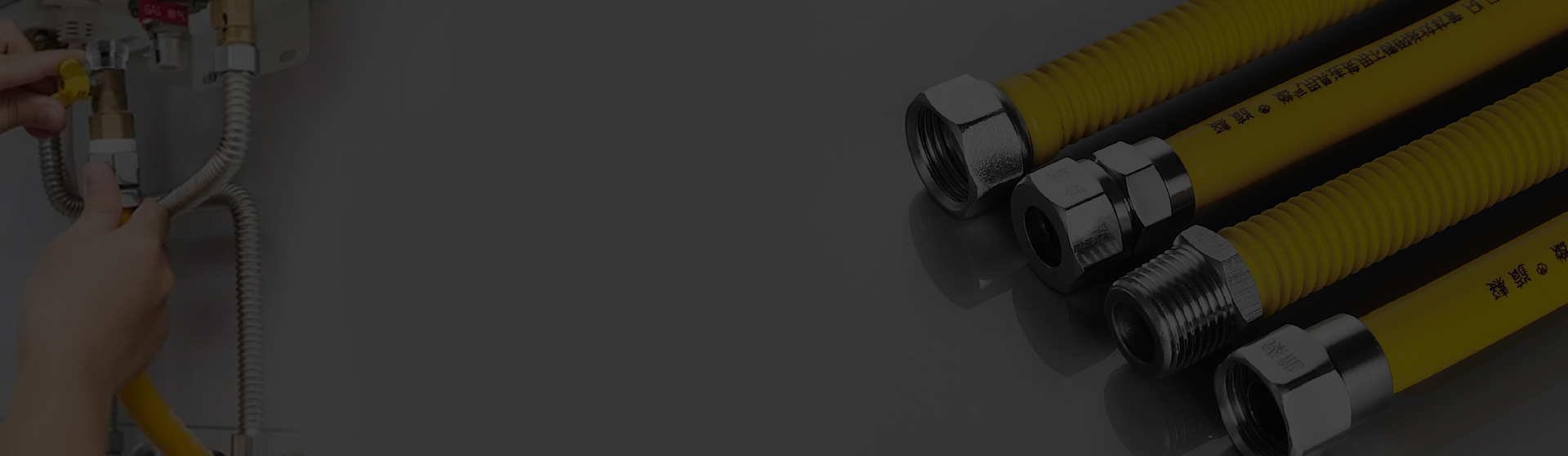

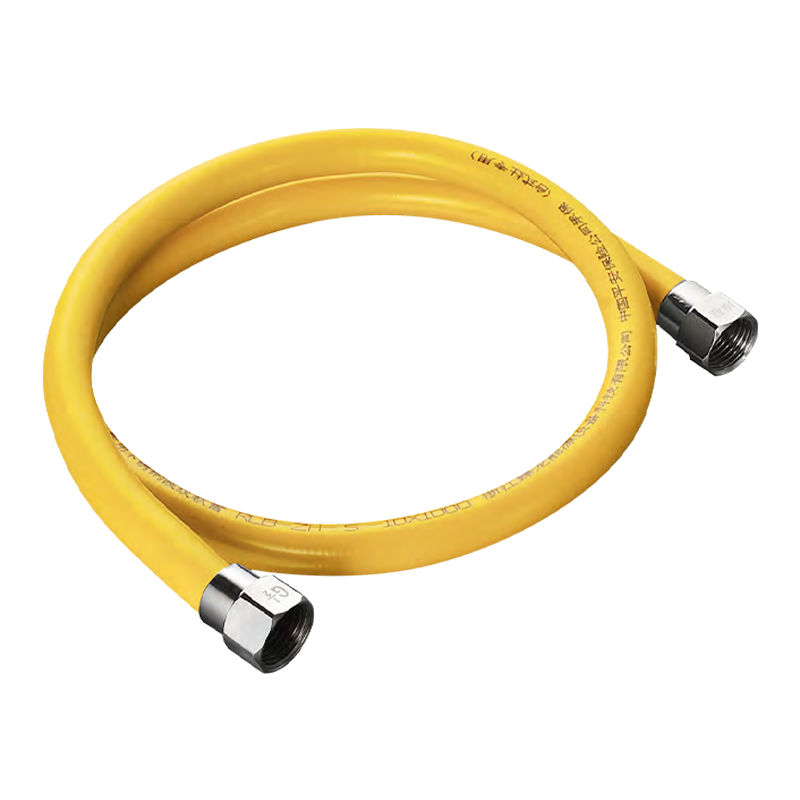
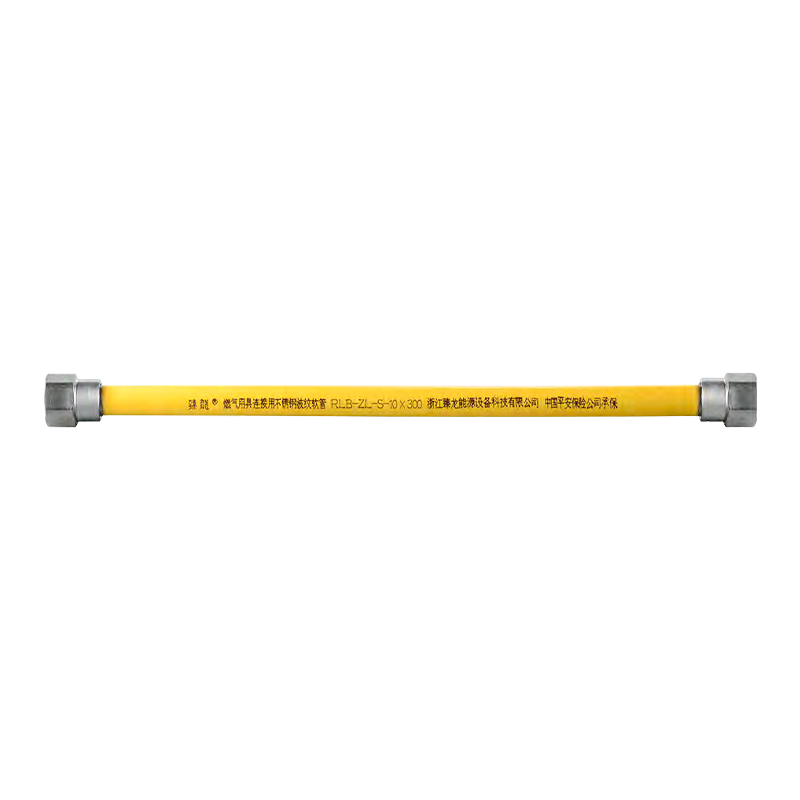
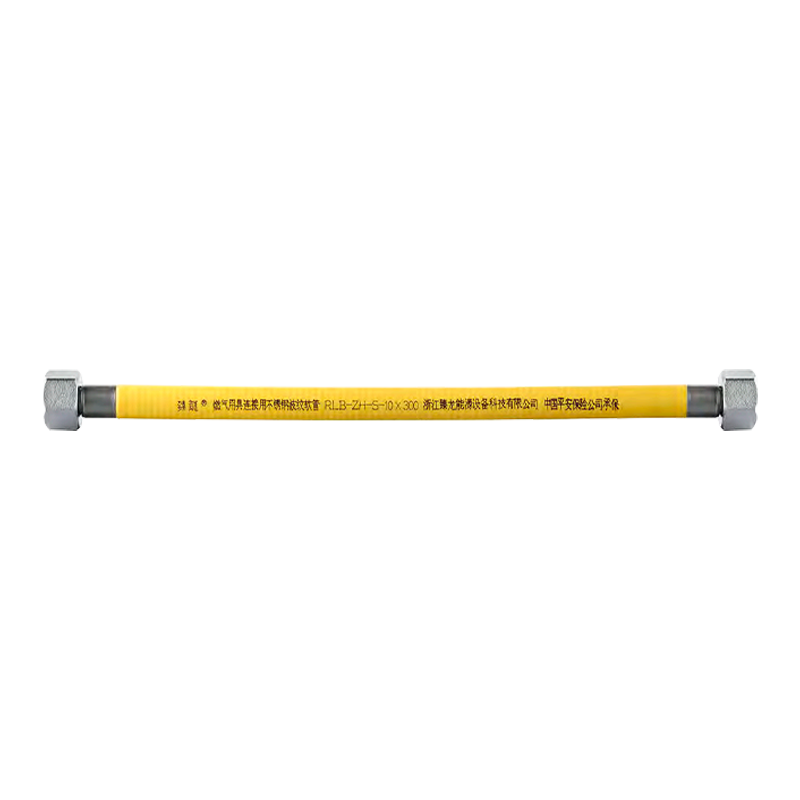
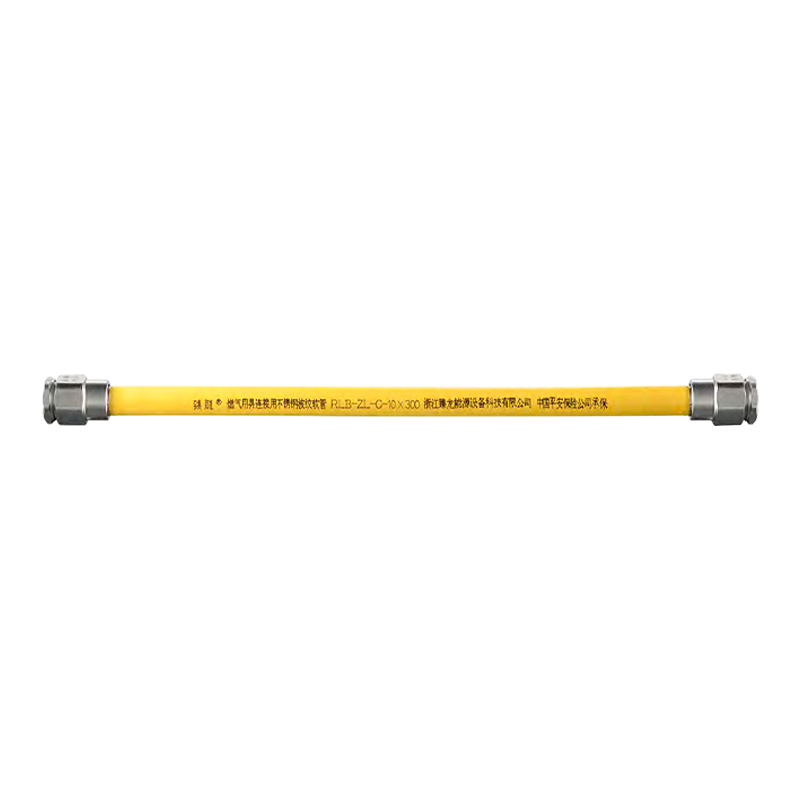
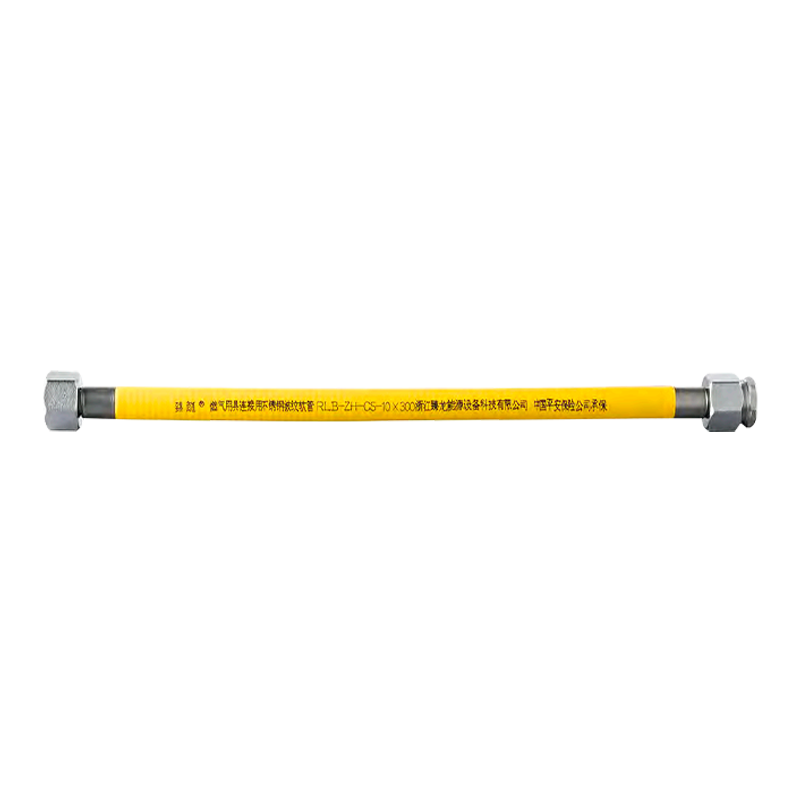
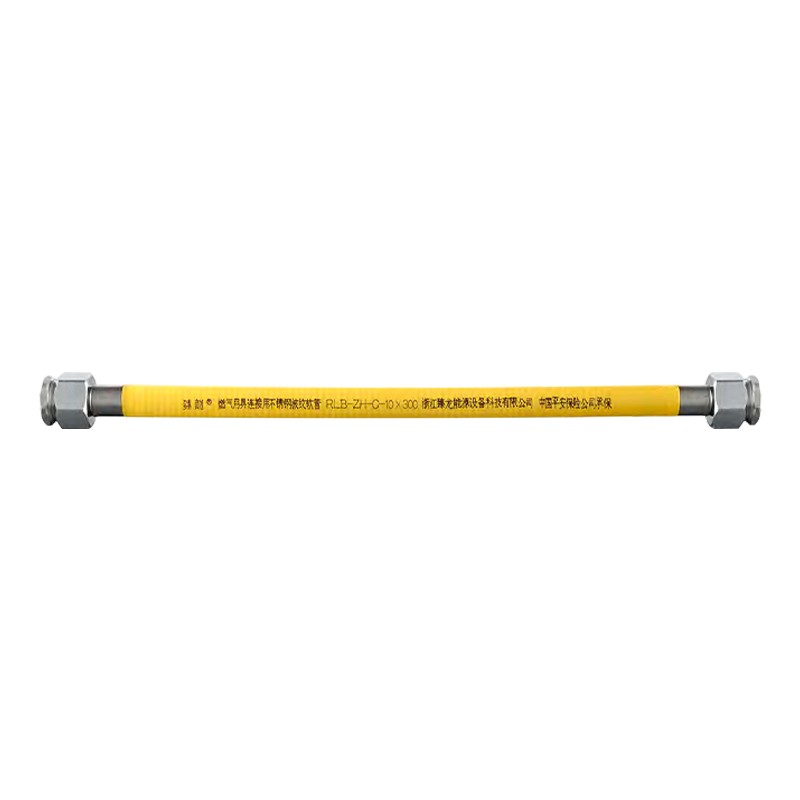
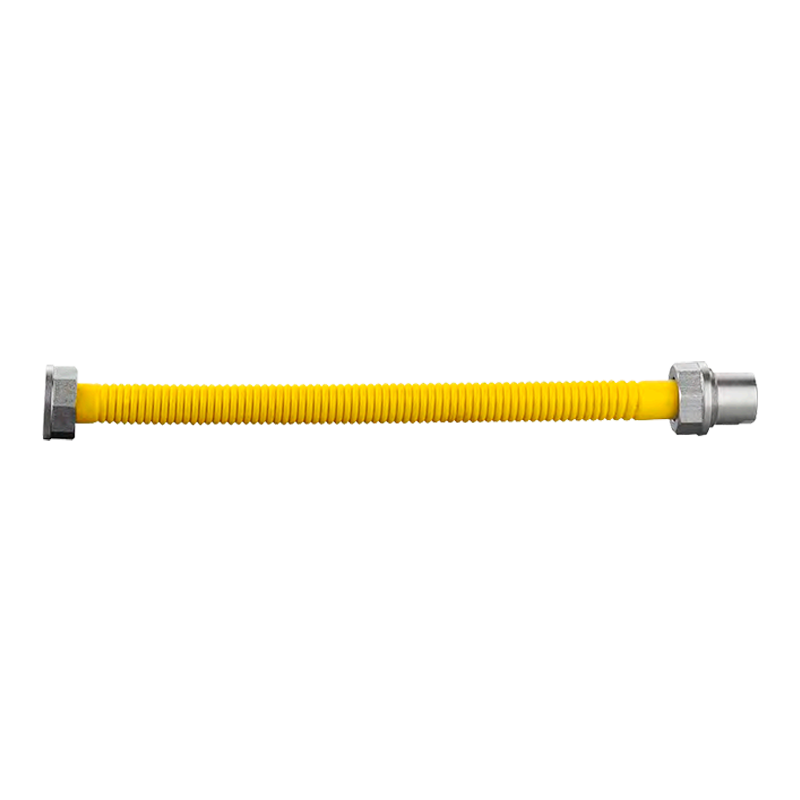
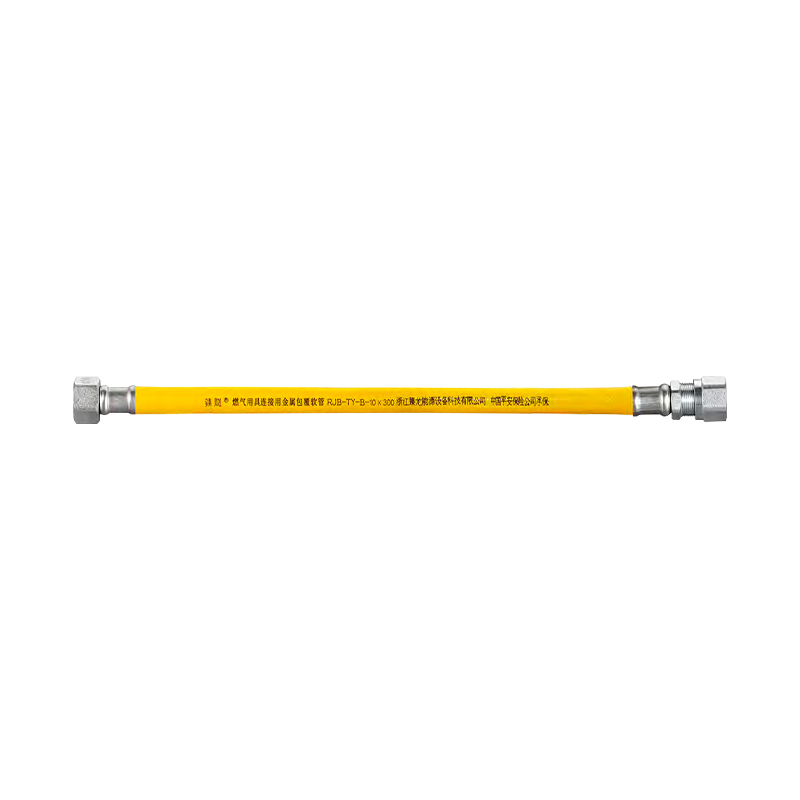
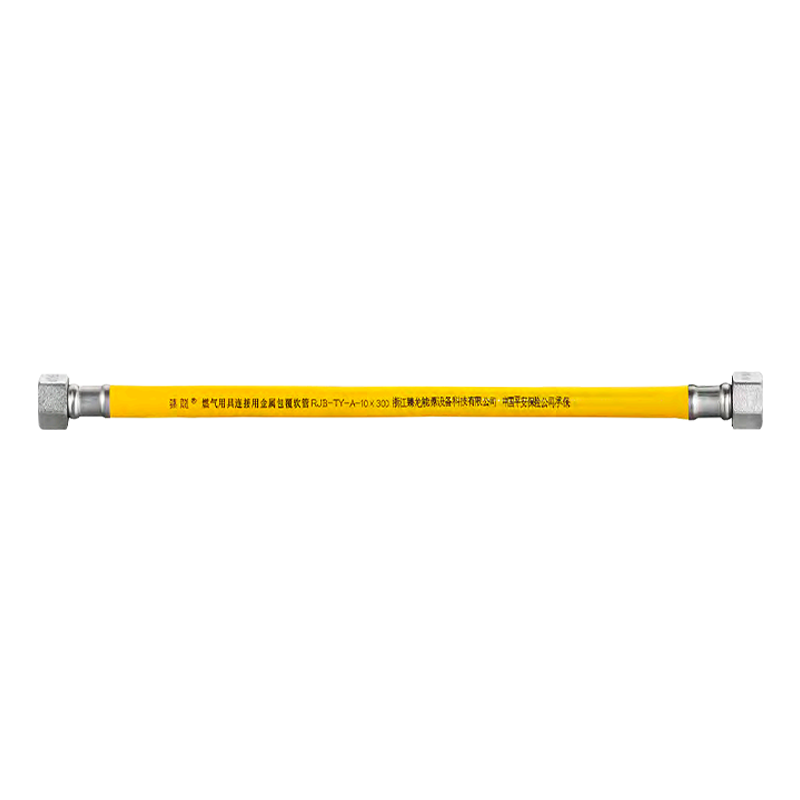
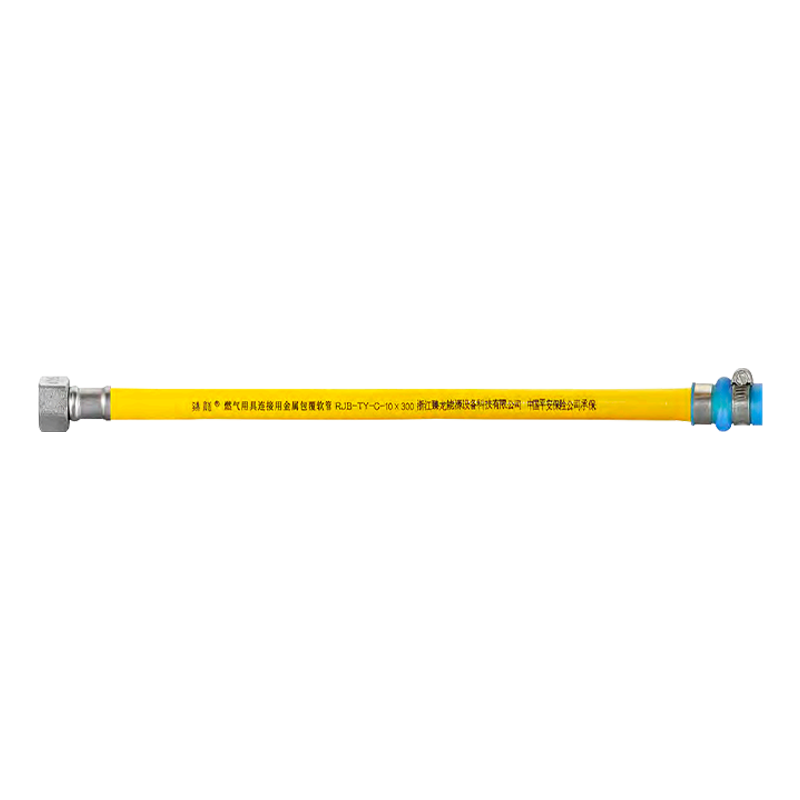
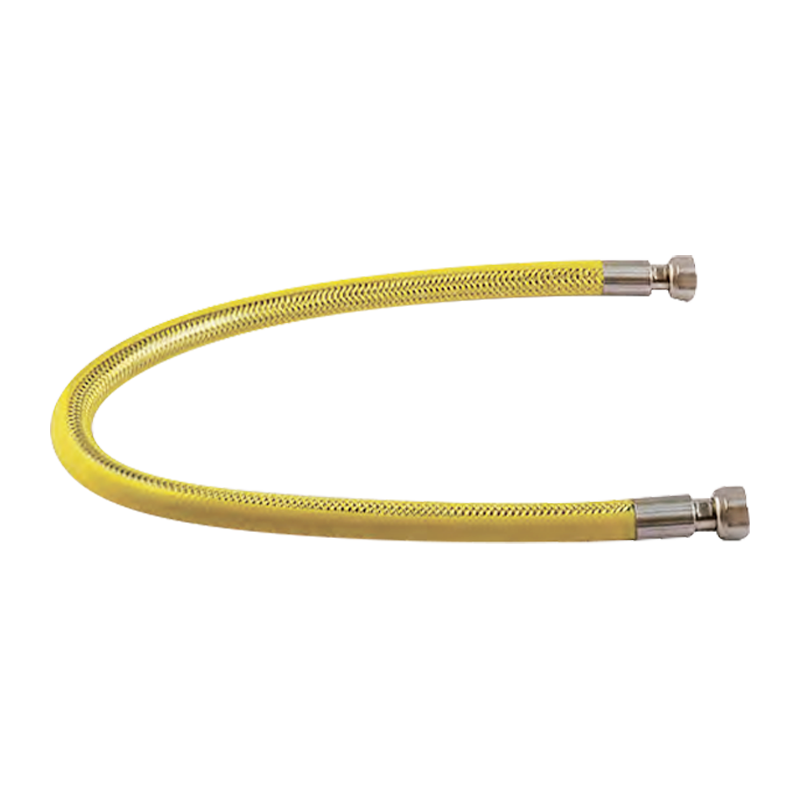
A metal wrapped hose for gas appliance connections is a multi-layer flexible connector designed to safely transport liquefied petroleum gas (LPG) or natural gas from a supply source — such as a cylinder or pipeline — to cooking, heating, or other gas appliances. It combines an inner gas-carrying tube, a reinforcing metal braid or coil sheath, and an outer protective jacket, giving it far greater resistance to rodent damage, corrosion, mechanical stress, and heat than standard rubber hoses. For households and commercial kitchens requiring a reliable gas stove connector hose or a flexible gas connector that meets safety standards, a metal wrapped design is widely considered one of the most practical and durable choices available today.
Content
- 1 Understanding the Three-Layer Structure of a Metal Wrapped Gas Hose
- 2 Why Metal Wrapped Design Outperforms Plain Rubber Hoses
- 3 Global Market Growth: Flexible Gas Connector Demand Over Time
- 4 Key Technical Specifications to Verify Before Purchase
- 5 Radar Comparison: Performance Across Different Hose Types
- 6 Sourcing from a Reputable Gas Hose Manufacturer: What to Look For
- 7 Proper Installation and Maintenance of a Gas Stove Connector Hose
- 8 About Zhejiang Zhenlong Energy Equipment Technology Co., Ltd.
- 9 Frequently Asked Questions
Understanding the Three-Layer Structure of a Metal Wrapped Gas Hose
The engineering behind a quality metal wrapped gas hose is straightforward yet highly effective. Each layer serves a distinct protective or functional role, and the synergy between them is what makes this product a preferred choice for gas appliance connector hose applications worldwide.
Layer 1 — The Inner Gas Hose
At the core lies a flexible rubber or thermoplastic inner tube that physically carries the gas. This layer must be chemically compatible with LPG or natural gas, resistant to pressure fluctuations, and capable of withstanding the temperature range encountered in everyday cooking and heating environments. The inner tube is typically rated to pressures well above normal operating conditions to provide a meaningful safety margin.
Layer 2 — The Metal Sheath
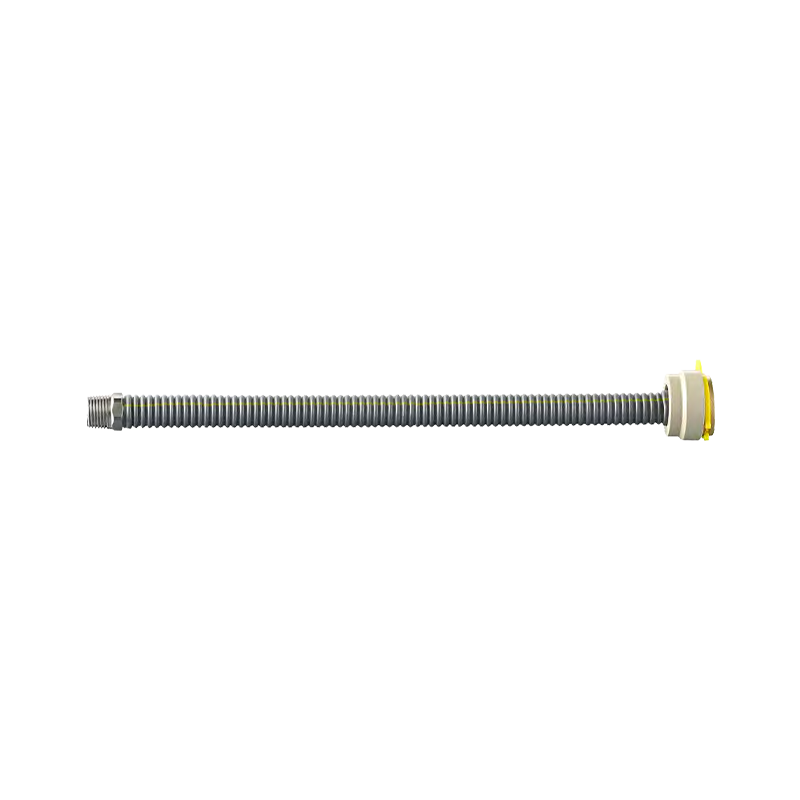
Encasing the inner tube is a stainless steel gas hose braid, spiral wrap, or interlocked metal coil. This metallic armor is the defining feature of the product. It resists rodent bites — one of the most common causes of gas leaks in residential settings — and also provides tensile strength that prevents the hose from bursting under pressure spikes. Stainless steel grades such as 304 are commonly specified for their corrosion resistance, while some manufacturers offer galvanized or chrome-plated variants for cost-sensitive market segments.
Layer 3 — The Outer Plastic Sheath
The outermost layer is a polymer jacket (commonly PVC or PE) that shields the metal braid from moisture, grease splatter, and physical abrasion. It also provides a clean finished appearance suitable for both residential kitchens and commercial food service environments. The plastic sheath contributes to overall hose flexibility, making the connector easier to route around tight spaces behind stoves, ovens, and water heaters.
Contribution of Each Layer to Overall Hose Safety (%)
The metal sheath contributes the most to structural safety (54%), followed by the inner gas-carrying tube (39%) and the protective outer jacket (7%). These proportions reflect industry testing results across rodent resistance, pressure containment, and corrosion protection categories.
The chart above illustrates how each structural layer of a gas appliance connector hose contributes to the product's overall safety performance. While all three layers are essential, the metal sheath dominates because it addresses the most statistically significant failure modes in field conditions — mechanical damage and rodent penetration. This is why choosing a gas hose manufacturer that uses certified-grade stainless steel for the braid is critical during procurement.
Why Metal Wrapped Design Outperforms Plain Rubber Hoses
Plain rubber gas hoses have been used for decades, but their limitations have become more apparent as safety regulations tighten and end-user expectations rise. The comparison below reveals why the metal wrapped approach has become the standard recommendation across residential and commercial segments.
| Feature | Metal Wrapped Gas Hose | Plain Rubber Hose |
|---|---|---|
| Rodent Resistance | High (metal armor) | None |
| Service Life | 5–10+ years | 2–3 years |
| Corrosion Resistance | Excellent (SS304) | Moderate |
| Pressure Rating | Up to 0.3 MPa+ | Up to 0.1 MPa |
| Visual Inspection Ease | Moderate | Easy |
| Regulatory Acceptance | Increasingly mandatory | Region-dependent |
In markets across South and Southeast Asia, Africa, and Latin America — where LPG cylinder usage is widespread — local regulatory bodies have increasingly mandated or strongly recommended metal-reinforced flexible connectors. The table above distills the core differentiators: rodent resistance and extended service life are the two factors with the highest real-world impact on gas safety incidents.
Global Market Growth: Flexible Gas Connector Demand Over Time
The global flexible gas connector market has experienced steady growth driven by urbanization, rising LPG penetration in developing economies, and stricter building codes in mature markets. Understanding this trajectory helps importers, distributors, and procurement managers make confident sourcing decisions when working with a gas connector factory or flexible gas connector supplier.
Estimated Global Flexible Gas Connector Market Size (USD Billion, 2018–2024)
The flexible gas connector market has grown from approximately USD 1.2 billion in 2018 to an estimated USD 2.5 billion in 2023, representing a compound annual growth rate of roughly 15.8%. This expansion is primarily driven by infrastructure upgrades in Asia-Pacific countries, renewed focus on residential gas safety, and the replacement cycle as aging rubber hoses reach end-of-life. The upward trajectory signals strong ongoing demand for both OEM gas hose production and wholesale gas connector distribution.
Key demand drivers in the current cycle include government-mandated replacement programs in countries such as India, Indonesia, and Brazil, where authorities have set timelines for upgrading rubber-only connectors to metal-reinforced variants. Additionally, the growth of modular kitchen installations in urban apartment buildings has increased architect and contractor specifications for custom gas appliance hose solutions with specific length, angle, and fitting configurations.
Key Technical Specifications to Verify Before Purchase
Whether you are a homeowner replacing a worn gas cooker hose, a contractor sourcing materials for a commercial project, or an importer evaluating a new gas hose exporter, the following specifications are the most important to confirm before committing to a product.
- Working Pressure Rating: Look for a minimum of 0.1–0.3 MPa for LPG applications and higher for industrial uses. Verify that the burst pressure is at least 4× the working pressure per applicable standards.
- Inner Diameter (ID) and Length: Common IDs range from 9 mm to 13 mm for residential stove connections. Length options typically span 0.5 m to 2.0 m. Confirm both match your appliance and installation requirements before ordering, especially for OEM gas hose bulk procurement.
- Temperature Range: A standard metal wrapped hose should handle ambient temperatures from -20°C to +70°C without performance degradation. High-heat environments, such as near commercial fryers, may require specialized inner tube compounds.
- End Fittings and Thread Standards: G1/2, G3/4, NPT 1/2, and BSP are the most common thread types. Ensure the connector end fittings match both the appliance regulator and the supply valve on-site. Many wholesale gas connector suppliers can provide mixed-thread options on request.
- Certifications: Look for compliance with CE (Europe), GB (China), IS 9573 (India), or SANS (South Africa) depending on your target market. Reputable manufacturers will supply test reports on demand.
- Metal Sheath Material: 304 stainless steel is the preferred choice for long-term corrosion resistance. Galvanized steel sheaths may be acceptable in dry indoor environments but are not recommended for coastal or humid locations.
Popularity of Standard Hose Lengths in Residential Orders (%)
The 1.0 m length accounts for 42% of all residential gas stove connector hose orders, making it the default standard for most kitchen installations. Lengths of 1.2 m (22%) are the second most popular, often chosen when the gas supply point is positioned slightly further from the appliance. This distribution reflects the typical spacing between built-in countertop stoves and wall-mounted gas regulators in standard residential kitchen layouts.
Radar Comparison: Performance Across Different Hose Types
Procurement decisions benefit from a holistic view of performance rather than focusing on a single metric. The radar chart below compares three common gas hose types — metal wrapped, corrugated stainless steel (CSST), and plain rubber — across six key performance dimensions.
Hose Type Performance Radar (Score 1–10)
The radar chart clearly shows that metal wrapped hoses achieve high scores across safety, durability, and regulatory compliance — the three dimensions most closely scrutinized by building inspectors and insurance assessors. Corrugated stainless steel tube (CSST) performs similarly in safety but scores lower on installation flexibility and cost-value ratio. Plain rubber hoses score highest on flexibility and initial cost, but their safety and compliance scores are lowest, which increasingly disqualifies them from use in markets with updated gas safety codes. For buyers seeking a balanced combination of safety, longevity, and regulatory acceptance, the metal wrapped profile is the most defensible choice.
Sourcing from a Reputable Gas Hose Manufacturer: What to Look For
Working directly with a qualified gas hose manufacturer or gas connector factory offers advantages in customization, quality assurance, and logistics efficiency compared to purchasing through intermediary layers. However, not all factories operate at the same level of capability or compliance. Here are the critical evaluation points.
Manufacturing Infrastructure
A credible manufacturer will have dedicated welding and forming production lines, metallurgical testing equipment (such as a direct-reading spectrometer for material composition analysis), and pressure testing rigs capable of validating every batch. Facilities with over 30 production lines and 30,000 square meters of factory space are typically able to handle both large-volume wholesale orders and small-batch custom runs simultaneously, without compromising on lead time or quality consistency.
OEM and Custom Capabilities
For distributors who sell under their own brand, or retailers who require private-label OEM gas hose products, working with a manufacturer that has in-house tooling and packaging customization capability is essential. This includes custom hose lengths, special fitting combinations, private-label packaging with the buyer's branding, and documentation support for target market certifications. Buyers should request samples and verify that the OEM process includes quality checkpoints before mass production begins.
Export Experience and Documentation
A reliable gas hose exporter will be familiar with the documentation requirements of key import markets, including commercial invoices, packing lists, certificates of origin, test reports, and any market-specific conformity certificates. Manufacturers based in Yuyao, Ningbo — a major hardware and plumbing export hub in Zhejiang province — typically have well-established freight forwarding relationships and can offer competitive FOB or CIF pricing with relatively short lead times for standard product lines.
Wholesale Minimum Order Quantities (MOQs)
For buyers exploring wholesale gas connector procurement, MOQs typically start at 500–1,000 units per SKU for standard products and may be negotiable for new customers placing initial trial orders. Custom configurations — specific colors, branded packaging, non-standard lengths — typically carry higher MOQs due to setup costs associated with tooling and labeling lines.
Typical Export Destination Breakdown for Chinese Gas Hose Manufacturers (%)
Asia-Pacific dominates export volumes at 38%, driven by high LPG adoption in Indonesia, Vietnam, India, and the Philippines. The Middle East (22%) and Africa (18%) follow, both regions where LPG is the primary household cooking fuel in peri-urban areas. European demand (12%) focuses on CE-certified products for appliance replacement markets, while the Americas (10%) largely import for retail distribution. This geographic distribution underscores why a flexible gas connector supplier with multilingual documentation and flexible certification support is a competitive advantage.
Proper Installation and Maintenance of a Gas Stove Connector Hose
Even the highest-quality gas stove connector hose will underperform or fail prematurely if installed incorrectly or neglected over time. The following guidance applies to most residential and light commercial installations.
Installation Best Practices
- Turn off the gas supply valve completely before disconnecting any existing hose or fitting.
- Inspect the new hose for any visible damage — kinks, crushed sections, or compromised fittings — before installation.
- Hand-tighten fittings first, then use an appropriately sized wrench. Avoid over-tightening, which can crack brass fittings or damage thread seals.
- Ensure the hose is routed without sharp bends, and that it does not contact hot surfaces such as burner grates or oven exhaust vents.
- Apply a soapy water solution to all joints after reconnecting gas, then open the supply valve slowly. Watch for bubbles, which indicate a leak requiring immediate attention.
- Keep records of the installation date. Most manufacturers recommend inspection every 12 months and replacement every 5 years for residential applications, or as specified by local regulations.
Signs a Gas Cooker Hose Needs Replacement
- Visible cracking, fraying, or discoloration of the outer plastic jacket
- Corrosion staining or rust on the metal braid, especially near fittings
- Detection of a gas smell (sulfur or rotten egg odor) near the hose at any time
- The hose has been kinked, crushed, or subjected to a pull force beyond its rated length
- Hose age exceeds the manufacturer's stated service interval
About Zhejiang Zhenlong Energy Equipment Technology Co., Ltd.
Zhejiang Zhenlong Energy Equipment Technology Co., Ltd. is a professional manufacturer engaged in the research, development, and production of energy equipment products including metal hoses, natural gas pipelines, plumbing fittings, sanitary ware, valves, plastic products, and hardware. Located in Yuyao, Ningbo, Zhejiang — one of China's premier manufacturing and export corridors — the company occupies a 40-acre campus with 30,000 square meters of factory space.
The facility operates 30 welding and forming production lines alongside 2 uninterrupted solid melting hydrogen furnace lines, enabling consistent, high-volume output for both standard and custom product configurations. In-house testing capabilities include a metal material analysis direct-reading spectrometer and a flow tightness tester, ensuring that every batch of gas appliance connector hose products meets material composition and leak-tightness standards before shipment.
As an integrated manufacturer-trader, Zhenlong serves customers across multiple channels — from direct OEM partnerships with appliance brands to wholesale distribution agreements with regional importers. The company's expertise in custom gas appliance hose design makes it a practical partner for buyers who need non-standard configurations, specialized certifications, or private-label packaging for international markets.
Frequently Asked Questions
Q1. How long does a metal wrapped gas hose typically last?
Under normal residential use, a quality metal wrapped gas hose has a service life of 5 to 10 years. Most manufacturers recommend inspection every 12 months and replacement at or before the 5-year mark, or immediately if any physical damage or corrosion is observed.
Q2. Is a metal wrapped hose suitable for both LPG and natural gas?
Most metal wrapped gas hoses are compatible with both LPG (propane/butane) and natural gas, but always verify the inner tube material and rating on the product label or datasheet. Different gases operate at different pressures, so ensure the hose's rated working pressure matches your supply type.
Q3. Can I connect a metal wrapped hose myself, or do I need a professional?
While basic connection involves threading fittings onto the appliance and supply valve — a task many experienced DIYers handle — gas regulations in many countries require that gas appliance connections be inspected or performed by a licensed technician. Always check local requirements before self-installing any gas connector hose.
Q4. What certifications should I look for when buying a gas connector hose?
The relevant certification depends on your market: CE marking for Europe, GB standards for China, IS 9573 for India, and SANS 1156 for South Africa are the most common. For export buyers, request the manufacturer's third-party test report and ensure it covers pressure resistance, material composition, and leak tightness.
Q5. What is the minimum order quantity (MOQ) for wholesale gas connectors?
For standard product lines, MOQs from most gas connector factories start at 500 to 1,000 units per SKU. Custom configurations — such as special lengths, non-standard fittings, or branded packaging — may carry higher MOQs. Reach out directly to the manufacturer with your specific requirements for an accurate quotation.
Q6. What is the difference between a stainless steel gas hose and a galvanized one?
Stainless steel (typically grade 304) offers superior corrosion resistance and is recommended for humid, coastal, or high-moisture environments. Galvanized steel sheaths provide adequate protection in dry indoor conditions but may show rust over time when exposed to moisture. For long-term reliability, stainless steel is the preferred metal sheath material.