 English
 中文简体
中文简体 Español
 عربى
عربى

Quick Answer
To install corrugated stainless steel tubing for gas pipes safely, you must: shut off the gas supply completely before starting, measure and cut the flexible gas pipe tubing with a dedicated tubing cutter (never a saw), attach stainless steel gas pipe connectors by hand-tightening then adding a precise quarter-turn with a wrench, route tubing away from heat sources and sharp edges, and test every joint with an approved leak detection solution before restoring gas flow. CSST is approved for both home gas line and industrial gas pipe applications when installed according to local codes — but the process demands correct fittings, proper bonding, and a final pressure test.
Content
- 1 What Is Corrugated Stainless Steel Tubing and Why Is It Used for Gas Pipes?
- 2 Tools and Materials You Need Before Starting Installation
- 3 Step-by-Step: How to Install Corrugated Stainless Steel Tubing for Gas Pipes
- 4 Comparing Gas Pipe Materials: Which Is Right for Your Application?
- 5 6 Installation Mistakes That Cause Gas Leaks — and How to Avoid Them
- 6 CSST in Industrial Gas Pipe Applications: What's Different?
- 7 About Zhejiang Zhenlong Energy Equipment Technology Co., Ltd.
- 8 Frequently Asked Questions About CSST Gas Pipe Installation
What Is Corrugated Stainless Steel Tubing and Why Is It Used for Gas Pipes?
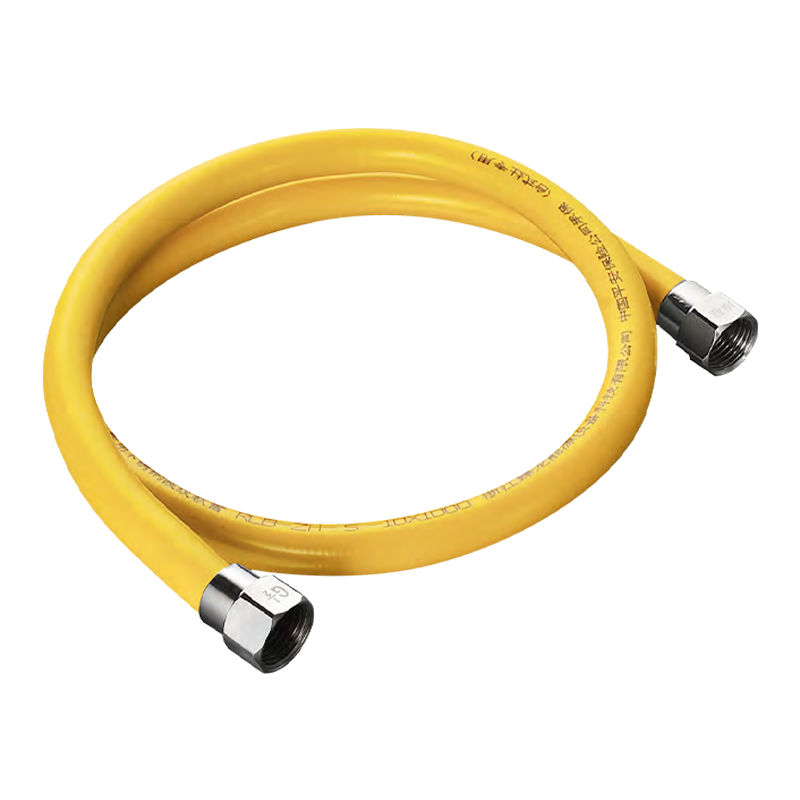
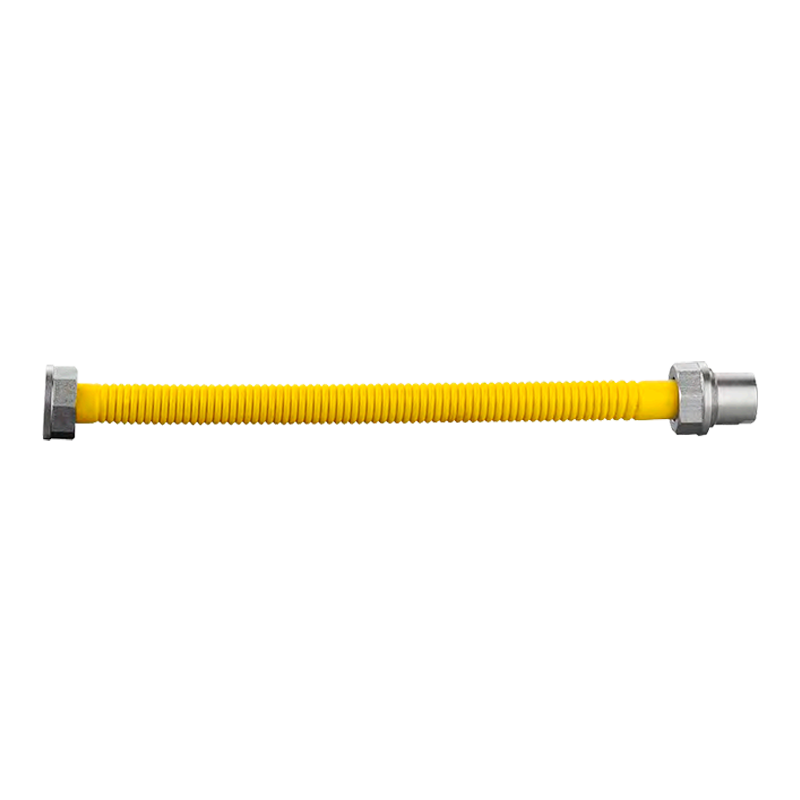
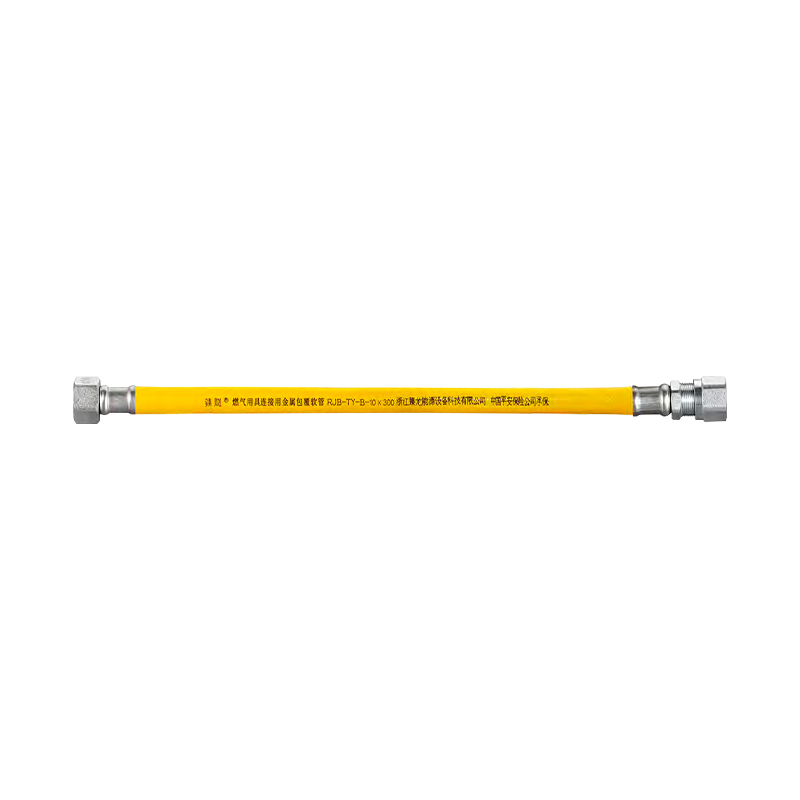
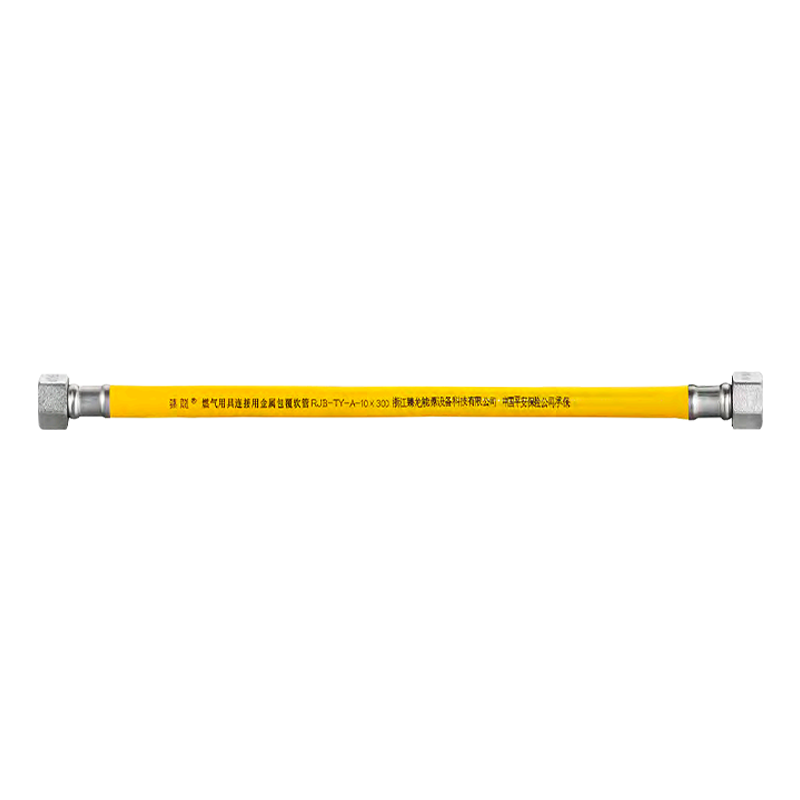
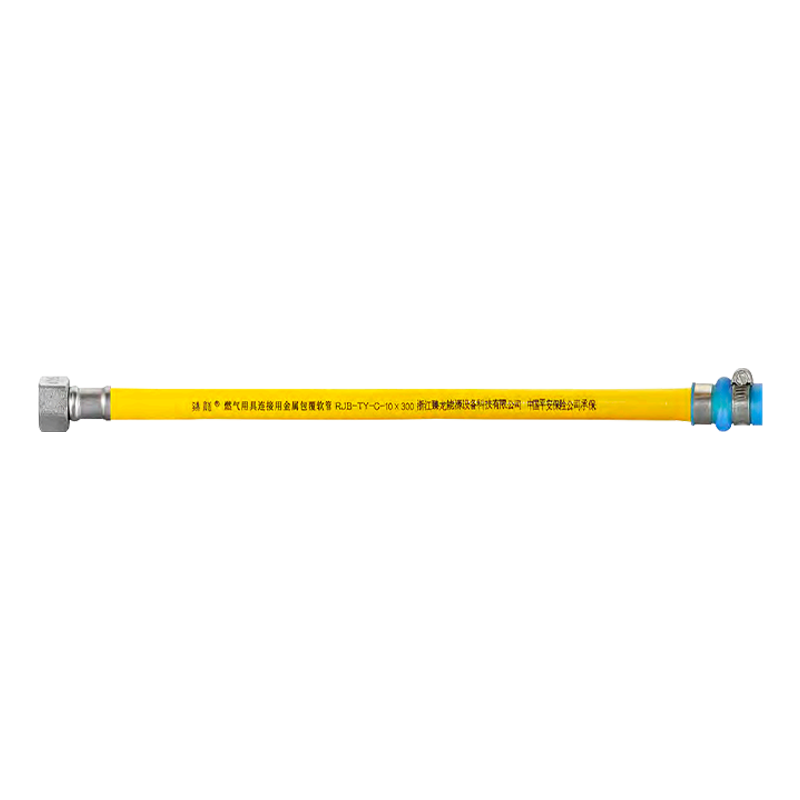
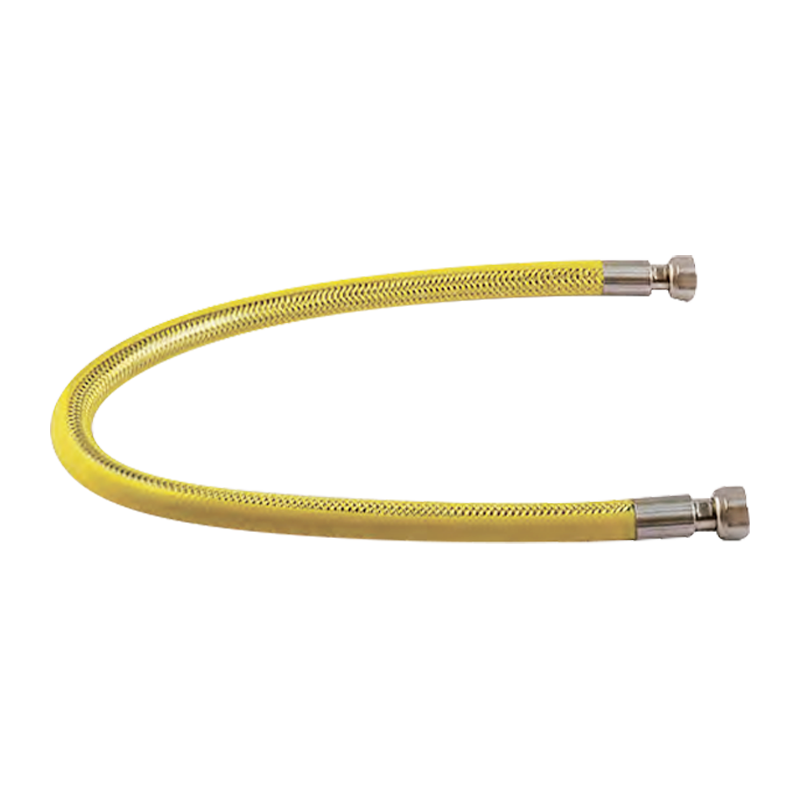
Corrugated stainless steel tubing for gas pipes — commonly abbreviated as CSST — is a flexible, factory-assembled gas piping system designed for natural gas and propane delivery in both residential and commercial environments. Its corrugated profile gives the tubing remarkable flexibility, allowing installers to route gas lines around corners, through walls, and across floors without the multiple fittings and rigid joints that traditional black iron or galvanized steel pipe requires.
First introduced in Japan in the 1980s and adopted across North America and Europe from the early 1990s onward, CSST has become a preferred solution for home gas line stainless steel tubing installations. The flexibility that makes it easy to route through tight spaces also gives it significant seismic resistance — a property that has made it the installation standard in earthquake-prone regions. As of 2024, CSST accounts for an estimated 65% of new residential gas pipe installations in the United States, displacing rigid pipe in all but the most demanding industrial gas pipe applications.
Material
304 or 316 grade stainless steel corrugated tubing with protective yellow or black polymer jacket, rated for natural gas and LPG service
Operating Pressure
Typically rated for 2 PSI residential service and up to 5 PSI for commercial and light industrial gas pipe fittings systems
Sizing Range
Available in 3/8", 1/2", 3/4", 1", 1-1/4", and 1-1/2" nominal sizes to match a wide range of residential and industrial gas pipe fitting requirements
Service Life
When correctly installed with appropriate stainless steel gas pipe connectors, CSST systems have a documented service life exceeding 50 years
CSST vs Rigid Steel Pipe: Key Performance Comparison (Score / 10)
Installation Speed
Seismic / Vibration Resistance
Corrosion Resistance
High-Pressure Industrial Rating
Scores based on aggregated field performance data and installer survey feedback across residential and commercial gas applications.
Tools and Materials You Need Before Starting Installation
Gathering the correct tools and materials before beginning any gas pipe installation is not just good practice — it is a safety requirement. Improvising with incorrect cutting tools or incompatible gas pipes fittings is one of the most common causes of post-installation leaks. Every component used must be rated and listed for gas service.
Required Tools
- CSST-specific rotary tubing cutter (never use a hacksaw or angle grinder)
- Two adjustable wrenches (one to hold the fitting body, one to tighten the nut)
- Tape measure and marking pen
- Leak detection solution or electronic gas detector
- Pressure test gauge (for system testing at 1.5× working pressure)
- Bonding clamp and grounding wire (per local electrical code)
Required Materials
- Correctly sized flexible gas pipe tubing (CSST) in the appropriate nominal diameter
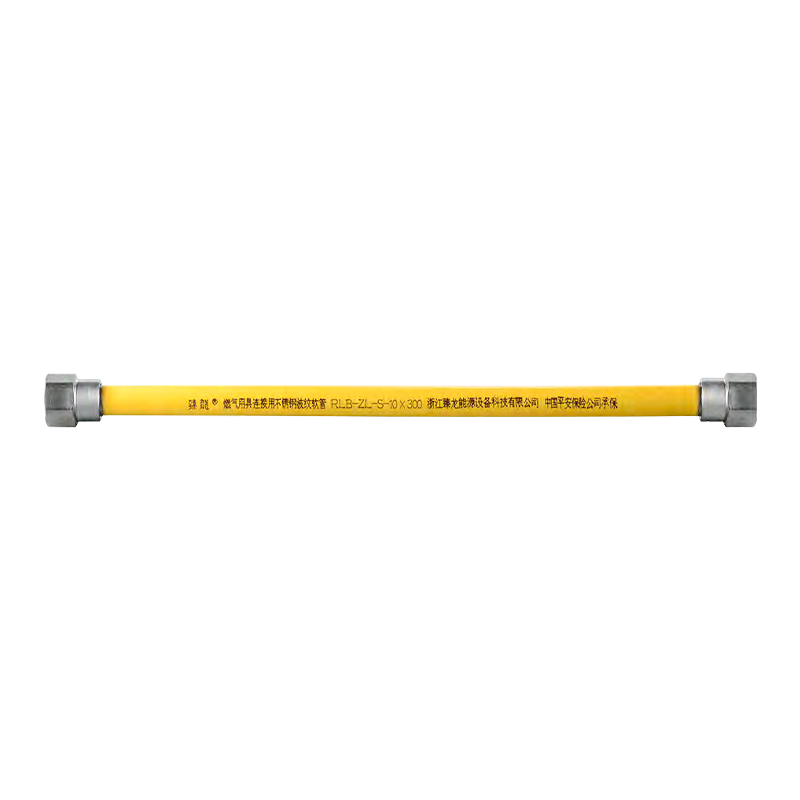
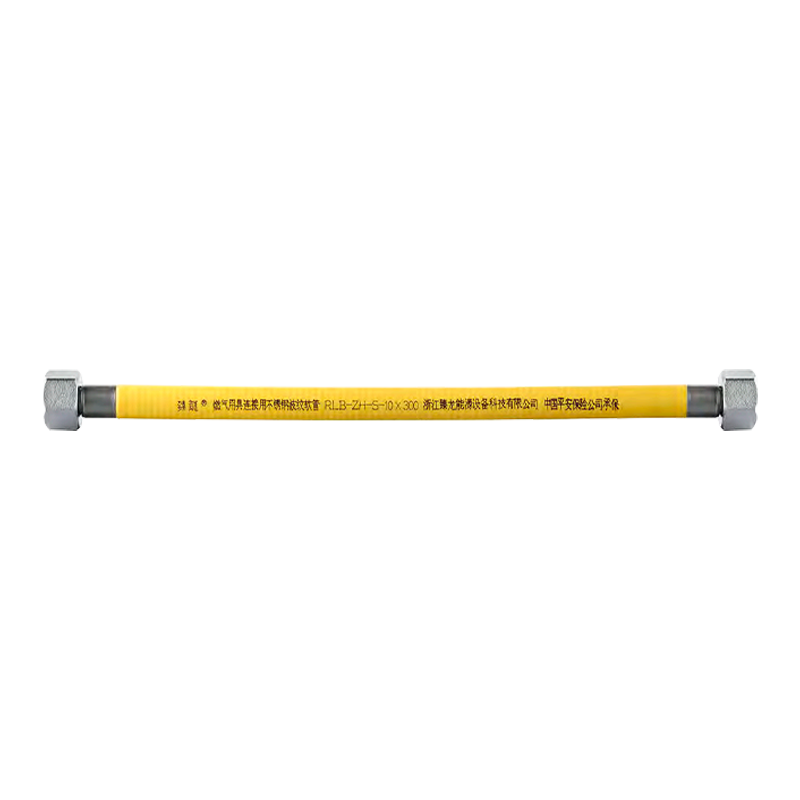
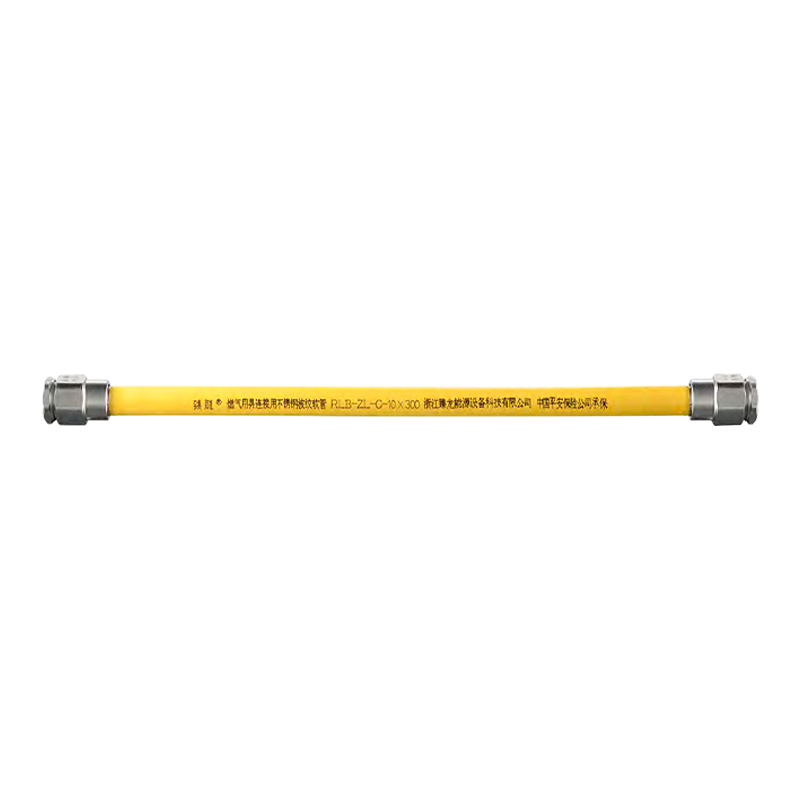
- Manufacturer-matched stainless steel gas pipe connectors and termination fittings
- Corrugated metal gas fittings (tees, elbows, reducers) as needed for the run layout
- Plastic grommets or sleeve protectors for wall and floor penetrations
- Support brackets or hangers at required spacing intervals
- Thread sealant (for NPT connections on rigid pipe transition fittings)
Critical Compatibility Rule
CSST systems are proprietary by design. The fittings, tubing, and connectors must all come from the same manufacturer's listed system. Never mix fittings from different CSST product lines — even if the outer diameter appears identical. Mismatched gas pipes fittings cannot be pressure-tested to the same standard and may fail under thermal expansion cycles over time.
Step-by-Step: How to Install Corrugated Stainless Steel Tubing for Gas Pipes
The following installation sequence applies to typical residential and light commercial CSST systems for natural gas or propane. Always refer to your specific product's installation manual and verify compliance with local gas codes before beginning. When in doubt, engage a licensed gas fitter for inspection or completion.
Step 1: Shut Off the Gas Supply
Close the main gas shutoff valve at the meter or at the supply manifold. Confirm the supply is off by attempting to light a gas appliance — no ignition confirms successful shutoff. Allow any residual pressure to dissipate before cutting or disconnecting any tubing. This step is non-negotiable and must not be skipped regardless of the scope of work.
Step 2: Plan and Measure the Run
Measure the full route from the gas supply point to the appliance connection, adding 10–15% additional length to account for bends and routing variations. Identify all wall penetrations, floor transitions, and any areas where the tubing will pass through fire-rated assemblies (which require specific fire-rated sleeve fittings). Mark your cut length on the flexible gas pipe tubing with a marker before cutting.
Step 3: Cut the CSST Tubing Cleanly
Using a CSST-rated rotary pipe cutter, cut the corrugated stainless steel tubing at a valley (the low point between corrugations) — never at a crest. A clean, square cut at the valley ensures the fitting nut and sleeve engage properly with the stainless steel corrugations. A ragged or angled cut will prevent a gas-tight seal and must be re-cut before proceeding. Remove any metal burrs from the cut end with a deburring tool.
Step 4: Attach the Stainless Steel Gas Pipe Connector
Slide the fitting nut over the cut end of the flexible gas pipe tubing, followed by the stainless steel insert (the internal sleeve that supports the corrugations under compression). Push the tubing fully into the fitting body until it bottoms out — you should feel positive resistance when the tubing seats correctly. Hand-tighten the nut clockwise until snug, then apply exactly the number of additional turns specified by the manufacturer (typically 1 to 1.5 turns with a wrench). Over-tightening can damage the corrugations; under-tightening will cause a leak.
Step 5: Route and Support the Tubing
Route the home gas line stainless steel tubing along structural members where possible, securing it at intervals not exceeding those specified in your local code (typically every 4 feet for horizontal runs, every 6 feet for vertical). Install plastic grommets at every wall and floor penetration point — the polymer jacket on CSST tubing must never contact raw concrete, metal framing edges, or other abrasive surfaces. Maintain a minimum bend radius of 3 inches for 1/2" tubing (or per manufacturer specification) to avoid kinking the corrugated profile.
Step 6: Install Bonding and Grounding
CSST systems are susceptible to arc damage from nearby lightning strikes. Most current installation codes require bonding clamps to be attached to the CSST at every fitting or at intervals defined by local code, connected to a grounding electrode system. This is a non-cosmetic safety requirement that has been mandated following documented lightning-related CSST failures. Do not omit the bonding step even on interior runs.
Step 7: Pressure Test and Inspect All Joints
Before restoring gas flow, pressurize the system to 1.5 times the operating pressure using compressed air or nitrogen (never oxygen). Hold pressure for a minimum of 15 minutes and confirm no pressure drop on the gauge. Then, restore gas flow at normal operating pressure and apply an approved liquid leak detection solution to every stainless steel gas pipe connector, joint, and corrugated metal gas fitting. Watch for bubbles for a full 60 seconds at each joint. Any bubble formation indicates a leak that must be resolved before the installation can be considered complete.
Comparing Gas Pipe Materials: Which Is Right for Your Application?
Choosing between CSST, galvanized steel, stainless steel, and polyethylene pipe depends on your installation environment, pressure requirements, and whether the application is residential or industrial. The table below summarizes the key differences to help inform that decision.
| Material | Flexibility | Corrosion Resistance | Install Complexity | Best Application |
|---|---|---|---|---|
| CSST (Stainless Steel) | Excellent | Excellent | Low | Residential, light commercial |
| Galvanized Steel | None | Good | High | General indoor residential |
| Black Iron / Steel | None | Moderate | Very High | Industrial gas pipe fittings systems |
| Polyethylene (PE) | Good | Excellent | Moderate | Underground outdoor distribution |
| Aluminum-Plastic Composite | Good | Very Good | Low–Moderate | Indoor distribution, renovations |
Global CSST Market Share in Residential Gas Piping (%): 2015–2025
Market share data for corrugated stainless steel tubing in residential new-build and retrofit gas piping, global aggregate.
6 Installation Mistakes That Cause Gas Leaks — and How to Avoid Them
Even experienced installers can make critical errors when working with flexible gas pipe tubing if they are unfamiliar with CSST-specific requirements. These are the six most common installation mistakes identified by gas inspection bodies — and the corrective action for each.
Using the Wrong Cutting Tool
Mistake: Cutting CSST with a hacksaw or pipe saw leaves metal burrs and a non-square cut that prevents the fitting from sealing. Fix: Always use a dedicated rotary tubing cutter rated for stainless steel CSST. Cut only at the valley between corrugations.
Mixing CSST System Brands
Mistake: Using corrugated metal gas fittings from one manufacturer with tubing from another. Fix: Each CSST system is a listed assembly — every component must be from the same manufacturer's approved product line. Verify compatibility before ordering materials.
Skipping the Bonding Requirement
Mistake: Omitting bonding clamps and grounding on the assumption that the system is indoors and therefore safe from lightning. Fix: Install bonding at each fitting as required. Lightning-induced electrical arcs have caused CSST jacket damage and ignition in documented cases.
Routing Against Sharp Surfaces
Mistake: Running home gas line stainless steel tubing through unprotected holes in metal studs or against concrete edges. Fix: Install plastic grommets or foam sleeve protectors at every penetration point. Abrasion damage to the polymer jacket compromises the tubing's long-term integrity.
Under- or Over-Tightening Fittings
Mistake: Guessing at the correct torque on the stainless steel gas pipe connector nut rather than following the manufacturer's specified turn count. Fix: Mark the fitting nut with a marker after hand-tightening, then apply the exact wrench turns specified — typically 1 to 1.5 additional turns.
Skipping the Pressure Test
Mistake: Restoring gas flow immediately after connecting fittings without a pressure hold test. Fix: Always conduct a pressure test at 1.5× working pressure for at least 15 minutes before any gas is introduced. Apply leak detection solution to every gas pipes fitting joint after restoring gas.
CSST in Industrial Gas Pipe Applications: What's Different?
While the installation principles for residential and industrial gas pipe fittings are fundamentally similar, industrial CSST applications involve higher pressures, larger pipe diameters, and stricter certification requirements. Understanding these differences is essential for engineers and contractors specifying CSST for commercial or industrial environments.
Residential vs Industrial CSST Installation Complexity (Score / 10)
Relative complexity scores across key installation dimensions for residential vs industrial gas pipe applications.
For industrial gas pipe fittings applications — including manufacturing facilities, commercial kitchens, laboratory gas supply, and process gas distribution — the following additional requirements typically apply:
- CSST systems used in industrial settings must carry approvals from national standards bodies (such as ANSI/AGA in the US, or CE in the EU) and be specified according to the operating pressure requirements of the facility.
- Larger diameter industrial gas pipe fittings (1" and above) require higher torque specifications and may require mechanical aids for proper fitting engagement.
- Pressure testing in industrial environments is typically conducted at higher test pressures (often 5 PSI or more) with longer hold times, and results must be documented by a licensed inspector.
- Seismic bracing requirements for industrial CSST are significantly more stringent than residential, particularly in facilities housing sensitive equipment or operating with high-pressure process gas.
About Zhejiang Zhenlong Energy Equipment Technology Co., Ltd.
Commonly used materials for residential indoor gas piping include galvanized steel pipes, stainless steel pipes, aluminum-plastic composite pipes, and polyethylene (PE) pipes. Galvanized steel pipes remain widely used for their good anti-corrosion properties, while PE pipes have gained significant adoption in recent years for their corrosion resistance, impact strength, and weather durability.
Pipe fittings are critical for connecting pipelines into complete, reliable systems — encompassing elbows, tees, crosses, flanges, and joints in materials matched to the pipe specification. Selection must account for pipe material, operating pressure, connection method, and service conditions to ensure a gas-tight, durable system.
Zhejiang Zhenlong Energy Equipment Technology Co., Ltd. is a specialized enterprise engaged in the research, development, manufacturing, and processing of energy equipment. The company produces metal hoses, natural gas pipelines, plumbing fittings, sanitary ware, valves, plastic products, and hardware — integrating industry and trade across all product lines. Located in Yuyao, Ningbo, Zhejiang, the facility covers 40 acres with a factory building area of 30,000 square meters.
Production capabilities include 30 welding and forming production lines and 2 uninterrupted solid melting hydrogen furnace production lines, supported by advanced testing equipment including metal material analysis direct reading spectrometers and flow tightness testers.
Certifications and Memberships
- ISO 9000:2008 Quality Management System — strictly implemented across all production lines
- People's Republic of China Special Equipment Manufacturing License (Pressure Pipeline)
- EU CE Certification — national testing center report
- Member of the China Urban Gas Association
- Professional Corrugated Stainless Steel Tubing For Gas Pipes Supplier and Gas Pipes Fittings Company