 English
 中文简体
中文简体 Español
 عربى
عربى

Quick Answer
Corrugated stainless steel tubing (CSST) for gas pipes is generally safe when properly installed and bonded according to code. Modern CSST systems certified to ANSI LC-1 or CSA standards have a strong safety record, but the risk of arc damage from lightning strikes — estimated at roughly 1 in 10,000 homes per year — means correct grounding and bonding are non-negotiable. When installed by a licensed professional following the manufacturer's installation guide, CSST is a reliable, flexible, and durable gas piping solution for both residential and commercial applications.
Content
- 1 What Is Corrugated Stainless Steel Tubing and How Does It Work?
- 2 CSST Safety Risk Breakdown: What the Data Actually Shows
- 3 CSST vs Rigid Black Iron Pipe: A Direct Safety Comparison
- 4 Corrugated Stainless Steel Gas Pipe Installation Guide: Key Steps and Requirements
- 5 CSST Incident Cause Distribution: Where Does the Risk Actually Come From?
- 6 What Certifications Should You Look for in a CSST System?
- 7 7 Common CSST Installation Mistakes That Compromise Safety
- 8 About Zhejiang Zhenlong Energy Equipment Technology Co., Ltd.
- 9 Frequently Asked Questions About CSST Gas Pipes
What Is Corrugated Stainless Steel Tubing and How Does It Work?
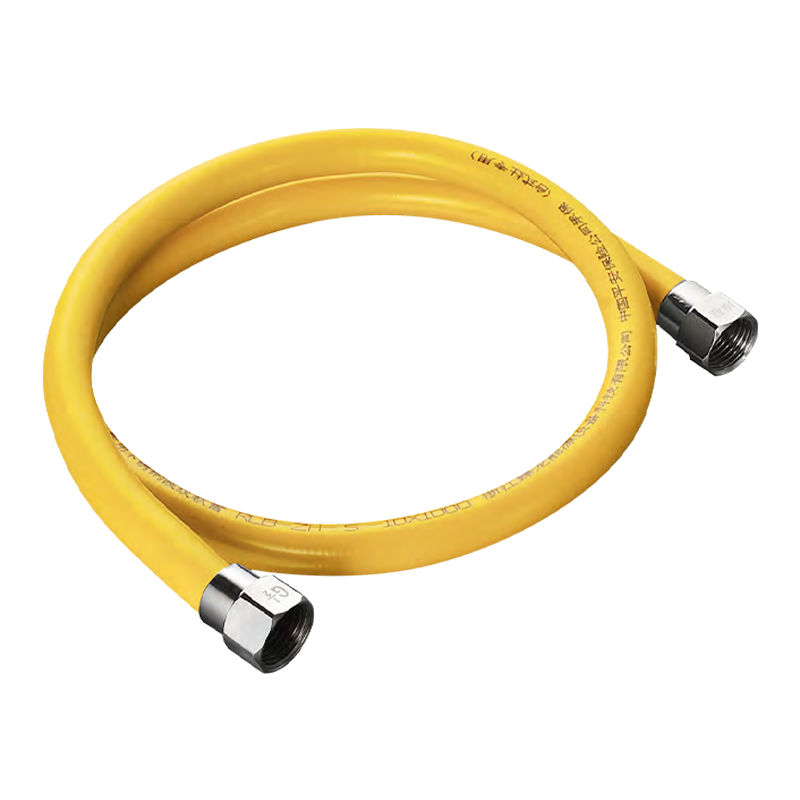
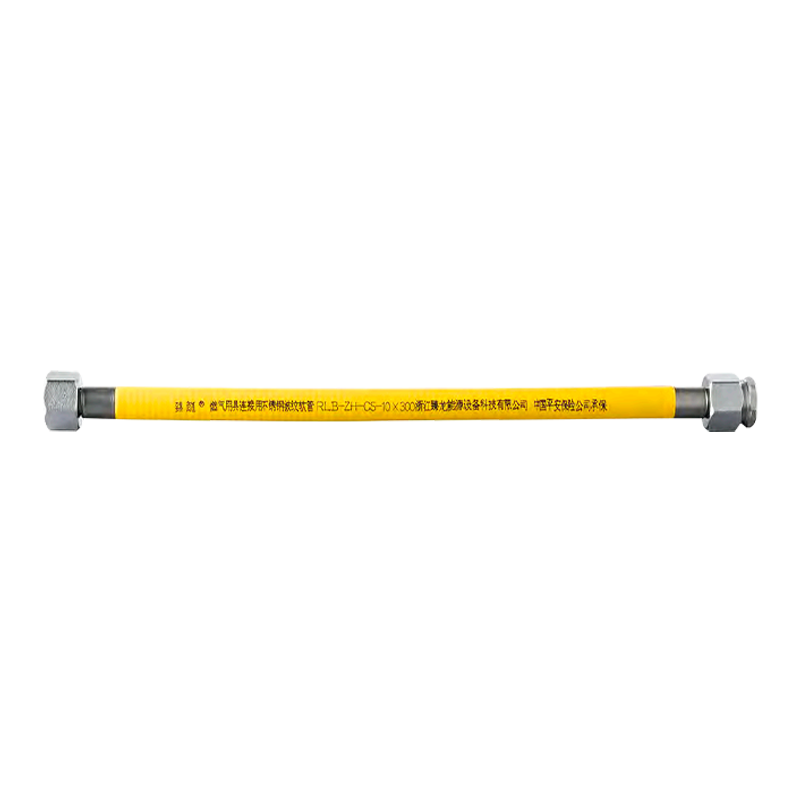
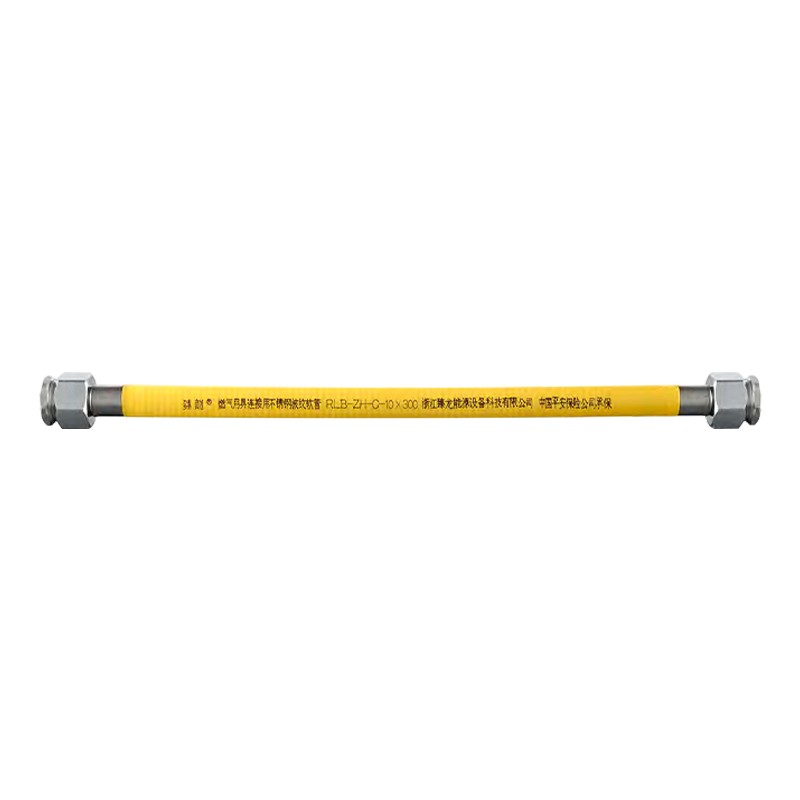
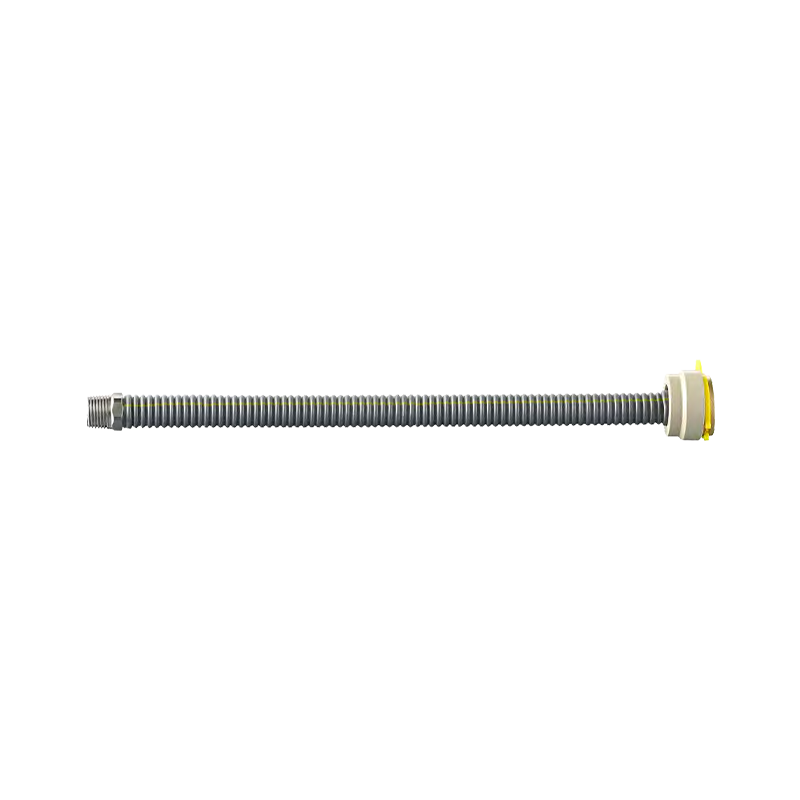
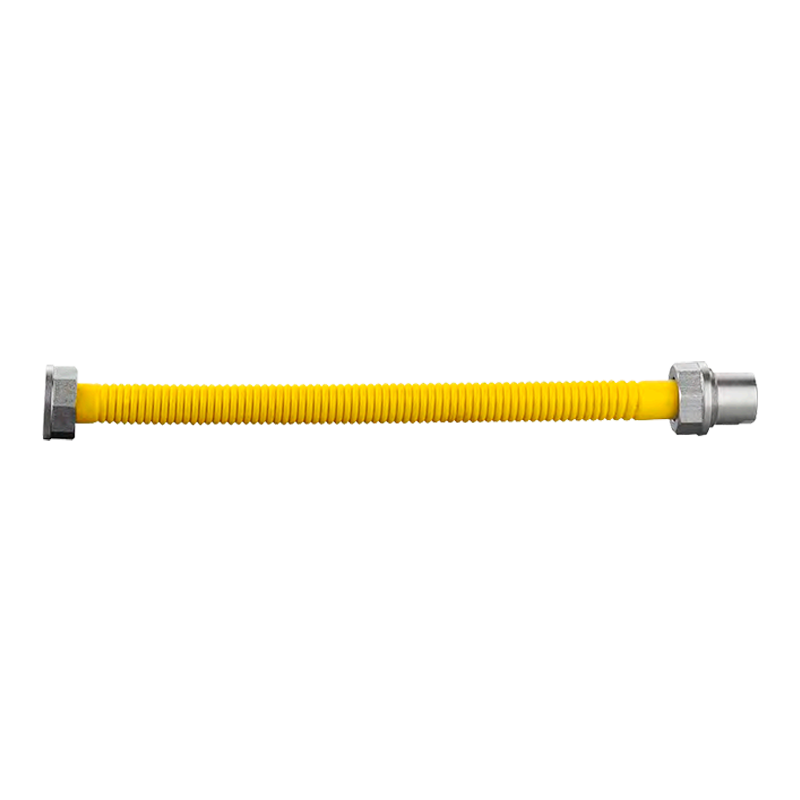
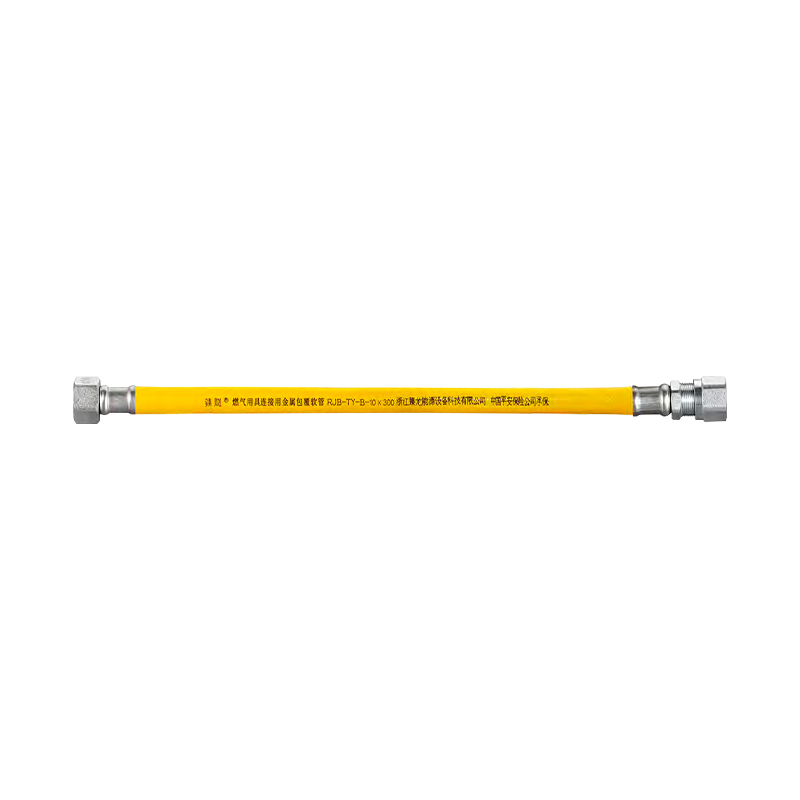
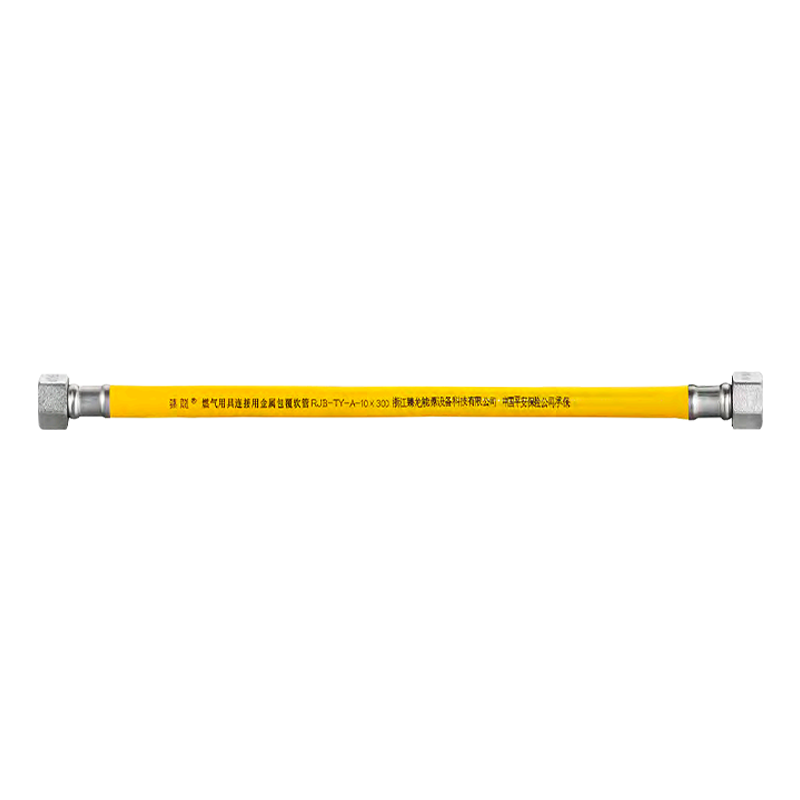
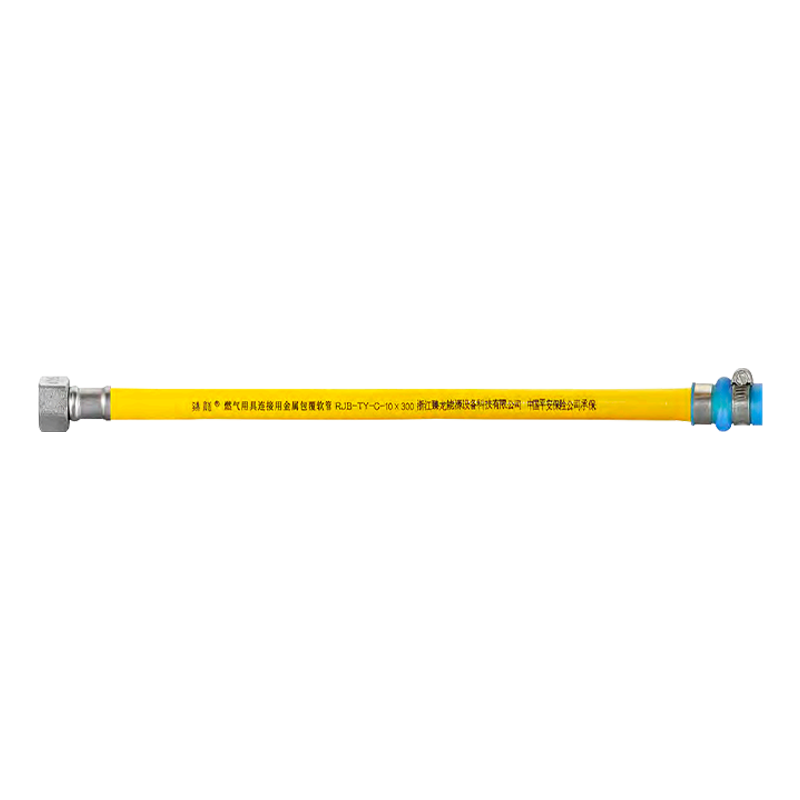
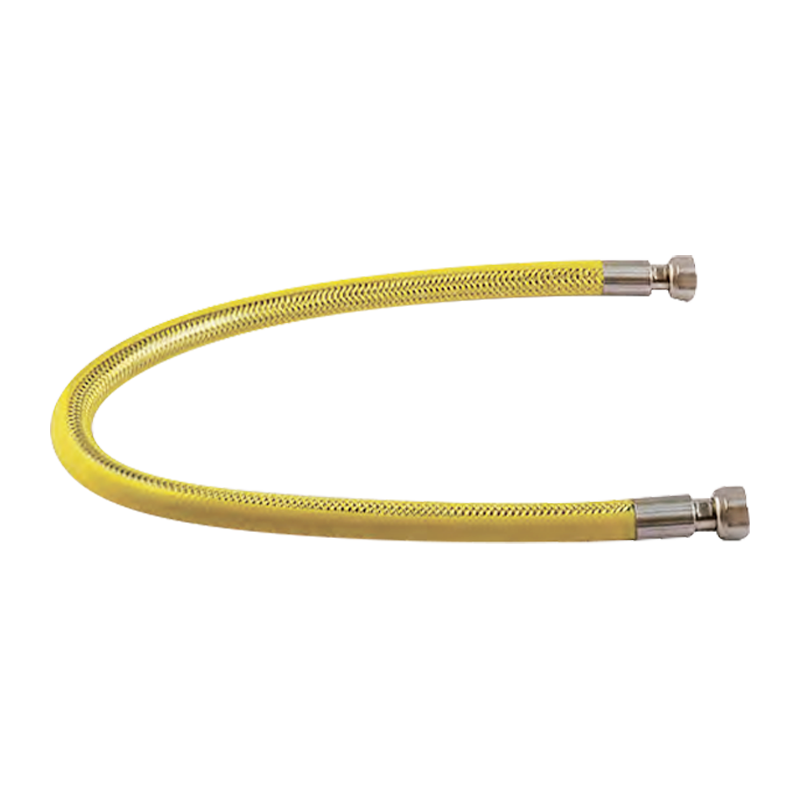
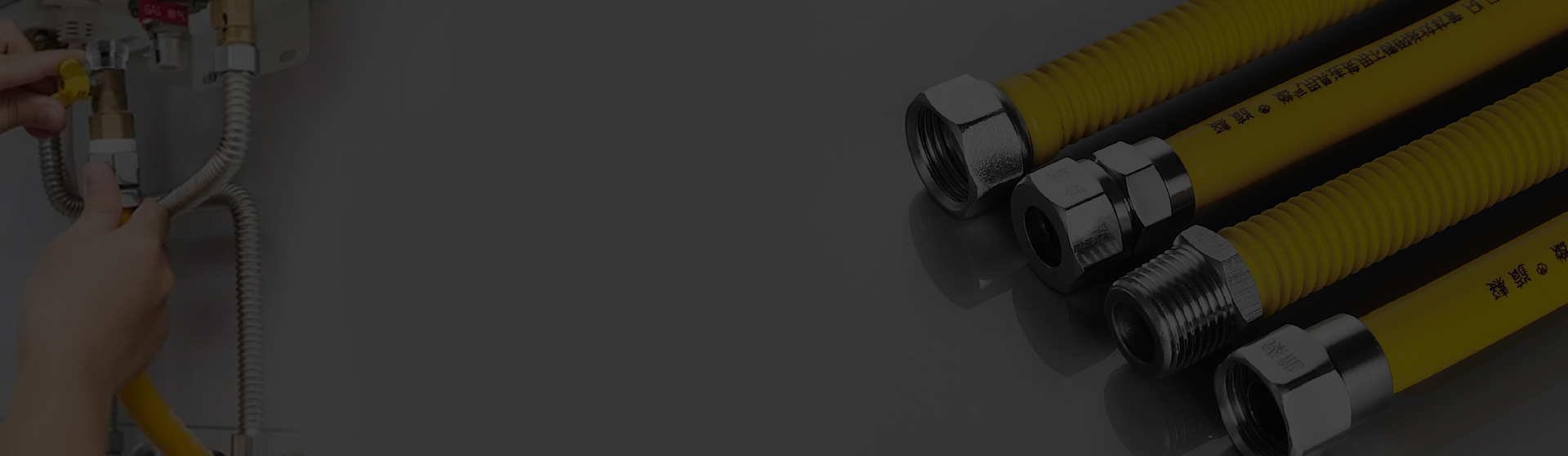
Corrugated stainless steel tubing for gas pipes is a flexible piping system made from a thin-walled, corrugated stainless steel core, typically coated with a yellow polyethylene jacket for identification and added protection. Unlike traditional rigid black iron pipe, CSST can be routed through walls, floors, and joists with minimal fittings, greatly reducing installation time and potential leak points.
The corrugated design gives the tubing its flexibility while maintaining structural integrity under normal operating pressures. CSST systems typically operate at pressures between 0.5 psi and 5 psi for residential use, though some systems are rated for higher pressures in commercial settings. The stainless steel construction resists corrosion from both the gas itself and the surrounding environment, making it one of the most durable gas piping options available.
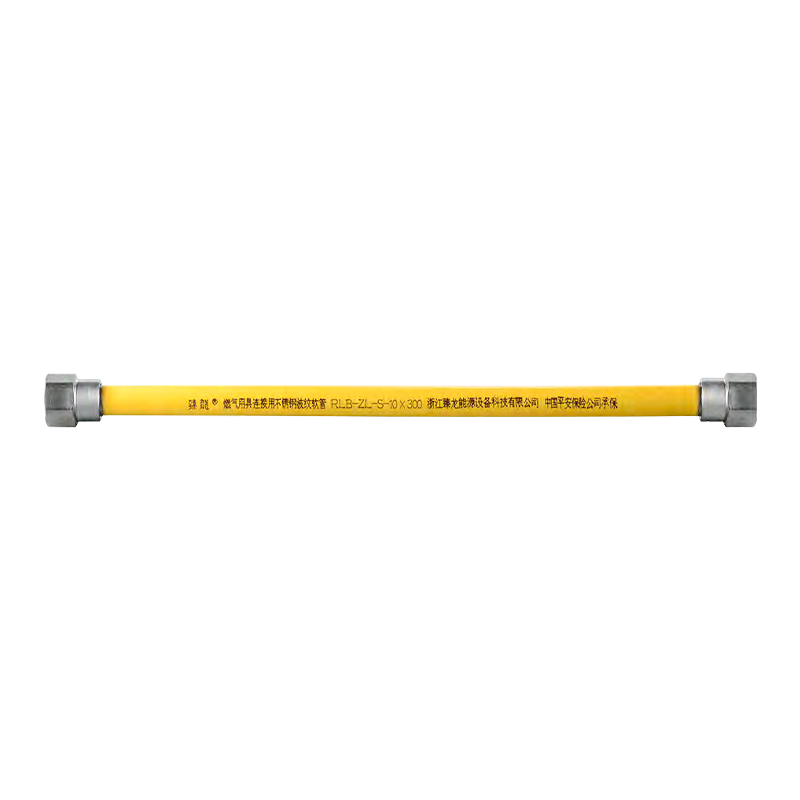
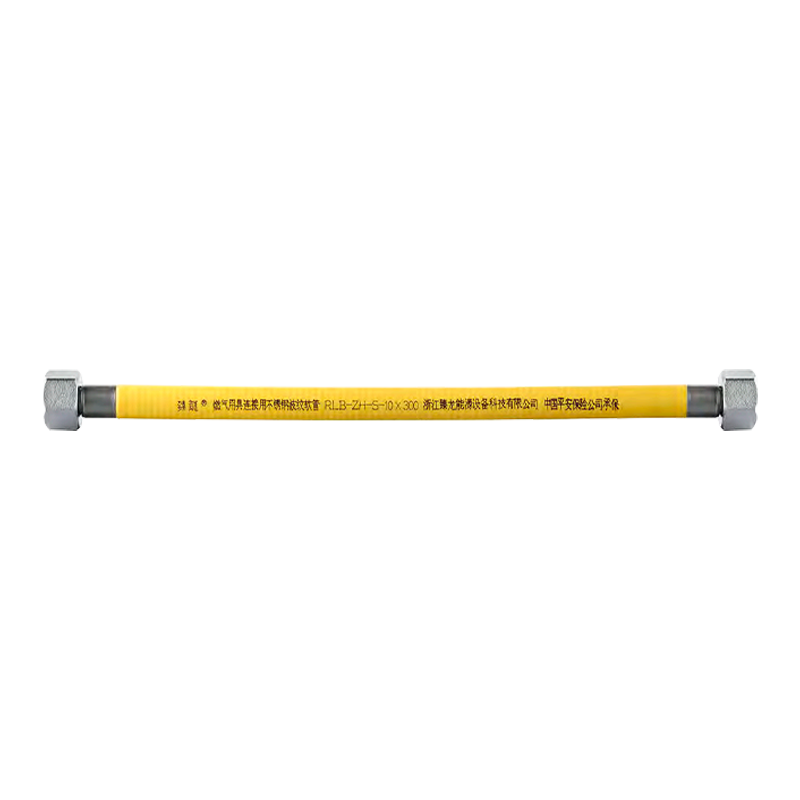
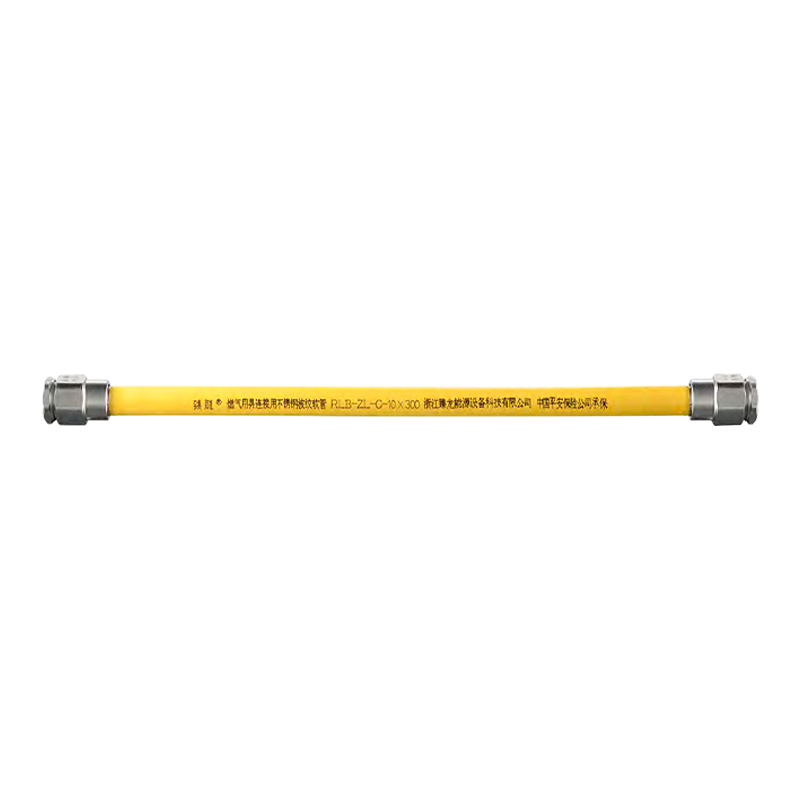
CSST gas pipe fittings for residential use typically include brass manifold fittings, end fittings with compression rings, and transition fittings that connect CSST to other pipe materials. These components form a complete, leak-tested system that meets strict safety standards.
Material
316L or 304 stainless steel corrugated tubing with a polyethylene outer jacket, offering corrosion resistance and long service life.
Operating Range
Rated for natural gas and propane at pressures up to 5 psi (residential) and higher in approved commercial configurations.
Certifications
Leading products carry ANSI LC-1, CSA 6.26, and CE certifications, ensuring compliance with North American and international safety standards.
CSST Safety Risk Breakdown: What the Data Actually Shows
Understanding the risk profile of corrugated stainless steel tubing requires looking at each hazard category individually. The overall safety record is strong — studies indicate CSST-related incidents are significantly less frequent than those involving older rigid pipe systems — but specific risks must be managed proactively.
CSST Risk Factor Severity Index (0–100 Scale)
Index based on aggregated incident data and industry safety assessments. Lightning risk assumes no bonding is installed.
Risk 1: Lightning and Electrical Arc Damage
The primary documented safety concern with CSST is its vulnerability to perforation from electrical arcing caused by nearby lightning strikes. When a high-voltage surge travels through a home's wiring or structure, it can jump to the CSST tubing, creating a small hole that allows gas to escape. Studies from the National Fire Protection Association (NFPA) identified this as the main driver behind CSST-related fires, with the majority of incidents occurring in homes where the tubing was not properly bonded or grounded.
The solution is direct bonding: electrically connecting the CSST to the home's grounding system so that surge energy is safely diverted. When bonding is correctly installed per NFPA 54 requirements, the arc damage risk drops dramatically — to roughly the same level as traditional rigid pipe.
Risk 2: Improper Installation
CSST requires specific installation techniques that differ from rigid pipe. Incorrect fitting assembly, over-bending beyond the minimum bend radius, routing through areas with sharp edges without protection, and failure to use manufacturer-specified gas pipes fittings are all common errors. Each of these mistakes can compromise the corrugated stainless steel tubing gas leak protection system.
A corrugated stainless steel gas pipe installation guide from a reputable manufacturer — or from the International Fuel Gas Code (IFGC) — covers these requirements in detail. Always use a licensed gas fitter or plumber familiar with CSST systems.
Risk 3: Mechanical Damage and Physical Penetration
CSST's thin wall (typically 0.008 to 0.012 inches) makes it more susceptible to puncture from nails, screws, or sharp construction materials than rigid pipe. This is not a flaw unique to CSST — any gas piping can be damaged during renovation — but it requires careful routing and sleeve protection in exposed areas. Building codes in most jurisdictions require steel shield plates at stud or joist penetrations.
CSST vs Rigid Black Iron Pipe: A Direct Safety Comparison
When evaluating whether to use a flexible gas line stainless steel corrugated tube or traditional black iron pipe, safety performance across multiple categories matters.
| Safety Category | CSST | Rigid Black Iron Pipe |
|---|---|---|
| Seismic / Movement Tolerance | Excellent | Poor (joints crack) |
| Lightning / Arc Resistance | Good (with bonding) | Better (thick wall) |
| Corrosion Resistance | Excellent (SS jacket) | Moderate (rusts) |
| Installation Error Risk | Moderate (training needed) | Lower (familiar system) |
| Number of Joints / Leak Points | Fewer (flexible routing) | More (requires elbows) |
| Mechanical Puncture Risk | Higher (thin wall) | Lower (thick wall) |
The data shows that CSST outperforms rigid pipe in several important categories — particularly seismic safety and corrosion resistance — while requiring additional precautions in others. Neither system is categorically safer; proper installation and code compliance determine real-world performance.
Corrugated Stainless Steel Gas Pipe Installation Guide: Key Steps and Requirements
Safe operation of a corrugated stainless steel tubing gas leak protection system starts at installation. The following steps reflect the core requirements of ANSI LC-1, the International Fuel Gas Code, and most local AHJ (Authority Having Jurisdiction) requirements. Always consult your specific manufacturer's installation guide and local code before beginning work.
Step 1 — Planning and Sizing
Calculate gas load for all connected appliances. Use the manufacturer's sizing tables to select the correct CSST diameter — undersizing causes pressure drop; oversizing wastes material and may affect flow dynamics. Common residential sizes range from 3/8 inch to 1 inch OD.
Step 2 — Routing and Support
Route CSST away from sharp edges and heat sources. Maintain the manufacturer's minimum bend radius (typically 5–8 times the tube OD) to prevent kinking. Support the tubing at intervals not exceeding 4 feet horizontally and 6 feet vertically. Install steel striker plates at all locations where CSST passes through wood framing within 1.5 inches of the surface.
Step 3 — Fitting Assembly
Use only the manufacturer-approved gas pipes fittings specified for the CSST system being installed. Mixing fitting brands is not permitted and voids certification. Cut the tubing squarely using a dedicated CSST cutter — never use a hacksaw. Follow the fitting assembly sequence exactly: insert tube, slide on nut and compression ring, hand-tighten, then apply the specified torque (typically 1.5 to 2 turns past hand-tight). Apply approved thread sealant to male NPT ends only — never to CSST corrugations.
Step 4 — Bonding and Grounding
This is the single most critical safety step for CSST. Bond the CSST system to the home's electrical grounding system using a minimum 6 AWG copper conductor connected to an approved bonding clamp on the tubing. Depending on local code, supplemental bonding at each appliance connection or at intervals along the run may be required. Bonding must be performed by or inspected by a licensed electrician in many jurisdictions.
Step 5 — Pressure Testing and Inspection
Before connecting gas supply, conduct a pressure test using inert gas (nitrogen or air) at the pressure required by local code — typically 1.5 times the operating pressure for a minimum of 15 minutes with no detectable drop. Apply leak detection solution to all fittings and connections. Schedule an inspection with the local AHJ before concealing any piping in walls or floors.
CSST Incident Cause Distribution: Where Does the Risk Actually Come From?
Incident reports from fire investigation databases and industry safety reviews indicate that the vast majority of CSST-related gas incidents trace back to a small number of preventable causes. Understanding this breakdown helps homeowners and contractors prioritize where to focus safety efforts.
Root Cause Distribution of CSST-Related Incidents (%)
Source: Composite analysis based on published fire investigation reports and CSST industry safety data.
The data is clear: over 68% of CSST incidents can be directly attributed to bonding failures or installation errors — both of which are entirely preventable with proper training and code compliance. The tubing material itself is rarely the primary failure point in well-installed systems.
What Certifications Should You Look for in a CSST System?
Whether you are a contractor sourcing materials or a homeowner reviewing specifications, working with a CSA certified gas corrugated stainless steel tubing manufacturer ensures the products you use meet validated safety thresholds. Here are the key certifications to verify:
ANSI LC-1 / CSA 6.26
The primary North American standard for CSST fuel gas piping. Covers materials, construction, pressure ratings, and testing requirements. Required for code-compliant residential and commercial installations in the US and Canada.
CE Certification (EU)
Required for CSST products sold in the European market. Demonstrates conformance with EU Pressure Equipment Directive (PED) and Gas Appliance Regulation safety requirements. Verified by an accredited EU notified body.
ISO 9001 Quality Management
While not a product-specific safety certification, ISO 9001 confirms that the manufacturer operates a documented quality management system — reducing the likelihood of production defects that could compromise field performance.
Special Equipment Manufacturing License
In China, manufacturers of pressure piping must hold a Special Equipment Manufacturing License issued by the State Administration for Market Regulation, confirming regulatory oversight of production facilities and testing processes.
Always request certification documentation from your flexible gas line stainless steel corrugated tube supplier before purchasing. A reputable supplier will provide test reports, certification numbers, and traceability data without hesitation.
7 Common CSST Installation Mistakes That Compromise Safety
Even experienced contractors can overlook details specific to CSST gas pipe fittings for residential use. The following errors are the most frequently cited in post-incident investigations and building inspections.
- Skipping or improperly sizing the bonding conductor — the most dangerous and most common error. A 6 AWG minimum is required; some local codes require 4 AWG.
- Mixing fitting brands — different CSST systems use proprietary fittings that are not interchangeable. Cross-brand mixing voids listings and creates leak risk.
- Overbending the tubing — bending tighter than the manufacturer's minimum radius can crack or weaken the corrugations, creating a future failure point.
- Omitting striker plates at wall penetrations — a single nail driven through a stud can perforate CSST and cause a slow, dangerous gas leak.
- Applying thread sealant to corrugated sections — sealant belongs only on NPT threads, never on the tubing itself.
- Skipping pressure testing before concealing piping — once drywall is installed, leak detection requires destructive investigation.
- Installing CSST in exposed outdoor locations without UV-resistant jacketing — standard yellow PE jackets degrade under prolonged sunlight exposure.
About Zhejiang Zhenlong Energy Equipment Technology Co., Ltd.
Zhejiang Zhenlong Energy Equipment Technology Co., Ltd. is a fully integrated manufacturer and processor of energy equipment, specializing in metal hoses, natural gas pipelines, plumbing fittings, sanitary ware, valves, plastic products, and hardware. Headquartered in Yuyao, Ningbo, Zhejiang, the company operates from a 40-acre campus with 30,000 square meters of production space, 30 welding and forming lines, and 2 continuous solid melting hydrogen furnace lines.
As a professional corrugated stainless steel tubing for gas pipes supplier and gas pipes fittings company, Zhenlong strictly implements the ISO 9001:2008 quality management system and holds both the People's Republic of China Special Equipment Manufacturing License (Pressure Pipeline) and the EU CE certification verified by a national testing center. The company is an active member of the China Urban Gas Association.
Commonly used materials for residential indoor gas piping — including galvanized steel pipes, stainless steel pipes, aluminum-plastic composite pipes, and polyethylene (PE) pipes — are all areas of deep expertise at Zhenlong. The company's pipe fittings range covers elbows, tees, crosses, flanges, and joints across galvanized steel, stainless steel, aluminum-plastic composite, and PE material groups, with specifications matched to corresponding pipe sizes for maximum connection integrity.
Equipped with advanced testing instruments including metal material analysis direct reading spectrometers and flow tightness testers, Zhenlong provides customers with safe, reliable pipe fittings alongside comprehensive pre-sales and after-sales service. The company's mission is built on sincere cooperation — working with partners at home and abroad to create enduring value together.