 English
 中文简体
中文简体 Español
 عربى
عربى
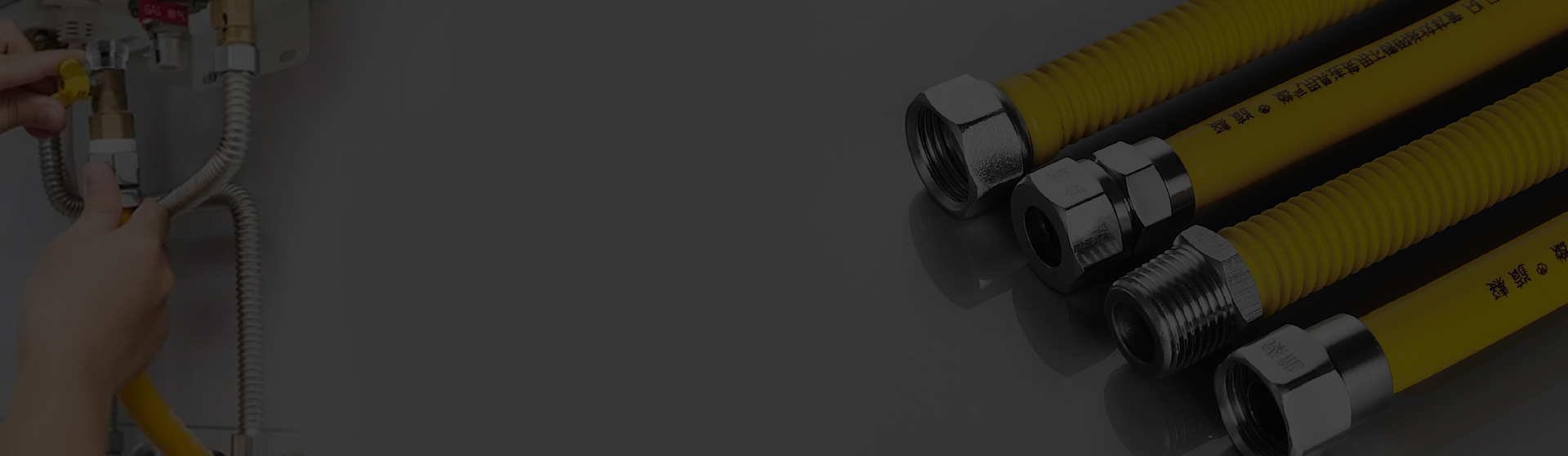

Installing a Stainless Steel Corrugated Hose correctly is the single most important factor in ensuring leak-free, long-lasting performance. The three most critical rules are: never twist the hose during connection, always respect the minimum bend radius, and pressure-test at 1.5 times working pressure before commissioning. This article provides a complete, practical walkthrough of installation steps and precautions backed by specific technical data.
Content
What Is a Stainless Steel Corrugated Hose
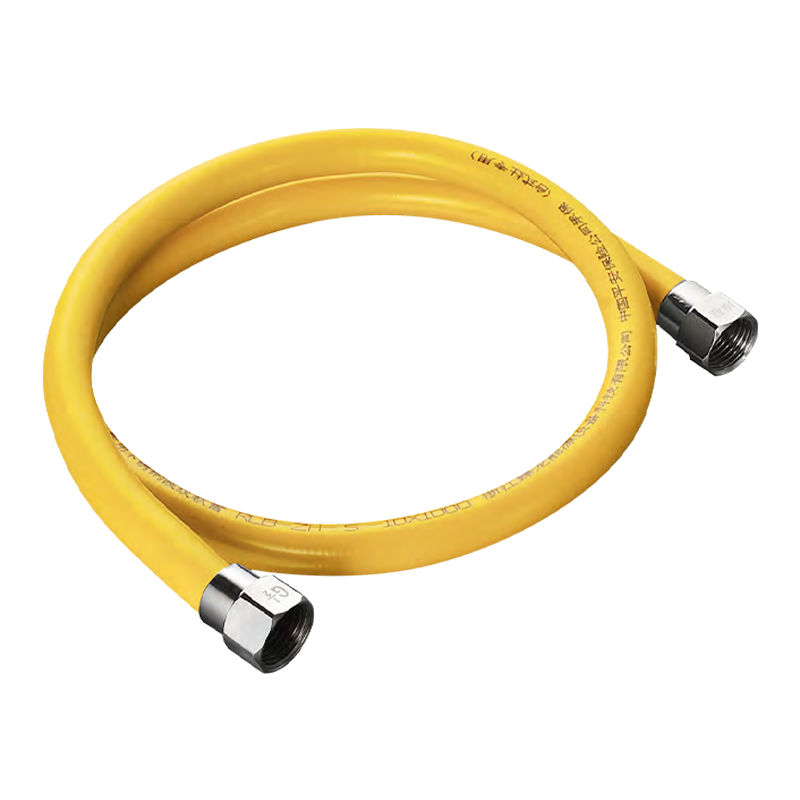
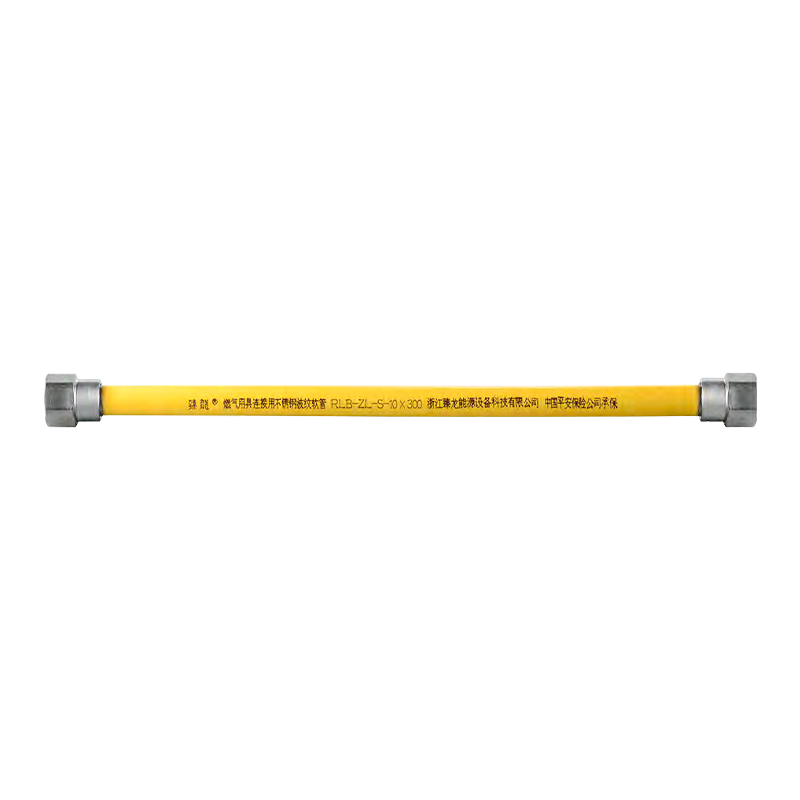
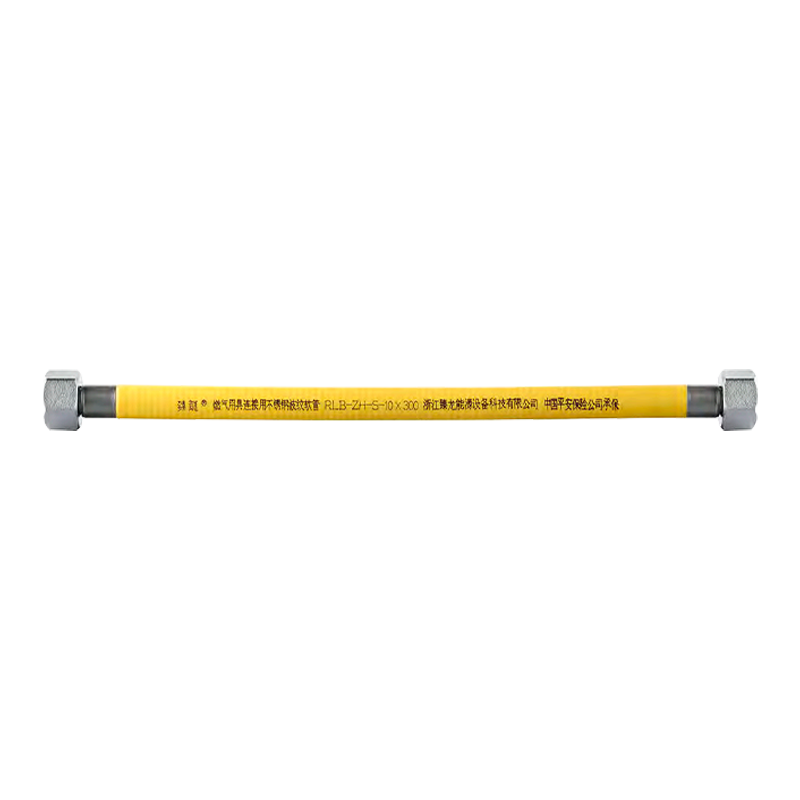
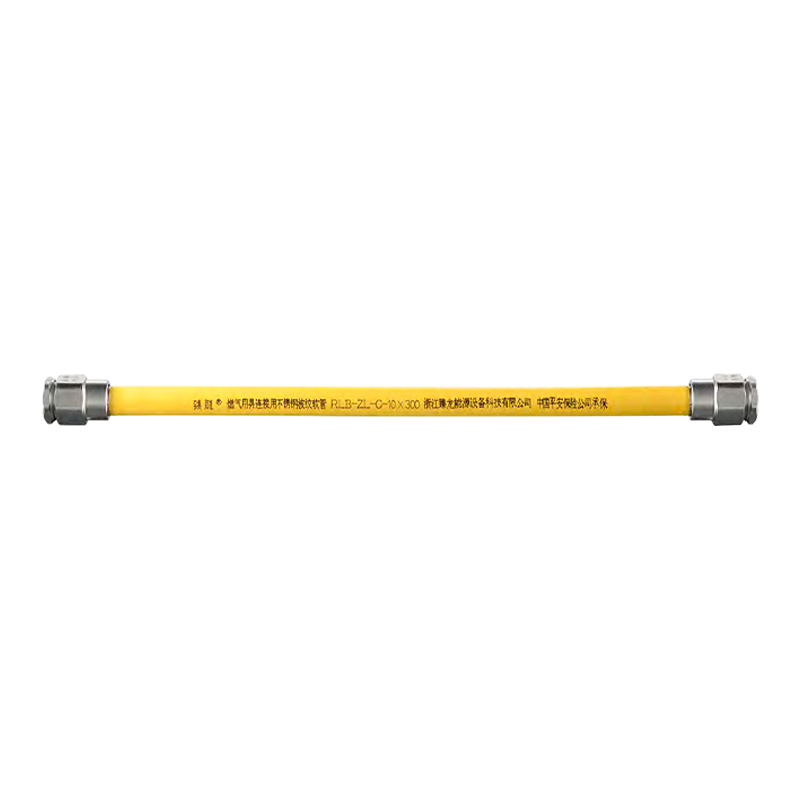
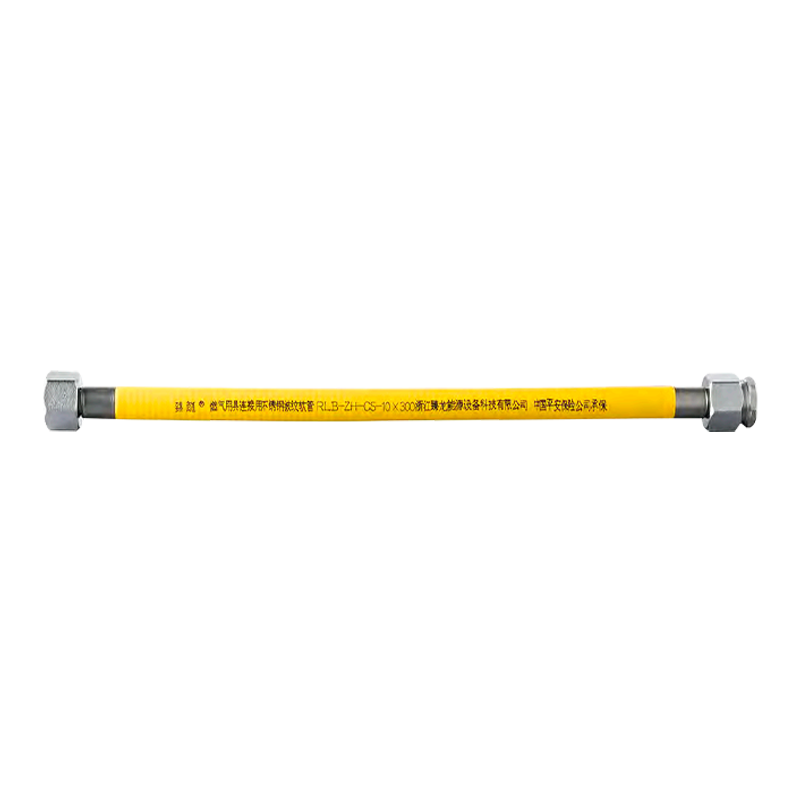
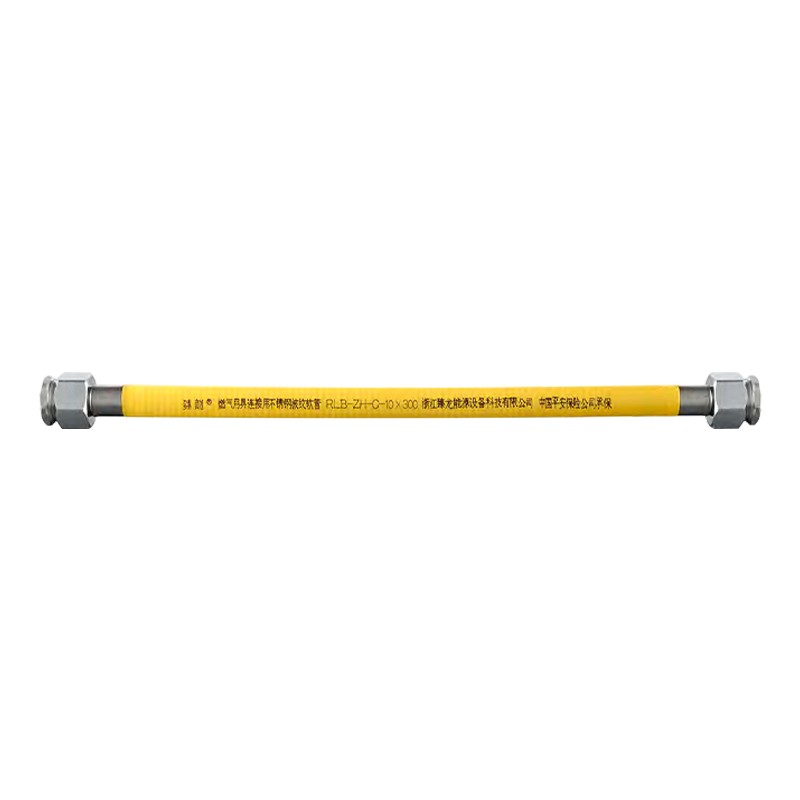
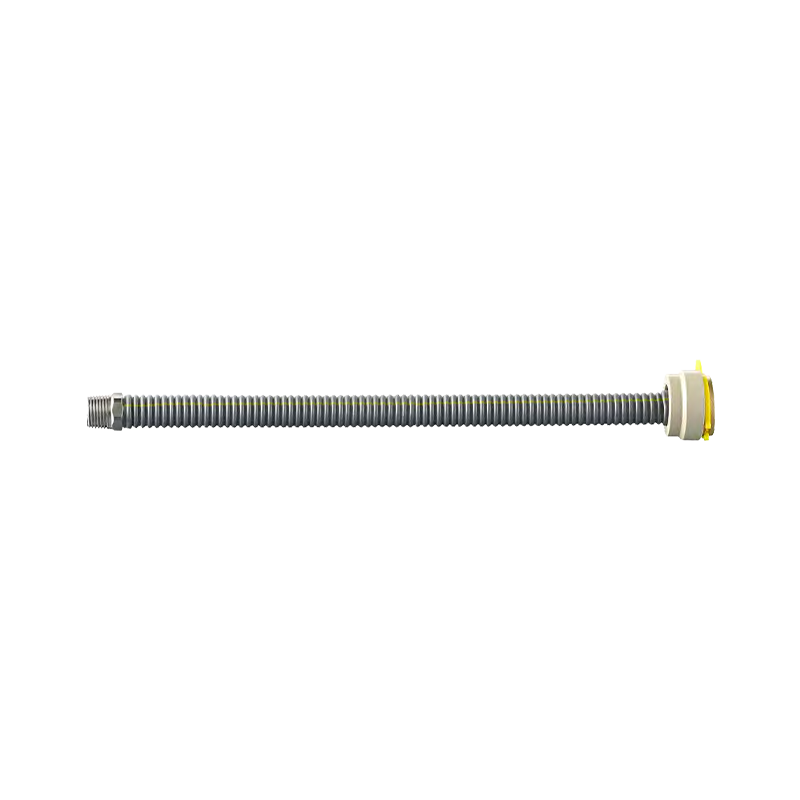
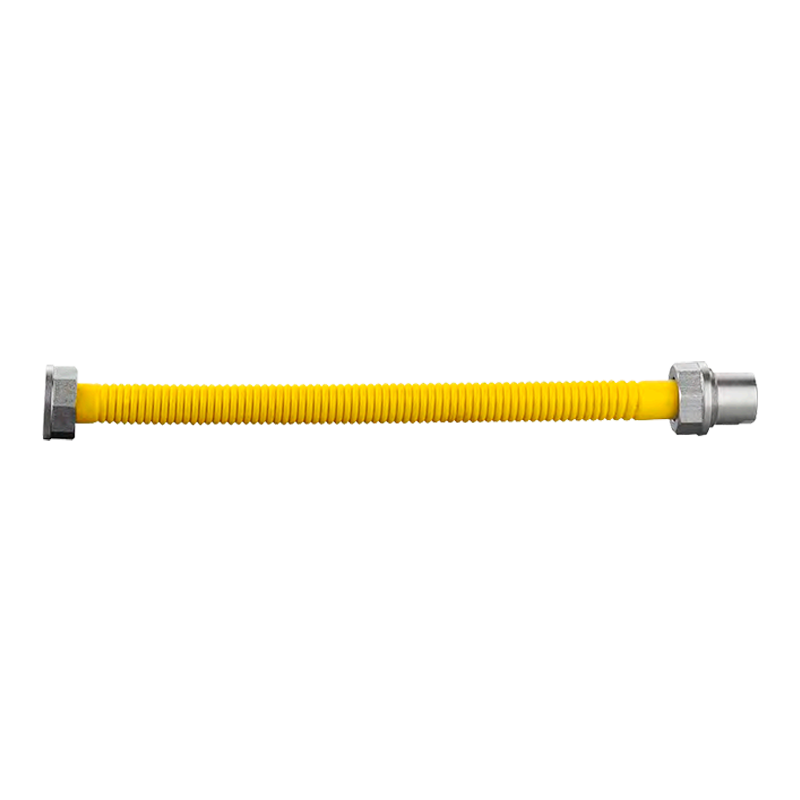
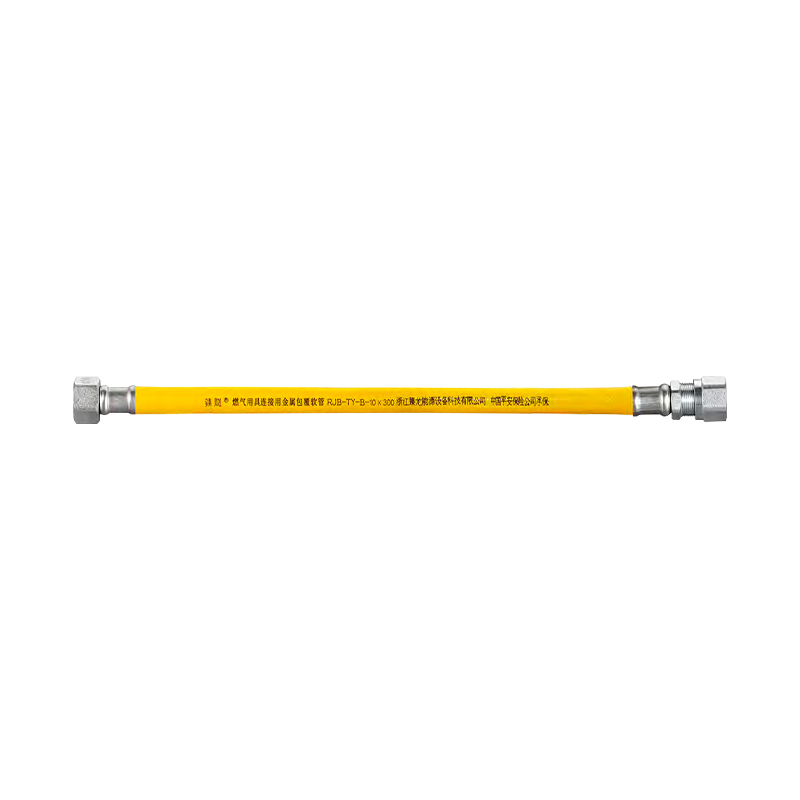
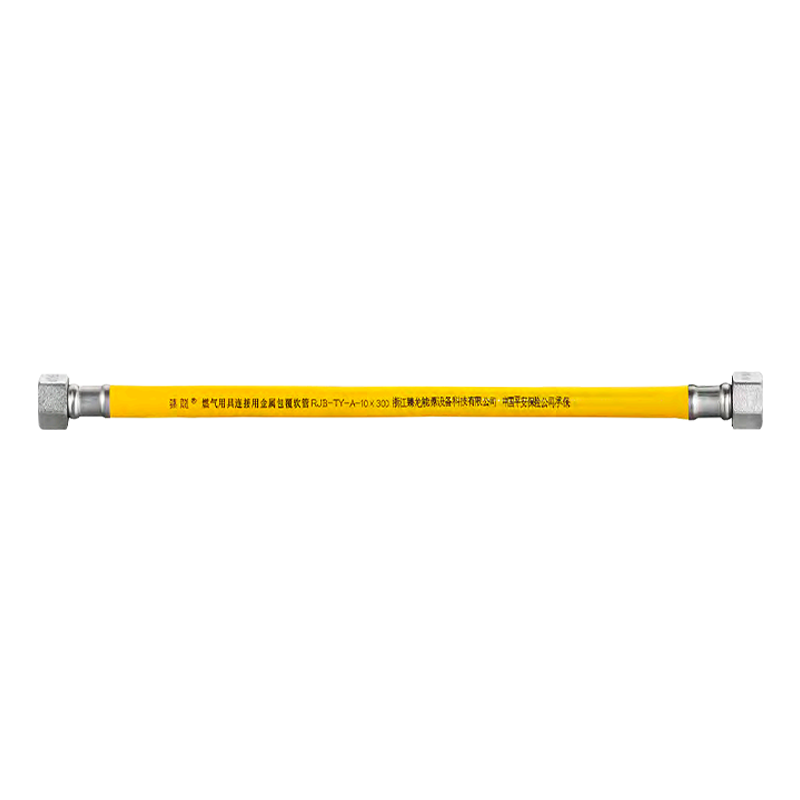
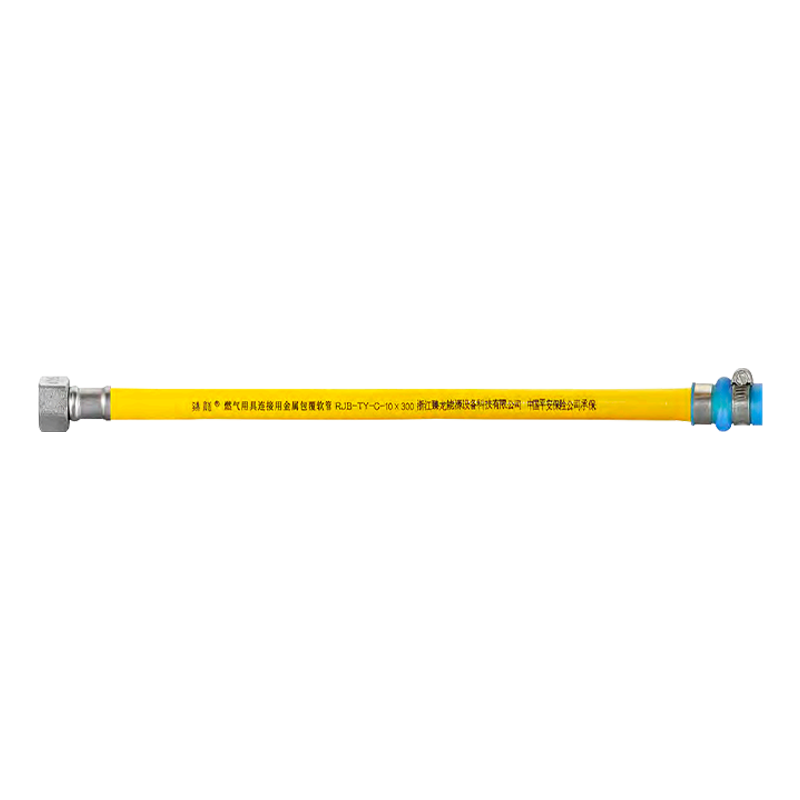
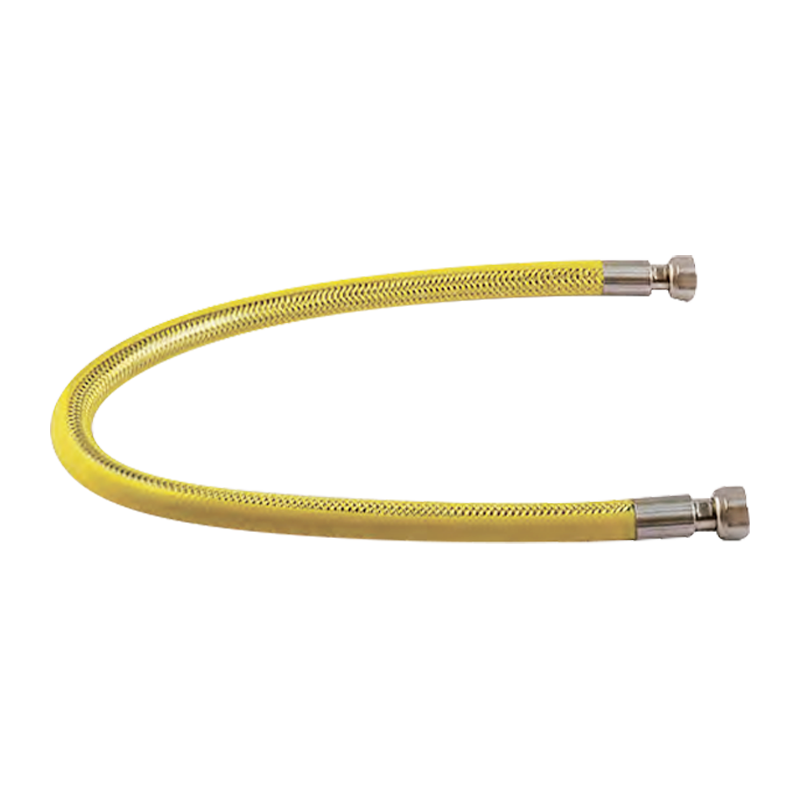
A Stainless Steel Corrugated Hose is a flexible piping component formed from corrugated stainless steel tubing — typically grade 304 or 316L — with or without an outer braided wire layer for additional pressure resistance. Its corrugated profile provides flexibility, vibration absorption, and compensation for thermal expansion, making it suitable for a wide range of fluid and gas transfer applications.
Typical applications include residential and commercial natural gas supply, hot and cold water in HVAC systems, industrial process lines, steam and exhaust systems requiring high temperature resistance of corrugated pipe, and fire suppression systems.
| Application | Material Grade | Max Working Pressure | Temperature Range |
|---|---|---|---|
| Residential Gas Lines | SS 304 | 0.5 MPa | -20°C to 200°C |
| HVAC Hot Water | SS 316L | 1.6 MPa | -40°C to 300°C |
| Industrial Steam | SS 316L | 2.5 MPa | -50°C to 550°C |
| Exhaust / High Heat | SS 321 / 310S | 1.0 MPa | up to 800°C |
Step-by-Step Installation Process
A structured installation procedure prevents the most common failure modes, including fitting leaks, kinking, and vibration fatigue. Always follow local codes and the manufacturer's technical datasheet alongside these steps.
Pre-Installation Inspection
Before fitting any Stainless Steel Corrugated Hose, carry out a thorough visual inspection:
- Check for visible kinks, dents, corrosion, or frayed braiding along the entire hose body
- Confirm the hose specification — pressure rating, temperature range, and medium compatibility — matches the system requirements
- Verify that end fittings match the thread type and sealing face of the connecting pipe
- Check hose length: it should bridge the connection with slight slack, never stretched taut
Pipe End Preparation
Clean both mating pipe ends thoroughly. Remove burrs, rust scale, old sealant, and any debris. For threaded connections, apply PTFE tape or a thread sealant compound appropriate for the medium. For flanged connections, select a gasket material rated for the operating temperature and medium.
Routing and Positioning
Route the hose following its natural curvature. Key requirements at this stage:
- Maintain the minimum bend radius — typically 4 to 6 times the nominal diameter for braided corrugated hose
- Keep the hose clear of sharp edges, hot surfaces, and moving mechanical parts
- Allow enough slack so the hose body is not under axial tension at either end
- Draw a reference line along the hose before connection to detect any rotational twist during tightening
Making the Connection
Hand-tighten fittings to check alignment before applying tools. Always use two wrenches: one to hold the hose fitting body stationary, one to turn the connecting nut. This two-wrench method prevents torque from transmitting through the corrugated body, which can cause internal cracking. Recommended tightening torque values by size:
| Nominal Size | Thread Type | Torque (N·m) |
|---|---|---|
| DN15 (1/2") | NPT / BSP | 20 – 30 |
| DN20 (3/4") | NPT / BSP | 30 – 45 |
| DN25 (1") | NPT / BSP | 45 – 65 |
| DN32 (1-1/4") | NPT / BSP | 65 – 90 |
| DN40 and above | Flanged | Per gasket specification |
Pressure Testing
Always pressure-test before commissioning the system. Use clean water or dry nitrogen at 1.5 times the maximum working pressure, held for a minimum of 30 minutes. Inspect every joint and the hose body for signs of leakage. Never use the operating medium — especially gas — for initial pressure testing.
Final Check and Commissioning
Verify that the installed hose routing creates no stress concentration points. Install hose supports or clamps where vibration or gravity loading could cause cyclic fatigue. Record the installation date, hose grade, size, and rated pressure for the system maintenance log.
Key Precautions to Prevent Premature Failure
Field data consistently shows that the majority of stainless steel corrugated hose failures are caused by installation errors, not product defects. The following precautions address the most frequently observed mistakes.
Never Twist the Hose
Torsional stress — even a rotation of 10 to 15 degrees — can reduce fatigue life by as much as 70%. Always install without applying any rotational force to the hose body. Use the reference line drawn during routing to verify zero twist after tightening.
Observe the Minimum Bend Radius
Bending beyond the minimum radius concentrates stress in the inner corrugation crests and initiates cracking. Typical minimum bend radii for single-braid stainless corrugated hose:
- DN15: 75 mm
- DN20: 90 mm
- DN25: 115 mm
- DN32: 150 mm
- DN40: 190 mm
Do Not Exceed Rated Pressure or Temperature
Operating a hose above its rated pressure, even intermittently, accelerates fatigue at the corrugation crests. Similarly, exceeding the temperature rating — especially for alloys relying on the high temperature resistance of corrugated pipe design — causes oxidation and embrittlement. For sustained service above 400°C, use SS 321 or SS 310S rather than standard SS 304 or 316L.
Protect Against External Damage
- Install protective sleeves where the braided outer surface contacts abrasive materials or structures
- Isolate the hose from sources of mechanical vibration using vibration-isolation fittings where necessary
- In chloride-rich or coastal environments, use SS 316L or higher-grade alloy to resist pitting corrosion
- Apply UV-resistant protective coverings for outdoor installations exposed to prolonged sunlight
High Temperature Resistance of Corrugated Pipe: Material Selection Guide
The high temperature resistance of corrugated pipe is determined primarily by the alloy grade and the presence of stabilizing elements such as titanium or niobium. Selecting the correct grade for the application temperature is as important as the installation process itself.
Beyond material grade, thermal cycling — repeated heating and cooling — is often the greater concern in industrial applications. The corrugated geometry of stainless hose inherently compensates for thermal expansion: a 1-meter SS 316L hose can absorb approximately 12 mm of axial movement resulting from a 300°C temperature rise, eliminating the need for separate expansion loops in many configurations.
For high-temperature installations, maintain a minimum clearance of 50 mm from adjacent heat-sensitive components. Use ceramic fiber insulation wrap or stainless steel heat shields where radiated heat could affect nearby equipment or the hose's own braided surface.
- Every 6 months — high-pressure systems, steam lines, or lines above 200°C
- Annually — standard residential gas and water supply lines
- Immediately after any seismic event, significant pressure surge, or visible physical impact
At each inspection, check for corrosion at fittings, discoloration or mineral deposits indicating past leakage, changes in hose routing that create new stress points, and reduced flexibility that may indicate internal cracking. Replace any hose that shows these signs — do not attempt to patch or weld corrugated hose.