 English
 中文简体
中文简体 Español
 عربى
عربى

Content
- 1 The Direct Verdict: CSST Outperforms Copper in Most Modern Gas Piping Applications
- 2 What Is Corrugated Stainless Steel Tubing and How Does It Work for Gas?
- 3 Head-to-Head Comparison: CSST vs. Copper Gas Pipe Across Key Performance Criteria
- 4 Installation Advantages of CSST Gas Pipe Fittings Over Rigid Copper Systems
- 5 Safety Profile: Addressing the Lightning Strike Concern with CSST
- 6 Seismic Performance: Why CSST Is the Preferred Choice in Earthquake Zones
- 7 Total Cost Comparison: Material, Labor, and Lifetime Ownership
- 8 When Copper Gas Pipe Is Still the Right Choice
- 9 Frequently Asked Questions About CSST and Copper Gas Pipe Fittings
- 9.1 Q1: Is corrugated stainless steel tubing safe for natural gas and propane?
- 9.2 Q2: Can CSST be connected directly to copper gas pipe fittings?
- 9.3 Q3: Does CSST require a licensed contractor to install?
- 9.4 Q4: How do you test CSST for gas leaks after installation?
- 9.5 Q5: What is the lifespan of CSST compared to copper gas pipe?
- 9.6 Q6: Which CSST brands are most widely approved and where can I find their gas pipe fittings?
The Direct Verdict: CSST Outperforms Copper in Most Modern Gas Piping Applications
For most residential and light commercial gas transmission applications, corrugated stainless steel tubing (CSST) is the superior choice over traditional copper pipe—offering faster installation, greater flexibility, better seismic and vibration resistance, and lower lifetime system costs. Copper pipe, while reliable and time-tested, is rigid, labor-intensive to install, and increasingly expensive due to copper commodity prices that have risen over 400% since the year 2000.
That said, copper retains specific advantages in high-pressure industrial applications and in regions where CSST has faced code restrictions due to lightning strike vulnerability—a risk that is now largely mitigated through proper bonding and grounding. Understanding both materials in depth allows contractors, homeowners, and engineers to select the right gas pipe fittings and piping system for their specific installation.
What Is Corrugated Stainless Steel Tubing and How Does It Work for Gas?
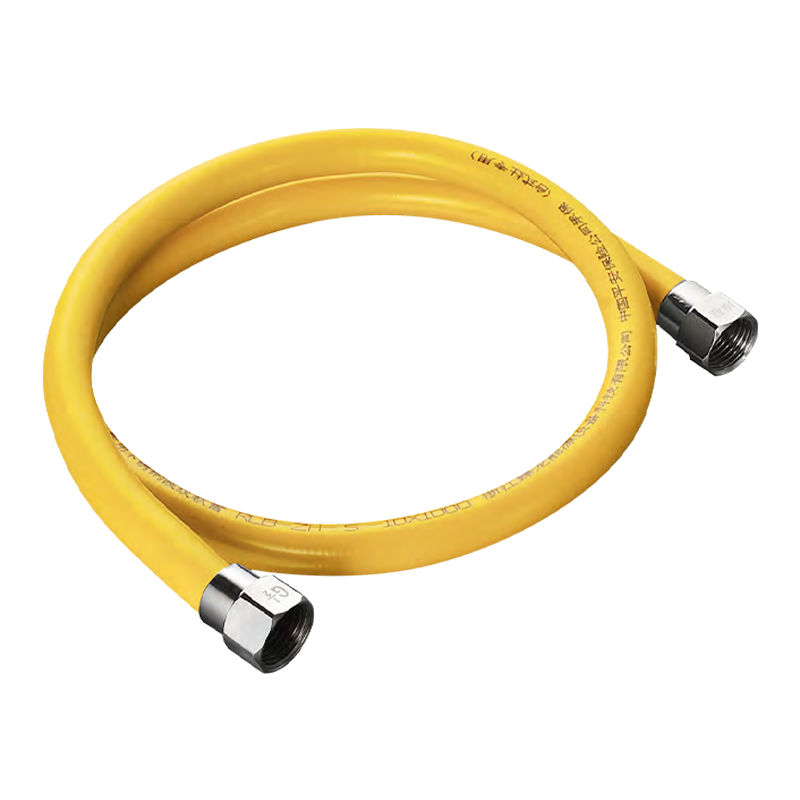
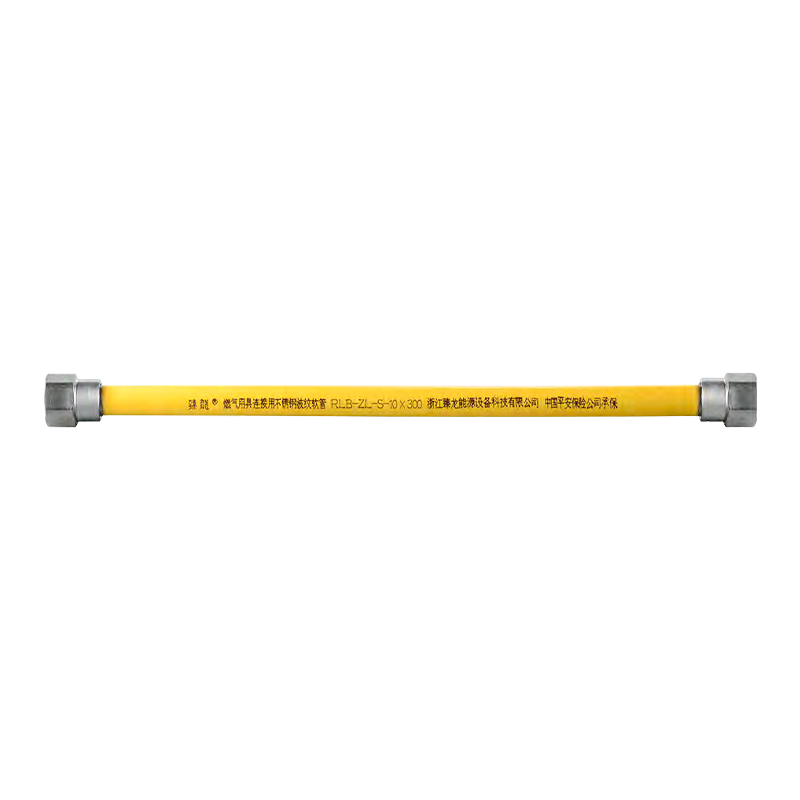
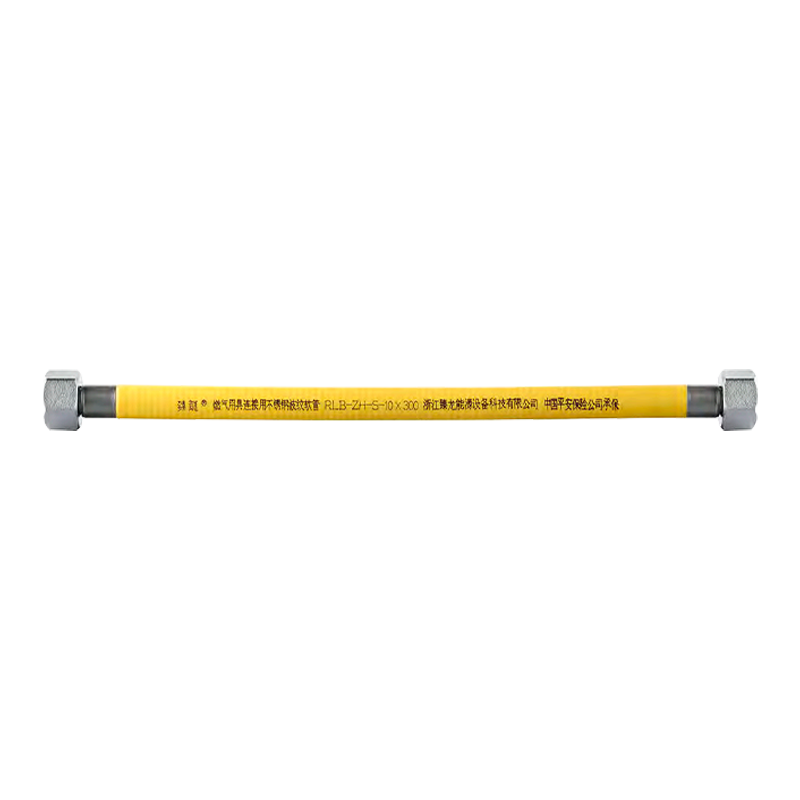
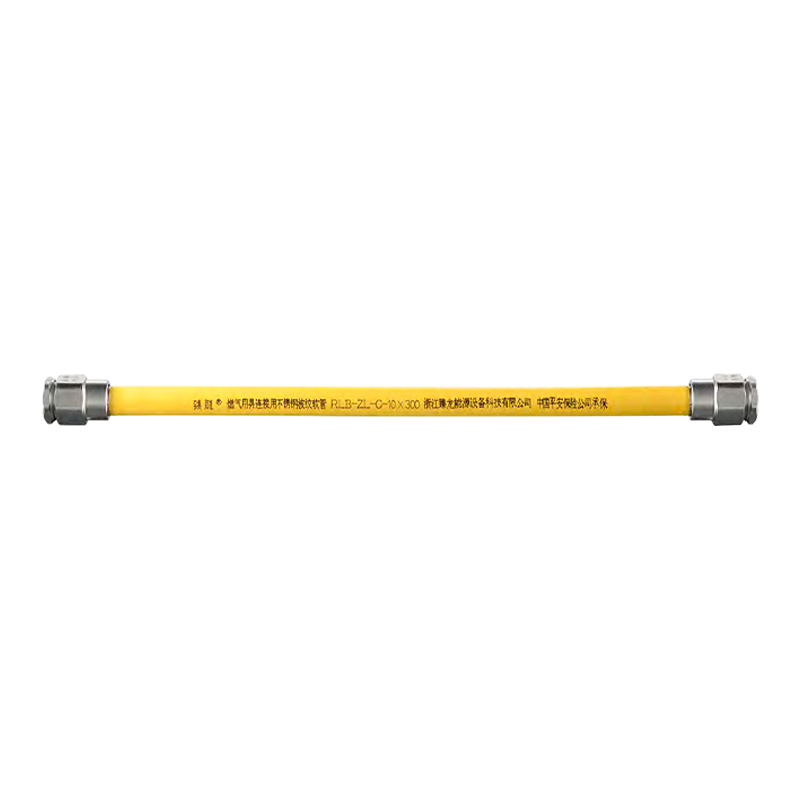
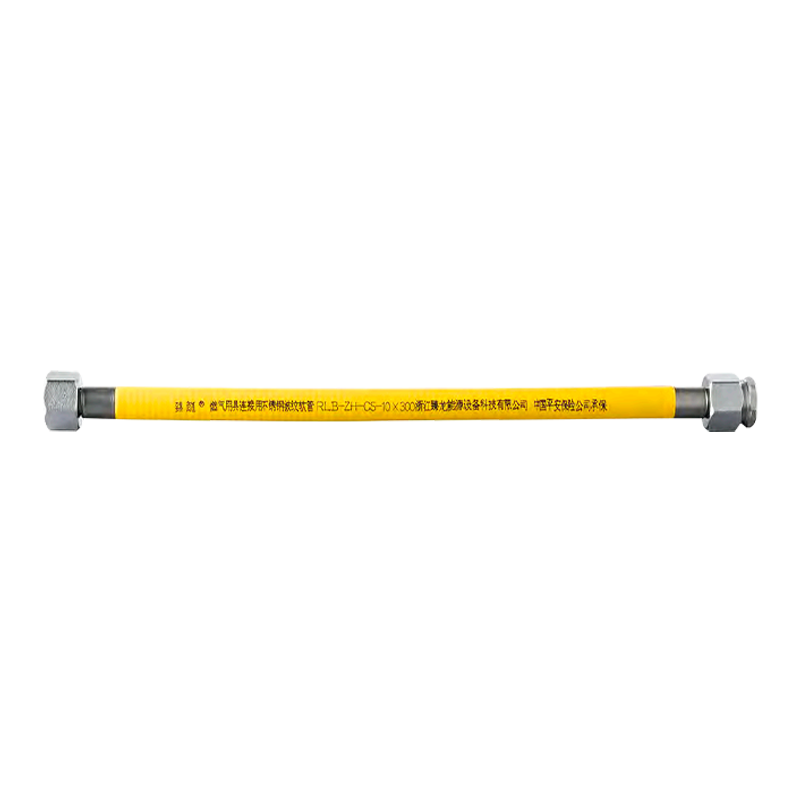
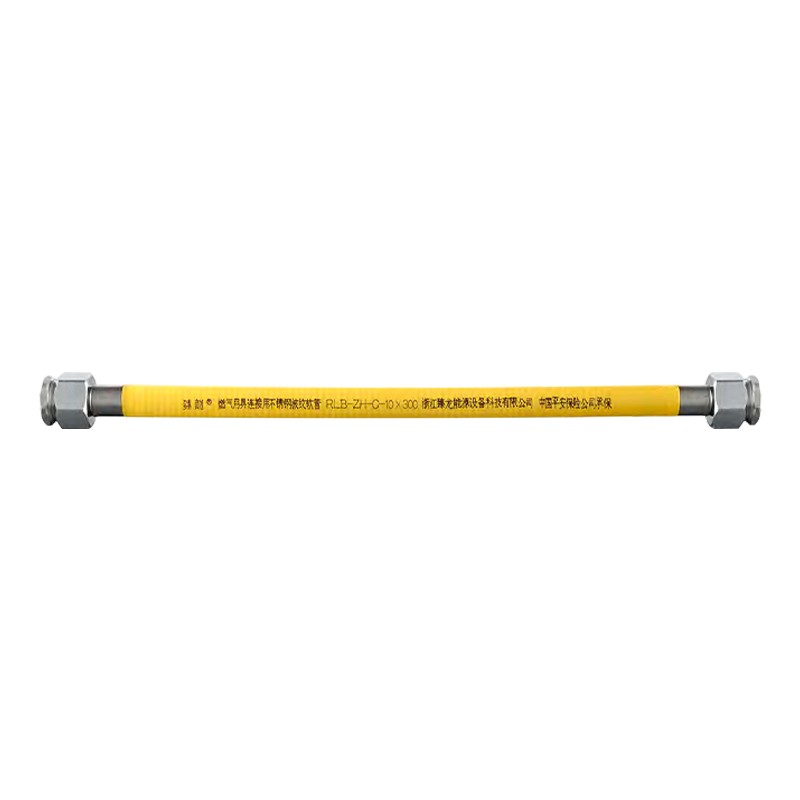
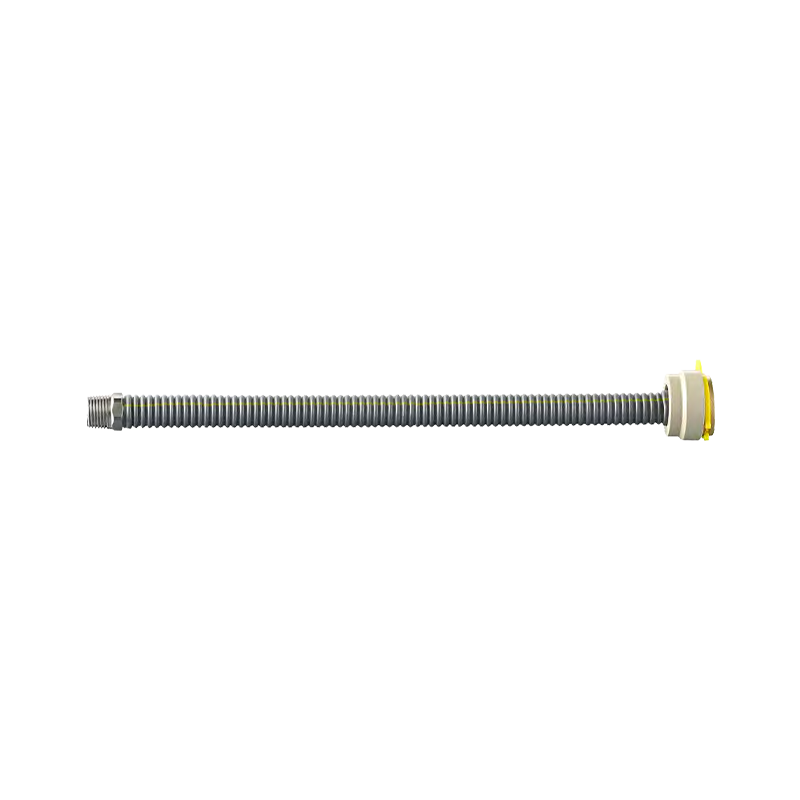
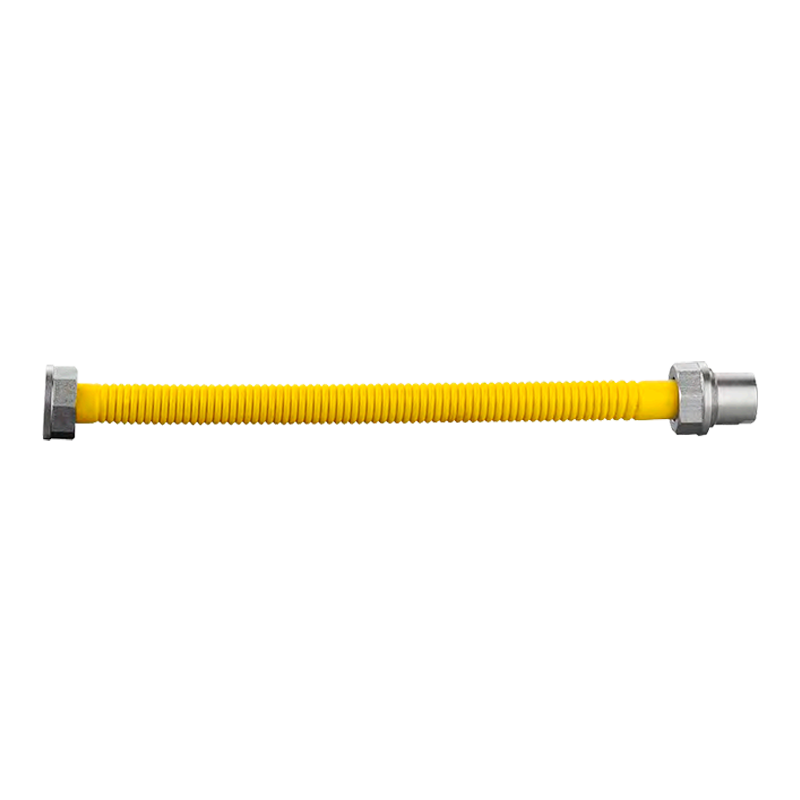
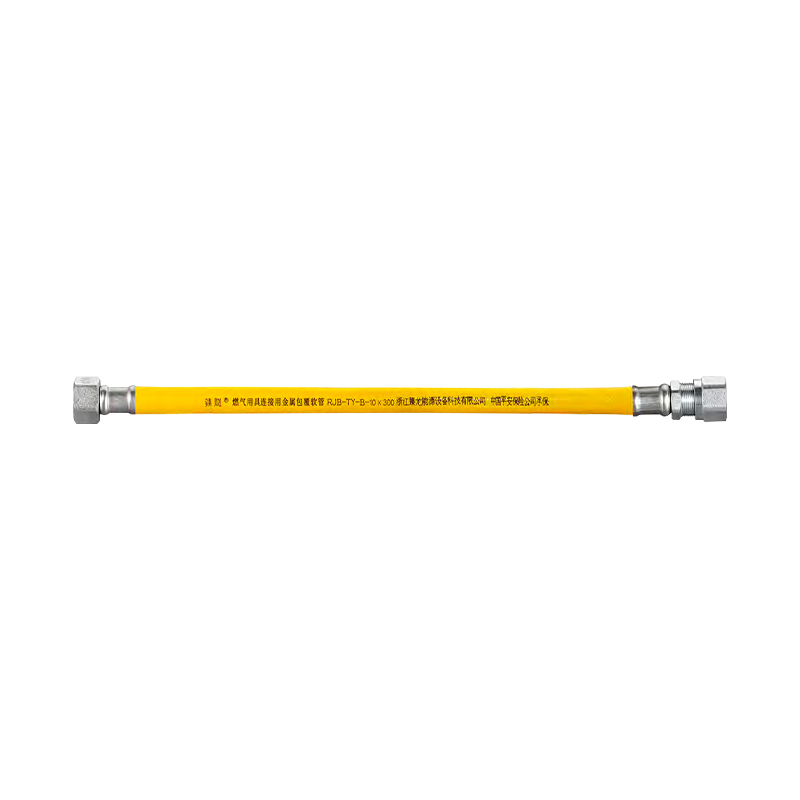
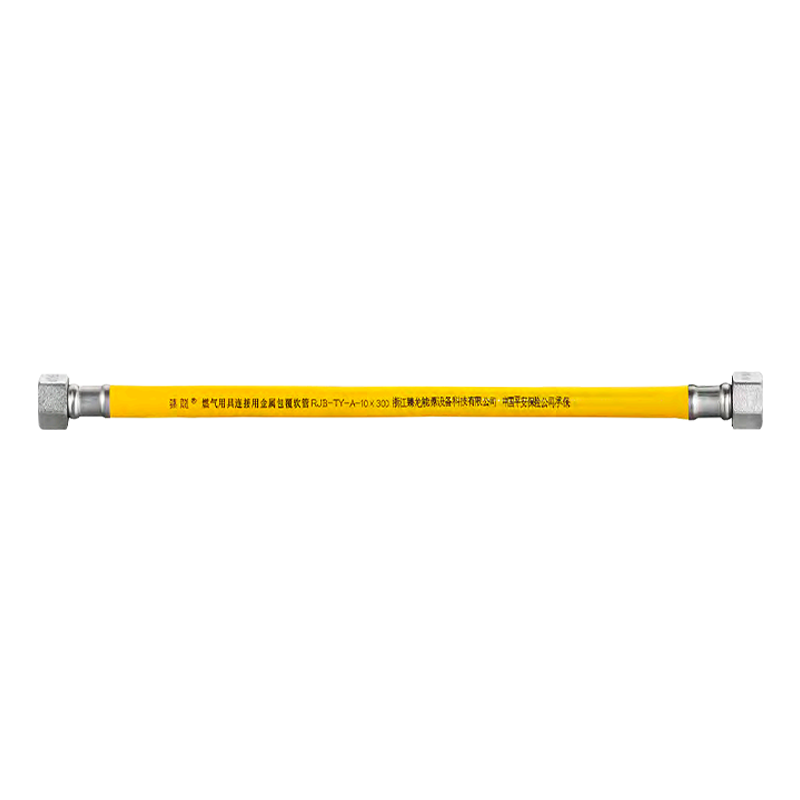
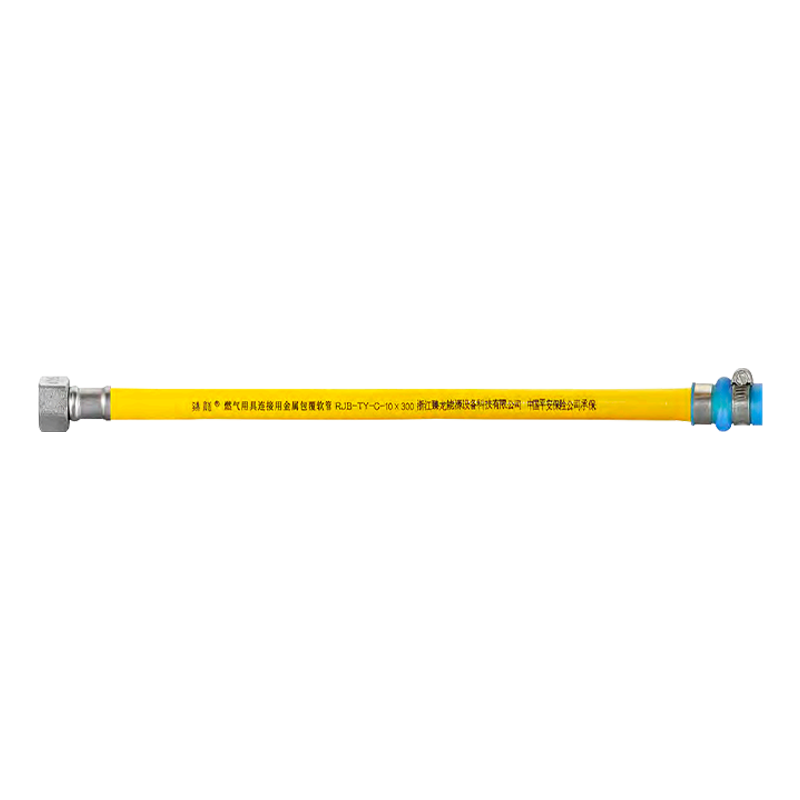
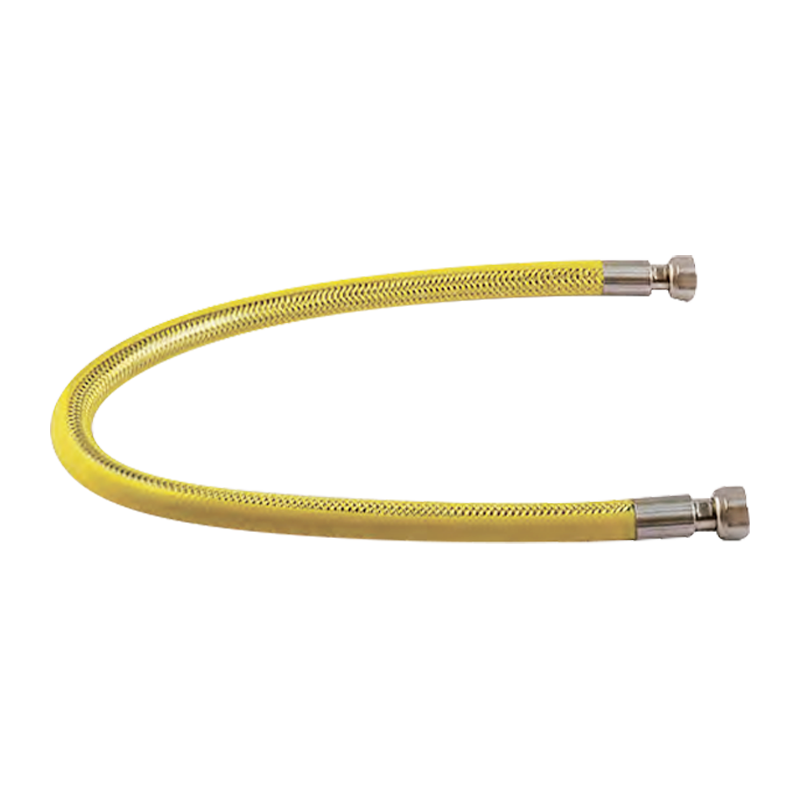
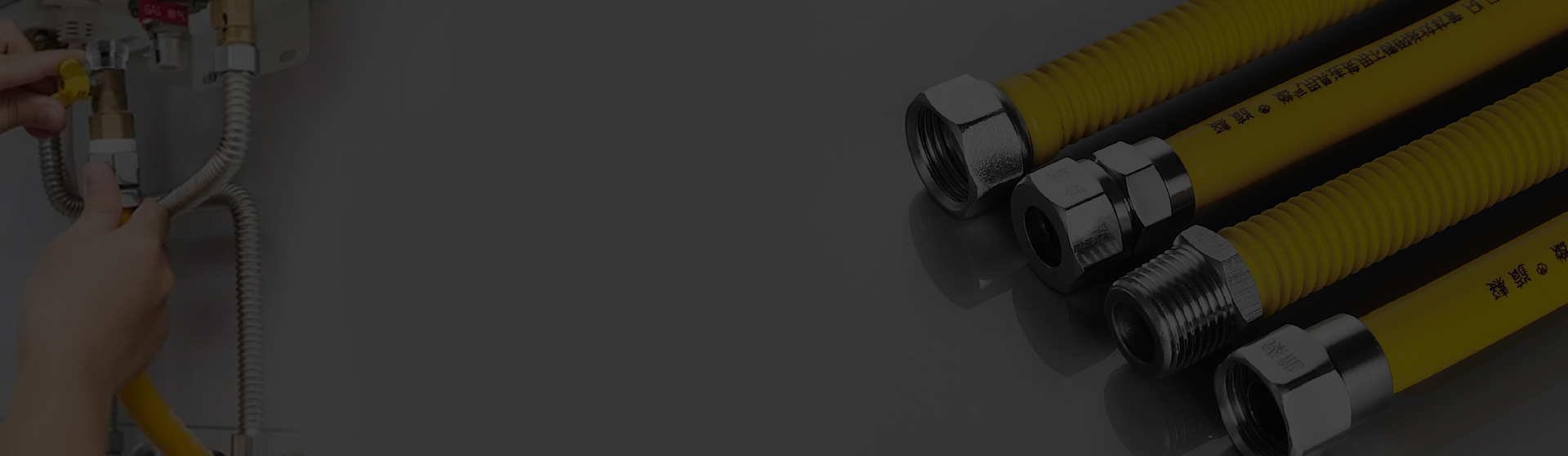
Corrugated stainless steel tubing for gas pipes is a flexible, accordion-like piping system manufactured from thin-wall 304 or 316 stainless steel, encased in a yellow polyethylene jacket for identification and mechanical protection. The corrugated profile gives CSST its defining characteristic: the ability to bend, route around obstacles, and absorb movement without rigid elbow fittings.
CSST connects to the gas supply system via gas pipe fittings—typically brass manifold fittings at the meter or main shutoff, with termination fittings at each appliance. The system is designed for natural gas and propane (LP gas) at pressures ranging from ¼ PSI to 2 PSI in residential distribution, and up to 5 PSI in some commercial configurations depending on local code and manufacturer specification.
First introduced commercially in Japan in the 1980s and adopted in the United States in the early 1990s, CSST is now approved under ANSI/AGA LC-1, CSA 6.26, and is listed in the International Fuel Gas Code (IFGC) and the National Fuel Gas Code (NFPA 54) as an approved gas piping material.
Head-to-Head Comparison: CSST vs. Copper Gas Pipe Across Key Performance Criteria
| Criteria | CSST (Corrugated Stainless Steel) | Copper Pipe (Type K/L) |
|---|---|---|
| Material | 304/316 stainless steel, PE jacket | Copper alloy, bare or insulated |
| Flexibility | Highly flexible; bends by hand | Rigid; requires fittings for every turn |
| Installation speed | 50%–70% faster than copper | Slow; requires cutting, threading or soldering at each joint |
| Number of fittings needed | Minimal (manifold + termination only) | High (elbow, coupler at every bend) |
| Corrosion resistance | Excellent; stainless steel is corrosion-immune | Good in dry environments; vulnerable to acidic soils and condensation |
| Seismic / vibration resistance | Excellent; absorbs movement | Poor; rigid joints can fracture under seismic stress |
| Lightning strike risk | Moderate if unbonded; low with bonding/grounding | Low |
| Material cost (per linear ft.) | $1.50–$3.50 (½" diameter) | $3.00–$6.00 (½" Type L) |
| Expected service life | 50+ years | 50+ years (dry conditions) |
| Code approval (USA) | IFGC, NFPA 54, ANSI LC-1 | IFGC, NFPA 54 (not permitted in all states) |
Installation Advantages of CSST Gas Pipe Fittings Over Rigid Copper Systems
Installation efficiency is where CSST delivers its most immediate and measurable advantage. A licensed plumber or gas fitter installing copper pipe must measure, cut, deburr, and either solder (braze), thread, or use compression fittings at every change of direction or connection point. In a typical residential installation with 10 appliance drops, this can mean 40 to 80 individual fittings and joints—each one a potential leak point.
A CSST system for the same installation uses a central manifold with individual flexible runs to each appliance. The tube bends by hand around framing members, through wall cavities, and along joists without any additional fittings. Total fitting count drops to 10 to 20 connection points—a 50% to 75% reduction in potential leak sites and installation labor.
Key CSST Gas Pipe Fitting Types
- Manifold fittings: Connect the CSST system to the main gas supply line. Available in 2- to 8-outlet configurations to serve multiple appliances from a single distribution point.
- Termination fittings: End-of-run brass fittings that connect CSST to the appliance shutoff valve or appliance connector. Available in ½" and ¾" NPT thread configurations.
- Transition fittings: Allow CSST to connect to existing rigid pipe systems (black iron, copper) during retrofits or hybrid installations.
- Mechanical couplings: Used when CSST runs must be joined mid-run (e.g., when adding length or repairing). Approved coupling types vary by CSST brand and local code.
- Bonding clamps: Required by code on CSST systems to ground the tubing and reduce lightning-induced arc risk. These are not optional—failure to bond CSST is a serious code violation.
Safety Profile: Addressing the Lightning Strike Concern with CSST
The most significant safety concern historically associated with CSST is the risk of arc damage from nearby lightning strikes. Because CSST has a thinner wall than rigid pipe (typically 0.006 to 0.010 inches vs. copper's 0.040–0.060 inches for Type L), a high-energy electrical arc can perforate the tubing and ignite gas—a failure mode not seen with thicker-wall rigid pipe.
This risk is real but manageable. Since 2006, the major CSST manufacturers (TracPipe, Gastite, CounterStrike) have developed arc-resistant CSST designs that incorporate a thicker jacket and conductive grounding layer. Additionally, the 2009 revision to NFPA 54 and subsequent editions of the IFGC mandate that all CSST systems must be bonded to the building's grounding electrode system, reducing the lightning risk to a level comparable with rigid gas piping. Homes with properly bonded CSST installed after 2009 have no elevated lightning risk compared to copper systems.
Copper, by contrast, has no lightning strike vulnerability due to its wall thickness, but it does have its own failure mode: formicary corrosion (also called ant-nest corrosion), a type of pitting corrosion caused by exposure to certain organic compounds in the air combined with moisture. This can cause pinhole leaks in copper gas pipe within 5 to 10 years in affected environments—a failure that is silent, hard to detect, and dangerous.
Seismic Performance: Why CSST Is the Preferred Choice in Earthquake Zones
In seismically active regions—California, Japan, New Zealand, parts of the Pacific Northwest—the flexibility of CSST is not just a convenience feature; it is a critical safety advantage. Rigid copper pipe relies on threaded or soldered joints, which are highly vulnerable to the racking and differential movement that occurs during an earthquake. In the 1994 Northridge earthquake, post-earthquake gas fires caused more structural destruction than the seismic event itself, with rigid pipe failures identified as a primary ignition source.
CSST can accommodate lateral displacement of up to several inches without joint failure due to its corrugated flexible structure. Japanese gas safety authorities effectively mandated CSST for new residential construction following seismic research in the 1980s, and California's Title 24 building code now strongly encourages flexible gas piping for seismic compliance. For any installation in a seismic zone, CSST is not just a preference—it is the technically correct choice.
Total Cost Comparison: Material, Labor, and Lifetime Ownership
While CSST material costs are typically lower than copper on a per-foot basis, the labor savings are where the real financial advantage emerges. Consider a typical 2,000 sq. ft. residential new construction gas rough-in:
| Cost Component | CSST System | Copper Pipe System |
|---|---|---|
| Tubing material (150 linear ft.) | $225–$525 | $450–$900 |
| Gas pipe fittings | $150–$300 (manifold + 6 terminations) | $400–$800 (40–60 fittings) |
| Installation labor (licensed contractor) | $400–$700 (4–6 hours) | $900–$1,600 (9–14 hours) |
| Bonding/grounding (CSST only) | $50–$150 | Not required |
| Total estimated installed cost | $825–$1,675 | $1,750–$3,300 |
The data shows CSST delivering a total installed cost savings of 40% to 50% in a typical residential application. Even at the high end, CSST comes in at roughly half the cost of an equivalent copper system once labor is factored in.
When Copper Gas Pipe Is Still the Right Choice
Despite CSST's overall advantages, copper retains specific use cases where it remains the technically or legally correct selection:
- High-pressure industrial gas applications: CSST is rated for pressures up to 5 PSI in most configurations. Commercial and industrial systems operating at 10–60 PSI require rigid pipe—Schedule 40 black iron or copper—to meet pressure and safety ratings.
- Jurisdictions where CSST is restricted: Some local building codes and utility companies still prohibit or restrict CSST—particularly older municipal codes in the northeastern United States. Always verify local code before specifying CSST.
- Exposed outdoor gas runs: UV degradation of the polyethylene jacket limits CSST's suitability for prolonged outdoor exposure. Copper or black iron pipe is preferred for exposed exterior gas supply lines.
- Retrofit of existing copper systems: When extending or repairing an existing copper gas system, continuing with copper avoids compatibility complications and maintains system consistency.
- Corrosive soil environments: CSST is not approved for direct burial in all configurations. For underground gas supply lines, polyethylene (PE) pipe is the preferred modern choice, with copper as a code-approved alternative in most jurisdictions.
Frequently Asked Questions About CSST and Copper Gas Pipe Fittings
Q1: Is corrugated stainless steel tubing safe for natural gas and propane?
Yes. CSST is approved for both natural gas and LP (propane) gas service when installed per manufacturer specifications and applicable codes including NFPA 54, IFGC, and ANSI LC-1. The key safety requirement is proper bonding and grounding of the CSST to the building's electrical grounding system, which neutralizes the lightning-induced arc risk. All major CSST brands—TracPipe, Gastite, and CounterStrike—are listed and approved for both gas types in all common residential pressure ranges.
Q2: Can CSST be connected directly to copper gas pipe fittings?
Yes, through approved transition fittings. CSST manufacturers supply brass transition fittings that connect the CSST end fitting to standard NPT (National Pipe Thread) copper or iron pipe fittings. This is a common configuration in retrofits where a new CSST distribution system connects to an existing copper or black iron service entry. Only use fittings approved by the specific CSST manufacturer—cross-brand fitting use is not permitted and will void listings and warranties.
Q3: Does CSST require a licensed contractor to install?
In virtually all jurisdictions, gas piping of any type—including CSST—must be installed by a licensed plumber, gas fitter, or mechanical contractor and must be inspected and pressure-tested before the system is placed into service. CSST manufacturers also require that installers complete brand-specific training, as improper installation (particularly of end fittings) is the most common source of CSST gas leaks. Do not attempt DIY gas piping installation with CSST or any other gas pipe material.
Q4: How do you test CSST for gas leaks after installation?
CSST systems are pressure-tested using the same methods as rigid pipe: compressed air or nitrogen is introduced to the system at a test pressure of 1.5 times the maximum operating pressure (typically 3 PSI for a 2 PSI system), held for a minimum of 10 minutes, and checked for pressure drop using a manometer or calibrated gauge. Fittings and connections are then checked with gas leak detection solution (liquid soap) or an electronic combustible gas detector once the system is commissioned and gas is introduced. Never use an open flame to test for gas leaks.
Q5: What is the lifespan of CSST compared to copper gas pipe?
Both materials are designed for long service lives. CSST is rated for a service life of 50+ years by major manufacturers when properly installed and bonded. Copper pipe in dry, non-corrosive environments has a similar or longer lifespan, but its service life can drop dramatically to under 15 years in environments prone to formicary corrosion or acidic condensation. The polyethylene jacket on CSST provides additional protection that bare copper does not have, making CSST more reliably durable across varied installation environments.
Q6: Which CSST brands are most widely approved and where can I find their gas pipe fittings?
The three most widely approved CSST systems in North America are TracPipe (OmegaFlex), Gastite (Titeflex), and CounterStrike (OmegaFlex). CounterStrike is specifically engineered for enhanced arc resistance. All three are available through plumbing and mechanical supply distributors, and their gas pipe fittings—manifolds, termination fittings, transition couplings, and bonding clamps—are sold as brand-specific systems. Using fittings from one brand on another brand's tubing is not permitted. When sourcing, always purchase the complete system (tubing + fittings) from the same manufacturer to ensure code compliance and warranty coverage.