 English
 中文简体
中文简体 Español
 عربى
عربى

Content
- 1 Is Corrugated Stainless Steel Tubing For Gas Pipes Safe?
- 2 Why Corrugated Stainless Steel Tubing Is Used for Gas Lines
- 3 Safety Standards and Code Compliance
- 4 Lightning and Bonding Considerations
- 5 Comparison: CSST vs Traditional Black Iron Pipe
- 6 Installation Best Practices
- 7 Frequently Asked Questions (FAQ)
Is Corrugated Stainless Steel Tubing For Gas Pipes Safe?
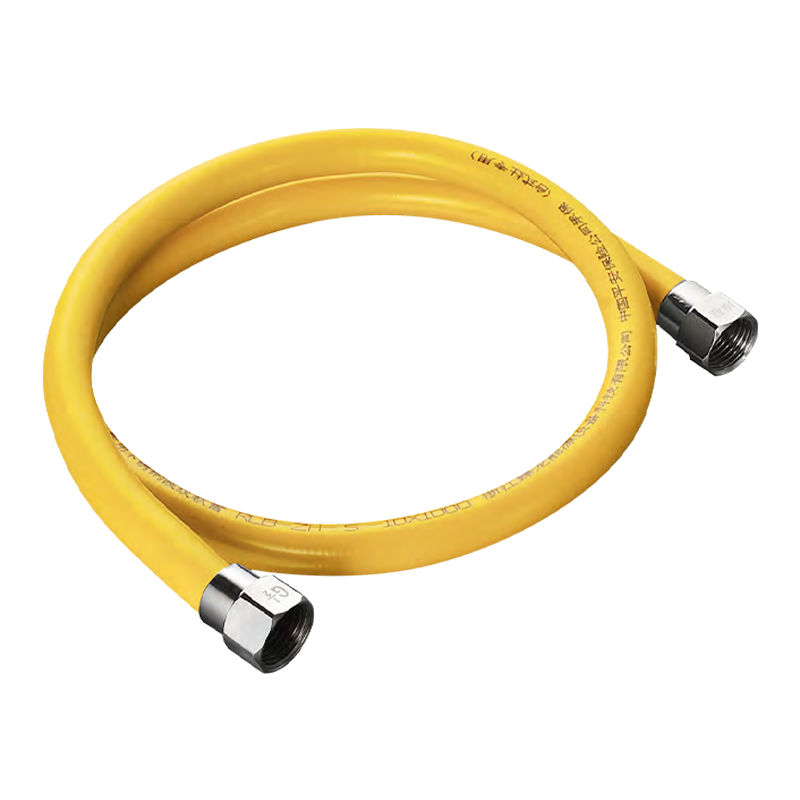
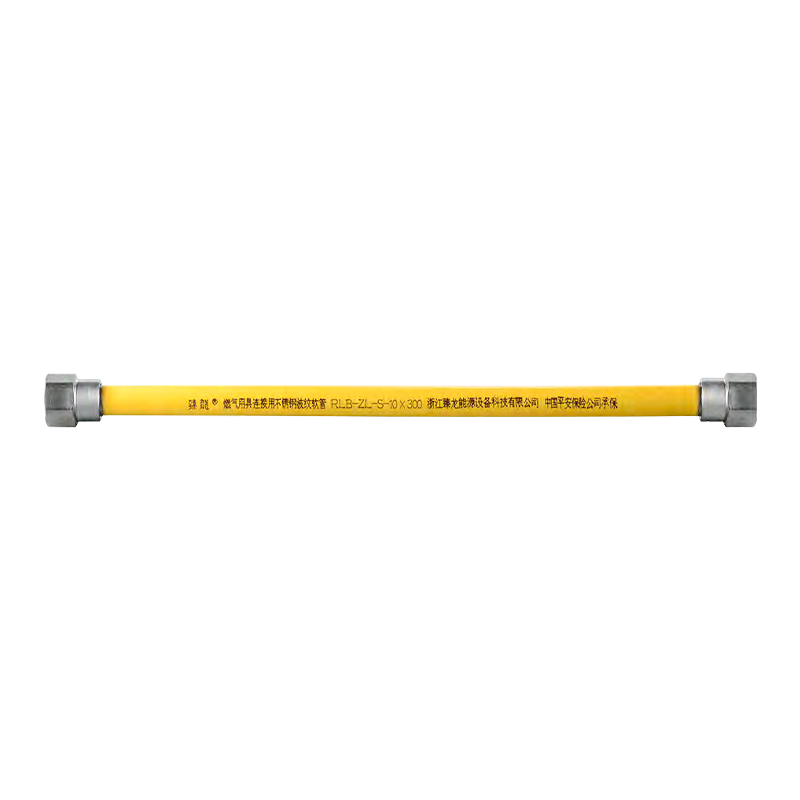
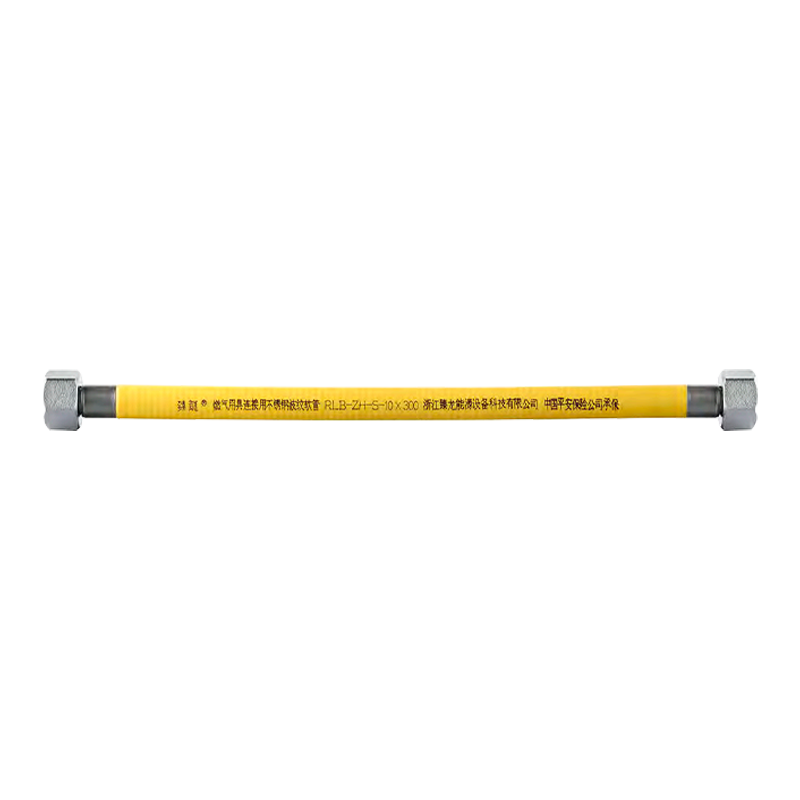
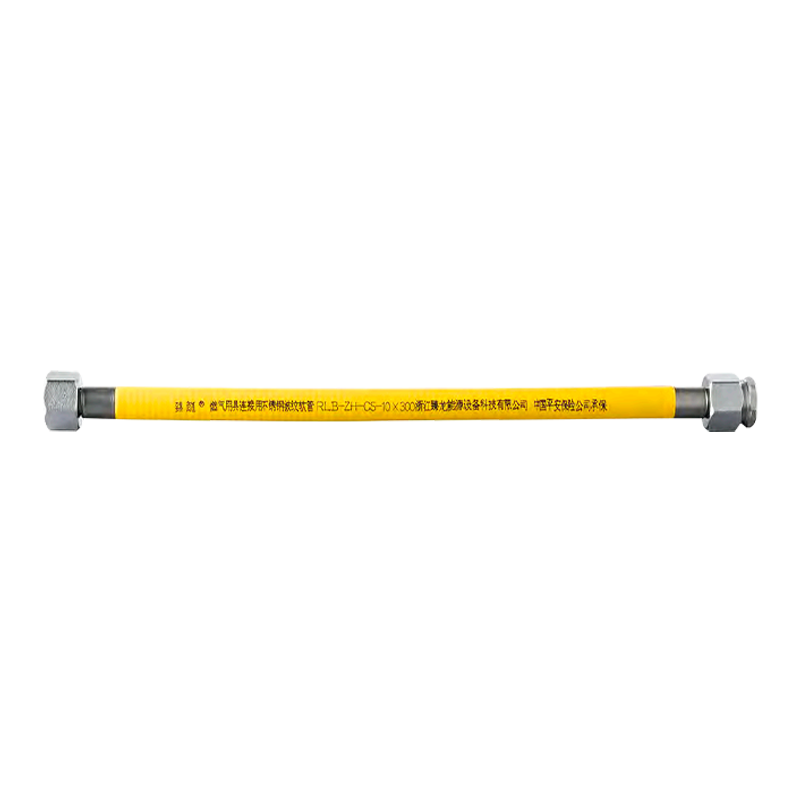
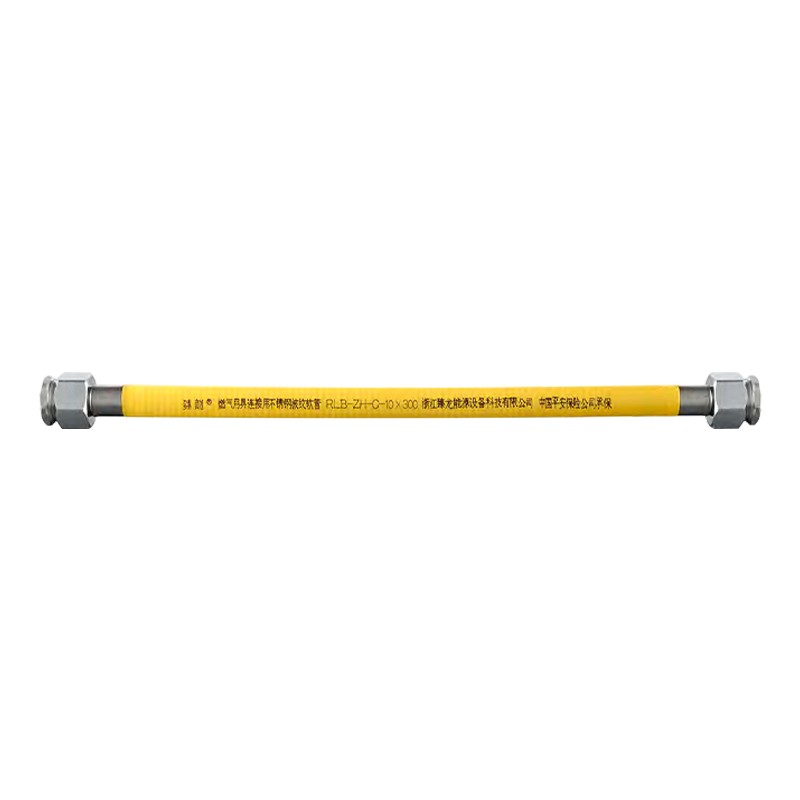
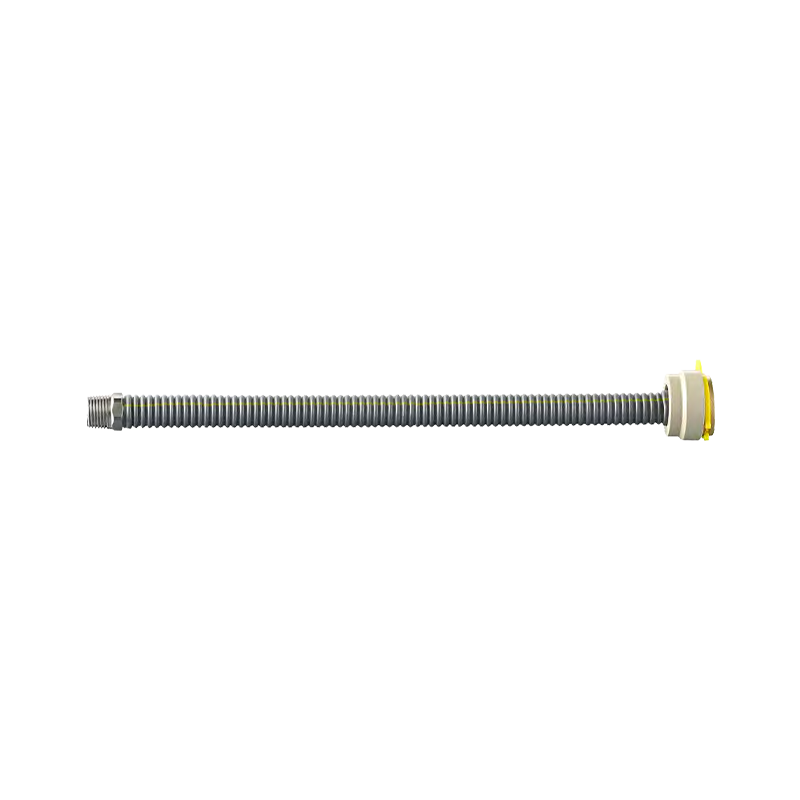
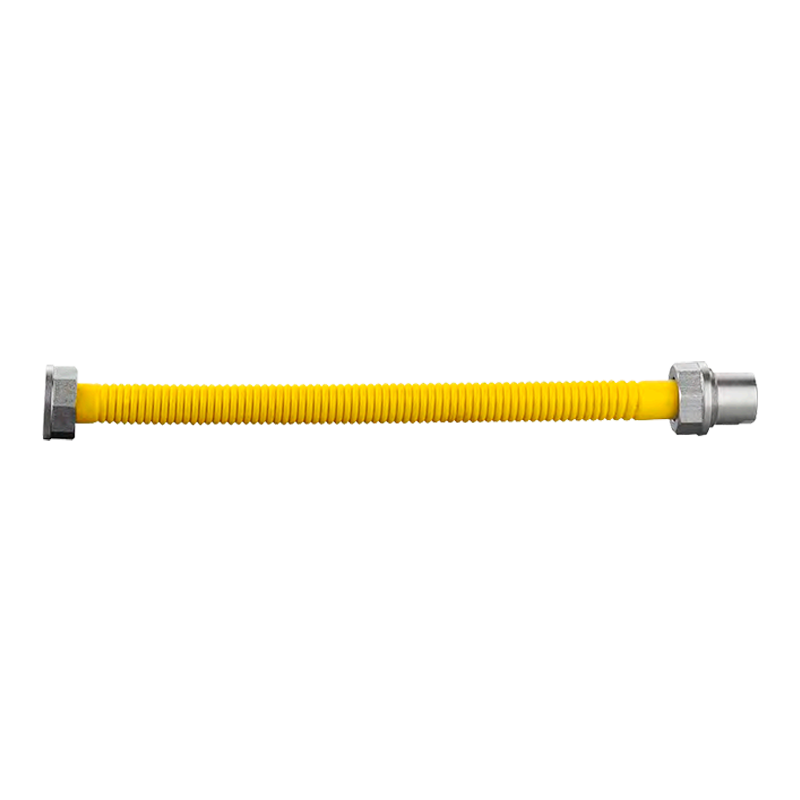
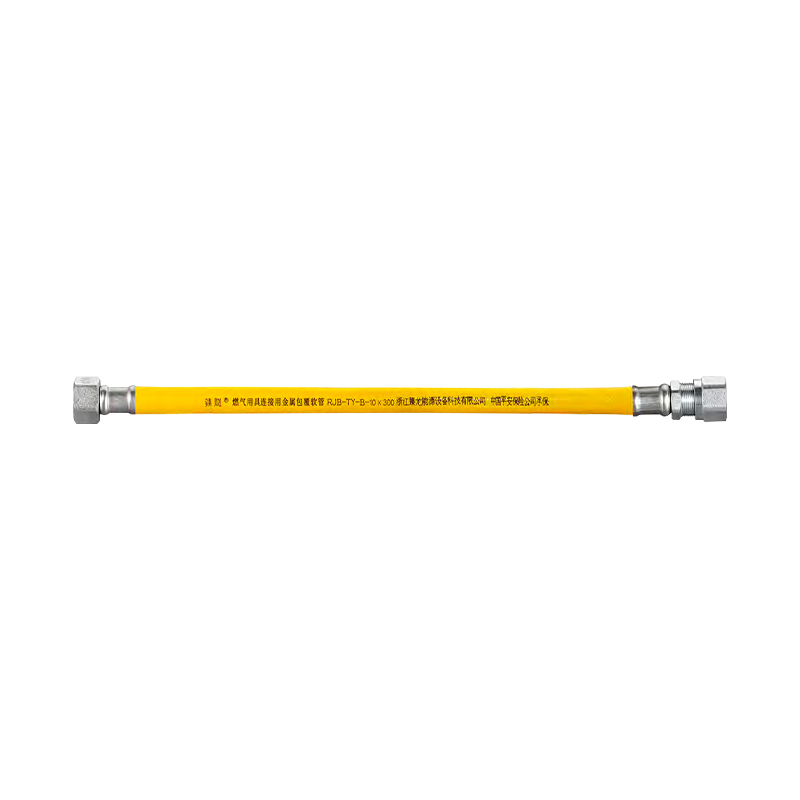
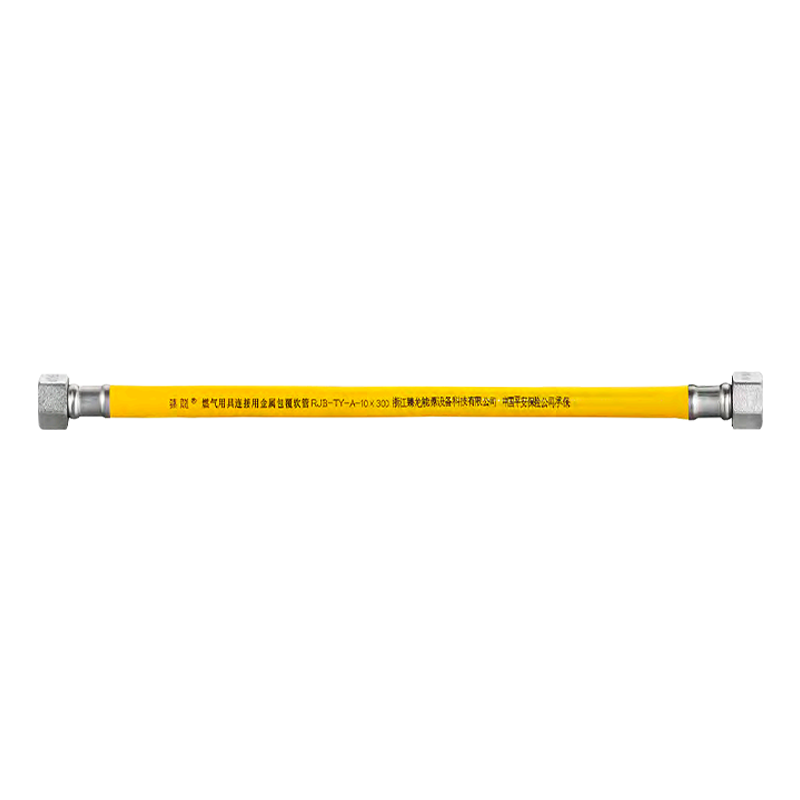
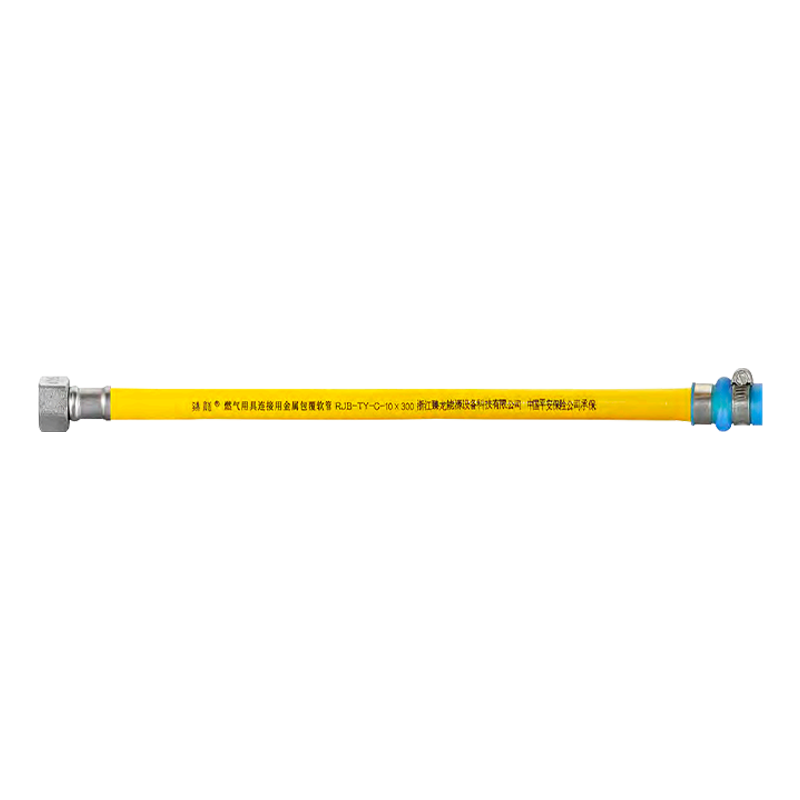
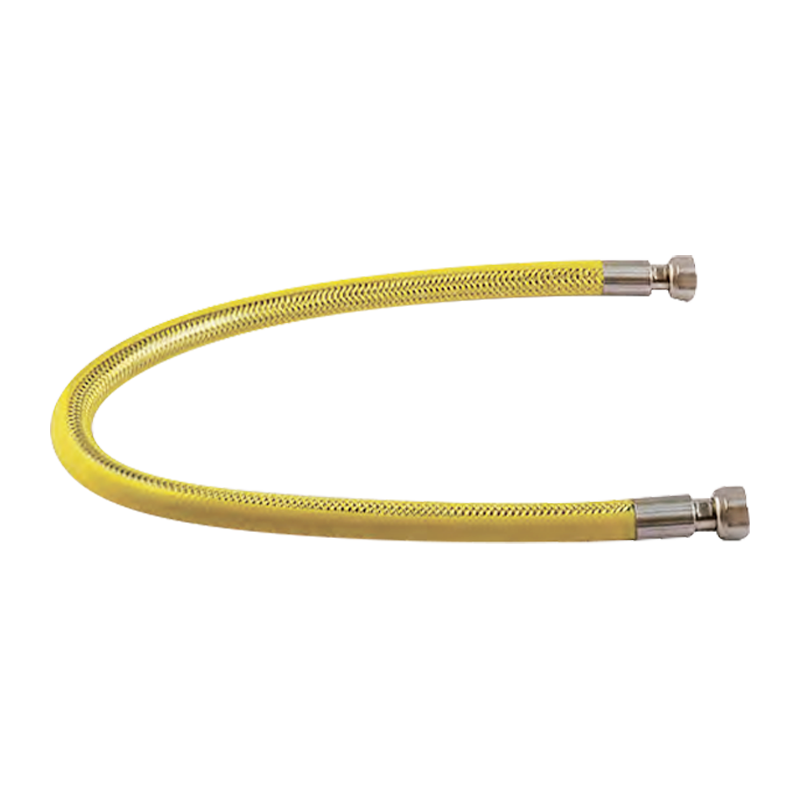
Yes, Corrugated Stainless Steel Tubing For Gas Pipes (CSST) is safe when properly installed, bonded, and compliant with local gas codes. It is widely approved for residential and commercial gas distribution systems due to its flexibility, corrosion resistance, and reduced joint connections. However, improper grounding or installation errors can increase the risk of gas leaks or lightning-related damage.
Safety largely depends on code compliance, professional installation, and the correct bonding method.
Why Corrugated Stainless Steel Tubing Is Used for Gas Lines
Corrugated Stainless Steel Tubing For Gas Pipes offers several performance advantages over traditional black iron pipe:
- Flexible design reduces the number of fittings by up to 60%
- Faster installation—often 30–50% less labor time
- Corrosion-resistant stainless steel construction
- Improved seismic performance in earthquake-prone areas
Its flexibility allows it to navigate around obstacles without multiple threaded joints, reducing potential leak points.
Safety Standards and Code Compliance
Most Corrugated Stainless Steel Tubing For Gas Pipes products are certified under international safety standards such as ANSI LC 1 / CSA 6.26. These certifications ensure:
- Pressure resistance exceeding typical residential gas pressures (usually below 0.5 psi)
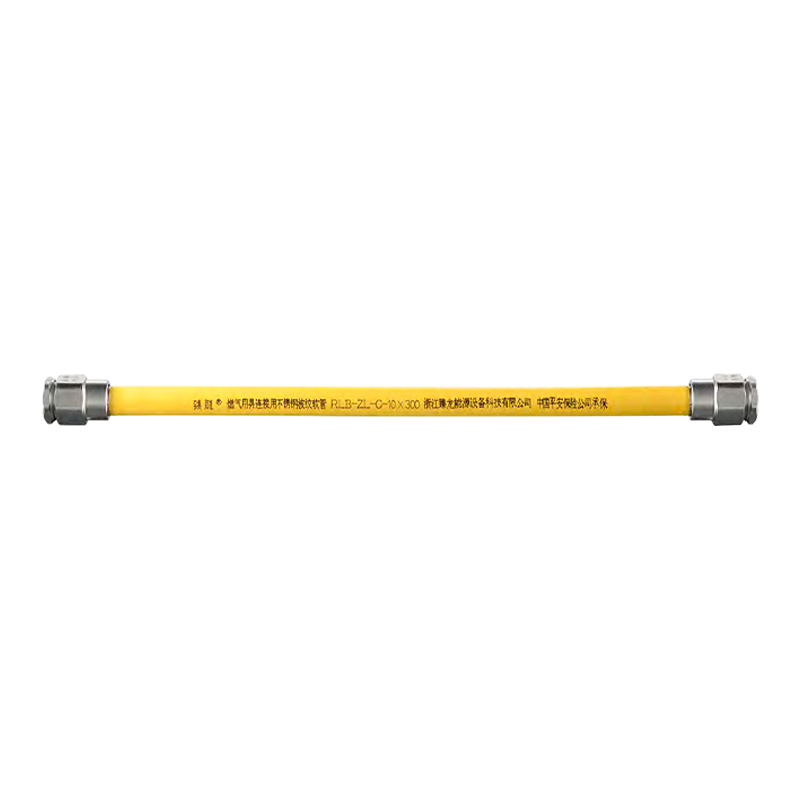
- Leak-tight mechanical fittings
- Fire and impact resistance testing compliance
Local building codes often require additional bonding to reduce lightning-related risks.
Lightning and Bonding Considerations
One key safety concern is electrical bonding. Improperly bonded CSST systems have been linked to rare but documented cases of lightning-induced perforation.
Proper bonding typically requires:
- Connecting a bonding clamp to the gas piping system.
- Using a copper bonding wire (often 6 AWG).
- Attaching it to the building’s grounding electrode system.
When properly bonded, the risk of lightning damage is significantly minimized.
Comparison: CSST vs Traditional Black Iron Pipe
| Feature | CSST | Black Iron Pipe |
|---|---|---|
| Installation Speed | Fast | Slower |
| Flexibility | High | Rigid |
| Corrosion Resistance | Excellent | Moderate |
| Bonding Requirement | Required | Not Typically Required |
Installation Best Practices
To ensure safety, follow these practical guidelines:
- Use manufacturer-approved fittings only.
- Avoid sharp bends below minimum bend radius.
- Protect tubing from physical damage with striker plates where necessary.
- Conduct pressure testing before commissioning.
Professional installation significantly reduces long-term safety risks.
Frequently Asked Questions (FAQ)
Is Corrugated Stainless Steel Tubing For Gas Pipes approved for residential use?
Yes, it is widely approved under national and local gas codes when installed according to manufacturer instructions.
Does CSST leak more easily than black iron pipe?
No. When properly installed, leak rates are comparable, and fewer fittings may reduce potential leak points.
Is bonding mandatory?
In most jurisdictions, yes. Proper bonding is critical for safety compliance.
Can CSST be used outdoors?
Yes, but it must be protected from direct UV exposure and physical damage.
How long does CSST last?
Stainless steel construction provides long service life, often exceeding 30 years under normal conditions.
Should homeowners install it themselves?
Professional installation is strongly recommended to ensure code compliance and safe operation.