 English
 中文简体
中文简体 Español
 عربى
عربى
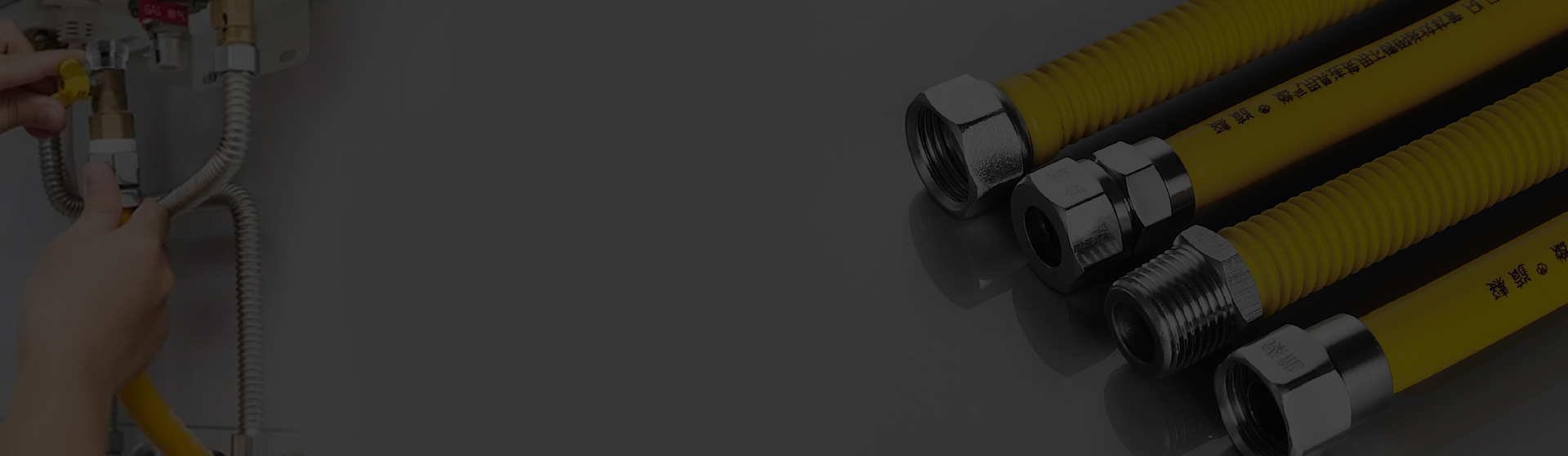

Direct Answer: Yes — a correctly specified stainless steel corrugated hose can withstand high pressure. Single-braid constructions typically handle up to 100 bar (1,450 psi), while double-braid designs reach 175–350 bar depending on bore diameter, alloy grade, and temperature. In 2026, tighter manufacturing tolerances and advanced alloy processing mean these hoses are confidently deployed across oil-and-gas, pharmaceutical, power generation, and hydraulic systems worldwide.
This article covers the pressure ratings, material grades, real-world applications, and selection criteria you need to make an informed engineering decision about flexible stainless steel hose in high-pressure service.
Content
- 1 What Is a Stainless Steel Corrugated Hose?
- 2 Pressure Ratings by Construction Type
- 3 Material Grades and Their Impact on Pressure Performance
- 4 Real-World High-Pressure Applications
- 5 Key Factors That Determine High-Pressure Suitability
- 6 How to Select the Right Hose for High-Pressure Service
- 7 Installation Best Practices and Maintenance
- 8 Relevant Standards and Certifications in 2026
- 9 Frequently Asked Questions
What Is a Stainless Steel Corrugated Hose?
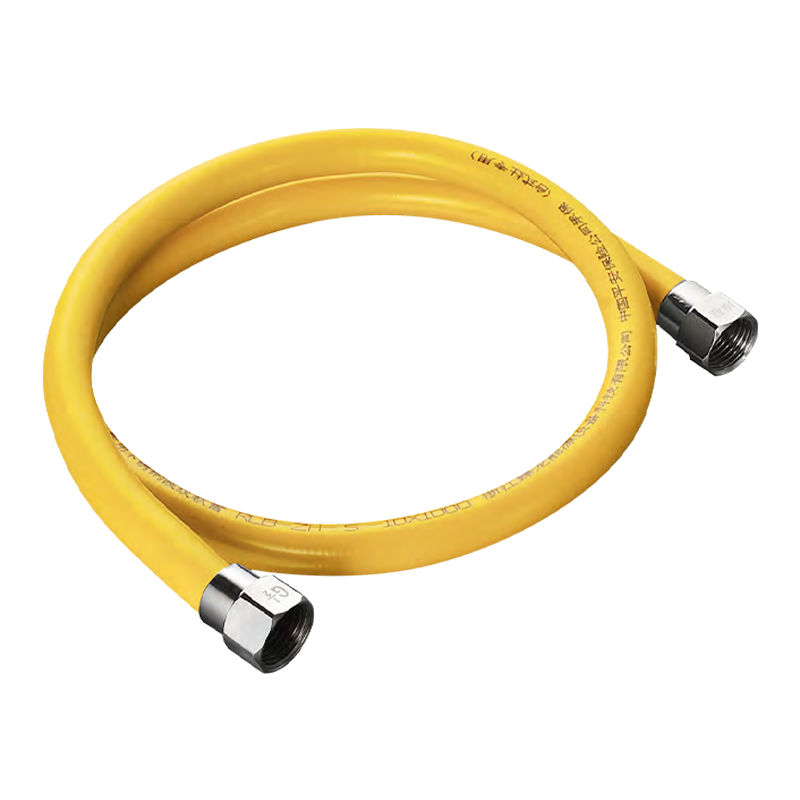
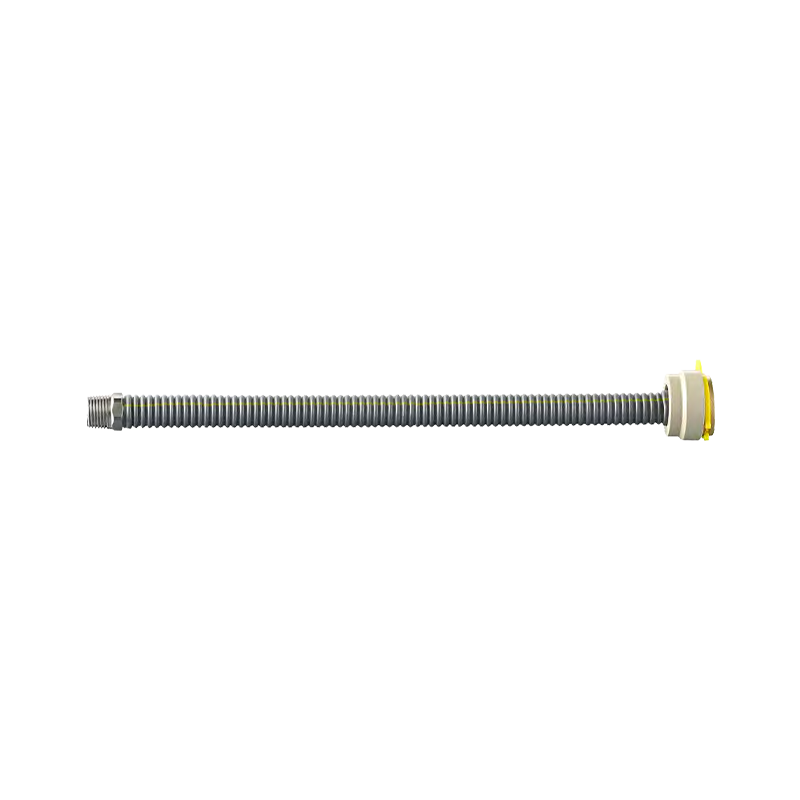
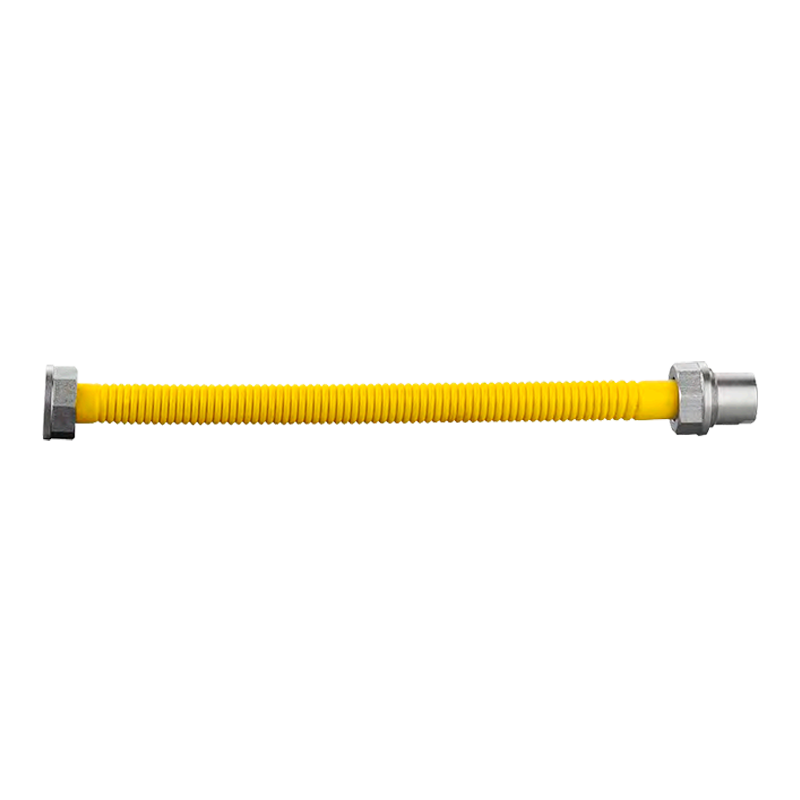
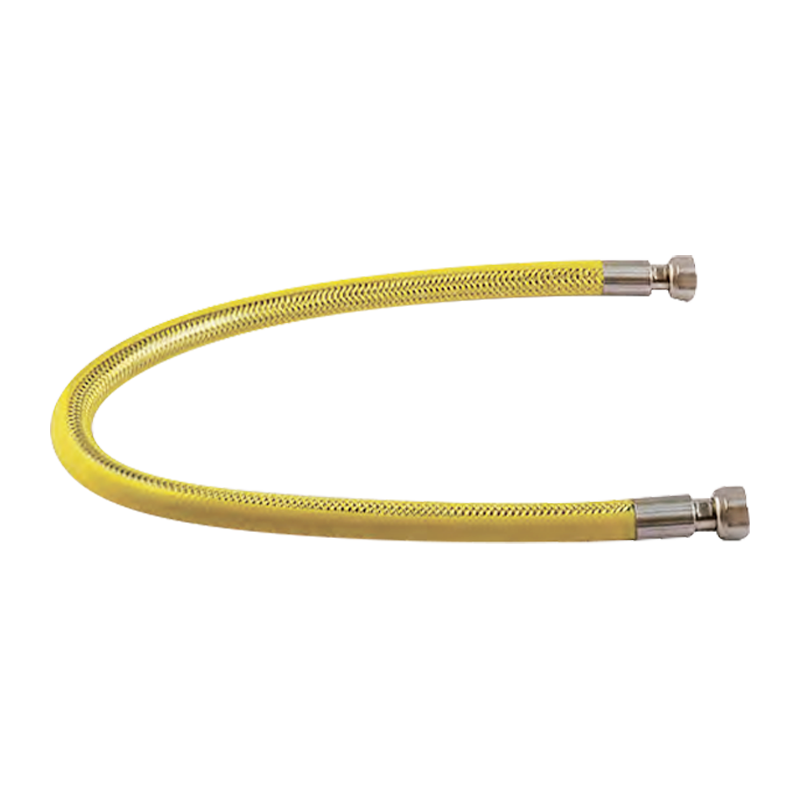
A stainless steel corrugated hose is a precision-formed metallic conduit whose wall is shaped into a repeated wave pattern — either annular (independent rings) or helical (continuous spiral). This corrugation delivers flexibility while maintaining structural pressure integrity. One or more layers of woven stainless steel wire braid are then applied over the corrugated core to dramatically increase burst strength.
Unlike rubber or polymer alternatives, the all-metal construction survives temperatures from -196 °C to +700 °C, resists aggressive chemicals, and absorbs vibration and thermal expansion without degradation. These properties make the flexible stainless steel hose the preferred choice across chemical processing, power generation, shipbuilding, and HVAC sectors.
- Annular corrugation: independent rings — superior pressure rating, standard for high-pressure service
- Helical corrugation: continuous spiral — easier production, suited to lower-pressure fluid transfer
- Single braid: one SS wire layer — working pressure up to ~100 bar at common diameters
- Double braid: two SS wire layers — working pressure up to 175–350 bar at small diameters
- End fittings: NPT, BSP, ASME flanges, camlock, or custom — welded or hydraulically crimped
Pressure Ratings by Construction Type
The working pressure of a stainless steel corrugated hose is governed by three variables: inner diameter, braid configuration, and alloy grade. The table below gives typical values for SS316L annular hoses at ambient temperature. A safety factor of 4:1 (burst vs. working pressure) is standard under ISO 10380 and EN 14585.
| Inner Diameter (mm) | Single Braid — Working Pressure (bar) | Double Braid — Working Pressure (bar) | Burst Pressure — Single Braid (bar) |
|---|---|---|---|
| 6 | 100 | 175 | 400 |
| 10 | 85 | 150 | 340 |
| 16 | 70 | 125 | 280 |
| 25 | 50 | 95 | 200 |
| 40 | 35 | 70 | 140 |
| 50 | 25 | 50 | 100 |
A practical takeaway: when a design requires both high flow volume and high pressure, engineers typically run parallel small-bore lines rather than a single large-bore hose. This approach achieves the required flow area while maintaining favorable pressure ratings at each line.
Material Grades and Their Impact on Pressure Performance
Alloy selection determines corrosion resistance, temperature capability, and long-term pressure retention. The most common grades for flexible stainless steel hose are SS304 and SS316L, but specialty applications increasingly use higher-alloy materials.
SS304 (1.4301)
The workhorse grade for general industrial use. Suitable for water, mild chemicals, and food-grade gas applications. Good oxidation resistance up to 870 °C in intermittent service. Not recommended for chloride-rich environments such as seawater or acidic process streams.
SS316L (1.4404)
The preferred grade for chemical, pharmaceutical, and marine environments. The addition of 2–3% molybdenum significantly improves chloride resistance and pitting performance. The low-carbon "L" variant preserves corrosion resistance at welded end-fitting joints. This is the most widely specified material for custom stainless steel hose orders in 2026.
Duplex 2205 and Super Duplex 2507
These grades deliver roughly twice the yield strength of SS316L, enabling thinner corrugation walls at equivalent or higher pressure ratings. Super duplex 2507 handles chloride concentrations up to 70,000 ppm, making it standard for offshore platforms and subsea gas injection lines.
Inconel 625
Selected when sustained service temperatures exceed 600 °C — for example, in aerospace exhaust systems or high-temperature steam reformers. Tensile strength of approximately 830 MPa combined with outstanding oxidation resistance makes it the material of choice where stainless alloys reach their limits.
| Grade | Tensile Strength (MPa) | Max Service Temp (°C) | Chloride Resistance | Typical Use |
|---|---|---|---|---|
| SS304 | 515 | 870 | Low | General water, air, gas |
| SS316L | 485 | 870 | Medium | Chemical, pharma, marine |
| Duplex 2205 | 620 | 300 | High | Offshore, high-pressure gas |
| Super Duplex 2507 | 795 | 300 | Very High | Subsea, aggressive acids |
| Inconel 625 | 830 | 1000 | Excellent | High-temp steam, aerospace |
Real-World High-Pressure Applications
In 2026, stainless steel corrugated hoses appear in virtually every industry that manages fluids or gases under pressure. The chart below summarizes typical operating pressure ranges by sector.
Oil and Gas
Double-braid SS316L or duplex hoses rated to 250–350 bar connect pump skids, compressor suction/discharge headers, and gas injection manifolds. They absorb thermal expansion and compressor vibration without fatigue failure. Offshore installations typically specify assemblies tested to 1.5× working pressure per API 6A or API 17K.
Industrial Steam and Power Generation
Steam lines in power plants operate at 60–160 bar and temperatures exceeding 400 °C. Annular corrugated hoses in SS316L accommodate the thermal cycling of boiler startups and shutdowns. The corrugation geometry distributes stress uniformly along the hose length, preventing the stress concentration that would cause a rigid connection to crack under repeated thermal loading.
Hydraulic Machinery
CNC machining centres, injection moulding presses, and industrial robots increasingly use custom stainless steel hose assemblies in hydraulic circuits running at 200–350 bar. Stainless replaces rubber hydraulic hose where fire resistance, zero permeation, and long service life are firm design requirements.
Pharmaceutical and Food Processing
Although operating pressures are lower (typically 5–50 bar), these industries specify electropolished SS316L hoses for hygiene. An internal surface finish of Ra ≤ 0.8 µm prevents bacterial adhesion and supports CIP (Clean-in-Place) validation, a regulatory requirement in FDA- and EHEDG-regulated facilities.
Key Factors That Determine High-Pressure Suitability
Wall Thickness and Corrugation Geometry
Thicker walls increase burst pressure but reduce flexibility. Annular corrugations outperform helical at the same wall thickness because each ring acts as an independent pressure vessel. Helical corrugations transmit axial stress along the spiral, modestly reducing burst strength. For service above 50 bar, annular construction is the engineering standard.
Number of Braid Layers
A single layer of 0.3–0.5 mm wire braid increases working pressure by 60–80% over the bare corrugated core. A second layer adds another 40–60%. Beyond two layers, returns diminish and the assembly becomes too rigid for meaningful flexing. Braid wire angle is optimised at 54.7° (the neutral angle) so the braid neither tightens nor loosens under pressure cycling.
End Fitting Quality
The fitting-to-hose joint is the most frequent failure location in any hose assembly. High-pressure service requires full-penetration orbital TIG welds or precision hydraulic crimps. Fitting material must match or exceed hose alloy grade to prevent galvanic corrosion and avoid a strength mismatch at the joint.
Temperature De-Rating
Stainless steel loses yield strength at elevated temperatures. As a practical guide: at 300 °C, allowable working pressure drops to approximately 75% of the ambient value; at 500 °C, to around 55%. Always confirm the de-rating curve with the manufacturer when specifying a hose for steam or high-temperature gas service.
Cyclic Pressure Fatigue
Repeated pressure cycling — common in hydraulic systems running at 30–60 cycles per minute — causes fatigue cracking at pressures far below the static burst rating. Quality flexible stainless steel hose is tested per ISO 15085 for cyclic fatigue life, typically 200,000 full-pressure cycles at rated working pressure without failure. Specify the design cycle count in procurement requirements.
How to Select the Right Hose for High-Pressure Service
A structured selection approach prevents premature failures. Follow this sequence when specifying a stainless steel corrugated hose:
- Define service conditions: working pressure, maximum test pressure, temperature range, fluid type, and required flow rate.
- Size the bore: target fluid velocity of 1–4 m/s for liquids, up to 20 m/s for gases; check the pressure rating for the resulting diameter.
- Select the alloy grade: SS316L for most industrial uses; duplex or super duplex for offshore and high-chloride environments; Inconel 625 above 600 °C.
- Specify braid configuration: single braid up to ~100 bar on standard diameters; double braid above that, or wherever a safety factor exceeding 4:1 is mandated by code.
- Define end fittings: connection standard (NPT, DIN, ASME flange), fitting material, and joining method (orbital weld vs. hydraulic crimp).
- Request certification documentation: hydrostatic or pneumatic pressure test certificate, material test report (MTR) traceable to mill certificates, and fatigue cycle data for cyclic applications.
For non-standard installations — unusual minimum bend radii, cryogenic service, vacuum conditions, or pulsating high-pressure flows — a custom stainless steel hose engineered for the specific application is the safest and most reliable approach. Leading manufacturers provide finite element analysis (FEA) simulation on request for critical-service designs.
Installation Best Practices and Maintenance
A well-specified flexible stainless steel hose can still fail prematurely if installed or maintained incorrectly. The following practices protect pressure integrity throughout service life:
- Respect the minimum bend radius: never install below the manufacturer's specified minimum — typically 3–6× the outer diameter for braided hoses. Under-bending creates permanent kinks that concentrate stress.
- Avoid torsion: never twist the hose during installation. Even 5° of twist per metre significantly reduces fatigue life due to asymmetric loading in the corrugation.
- Install with adequate slack: leave 5–10% extra length in the installed assembly. Hoses are designed to absorb lateral and angular offset, not axial tension.
- Protect from external abrasion: use PVC sleeves or SS over-braid protectors where hoses pass through metal structures or brackets.
- Inspect regularly: in high-cycle hydraulic or steam service, inspect end-fitting welds and braid condition every 12 months or per your plant maintenance schedule.
- Replace at first sign of distress: braid wire fraying, visible corrugation deformation, or discolouration at fittings (indicating heat or pressure stress) all require immediate replacement.
Relevant Standards and Certifications in 2026
Specifying a hose that complies with internationally recognized standards provides consistent quality and a sound engineering basis for procurement decisions. Key standards for high-pressure stainless steel corrugated hose assemblies include:
| Standard | Scope | Key Requirement |
|---|---|---|
| ISO 10380 | Corrugated metallic hoses and assemblies | Dimensional, pressure, and fatigue test requirements |
| EN 14585 | Corrugated metal hose assemblies (Europe) | Minimum safety factor of 4:1 (burst vs. working pressure) |
| ASME B31.3 | Process piping (USA) | Material, joint, and hydrostatic test requirements |
| API 6A / 17K | Oil and gas wellhead and subsea equipment | Pressure/temperature class and material traceability |
| PED 2014/68/EU | Pressure Equipment Directive (EU) | CE marking required for hoses operating above 0.5 bar |
| FDA / 3-A | Food and pharmaceutical contact | Electropolished finish and material biocompatibility |
When ordering a custom stainless steel hose for a regulated industry, request compliance documentation upfront. Material Test Reports (MTRs) traceable to mill certificates are standard practice in oil-and-gas and pharmaceutical procurement.