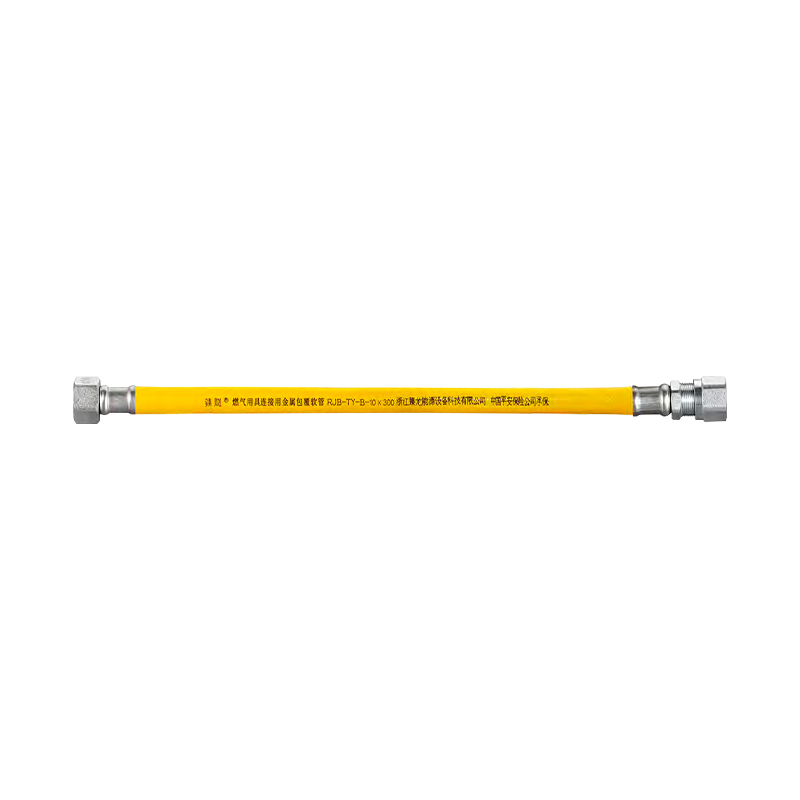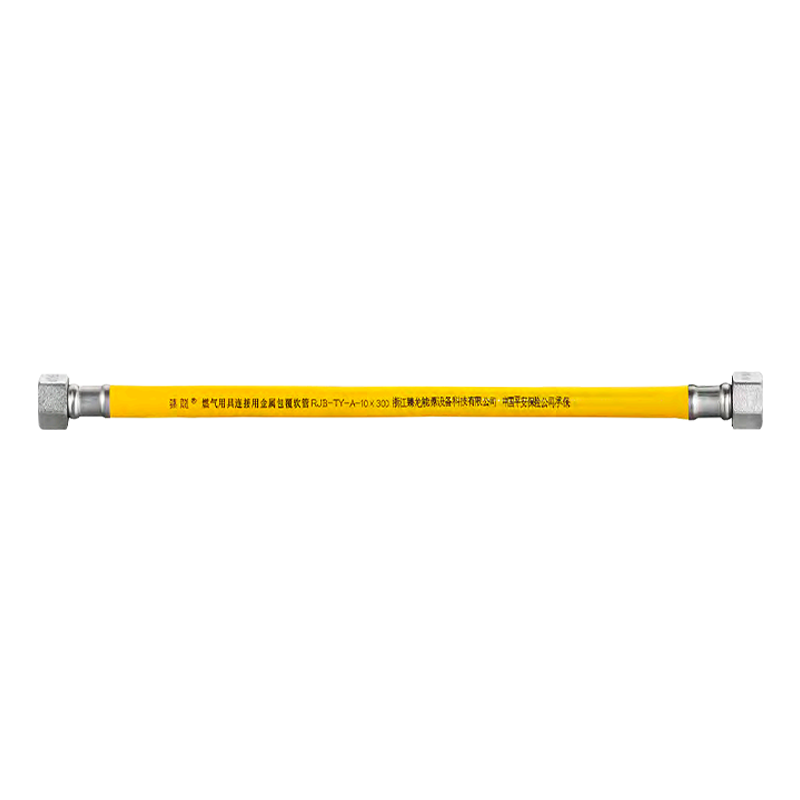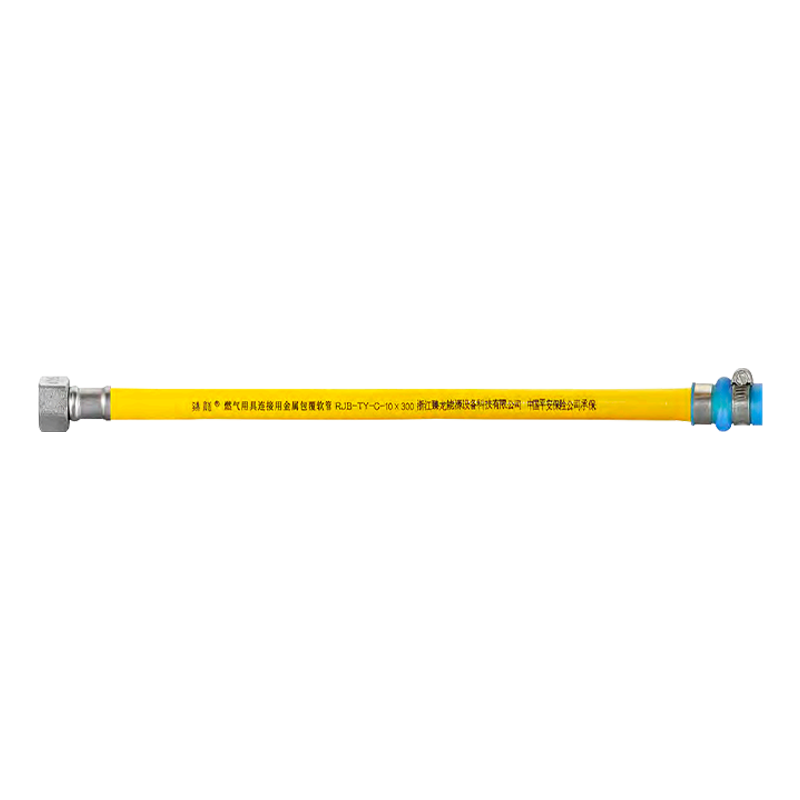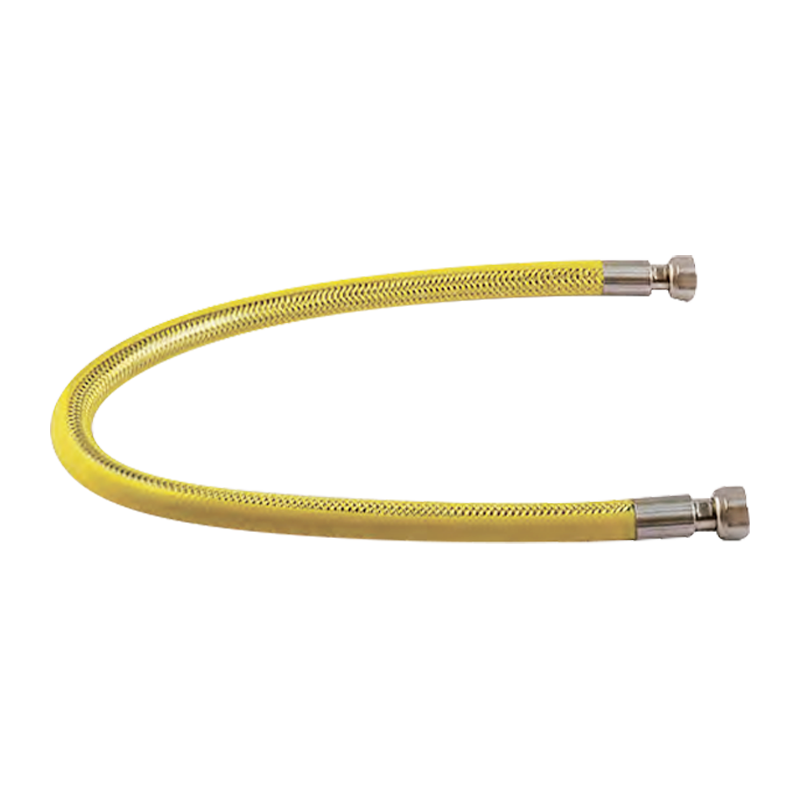
 English
 中文简体
中文简体 Español
 عربى
عربى
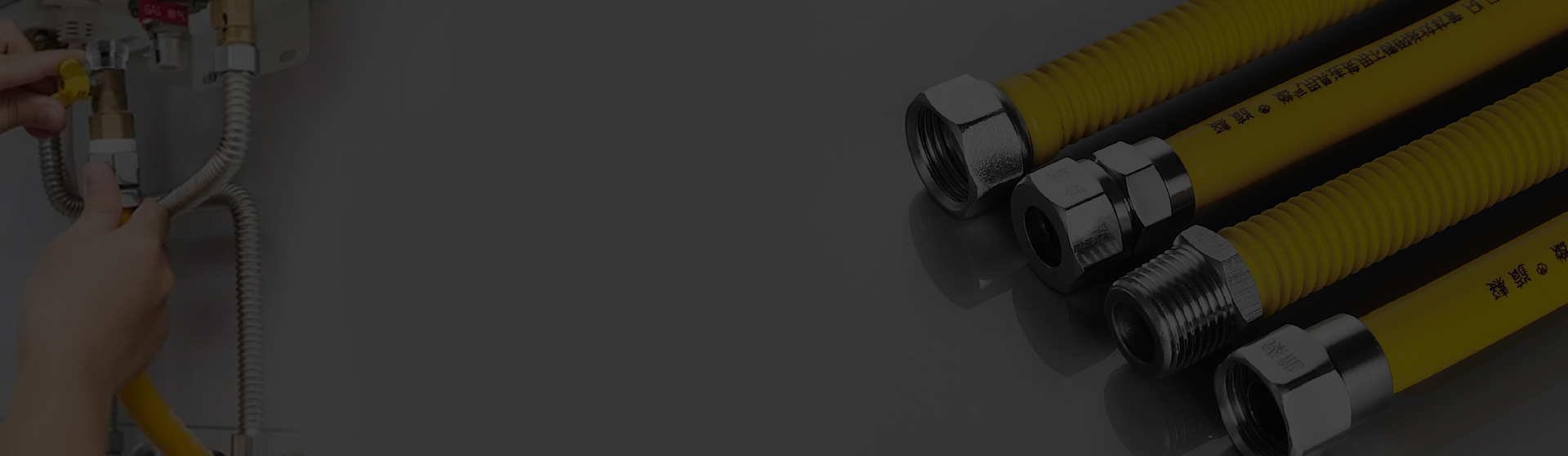

Content
1. Regular Inspection
Frequency: At least every six months, or increase the frequency of inspection based on the usage frequency of the stainless steel corrugated gas hose.
Inspection Items:
Surface Condition: Observe for scratches, dents, rust, or deformation (especially at joints and bends).
Connection Points: Confirm that both ends of the connection (gas valve and stove) are secure, without looseness or leaks (this can be checked with soapy water; if bubbles appear, there is a leak).
Signs of Aging: Check the outer layer of the corrugated hose for cracks, hardening, or discoloration (prolonged high temperatures may cause material deterioration).
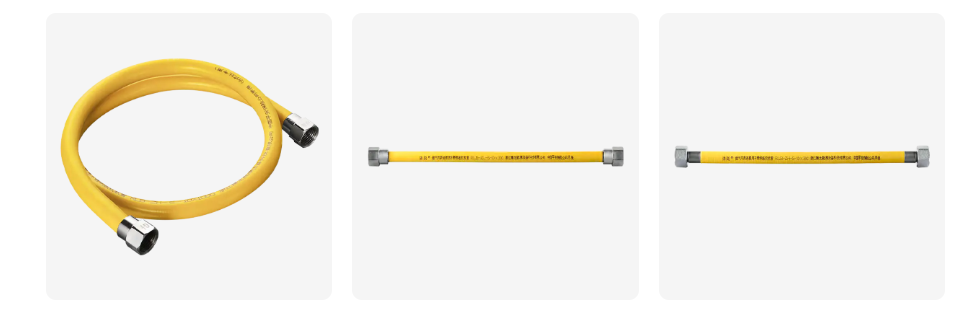
2. Cleaning and Protection
Cleaning Method: Wipe surface oil stains with a soft cloth dampened with neutral detergent. Avoid using steel wool, strong acid or alkali cleaners (which may damage the protective layer). Dry thoroughly after cleaning to prevent water residue from causing rust.
Protective Measures: Avoid contact between the stainless steel corrugated gas hose and sharp objects, high-temperature heat sources (such as stove flames), or corrosive chemicals. Do not place heavy objects under the hose or bend it excessively (the bending radius should not be too small).
3. Correct Installation and Use
Installation Specifications:
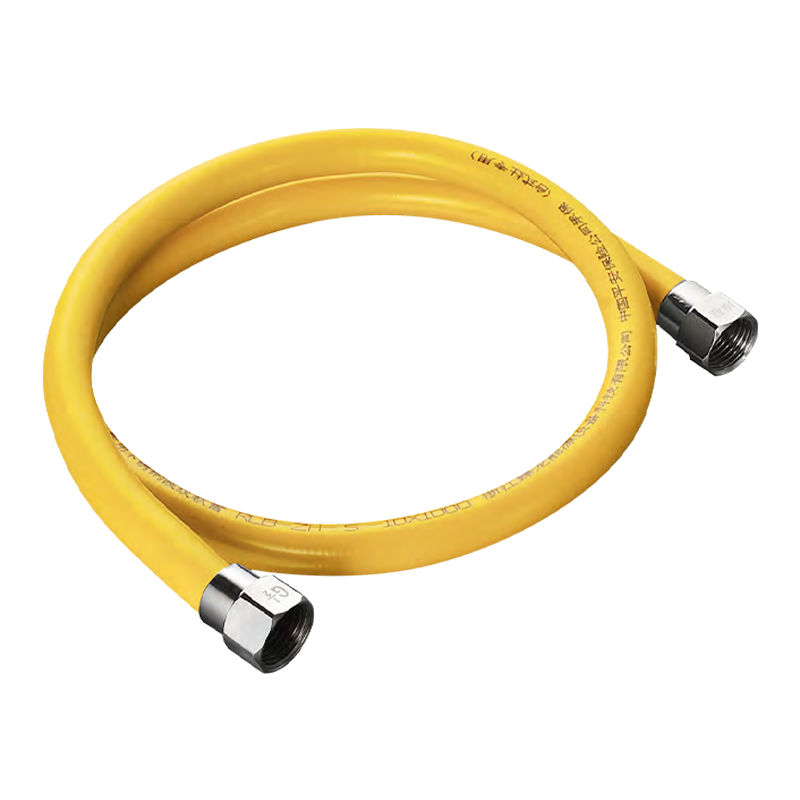
Ensure the stainless steel corrugated gas hose is of appropriate length (generally no more than 2 meters). Too long a hose may cause tripping or wear, while too short a hose may lead to stretching and deformation.
Use dedicated gas clamps to secure the connections; do not use wire as a substitute.
Perform a gas tightness test after installation (using soapy water).
Usage Habits:
Avoid frequently moving the stove, which could cause the hose to twist or the connections to loosen.
Close the valve after using the gas stove to reduce long-term pressure on the hose.
4. Replacement Cycle and Conditions
Recommended Replacement Cycle:
The lifespan of a stainless steel corrugated gas hose is typically 8-10 years, but this needs to be adjusted according to actual conditions.
Forced Replacement Situations:
Cracks, deformation, rust, perforation, or poor sealing at the connections.
The hose is chewed by rodents, burned by high temperatures, or chemically corroded.
A gas leak occurs (if you smell an unusual odor, immediately close the valve and contact a professional).
5. Other Precautions
Purchase Compliant Products: Choose products marked with national standards (e.g., GB/T 26002-2010) and ensure they have certificates of conformity and insurance.
Avoid purchasing inferior corrugated pipes (some low-priced products may use non-standard steel).
Professional Maintenance: Any modifications or repairs to the gas system must be performed by certified personnel; do not attempt to disassemble it yourself.
Emergency Handling
If a gas leak is detected (e.g., smelling rotten eggs):
Immediately shut off the main gas valve.
Open doors and windows for ventilation. Do not touch any electrical switches (to avoid sparks).
Evacuate the area and contact the gas company for emergency repairs.