 English
 中文简体
中文简体 Español
 عربى
عربى
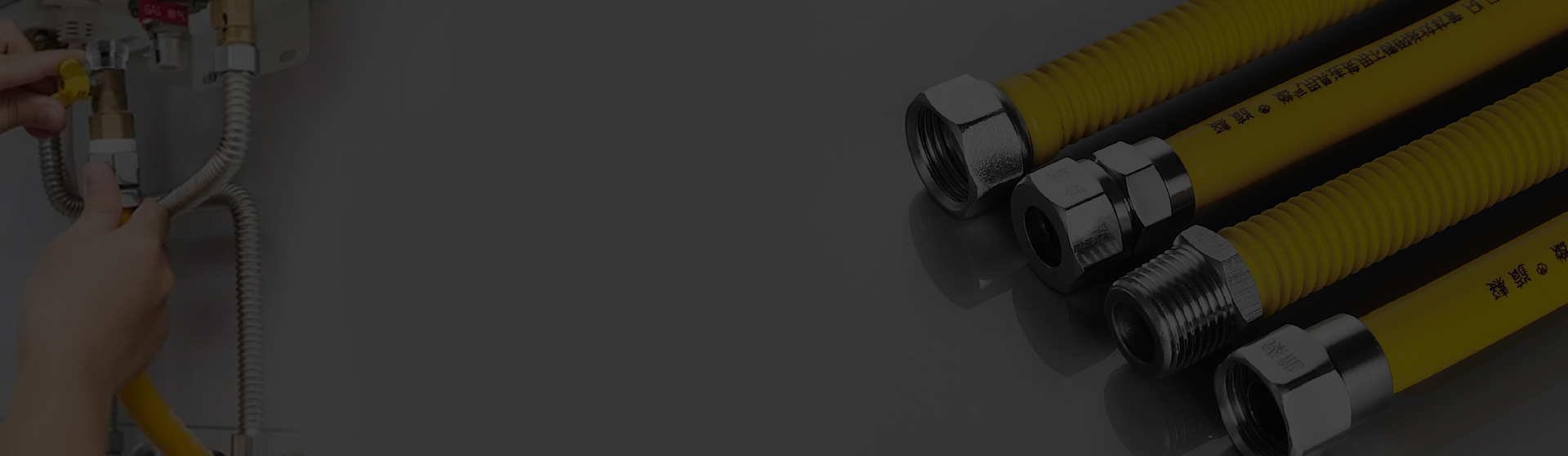

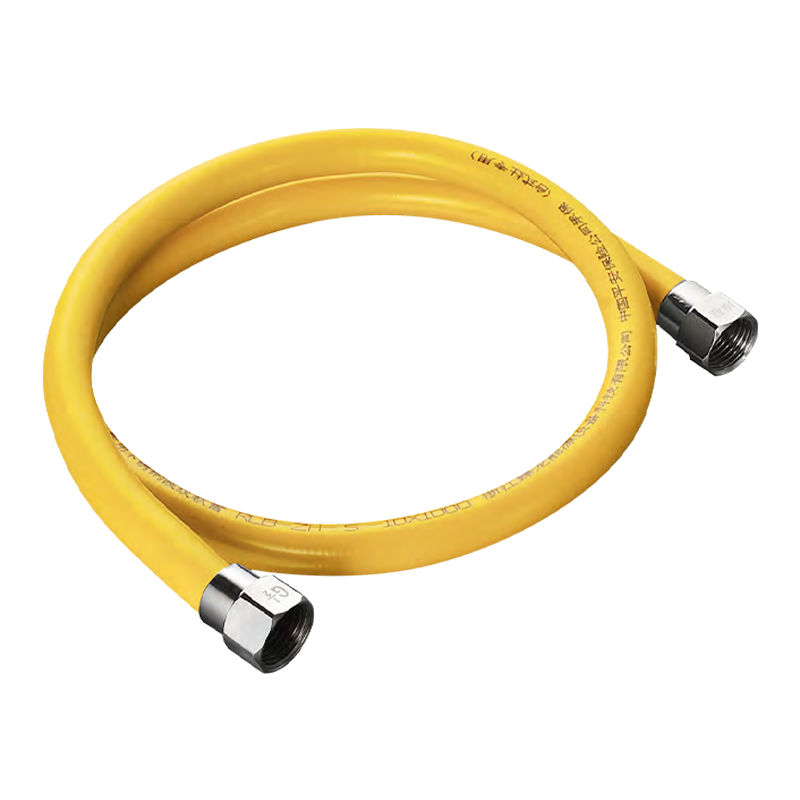
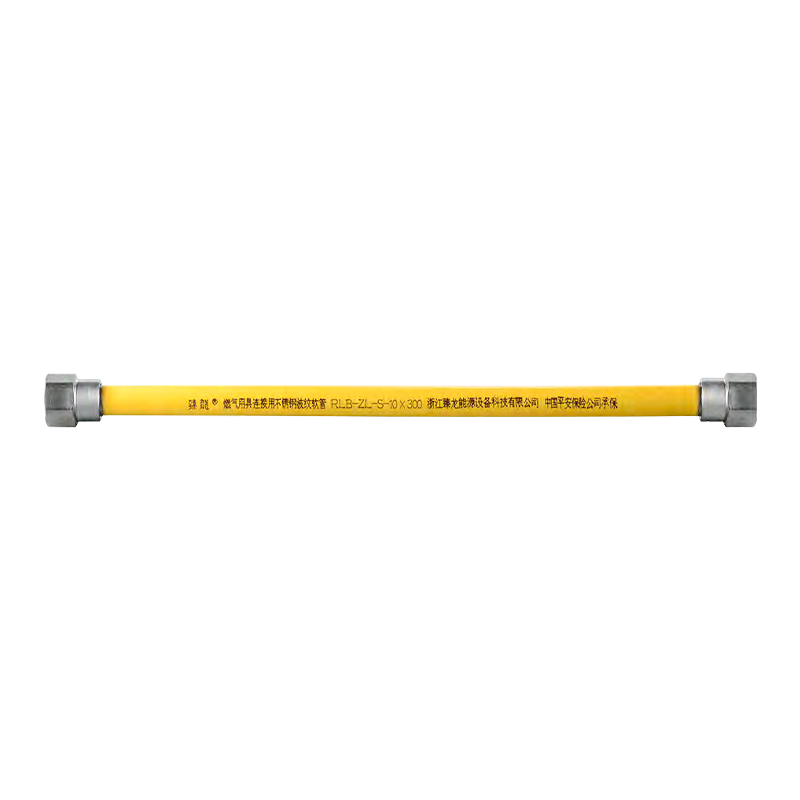
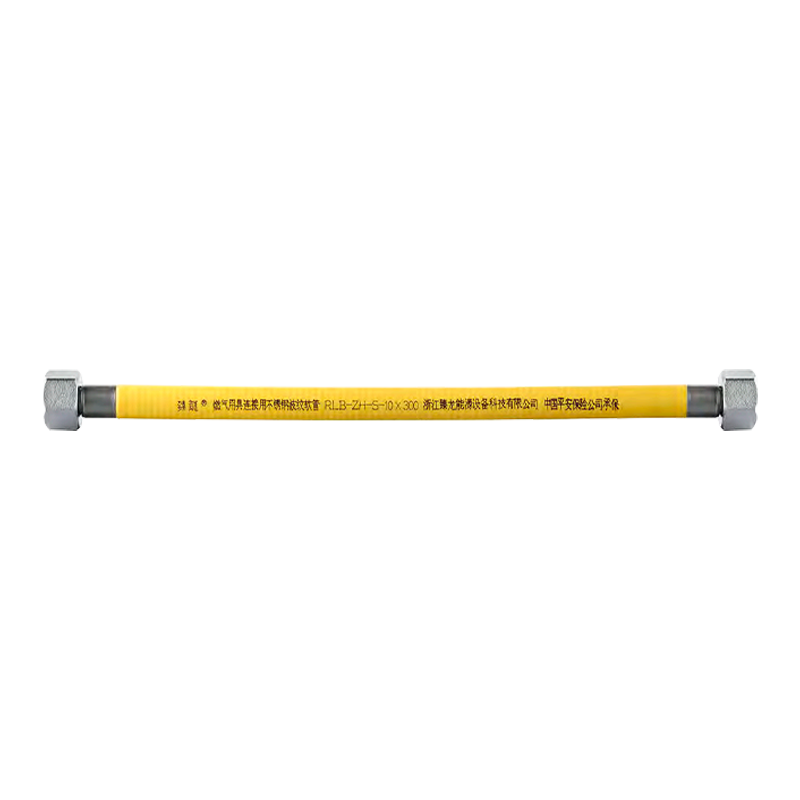
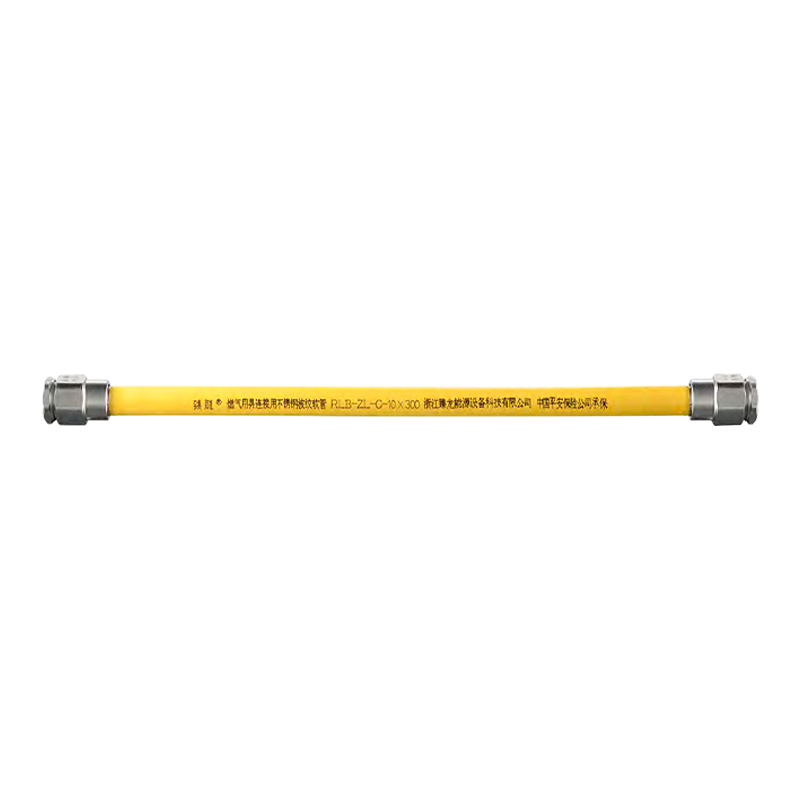
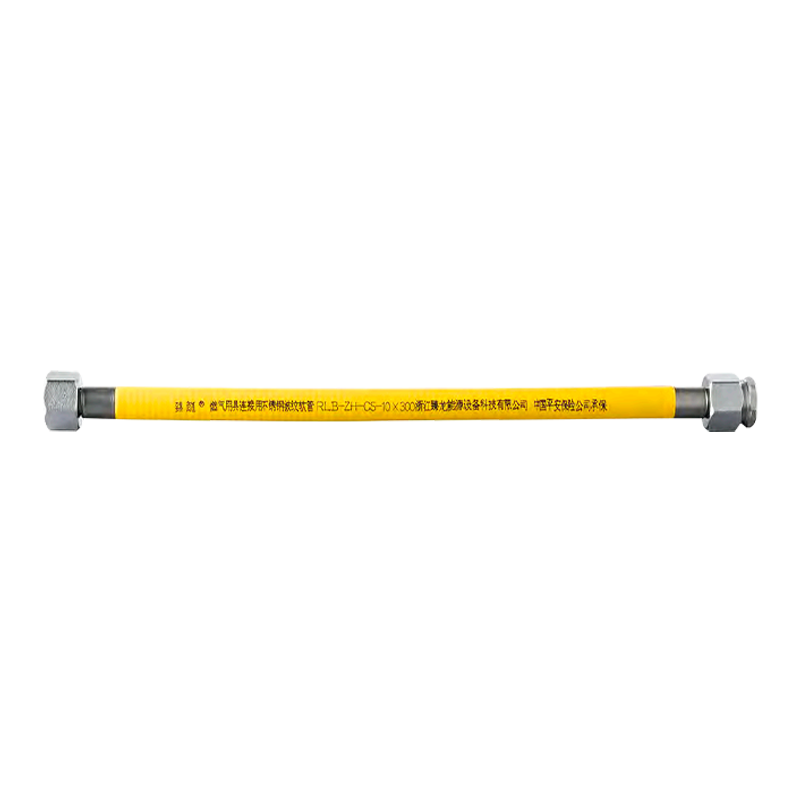
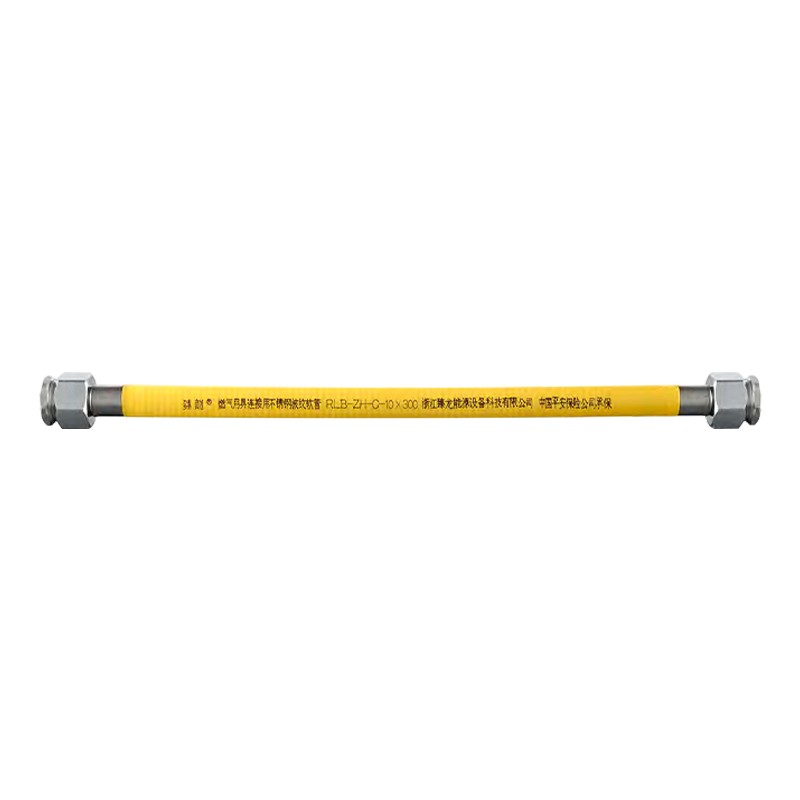
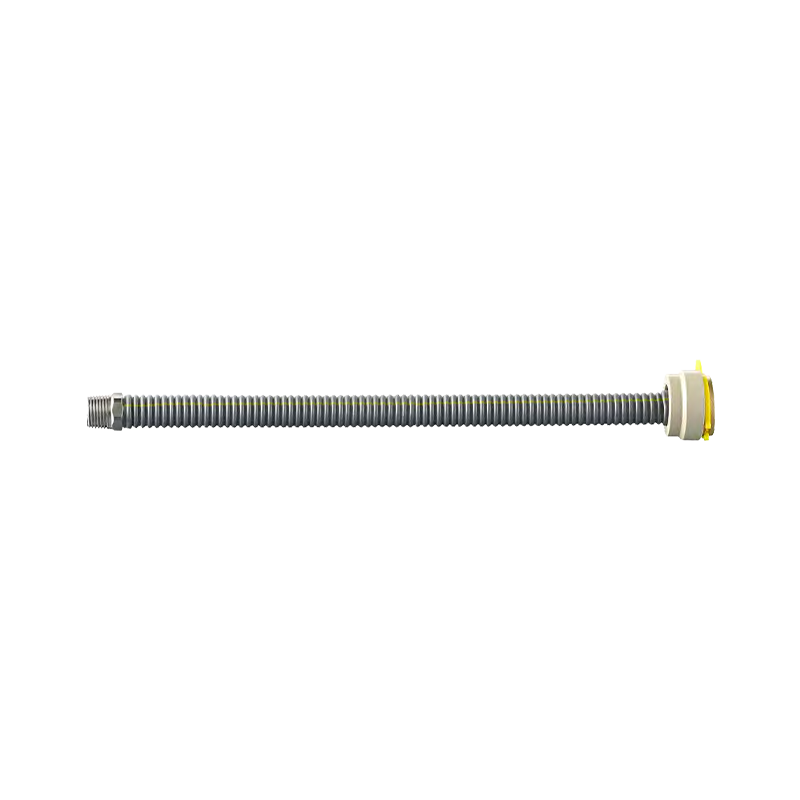
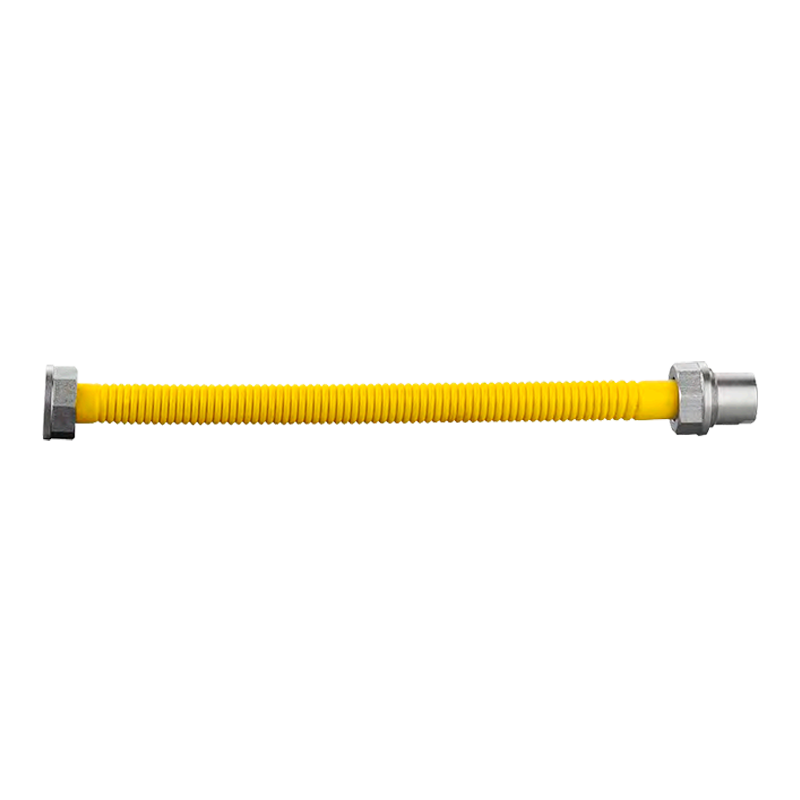
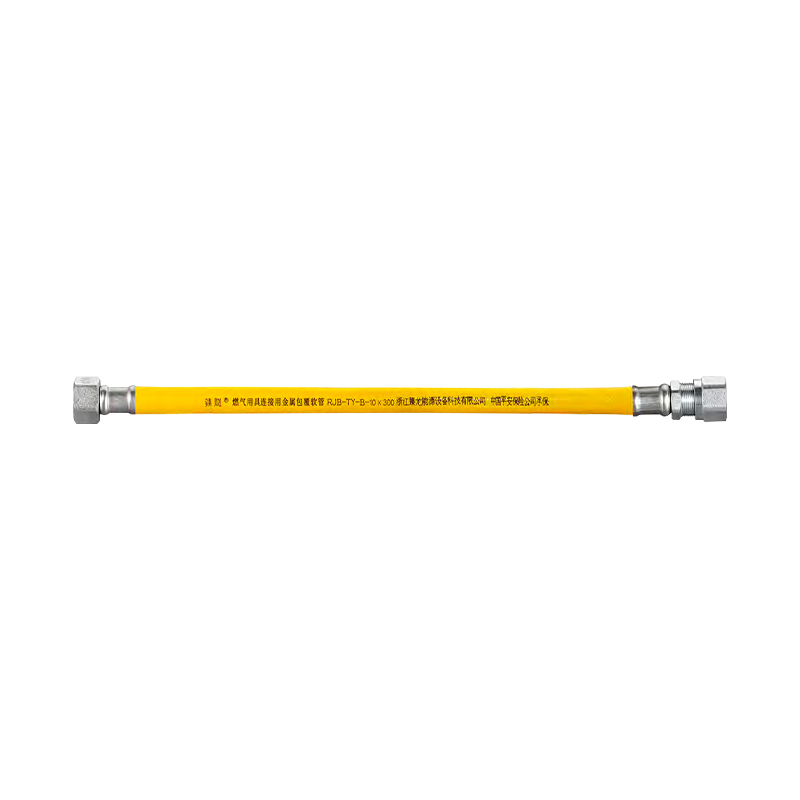
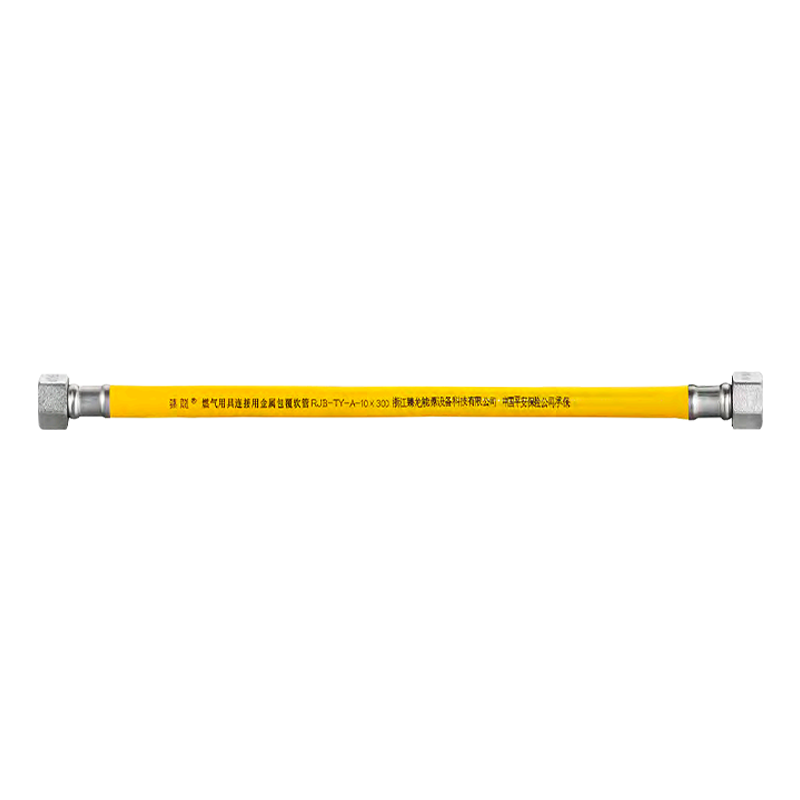
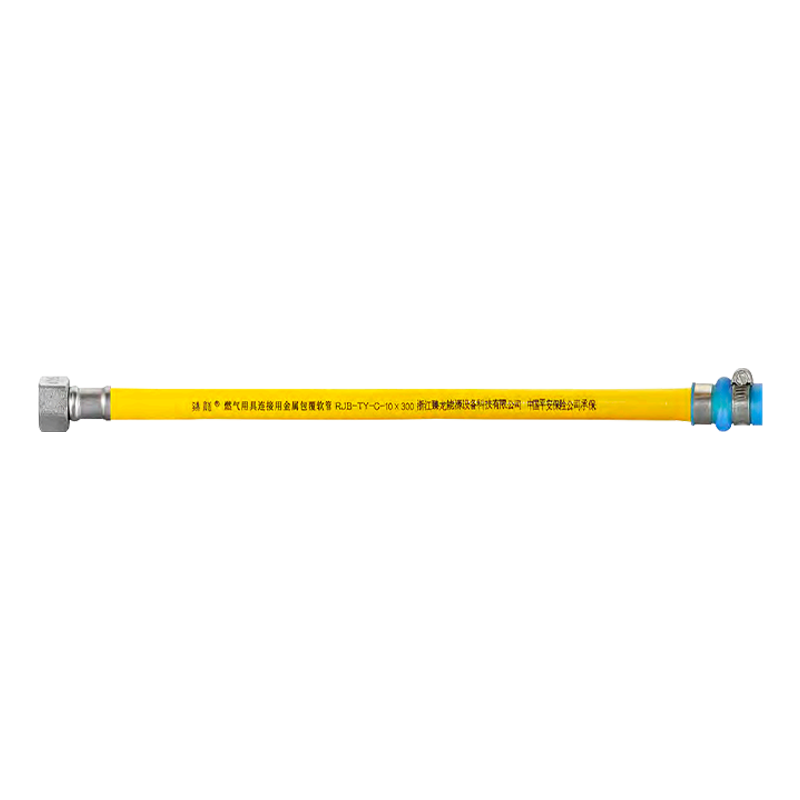
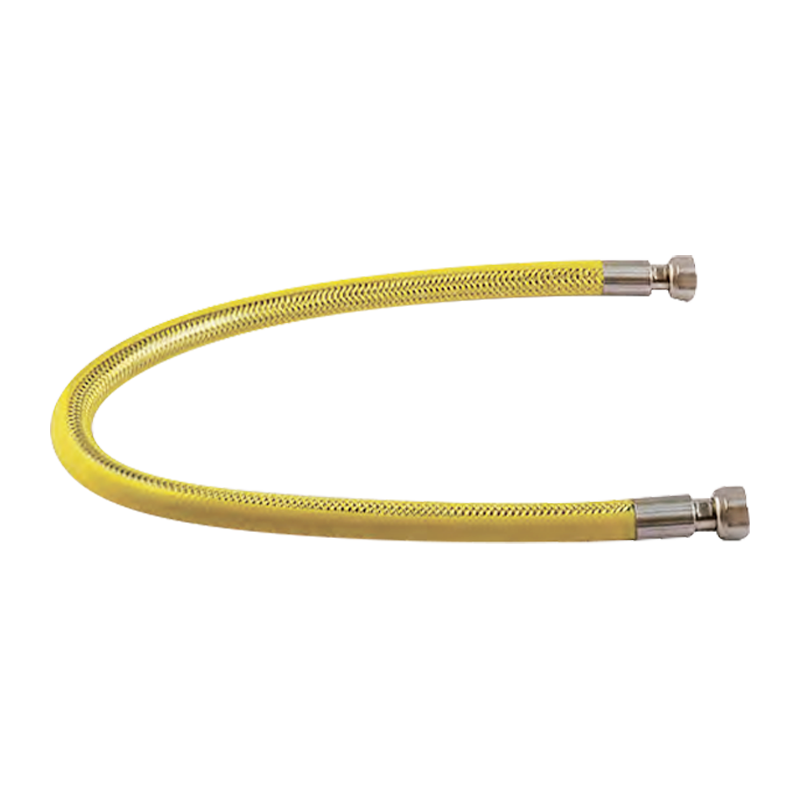
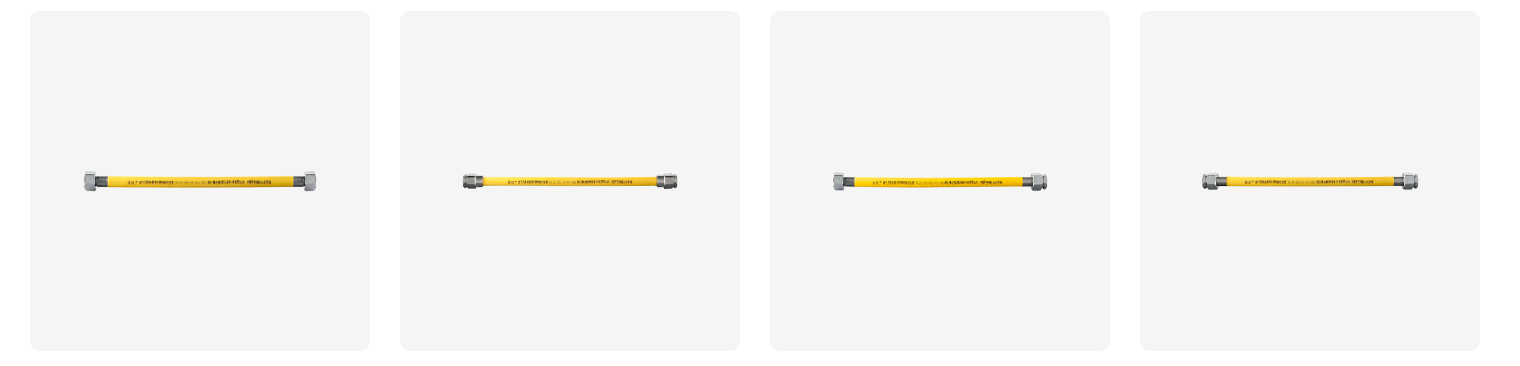
Stainless steel corrugated hoses are one of the most commonly used flexible connection pipes in homes and industries, widely used in critical scenarios such as gas, water supply, water heaters, and air conditioning equipment. They may seem ordinary, but they bear the heavy responsibility of safe water delivery. However, how long do they actually last? Many users are unsure. In fact, the lifespan of stainless steel corrugated hoses is not fixed but depends on several factors.
1. Material Determines Basic Lifespan
The most crucial factor determining the lifespan of stainless steel corrugated hoses is the material. Common materials include:
304 Stainless Steel
Good corrosion resistance, suitable for most household environments. Under normal conditions, it can last 8–15 years.
316 Stainless Steel
Added molybdenum, stronger resistance to chloride ions, suitable for coastal, high-humidity environments, or long-term exposure environments. Actual lifespan can reach 15–25 years or even longer.
The better the material, the stronger the corrosion resistance and fatigue resistance, and the longer the hose's lifespan.
2. The Operating Environment Has a Significant Impact
Environmental conditions determine the lifespan of a flexible hose, primarily including:
Hydraulic Environments Accelerate Corrosion
High humidity in environments such as bathrooms, boiler rooms, and basements accelerates corrosion over time.
High-Temperature Environments Shorten Lifespan
Prolonged exposure to temperatures exceeding 80-100℃ near stoves, high-power water heaters, and boilers accelerates stainless steel fatigue.
More Harsh Corrosive Environments
Salt spray at the coast and acid/alkali environments in industrial settings significantly reduce service life. 316 stainless steel is recommended for these areas.
The harsher the environment, the shorter the hose's lifespan; in some extreme cases, it may be less than 3-5 years.
3. Proper Installation: Correct Installation Can Double Lifespan
Many stainless steel corrugated hoses don't fail due to aging, but rather due to improper installation.
Common installation problems affecting lifespan include:
Excessive Stretching or Compression
Corrugated hoses are not tensile components; they must be installed with appropriate slack and never stretched taut.
Excessive compression also damages the corrugated shape, causing premature fatigue.
Frequent bending or excessively small bending radius
The bending radius of the corrugated hose should be ≥ 6–10 times the pipe diameter.
Otherwise, fatigue cracks are likely to occur.
Lack of fixation or support
Pipe vibration can lead to prolonged mechanical fatigue and reduce lifespan.
Proximity to fire or heat sources without insulation: Harsh installation environments can cause rapid aging.
Proper installation can extend the lifespan of the hose from 5 years to over 10 years.
The lifespan of stainless steel corrugated hoses depends not only on the material itself but also on whether the user understands the correct usage methods. Choosing reliable materials, ensuring a good installation environment, and avoiding high-temperature corrosion and mechanical fatigue are key to extending lifespan.