 English
 中文简体
中文简体 Español
 عربى
عربى
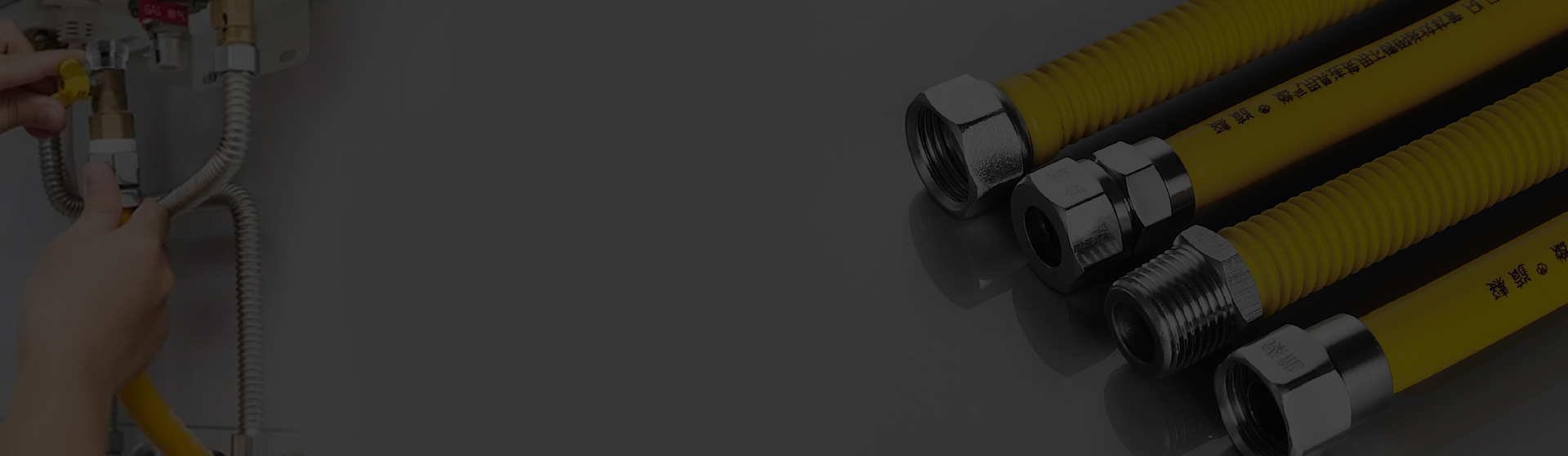

Picture this: a new stainless steel corrugated gas pipe runs along the back wall of a garage, just above a workbench. The fittings are tight and the bubble test is clean. Then the homeowner leans a ladder against the wall and the edge lands on the line. No leak yet, but the pipe now has a dent. An inspector would call that a mechanical damage risk. What the job needed was a gas line conduit or a properly placed protective guard.
This article explains what a gas line conduit actually is, where it is expected, which materials are commonly used, and how to avoid installation mistakes. The goal is to help contractors and homeowners make code-friendly decisions without guessing.
Content
- 1 What Counts as a Gas Line Conduit?
- 2 Where Does a Gas Line Need Conduit?
- 3 Common Materials for Gas Line Conduit and Protection
- 4 Gas Line Conduit Installation: Best Practices and Code Checks
- 5 Buying Gas-Safe Components: What to Look For
- 6 Frequently Asked Questions About Gas Line Conduits
- 6.1 Q1. Can I use electrical conduit to protect a gas line?
- 6.2 Q2. Does flexible CSST need a conduit?
- 6.3 Q3. What is the difference between a gas sleeve and a conduit?
- 6.4 Q4. Can a gas line be buried in a PVC conduit?
- 6.5 Q5. Is a wall switch box required for a gas appliance outlet?
- 6.6 Q6. How deep should an underground gas line be?
What Counts as a Gas Line Conduit?
A gas line conduit is a protective structure around a fuel-gas pipe. It is not the gas pipe itself. It may be a full enclosure, a short protective sleeve, a steel guard plate, or a wall-mounted switch box that shelters the connection point.
In practical terms, a conduit is used when the gas pipe is exposed to:
- Physical impact from stored items or moving equipment.
- Abrasion against masonry, concrete, or sharp edges.
- Weather and UV exposure on exterior walls.
- Accidental contact in crawl spaces, garages, or utility rooms.
Keep in mind that "conduit" for gas is not the same as an electrical raceway. Local fuel-gas codes and the pipe manufacturer's instructions define what is allowed. An approved method for one jurisdiction may not be accepted in another.
Where Does a Gas Line Need Conduit?
In general, any location with a realistic chance of mechanical damage is a candidate for a gas line conduit or guard. The most common areas are garages, workshops, outdoor wall runs, and where a pipe enters or exits a wall.
Where impact protection is most often needed
Garage and utility room runs
Garage walls often carry gas piping above shoulder height, but that does not make them safe. Bicycles, shelves, and tools can hit a pipe. A stainless steel guard plate protects the pipe along its exposed run while keeping the installation visually tidy. The plate should be fixed securely so it cannot be pushed into the pipe by an impact.
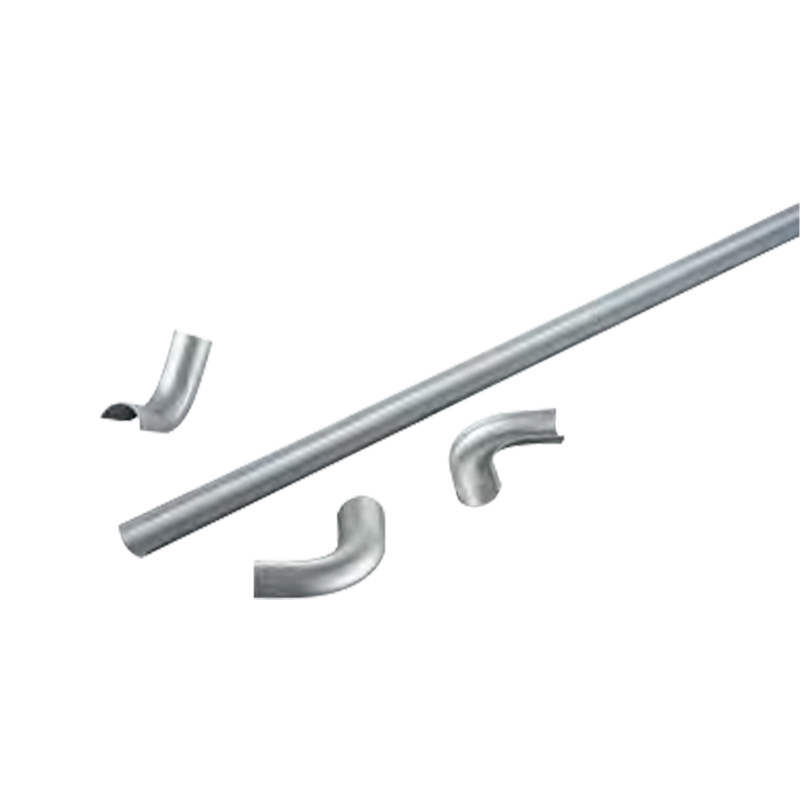 Stainless Steel Gas Pipe Guard Plate for Impact ProtectionThis guard plate shields exposed gas piping in garages from accidental impacts by bicycles, shelves, or tools. Its sturdy construction keeps the pipe protected and the installation visually tidy, making it a practical addition to any exposed gas line.View Product →
Wall penetrations and interior connections
When a flexible gas line enters a wall, the edge of the opening can rub against the pipe over time. A buried wall switch box creates a clean, protected transition and holds the shut-off valve securely. That is why many new domestic gas installations now use an internal metal-wall box at the point where the gas supply reaches an appliance.
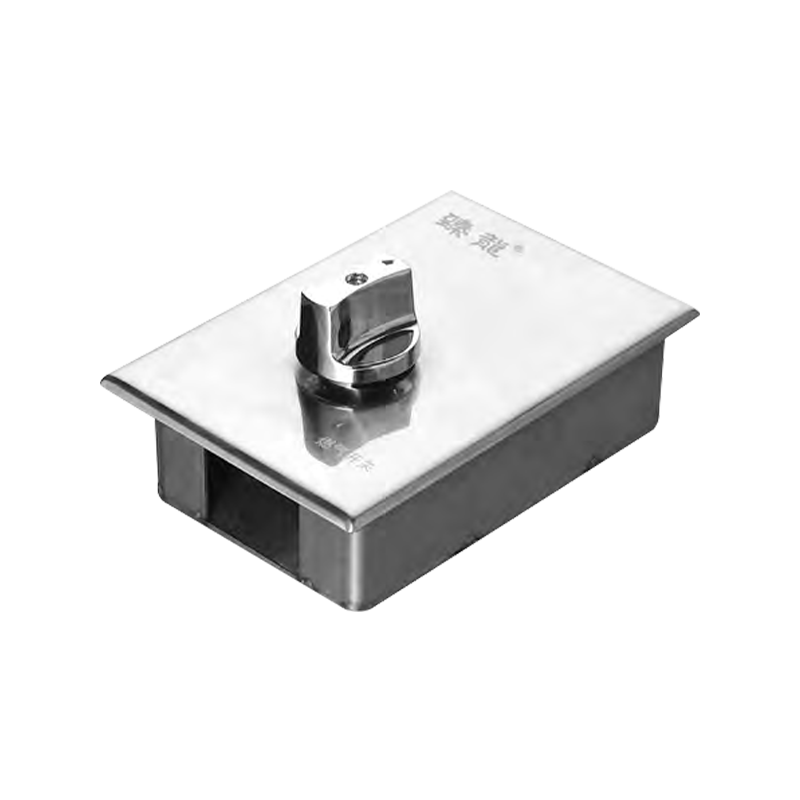 Stainless Steel Buried Wall Switch Box for Gas Hose ConnectionsDesigned for recessed installation in residential walls, this switch box houses gas hose connections securely while allowing easy access. Its corrosion-resistant stainless steel build ensures long-term durability, protecting the shut-off valve and pipe transition from damage.View Product →
Exterior wall boxes
An outside gas outlet has to tolerate rain, sun, and occasional physical contact. An outside-wall switch box gives the fitting a weather-resistant enclosure while keeping the valve accessible for service and shutoff. The design should match the type of gas hose and fitting used, so choose a product family rather than mixing incompatible components.
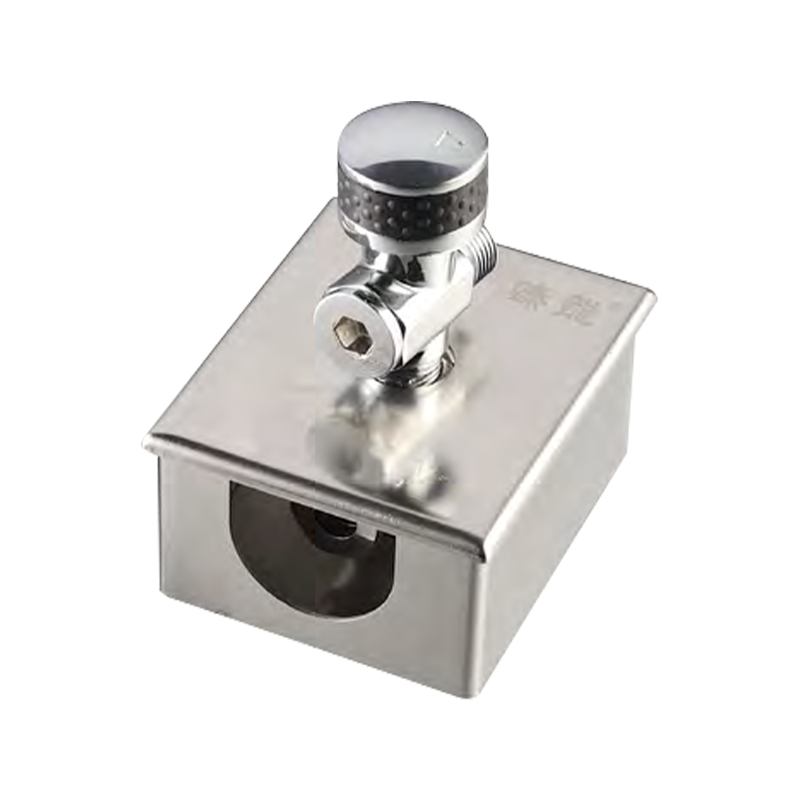 Stainless Steel Outdoor Wall Switch Box for Gas HoseBuilt for exterior use, this weather-resistant switch box shields gas connections from rain, sun, and physical contact. Its sealed, rust-resistant design keeps the valve accessible while ensuring reliable protection for outdoor gas outlets in residential settings.View Product →
For help evaluating a specific wall-box detail, the safety considerations around buried wall switch boxes cover the practical points that come up during inspection.
Common Materials for Gas Line Conduit and Protection
The right material depends on the installation environment. A heavy steel sleeve is fine for a short external penetration, but a lighter stainless steel guard is easier to service on a long wall run. The table below compares typical protection options.
| Protection type | Impact resistance | Corrosion resistance | Best suited for |
|---|---|---|---|
| Rigid steel sleeve | High | Medium with coated finish | Under floor or wall penetrations |
| Stainless steel guard plate | High | High | Indoor exposed runs near storage |
| Stainless steel wall box | High | High | Interior and exterior connection points |
| PVC conduit (where approved) | Medium | High | Sleeving through masonry or soil |
| HDPE duct | Medium | High | Underground protection of certain CSST runs |
The ratings in the table are qualitative. Always confirm that every product is listed for gas service and is compatible with the gas pipe’s temperature, pressure, and corrosion requirements.
Gas Line Conduit Installation: Best Practices and Code Checks
Once you have selected a protection method, the installation details decide whether it will be accepted. Follow this sequence when a conduit or guard is required:
- Check the local fuel-gas code and the gas pipe manufacturer’s installation instructions before choosing a conduit.
- Confirm the conduit has no sharp burrs or edges that could abrade the gas line during expansion, contraction, or vibration.
- Support the gas pipe independently where possible, then install the conduit or guard so it does not transfer load to the pipe.
- Seal open ends of sleeves or boxes with an approved fire-stop or sealant if the wall is fire-rated.
- Never run electrical conductors inside the same gas line conduit unless the assembly is specifically designed and rated for combined service.
- Bond and ground corrugated stainless steel tubing (CSST) systems exactly as required by the manufacturer; a protective conduit does not eliminate that step.
- Label the conduit with the gas pipe’s direction and contents when it passes through an area where maintenance staff will not expect it.
Buying Gas-Safe Components: What to Look For
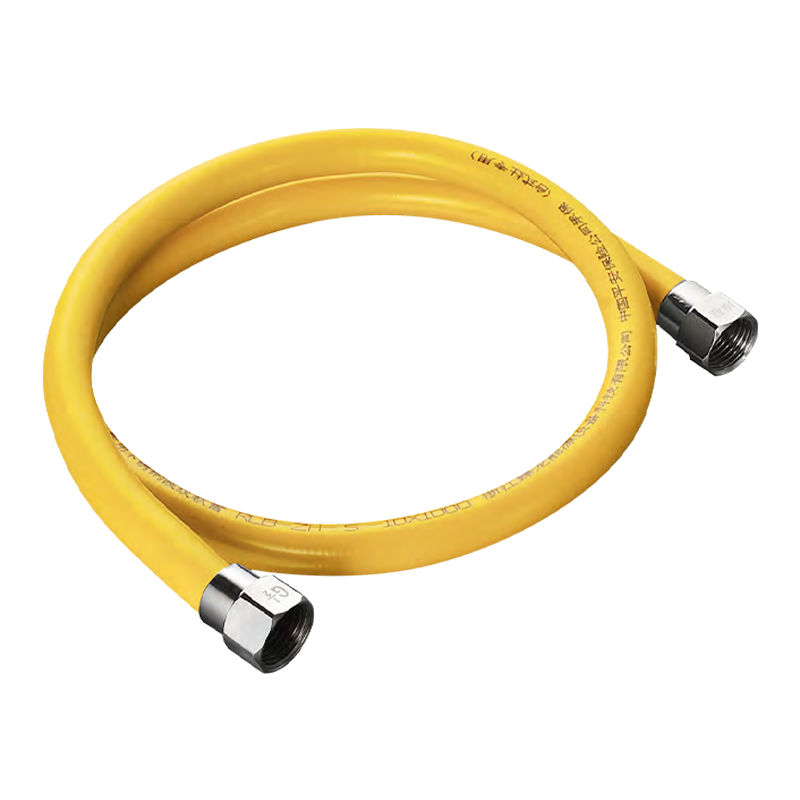
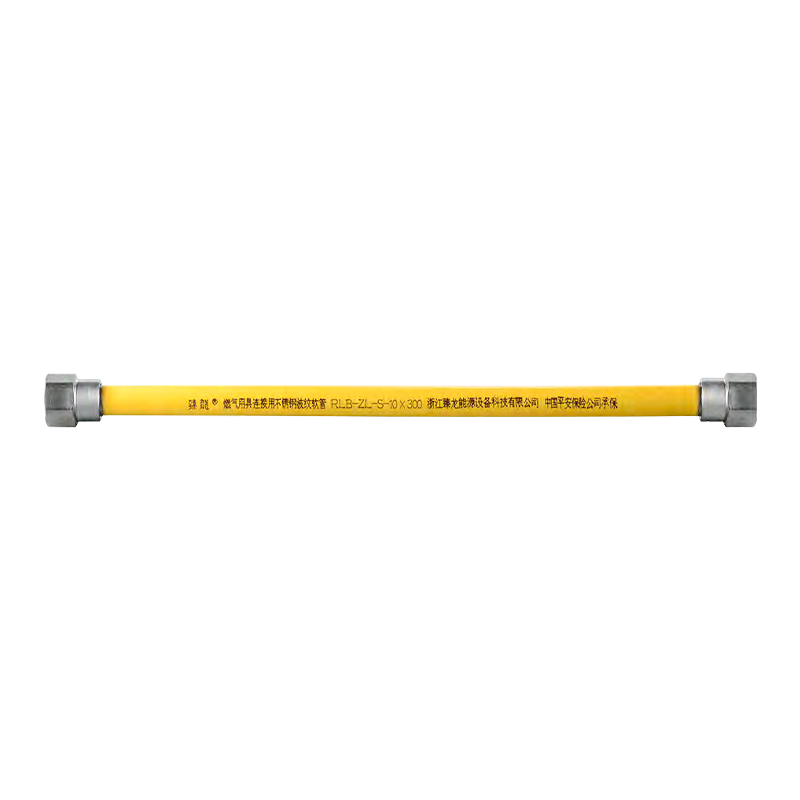
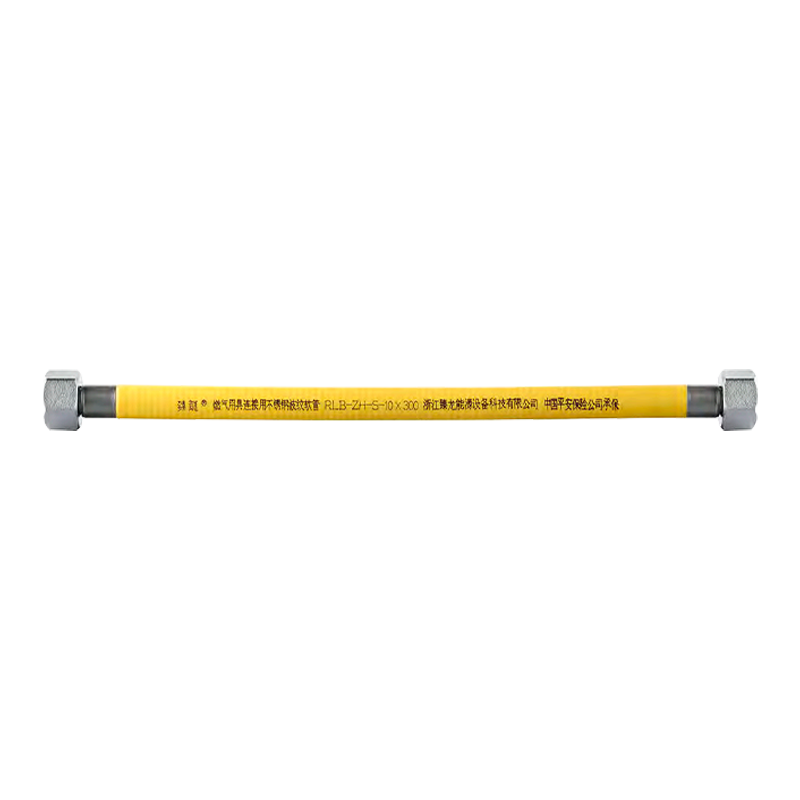
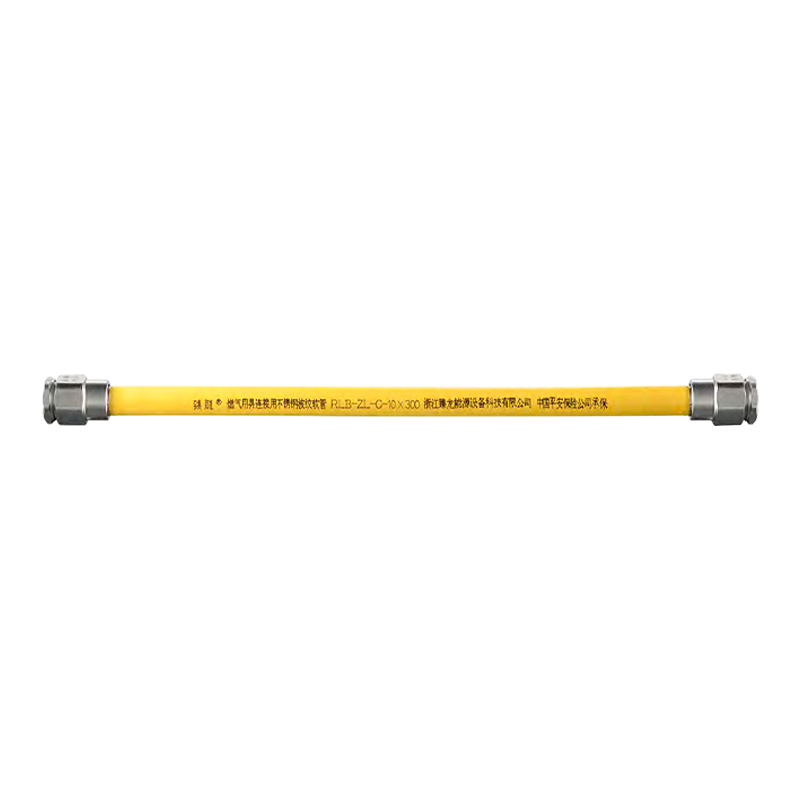
Gas line conduit and guard products are not generic hardware; they have to deliver consistent wall thickness, stable fittings, and traceable quality. When sourcing many pieces for a project, a mature manufacturer reduces variation. Zhejiang Zhenlong Energy Equipment Technology Co., Ltd., based in Yuyao, Ningbo, Zhejiang, is an example of a factory built around this type of work. The company researches, develops, and manufactures energy equipment, including metal hoses, natural gas pipelines, plumbing fittings, sanitary ware, valves, plastic products, and hardware.
Its factory occupies 40 acres and includes a 30,000-square-meter building with 30 welding and forming production lines and 2 continuous solid-melting hydrogen furnace lines. These lines support products such as corrugated stainless steel tubes, metal-wrapped hoses, and the fittings needed to protect a gas connection. The quality system follows ISO9000:2008 quality management, and the firm holds the People’s Republic of China Special Equipment Manufacturing License (Pressure Pipeline) as well as an EU CE certification report from a national testing center. In addition, it is a member of the China Urban Gas Association. For international buyers, this kind of factory profile offers a clearer picture of who actually stands behind a gas line guard.
You can see more about Zhenlong’s manufacturing approach on the company homepage.
Frequently Asked Questions About Gas Line Conduits
Q1. Can I use electrical conduit to protect a gas line?
Generally no. Electrical conduit and gas pipe protection serve different purposes, and many codes restrict mixing electrical raceways with fuel-gas piping. Use a gas-rated sleeve, guard, or box.
Q2. Does flexible CSST need a conduit?
Not always. CSST can be exposed indoors if it is protected from mechanical damage and installed per the manufacturer. In areas with high impact risk, a guard plate or sleeve is recommended.
Q3. What is the difference between a gas sleeve and a conduit?
A sleeve protects only a short section around a wall or floor penetration. A conduit usually describes a longer protected run. Both are intended to keep physical damage away from the pipe.
Q4. Can a gas line be buried in a PVC conduit?
Only if local code and the pipe manufacturer allow it. Some PVC sleeves are approved for below-grade crossings, but underground CSST often requires an approved duct system or direct burial rating.
Q5. Is a wall switch box required for a gas appliance outlet?
Not in every jurisdiction, but a buried or exterior wall switch box is a clean way to satisfy mechanical protection and valve access requirements at the point where a flexible hose connects to the appliance.
Q6. How deep should an underground gas line be?
Depth is set by local code and the pipe type, not by a universal number. Typical metal pipe runs are buried 12 to 18 inches; plastic pipe may be deeper or shallower depending on soil and frost. Confirm with the inspector before backfilling.