 English
 中文简体
 Español
 عربى


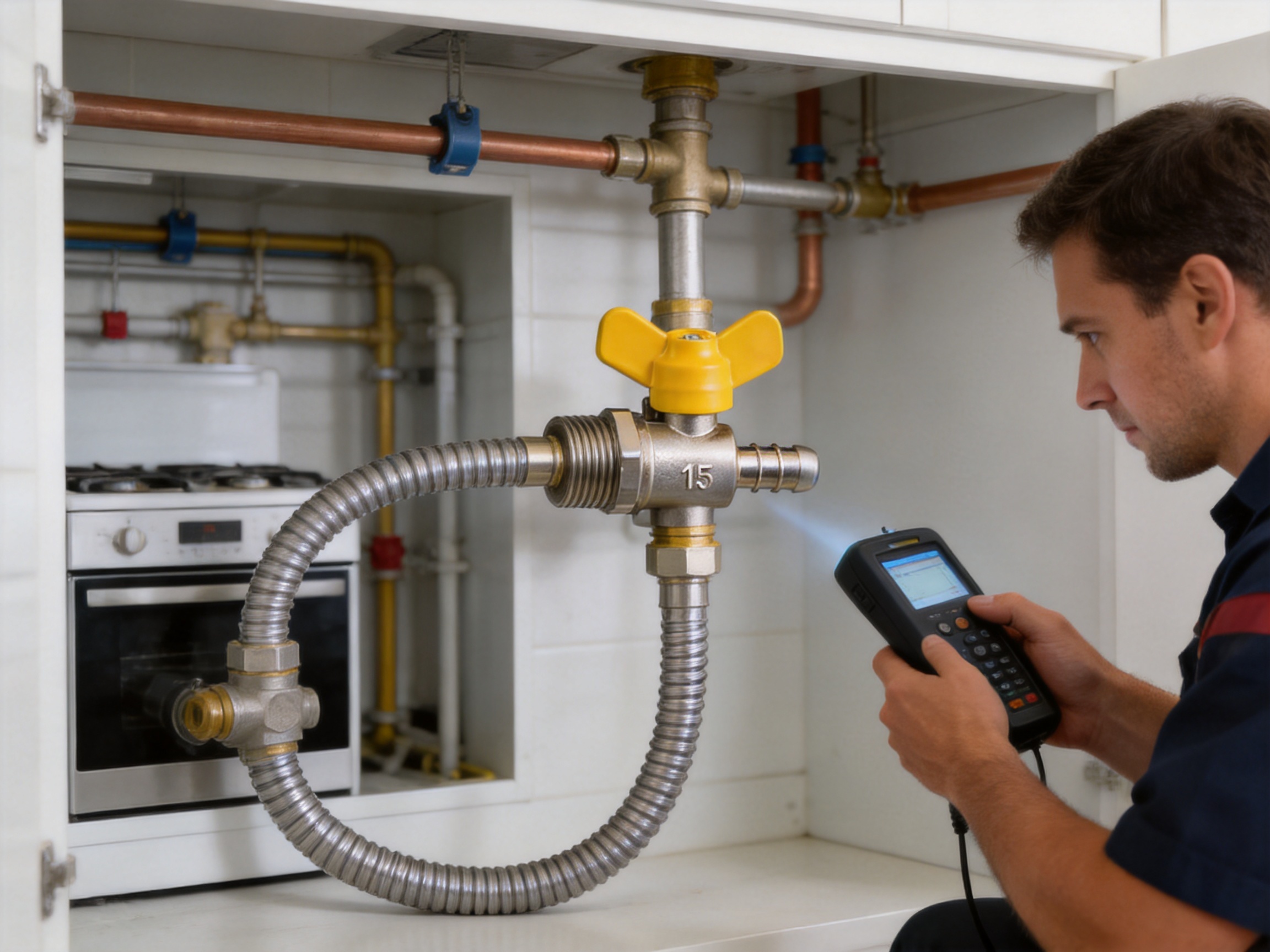
Gas distribution systems depend on components that can control flow accurately, maintain secure connections, resist corrosion, and continue operating reliably under demanding conditions. Among these components, the valve installed at a gas connection point plays a particularly important role. A properly designed valve must allow controlled gas delivery while helping reduce the risk of leakage, pressure instability, and maintenance-related interruptions. The Gas Single Nozzle Valve is developed for this purpose, providing a compact and durable flow-control solution for residential, commercial, and industrial gas applications.
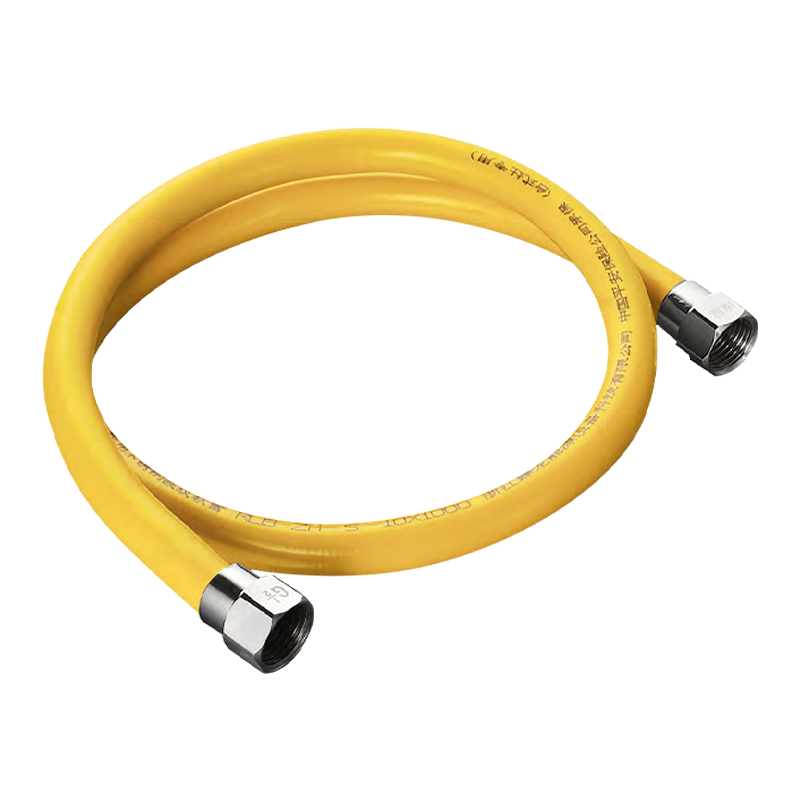
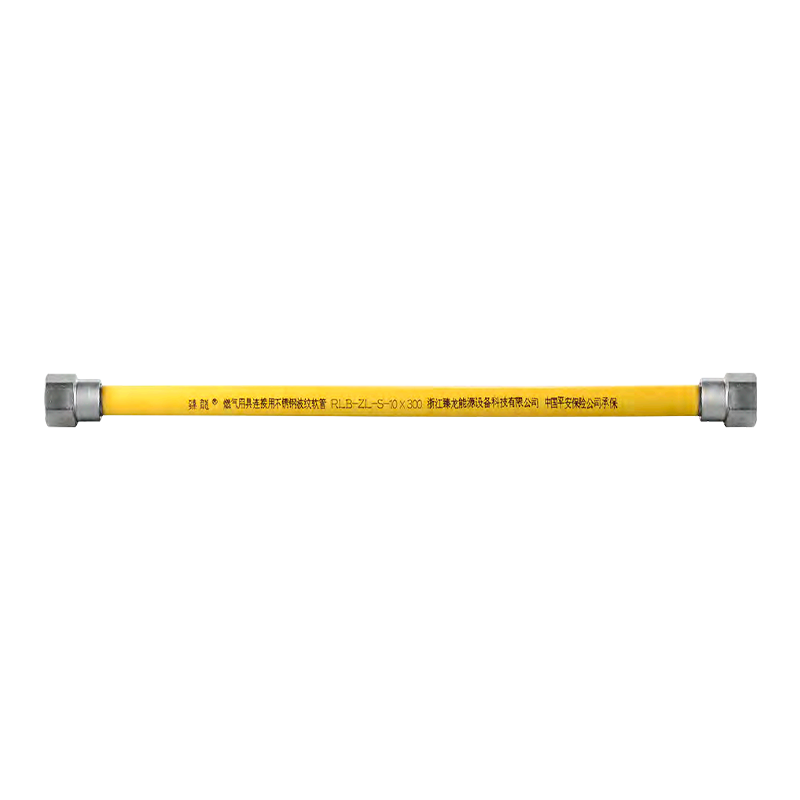
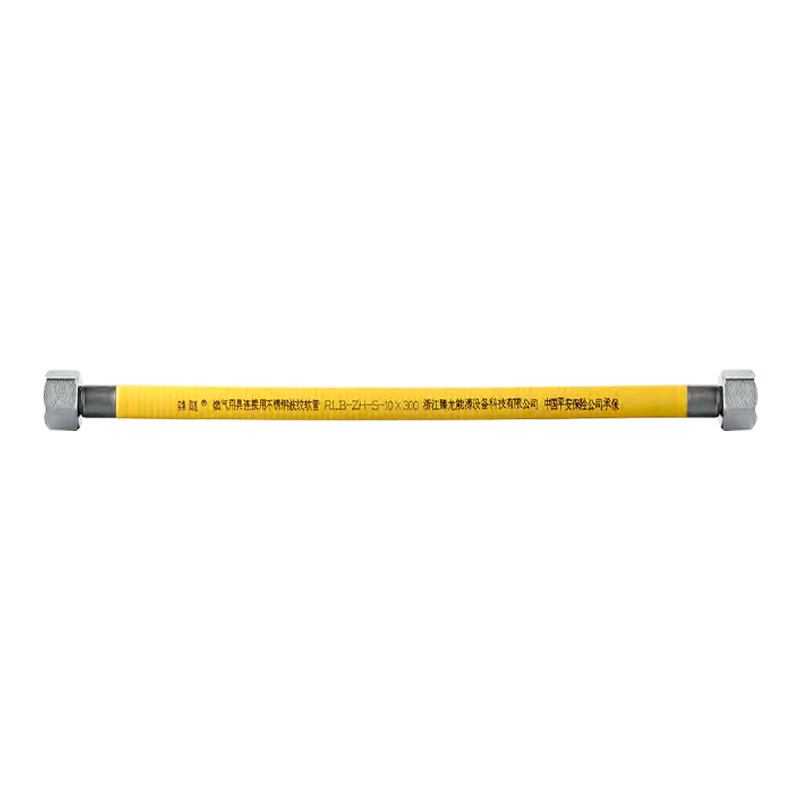
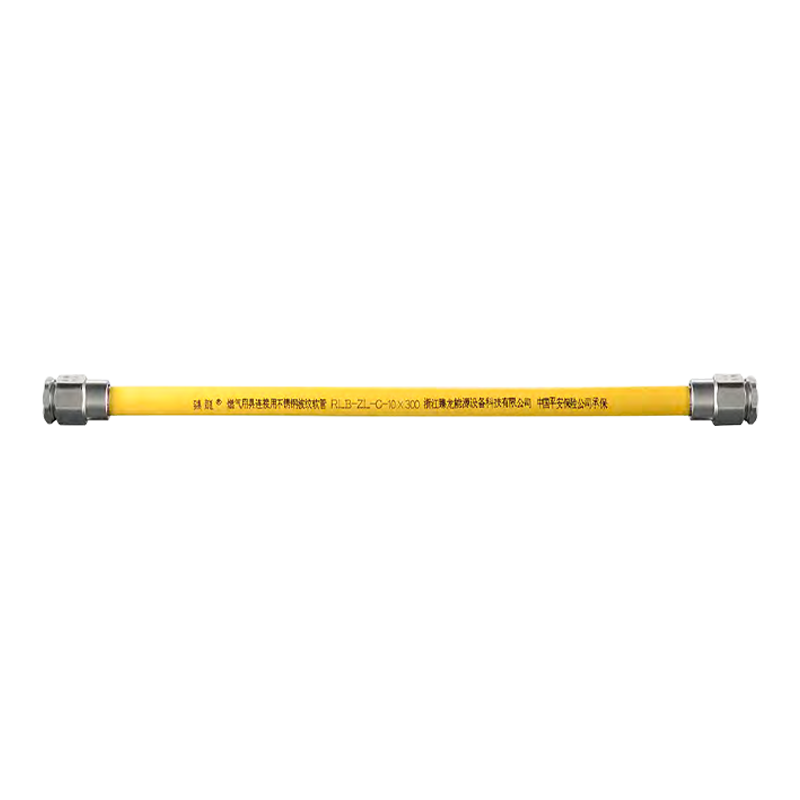
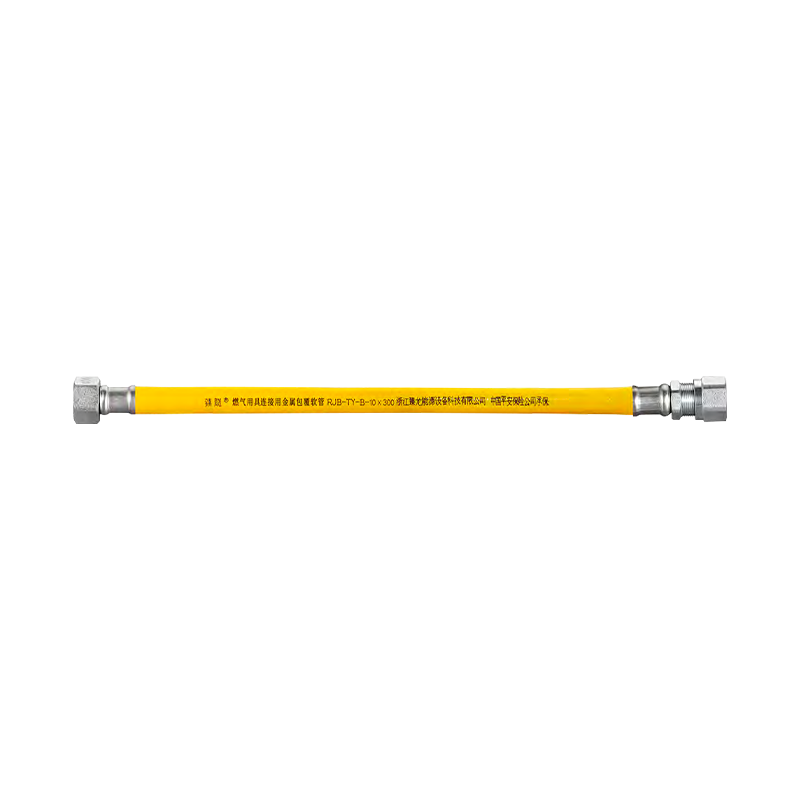
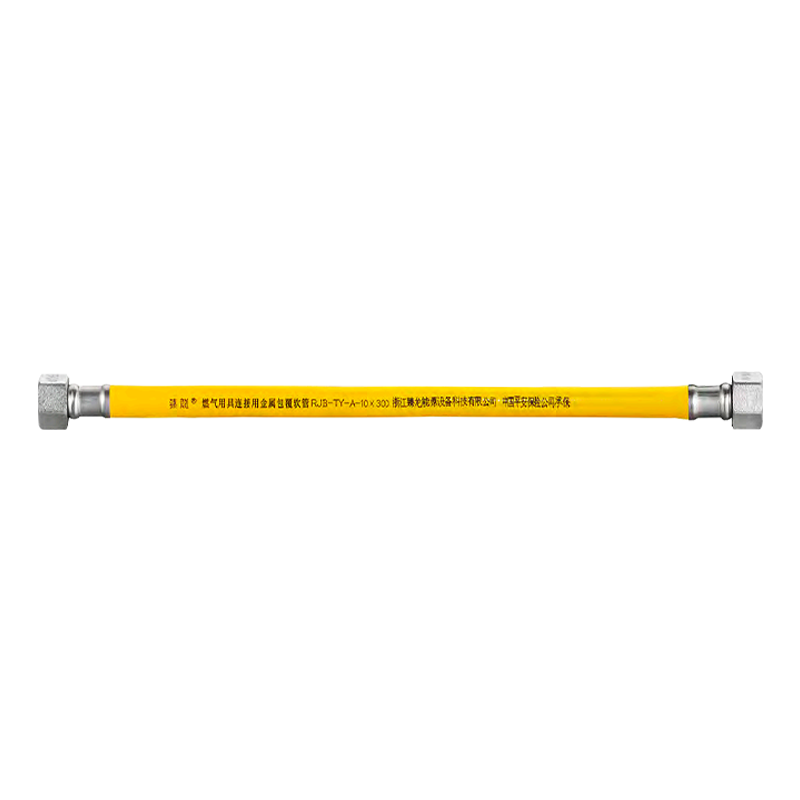
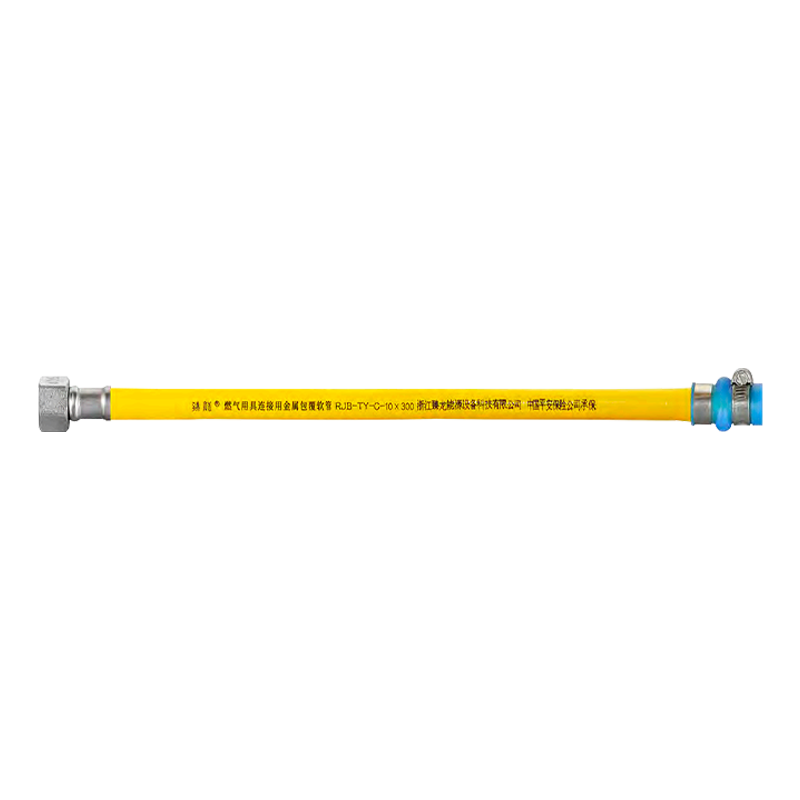
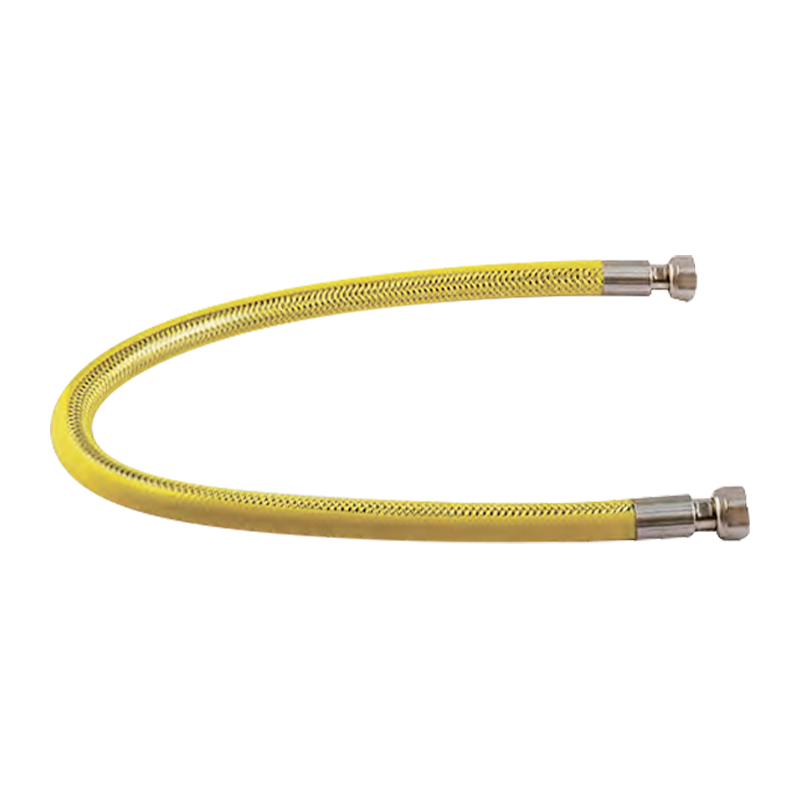
Identified as the ZLP-017 Single Spout Front Valve, this product has a DN15 specification and is categorized as a stainless steel corrugated hose fitting for gas transmission. Its single-nozzle configuration supports straightforward installation, efficient gas passage, and dependable sealing. The structure is designed to work with gas piping assemblies where secure transfer, serviceability, and long-term material performance are essential.
The valve is manufactured by Zhejiang Zhenlong Energy Equipment Technology Co., Ltd., a company specializing in energy equipment, metal hoses, natural gas pipelines, plumbing fittings, valves, sanitary ware, plastic products, and hardware. Through integrated research, development, manufacturing, processing, and trade operations, the company supports the complete product cycle from component design to production and quality inspection.
Content
- 1 1. The Role of a Single Nozzle Valve in Gas Transmission
- 2 2. Product Profile and Main Specification
- 3 3. Core Design Advantages
- 4 4. Advantages Compared with More Complicated Valve Arrangements
- 5 5. Manufacturing Strengths Behind the Product
- 6 6. Quality Management and Certification Foundation
- 7 7. Applications in Residential Gas Systems
- 8 8. Applications in Commercial and Industrial Environments
- 9 9. Installation and Commissioning Considerations
- 10 10. Maintenance and Service Recommendations
- 11 11. Why Manufacturing Integration Matters to Buyers
- 12 12. Selection Checklist for the Gas Single Nozzle Valve
- 13 13. Performance Value Over the Product Life Cycle
- 14 14. Frequently Asked Questions
- 14.1 Q1: What is the main function of the Gas Single Nozzle Valve?
- 14.2 Q2: What is the model and nominal size of the product?
- 14.3 Q3: Where can this valve be used?
- 14.4 Q4: What is the advantage of a single-nozzle design?
- 14.5 Q5: Is the valve suitable for use with corrugated metal hoses?
- 14.6 Q6: How does the valve help prevent leakage?
- 14.7 Q7: Is the product corrosion-resistant?
- 14.8 Q8: What manufacturing resources support this product?
- 14.9 Q9: Does the manufacturer provide OEM or ODM support?
- 14.10 Q10: How should the valve be maintained?
- 14.11 Q11: Can the valve be used in any gas system with a DN15 connection?
- 14.12 Q12: What should be done if a leak is suspected?
- 15 15. Conclusion
- 16 References
- 17 Product: Gas single nozzle valve
1. The Role of a Single Nozzle Valve in Gas Transmission
Gas piping systems are composed of several connected elements, including supply pipes, flexible hoses, regulators, shut-off devices, connectors, and terminal fittings. Each component must work in coordination with the others. A valve is not simply an accessory at the end of a pipe; it is a control point that can influence the safety, convenience, and operating stability of the entire system.
The Gas Single Nozzle Valve is designed to regulate the passage of gas through a single outlet or connection point. This arrangement is suitable for installations in which one controlled gas path is required. By using a single nozzle, the product avoids unnecessary internal complexity and provides a direct route between the gas supply and the connected appliance, hose, or pipeline section.
In practical use, the valve can perform several important functions. It can help isolate equipment during inspection or maintenance, regulate gas delivery during normal operation, and provide a secure connection between a corrugated hose and a gas supply assembly. The design also supports efficient installation because the installer works with one clearly defined outlet rather than a more complicated multi-port configuration.
A gas valve must balance several performance requirements. It should permit adequate flow without introducing excessive restriction, maintain a stable seal, tolerate pressure variations, resist environmental deterioration, and remain mechanically reliable after repeated operation. The single-nozzle design addresses these requirements through a compact construction that emphasizes direct flow control and connection security.
For residential applications, the valve may be used in gas supply arrangements serving cooking equipment, heating equipment, or other approved gas appliances. In industrial and commercial installations, similar valve principles can be applied to equipment connections, process gas lines, service points, and specialized gas distribution assemblies, provided that the product is selected and installed according to the applicable system requirements.
2. Product Profile and Main Specification
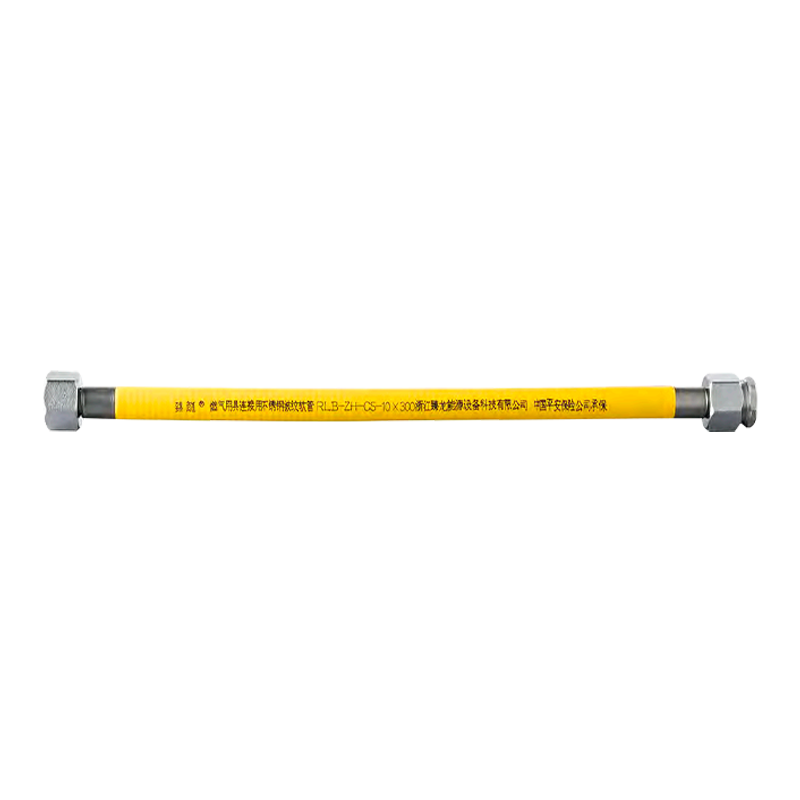
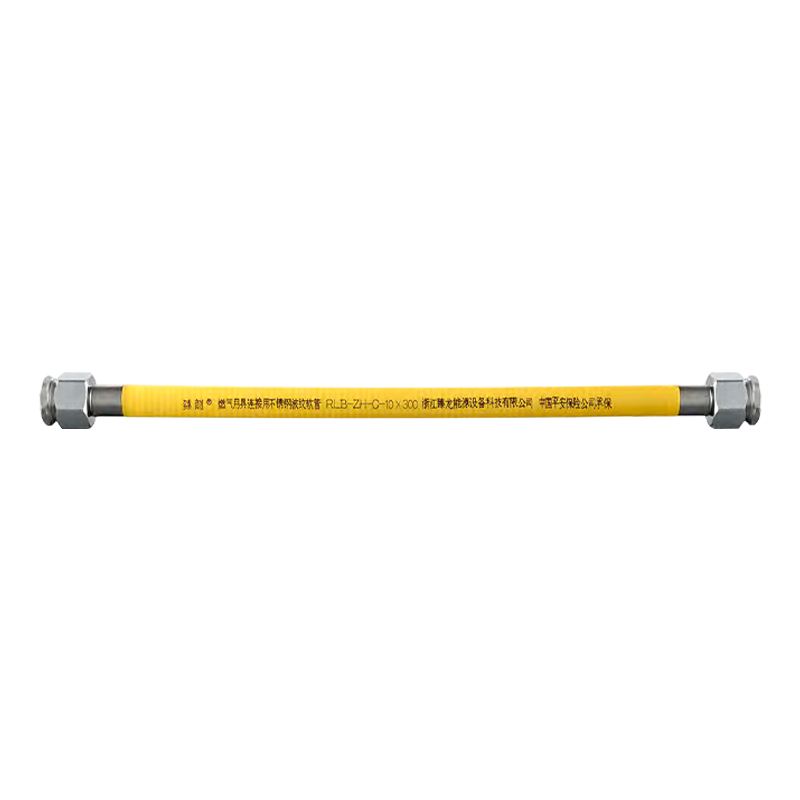
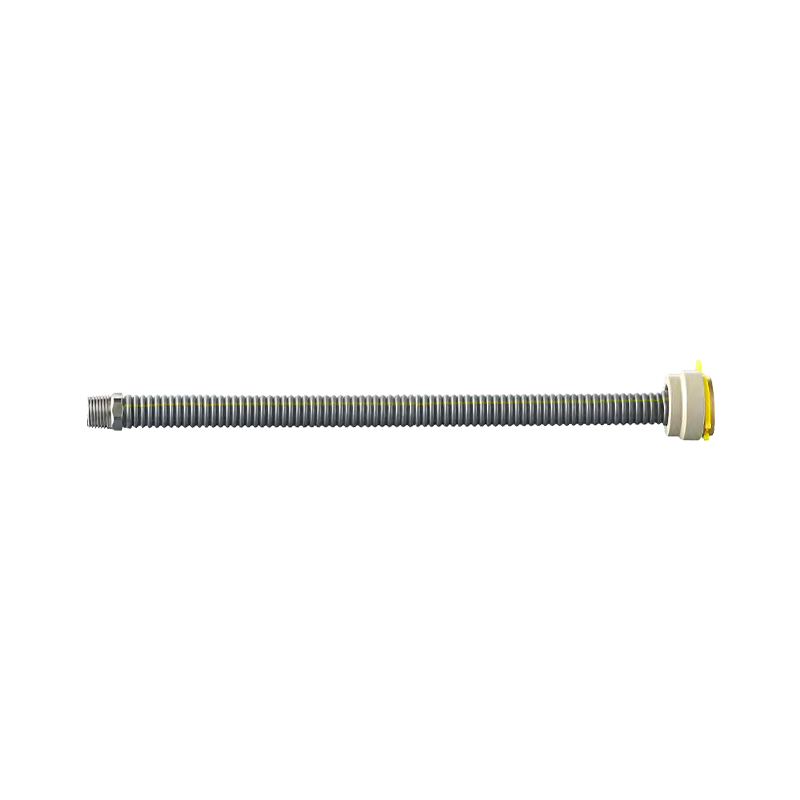
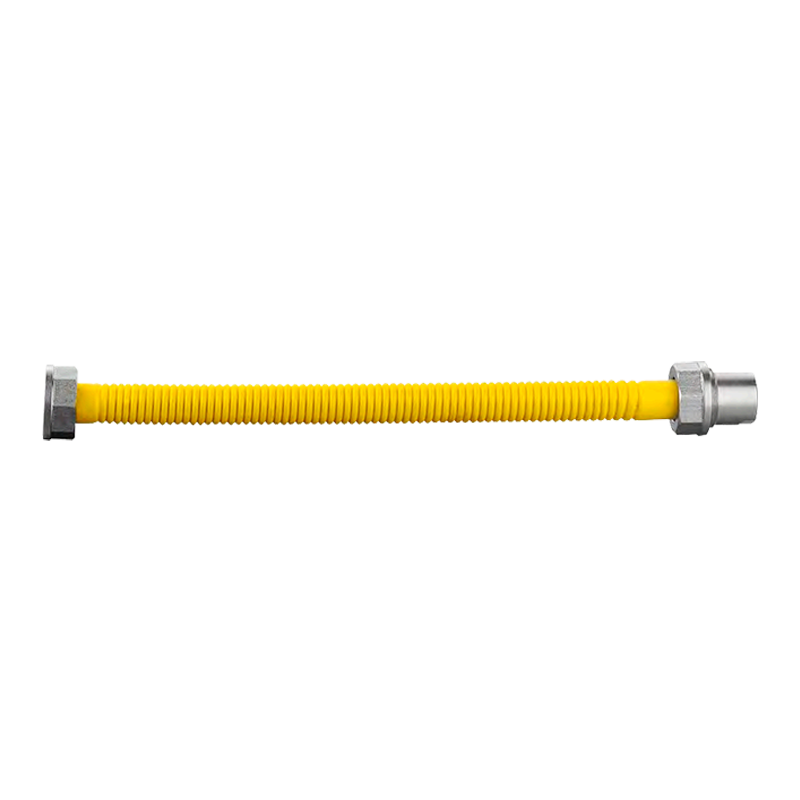
The product is known as the Gas Single Nozzle Valve, while its listed product name is Single Spout Front Valve. Its model number is ZLP-017, and the nominal size is DN15. The product category is stainless steel corrugated hose fittings for gas transmission, making it particularly relevant to gas hose and pipeline assemblies that require a compact terminal or connection valve.
| Item | Product Information |
|---|---|
| Product name | Single Spout Front Valve |
| Product model | ZLP-017 |
| Common product description | Gas Single Nozzle Valve |
| Nominal size | DN15 |
| Product category | Stainless steel corrugated hose fittings for gas transmission |
| Primary function | Controlled gas flow and secure connection |
| Typical application areas | Residential, commercial, and industrial gas systems |
| Manufacturing organization | Zhejiang Zhenlong Energy Equipment Technology Co., Ltd. |
The DN15 specification indicates a nominal connection size commonly used in compact gas piping and appliance connection arrangements. Exact thread standards, end configurations, pressure ratings, seal materials, and installation requirements should be confirmed from the technical drawing or purchase documentation before the valve is incorporated into a project. Correct specification matching is essential because a valve must be compatible with the connected hose, pipe, fittings, regulator, and appliance.
The product’s single-spout layout is especially useful when the installation requires one controlled gas outlet. It can reduce the number of components needed at the connection point and can make the overall assembly easier to understand during installation and maintenance. A clear and uncomplicated connection path may also reduce the possibility of incorrect routing or accidental connection to an unsuitable outlet.

Gas single nozzle valve
3. Core Design Advantages
3.1 Direct and Efficient Gas Flow
The internal configuration of a valve has a direct effect on how gas moves through the component. Unnecessary changes in direction, excessive internal obstruction, or poorly matched passages may increase resistance and affect system performance. The Gas Single Nozzle Valve is designed around a direct single-nozzle arrangement that supports an efficient gas path within the intended application range.
A direct flow path can help maintain consistent delivery to the connected equipment. This is especially important in systems where the gas appliance requires a steady supply for reliable ignition, stable combustion, or consistent process performance. The valve is intended to control the gas passage without compromising the basic efficiency of the connected piping assembly.
3.2 Secure Sealing Performance
Leak prevention is one of the most important requirements in gas equipment. Even a small leak can create safety concerns, reduce system efficiency, and require immediate inspection. The Gas Single Nozzle Valve is engineered with high-quality materials and a sealing-focused construction to help establish a tight connection between the valve and the associated gas piping or hose.
The single-nozzle arrangement simplifies the sealing interface by concentrating the connection around one outlet. A simpler interface can make it easier for installers to inspect the joint, apply the correct sealing method, and verify that the connection has been properly tightened. The final sealing performance depends on the complete installation, including compatible threads or connection ends, suitable seals, correct torque, and appropriate leak testing.
It is important to emphasize that no valve can compensate for an incorrect installation. The sealing surfaces must be clean, undamaged, and properly aligned. Installers should follow relevant gas safety procedures and use approved testing methods after installation and whenever the connection has been disturbed.
3.3 Corrosion Resistance
Gas systems may be exposed to humidity, condensation, cleaning chemicals, temperature changes, airborne contaminants, and other environmental factors. Corrosion can weaken a fitting, damage sealing surfaces, restrict movement, and eventually contribute to leakage. A corrosion-resistant valve is therefore better suited to long-term use than a component that deteriorates quickly in challenging environments.
The valve is designed with materials selected for durability and resistance to corrosion and wear. This makes it suitable for use in a broad range of residential and industrial environments. Stainless steel corrugated hose systems are valued for their combination of flexibility, mechanical strength, and resistance to environmental degradation, and a compatible valve helps preserve the performance of the complete assembly.
Material selection must always be evaluated in relation to the actual environment. Gas composition, humidity, salt exposure, chemical contact, temperature, and cleaning practices can influence service life. Proper material compatibility remains an essential part of engineering selection and routine maintenance.
3.4 Compact Installation Structure
Gas appliances and pipe connection points are often installed in confined areas. A valve with a compact and uncomplicated structure can be easier to position in cabinets, equipment compartments, utility spaces, and service areas. The single-nozzle design helps provide a clear connection orientation and can reduce the space required around the outlet.
A compact valve is also beneficial during inspection. When the body and outlet are easy to identify, technicians can more readily determine the direction of flow, locate the isolation point, and check the condition of the connection. Clear access supports safer maintenance and can reduce the time required to perform routine checks.
3.5 Suitability for Repeated Service
Gas valves are frequently exposed to mechanical activity during installation, adjustment, appliance replacement, and maintenance. The product is built for durability and is intended to withstand long-term use in suitable gas applications. Its robust construction supports continued operation where the valve may experience pressure changes, routine handling, and normal environmental exposure.
Durability does not mean that the valve should be subjected to unnecessary force or used outside its intended parameters. Operators should avoid impact, over-tightening, unauthorized modification, and exposure to incompatible chemicals. Proper use and periodic inspection help the product achieve its expected service life.
4. Advantages Compared with More Complicated Valve Arrangements
Different gas systems require different valve structures. Multi-port valves, integrated manifolds, and specialized control assemblies can be appropriate where several outlets or functions are needed. However, when the application requires only one controlled gas connection, a single-nozzle valve can provide practical advantages over a more complicated alternative.
First, a single outlet makes the flow path easier to understand. This can simplify system planning and reduce the chance of connecting a hose or pipe to the wrong port. Second, the smaller number of internal and external interfaces may make inspection more straightforward. Third, the compact configuration can support installations where space is limited.
Another advantage is installation efficiency. A single-nozzle valve can often be incorporated into a gas connection without the additional fittings required for a multi-outlet arrangement. Fewer components may reduce assembly time and limit the number of potential leakage points. The exact benefit depends on the installation design, but the basic principle is clear: where only one gas route is required, an appropriately designed single-outlet component avoids unnecessary complexity.
The product also offers a balance between simple construction and robust performance. It is not designed as a disposable or lightly constructed fitting. Instead, it combines a straightforward layout with materials and manufacturing processes intended for durability, sealing reliability, and corrosion resistance. This balance can make it a practical choice for projects seeking dependable performance without excessive structural complexity.
Compared with low-quality generic fittings, a purpose-designed gas valve can offer better control over material selection, forming accuracy, connection consistency, inspection, and traceability. These factors are important because the quality of a valve is determined not only by its appearance but also by its dimensional accuracy, sealing surfaces, internal cleanliness, pressure behavior, and production controls.
5. Manufacturing Strengths Behind the Product
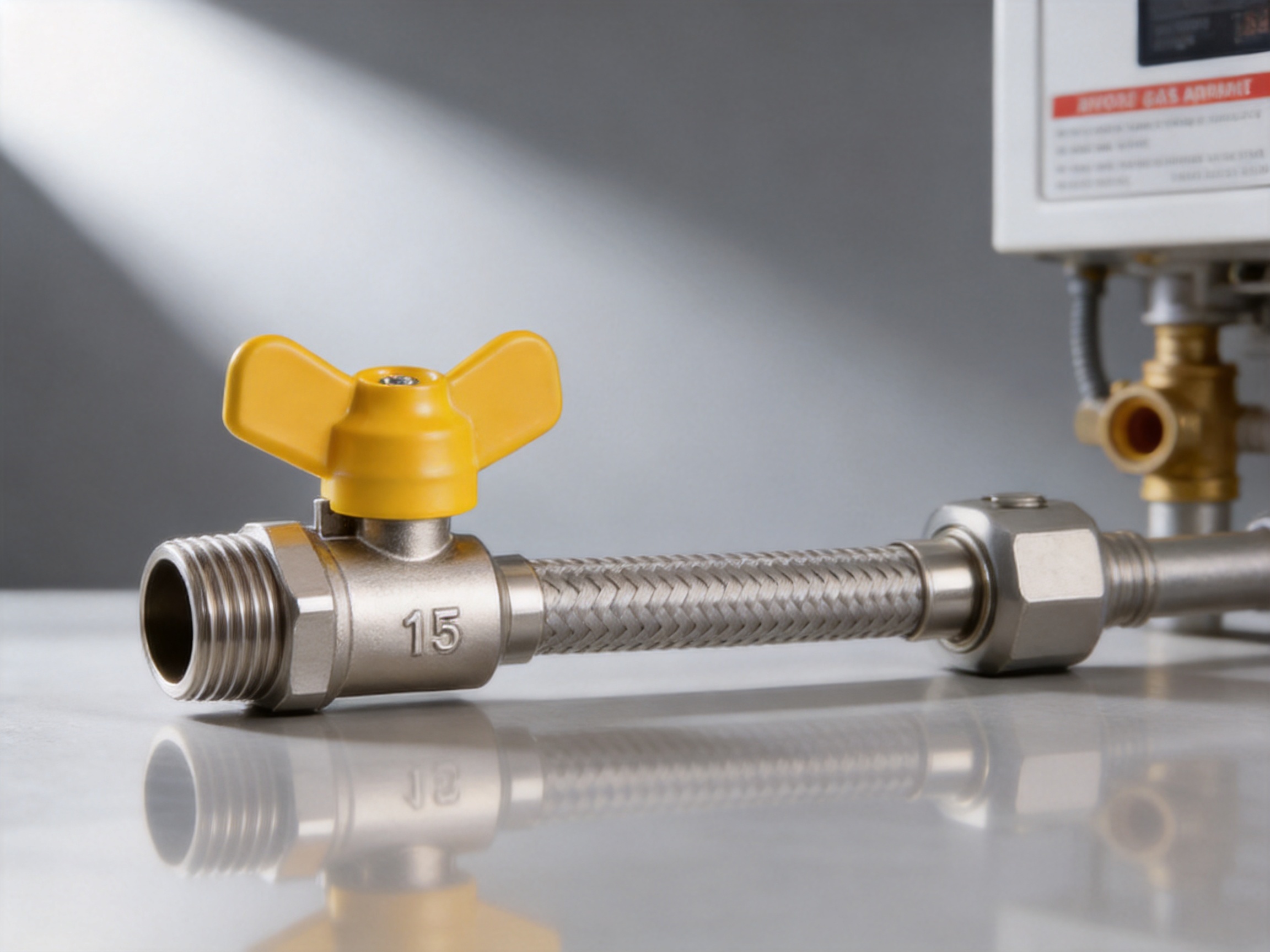
The quality of a gas valve depends heavily on the manufacturing environment in which it is produced. Zhejiang Zhenlong Energy Equipment Technology Co., Ltd. integrates research and development, manufacturing, processing, and trade. This integrated structure enables the company to coordinate product design, material handling, forming, welding, assembly, inspection, and customer service within a connected production organization.
The company operates in Yuyao, Ningbo, Zhejiang, and has an approximately 40-acre site with a factory building of about 30,000 square meters. This scale provides space for production lines, equipment, inspection facilities, warehousing, research activities, and supporting operations. A larger organized manufacturing site can help improve workflow management and support consistent production for different categories of energy equipment and pipe-related products.
The company has 30 welding and forming production lines. Welding and forming are especially relevant to metal hoses, corrugated pipes, fittings, and valve-related components. Forming processes influence the shape, dimensional consistency, and mechanical behavior of metal parts, while welding quality affects structural integrity and resistance to leakage or failure.
Production-line capacity is valuable when it is supported by process control. Consistent tooling, controlled operating parameters, equipment maintenance, trained personnel, and documented inspection procedures all contribute to repeatable results. For gas fittings, repeatability is critical because small variations in dimensions or sealing surfaces can affect installation compatibility and leak-tightness.
The company also operates two uninterrupted solid melting hydrogen furnace production lines. Furnace operations can influence the quality and uniformity of metallic materials used in manufactured components. Controlled melting and processing help support material consistency, while stable production conditions can reduce variation between production batches.
Material analysis is supported by direct-reading spectrometers. This type of equipment can be used to identify and verify the elemental composition of metallic materials. Material verification is important for confirming that the selected alloy corresponds to the intended application and that incoming or internally produced materials meet defined requirements.
In addition to material analysis, the company has flow tightness testing equipment. Leak-tightness testing is directly relevant to valves, hoses, fittings, and gas transmission components. Testing can help identify defects that may not be visible during a basic visual inspection, including problems associated with sealing surfaces, welds, body integrity, or assembly quality.
The combination of material analysis and flow tightness testing creates a stronger quality-control foundation. Material testing helps confirm what the component is made of, while tightness testing helps evaluate how the completed component performs. Together with dimensional inspection and production supervision, these controls support a more complete approach to product verification.
6. Quality Management and Certification Foundation
The company strictly implements the ISO9000:2008 quality management system according to the supplied company information. A quality management system establishes organized procedures for product development, purchasing, production, inspection, documentation, corrective action, and customer service. For industrial components, a controlled management system is important because product reliability depends on the entire process rather than on final inspection alone.
Process-based quality management can help ensure that production activities are documented and repeatable. It can also support the identification of nonconforming materials or products, the investigation of manufacturing problems, and the implementation of corrective measures. These practices are particularly valuable for gas-related components, where a small defect can have serious consequences.
The company holds a Special Equipment Manufacturing License from the People’s Republic of China for pressure pipelines. It also has EU CE certification testing reports and is a member of the China Urban Gas Association. These qualifications and industry affiliations demonstrate the company’s involvement in regulated pressure equipment and urban gas product fields.
Certifications, licenses, and testing reports should always be reviewed in relation to the specific product, model, market, and application. They do not eliminate the need for correct design selection, installation, commissioning, and maintenance. However, they provide useful evidence that the manufacturer operates within recognized quality and regulatory frameworks.
For buyers, quality documentation can be an important part of supplier evaluation. Product drawings, material records, inspection reports, test results, batch information, and applicable declarations can help establish confidence in the supply chain. A manufacturer with organized production and documentation systems is generally better positioned to support project-level traceability and technical communication.
7. Applications in Residential Gas Systems
Residential gas systems require components that are safe, compact, easy to install, and dependable during everyday operation. The Gas Single Nozzle Valve can be used in suitable residential gas arrangements where a DN15 single-outlet connection is required. Possible applications include gas appliance connections, branch-line isolation points, and compact terminal assemblies.
In a domestic kitchen, for example, the valve may be positioned between the gas supply pipe and a flexible connection leading to an approved appliance. The valve can provide a convenient control point for shutting off gas during appliance maintenance, replacement, or emergency conditions. The precise installation configuration must follow local regulations and the instructions supplied for the connected appliance and hose.
Residential installations often have limited space, and household users may need to identify the shut-off point quickly. A compact single-nozzle valve can help keep the connection arrangement visually clear. The valve should remain accessible and should not be concealed behind permanent structures where operation or inspection would be difficult.
Household exposure to moisture, cleaning agents, and temperature fluctuations makes corrosion resistance valuable. The valve’s durable construction is intended to support stable performance in appropriate indoor or protected outdoor environments. Nevertheless, users should avoid spraying aggressive chemicals directly onto the component and should report any odor, visible damage, unusual noise, or suspected leakage immediately.
8. Applications in Commercial and Industrial Environments
Commercial kitchens, heating installations, workshops, equipment rooms, and industrial facilities may require numerous gas connection points. In these environments, valves must support regular inspection, clear system organization, and reliable isolation. The Gas Single Nozzle Valve can be considered for applications where one controlled gas route is needed and the DN15 size is suitable.
Commercial systems may experience more frequent operating cycles than residential systems. Equipment can be switched on and off repeatedly, maintenance may be performed more often, and the surrounding environment may contain higher levels of heat, humidity, dust, or chemical exposure. A robust, corrosion-resistant valve can help address these service conditions when it is properly selected for the actual environment.
Industrial users should evaluate gas type, operating pressure, flow requirements, temperature range, vibration, mechanical loading, and installation orientation. If the valve is installed near machinery, the system designer should ensure that the hose and valve are not subjected to excessive bending, twisting, tensile force, or vibration. A valve should control gas flow, not serve as a structural support for an improperly routed pipe or hose.
For larger systems, the valve can be incorporated into a broader network of regulators, pressure controls, emergency shut-off devices, flexible connectors, and fixed piping. Its function should be clearly documented in the piping and instrumentation layout or equivalent installation records. Clear labeling and accessible placement can help operators respond more quickly during maintenance or abnormal conditions.
9. Installation and Commissioning Considerations
Installation should be carried out by qualified personnel familiar with gas piping and the applicable local requirements. Before assembly, the installer should verify the product model, nominal size, connection standard, gas compatibility, pressure range, and required sealing method. The valve should not be installed solely on the basis of visual similarity to another fitting.
All mating components should be inspected before installation. Threads, sealing faces, gaskets, and hose ends should be free from dirt, metal chips, oil contamination, and damage. The valve and the connected hose or pipe should be aligned correctly to avoid cross-threading or side loading. Excessive force can damage the body or sealing surfaces and may reduce service life.
After installation, the system should be tested for leakage using an approved method suitable for the gas service. Open flames must never be used for leak detection. The installer should also confirm that the valve can be operated as intended, that the connected hose is not sharply bent, and that the complete assembly is supported without placing stress on the valve.
Commissioning should include a functional review of the gas appliance or equipment, confirmation of stable gas delivery, and verification that all isolation points are correctly identified. Where required, records should be maintained for the installation date, installer, product model, test results, and any subsequent service activity.
10. Maintenance and Service Recommendations
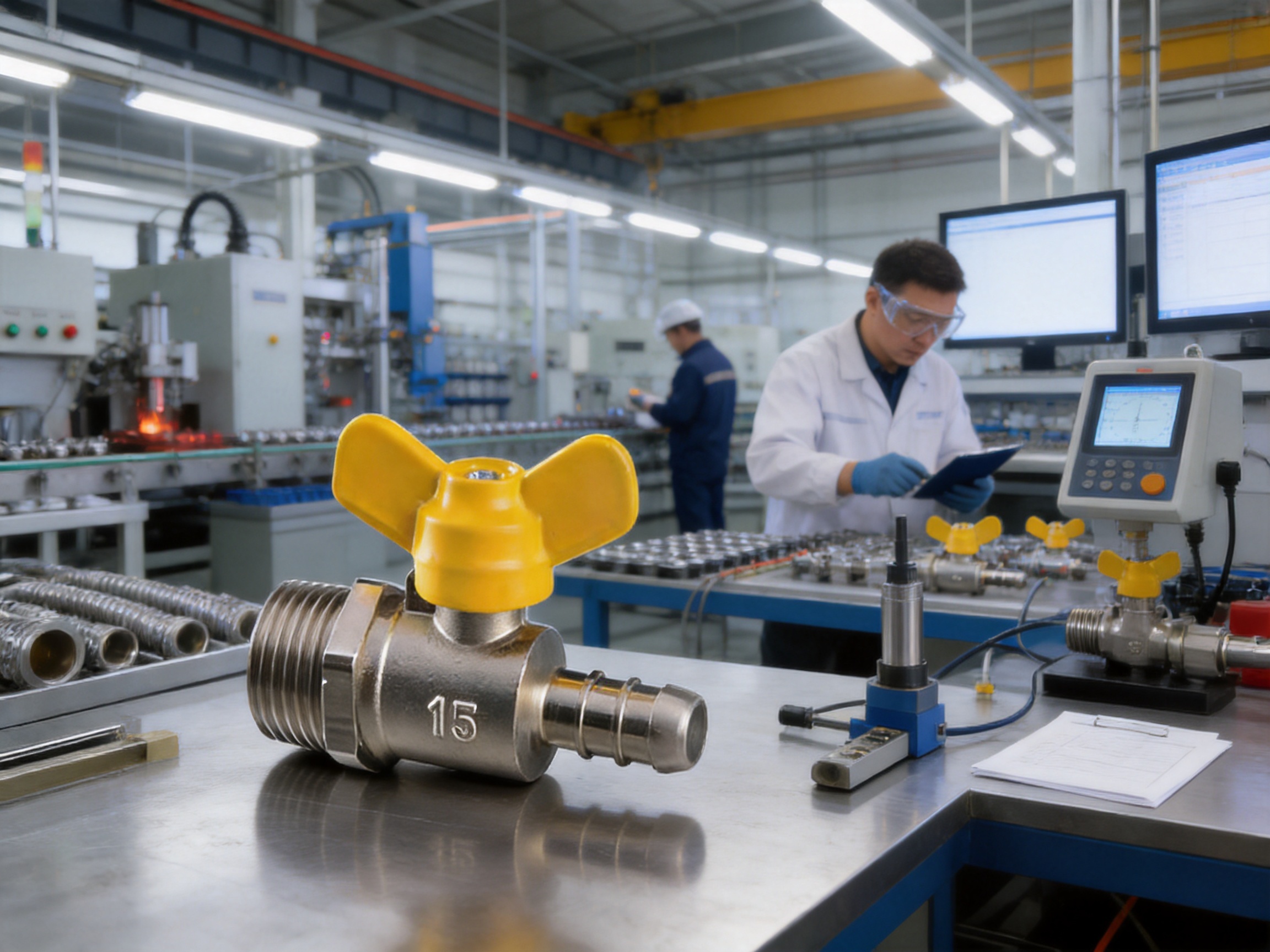
Routine inspection helps preserve the performance of any gas fitting. The valve should be checked periodically for visible corrosion, deformation, unusual movement, damaged threads, loose connections, surface contamination, or signs of leakage. Inspection intervals should be based on the application, operating conditions, regulatory requirements, and manufacturer recommendations.
Operators should never disassemble the valve while the gas line is pressurized. Before maintenance, the appropriate supply must be isolated, pressure safely relieved, and the area ventilated according to established procedures. Any work involving gas piping should be performed by authorized and competent personnel.
If a valve has been exposed to fire, severe impact, flooding, aggressive chemicals, or abnormal pressure, it should be removed from service and evaluated. A component may appear acceptable externally while having internal damage or compromised sealing surfaces. Replacement is often more appropriate than attempting an unapproved repair.
The connected corrugated hose should be inspected along with the valve. The hose should not show excessive deformation, deep scratches, corrosion, kinking, or signs of fatigue. The valve and hose function as one connection assembly, and the condition of one component can affect the reliability of the other.
Cleaning should be performed using methods compatible with the valve’s materials and the surrounding installation. Abrasive tools, aggressive solvents, and unauthorized coatings may damage surfaces or interfere with sealing. If a valve requires replacement, the new component should match the required size, connection type, pressure conditions, and gas service.
11. Why Manufacturing Integration Matters to Buyers
Purchasing a gas valve is not only a matter of comparing unit price. Buyers must consider material quality, dimensional consistency, production capacity, technical support, inspection resources, regulatory documentation, delivery reliability, and after-sales service. An integrated manufacturer can provide advantages across these areas because product development, production, testing, and customer communication are coordinated within one organization.
Research and development capability allows the manufacturer to refine structures, improve sealing arrangements, adapt products to customer requirements, and respond to application-specific challenges. Manufacturing capability ensures that designs can be translated into repeatable production. Testing capability provides evidence that materials and finished components meet defined expectations.
For OEM and ODM customers, integrated production can also simplify product customization. Customers may require specific dimensions, connection forms, surface treatments, packaging, identification marks, or documentation. A manufacturer with its own production lines and technical team is better positioned to evaluate such requirements and coordinate them with quality control.
The company’s product range extends beyond one valve model. It includes metal hoses, natural gas pipelines, plumbing fittings, sanitary ware, valves, plastic products, and hardware. This broader portfolio can be useful for buyers seeking coordinated sourcing of related components. It may also support a more complete understanding of how individual valves, hoses, and fittings perform as part of a connected piping system.
12. Selection Checklist for the Gas Single Nozzle Valve
Before ordering or installing the ZLP-017 Gas Single Nozzle Valve, buyers and engineers should verify the following points:
- Confirm that DN15 is the correct nominal size for the intended assembly.
- Verify the connection type and thread or end standard on both sides.
- Confirm compatibility with the intended gas and operating pressure.
- Check the expected temperature range and environmental exposure.
- Determine whether the single-nozzle layout meets the system’s flow-control requirements.
- Confirm that the valve can be installed in an accessible location.
- Review the required sealing materials and installation torque.
- Check whether project documentation requires material certificates or test reports.
- Ensure that the connected corrugated hose is compatible with the valve and application.
- Plan a suitable leak-testing and commissioning procedure.
These checks help prevent common selection errors. A valve that is mechanically compatible but unsuitable for the gas, pressure, temperature, or environment can create unnecessary risk. Technical confirmation before purchase is usually more efficient than modification or replacement after installation.
13. Performance Value Over the Product Life Cycle
The value of a gas valve should be considered over its complete service life rather than only at the time of purchase. A well-made valve can help reduce installation difficulties, leakage risks, maintenance interruptions, and replacement frequency. Its compact form may also reduce the total number of fittings required at a connection point.
Long-term value is supported by corrosion resistance, wear resistance, stable sealing, and manufacturing consistency. When these properties are combined with proper installation and maintenance, the valve can provide dependable service in appropriate gas applications. Reduced maintenance requirements may also lower labor costs and minimize equipment downtime.
For distributors and project contractors, consistent product quality can improve customer satisfaction and reduce claims associated with inconsistent dimensions or premature failures. For original equipment manufacturers, a reliable valve can support the performance and reputation of the completed appliance or piping assembly.
For end users, the most important benefit is confidence in the gas connection. A valve that is easy to identify, correctly installed, properly tested, and maintained as part of the gas system contributes to safer and more convenient operation.
14. Frequently Asked Questions
Q1: What is the main function of the Gas Single Nozzle Valve?
The main function is to provide controlled gas flow through a single nozzle or outlet while maintaining a secure connection with the associated gas hose or piping assembly. It can also serve as an isolation point for maintenance and service when installed in an appropriate location.
Q2: What is the model and nominal size of the product?
The product model is ZLP-017, and the listed nominal size is DN15. Connection standards and detailed dimensions should be confirmed from the applicable technical documentation before installation.
Q3: Where can this valve be used?
It is intended for suitable residential, commercial, and industrial gas applications. Examples may include appliance connections, gas equipment connection points, and sections of gas distribution systems that require one controlled outlet. The operating pressure, gas type, temperature, and local regulations must be checked for each application.
Q4: What is the advantage of a single-nozzle design?
A single-nozzle design provides a direct and uncomplicated flow path. It can simplify installation, make the connection easier to inspect, reduce unnecessary components, and support efficient use of space where only one gas outlet is needed.
Q5: Is the valve suitable for use with corrugated metal hoses?
The product is categorized as a stainless steel corrugated hose fitting for gas transmission, so it is intended for suitable corrugated hose assemblies. The hose end, connection standard, seal, pressure rating, and installation method must be confirmed to ensure complete compatibility.
Q6: How does the valve help prevent leakage?
The valve uses a sealing-focused construction and high-quality materials to support tight connections. However, leak prevention depends on the entire installation. Correct alignment, compatible components, proper tightening, suitable seals, and approved leak testing are all necessary.
Q7: Is the product corrosion-resistant?
The valve is designed to resist corrosion and wear, making it suitable for long-term use in appropriate environments. The actual service life depends on gas composition, humidity, chemicals, temperature, installation conditions, and maintenance practices.
Q8: What manufacturing resources support this product?
The manufacturer has welding and forming production lines, uninterrupted solid melting hydrogen furnace production lines, direct-reading metal material spectrometers, and flow tightness testing equipment. These resources support material verification, component production, and finished-product inspection.
Q9: Does the manufacturer provide OEM or ODM support?
The company describes itself as a China OEM/ODM manufacturer of metal hoses, corrugated hoses, pipe fittings, and related precision-engineered products. Custom requirements should be discussed with the technical and sales teams to confirm feasibility, tooling, minimum quantities, documentation, and delivery conditions.
Q10: How should the valve be maintained?
The valve should be inspected for corrosion, damage, loose connections, and leakage. It should not be disassembled under pressure. Maintenance and replacement should be performed by qualified personnel using approved procedures and compatible replacement components.
Q11: Can the valve be used in any gas system with a DN15 connection?
No. DN15 describes the nominal size, but it does not by itself confirm suitability for every gas system. The installer must verify the connection standard, gas type, pressure, temperature, flow requirements, materials, and applicable safety regulations.
Q12: What should be done if a leak is suspected?
The gas supply should be shut off if it is safe to do so, ignition sources should be avoided, the area should be ventilated, and qualified emergency or service personnel should be contacted. Open flames must never be used to locate a gas leak.
15. Conclusion
The Gas Single Nozzle Valve is a compact and practical component for gas transmission systems that require one controlled connection point. Its ZLP-017 model, DN15 specification, single-spout structure, sealing-focused design, corrosion resistance, and durable construction make it suitable for selected residential, commercial, and industrial applications.
Its principal advantages include direct gas flow, simplified installation, clear connection orientation, compact dimensions, and dependable long-term service when properly selected and installed. Compared with more complicated valve arrangements, the single-nozzle structure can reduce unnecessary interfaces and make inspection and maintenance more straightforward.
The product is supported by a manufacturer with integrated research, development, production, processing, testing, and customer service capabilities. Welding and forming lines, controlled furnace production, direct-reading spectrometers, flow tightness testers, quality management procedures, pressure-pipeline manufacturing qualifications, and industry experience provide a substantial manufacturing foundation.
For buyers, contractors, and system designers, the most important step is to match the valve correctly with the complete gas assembly. Size, connection standard, pressure, gas compatibility, temperature, environmental conditions, sealing method, and local regulations must all be considered. When these factors are properly addressed, the Gas Single Nozzle Valve can contribute to safe, stable, and efficient gas system performance.
References
1. Product specification for ZLP-017 Single Spout Front Valve, DN15.
2. Manufacturer-provided information on metal hoses, corrugated hose fittings, valves, and gas transmission components.
3. Manufacturer-provided company profile and manufacturing capability statement.
4. ISO 9000 family, Quality Management Systems—Fundamentals and Vocabulary.
5. General engineering principles for gas piping, pressure control, valve installation, and leak testing.
6. General safety practices for residential, commercial, and industrial fuel-gas systems.