 English
 中文简体
 Español
 عربى

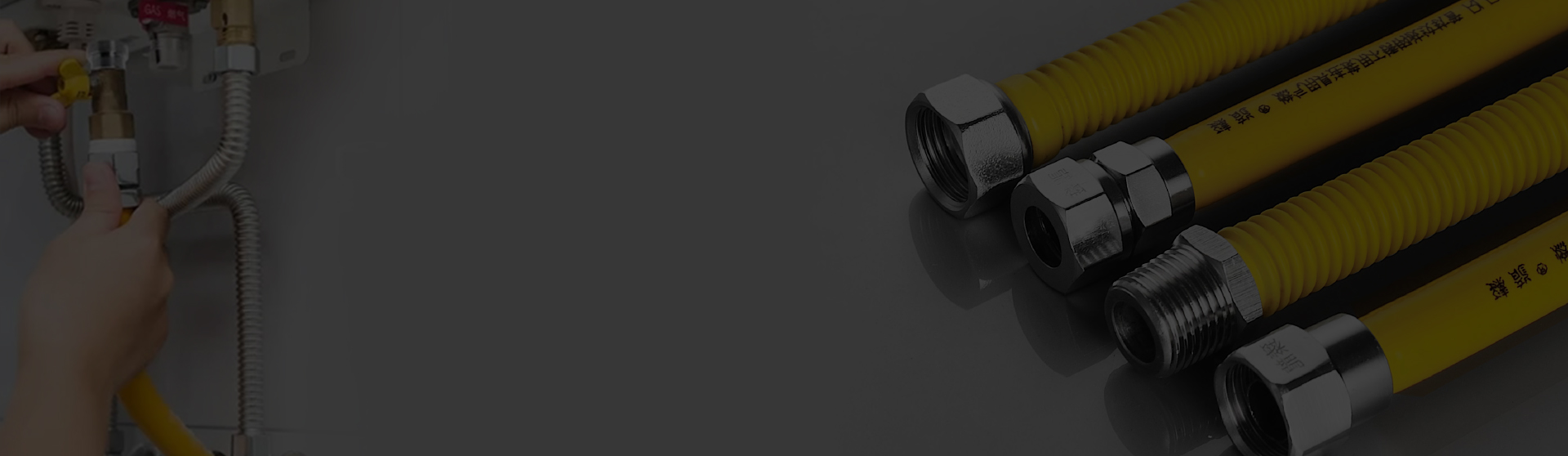

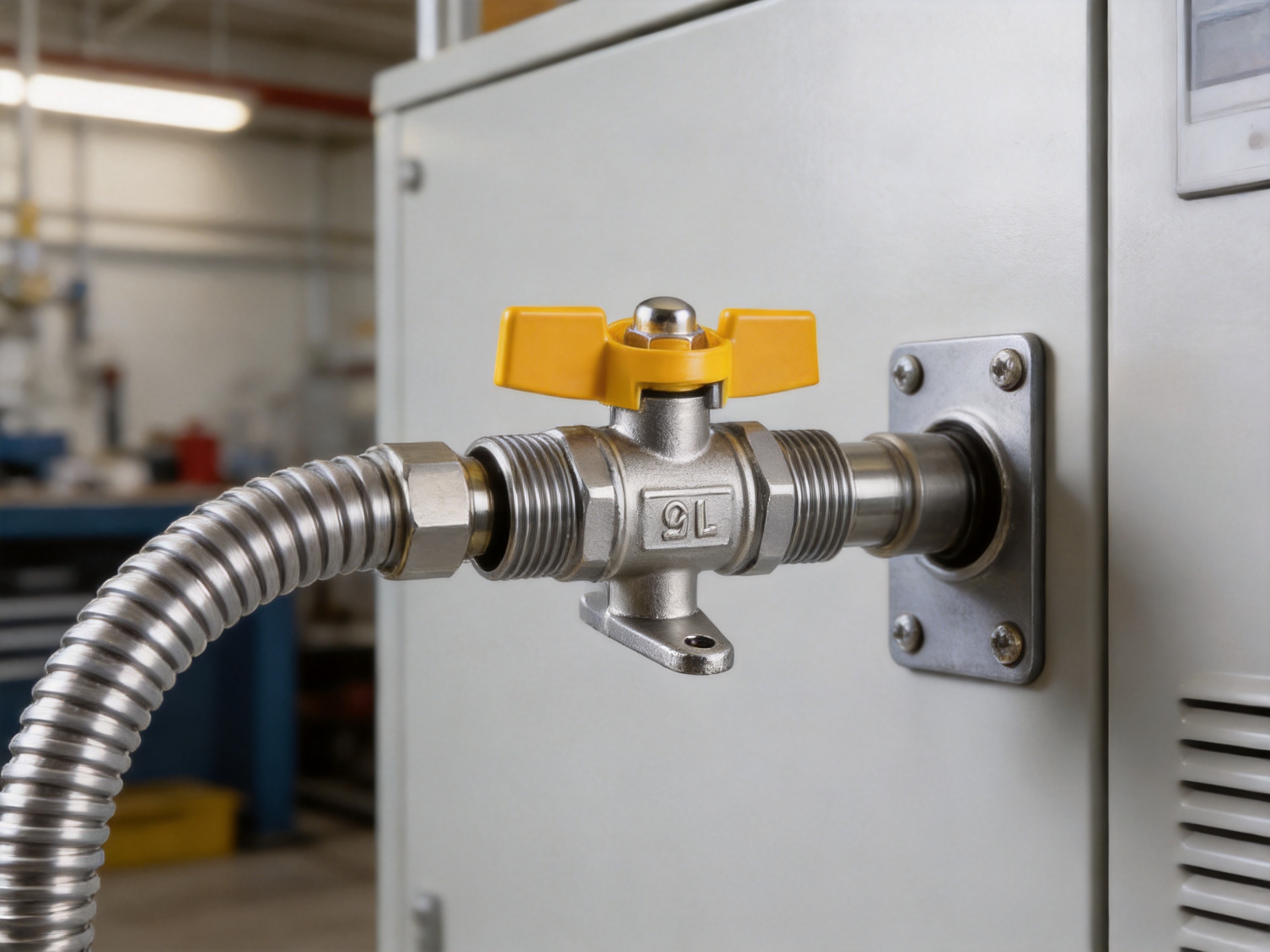
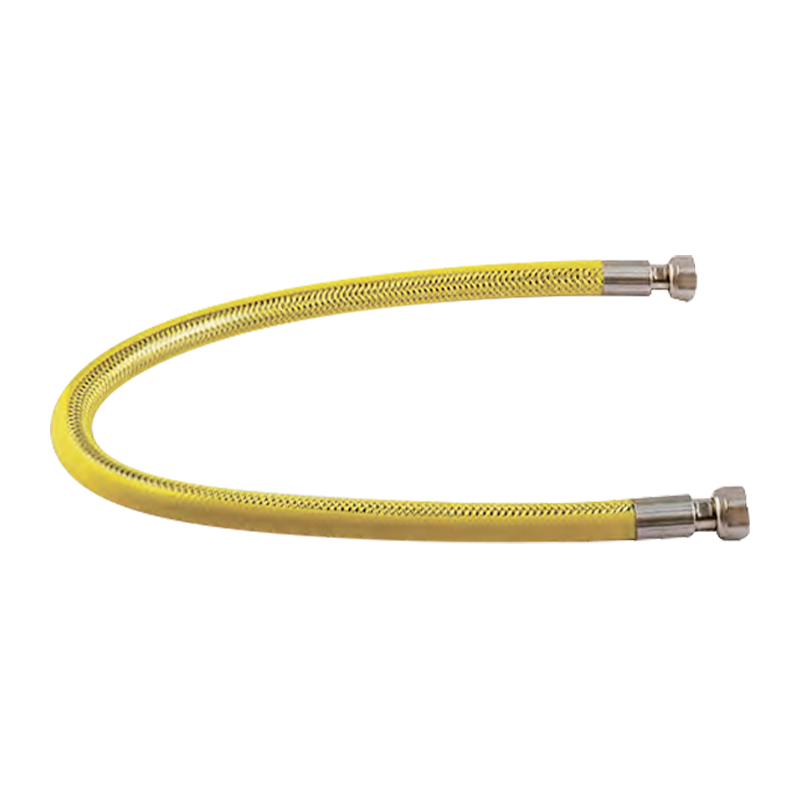
Flow-control components play a central role in the safety, efficiency, and service life of gas pipelines, water systems, industrial equipment, and flexible hose assemblies. Among these components, the double external thread ball valve with base provides a practical combination of secure connection, rapid shut-off, compact installation, and mechanical stability. Designed with two external threaded ends and an integrated mounting base, this valve is particularly suitable for applications in which dependable isolation and resistance to vibration are important.
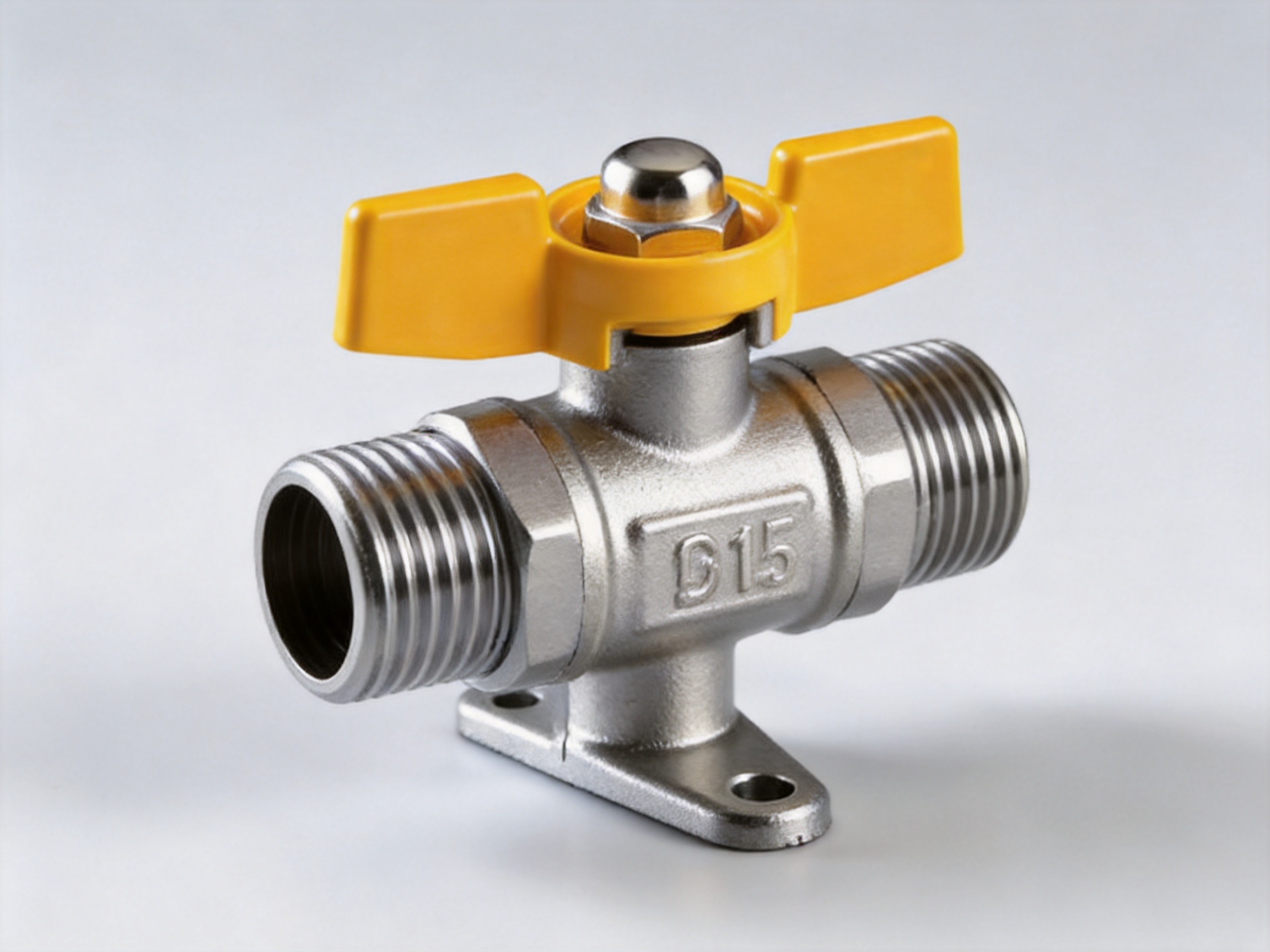
The product identified as ZLP-016 is a DN15 dual outside wire ball valve with base. It is intended for use in gas and fluid transmission systems, including pipeline assemblies connected to stainless steel corrugated hoses, plumbing components, equipment inlets, and other threaded piping arrangements. Its ball-type shut-off mechanism enables the operator to control flow efficiently, while the external threads allow the valve to connect directly with compatible female-threaded fittings, adapters, hose ends, or pipeline components.
Unlike a simple inline valve that depends entirely on the connected pipework for support, this design incorporates a base for more stable mounting. The base can help reduce movement during operation, limit stress on threaded joints, and improve resistance to vibration. These features make the valve a useful choice for residential gas connections, commercial utility installations, industrial equipment, and other systems where a compact but secure shut-off point is required.
Content
- 1 Product Overview
- 2 Why Ball Valves Are Effective for Flow Isolation
- 3 Advantages of the Double External Thread Configuration
- 4 Material and Durability Considerations
- 5 Safety Value in Gas and Fluid Transmission
- 6 Applications Across Multiple Industries
- 7 Manufacturing Capability and Process Strengths
- 8 Quality Management and Compliance Orientation
- 9 Advantages Compared with Basic Inline Valve Designs
- 10 Installation Recommendations
- 11 Maintenance and Service Life
- 12 Purchasing and Project-Selection Guidance
- 13 Why Manufacturing Integration Matters
- 14 Q&A
- 14.1 What is the main purpose of the double external thread ball valve with base?
- 14.2 What does DN15 mean?
- 14.3 Why is the mounting base useful?
- 14.4 Can the valve be used with stainless steel corrugated gas hoses?
- 14.5 Is this valve suitable for water piping?
- 14.6 Is a ball valve intended for flow regulation?
- 14.7 How does the valve compare with an unsupported inline ball valve?
- 14.8 What should be checked before ordering?
- 14.9 How should the valve be tested after installation?
- 14.10 What manufacturing strengths support this product?
- 15 Conclusion
- 16 References
- 17 Product: Double external thread ball valve with base
Product Overview
The double external thread ball valve with base is a compact isolation valve engineered around a quarter-turn ball mechanism. Inside the valve body, a drilled ball rotates through approximately 90 degrees. When the bore of the ball aligns with the pipeline, the passage is open. When the ball turns perpendicular to the flow path, the passage is closed. This operating principle provides quick response and straightforward visual or manual control.
The valve has external threads at both ends. These threads are designed to engage with female-threaded pipeline fittings or connection components. A double external thread arrangement can simplify installation where both sides of the valve must be connected to internally threaded parts. It may also reduce the need for additional coupling components compared with a valve that has only one threaded end or a mixed threaded-and-flared configuration.
The integrated base is an important structural feature. It allows the valve body to be secured to a panel, bracket, equipment frame, or other suitable support. Properly supported installation can reduce the load transferred to the connected hose or pipe. This is especially valuable in systems exposed to vibration, repeated operation, thermal expansion, or accidental contact during maintenance.
The DN15 specification indicates a nominal size commonly used in smaller gas, water, utility, and equipment connection systems. Actual connection dimensions, thread standards, pressure ratings, temperature limits, and sealing requirements must be verified before installation. These values depend on the final configuration, applicable regulations, material selection, and the operating medium.
| Item | Specification |
|---|---|
| Product name | Double external thread ball valve with base |
| Product code | ZLP-016 |
| Nominal size | DN15 |
| Valve type | Quarter-turn ball valve |
| Connection form | External thread on both sides |
| Structural feature | Integrated mounting base |
| Typical service areas | Gas transmission, water piping, equipment connections, and industrial fluid systems |
| Primary function | On-off flow isolation and controlled shut-off |
The table summarizes the supplied product information. Before a valve is selected for a specific project, the purchaser should confirm the complete technical drawing, thread type, material grade, seal material, working pressure, temperature range, test requirements, and regulatory approvals relevant to the installation.

Double external thread ball valve with base
Why Ball Valves Are Effective for Flow Isolation
Ball valves are widely used because they provide a simple, efficient, and durable method of opening and closing a flow passage. A properly manufactured ball valve generally has a low-resistance flow path when fully open. This can help reduce unnecessary pressure loss in comparison with throttling devices that place a large obstruction in the passage.
The quarter-turn operating action is another significant advantage. A handle rotation of approximately 90 degrees allows the operator to move quickly from open to closed. This is useful during maintenance, emergency isolation, equipment replacement, and routine service. The handle position can also provide an immediate indication of valve status in many configurations: an aligned handle generally indicates an open passage, while a crosswise handle generally indicates closure.
For gas systems, rapid and dependable shut-off is especially important. A valve must close consistently and maintain a reliable seal under the applicable operating conditions. The ball mechanism, combined with suitable sealing elements and accurate machining, can provide effective isolation when the valve is correctly selected and installed.
For water and industrial fluid systems, the same operating principle supports convenient equipment maintenance. A DN15 valve can be installed near a branch, appliance, regulator, hose, water fixture, instrument, or small process unit. The valve can then isolate that individual component without requiring the entire system to be drained or shut down, provided that the system design allows such isolation.
Although a ball valve can be used for limited flow adjustment in some circumstances, it is primarily an on-off valve. Continuous throttling may accelerate wear on the ball, seats, and seals, particularly when the fluid is abrasive, contaminated, corrosive, or moving at high velocity. For long-term service, the valve should normally be operated fully open or fully closed unless the manufacturer has approved a specific regulating application.
Advantages of the Double External Thread Configuration
Flexible Connection to Threaded Systems
Two external threaded ends allow the valve to connect with compatible female-threaded components on both sides. This configuration is convenient for modular piping systems and can support faster assembly during fabrication or field installation. It is also useful when the valve must be inserted between two existing internally threaded connection points.
Compared with a connection design that requires separate transition fittings at both ends, a dual external thread configuration may reduce the number of components in the assembly. Fewer components can mean fewer potential leak paths, less installation space, and a simpler bill of materials. The exact benefit depends on the piping layout and the thread standards used by the project.
Compact Installation
Threaded ball valves are often selected where installation space is limited. Their compact body can fit into small equipment compartments, cabinet assemblies, appliance connection points, and narrow utility spaces. The DN15 size is particularly suitable for smaller-diameter service lines and branch connections.
A compact valve can also make inspection easier. When installed with enough clearance around the handle and base, the operator can identify the valve and operate it without removing neighboring components. Good accessibility is essential because even a high-quality valve can become difficult to use if it is placed behind equipment or installed with the handle obstructed.
Reduced Dependence on Unsupported Hose Connections
Flexible hoses, including stainless steel corrugated hoses, are valuable because they accommodate movement, alignment variation, and vibration. However, a hose should not be expected to carry the weight of a valve or absorb excessive mechanical stress. The integrated base helps provide an additional support point so that the hose can perform its intended flexible connection function without being used as a structural member.
This arrangement can be beneficial in gas equipment, water heaters, laboratory apparatus, commercial kitchen systems, machinery, and other installations where a flexible line connects to a fixed supply. A securely supported valve can help prevent repeated bending at the hose end and can reduce movement at threaded joints.
Improved Resistance to Operational Movement
Vibration can gradually loosen poorly supported threaded connections. Thermal expansion and contraction can produce similar mechanical effects, especially when dissimilar materials are connected. By anchoring the valve through its base, installers can reduce the amount of movement transmitted to the connection points.
The base does not eliminate the need for correct assembly. Threads must still be compatible, sealing materials must be appropriate, and the valve must be aligned without forcing the pipework into position. Nevertheless, the base provides a structural advantage over unsupported inline designs when the application requires additional stability.
Material and Durability Considerations
The product description specifies that the valve is manufactured from high-quality corrosion-resistant materials. Corrosion resistance is important in gas and fluid transmission systems because the valve may be exposed to moisture, condensation, cleaning agents, atmospheric contaminants, or chemically active media. A corrosion-resistant construction can help preserve external strength, thread integrity, and operating performance over a longer service period.
Material selection must always correspond to the medium being transported. Natural gas, treated water, untreated water, compressed air, oil, chemical fluids, and process gases can have different compatibility requirements. The body, ball, stem, seats, seals, and thread surfaces may not all use the same material, and each component should be evaluated for the intended service.
Sealing elements deserve particular attention. Elastomeric seals may perform differently at low temperatures, elevated temperatures, under pressure cycling, or in the presence of oils and solvents. A seal that is appropriate for water may not be suitable for a specific gas or industrial fluid. For this reason, project engineers and purchasers should request the relevant material information when the valve is intended for a demanding or regulated application.
Durability is also influenced by manufacturing accuracy. A ball valve requires controlled dimensional relationships between the body, ball, stem, seats, and seals. If the ball is not properly aligned, the valve may require excessive operating torque or may fail to seal consistently. Accurate machining and controlled assembly help ensure smooth operation and predictable shut-off performance.
The external threads must be formed and inspected carefully. Damaged, incomplete, or poorly finished threads can lead to cross-threading, difficulty during installation, or leakage at the joint. Clean and consistent thread production also helps installers achieve repeatable connection quality across large projects.
Safety Value in Gas and Fluid Transmission
Gas pipeline components must be selected and installed with a strong focus on leakage prevention. A valve is only one part of the overall safety system, but it is a critical part because it provides a local point of isolation. The double external thread ball valve with base can support safer system design by combining a positive shut-off mechanism with a stable mounting arrangement.
The valve should be installed in a location that is accessible for inspection and emergency operation. It should not be concealed behind permanent construction unless the relevant regulations specifically permit that arrangement and an approved access method is provided. The handle should have enough clearance for full travel, and the base should be fixed to a suitable support without deforming the valve body.
Threaded connections require careful preparation. Installers should confirm that the male and female threads belong to compatible standards and have matching dimensions. Thread sealant or sealing tape must be selected for the gas or fluid service and applied according to accepted installation practice. Excess sealing material should not enter the valve passage, because contamination can interfere with the ball or seats.
After installation, the completed assembly should be inspected and tested in accordance with applicable codes, project specifications, and local requirements. Leak testing should use an approved method suitable for the service. Open flames must never be used to search for gas leaks. If a leak is detected, the supply should be isolated and the connection corrected by qualified personnel.
The valve should not be used beyond its rated pressure or temperature limits. Pressure surges, rapid thermal changes, freezing, and chemical exposure can damage the valve or its seals even when the static operating pressure appears acceptable. A complete system review should consider both normal operation and foreseeable abnormal conditions.
Applications Across Multiple Industries
Residential Gas Installations
In residential gas systems, the valve can be used as a local shut-off point for appliances or branch connections, subject to local regulations and approval requirements. Its compact DN15 form may be suitable for smaller connection assemblies. The base can help secure the valve near a wall, cabinet, appliance frame, or other fixed structure.
A supported valve is useful where a flexible corrugated gas hose connects an appliance to the fixed pipeline. The valve can provide a clear isolation point while the hose accommodates minor movement for installation or maintenance. The hose must still be installed without twisting, overbending, stretching, or contact with sharp edges.
Water Supply and Plumbing
The same valve design can be used in suitable water-piping applications. It may serve as an isolation valve for a fixture, small appliance, pump, filter, water-treatment unit, or branch line. Its quarter-turn action allows a maintenance technician to shut off the local section quickly.
In plumbing installations, the corrosion-resistant construction can help the valve withstand humid environments and routine contact with water. However, the precise material and seal configuration should be checked when the water is hot, chemically treated, or intended for a regulated use such as drinking-water service.
Industrial Equipment
Industrial machinery frequently contains numerous small-diameter fluid, gas, air, or utility lines. A compact ball valve with a mounting base can be installed at equipment inlets, instrument branches, control panels, and service points. Local isolation can shorten maintenance time and reduce the need to shut down an entire production line.
The valve may also be suitable for skid-mounted equipment, provided its pressure, temperature, chemical compatibility, and connection requirements are confirmed. Industrial applications often involve vibration, repeated cycling, and demanding environmental conditions, making the support base a useful design feature.
Corrugated Hose Assemblies
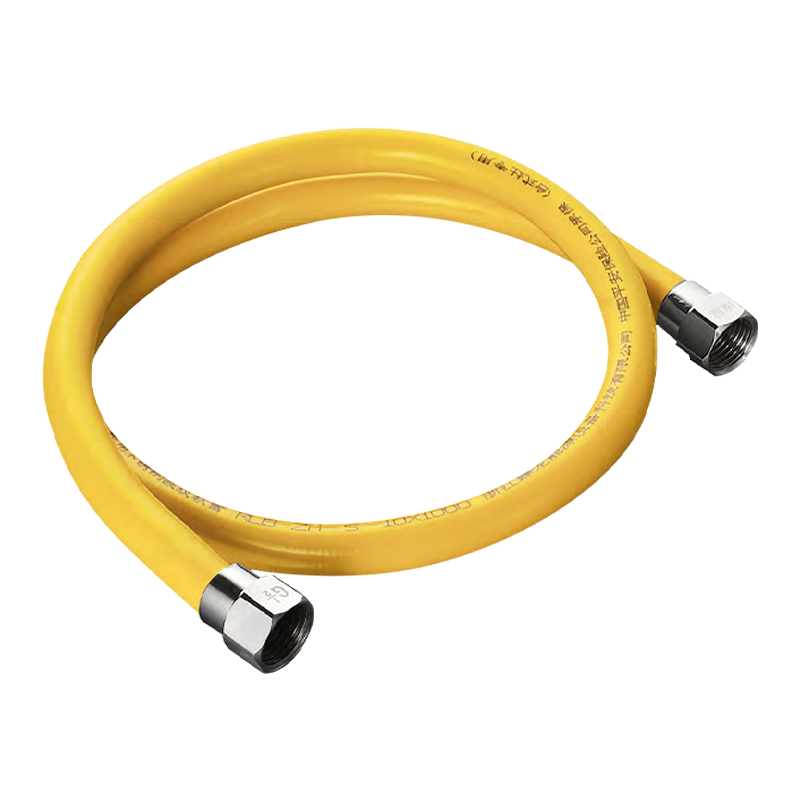
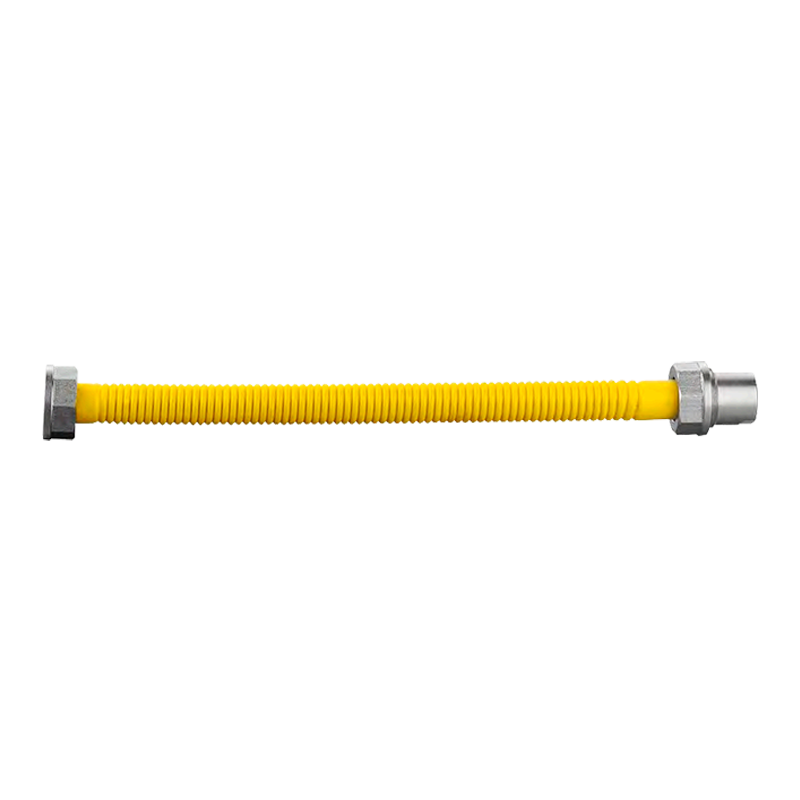
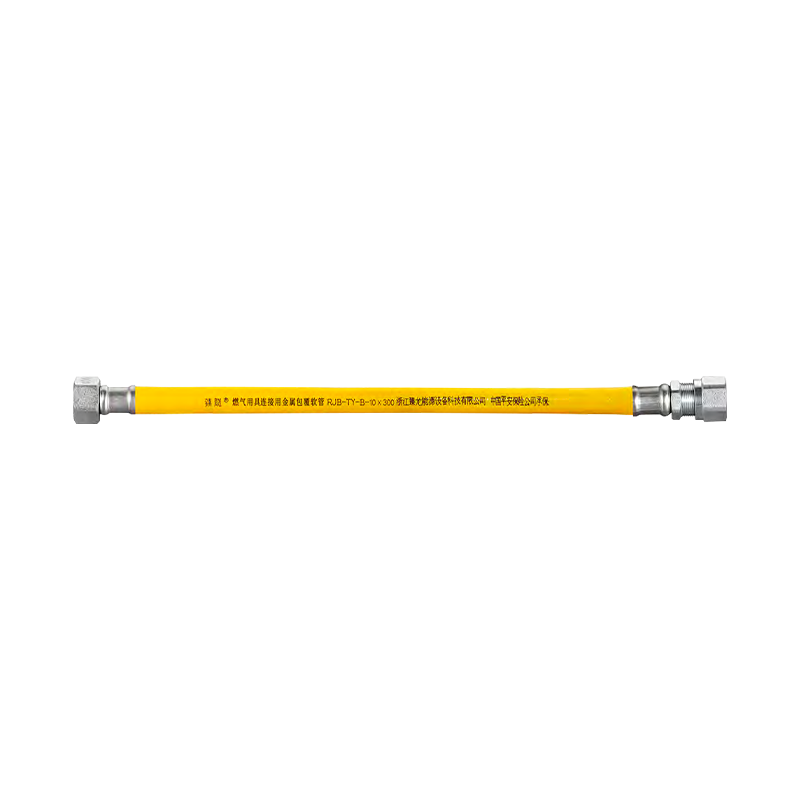
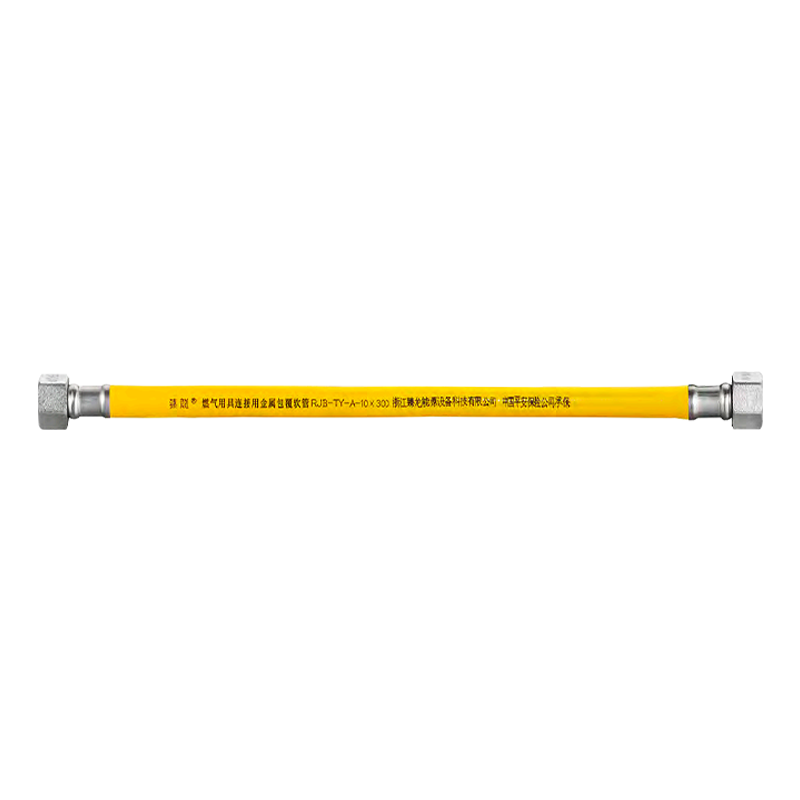
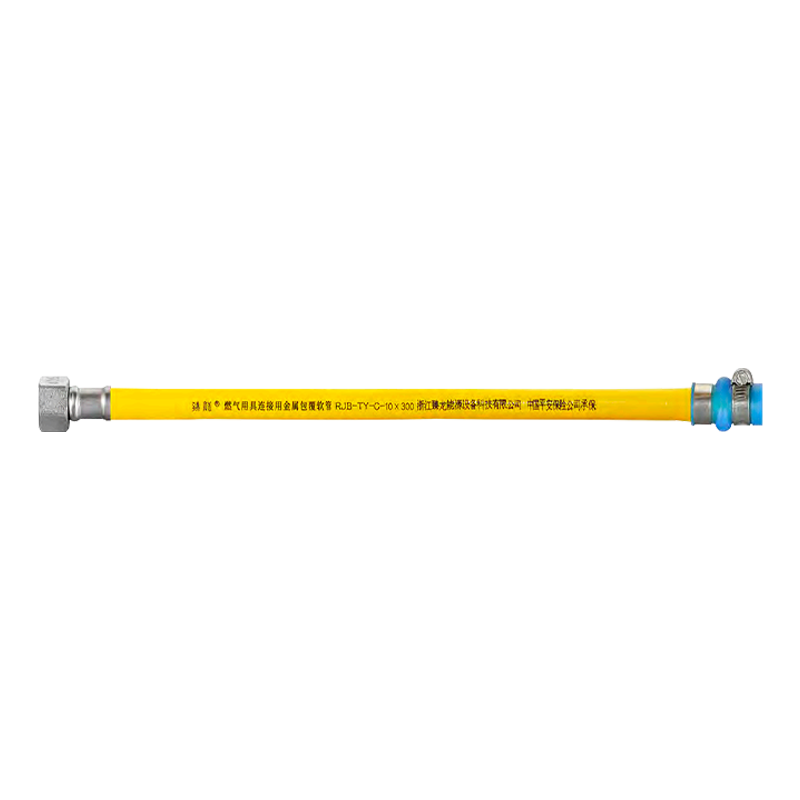
Stainless steel corrugated hoses are commonly used where flexibility, vibration absorption, or installation movement is required. A ball valve with external threads can serve as a connection and isolation component within such an assembly. The valve can be paired with compatible hose fittings, adapters, regulators, or fixed pipeline components.
The connection should be designed so that the hose remains flexible without placing bending loads on the valve. The mounting base can help maintain this separation between flexibility and structural support. In a well-designed installation, the hose carries the fluid and accommodates movement, while the base and nearby brackets carry mechanical support loads.
Manufacturing Capability and Process Strengths
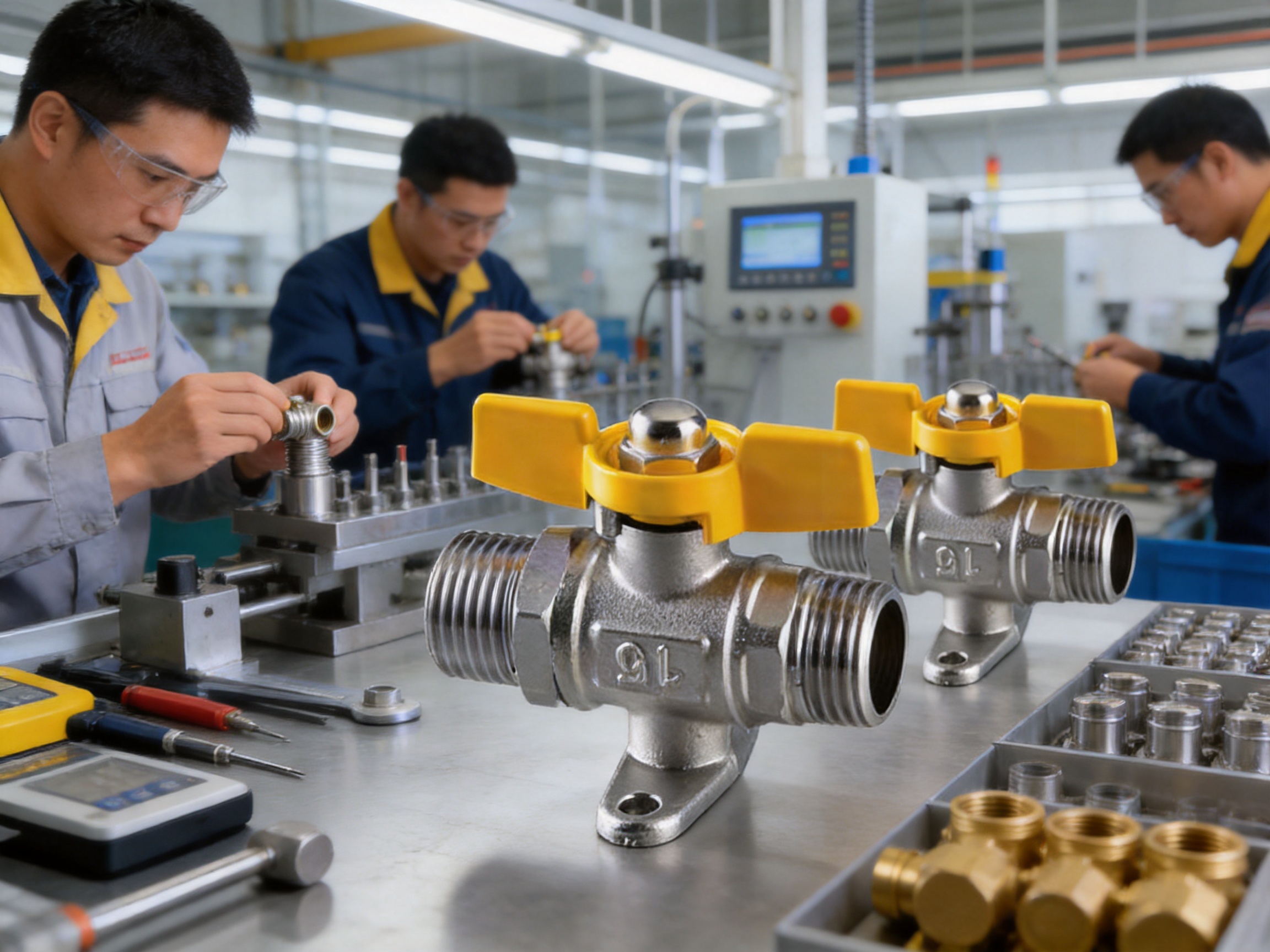
Zhejiang Zhenlong Energy Equipment Technology Co., Ltd. is engaged in the research, development, manufacturing, and processing of energy equipment and related piping products. Its product scope includes metal hoses, natural gas pipelines, plumbing fittings, sanitary ware, valves, plastic products, and hardware. This breadth is relevant to the manufacture of a double external thread ball valve because valve performance depends not only on the valve body but also on connection technology, hose interfaces, sealing components, and pipeline compatibility.
The company operates in Yuyao, Ningbo, Zhejiang, and has a factory area of approximately 40 acres with a 30,000-square-meter production building. This industrial base provides room for organized manufacturing, component processing, assembly, inspection, storage, and product development. A dedicated manufacturing environment can support repeatable production and improve coordination between engineering, purchasing, production, and quality-control teams.
The company has 30 welding and forming production lines. Welding and forming capability is particularly relevant to the wider product portfolio of metal hoses and gas-pipeline components. It also demonstrates experience in shaping, joining, and processing metal products that must maintain dimensional stability and service reliability. Although a ball valve involves machining and assembly in addition to forming, the ability to control related metal-component processes can strengthen supply-chain integration.
The company also has two uninterrupted solid melting hydrogen furnace production lines. Controlled heat treatment and melting processes can support the production of consistent metal materials and components. Stable thermal processing is important because material structure can affect strength, corrosion resistance, dimensional stability, and long-term performance.
Testing equipment includes metal material analysis direct-reading spectrometers and flow tightness testers. A direct-reading spectrometer can assist with material composition analysis, helping manufacturers verify that supplied metal alloys correspond to the required material specification. Material verification is valuable for corrosion-resistant valves, especially when products are used in demanding gas, water, or industrial environments.
Flow tightness testing is directly relevant to ball-valve production. The purpose of such testing is to identify leakage through the closed valve, around the stem, or at other relevant sealing interfaces under specified test conditions. Consistent testing helps separate conforming products from products requiring adjustment or rejection before shipment.
Manufacturing quality is strengthened when inspection is integrated throughout the process rather than performed only at the end. Suitable checkpoints may include incoming material verification, body and thread dimensional inspection, ball and stem inspection, seal inspection, assembly torque evaluation, appearance inspection, and pressure or tightness testing. The specific inspection plan should correspond to the product drawing and applicable standards.
Quality Management and Compliance Orientation
The company states that it strictly implements the ISO9000:2008 quality management system. A quality-management approach establishes a framework for documented processes, responsibility allocation, inspection control, corrective action, and continuous improvement. For a valve manufacturer, this can support better traceability from raw materials through machining, assembly, testing, packaging, and delivery.
The company also holds a Special Equipment Manufacturing License of the People’s Republic of China for pressure pipelines and has EU CE certification testing reports. These credentials and reports indicate experience with regulated pressure-related products and conformity evaluation. However, the suitability of a particular valve for a specific project still depends on the product’s individual documentation, applicable approval scope, and the requirements of the destination market.
Purchasers should request current technical files, test reports, certificates, drawings, and declarations relevant to the intended application. A general company qualification does not automatically replace product-level verification. The correct process is to match the valve model, material, size, pressure class, seal configuration, and intended medium with the project specification.
Membership in the China Urban Gas Association further connects the company with the gas-equipment sector. Industry participation can help a manufacturer remain aware of application needs, safety concerns, and market developments. For customers, this sector focus is useful when evaluating a supplier for natural-gas pipeline components and related connection products.
Advantages Compared with Basic Inline Valve Designs
The most notable advantage of this product is the combination of shut-off function and structural support. A basic inline threaded ball valve may provide reliable flow isolation, but it may require a separate bracket or clamp when installed in a vibrating or mechanically active environment. The integrated base reduces the need to design and source a separate support component.
The dual external thread arrangement can also simplify procurement and assembly. Installers can connect the valve to two compatible internal-thread fittings without redesigning the complete line. This may be especially convenient for standardized equipment assemblies or recurring installation configurations.
The compact quarter-turn mechanism offers faster operation than multi-turn valve designs. When local isolation is required, the operator does not need to rotate a handwheel through many revolutions. The smaller operating movement can save time during inspection and maintenance.
The corrosion-resistant construction is another advantage for environments in which ordinary untreated materials may deteriorate. Corrosion resistance supports longer service life and helps preserve thread quality, surface condition, and appearance. The actual level of resistance must be evaluated against the medium and environment, but the design direction is appropriate for gas, water, and industrial piping applications.
Compared with improvised assemblies made from multiple adapters, couplings, and unsupported fittings, a purpose-designed valve can reduce complexity. Fewer joints may reduce installation time and the number of points requiring leak inspection. A compact integrated product can also produce a cleaner equipment layout.
These advantages should not be interpreted as a universal replacement for every valve design. Flanged, welded, compression, soldered, or specialized high-pressure connections may be more appropriate in other systems. The strength of the double external thread ball valve with base is its suitability for compact, threaded, serviceable assemblies where reliable isolation and mounting stability are priorities.
Installation Recommendations
Before Installation
Confirm that the valve model, nominal size, thread type, pressure rating, temperature range, and seal materials match the system. Inspect the product for transportation damage, contamination, dents, thread deformation, or missing components. Protective caps should remain in place until the valve is ready to be connected.
Clean the mating fittings and ensure that the internal threads are free of chips, rust, sealant residue, and other debris. The connected pipework should be properly supported so that the valve is not forced to correct misalignment. Never use the valve body as a lever to bend or reposition a pipe.
During Installation
Align the valve with the pipe axis before engaging the threads. Begin threading by hand to reduce the risk of cross-threading. Use an appropriate wrench on the designated body flats or connection area, if provided. Do not apply tools to the handle, stem, or base unless the manufacturer’s instructions specifically permit it.
Use a compatible thread-sealing method. The sealant should be applied only to the appropriate thread area and should not enter the valve passage. Excessive torque can deform components or damage the threads, while insufficient torque can result in leakage. The correct torque depends on thread type, material, sealant, and installation conditions.
Secure the integrated base to a rigid and suitable support. The support should not distort the valve body or prevent normal handle movement. Leave adequate clearance for inspection, operation, and future replacement. If the connected hose is flexible, ensure that the hose is not twisted and that its minimum bending radius is respected.
After Installation
Operate the valve slowly at first to confirm smooth movement. Check that the handle reaches the intended open and closed positions without striking adjacent equipment. Inspect all connections and perform the required pressure or leak test before placing the system into service.
For gas installations, testing and commissioning must be carried out by qualified personnel in accordance with local regulations. The system should be adequately ventilated, ignition sources should be controlled, and approved detection methods should be used. If the valve does not close smoothly or if leakage is detected, it should not be forced into service.
Maintenance and Service Life
Routine maintenance begins with visual inspection. Technicians should look for corrosion, discoloration, damaged threads, leakage, unusual handle resistance, loose mounting hardware, or signs of hose stress. The inspection interval should reflect the operating environment, frequency of use, vibration level, fluid properties, and applicable regulations.
The mounting base should remain firmly attached to its support. Loose fasteners can allow movement to transfer to the threaded joints. If the valve is installed on equipment subject to vibration, maintenance personnel should pay particular attention to the base, adjacent brackets, and hose alignment.
The valve should be operated periodically when permitted by the system design. Infrequent operation can allow deposits or corrosion products to increase operating torque. However, exercising the valve must not interrupt essential service or create a safety risk. Any operational test should follow the site’s maintenance procedure.
Do not disassemble the valve while it is pressurized. Before service, isolate the relevant section, release pressure safely, drain or purge the medium as necessary, and verify that the line is safe to open. Replacement seals and other service parts should be compatible with the exact valve model and operating medium.
Cleaning agents must be selected carefully. Abrasive tools can damage sealing surfaces and external finishes. Strong chemicals can attack elastomeric seals or metal components. A soft cloth and an approved cleaning method are generally preferable for external cleaning, but the equipment owner should follow the applicable product instructions.
A properly selected and installed valve can provide long-term service, but service life is not determined by the valve alone. Pressure cycling, temperature changes, contamination, incorrect installation, vibration, chemical attack, and excessive operating frequency can all affect durability. Preventive maintenance helps identify problems before they become system failures.
Purchasing and Project-Selection Guidance
When purchasing the double external thread ball valve with base, buyers should provide complete application information. Important details include the transported medium, nominal size, operating and maximum pressure, normal and maximum temperature, connection standard, installation orientation, expected operating frequency, environmental exposure, and any required certification.
For gas service, the buyer should state the gas type and whether the valve will be used in a residential, commercial, industrial, or utility application. For water service, the buyer should clarify whether the water is cold, hot, treated, potable, or chemically conditioned. For industrial service, the fluid safety data and compatibility requirements should be supplied to the manufacturer.
Purchasers should also clarify whether the valve will connect directly to a stainless steel corrugated hose, a rigid pipe, a regulator, an appliance fitting, or an equipment manifold. The mating connection determines the required thread form, sealing method, and installation space.
Documentation is another important purchasing consideration. A professional supply package may include a product drawing, material information, inspection records, pressure or tightness test results, packaging details, installation instructions, and relevant conformity documents. Clear documentation helps contractors install the product correctly and allows end users to maintain traceability.
Why Manufacturing Integration Matters
A supplier that manufactures related metal hoses, pipeline products, valves, plumbing fittings, and hardware can offer a broader understanding of connection systems than a supplier focused on one isolated component. This integrated product knowledge may help engineers identify compatible combinations and avoid mismatches between valves, hoses, fittings, and support hardware.
Manufacturing integration can also improve communication. When the valve, hose connection, and related fittings are developed within a coordinated product system, technical questions about thread compatibility, sealing, assembly, and application can be addressed more efficiently. This is valuable for original equipment manufacturers and distributors who need consistent products across multiple projects.
The company’s research, development, manufacturing, and processing capabilities support customized production requirements. Customization may involve packaging, labeling, product configuration, connection arrangements, inspection plans, or project-specific documentation. Any customization should be confirmed through approved technical drawings and written specifications before production begins.
Production capacity is equally important for repeat orders. A large facility with multiple welding and forming lines can help support stable supply for distributors, equipment manufacturers, and construction projects. Consistency between batches remains essential, so capacity should be supported by process controls, inspection records, and material traceability.
Q&A
What is the main purpose of the double external thread ball valve with base?
Its main purpose is to provide quick and reliable on-off isolation in a threaded gas or fluid pipeline. The integrated base adds mechanical support, helping stabilize the valve and reduce stress on connected pipes or hoses.
What does DN15 mean?
DN15 is a nominal size designation commonly associated with smaller-diameter piping systems. It does not by itself define every actual dimension. The precise outside diameter, thread size, internal passage, and connection standard should be confirmed from the product drawing.
Why is the mounting base useful?
The base allows the valve to be secured to a panel, bracket, frame, or other fixed support. This can reduce vibration, movement, and mechanical loading at the threaded connections. It is particularly useful when the valve is installed near flexible hoses or equipment that experiences movement.
Can the valve be used with stainless steel corrugated gas hoses?
It may be used with a compatible stainless steel corrugated hose assembly when the thread standard, nominal size, pressure rating, temperature range, seal materials, and regulatory requirements match. The complete hose-and-valve assembly must be designed and installed according to applicable gas-safety requirements.
Is this valve suitable for water piping?
The product may be suitable for compatible water applications, including small branch lines, fixtures, equipment connections, and maintenance isolation points. The user should confirm material compatibility, temperature limits, pressure limits, and any drinking-water approval requirements before use.
Is a ball valve intended for flow regulation?
A ball valve is primarily intended for fully open or fully closed service. Limited adjustment may be possible in some applications, but continuous throttling can increase wear and may create undesirable flow conditions. A dedicated control valve should be considered when precise regulation is required.
How does the valve compare with an unsupported inline ball valve?
The integrated base provides an additional structural advantage. It can reduce the need for a separate bracket and help limit mechanical movement transmitted to threaded connections. The dual external thread configuration may also simplify connection to two female-threaded fittings.
What should be checked before ordering?
Confirm the medium, pressure, temperature, nominal size, thread standard, seal material, mounting arrangement, installation environment, certification requirements, and connection to adjacent components. Product drawings and technical documents should be reviewed before final approval.
How should the valve be tested after installation?
The installed system should be tested using a method approved for the relevant gas or fluid service. The test should follow local regulations, project specifications, and professional installation procedures. Gas leaks must never be checked with an open flame.
What manufacturing strengths support this product?
The manufacturer has experience in energy equipment, metal hoses, gas pipelines, plumbing fittings, valves, and hardware. Its reported capabilities include a large production facility, multiple welding and forming lines, hydrogen furnace production lines, material-analysis equipment, flow-tightness testers, a quality-management system, and pressure-pipeline manufacturing credentials.
Conclusion
The double external thread ball valve with base is a practical solution for compact gas and fluid transmission systems that require fast shut-off, threaded flexibility, and improved mechanical support. Its DN15 configuration is suitable for many smaller pipeline, appliance, hose, plumbing, and equipment connection applications, subject to verification of the complete technical requirements.
The combination of two external threaded ends and an integrated base differentiates the valve from simpler unsupported inline designs. The threaded arrangement can simplify assembly, while the base helps reduce vibration and protect connected hoses and pipework from unnecessary mechanical stress. The quarter-turn ball mechanism provides convenient operation and efficient isolation.
Product reliability depends on more than the visible valve design. Material compatibility, machining accuracy, seal selection, assembly quality, tightness testing, installation practice, and maintenance all contribute to performance. The manufacturer’s experience in energy equipment and related piping products, together with its production lines, material-analysis capabilities, flow-tightness testing, quality-management framework, and regulatory experience, provides a strong foundation for consistent manufacturing.
For distributors, equipment manufacturers, contractors, and engineering buyers, this valve can be considered where a compact, corrosion-resistant, supportable, and serviceable threaded isolation component is required. Final selection should always be based on documented technical data and the requirements of the specific gas, water, or industrial application.
References
1. International Organization for Standardization, ISO 9000 family of quality-management principles and systems.
2. International Organization for Standardization, general guidance for metallic industrial valves and pressure testing practices.
3. European Committee for Standardization, standards and conformity principles applicable to threaded valves and pressure equipment.
4. American Society of Mechanical Engineers, guidance relating to process piping, valve selection, and pressure-containing components.
5. China Urban Gas Association, technical and safety considerations for urban gas equipment and pipeline systems.
6. Manufacturer-supplied product information for the DN15 double external thread ball valve with base, product code ZLP-016.
7. Manufacturer-supplied company information concerning metal hoses, corrugated hoses, gas pipelines, valves, plumbing fittings, manufacturing facilities, testing equipment, and quality-management practices.