 English
 中文简体
 Español
 عربى

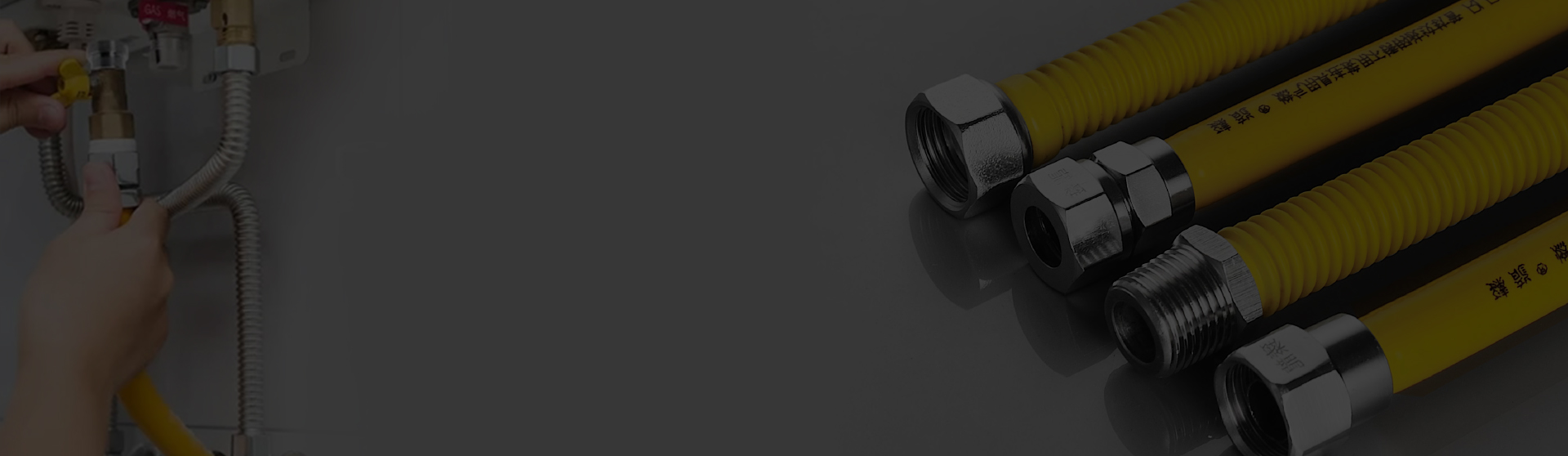

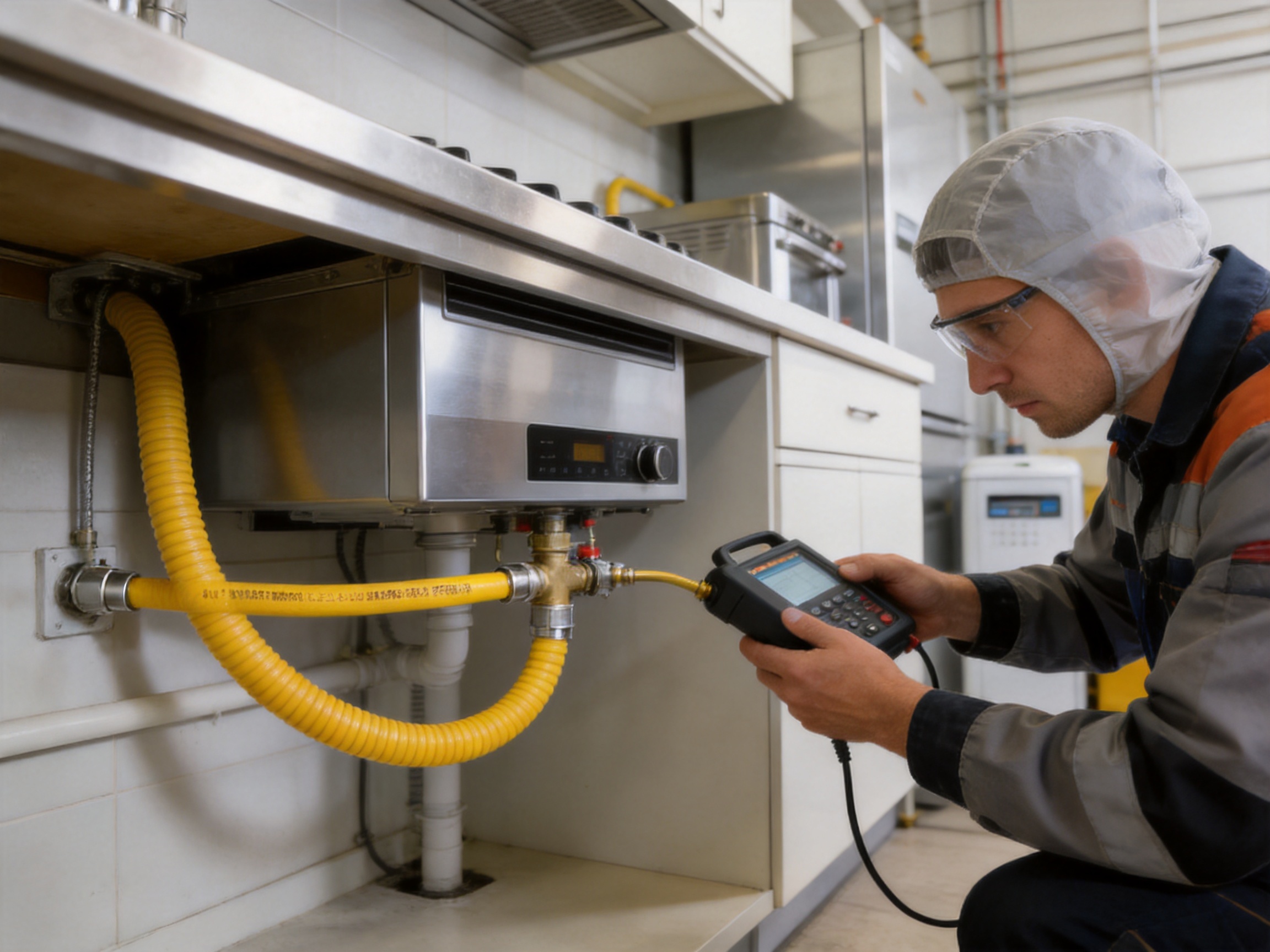
Modern gas appliances require connection components that can provide reliable sealing, mechanical flexibility, corrosion resistance, and long service life. A rigid pipe may be suitable for fixed sections of a gas distribution system, but it can become difficult to install when appliances need to be moved, aligned, serviced, or connected in areas affected by vibration. A flexible metal hose is designed to overcome these limitations while maintaining a dependable flow path.
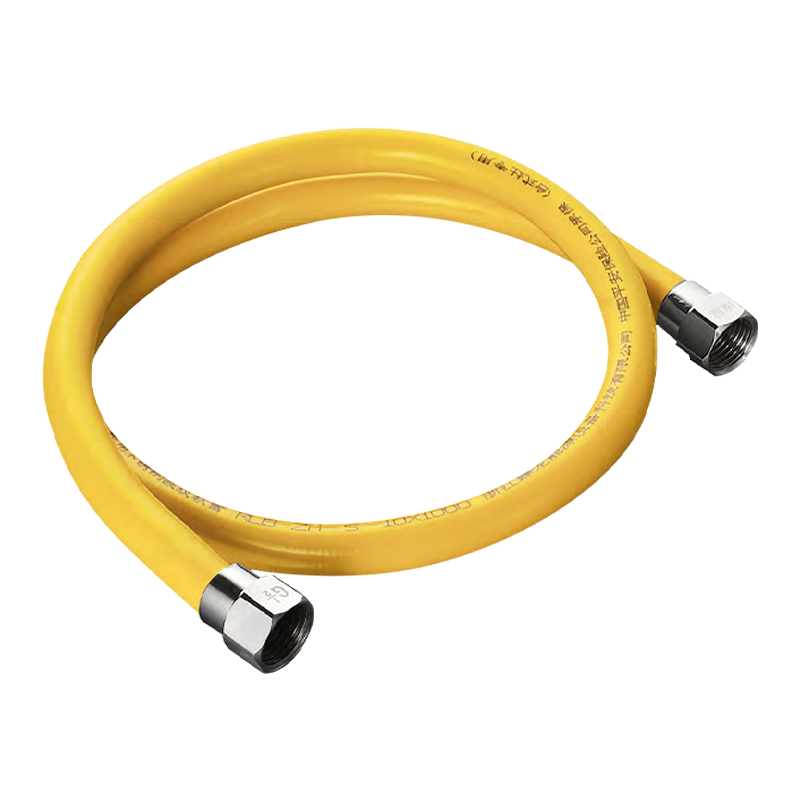
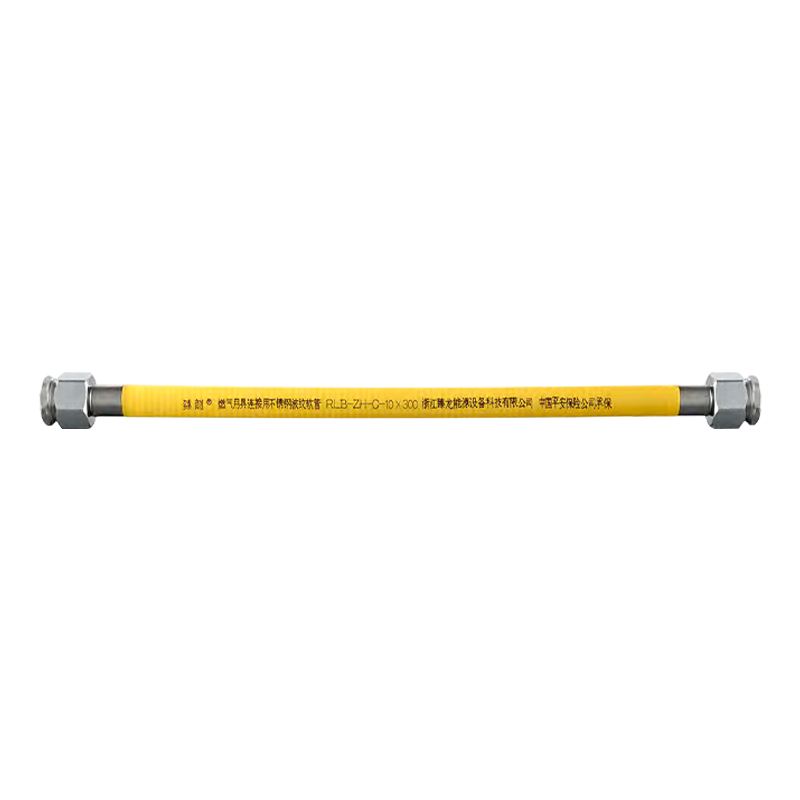
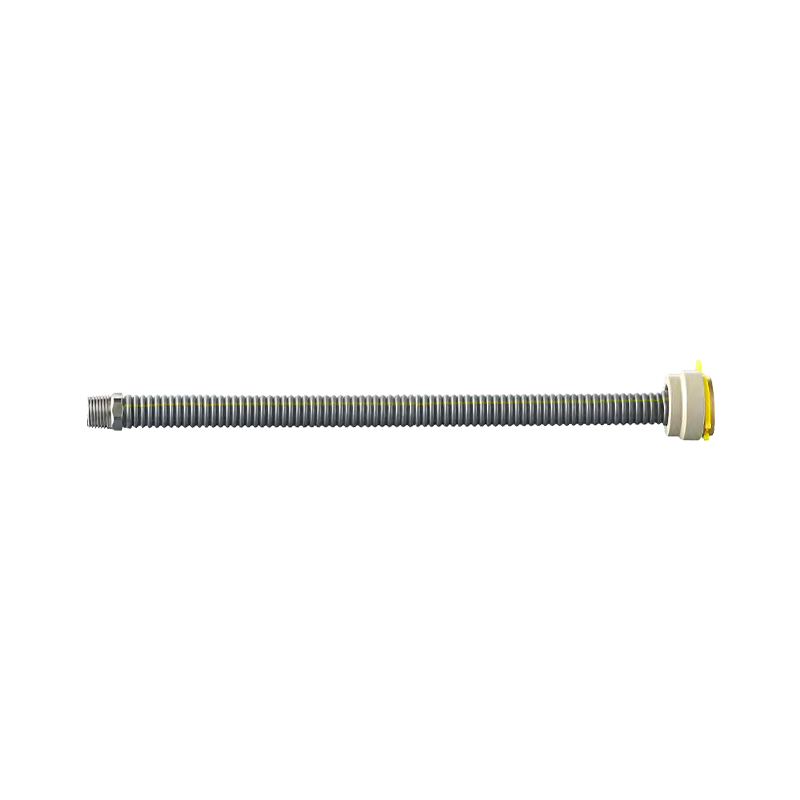
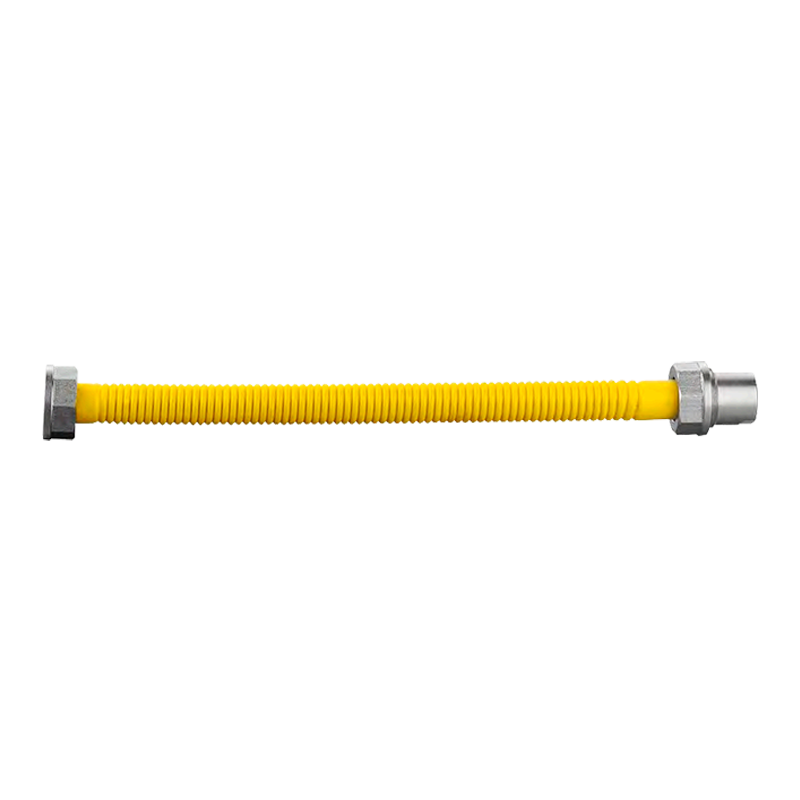
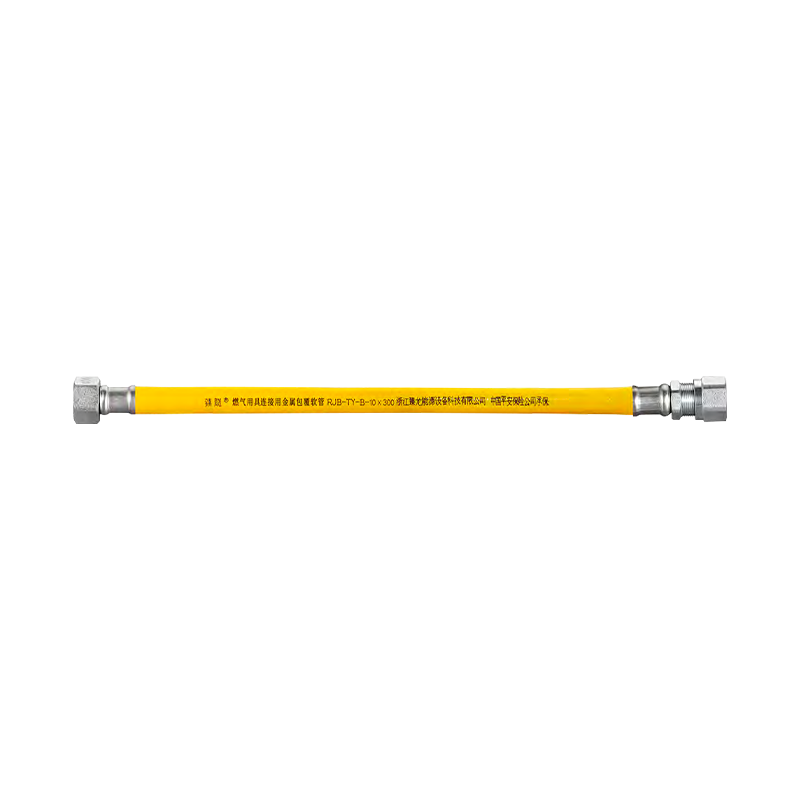
The ZLR-08 wear-resistant flexible pipe is a stainless steel corrugated gas hose developed for connecting gas appliances. Its main pressure-retaining element is a 304 stainless steel corrugated tube, supported by a protective PVC outer layer and connection components designed to improve sealing stability. This construction combines the strength of stainless steel with the flexibility required for appliance installation.
The hose is intended for applications in which the connection may experience movement, vibration, temperature variation, moisture, or limited installation space. Its corrugated structure allows controlled bending without requiring the entire connection to be forced into alignment. At the same time, the stainless steel tube provides resistance to corrosion, heat, fatigue, and mechanical deterioration.
This article examines the construction, performance advantages, manufacturing capabilities, installation considerations, quality controls, and application value of the ZLR-08. It also explains why the product can be a practical alternative to less flexible, less protected, or less carefully engineered connection solutions.
Content
- 1 Product Overview
- 2 Construction of the Corrugated Hose
- 3 Performance Advantages
- 4 Advantages Compared with Less Specialized Alternatives
- 5 Manufacturing and Engineering Strengths
- 6 Production Process for a Stainless Steel Corrugated Gas Hose
- 7 Application Areas
- 8 Installation Recommendations
- 9 Maintenance and Inspection
- 10 OEM and ODM Cooperation
- 11 How to Select the Correct Hose
- 12 Technical Value for Buyers and Distributors
- 13 Q&A
- 13.1 What is the main purpose of the ZLR-08?
- 13.2 What material is used for the inner corrugated tube?
- 13.3 What does the PVC outer layer do?
- 13.4 What is the listed nominal size?
- 13.5 What connection hardware is included?
- 13.6 What lengths are available?
- 13.7 Can the hose be bent repeatedly?
- 13.8 Can the hose support the weight of a gas appliance?
- 13.9 Can the hose be installed near a flame?
- 13.10 How should the connection be checked for leakage?
- 13.11 Is the flat gasket important?
- 13.12 What manufacturing capabilities support this product?
- 13.13 Can customized versions be produced?
- 13.14 What information should be supplied for a project quotation?
- 14 Conclusion
- 15 References
- 16 Product: Wear-resistant flexible pipe stainless steel corrugated gas hose ZLR-08
Product Overview
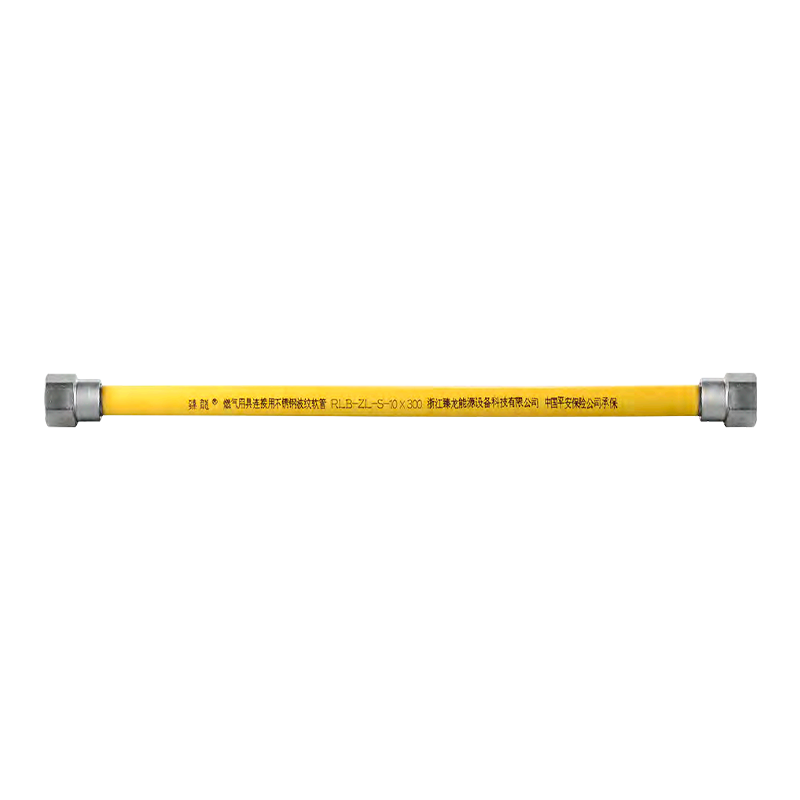
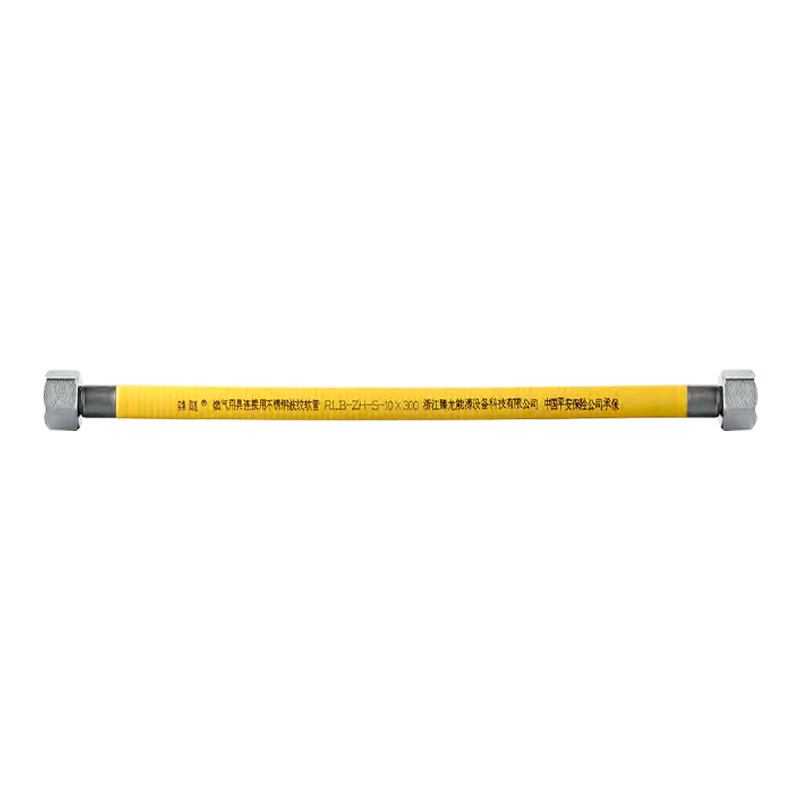
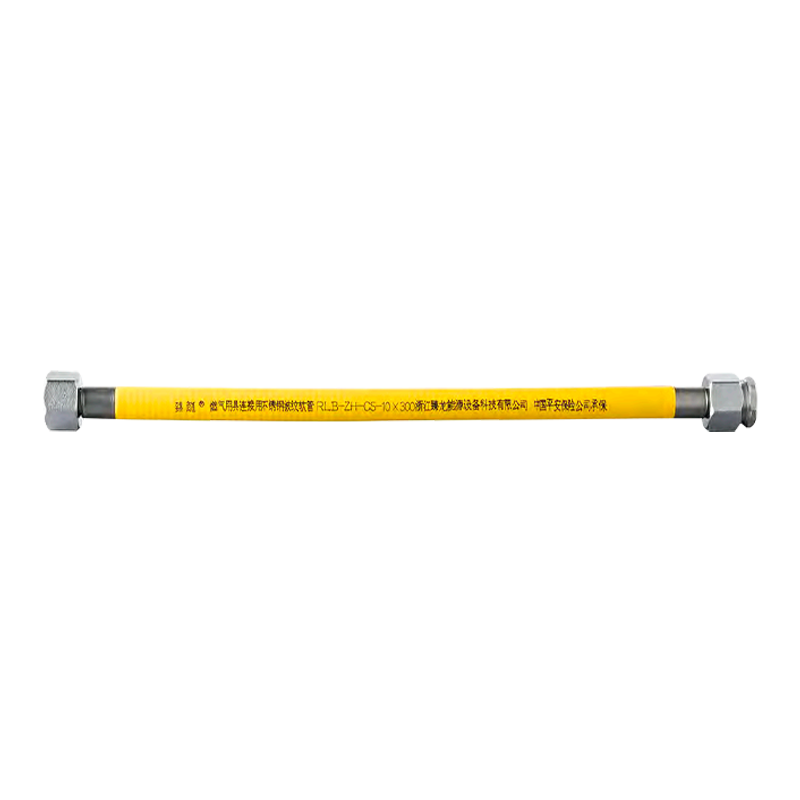
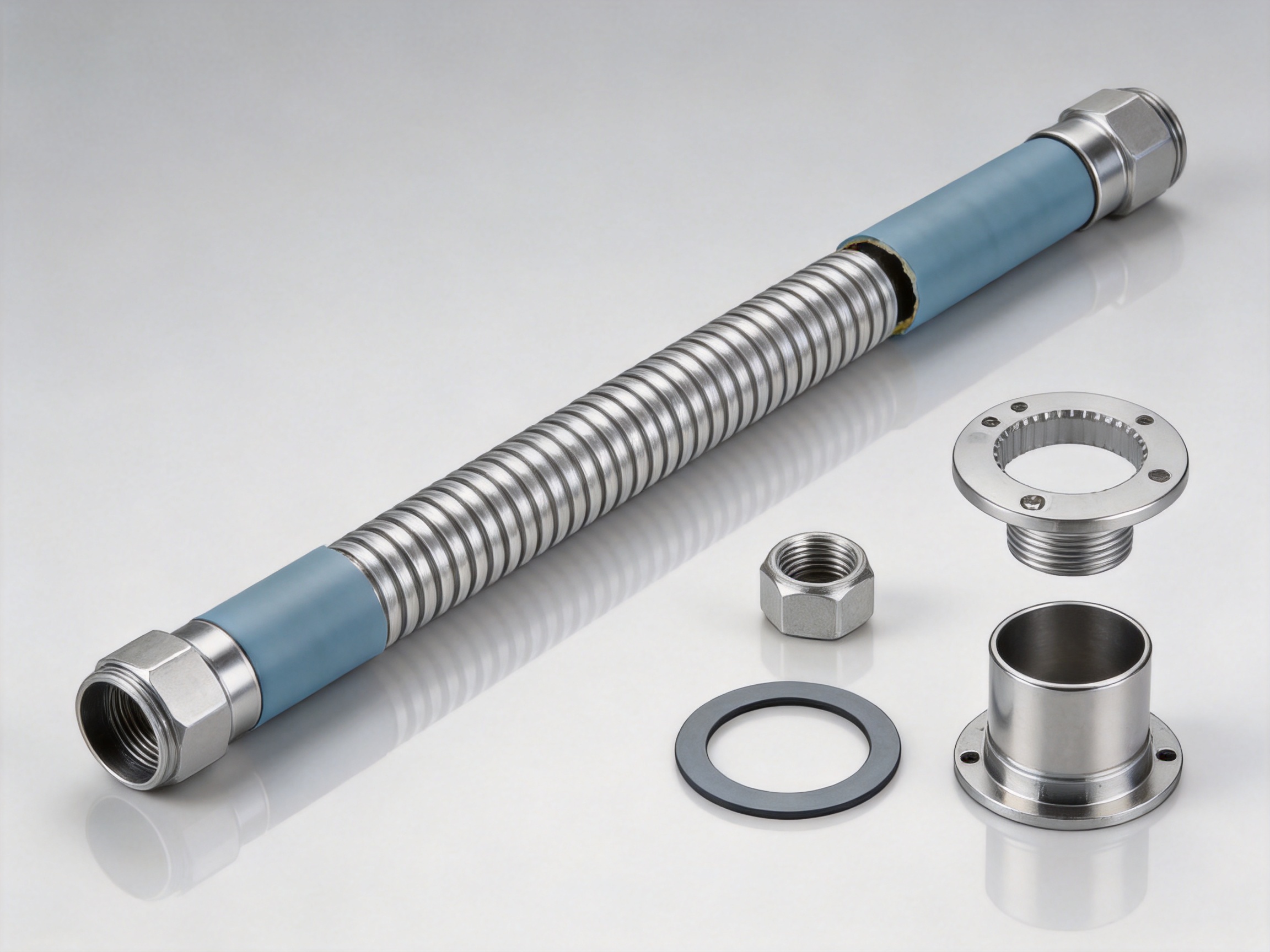
The ZLR-08 belongs to the category of stainless steel corrugated tubes for connecting gas appliances. It is configured around a DN10 corrugated tube with an outside diameter of approximately 16 mm. The standard listed specification includes a G1/2 nut, a flat gasket, a welding flange, a stainless steel sleeve, a 304 stainless steel bellows section, and a PVC cladding layer.
The available length range is listed as 300 mm to 2000 mm. This range allows the same basic product concept to serve both compact appliance connections and installations requiring additional routing distance. Exact length, thread configuration, and connection details should be confirmed before production or installation, particularly where national gas regulations require specific end fittings or certified assemblies.
The product has two primary functional zones. The first is the flexible hose body, which provides movement compensation and routing flexibility. The second is the end connection assembly, which creates the mechanical and sealing interface between the hose and the gas appliance or fixed pipeline. Both zones are important. A strong corrugated tube cannot deliver a reliable installation if the end connection is poorly aligned, improperly tightened, or fitted with an unsuitable gasket.
| Item | Specification | Function |
|---|---|---|
| Model | ZLR-08 | Wear-resistant flexible gas connection hose |
| Tube material | 304 stainless steel | Provides the primary flexible pressure-retaining passage |
| Nominal size | DN10 | Defines the nominal internal flow connection category |
| Approximate outside diameter | 16 mm | Supports dimensional planning and installation clearance |
| Thread component | G1/2 nut | Connects the hose assembly to compatible equipment or fittings |
| Sealing component | Flat gasket | Creates a sealing interface and distributes contact pressure |
| Protective covering | PVC cladding | Protects against moisture, abrasion, and environmental exposure |
| Typical length range | 300 mm to 2000 mm | Accommodates different appliance layouts and routing distances |
Construction of the Corrugated Hose
304 Stainless Steel Corrugated Tube
The central element of the ZLR-08 is a corrugated tube made from 304 stainless steel. Stainless steel is widely used in fluid and gas connection systems because it offers a useful balance of corrosion resistance, mechanical strength, forming performance, and temperature tolerance. The 304 grade is also suitable for manufacturing processes that require controlled forming and welding.
The corrugations are not merely a visual feature. They are formed to create a flexible geometry that allows the hose to bend while preserving a continuous flow passage. Compared with a smooth rigid tube, the corrugated structure can accommodate a greater degree of movement within a compact installation footprint. This is valuable when an appliance is positioned near a wall, inside a cabinet, beneath a worktop, or beside other service connections.
The corrugated shape also helps the tube absorb limited vibration and movement. Household and commercial appliances may generate vibration during operation, and building structures can experience minor movement caused by thermal expansion, equipment operation, or maintenance activity. A flexible corrugated tube can reduce the amount of force transferred directly to the appliance inlet and fixed pipework.
Corrugation and Fatigue Resistance
Repeated bending can cause fatigue in any metal component. For this reason, flexible hose design must consider more than the ability to bend once during installation. The tube must also tolerate the expected movement pattern without developing premature damage. The ZLR-08 is described as having excellent fatigue resistance and is designed for dynamic movement and vibration.
In practical terms, this means the hose should be routed with gradual bends rather than sharp kinks. The corrugations should not be crushed, flattened, twisted, or forced beyond the recommended bending limits. Correct installation allows the corrugations to work as intended, distributing movement along the length of the hose instead of concentrating stress at one point.
A well-designed corrugated tube can offer a significant advantage over a rigid pipe connection where alignment is difficult. Instead of applying leverage to the appliance connection, the installer can use the hose to bridge the distance and accommodate moderate positional variation. This reduces installation stress and can improve the long-term stability of the connection.
Stainless Steel Sleeve and Welding Flange
The listed product structure includes a stainless steel sleeve and a welding flange. These parts support the transition between the flexible tube and the connection hardware. The sleeve can help control the end of the corrugated section, while the flange provides a defined interface for assembly and sealing.
End construction is one of the most important factors in hose performance. The tube must be joined to the end fittings with consistent alignment, sufficient mechanical strength, and a clean internal passage. Manufacturing accuracy at this stage helps prevent uneven loading, leakage risk, or premature stress around the termination area.
PVC Protective Cladding
The outer PVC layer provides an additional protective barrier around the stainless steel tube. Although stainless steel is resistant to many corrosive conditions, it can still be affected by external abrasion, deposits, contact with dissimilar materials, moisture accumulation, and harsh installation environments. The PVC cover helps shield the metal surface from these influences.
The cladding is particularly useful when the hose passes through a cabinet or near other components. It can reduce direct contact between the metal tube and surrounding surfaces, helping protect against scuffing and localized abrasion. It also provides a layer of separation where the hose may be exposed to water droplets, condensation, cleaning residues, or humid air.
The PVC outer layer should not be interpreted as permission to install the hose in every possible environment. The temperature rating, chemical compatibility, exposure to sunlight, proximity to flames, and local regulations must always be considered. Nevertheless, for ordinary protected gas appliance installations, the cladding adds a practical level of environmental protection that an uncoated metal hose may not provide.
Flat Gasket and Sealing Stability
The ZLR-08 includes a flat gasket intended to create a sealing interface between the connection surfaces. The gasket increases the effective contact area between the fastener and equipment interface, helping distribute pressure more evenly. This can reduce the risk of localized deformation and improve the stability of the assembled joint.
Flat gaskets are simple components, but their condition and installation are critical. A gasket should be clean, correctly sized, properly seated, and compatible with the intended gas service. It should not be reused if it has been compressed, damaged, contaminated, or deformed. The connection should be tightened according to appropriate technical instructions rather than forced with excessive torque.
Performance Advantages
Flexible Installation in Restricted Spaces
One of the main advantages of the ZLR-08 is its ability to simplify gas appliance installation in spaces where rigid pipework would be inconvenient. A corrugated hose can be routed around minor obstacles and aligned with an appliance inlet without requiring multiple elbows or complicated offsets.
Fewer directional changes can reduce the number of separate joints in an installation. Every additional joint requires assembly, alignment, and inspection. By providing flexibility in the hose body, the product can help create a cleaner connection with fewer components. This may reduce installation time and make the finished system easier to inspect.
The product is also useful when appliance positions may change during final fitting. Cabinets, counters, burners, boilers, heaters, and other equipment are not always positioned exactly as shown on an initial drawing. A flexible connection can accommodate modest differences between the planned and actual location, provided the hose remains within its permitted installation conditions.
Resistance to Corrosion and Environmental Exposure
304 stainless steel provides strong resistance to ordinary atmospheric corrosion and moisture exposure. This is especially valuable in kitchens, utility rooms, plant areas, and other locations where the connection may encounter humidity or occasional condensation. The PVC covering adds another level of protection by limiting direct contact between the stainless steel surface and external contaminants.
Corrosion resistance contributes to service life, appearance, and maintenance reliability. A connection that maintains its structural condition over time is less likely to develop surface deterioration that complicates inspection or replacement. The use of stainless steel also supports applications where a clean, durable, and professional-looking installation is required.
Material selection must still be matched to the actual environment. Strong acids, aggressive chemicals, salt-laden atmospheres, and unusual industrial gases may require a different stainless steel grade, covering material, or specialized assembly. The product should therefore be selected in consultation with the manufacturer when exposure conditions are outside ordinary appliance service.
High-Temperature Tolerance
Gas appliance connections can be exposed to temperature changes during startup, operation, shutdown, and seasonal use. The stainless steel corrugated tube is suitable for conditions involving elevated temperatures and temperature fluctuations within the applicable design range. Its metallic construction provides a stable primary passage compared with materials that may soften or deform under heat.
The PVC cladding has its own temperature limitations, so the overall assembly must be installed away from direct flame and excessive radiant heat. Proper routing is important. The hose should not rest against hot surfaces, pass through an unprotected burner area, or be installed where the external covering can be damaged by heat. Where elevated temperatures are expected, the complete assembly should be evaluated rather than considering the metal tube alone.
Vibration and Movement Compensation
Appliances may vibrate because of fans, pumps, burners, compressors, or other operating components. Even small repeated movements can place stress on a rigid connection. The corrugated body of the ZLR-08 is designed to accommodate controlled movement and reduce the transmission of mechanical loads to the connection points.
This feature is useful not only during normal operation but also during maintenance. When an appliance is carefully moved for cleaning or service, a flexible connection may provide a degree of movement without requiring immediate disconnection. However, the hose should never be treated as a handle or used to support the weight of an appliance. Movement should remain limited and controlled.
Wear Protection
The product name emphasizes wear resistance, and the PVC layer is an important contributor to this characteristic. In installations where a hose passes near a cabinet wall, metal edge, floor surface, or adjacent fitting, repeated contact may gradually damage an unprotected tube. A protective outer layer reduces the likelihood of direct metal-to-surface abrasion.
Wear resistance is also supported by the choice of a stainless steel inner tube. The combination of a durable metal core and external covering provides protection from both internal service conditions and external installation hazards. Even so, installers should avoid routing the hose across sharp edges, under heavy objects, or through openings that can compress the covering.
Long-Term Durability
Long service life depends on material quality, forming accuracy, welding quality, connection design, correct installation, and appropriate maintenance. The ZLR-08 addresses these factors through its 304 stainless steel bellows, protective PVC cover, stainless steel sleeve, flange structure, and flat gasket arrangement.
Its fatigue-resistant corrugated construction is intended to preserve flexibility over repeated service conditions. Its corrosion-resistant materials help maintain structural integrity. Its protective cover reduces external damage. Its gasket and connection hardware support sealing performance. These features work together rather than functioning as isolated benefits.
Advantages Compared with Less Specialized Alternatives
Many connection solutions can transport gas, but they do not provide the same combination of flexibility, environmental protection, and appliance-specific design. A rigid metal pipe may offer strength, yet it can require more elbows and joints when space is limited. A basic uncoated hose may be flexible, yet it may provide less protection against moisture and abrasion. A low-quality assembly may look similar externally while having inconsistent corrugation, weak end connections, or unsuitable sealing components.
The ZLR-08 is differentiated by its integrated design. The corrugated stainless steel tube provides the flexible core. The PVC cladding protects the external surface. The sleeve and flange support the tube termination. The G1/2 nut and flat gasket create a defined connection arrangement. By combining these components in one engineered assembly, the product can reduce the need for improvised adaptations at the installation site.
Compared with ordinary rigid connections, the product can simplify routing and reduce stress caused by misalignment. Compared with unprotected flexible tubing, it offers better resistance to external wear and environmental exposure. Compared with poorly matched fittings, the listed component combination supports more predictable assembly and inspection.
These advantages do not eliminate the need for professional installation or regulatory compliance. Rather, they provide a stronger technical foundation for a correctly designed gas appliance connection.
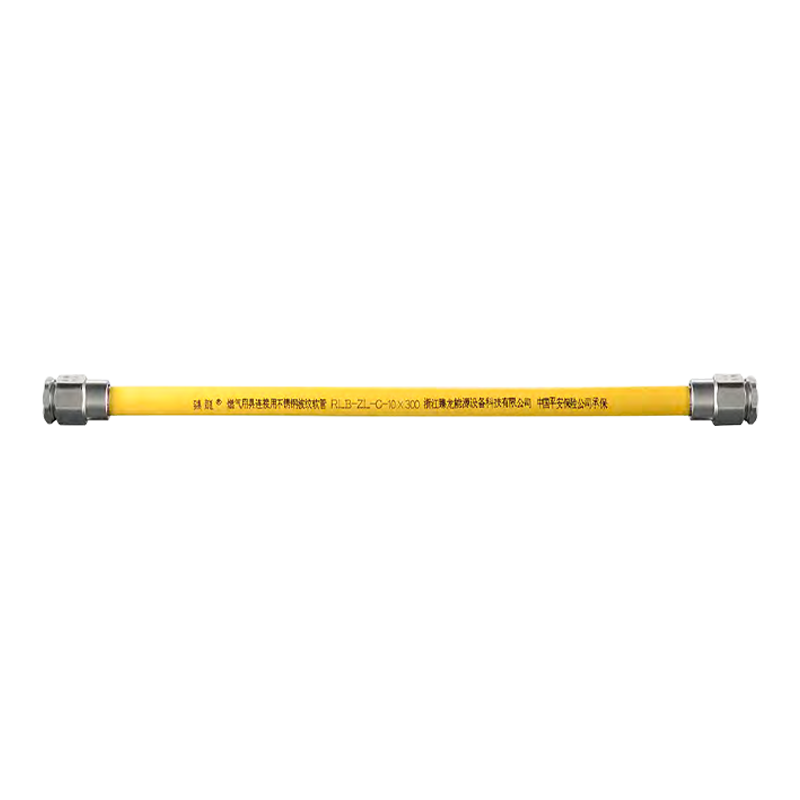
Wear-resistant flexible pipe stainless steel corrugated gas hose ZLR-08
Manufacturing and Engineering Strengths
The manufacturer is engaged in the research, development, manufacturing, and processing of energy equipment. Its product range includes metal hoses, natural gas pipelines, plumbing fittings, sanitary ware, valves, plastic products, and hardware. This broad product base provides experience across metal forming, welding, sealing, fluid control, and polymer processing.
The company integrates industry and trade, allowing technical production knowledge to be connected with customer requirements and market applications. This structure can be valuable for OEM and ODM projects because customers may require more than a standard catalog item. They may need a special length, fitting configuration, covering color, packaging method, or connection arrangement. An integrated manufacturing and commercial team can coordinate these requirements more efficiently.
Dedicated Production Capacity
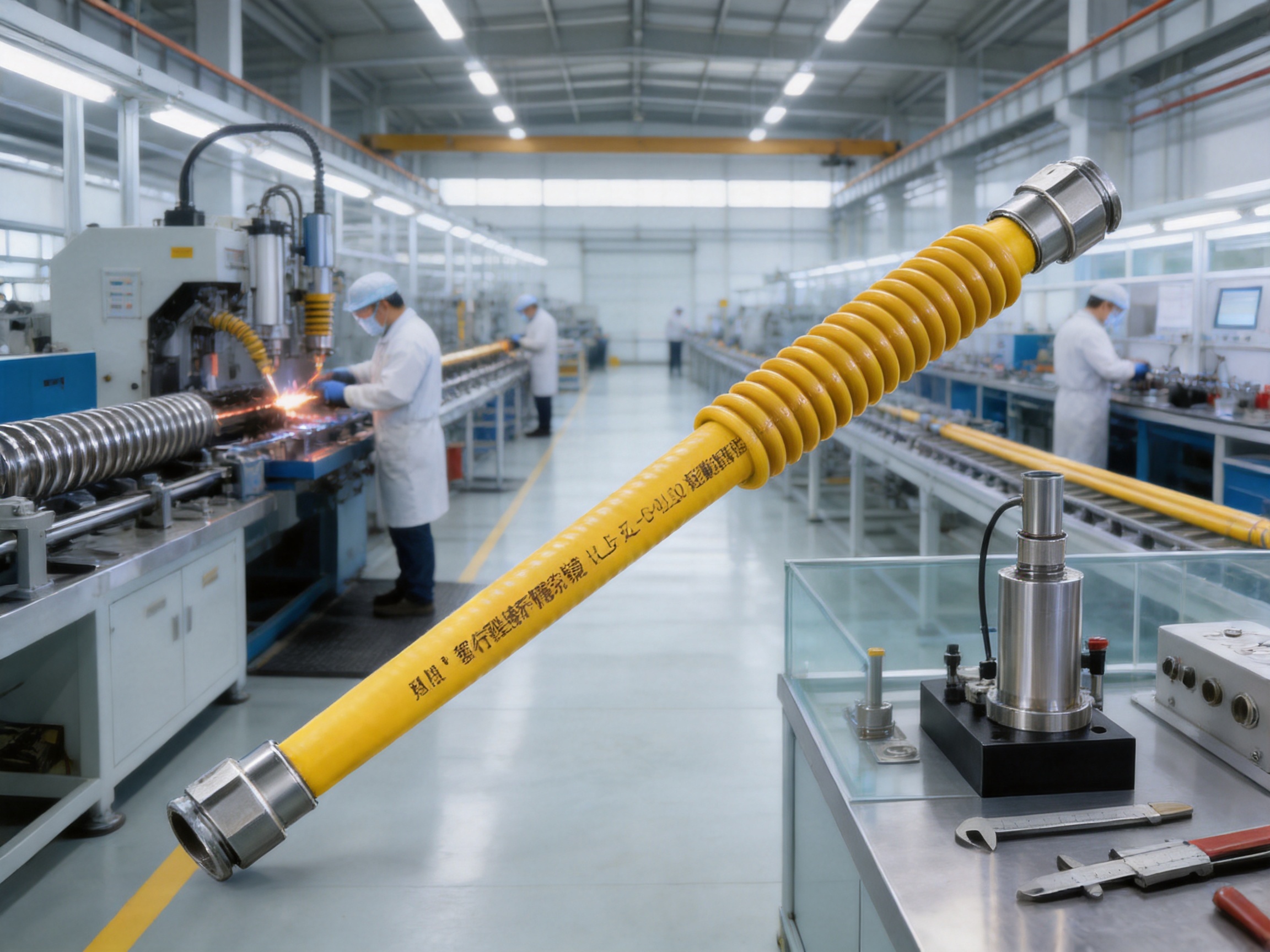
The company operates a factory covering approximately 40 acres, with a factory building of about 30,000 square meters. Its reported equipment base includes 30 welding and forming production lines. This scale supports the production of metal hose assemblies and related fittings while allowing multiple product configurations to be processed through organized production areas.
Welding and forming are central operations for stainless steel corrugated hose manufacturing. Forming determines the geometry and consistency of the bellows. Welding influences the strength and integrity of tube sections, sleeves, flanges, and other metal components. A facility with dedicated lines can support repeatable processing, better production scheduling, and more systematic quality checks.
Production capacity is especially important for distributors, appliance manufacturers, construction contractors, and project suppliers. These customers often need stable delivery, consistent dimensions, and repeat orders. A manufacturer with established lines and a broad facility can be better positioned to support both standard orders and larger procurement programs.
Hydrogen Furnace Technology
The company reports two uninterrupted solid melting hydrogen furnace production lines. Furnace capability is relevant to metal material processing because controlled melting and heat treatment influence the consistency of raw materials and formed components. Stable thermal conditions can support repeatable material properties and reduce variation between production batches.
Hydrogen furnace technology is also associated with controlled processing environments that can help limit oxidation during certain manufacturing stages. The exact process applied to each component depends on the material, product design, and production specification. For stainless steel products, controlled heating can contribute to surface quality and dimensional stability when properly managed.
For customers purchasing corrugated gas hoses, manufacturing control at the material and heat-processing stage is important because the finished product must combine flexibility with structural reliability. The corrugations must deform elastically within the intended operating range, while the end areas must retain sufficient strength for assembly and service.
Material Analysis Equipment
The company has testing equipment such as metal material analysis direct-reading spectrometers. Material analysis helps verify the composition of incoming metals and supports the identification of alloy grades. For a product specified with 304 stainless steel, confirming material composition is an important part of maintaining traceability and product consistency.
Material verification can reduce the risk of using an incorrect stainless steel grade or an unsuitable substitute. Although visual inspection cannot reliably distinguish all stainless steel grades, analytical equipment can provide more dependable information about alloy composition. This supports purchasing control, production records, and quality documentation.
Material analysis is also useful when developing customized products. If a customer requires a different stainless steel grade, a special fitting material, or a particular corrosion-resistance profile, analytical capability can help support the development and verification process.
Flow Tightness Testing
The reported use of flow tightness testers is directly relevant to gas hose manufacturing. A gas connection assembly must maintain a sealed passage under its applicable test conditions. Tightness testing can help identify leaks caused by incorrect welding, damaged tube sections, poor fitting assembly, gasket problems, or other manufacturing defects.
Testing should be organized according to documented procedures, appropriate pressure levels, suitable test media, and relevant technical standards. A reliable production system does not depend only on visual inspection. It combines dimensional checks, material verification, weld inspection where applicable, pressure or tightness testing, and final assembly review.
For customers, this testing capability provides greater confidence that the product has been evaluated as a complete hose assembly rather than only as separate components. The tube, fittings, gasket, and protective cover must work together in the final configuration.
Quality Management and Certifications
The company reports implementation of the ISO9000:2008 quality management system, a Special Equipment Manufacturing License for pressure pipelines issued by the People’s Republic of China, and EU CE certification testing reports. It is also identified as a member of the China Urban Gas Association.
Quality management systems help organize responsibilities, production procedures, inspection records, corrective actions, supplier controls, and customer feedback. A formal management framework can make manufacturing more consistent and provide a basis for continual improvement.
Certifications, licenses, and testing reports should always be reviewed for the exact product, scope, issuing body, validity period, and applicable market. A certification associated with one product family does not automatically cover every configuration. Buyers should request current documentation when a project requires formal compliance evidence.
Production Process for a Stainless Steel Corrugated Gas Hose
Material Preparation
Production begins with the selection and preparation of stainless steel and other approved materials. Incoming materials should be checked against purchase specifications, dimensions, surface condition, and, where required, chemical composition. The material must be suitable for corrugation, welding, machining, and final service conditions.
Tube Forming
The stainless steel tube is formed into the required corrugated geometry. The forming process must control pitch, depth, diameter, wall condition, and overall length. Excessive variation may affect flexibility, flow characteristics, mechanical strength, or compatibility with the end fittings.
Forming equipment should be adjusted and maintained to ensure repeatable results. Operators and inspectors can use dimensional checks to confirm that the bellows profile remains within the product specification. Consistent corrugation is particularly important when hoses are produced in different lengths or in large quantities.
End Preparation and Welding
The ends of the corrugated tube are prepared for connection to the sleeve, flange, and nut assembly. Welding must be performed with suitable parameters, clean surfaces, and controlled alignment. The resulting joint should have adequate strength and should not obstruct the internal passage or create sharp defects that could affect service.
Welded areas may require visual inspection, dimensional inspection, leak testing, or other checks depending on the design and applicable standard. Consistency in end preparation helps ensure that the flat gasket and connection hardware sit correctly during final assembly.
Protective Covering
After the metal hose body and end fittings are assembled, the PVC cladding is applied or positioned according to the product design. The cover should be continuous over the intended protection zone and should not interfere with the nut, gasket, flange, or equipment interface.
The covering process must avoid cuts, excessive thinning, bubbles, loose sections, or contamination. The final cover should remain securely positioned during handling and installation. If the product is supplied with exposed metal at the connection ends, that transition should be clean and well defined.
Final Assembly and Inspection
Final inspection may include checking the overall length, outside diameter, thread condition, gasket presence, fitting alignment, corrugation appearance, PVC cover condition, and marking or packaging. Tightness testing provides an additional check of the completed assembly.
Product identification is also important. Model information, batch records, length, and production documentation can support future replacement, quality investigation, and customer service. For OEM projects, additional labeling or packaging requirements can be discussed during the order review process.
Application Areas
Residential Gas Appliances
The ZLR-08 can be considered for connections between compatible household gas appliances and fixed gas supply points. Potential applications may include cooking equipment, water heating appliances, heating equipment, and other gas-operated units, subject to local regulations and the approved use of the specific hose assembly.
Residential installations often have restricted spaces and frequent cleaning or maintenance activity. The flexible hose can help accommodate cabinet layouts while the PVC cover provides protection against ordinary contact and moisture. The connection should remain accessible for inspection and should not be buried behind permanent construction where it cannot be checked or replaced.
Commercial Kitchens
Commercial kitchens may contain multiple appliances arranged in compact spaces. Their connections can be exposed to heat, humidity, grease, movement, and frequent cleaning. A stainless steel corrugated gas hose with an external protective layer can provide a practical connection solution when the product is selected for the actual temperature and service conditions.
Commercial installations require careful attention to routing. Hoses should be kept away from direct flame, hot exhaust, sharp edges, heavy equipment, and areas where cleaning tools may cause damage. Where appliances are movable, the hose length and movement allowance should be selected to prevent stretching, crushing, or repeated over-bending.
Industrial and Equipment Connections
Some industrial equipment requires a flexible gas connection to compensate for vibration or limited movement. The ZLR-08 may be considered for suitable low- to moderate-scale equipment applications when pressure, temperature, gas composition, connection type, and regulatory requirements are compatible.
Industrial users should provide complete operating information before selecting a hose. This includes working pressure, maximum and minimum temperature, gas type, flow requirement, vibration pattern, installation orientation, and expected service life. If the application involves aggressive chemicals, outdoor exposure, high pressure, or severe movement, a technical review is recommended.
Installation Recommendations
Gas hose installation should be performed by qualified personnel in accordance with local laws, gas safety rules, appliance instructions, and applicable technical standards. The product should not be modified by cutting, drilling, welding, or replacing fittings in the field unless the manufacturer specifically authorizes the procedure.
Before installation, confirm the hose model, length, nominal size, thread type, gasket condition, and equipment compatibility. Inspect the hose for shipping damage, cuts, crushed corrugations, damaged threads, missing components, or deformation. Do not install a hose that appears compromised.
Route the hose with smooth bends and adequate clearance. Avoid tight kinks, twisting, compression, sharp edges, excessive tension, and contact with moving mechanisms. The hose should connect naturally between the fixed supply point and the appliance without being forced into position.
Support the appliance independently. The hose must not carry the weight of the appliance or act as a structural support. If the appliance can move, determine the movement range and ensure that the hose is long enough and routed appropriately to avoid strain.
Use the supplied or approved flat gasket. Ensure that the sealing faces are clean and undamaged. Tighten the connection using suitable tools and the recommended procedure. Do not rely on excessive torque to compensate for a damaged gasket, incorrect thread, or misaligned fitting.
After installation, the connection should be tested for tightness using an approved method. Open flames must never be used to search for gas leaks. Any leak, unusual odor, damaged covering, or abnormal movement should be addressed immediately by qualified personnel.
Maintenance and Inspection
Regular visual inspection can help identify problems before they become serious. Inspect the PVC covering for cuts, cracking, abrasion, discoloration, swelling, or separation. Examine the exposed connection areas for corrosion, deformation, thread damage, or signs of leakage.
Check that the hose remains free from sharp bends and that the appliance has not shifted into a position that places tension on the connection. Confirm that surrounding objects have not been added in a way that crushes or rubs against the hose.
The service interval depends on the installation environment, local regulations, appliance type, and manufacturer instructions. A hose exposed to movement, heat, moisture, or commercial cleaning conditions may require more frequent inspection than one installed in a stable, protected location.
Replacement should be considered if the hose has been damaged, exposed to fire, severely abraded, permanently deformed, contaminated by incompatible chemicals, or involved in an incident that may have affected its integrity. Gaskets should also be replaced when required rather than repeatedly reused.
OEM and ODM Cooperation
The manufacturer’s experience in metal hoses, corrugated hoses, pipe fittings, plastic products, and related energy equipment supports customized production. Customers may require specific lengths, packaging, connection combinations, surface treatments, labels, or application-oriented modifications.
An effective OEM or ODM process begins with a clear technical specification. Important information includes nominal diameter, hose length, end fitting type, thread standard, working pressure, temperature range, gas medium, cover material, color, marking, inspection requirements, and annual quantity. Drawings, samples, and installation photographs can further reduce the risk of misunderstanding.
Customization should not compromise safety-critical design features. Changes to the corrugation, welding method, gasket material, fitting geometry, or protective covering should be evaluated through engineering review and appropriate testing. The manufacturer’s production, testing, and material-analysis capabilities can support this development process.
How to Select the Correct Hose
Length is the first practical consideration. The hose should be long enough to make the connection without tension but not so long that it forms unnecessary loops or contacts hot surfaces. The listed ZLR-08 range of 300 mm to 2000 mm provides several planning options, but the actual required length should be measured after considering the routing path and connection orientation.
Connection compatibility is equally important. The listed assembly includes a G1/2 nut, but the appliance and supply point must have matching and suitable interfaces. Thread appearance alone is not enough to confirm compatibility. The thread standard, gender, sealing method, nominal size, and connection face must all be verified.
Environmental conditions should also guide selection. Consider moisture, cleaning chemicals, outdoor exposure, temperature, radiant heat, vibration, movement, and possible abrasion. The standard PVC covering may be suitable for many protected installations, while unusual conditions may require a special covering or alternative product.
Finally, consider documentation. Commercial, industrial, and export projects may require material certificates, test reports, quality records, certification documents, packaging specifications, and traceability. These requirements should be agreed before production begins.
Technical Value for Buyers and Distributors
For distributors, the ZLR-08 offers a product format that is easy to explain and suitable for several appliance connection scenarios. The combination of stainless steel flexibility, PVC protection, standard connection hardware, and multiple length options can simplify inventory planning.
For appliance manufacturers, a consistent hose assembly can help standardize installation kits and reduce the need for separate connection components. The manufacturer can discuss dedicated lengths or fitting configurations for a specific appliance series.
For contractors and project suppliers, the hose can help address difficult routing conditions while maintaining a neat finished appearance. Its protective covering may also reduce damage during handling and installation, although normal care remains necessary.
For end users, the main value is a connection that is flexible, durable, protected, and designed for inspection. Product performance is strongest when the hose is correctly selected, installed, tested, and maintained.
Q&A
What is the main purpose of the ZLR-08?
The ZLR-08 is a flexible stainless steel corrugated hose designed for connecting gas appliances to compatible gas supply points. It is intended to accommodate installation movement, vibration, and routing limitations while providing a durable gas connection.
What material is used for the inner corrugated tube?
The inner corrugated tube is made from 304 stainless steel. This material provides corrosion resistance, mechanical strength, flexibility through formed corrugations, and tolerance to temperature changes within the applicable design range.
What does the PVC outer layer do?
The PVC cladding helps protect the stainless steel tube from moisture, water, abrasion, contact with surrounding surfaces, and other ordinary environmental influences. It does not make the hose suitable for direct flame or unlimited high-temperature exposure.
What is the listed nominal size?
The listed nominal size is DN10, with an approximate outside diameter of 16 mm. The actual flow capacity and connection compatibility should be confirmed against the complete product specification and the appliance requirements.
What connection hardware is included?
The listed assembly includes a G1/2 nut, flat gasket, welding flange, stainless steel sleeve, 304 stainless steel bellows, and PVC cladding. Customers should confirm the exact configuration before ordering, especially for customized or export applications.
What lengths are available?
The listed length range is 300 mm to 2000 mm. Exact available lengths, tolerances, and customized options should be confirmed with the manufacturer before production or purchase.
Can the hose be bent repeatedly?
The corrugated structure is designed to accommodate controlled movement and has good fatigue resistance. However, it should not be repeatedly over-bent, twisted, crushed, kinked, or used beyond its specified bending limits. Correct routing is essential for long-term performance.
Can the hose support the weight of a gas appliance?
No. The appliance must be independently supported. The hose is a connection component and should not be used as a structural support, handle, lifting point, or substitute for proper appliance installation.
Can the hose be installed near a flame?
The hose should not be exposed to direct flame or excessive radiant heat. Although the stainless steel tube tolerates elevated temperatures, the PVC covering and complete assembly have defined operating limits. Follow appliance instructions and applicable safety requirements.
How should the connection be checked for leakage?
Leak testing should be completed by qualified personnel using an approved method and suitable test equipment. An open flame must never be used to detect a gas leak. If leakage is suspected, shut off the gas supply where safe to do so and seek professional assistance.
Is the flat gasket important?
Yes. The flat gasket creates the sealing interface and helps distribute contact pressure across the connection face. It must be clean, correctly sized, compatible with the service, and replaced if damaged or permanently deformed.
What manufacturing capabilities support this product?
The manufacturer reports 30 welding and forming production lines, two uninterrupted solid melting hydrogen furnace production lines, metal material analysis spectrometers, flow tightness testing equipment, and an established quality management system. These resources support material verification, forming, welding, assembly, and final testing.
Can customized versions be produced?
OEM and ODM cooperation may be available for requirements such as length, end fittings, packaging, marking, covering, and application-specific configurations. A complete technical specification should be provided so the design can be reviewed before production.
What information should be supplied for a project quotation?
Useful information includes required quantity, hose length, nominal size, thread type, appliance model, gas medium, working pressure, temperature range, installation environment, cover requirements, inspection documents, packaging, and delivery schedule.
Conclusion
The ZLR-08 wear-resistant flexible stainless steel corrugated gas hose is designed to address the practical challenges of gas appliance connections. Its 304 stainless steel corrugated tube provides flexibility, corrosion resistance, fatigue resistance, and tolerance to temperature variation. Its PVC outer layer adds protection against moisture, abrasion, and ordinary environmental contact. Its sleeve, welding flange, G1/2 nut, and flat gasket form an integrated connection assembly intended to support reliable installation.
Compared with rigid or inadequately protected alternatives, the product offers greater routing flexibility and improved resistance to external wear. It can help reduce installation stress, accommodate controlled movement, and provide a cleaner connection in restricted spaces. These advantages are supported by the manufacturer’s reported production infrastructure, including welding and forming lines, furnace equipment, material analysis systems, tightness testing, and quality management procedures.
The product should always be selected and installed according to the actual gas service, pressure, temperature, connection standard, local regulations, and appliance instructions. When those requirements are properly addressed, the ZLR-08 can provide a durable and practical connection solution for residential, commercial, and suitable industrial gas appliance applications.
References
1. Stainless Steel Material Selection Principles for Fluid and Gas Connection Components.
2. General Engineering Guidance for Corrugated Metal Hoses and Flexible Pipe Assemblies.
3. Quality Management System Principles for Manufacturing and Inspection Operations.
4. General Safety Practices for Gas Appliance Installation, Leak Testing, and Maintenance.
5. Technical Guidance on Metallic Bellows, Fatigue Resistance, and Controlled Bending.
6. General Requirements for Pipe Fittings, Sealing Gaskets, Threads, and Flanged Connections.
7. Manufacturer Product Information for the ZLR-08 Stainless Steel Corrugated Gas Hose.