 English
 中文简体
 Español
 عربى

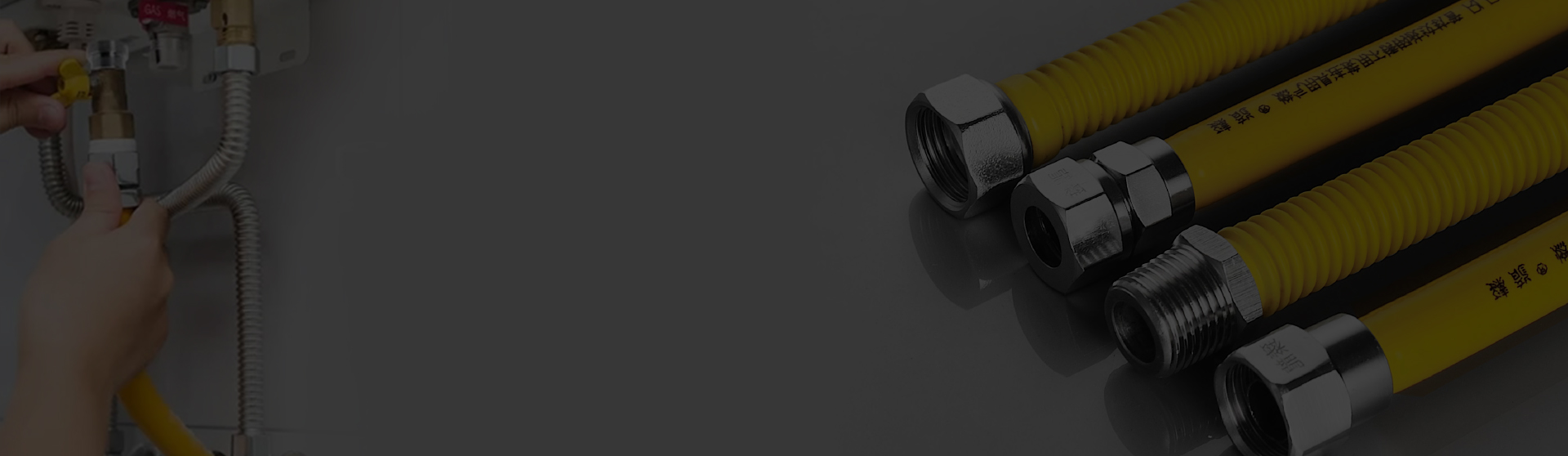

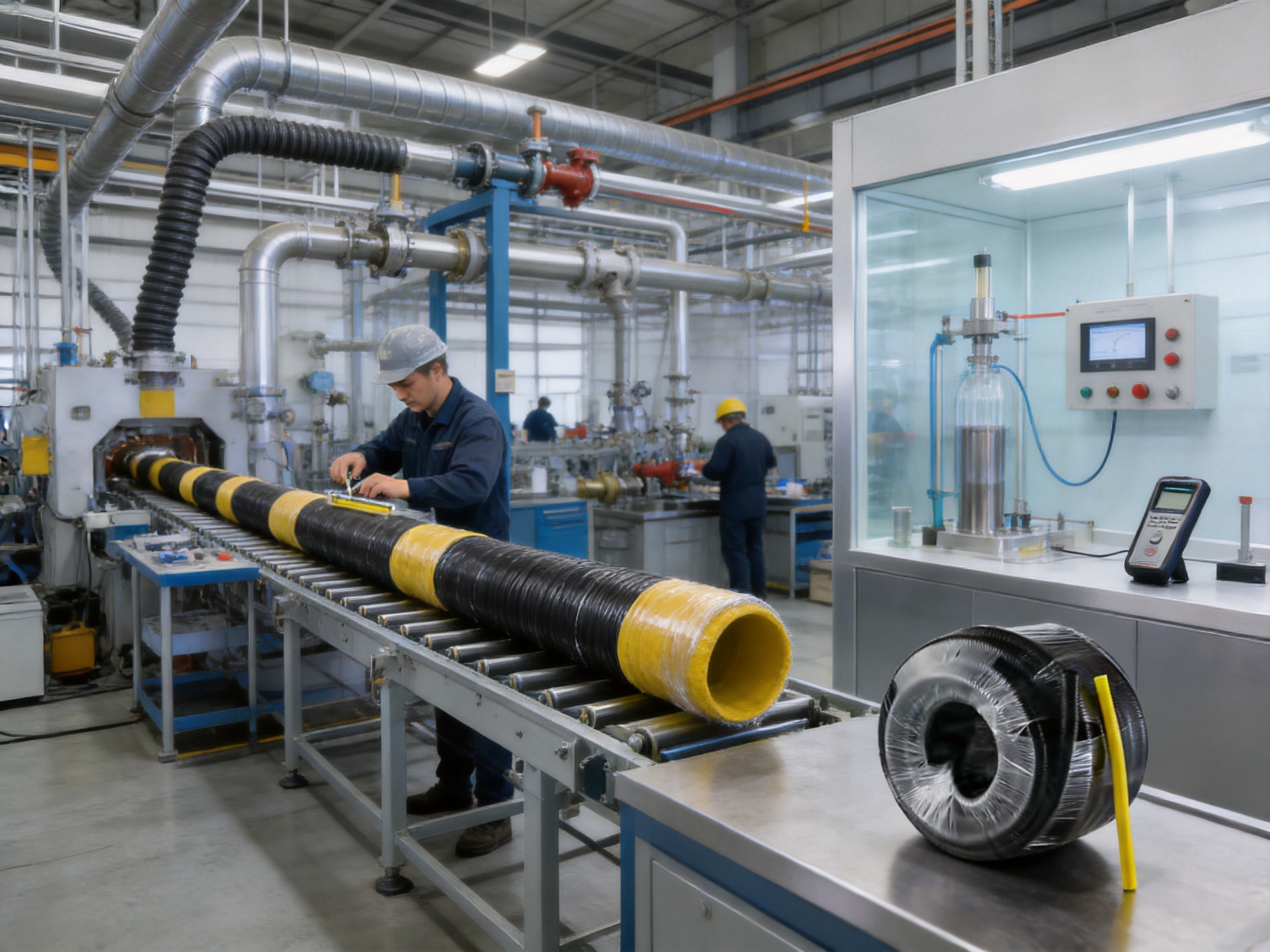
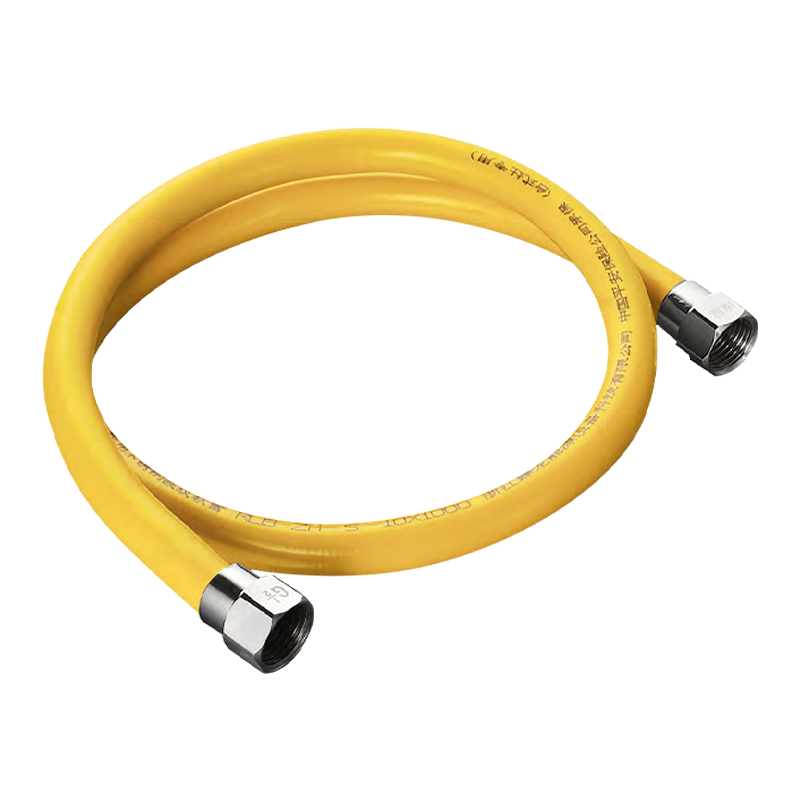
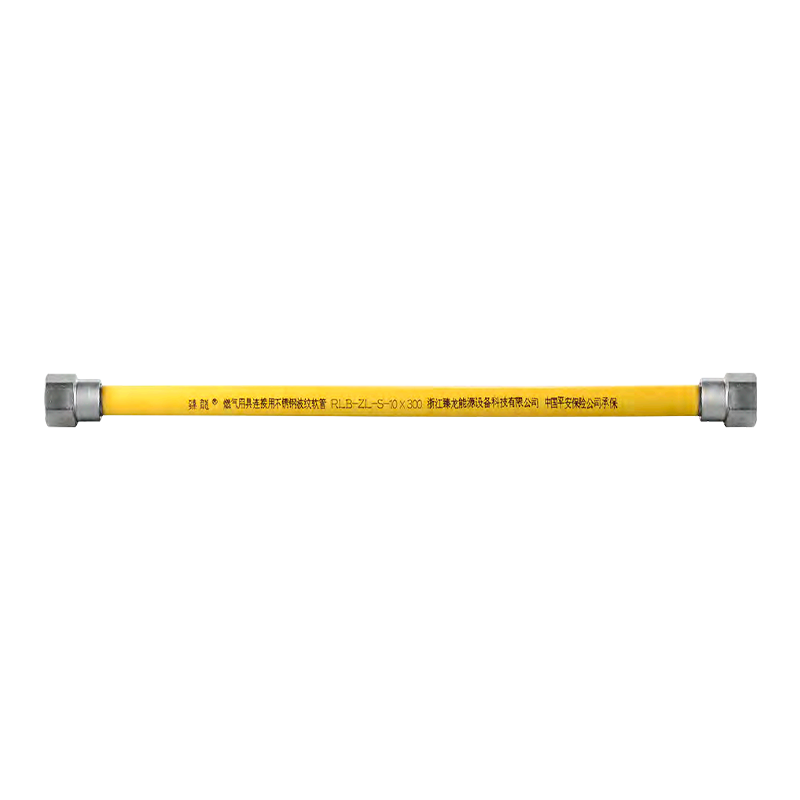
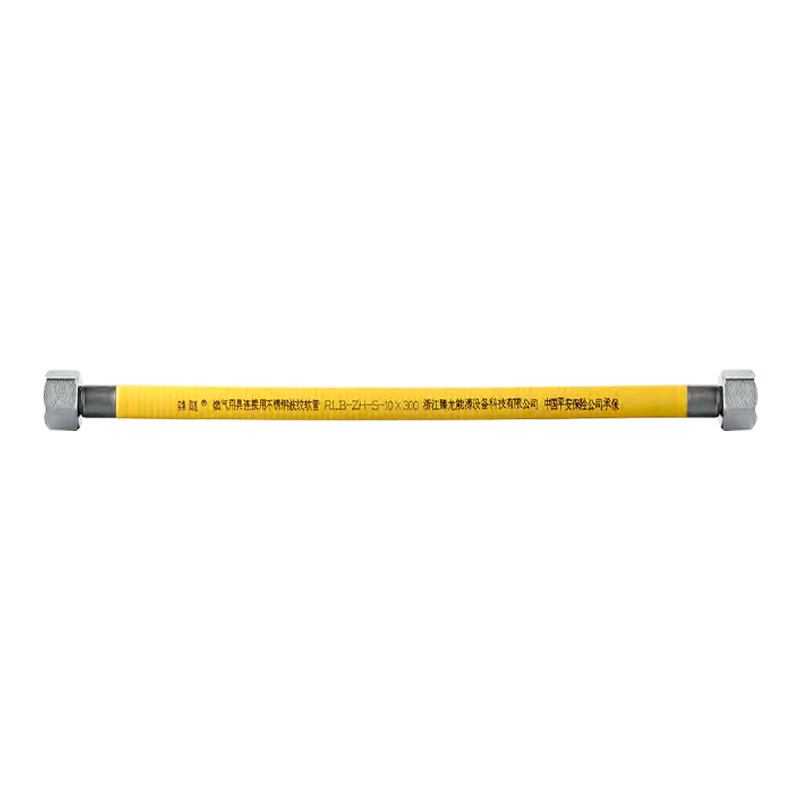
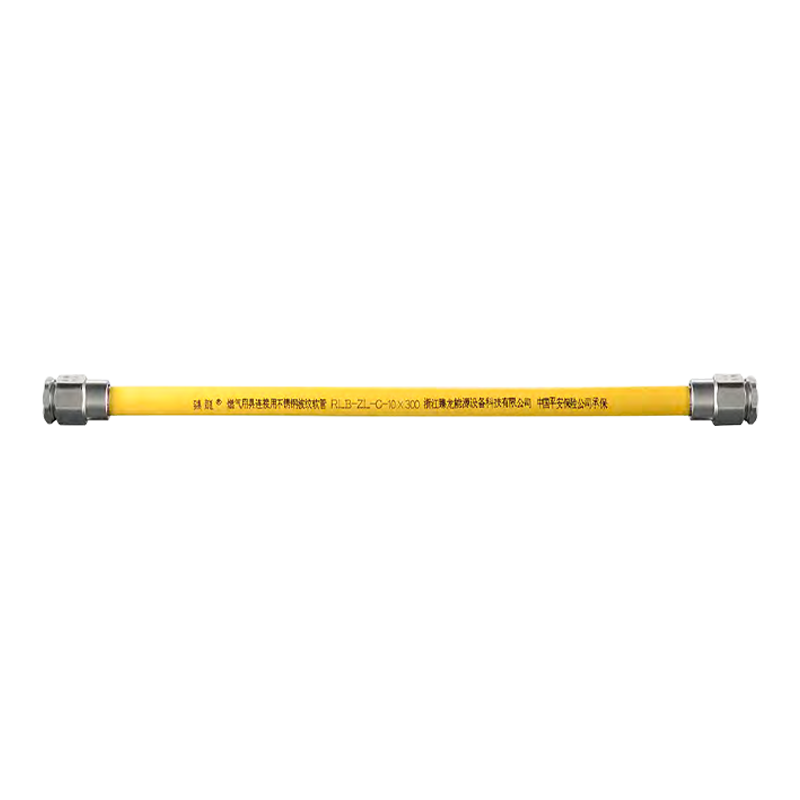
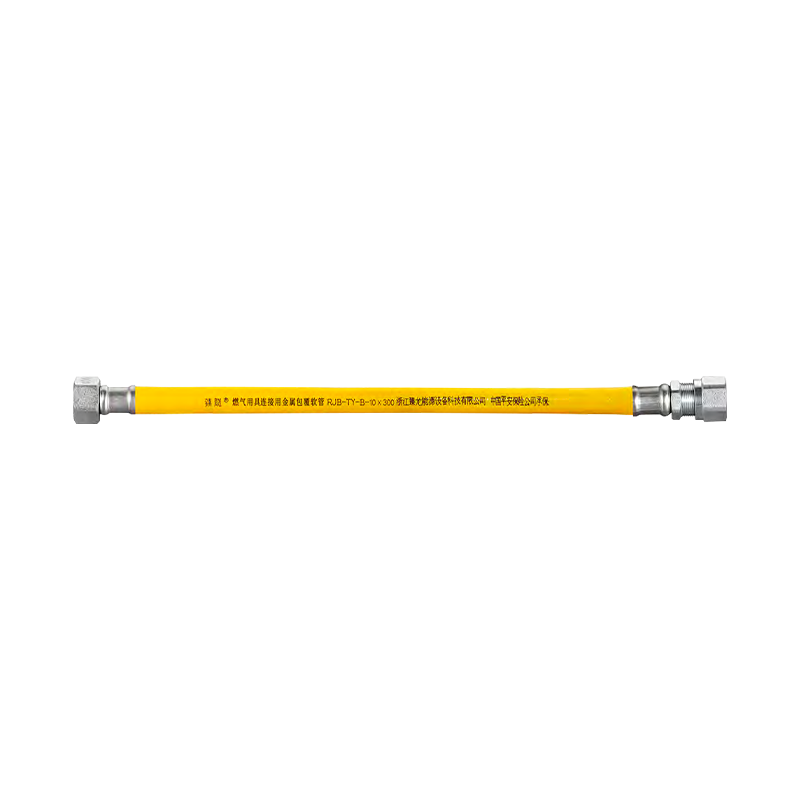
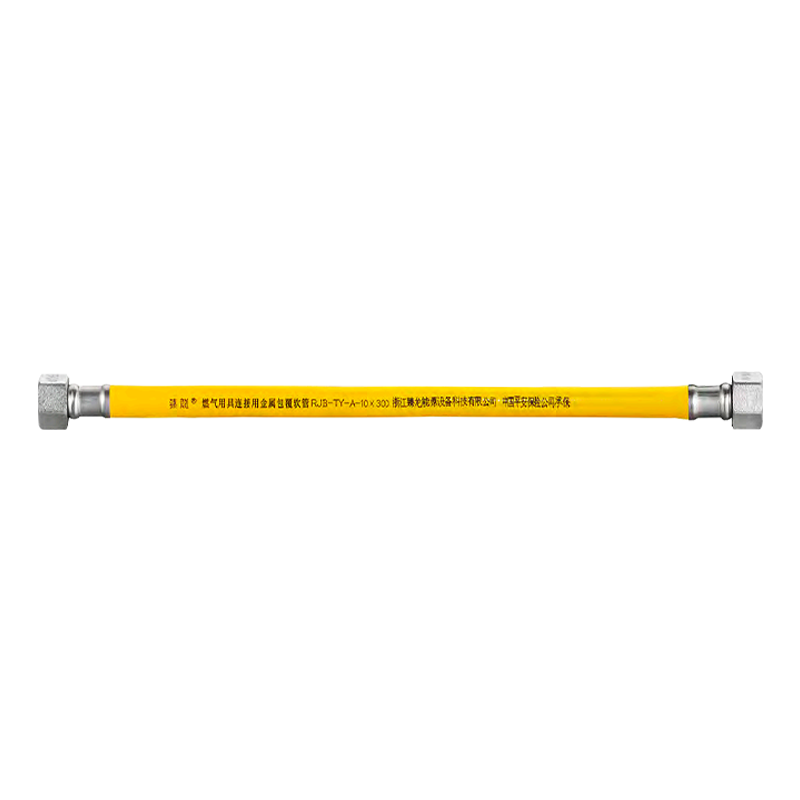
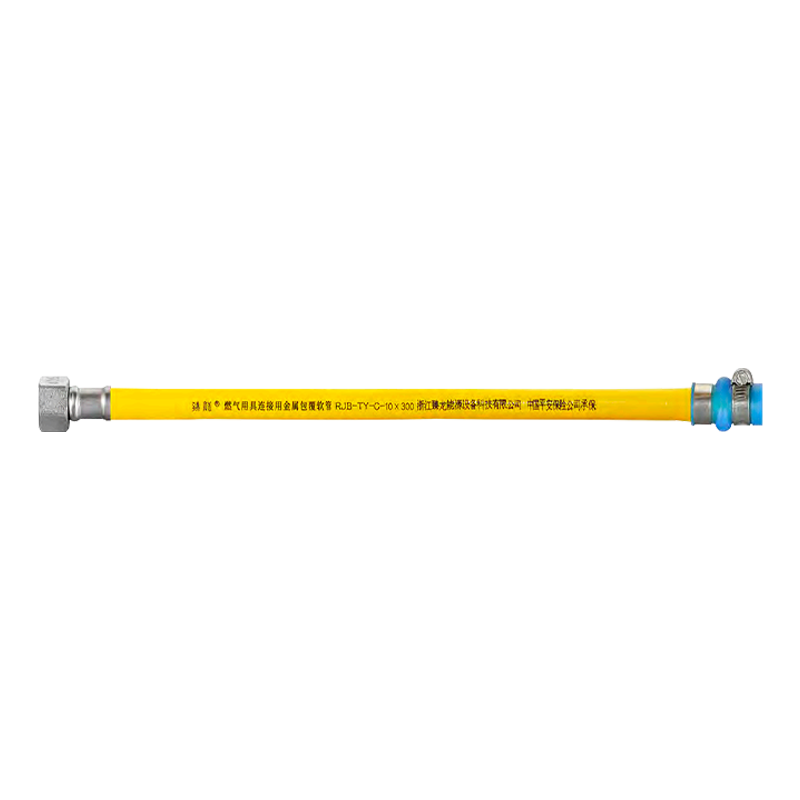
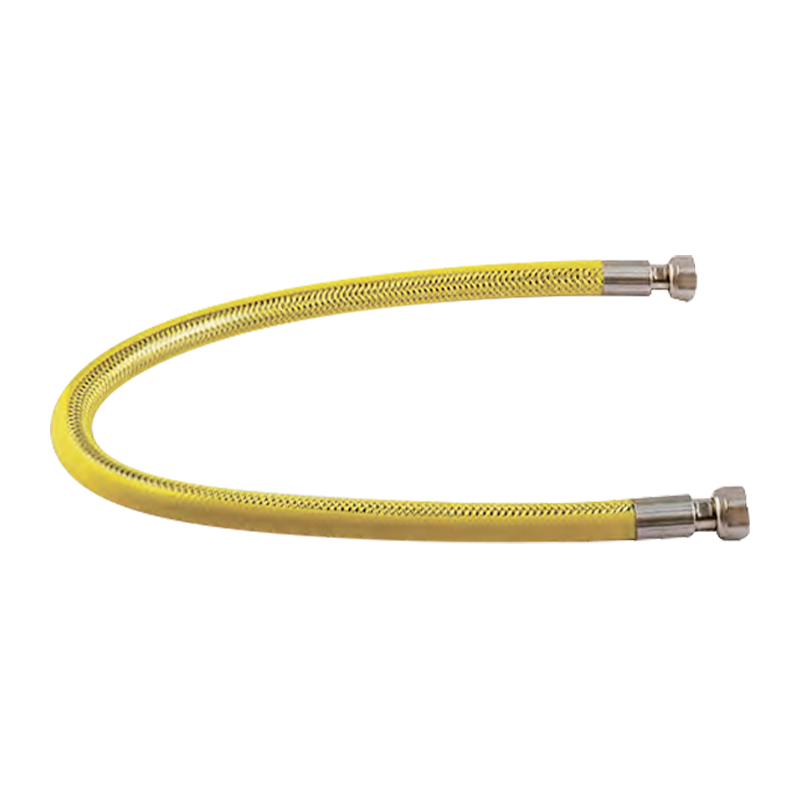
Gas pipelines require more than a reliable flow path. They also need protection against temperature variation, moisture, abrasion, dust, accidental contact, and the daily stresses created by indoor and outdoor installation environments. The Pipe Insulation Sleeve in black and yellow is designed to address these requirements with a practical, flexible, and easy-to-identify protective solution for gas pipelines and related pipe assemblies.
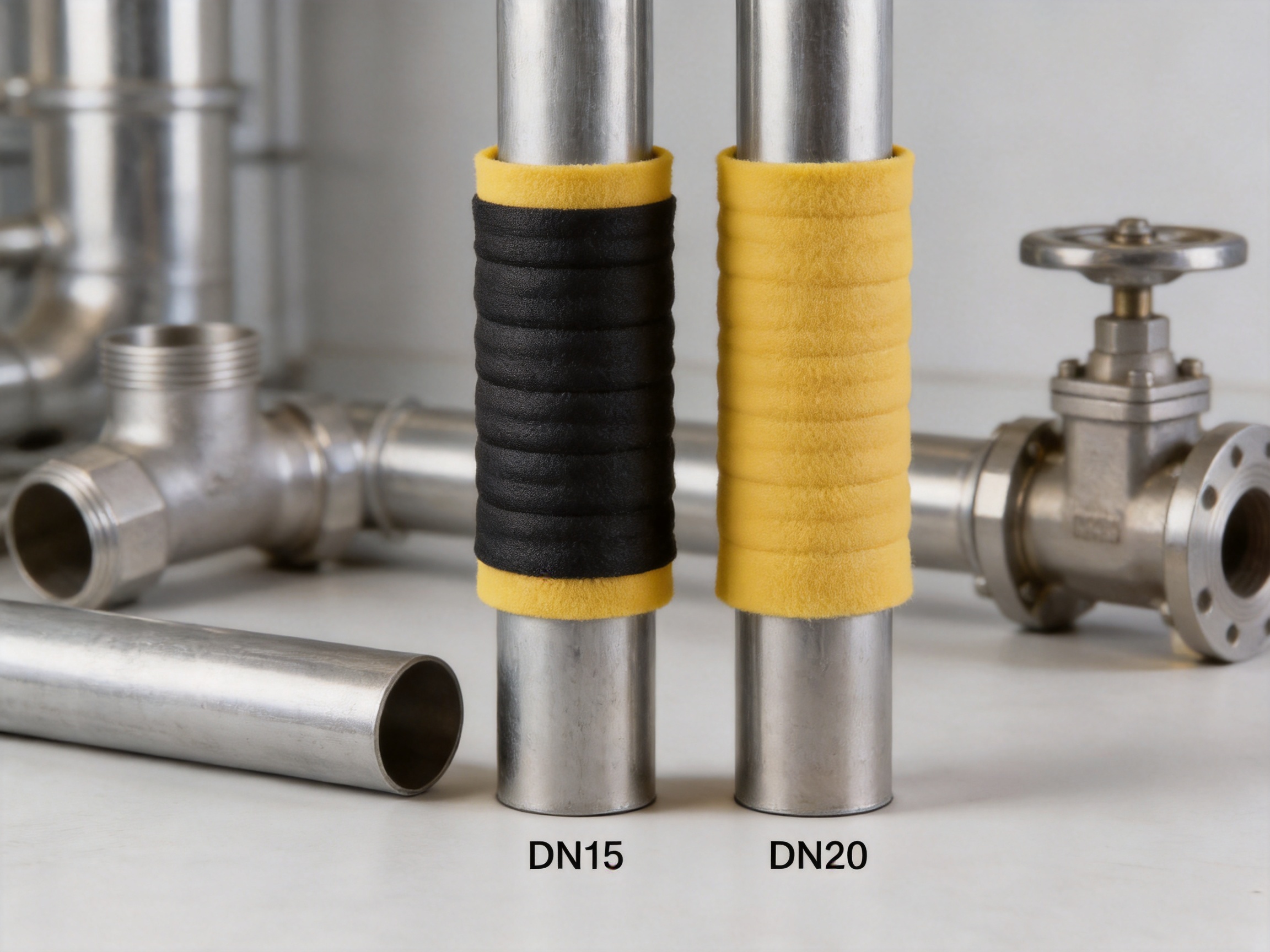
Manufactured for applications involving gas pipes, fittings, and pipeline support systems, the sleeve helps reduce unwanted heat transfer while adding a protective layer around the outside of the pipe. Its flexible construction allows it to fit securely around different pipe diameters, and its color options support clear identification within complicated pipeline networks. The product is available in DN15 × 300 and DN20 × 300 specifications under product number ZLP-023.
Although a pipe sleeve may appear to be a simple accessory, it can make an important contribution to the performance and service life of a pipeline system. A properly selected sleeve helps reduce heat loss or heat gain, protects the pipe surface from common external contaminants, and improves the visual organization of gas installations. In residential, commercial, industrial, and utility environments, these benefits can support more consistent operation and more efficient maintenance.
Zhejiang Zhenlong Energy Equipment Technology Co., Ltd. combines product development, manufacturing, processing, testing, and technical service. The company produces metal hoses, natural gas pipelines, plumbing fittings, valves, sanitary ware, plastic products, hardware, and associated energy equipment. Its manufacturing infrastructure includes multiple welding and forming lines, uninterrupted solid melting hydrogen furnace production lines, and dedicated inspection equipment. This integrated background gives the Pipe Insulation Sleeve a strong connection to broader pipeline engineering requirements.

Pipe insulation sleeve (black, yellow)
Content
- 1 Why Gas Pipeline Insulation Matters
- 2 Product Overview
- 3 Key Advantages of the Insulation Sleeve
- 4 Advantages Compared with Basic Uninsulated Pipe Protection
- 5 Applications in Residential and Commercial Gas Systems
- 6 Integration with Gas Pipes and Corrugated Hose Fittings
- 7 Manufacturing Strengths of Zhejiang Zhenlong Energy Equipment Technology Co., Ltd.
- 8 Product Development and Quality Considerations
- 9 Installation Guidance
- 10 Maintenance and Service Planning
- 11 Why Choose a Specialized Manufacturer
- 12 Procurement Checklist
- 13 Frequently Asked Questions
- 13.1 What is the primary purpose of the Pipe Insulation Sleeve?
- 13.2 What sizes are available?
- 13.3 What colors can be selected?
- 13.4 Can the sleeve be used outdoors?
- 13.5 Can it be installed around fittings or valves?
- 13.6 Can it be used with stainless steel corrugated hose fittings?
- 13.7 Does the sleeve replace gas safety testing?
- 13.8 How should the sleeve be maintained?
- 13.9 What should buyers confirm before placing an order?
- 13.10 What manufacturing capabilities support this product?
- 14 Conclusion
- 15 References
- 16 Product: Pipe insulation sleeve (black, yellow)
Why Gas Pipeline Insulation Matters
Gas pipeline systems may be exposed to a wide range of temperatures during storage, transportation, installation, and operation. Outdoor pipelines can experience direct sunlight, cold air, wind, rain, and rapid day-to-night temperature changes. Indoor lines may be affected by heating equipment, cold walls, ventilation systems, or nearby industrial processes. These conditions can create temperature differences between the gas inside the pipe, the pipe wall, and the surrounding environment.
Temperature changes can influence the overall behavior of a pipeline system. When heat is transferred too quickly, the system may experience unnecessary thermal loss or gain. Surface condensation may also become a concern when a pipe surface is significantly colder than the surrounding air. In some environments, repeated temperature changes can increase the stress placed on materials, connection points, and protective coatings.
Insulation sleeves provide a controlled barrier between the pipe and the outside environment. They do not replace proper pipe design, pressure control, ventilation, or safety procedures, but they can complement those measures. By slowing the rate of heat transfer, the sleeve helps the pipeline maintain a more stable thermal condition. This is particularly useful where consistent operating temperatures, surface protection, or visible pipe organization are important.
The sleeve also serves a protective function that extends beyond thermal insulation. It can help shield the pipe from moisture, dust, and light abrasion. In areas where pipes pass near walls, brackets, equipment, or other components, an outer sleeve can reduce direct contact and provide an additional layer between the pipe and potential sources of surface damage.
Product Overview
The Pipe Insulation Sleeve (Black, Yellow), product number ZLP-023, is intended for use with gas pipeline systems and associated pipe fittings. It is available in two practical color options and two listed dimensional configurations:
| Item | Product Name | Specification | Typical Purpose |
|---|---|---|---|
| ZLP-023 | Sleeve, black | DN15 × 300 / DN20 × 300 | Thermal insulation and external pipe protection |
| ZLP-023 | Sleeve, yellow | DN15 × 300 / DN20 × 300 | Thermal insulation, visibility, and pipeline identification |
The DN15 and DN20 designations correspond to common nominal pipe size categories used in compact gas and utility installations. The 300 millimeter length makes the product suitable for localized protection, visible identification, and targeted insulation around selected pipeline sections. Before installation, users should confirm the actual outside diameter, connection configuration, temperature conditions, and local installation requirements.
The black version provides a discreet appearance and can be suitable for installations where a low-visibility finish is preferred. The yellow version offers stronger visual contrast and can help maintenance personnel identify protected sections more easily. In a complex pipeline network, color differentiation can support faster inspection and reduce uncertainty during maintenance or system modification.
The sleeve is designed to be flexible and practical to install. Its adaptable structure allows it to fit around pipe sections with less effort than rigid protective components. This is valuable in confined areas, around bends or connections, and in installations where working space is limited. A secure fit also helps prevent movement, gaps, and unnecessary exposure of the underlying pipe surface.
Key Advantages of the Insulation Sleeve
Thermal Performance
The primary function of the sleeve is to reduce uncontrolled heat exchange between the gas pipeline and the surrounding environment. The insulating material slows heat transfer, helping the pipe maintain a more consistent temperature. The actual result depends on the surrounding temperature, pipe material, gas conditions, installation quality, sleeve coverage, and other system factors, but the sleeve provides a useful thermal barrier for many ordinary pipeline applications.
Thermal control can be valuable in both warm and cold environments. In cold locations, insulation can help reduce the rate at which heat leaves the pipeline. In hot environments, it can help limit the rate at which external heat reaches the pipe. This does not mean that the sleeve functions as an active heating or cooling system. Instead, it supports passive temperature stability through material insulation.
More stable pipe surface temperatures can also support better working conditions for nearby components. Valves, joints, brackets, and connection areas may be less exposed to abrupt thermal variation when the surrounding pipe section is properly insulated. A sleeve should always be selected and installed as part of a complete system design, but its contribution to thermal consistency can be significant.
Protection Against Moisture and Dust
Moisture and airborne contaminants are common causes of premature surface deterioration. Rainwater, condensation, humidity, dust, and industrial particles may collect on exposed pipes, especially in outdoor areas or facilities with high levels of airborne material. The sleeve helps provide a barrier that reduces direct exposure to these conditions.
Moisture protection is particularly valuable around areas where the pipe surface may otherwise remain damp for extended periods. The sleeve cannot compensate for poor drainage, incorrect installation, damaged pipe coatings, or water trapped inside a closed assembly. However, when fitted correctly, it can reduce the amount of moisture and dust that reaches the external surface during normal service.
By limiting exposure to environmental contaminants, the sleeve may help reduce cleaning requirements and support a more orderly installation. It also makes routine visual inspection easier because the protected section is clearly defined and separated from the surrounding pipework.
Resistance to Light Abrasion
Gas pipes may pass near structural supports, cabinet edges, wall penetrations, equipment housings, and other hard surfaces. Movement caused by vibration, thermal expansion, or maintenance activity can create rubbing at these contact points. Over time, repeated rubbing may damage an external coating or create visible wear on the pipe surface.
The flexible sleeve provides an additional layer between the pipe and nearby surfaces. This helps reduce direct abrasion and can be especially useful in compact installations where clearance is limited. It also provides a more forgiving interface during handling and installation, reducing the likelihood that the pipe will be scraped by ordinary contact with surrounding components.
Improved Identification and Maintenance
Color is an important practical feature of the product. The black and yellow options enable users to distinguish protected sections, installation zones, or pipe arrangements according to their own site management practices. Yellow is particularly visible in low-light or crowded service areas, while black can provide a clean and unobtrusive appearance.
Clear visual identification can reduce the time required to locate a specific pipe section. During inspection, maintenance, or system expansion, technicians can quickly recognize where the sleeve has been installed. Color coding may also help separate insulated and non-insulated sections, although all site-specific color rules should be established and documented by the system owner.
Flexible Installation
A rigid cover may be difficult to fit around compact pipework, connection points, or areas with restricted access. The flexible design of the Pipe Insulation Sleeve is intended to simplify installation and improve compatibility with different pipe arrangements. It can be positioned around the pipe with less need for complex tools or extensive disassembly.
Flexible installation can reduce labor requirements, particularly when the sleeve is used on existing pipelines rather than new systems. It may also help installers achieve more consistent coverage around the pipe. A secure fit is important because loose or incorrectly positioned insulation can create exposed areas, movement, and reduced protection.
Support for Longer Service Life
Pipeline service life depends on many factors, including material selection, pressure conditions, joint quality, operating temperature, installation practice, inspection, and maintenance. The sleeve is not a substitute for any of these requirements. Nevertheless, its ability to reduce environmental exposure and light mechanical contact can support the preservation of the underlying pipe and its external finish.
By protecting selected sections from dust, moisture, abrasion, and rapid temperature changes, the sleeve contributes to a more controlled service environment. This may help reduce the frequency of surface repairs and support more predictable maintenance planning.
Advantages Compared with Basic Uninsulated Pipe Protection
Many pipeline systems use simple wrapping materials, paint, tape, or no additional protection at all. These approaches may be suitable for limited applications, but they do not always provide the combined benefits of insulation, visual identification, flexibility, and surface protection.
Ordinary paint can provide a finish and some resistance to environmental exposure, but it generally does not create a substantial insulating layer. Tape may be easy to apply, but it can loosen, tear, or lose effectiveness when exposed to weather, movement, or repeated handling. Rigid covers may offer mechanical protection but can be difficult to install around compact or irregular pipe arrangements.
The Pipe Insulation Sleeve is designed as a dedicated accessory for pipe protection. Its purpose is not limited to appearance. It combines a thermal barrier with a flexible outer layer and color options that support installation management. This combination can make it more practical than using separate materials for each requirement.
| Evaluation Area | Pipe Insulation Sleeve | Basic Paint or Coating | General Tape Wrapping | Rigid Protective Cover |
|---|---|---|---|---|
| Thermal insulation | Designed to provide an insulating barrier | Usually limited | Depends on tape type and thickness | Depends on construction |
| Flexibility | Suitable for compact pipe arrangements | High after application, but not a separate protective layer | High, but may stretch or loosen | Often limited |
| Color identification | Black and yellow options | Depends on coating selection | Depends on tape color | Depends on cover design |
| Surface protection | Helps reduce moisture, dust, and light abrasion | Depends on coating durability | May provide short-term protection | Can be strong, but may require more installation space |
| Installation convenience | Designed for direct fitting around pipe sections | Requires surface preparation and drying time | Can require careful wrapping technique | May require fasteners or disassembly |
The comparison demonstrates why a purpose-designed sleeve can be useful in applications where several performance objectives must be met at the same time. It is especially appropriate when users want thermal insulation without adding a complex rigid enclosure or applying multiple separate protective products.
Applications in Residential and Commercial Gas Systems
Residential gas systems often contain compact pipe runs near walls, cabinets, appliances, meters, and building service penetrations. These installations may be exposed to temperature variation, accidental contact, household dust, and limited working space. A flexible insulation sleeve can be used on selected pipe sections where additional surface protection and visibility are desired.
In commercial buildings, gas piping may serve kitchens, heating equipment, water-heating systems, laboratories, or mechanical rooms. Service corridors and plant rooms can contain many pipes, cables, valves, and ventilation components. The black or yellow sleeve can make selected sections easier to identify and can help organize the visual appearance of the installation.
Industrial applications may involve more demanding environmental conditions, including dust, vibration, equipment movement, and temperature variation. In these situations, the sleeve can be used as part of a broader pipeline protection strategy. It is important to review the operating environment carefully and confirm that the product is suitable for the specific temperature, pressure, chemical, and mechanical conditions.
The sleeve may also be useful during pipeline renovation. Existing gas systems do not always require complete replacement when only selected sections need improved insulation or protection. The flexible format allows users to target specific areas, such as exposed runs, pipe crossings, wall interfaces, or sections near equipment.
Integration with Gas Pipes and Corrugated Hose Fittings
Gas pipeline assemblies often include more than straight pipe. They may contain valves, elbows, connectors, corrugated hose sections, transition fittings, and support components. Each part must be selected and installed according to the relevant technical and safety requirements.
The Pipe Insulation Sleeve is most appropriate for compatible pipe sections and should not obstruct valves, inspection points, safety devices, or connection interfaces. When used near stainless steel corrugated hose fittings or other flexible gas connections, installers should ensure that the sleeve does not restrict the intended movement or bend radius of the hose. It should also remain clear of threaded areas, sealing surfaces, and components that require regular inspection.
A sleeve can improve the appearance and protection of an assembly, but it must never hide a leak, damage, unauthorized joint, or maintenance point. Removable or carefully positioned insulation may be necessary around components that require frequent visual checks. The installer should follow the system layout, applicable regulations, and manufacturer instructions when combining the sleeve with other pipeline products.
The company’s broader manufacturing experience in metal hoses, natural gas pipelines, fittings, and valves provides a useful understanding of how pipe accessories interact with complete pipeline systems. This system-oriented perspective helps support practical product development rather than treating the sleeve as an isolated component.
Manufacturing Strengths of Zhejiang Zhenlong Energy Equipment Technology Co., Ltd.
Integrated Industry and Trade Structure
Zhejiang Zhenlong Energy Equipment Technology Co., Ltd. integrates industry and trade within one organization. This structure supports coordination between product development, manufacturing, quality management, customer communication, and after-sales service. For buyers of pipeline accessories, direct communication with a manufacturer can make it easier to discuss specifications, packaging, color requirements, application conditions, and production arrangements.
The company’s product range includes metal hoses, corrugated hoses, natural gas pipelines, plumbing fittings, sanitary ware, valves, plastic products, and hardware. This broad portfolio creates practical knowledge across multiple categories of fluid-handling and energy equipment. It also enables the company to understand how individual components are used within complete systems.
Large-Scale Production Facility
The company is located in Yuyao, Ningbo, Zhejiang, and operates a facility covering approximately 40 acres with a factory building of about 30,000 square meters. A substantial production site provides room for manufacturing equipment, raw material management, assembly areas, inspection stations, storage, packaging, and internal logistics.
Facility scale alone does not guarantee product quality, but it can support stable production planning and organized process control. It also gives the manufacturer the capacity to coordinate multiple product categories while maintaining dedicated work areas and equipment for different operations.
Multiple Welding and Forming Production Lines
The company operates 30 welding and forming production lines. Welding and forming are central processes in the production of metal hoses, corrugated components, pipe fittings, and other energy equipment. Experience in these processes requires attention to material behavior, dimensional control, joint consistency, surface condition, and production repeatability.
Although the Pipe Insulation Sleeve itself is an insulating accessory rather than a welded metal hose, the company’s experience with adjacent pipeline products strengthens its ability to assess fit, dimensional compatibility, installation conditions, and system use. This is important because insulation accessories must match the practical geometry of the pipes and fittings they protect.
Uninterrupted Solid Melting Hydrogen Furnace Lines
The manufacturing facility also includes two uninterrupted solid melting hydrogen furnace production lines. Furnace technology supports controlled processing of relevant materials and can contribute to consistent material characteristics when operated under suitable process controls. Continuous production capability can help improve production stability and support efficient material handling.
The presence of specialized furnace lines demonstrates the company’s investment in manufacturing infrastructure rather than reliance solely on outsourced processing. This level of internal capability is valuable for a manufacturer serving energy equipment markets, where material consistency and process traceability are important considerations.
Testing and Inspection Equipment
Quality control depends on more than visual inspection. The company uses equipment such as direct-reading spectrometers for metal material analysis and flow tightness testers. A direct-reading spectrometer can help evaluate the composition of metal materials, while flow tightness testing supports the assessment of leakage performance in applicable pipeline products.
These testing capabilities are particularly relevant to the company’s metal hose, pipe, and fitting production. They also reflect a broader culture of verification that benefits accessory products. For a sleeve, quality checks may focus on dimensional consistency, appearance, color, flexibility, material condition, and secure fit. When these checks are incorporated into a structured quality system, the result is more reliable product consistency from batch to batch.
Quality Management and Certifications
The company states that it implements the ISO9000:2008 quality management system and holds a Special Equipment Manufacturing License for pressure pipelines issued by the People’s Republic of China. It also has EU CE certification testing reports and membership in the China Urban Gas Association.
Certifications, licenses, and association memberships should always be reviewed against the exact product, market, and current validity requirements. Nevertheless, these credentials indicate that the manufacturer operates within a quality and regulatory framework relevant to pressure pipeline and gas equipment industries. They also show an awareness of the documentation and compliance expectations associated with energy-related products.
Product Development and Quality Considerations
Developing a dependable pipe insulation sleeve requires attention to more than the insulating material itself. The manufacturer must consider dimensional fit, flexibility, resistance to ordinary environmental exposure, color consistency, handling characteristics, and installation practicality. A sleeve that insulates well but is difficult to install may create gaps or damage during application. A sleeve that fits easily but lacks adequate environmental resistance may not provide lasting value.
The listed DN15 × 300 and DN20 × 300 specifications provide a clear starting point for selection. Buyers should confirm the actual pipe outside diameter and installation method before ordering. Nominal size designations can vary in practical outside dimensions depending on pipe standards, wall thickness, and connection design. Proper measurement helps ensure that the sleeve is neither excessively loose nor difficult to apply.
Material quality is also important. The insulating layer should retain its flexibility under expected conditions and should not easily crack, split, or deform during ordinary installation. The outer surface should remain sufficiently stable when exposed to dust, moisture, and light abrasion. Color should remain recognizable enough to support inspection and identification over the intended service period.
Manufacturing consistency is especially important when sleeves are purchased for multiple projects. Consistent length, diameter, wall structure, color, and packaging make installation planning easier and reduce the need for field adjustments. A manufacturer with organized production and inspection processes is better positioned to provide this consistency.
Installation Guidance
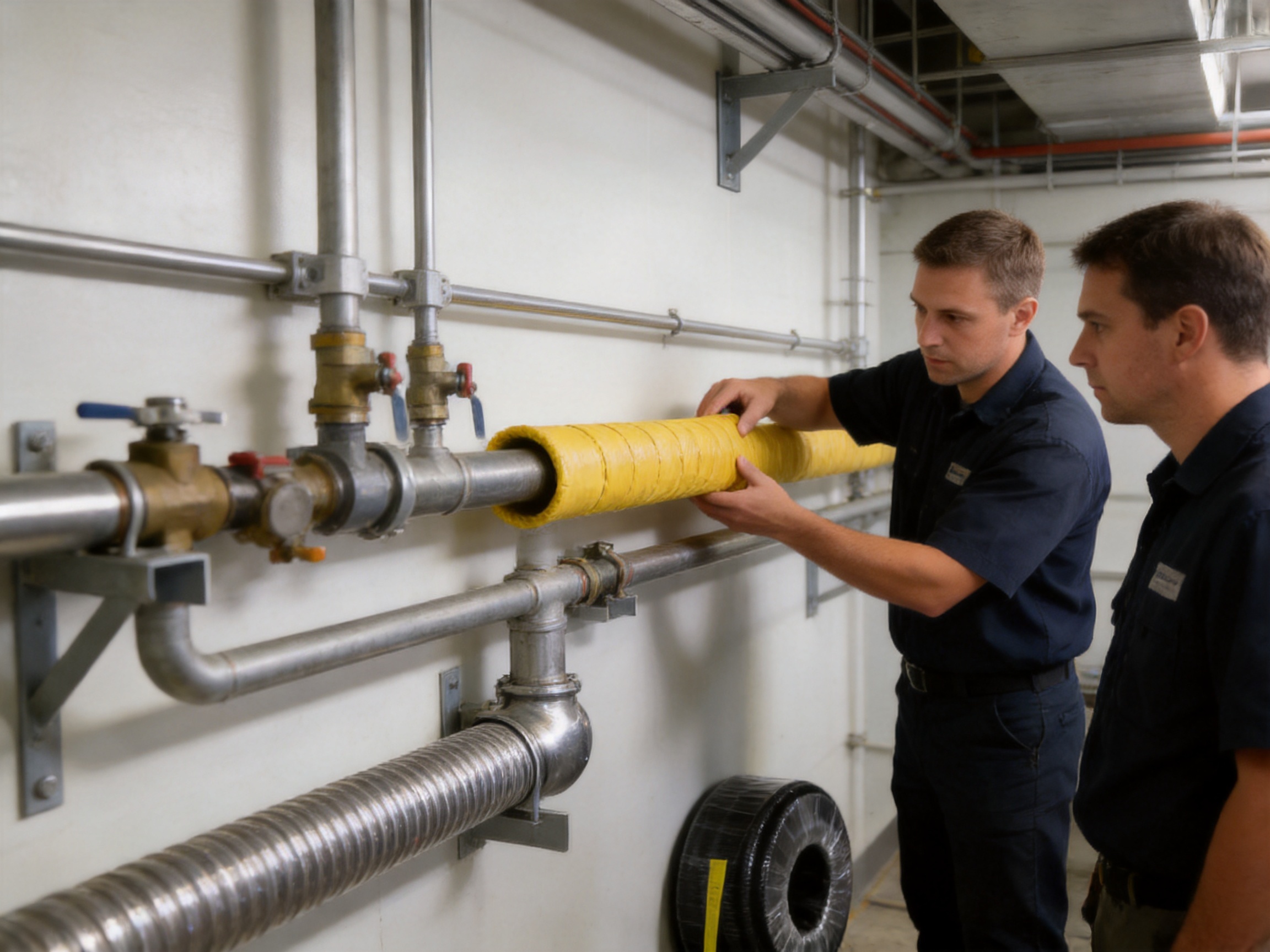
Pre-Installation Inspection
Before installing the sleeve, inspect the pipe section and confirm that the pipe is clean, dry, and free from sharp projections. Remove loose dust, oil, and debris that could affect the fit. Check the pipe for visible damage, corrosion, leakage, or other conditions that require attention before covering.
Confirm that the selected sleeve specification matches the pipe size. The DN15 or DN20 designation should be checked against the actual installation dimensions. Also confirm the required length and determine whether the 300 millimeter sleeve will cover the intended area completely.
Positioning
Position the sleeve so that it covers the intended pipe section without interfering with valves, labels, joints, inspection ports, brackets, or safety devices. If the sleeve is used near a fitting, leave sufficient access for future inspection and maintenance. Do not install it in a way that conceals a component that must remain visible.
The sleeve should sit evenly around the pipe, without severe folds, excessive stretching, or open gaps. A consistent fit improves appearance and helps maintain the intended insulation and protective function.
Installation Near Connections
Extra care is required around threaded joints, compression fittings, corrugated hose connections, and transition points. The sleeve should not press against sealing surfaces or prevent the fitting from being tightened, inspected, or serviced. When installed near flexible hose assemblies, it should not restrict movement or create a smaller bend radius than allowed by the hose manufacturer.
Final Inspection
After installation, check the sleeve for secure placement, uniform coverage, visible damage, and interference with nearby components. Confirm that the color is appropriate for the site’s identification system. If the sleeve moves easily by hand, exposes a significant section of pipe, or creates a hazard around a valve or connection, it should be repositioned or replaced.
Installation work on gas systems should be performed by qualified personnel in accordance with applicable laws, codes, and safety procedures. The sleeve is a protective accessory and does not replace gas leak testing, pressure testing, ventilation requirements, or professional commissioning.
Maintenance and Service Planning
Routine inspection helps preserve the performance of any pipe protection product. The sleeve should be checked periodically for cuts, splits, compression, discoloration, looseness, contamination, or signs of heat exposure beyond its intended conditions. Inspections can be scheduled alongside normal gas pipeline maintenance.
Pay particular attention to locations exposed to sunlight, machinery vibration, repeated handling, chemical vapors, water accumulation, or contact with sharp edges. If the sleeve becomes damaged, it should be replaced or repaired according to the manufacturer’s recommendations. A damaged sleeve may no longer provide consistent thermal insulation or environmental protection.
Cleaning should be carried out with methods that are compatible with the sleeve material. Avoid aggressive solvents, excessive heat, sharp tools, or abrasive procedures unless they are specifically approved. Gentle cleaning can preserve the visible color and make it easier to detect damage during future inspections.
Maintenance records should include the installation date, product specification, location, inspection results, and replacement history. For facilities with several gas lines, these records can improve asset management and help maintenance teams identify recurring environmental or installation issues.
Why Choose a Specialized Manufacturer
Purchasing a pipe insulation sleeve from a manufacturer focused on energy equipment can provide advantages over sourcing a generic protective tube from an unrelated supplier. A specialized manufacturer is more likely to understand gas pipeline layouts, pipe sizing, connection types, service conditions, inspection needs, and the importance of reliable product identification.
Zhejiang Zhenlong Energy Equipment Technology Co., Ltd. has developed its business around metal hoses, corrugated hoses, natural gas pipelines, pipe fittings, valves, and related products. Its technical and manufacturing experience is therefore connected to the environments in which pipe insulation sleeves are used. This product knowledge can support more meaningful communication during specification, procurement, and after-sales service.
The company also provides pre-sales and after-sales services. These services may include product selection support, specification confirmation, order coordination, application communication, and assistance with follow-up questions. For customers purchasing pipeline components across multiple projects, responsive technical communication can be as important as the product itself.
OEM and ODM cooperation can also be considered when project requirements involve specific packaging, colors, dimensions, identification systems, or product combinations. Any customized design should be evaluated for material compatibility, production feasibility, quality requirements, and compliance with the destination market.
Procurement Checklist
Before purchasing the Pipe Insulation Sleeve, buyers should confirm the following information:
- Required pipe nominal size and actual outside diameter.
- Required sleeve length and number of protected sections.
- Preferred color: black, yellow, or a project-specific arrangement.
- Expected indoor or outdoor service environment.
- Exposure to moisture, dust, sunlight, vibration, chemicals, or abrasion.
- Operating temperature and any short-term temperature extremes.
- Clearance around valves, fittings, supports, and inspection points.
- Compatibility with corrugated hoses and flexible gas connections.
- Packaging, labeling, and batch identification requirements.
- Applicable regulations and documentation for the destination market.
Providing accurate project information helps the manufacturer confirm whether the standard ZLP-023 specification is appropriate. If the standard dimensions are not suitable, buyers can discuss alternative arrangements before production or shipment.
Frequently Asked Questions
What is the primary purpose of the Pipe Insulation Sleeve?
The sleeve is designed to provide thermal insulation and external protection for compatible gas pipeline sections. It helps reduce heat transfer and protects the pipe surface from moisture, dust, and light abrasion.
What sizes are available?
The listed specifications are DN15 × 300 and DN20 × 300 under product number ZLP-023. Users should confirm the actual pipe dimensions before ordering because nominal pipe size and outside diameter are not always identical across all standards.
What colors can be selected?
The product is available in black and yellow. Black offers a discreet appearance, while yellow provides stronger visibility and can support pipeline identification in complex installations.
Can the sleeve be used outdoors?
The sleeve is described as suitable for indoor and outdoor gas installations, where it helps protect against common external conditions such as moisture, dust, and abrasion. The exact suitability should be confirmed for the site’s temperature, sunlight, chemical, and mechanical exposure.
Can it be installed around fittings or valves?
It may be used near suitable fittings, but it should not cover sealing surfaces, valve controls, inspection points, or components requiring regular maintenance. The sleeve must be positioned so that it does not interfere with operation or inspection.
Can it be used with stainless steel corrugated hose fittings?
It may be used near compatible corrugated hose assemblies when correctly positioned. It must not restrict the hose’s movement, reduce its permitted bend radius, or interfere with connection and leak inspection requirements.
Does the sleeve replace gas safety testing?
No. The sleeve is an insulation and protection accessory. It does not replace professional installation, leak testing, pressure testing, ventilation, system commissioning, or compliance with local gas safety regulations.
How should the sleeve be maintained?
Inspect it regularly for cuts, cracks, looseness, deformation, discoloration, and contamination. Keep it clean with compatible methods and replace it if damage prevents a secure fit or reduces its protective function.
What should buyers confirm before placing an order?
Buyers should confirm the pipe size, actual outside diameter, required length, color, service environment, temperature range, installation location, and any documentation or packaging requirements. This information helps determine whether the standard product is suitable.
What manufacturing capabilities support this product?
The manufacturer operates a large production facility with 30 welding and forming lines, two uninterrupted solid melting hydrogen furnace production lines, material analysis equipment, flow tightness testers, and a structured quality management approach. These capabilities support the company’s broader production of pipeline and energy equipment.
Conclusion
The Pipe Insulation Sleeve (Black, Yellow) is a practical accessory for improving the thermal stability, visibility, and external protection of gas pipeline sections. Its flexible design supports convenient installation around compatible pipe diameters, while the black and yellow options provide useful choices for appearance and identification. The sleeve helps reduce exposure to moisture, dust, abrasion, and temperature fluctuation, making it suitable for many residential, commercial, and industrial environments.
Its value is strengthened by the manufacturing background of Zhejiang Zhenlong Energy Equipment Technology Co., Ltd. The company’s integrated industry and trade structure, broad energy equipment portfolio, large factory, welding and forming production lines, furnace capabilities, testing equipment, and quality management experience provide a solid foundation for serving pipeline customers.
For the best result, the sleeve should be selected according to actual pipe dimensions and operating conditions. It should be installed by qualified personnel without obstructing valves, fittings, inspection points, or flexible hose movement. Used as part of a complete pipeline protection and maintenance program, the product can support safer, cleaner, and more organized gas installations.
References
1. Product information for Pipe Insulation Sleeve, product number ZLP-023, including DN15 × 300 and DN20 × 300 specifications.
2. Manufacturer information for Zhejiang Zhenlong Energy Equipment Technology Co., Ltd., including production facilities, product categories, quality systems, and testing capabilities.
3. General principles of thermal insulation for industrial and building service piping.
4. General guidance for the installation, inspection, and maintenance of gas piping systems.
5. Quality management principles for manufacturers of energy equipment and pipeline components.