 English
 中文简体
中文简体 Español
 عربى
عربى
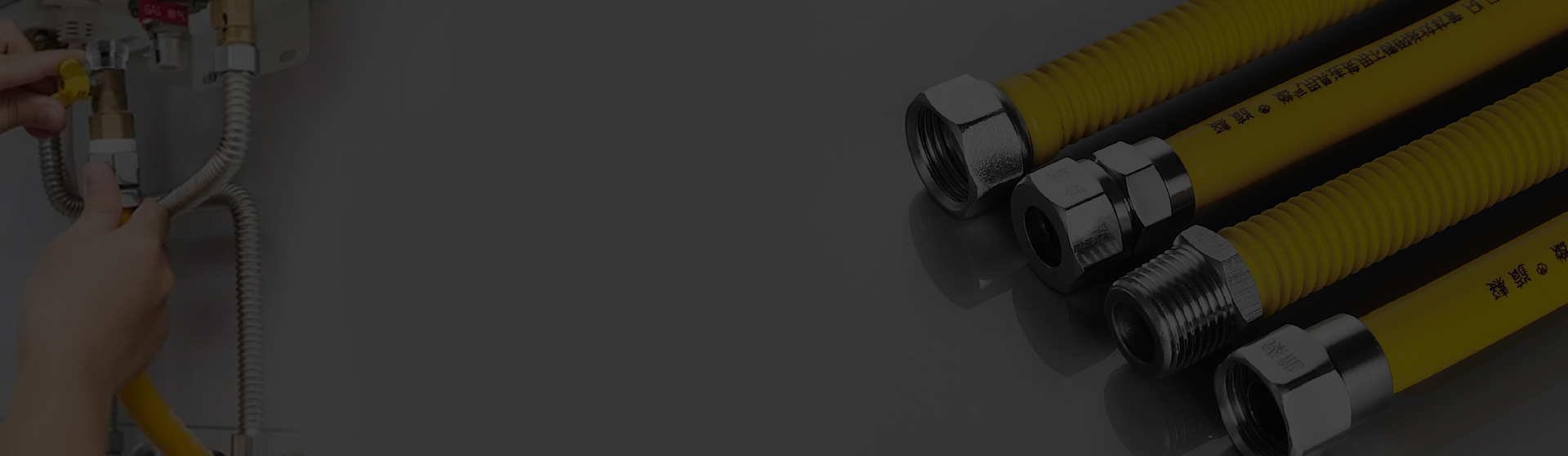

The direct answer: Yes. Corrugated Stainless Steel Tubing (CSST) and matching fittings are widely recognized as one of the safest and most efficient solutions for modern gas piping systems. Compared with traditional rigid steel pipes, CSST can reduce installation time by up to 50%, minimize joint leakage risks, and improve long-term system reliability.
Content
- 1 What Is Corrugated Stainless Steel Tubing for Gas Pipes?
- 2 Why Are CSST Gas Pipes More Efficient Than Traditional Steel Pipes?
- 3 What Role Do CSST Fittings Play in Gas System Safety?
- 4 How Does CSST Compare With Other Gas Pipe Materials?
- 5 Where Are Corrugated Stainless Steel Gas Pipes Commonly Used?
- 6 FAQ: Corrugated Stainless Steel Tubing and Fittings for Gas Pipes
What Is Corrugated Stainless Steel Tubing for Gas Pipes?
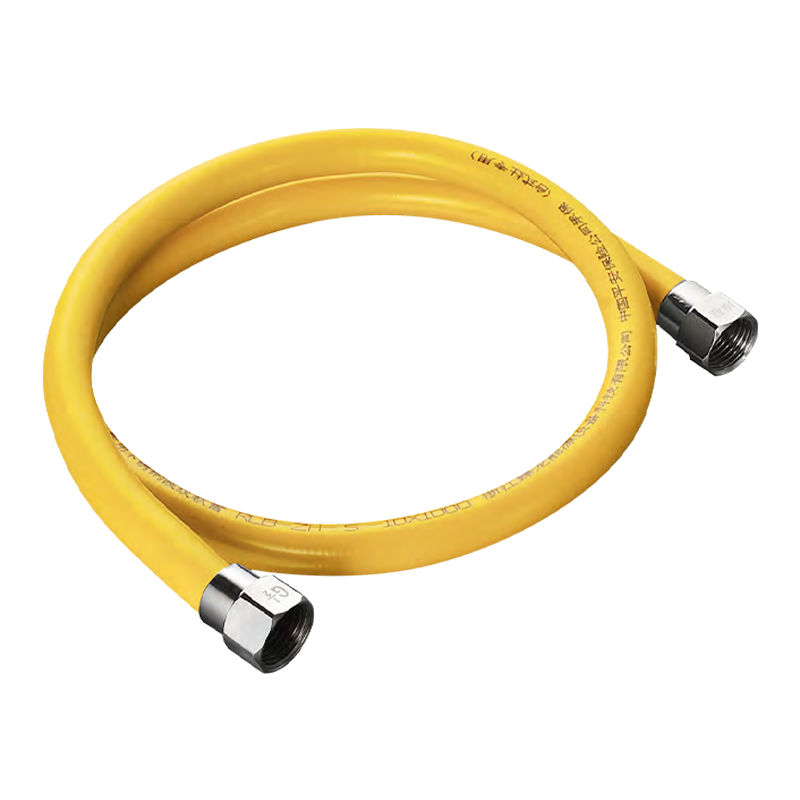
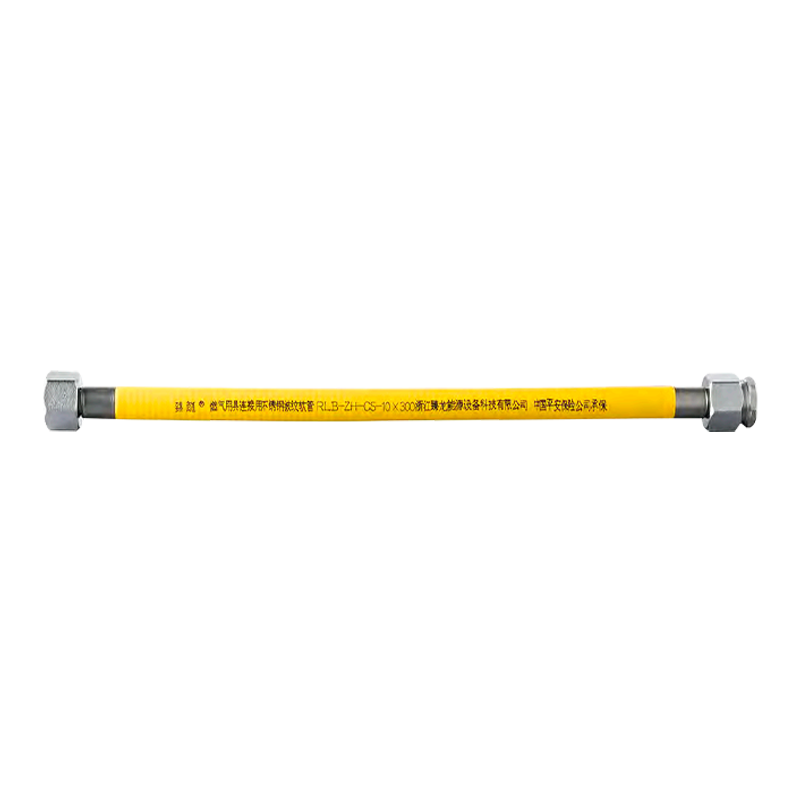
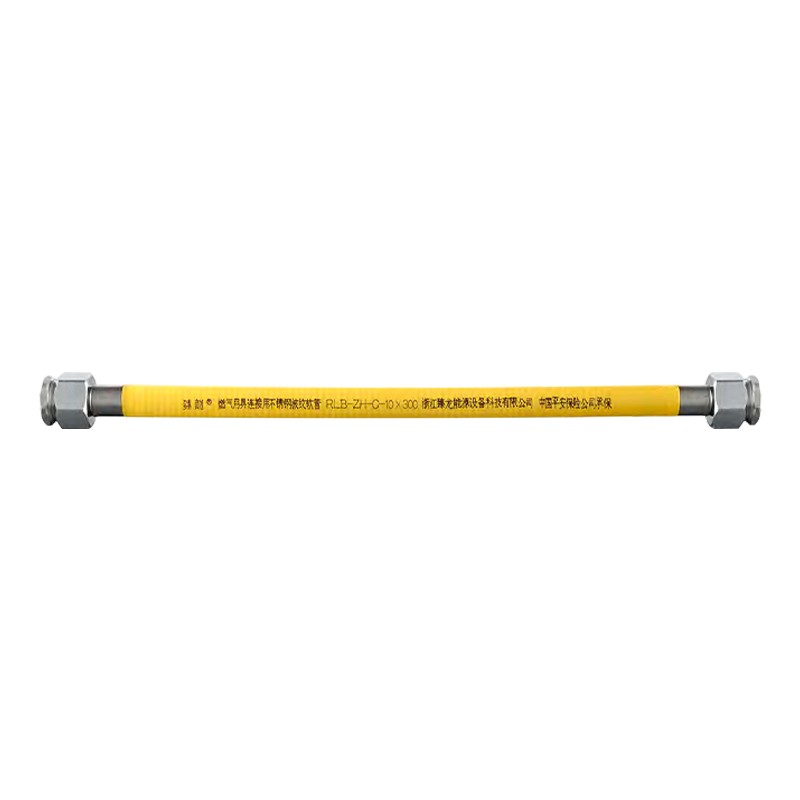
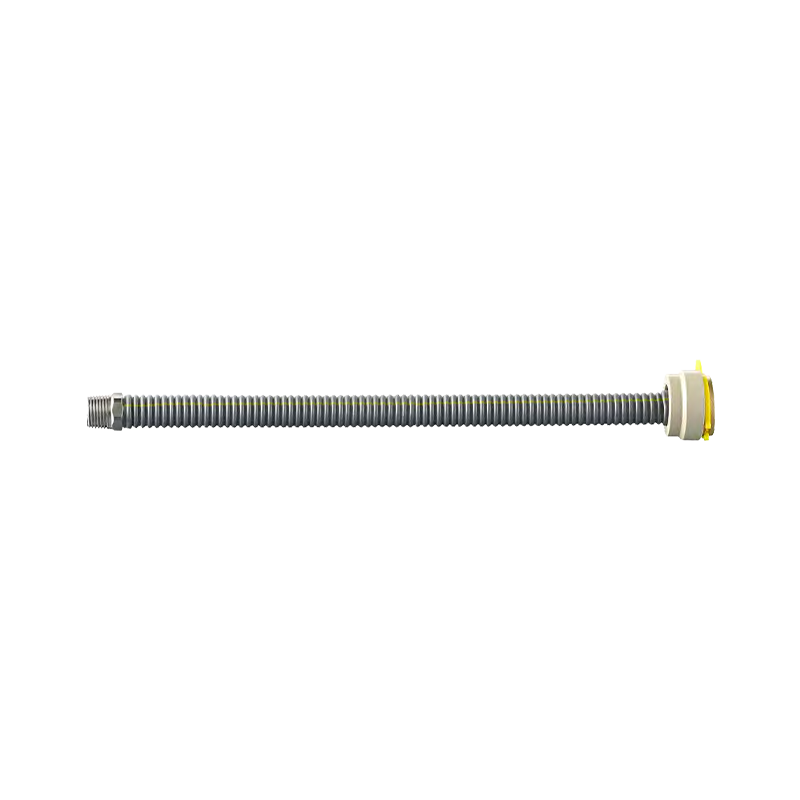
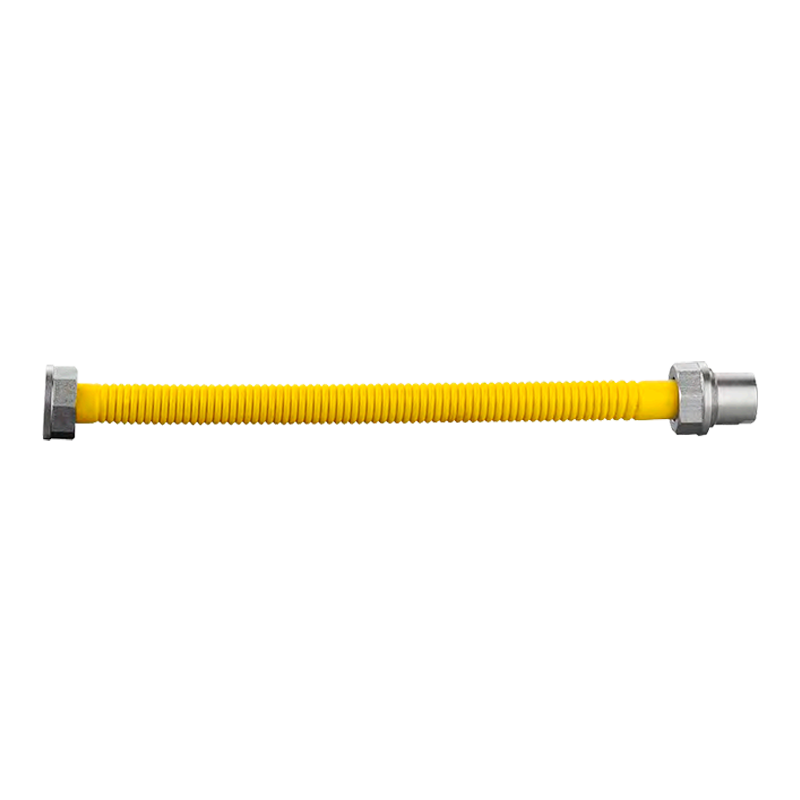
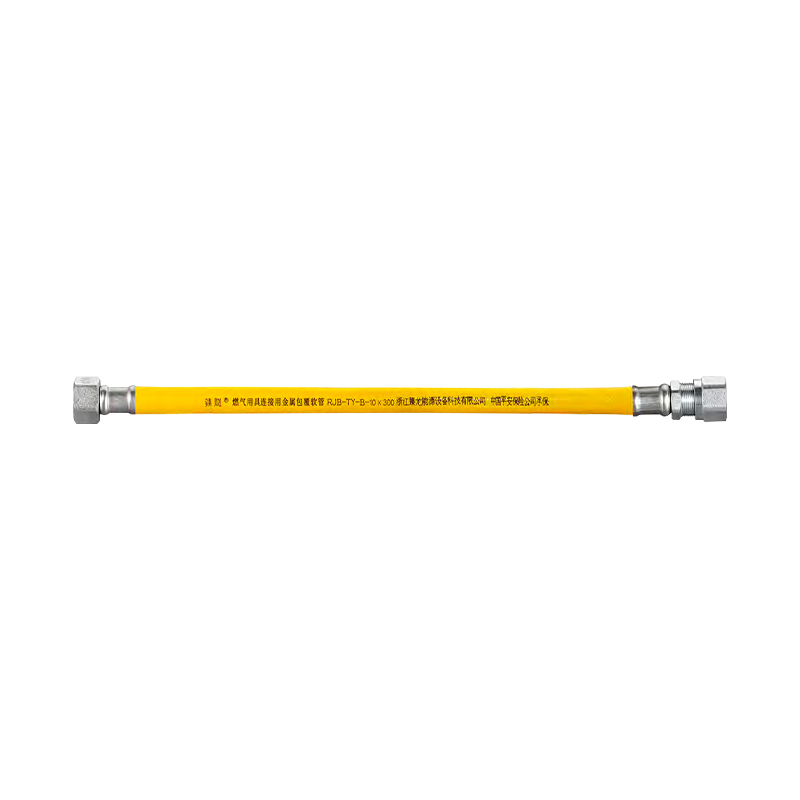
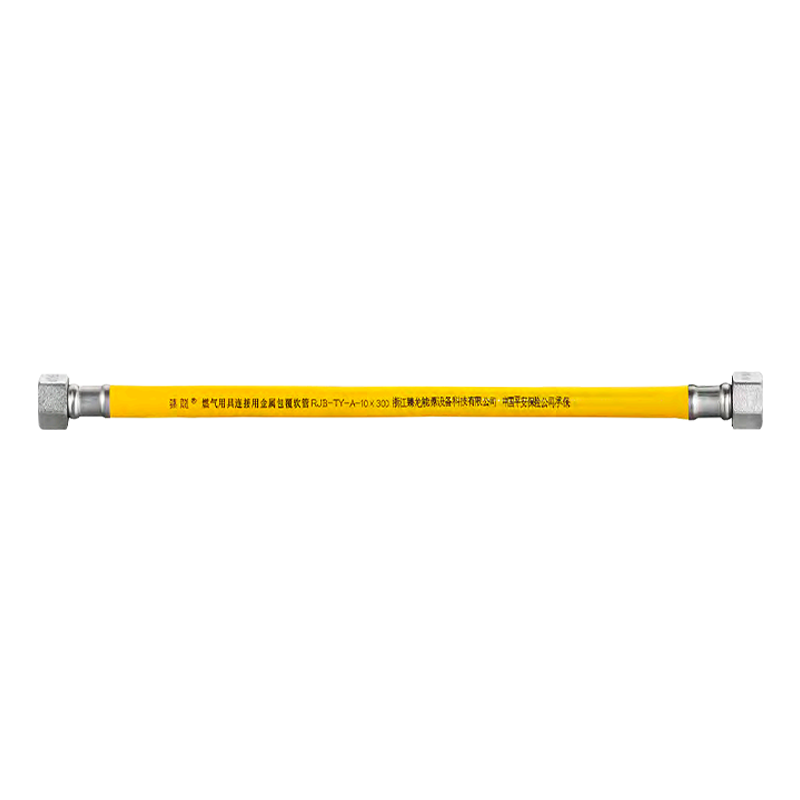
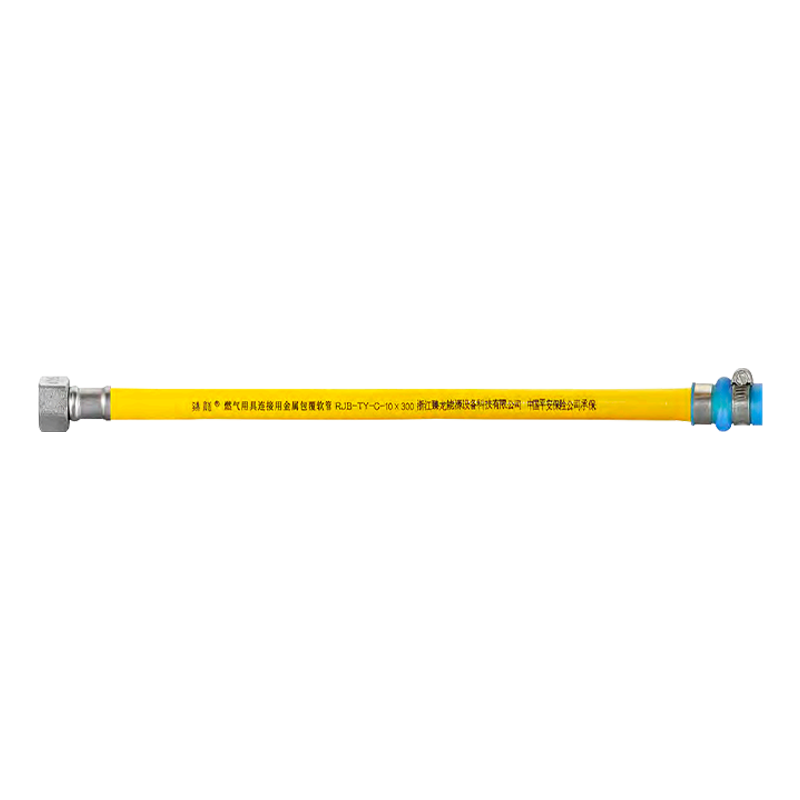
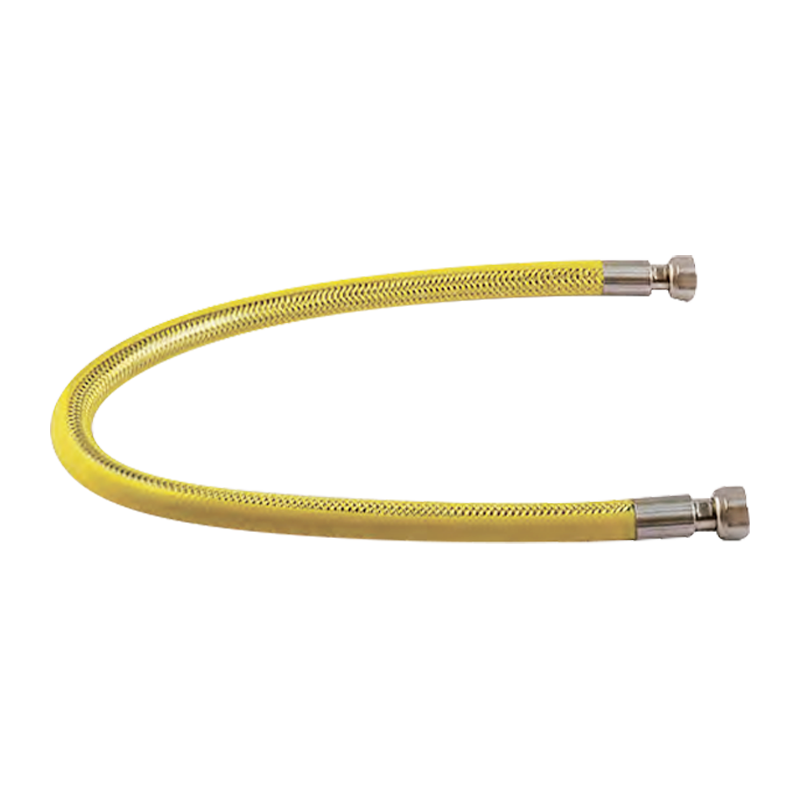
Corrugated Stainless Steel Tubing is a flexible gas pipe made from high-grade stainless steel with a corrugated structure. It is designed to transport natural gas, propane, and other fuel gases in residential, commercial, and industrial applications.
Core Structural Characteristics
- Corrugated design for flexibility and vibration resistance
- Stainless steel construction for corrosion resistance
- Specialized fittings for leak-proof connections
This combination allows CSST systems to adapt to building movement and temperature changes without compromising safety.
Why Are CSST Gas Pipes More Efficient Than Traditional Steel Pipes?
Traditional black steel pipes require cutting, threading, and multiple fittings. CSST simplifies this process with flexible routing and fewer joints.
Performance Advantages
- Installation time reduced by 40%–60%
- Up to 30% fewer connection points
- Lower labor costs and fewer on-site tools required
Fewer joints directly translate into lower gas leakage risk and improved long-term system stability.
What Role Do CSST Fittings Play in Gas System Safety?
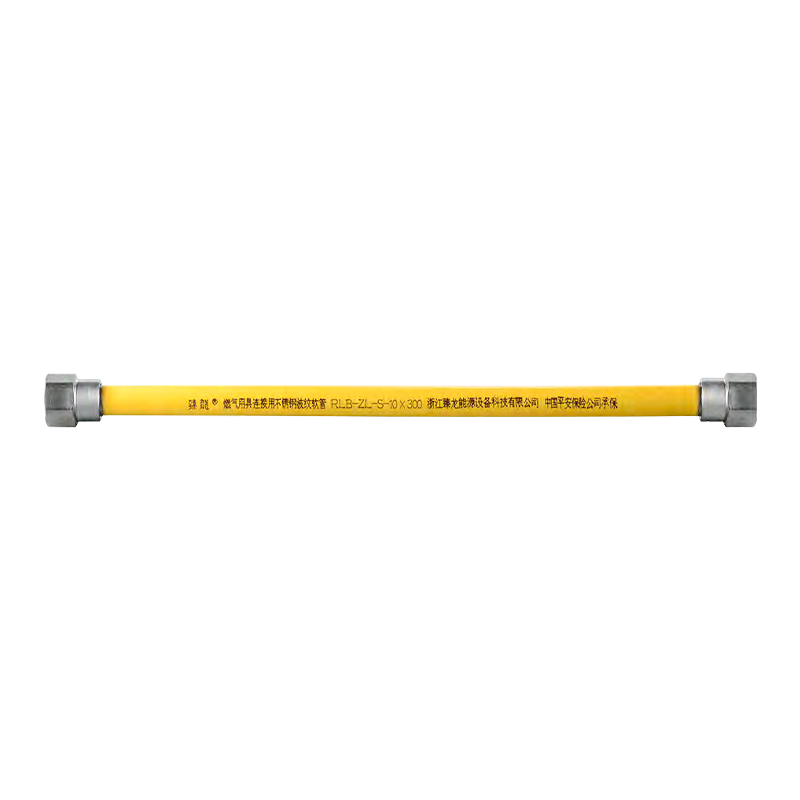
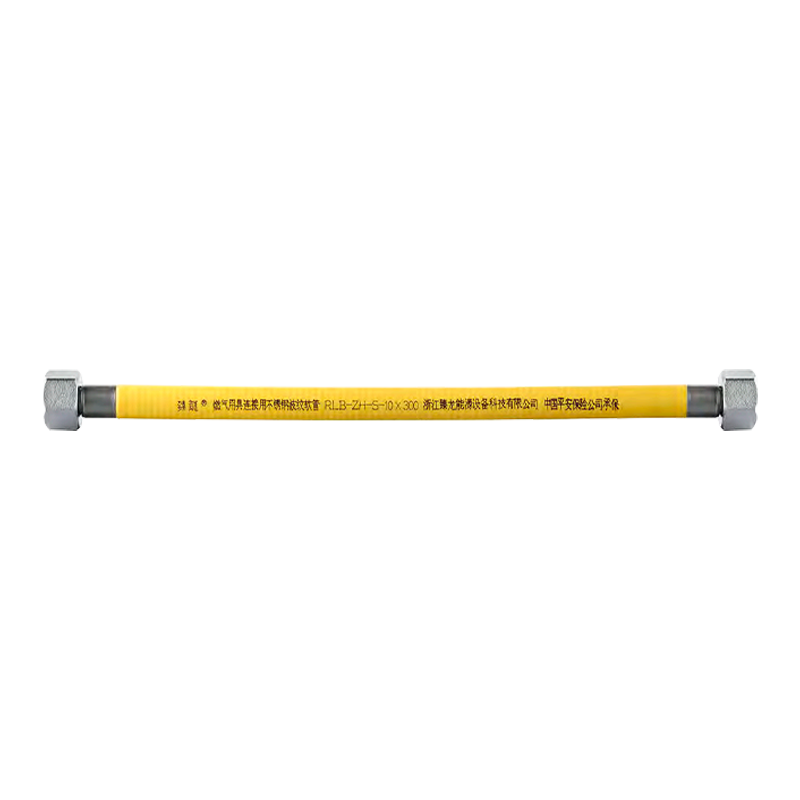
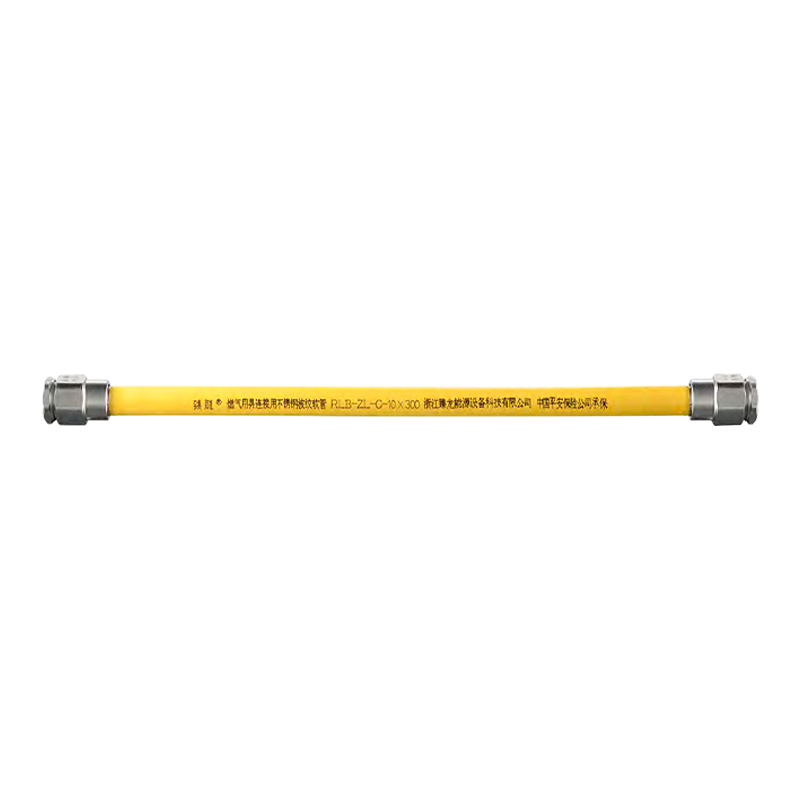
CSST fittings are specifically engineered to work with corrugated tubing. They create tight, vibration-resistant seals that meet international gas safety standards.
Key Fitting Features
- Double-seal or compression designs
- High-pressure resistance up to 5 bar or more
- Compatible with standard gas valves and regulators
Using original matched fittings is critical to maintaining gas system certification and safety compliance.
How Does CSST Compare With Other Gas Pipe Materials?
Different gas piping materials have different performance characteristics. The table below highlights the main differences.
| Material | Flexibility | Installation Speed | Corrosion Resistance |
|---|---|---|---|
| CSST | High | Fast | Excellent |
| Black Steel Pipe | Low | Slow | Medium |
| Copper Pipe | Medium | Medium | Good |
CSST offers the best balance between flexibility, safety, and installation efficiency.
Where Are Corrugated Stainless Steel Gas Pipes Commonly Used?
CSST systems are widely adopted across various industries and building types.
- Residential homes and apartments
- Commercial kitchens and restaurants
- Hotels and shopping malls
- Industrial gas distribution systems
Their flexibility makes them especially suitable for renovation projects where rigid piping installation is difficult.
FAQ: Corrugated Stainless Steel Tubing and Fittings for Gas Pipes
Is CSST safe for long-term gas use?
Yes. When properly installed and grounded according to standards, CSST systems can operate safely for over 25 years.
Do CSST gas pipes require special tools?
Only basic cutting and fitting tools are required, making installation easier compared to threaded steel pipes.
Can CSST be used for both natural gas and propane?
Yes. Most certified CSST systems are approved for both natural gas and LPG applications.
Are CSST fittings reusable?
In most cases, fittings are designed for one-time installation to ensure sealing performance and safety compliance.