 English
 中文简体
中文简体 Español
 عربى
عربى
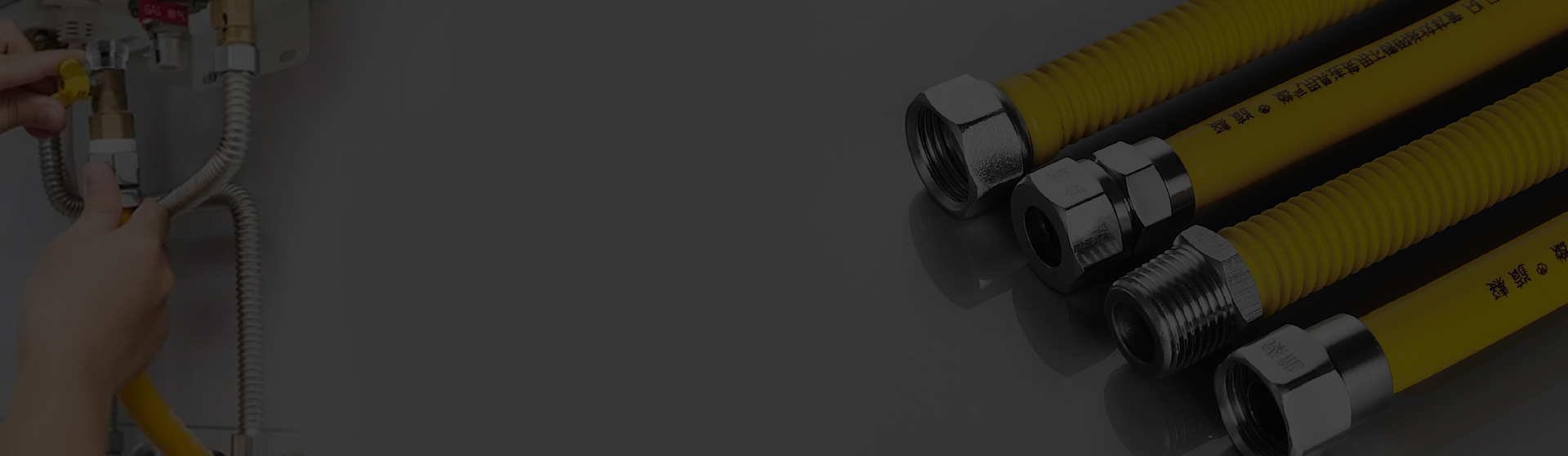

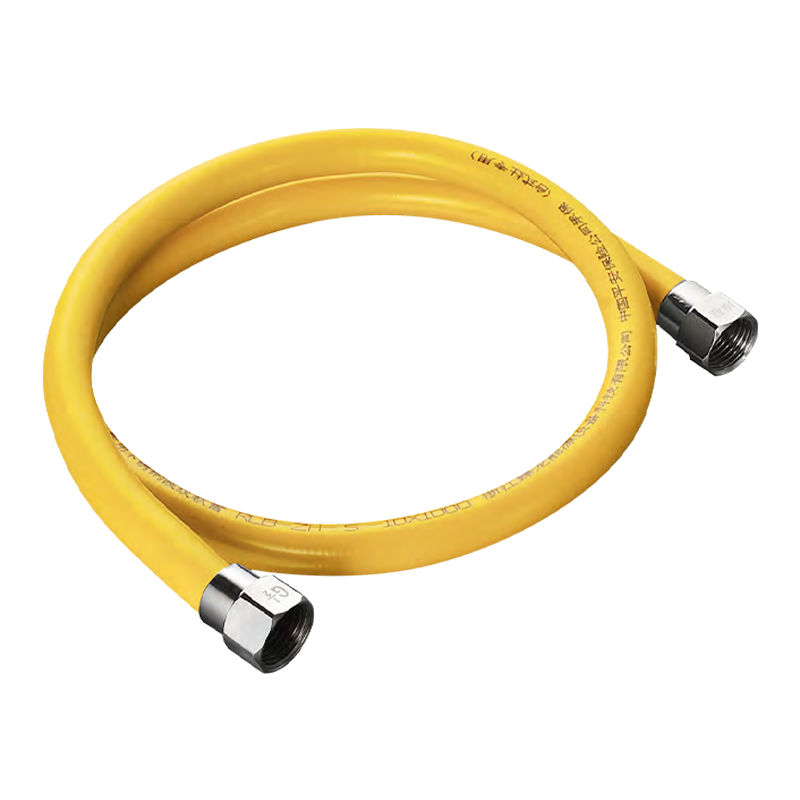
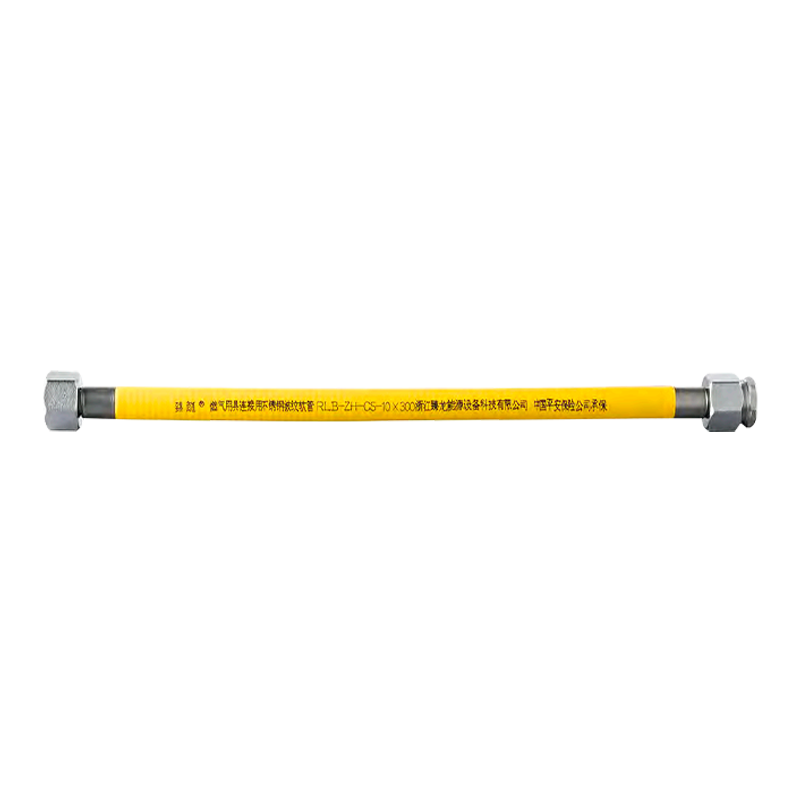
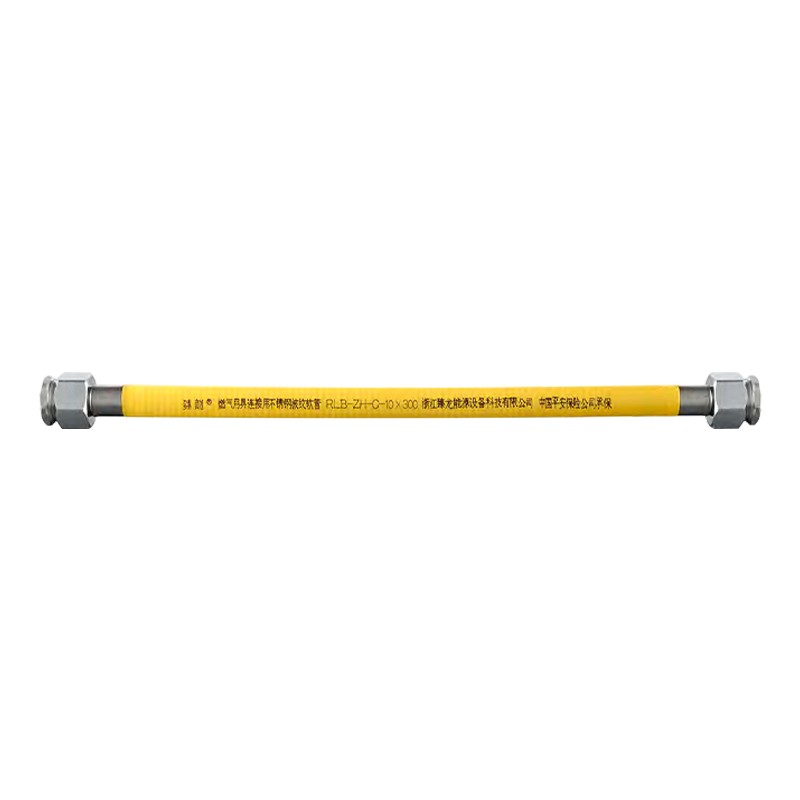
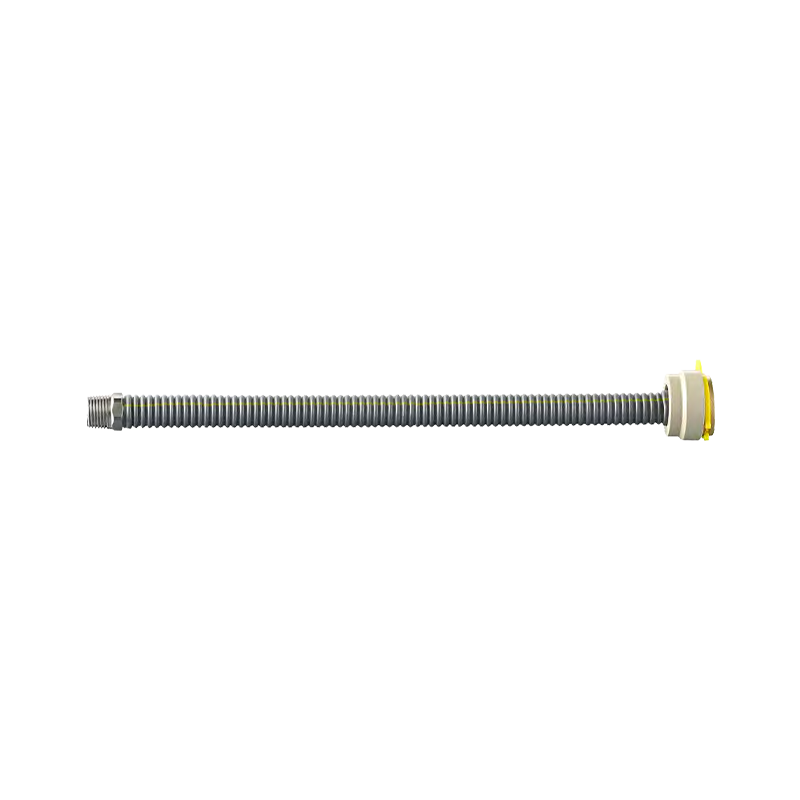
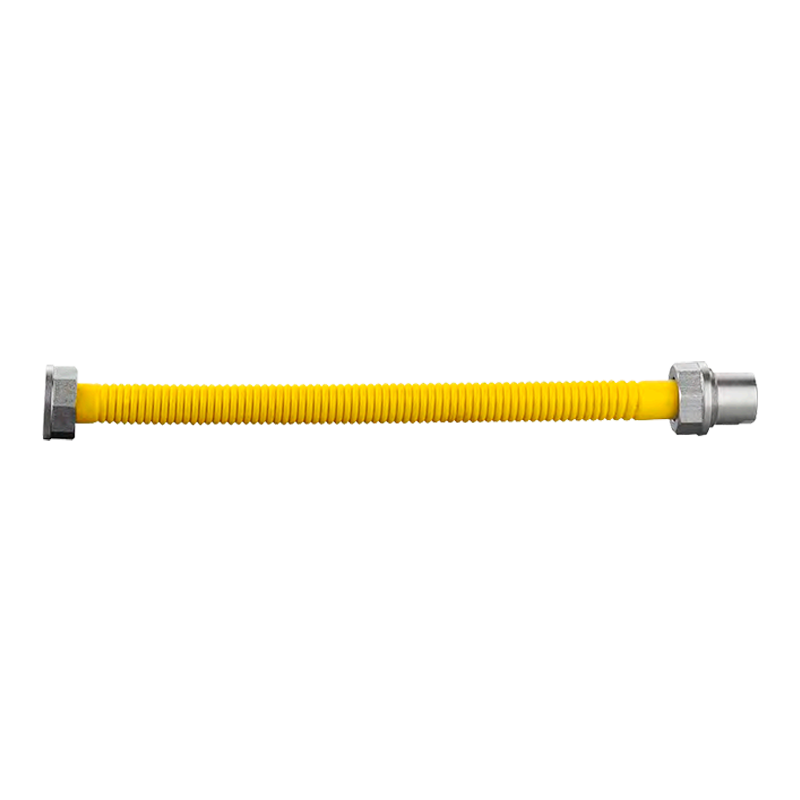
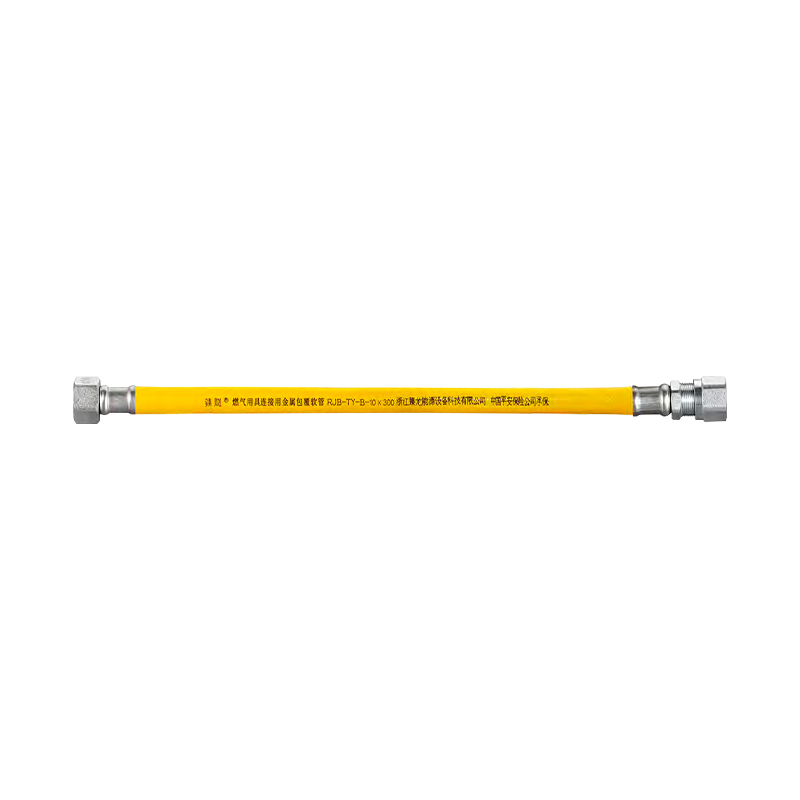
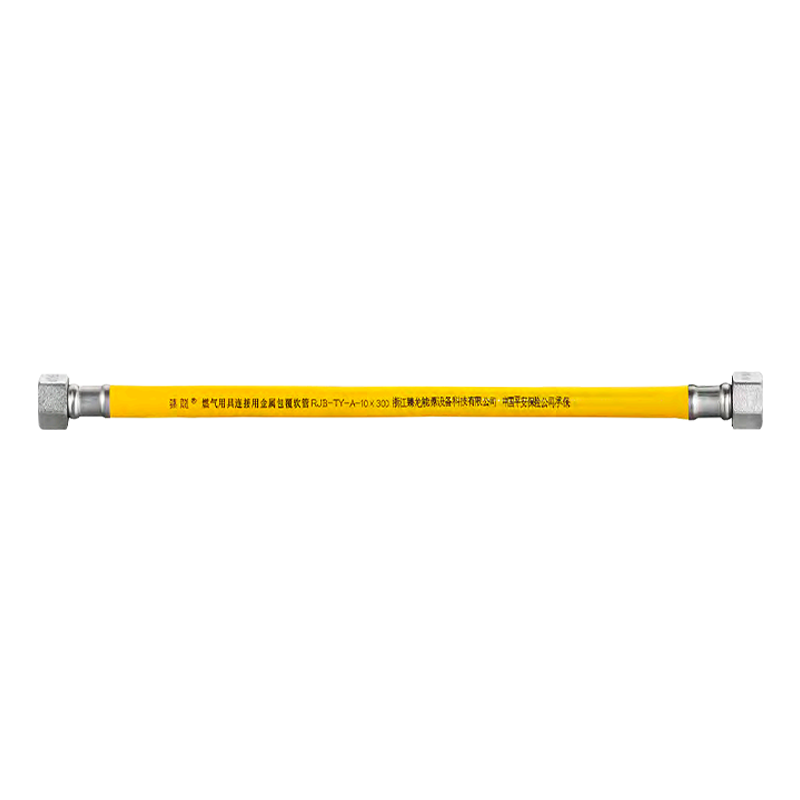
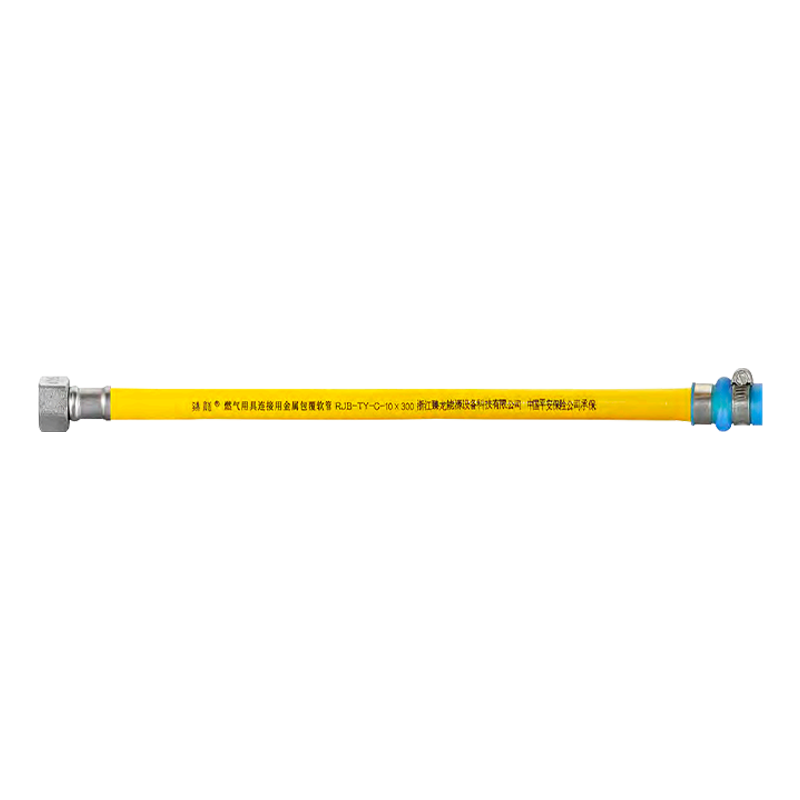
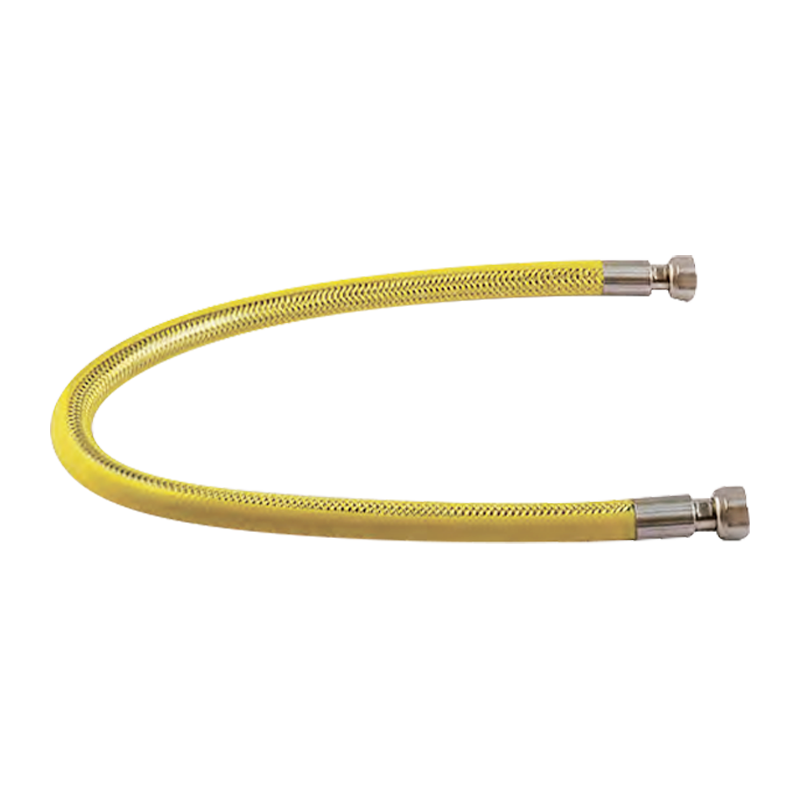
Gas pipe fittings are critical components in residential, commercial, and industrial gas systems. They connect, control, and redirect gas flow while ensuring safety and efficiency. Choosing the right gas pipe fittings can reduce leakage risks, improve system stability, and extend service life.
Content
What Are Gas Pipe Fittings?
Short Answer: Gas pipe fittings are connectors used to join, extend, or change the direction of gas pipelines.
These fittings are designed to handle pressure, temperature variations, and corrosion. Common applications include natural gas distribution, LPG systems, and industrial fuel lines. Proper installation ensures reliable gas flow and prevents dangerous leaks.
Why Are High-Quality Gas Pipe Fittings Important?
Short Answer: High-quality fittings improve safety, durability, and overall gas system performance.
Inferior fittings can cause gas leakage, pressure loss, and even system failure. Reliable gas pipe fittings are manufactured with precise dimensions and strong sealing performance. They comply with safety standards and withstand harsh working environments.
- Prevents gas leakage
- Ensures stable pressure flow
- Enhances system durability
- Reduces maintenance frequency
How to Choose the Right Gas Pipe Fittings?
Short Answer: Select fittings based on material, pressure rating, connection type, and application requirements.
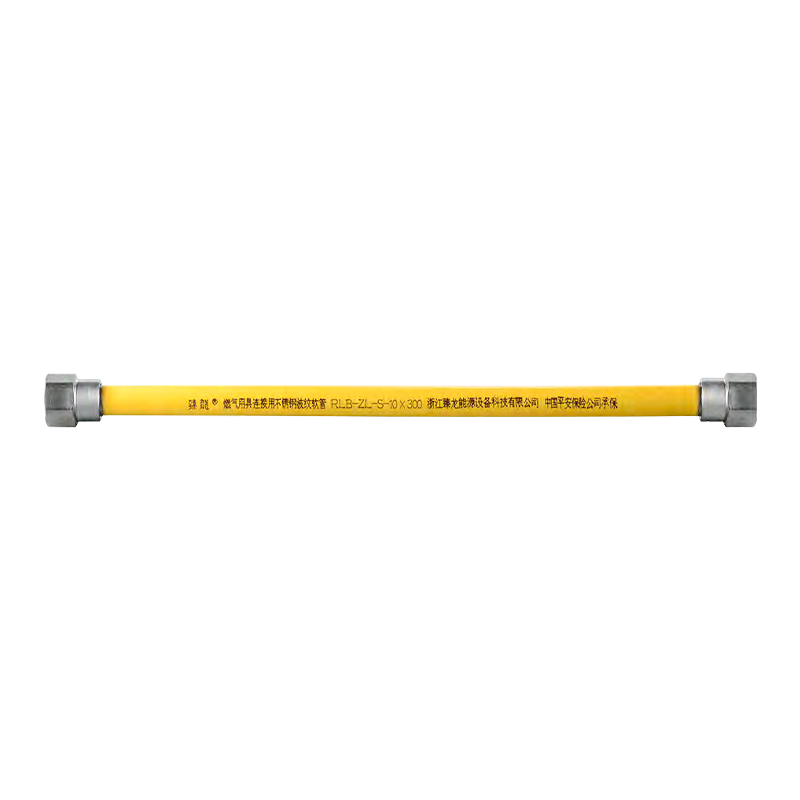
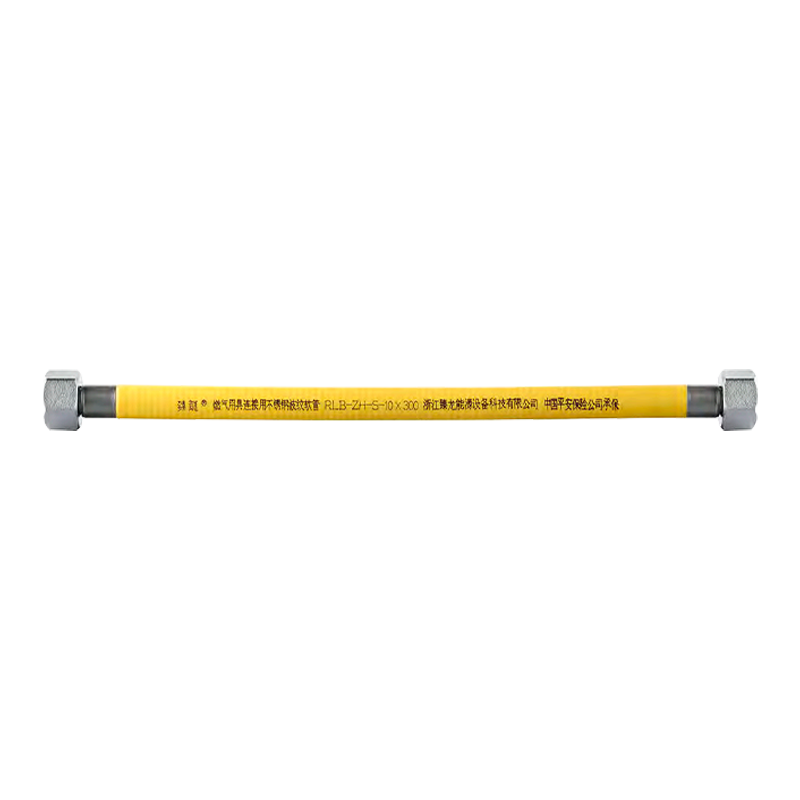
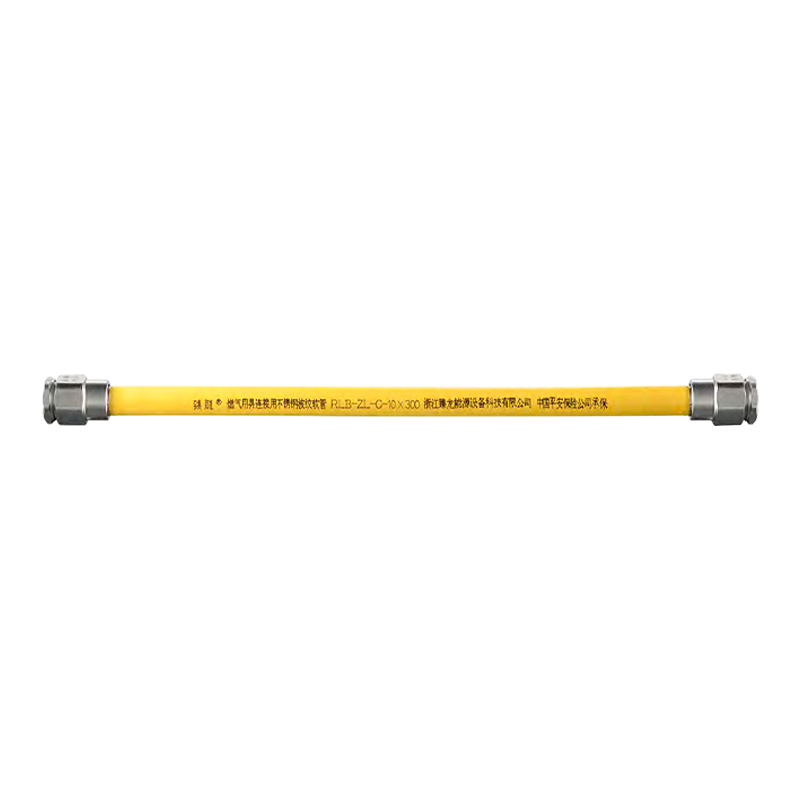
When choosing gas pipe fittings, consider the gas type, working pressure, and environmental conditions. Stainless steel fittings offer corrosion resistance, while brass fittings provide excellent sealing performance for household use. Threaded, compression, and flanged connections should be matched to the pipeline design.
What Are the Main Types of Gas Pipe Fittings?
Short Answer: Common types include elbows, tees, couplings, reducers, and valves.
Each fitting serves a specific purpose in gas pipeline systems. Elbows change flow direction, tees create branch connections, couplings extend pipe length, reducers adjust pipe diameter, and valves control gas flow. Using the correct type improves system efficiency and safety.
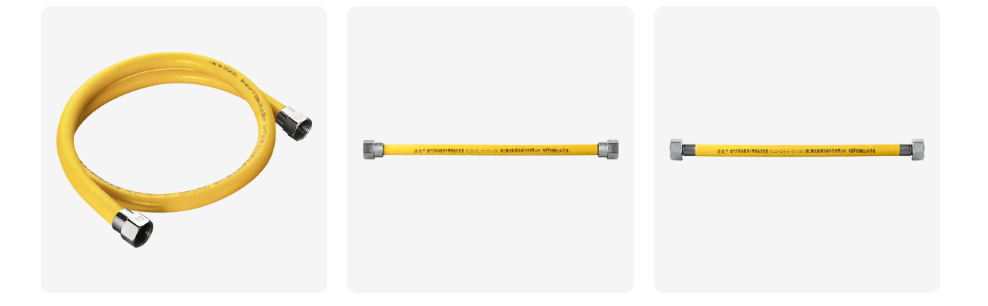
The table below shows typical gas pipe fittings and their functions:
| Fitting Type | Function | Application Area |
| Elbow | Changes flow direction | Pipeline corners |
| Tee | Creates branch lines | Distribution systems |
| Coupling | Connects two pipes | Pipe extensions |
FAQ: Gas Pipe Fittings
Q1: Can gas pipe fittings be reused?
Answer: Some fittings can be reused if they are undamaged, but new fittings are recommended for critical installations.
Answer: Some fittings can be reused if they are undamaged, but new fittings are recommended for critical installations.
Q2: How do I prevent gas leakage at connection points?
Answer: Use proper sealing materials, apply correct torque, and test connections after installation.
Answer: Use proper sealing materials, apply correct torque, and test connections after installation.
Q3: Which material is best for household gas systems?
Answer: Brass and stainless steel fittings are commonly used due to their corrosion resistance and sealing reliability.
Answer: Brass and stainless steel fittings are commonly used due to their corrosion resistance and sealing reliability.
Q4: How often should gas pipe fittings be inspected?
Answer: Annual inspection is recommended to ensure safety and long-term performance.
Answer: Annual inspection is recommended to ensure safety and long-term performance.
Choosing the right gas pipe fittings ensures safe operation, reliable gas delivery, and long-term system stability for both residential and industrial applications.