 English
 中文简体
中文简体 Español
 عربى
عربى
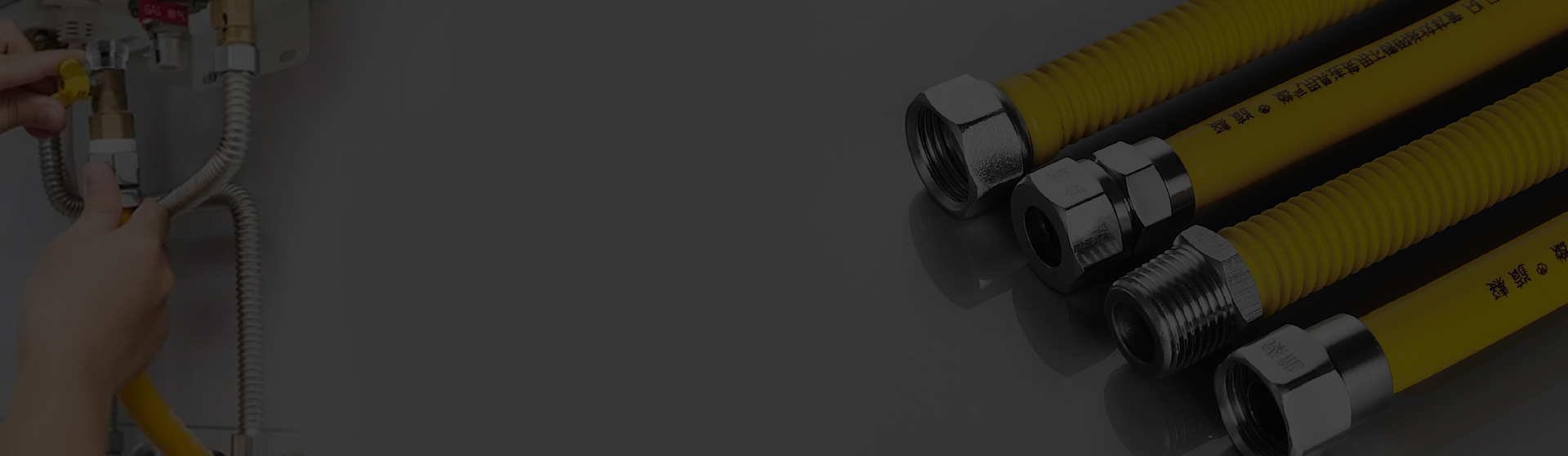

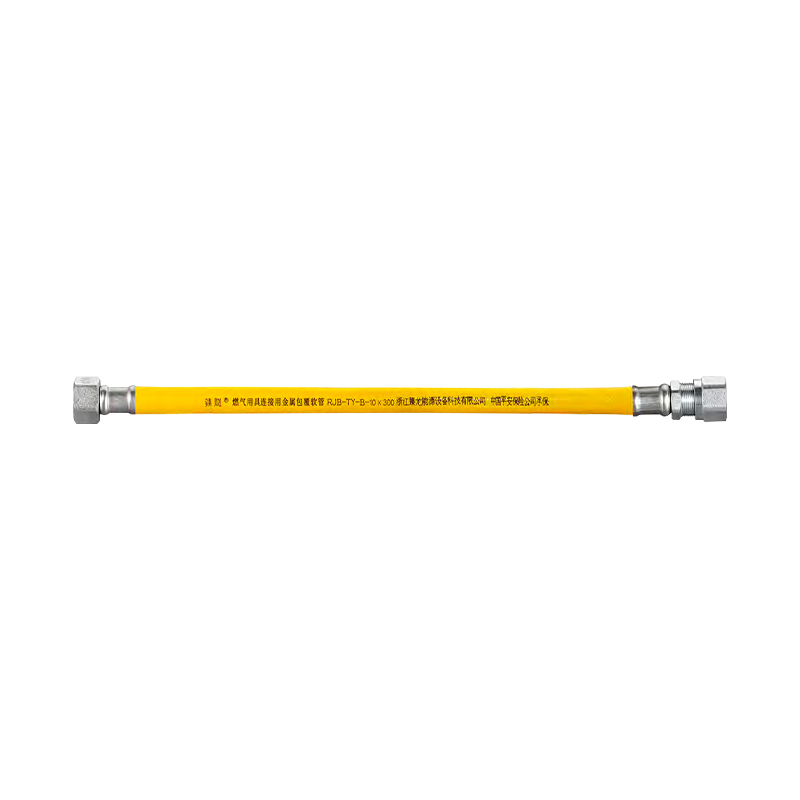
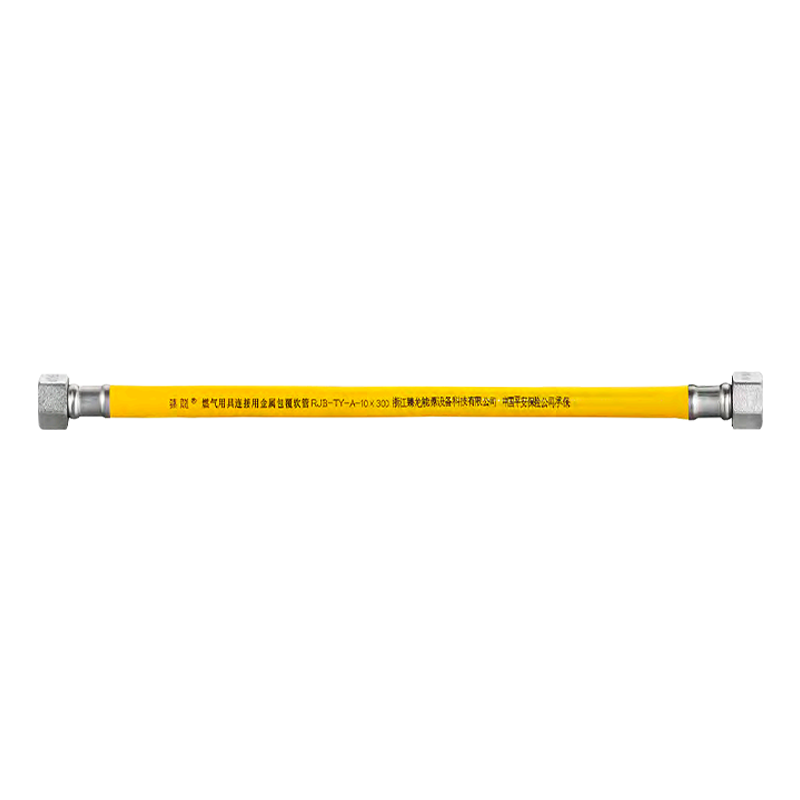
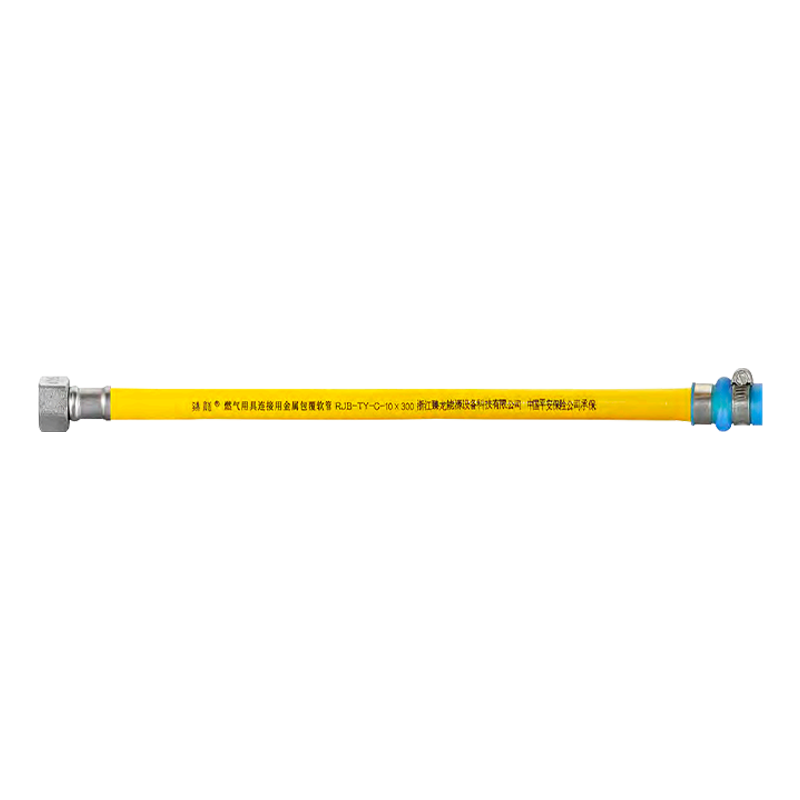
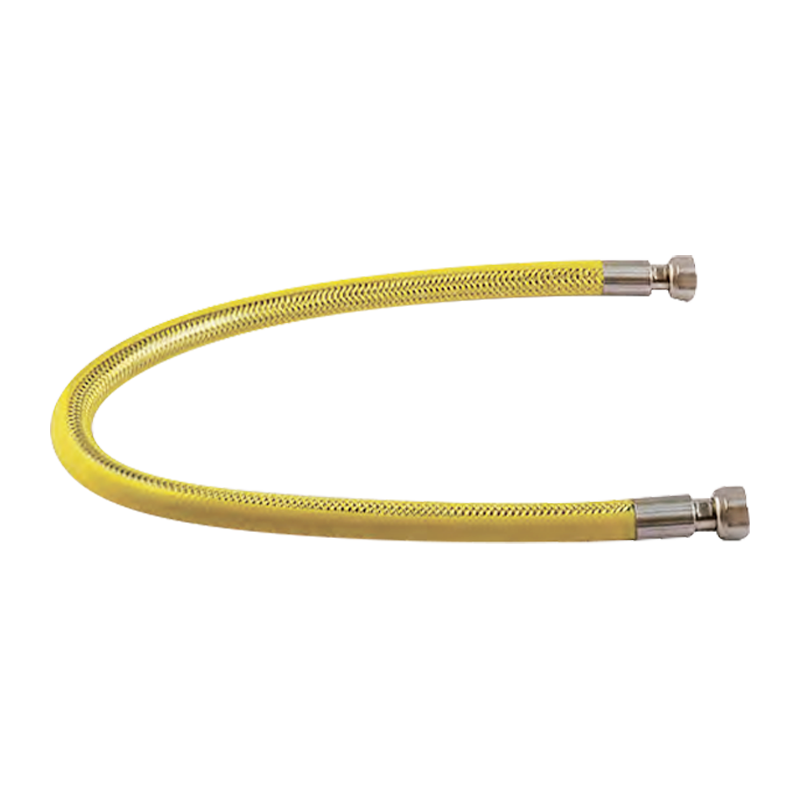
In gas transportation, metal hoses are widely used due to their excellent pressure resistance, corrosion resistance, and flexibility. They play a crucial role, especially in the transportation of natural gas, liquefied petroleum gas (LPG), and other gases. So, how do you choose the right metal hose for gas transportation?
1. Understand the Types of Metal Hoses
There are various types of metal hoses, commonly made of stainless steel corrugated pipes and other alloy materials. When choosing a suitable metal hose for gas transportation, the first step is to determine whether the material can withstand the characteristics of the gas.
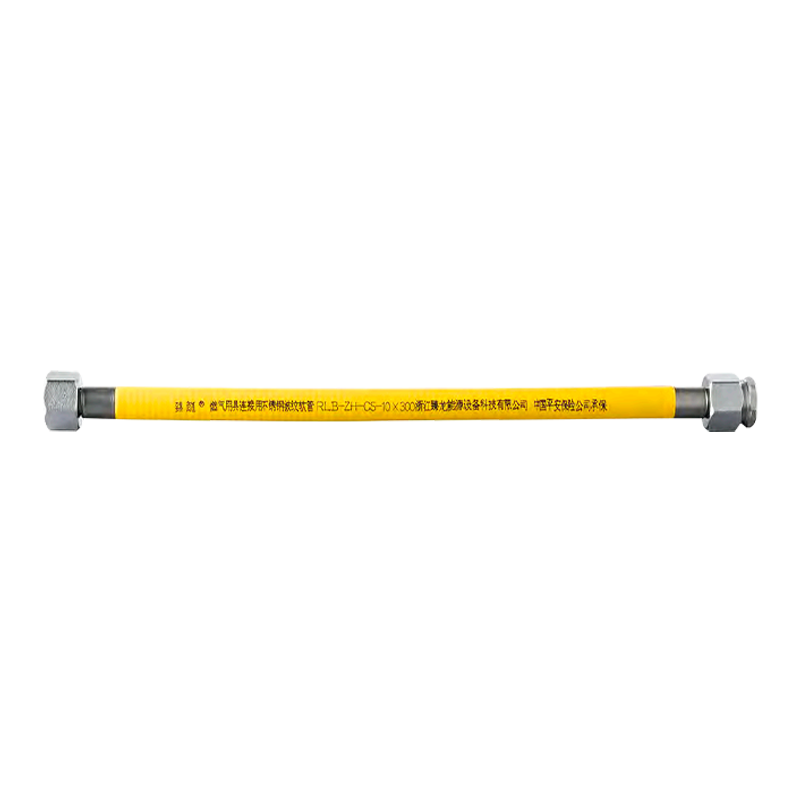
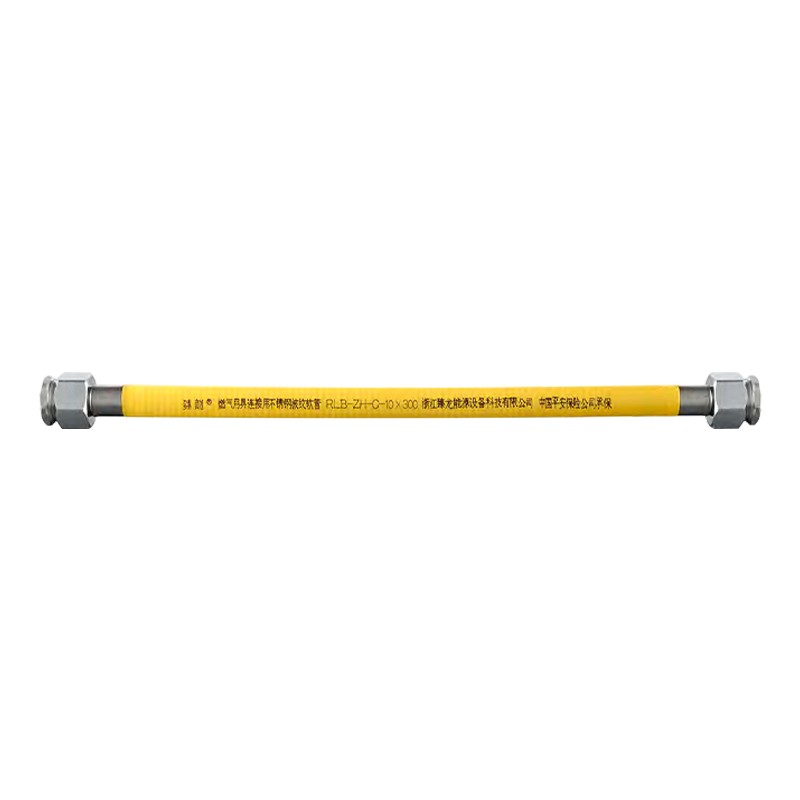
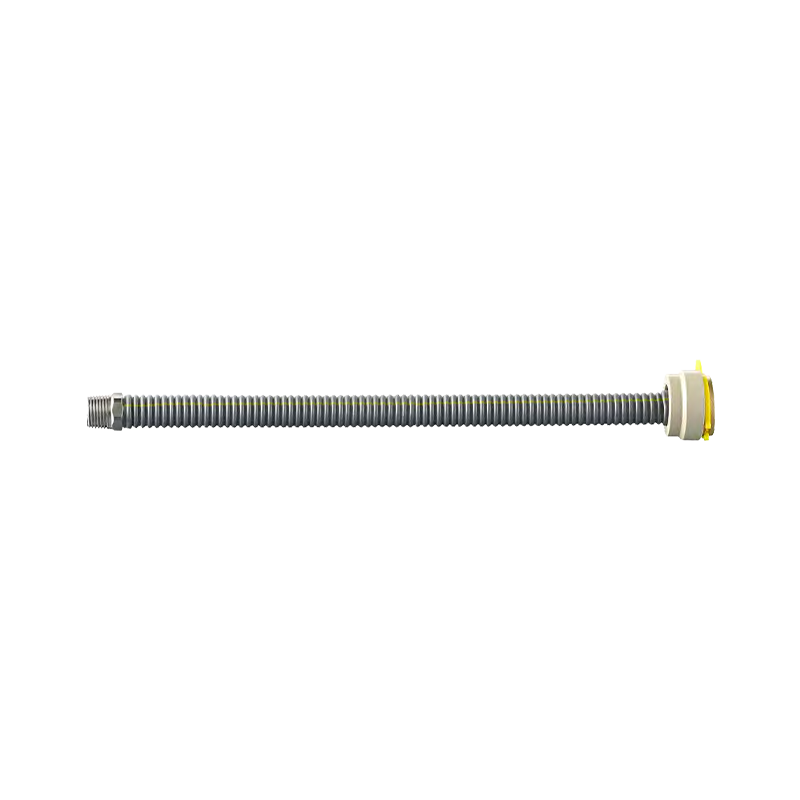
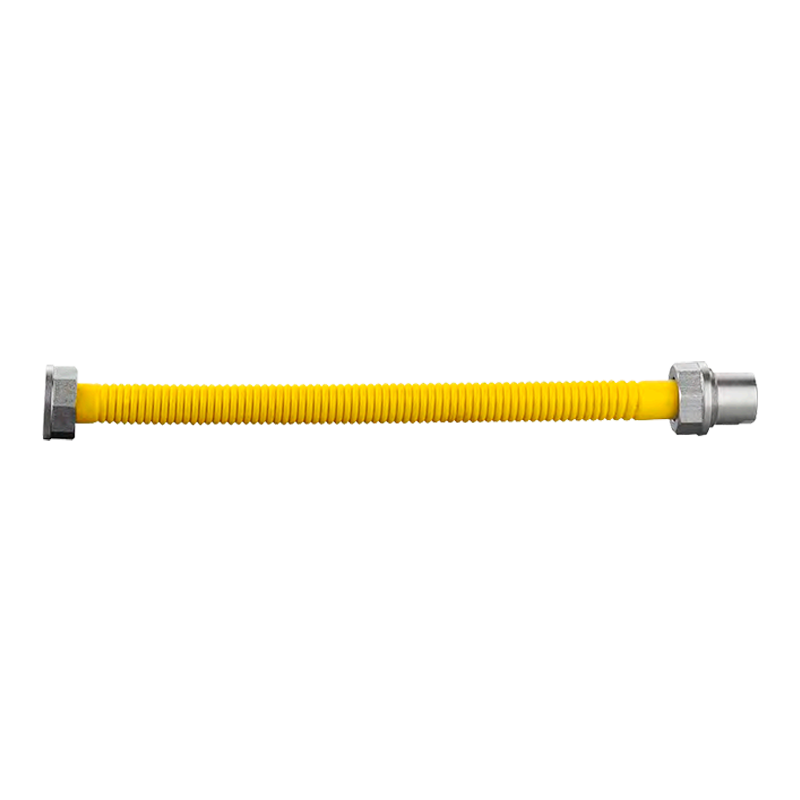
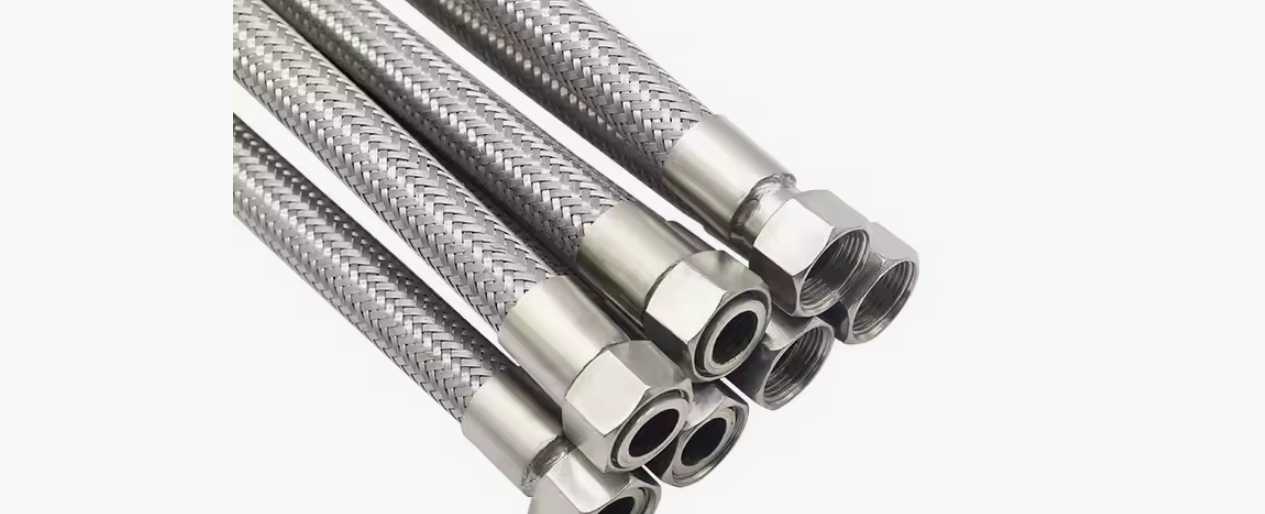
Stainless Steel Corrugated Pipes: Widely used in gas transportation systems due to their excellent corrosion resistance and high strength. Especially in high-pressure, extreme temperature, or corrosive environments, stainless steel corrugated pipes are the preferred material.
Alloy Metal Hoses: For some special gases, certain alloy metal hoses may need to be selected, as they offer superior performance in terms of high temperature and pressure resistance.
2. Consider Operating Pressure and Temperature
Different gas transportation systems have different requirements for the operating pressure and temperature of hoses. When selecting metal hoses, it is essential to understand the system's maximum operating pressure and temperature range.
Operating Pressure: During gas transportation, metal hoses need to withstand a certain internal pressure. When selecting a metal hose, it is crucial to ensure that its maximum operating pressure exceeds the system's requirements. It is generally recommended to choose a metal hose with a pressure slightly higher than the operating pressure to handle unexpected situations.
Operating Temperature: The temperature of the gas transportation environment varies significantly. Therefore, when selecting a metal hose, it is necessary to ensure that it can withstand the temperature fluctuations that may occur in the system. For example, liquefied natural gas (LNG) experiences low temperatures during transportation, necessitating the selection of metal hoses capable of withstanding low temperatures.
3. Corrosion Resistance and Chemical Stability
Gas itself may contain corrosive components, especially natural gas and liquefied petroleum gas (LPG), which contain sulfides and moisture, easily corroding metal materials. Corrosion resistance is critical to ensure the safety and stability of metal hoses during long-term use.
Stainless Steel Material: Selecting high-quality stainless steel metal hoses can effectively resist the effects of corrosive components such as sulfides and moisture in gas.
Coating Protection: Some metal hoses undergo coating treatment during manufacturing, such as chrome plating or zinc plating, which enhances corrosion resistance and extends service life.
4. Flexibility and Bending Radius
Gas delivery systems typically require metal hoses to be installed at various locations and angles. Therefore, the flexibility and bending radius of the metal hose are crucial.
Flexibility: The metal hose must be designed to have a certain bending radius to adapt to complex installation environments. When selecting a hose, ensure it can easily pass through pipe bends to avoid damage or gas leaks caused by improper bending.
Bending Radius: A smaller bending radius makes the metal hose easier to install and adjust, but it must also ensure that its internal pressure resistance is not affected. Therefore, excessive bending should be avoided during installation.
5. Environmental Adaptability
During gas delivery, metal hoses are often exposed to various environmental conditions, such as high temperatures, humidity, contaminants, and ultraviolet radiation. The impact of the external environment must be considered when selecting a suitable metal hose.
External Ambient Temperature and Humidity: For common indoor gas delivery systems, standard metal hoses can be selected; however, in outdoor or harsh environments, reinforced, UV-resistant metal hoses may be necessary.
Chemical substances: If the gas transportation environment is contaminated with chemical substances or other corrosive gases, chemically resistant metal hoses should be selected.