 English
 中文简体
 Español
 عربى

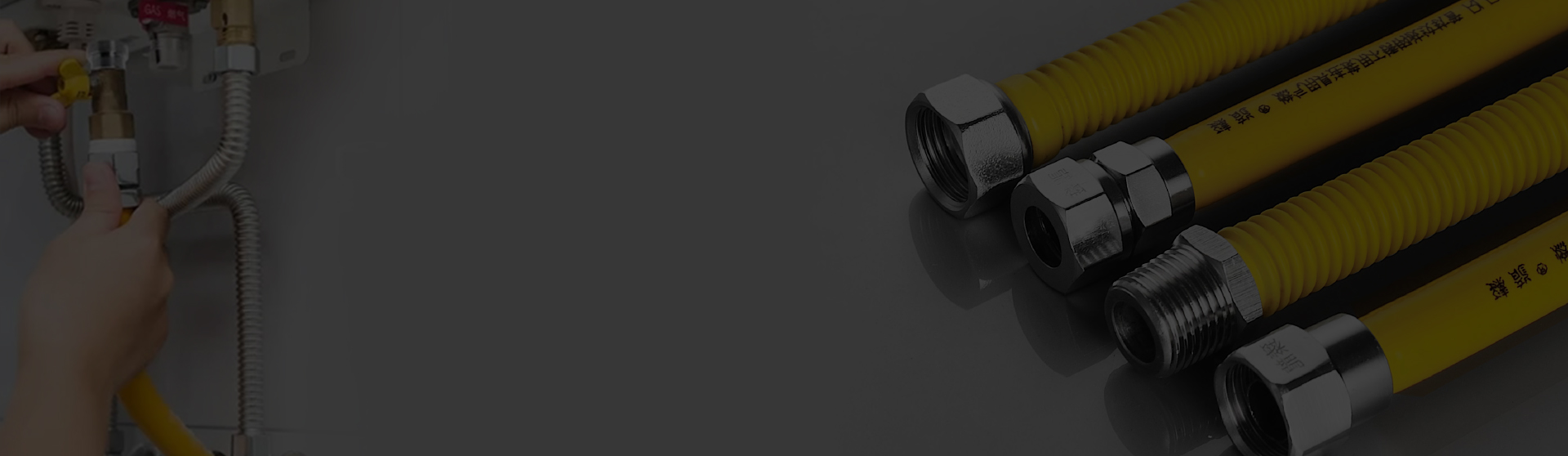

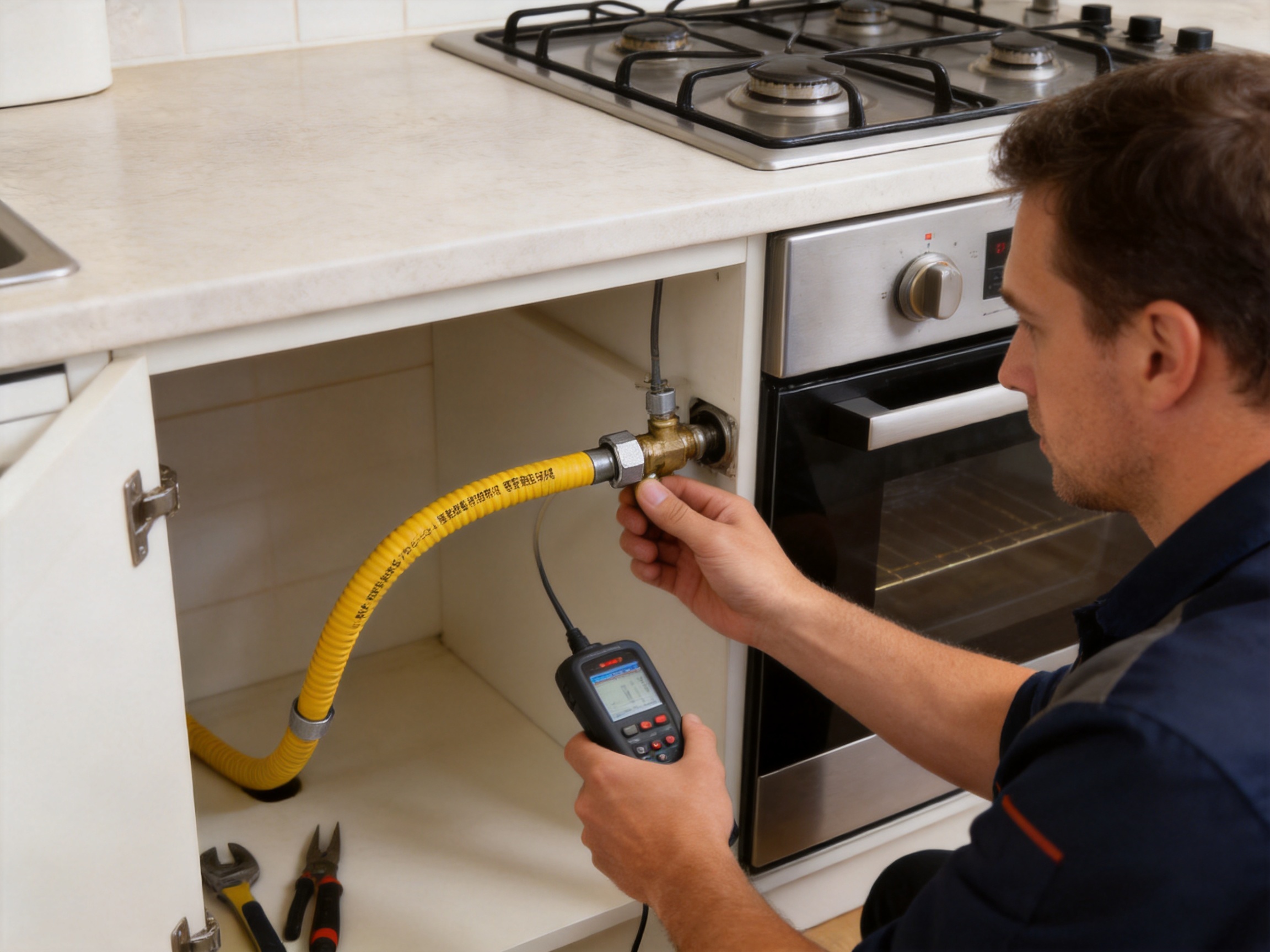
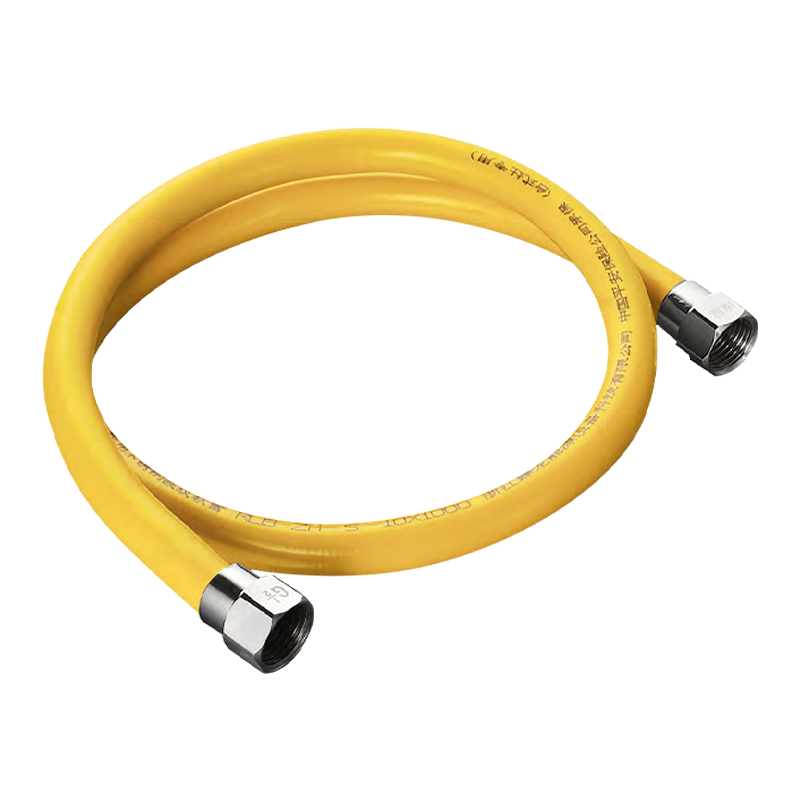
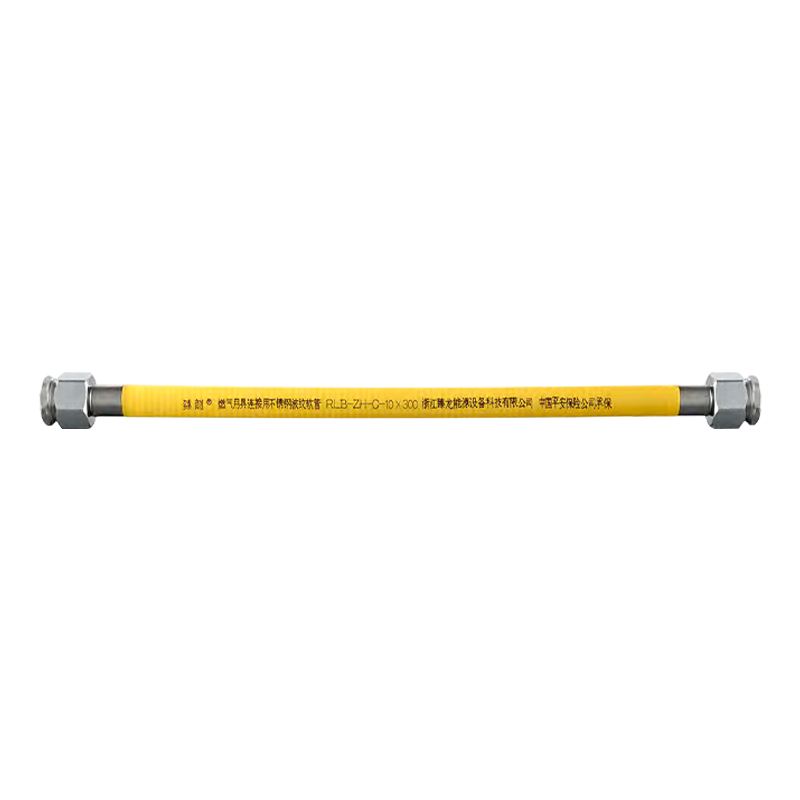
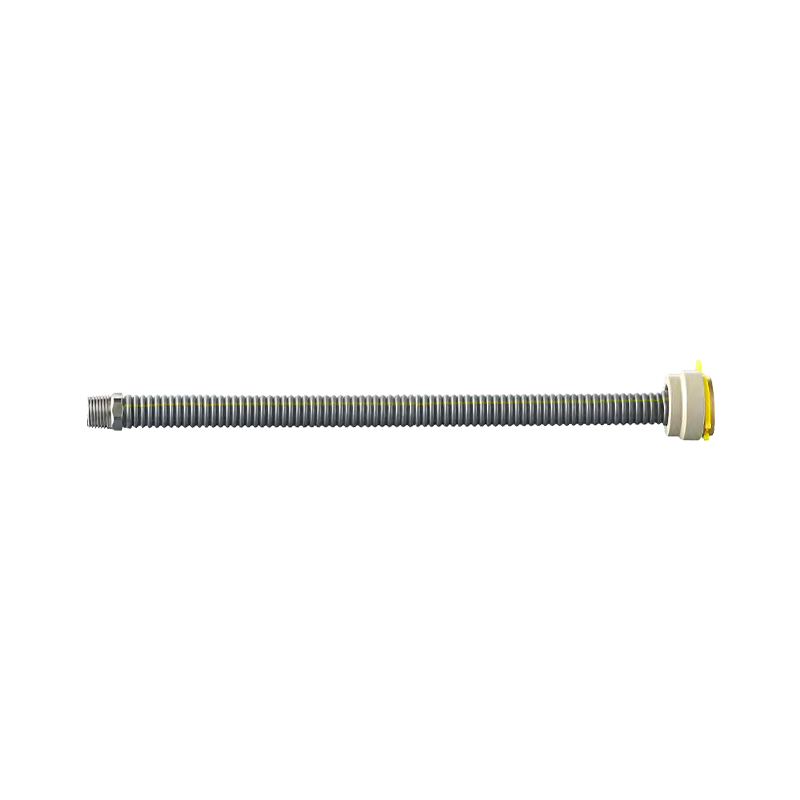
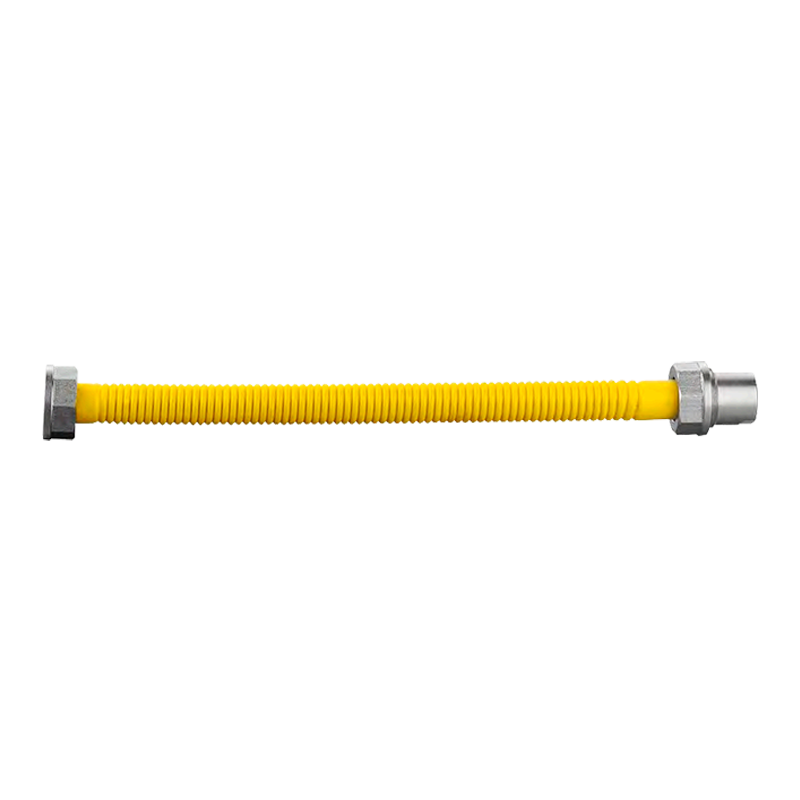
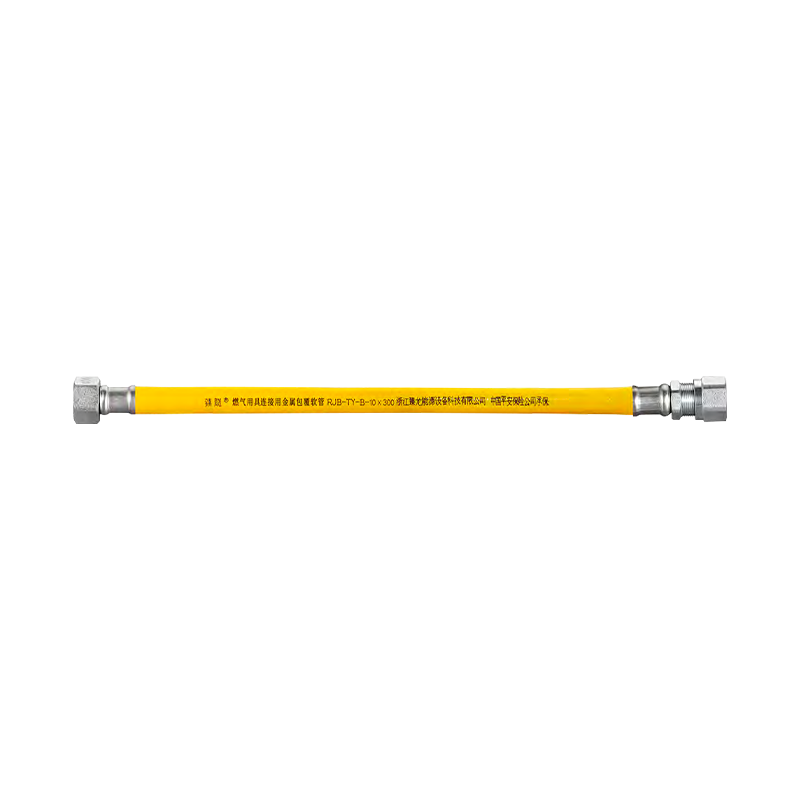
Reliable gas connections are essential in residential, commercial, industrial, and energy-related installations. A gas hose must do more than connect one component to another. It must accommodate movement, resist corrosion, maintain a dependable seal, withstand temperature variation, and provide stable performance throughout its service life. The Stainless Steel Corrugated Gas Hose ZLR-07 is designed to address these requirements through a combination of 304 stainless steel construction, precision-machined connectors, flexible corrugated geometry, protective covering, and carefully selected sealing components.
Manufactured by Zhejiang Zhenlong Energy Equipment Technology Co., Ltd., the ZLR-07 belongs to a product category developed for connecting gas appliances. Its design is centered on safety, flexibility, and long-term durability. The hose incorporates a 304 stainless steel bellows body, G1/2 nuts, flat washers, stainless steel sleeves, turn-in fittings, and a PVC cover. Together, these components create a practical connection assembly for applications where ordinary rigid pipework may be difficult to install or where controlled flexibility is necessary.
Unlike basic flexible tubes that may rely primarily on a thin polymer wall, the ZLR-07 uses a corrugated metal structure to provide mechanical strength and controlled movement. Unlike rigid metal pipes, it can accommodate installation tolerances, minor vibration, and changes in alignment. Its precision-machined swivel joint connectors are intended to support tight connections while reducing the risk of leakage caused by poor fitting alignment. This combination gives the product a distinct position among gas appliance connection solutions.
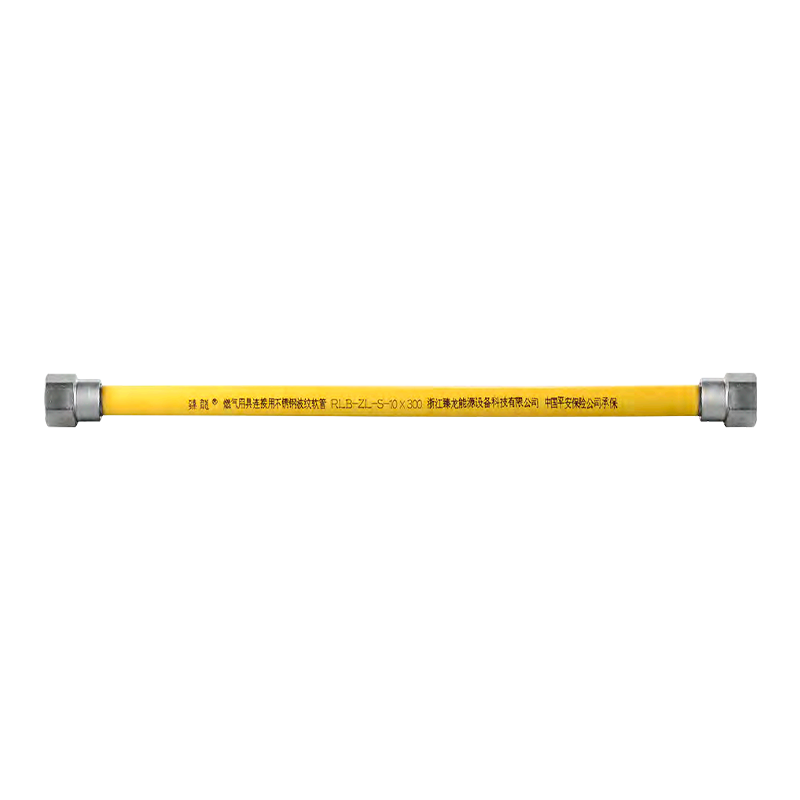
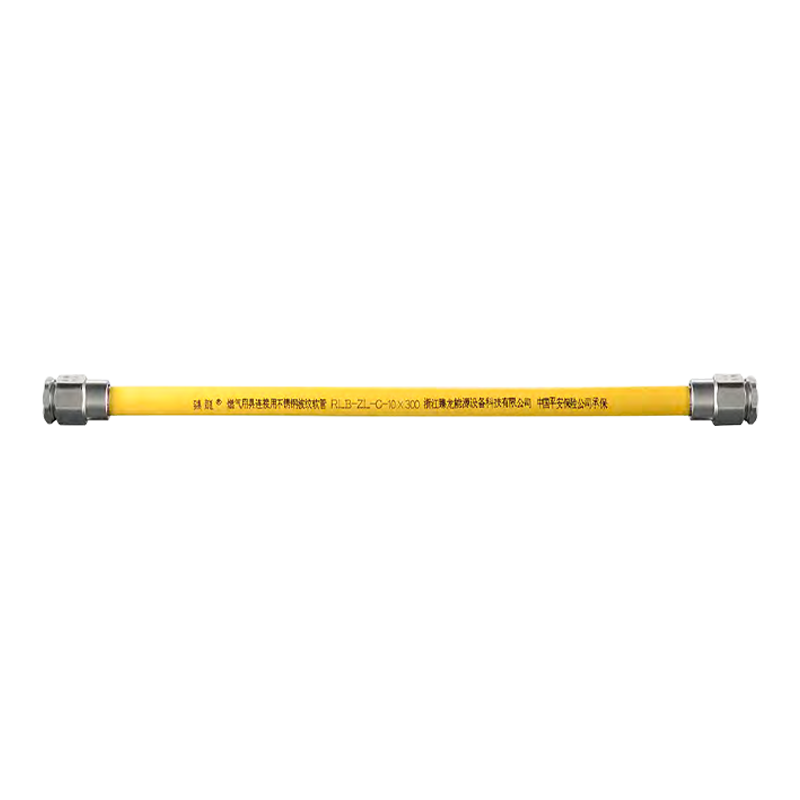
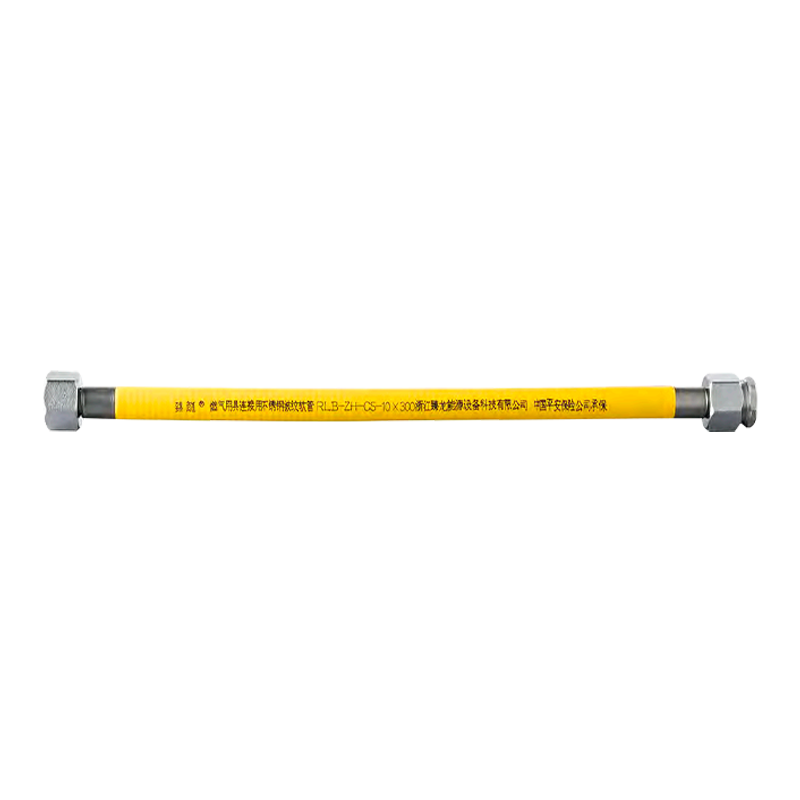
The product is specified under model ZLR-07, with the model designation RLB-ZL-C-10X300, a nominal size of DN10, an outside diameter of 16 millimeters, and available lengths from 300 millimeters to 2,000 millimeters. The standard connection configuration includes a G1/2 nut and a flat washer. These specifications make the hose suitable for a variety of gas appliance connection layouts, subject to project requirements, local regulations, and professional installation practices.
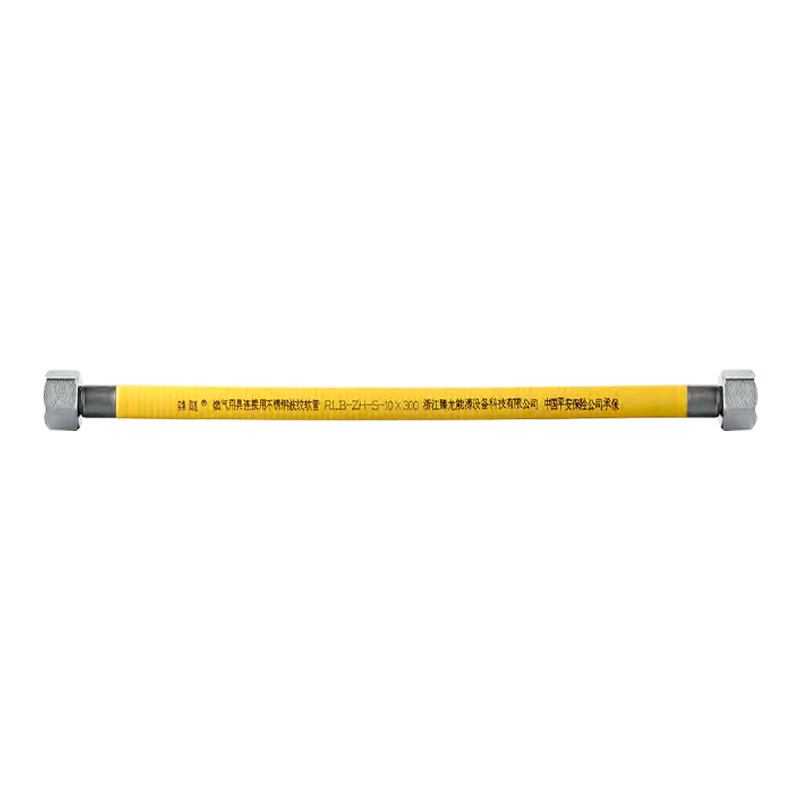
Stainless steel corrugated gas hose, precision machined ZLR-07
Content
- 1 1. The Role of Flexible Gas Hoses in Modern Installations
- 2 2. Product Construction and Component Functions
- 3 3. Main Advantages of the ZLR-07
- 4 4. Comparison with Alternative Connection Solutions
- 5 5. Manufacturing Strengths Behind the Product
- 6 6. Quality Management and Compliance Orientation
- 7 7. Applications for the ZLR-07
- 8 8. Installation and Handling Considerations
- 9 9. Procurement Guidance for Distributors and Project Buyers
- 10 10. Why Zhejiang Zhenlong Energy Equipment Technology Co., Ltd. Is a Suitable Manufacturing Partner
- 11 11. Sustainability and Product Life-Cycle Considerations
- 12 12. Frequently Asked Questions
- 12.1 Q1: What is the ZLR-07 stainless steel corrugated gas hose used for?
- 12.2 Q2: What material is used for the hose body?
- 12.3 Q3: What are the main dimensions of the listed model?
- 12.4 Q4: Why is a corrugated metal body used instead of a smooth tube?
- 12.5 Q5: Does the hose have unlimited flexibility?
- 12.6 Q6: What is the purpose of the flat washer?
- 12.7 Q7: Is the PVC cover only for appearance?
- 12.8 Q8: How does the ZLR-07 compare with rigid pipe?
- 12.9 Q9: How does it compare with a basic polymer hose?
- 12.10 Q10: Can the ZLR-07 be customized?
- 12.11 Q11: What testing capabilities does the manufacturer have?
- 12.12 Q12: Is the product suitable for every gas?
- 12.13 Q13: Can a customer install the hose without professional assistance?
- 12.14 Q14: What should be checked before ordering?
- 13 13. Conclusion
- 14 References
- 15 Product: Stainless steel corrugated gas hose, precision machined ZLR-07
1. The Role of Flexible Gas Hoses in Modern Installations
Gas appliance installations often require a connection between a fixed supply line and an appliance inlet. In theory, this connection may be completed with rigid piping. In practice, however, appliances can be positioned in confined spaces, placed against walls, installed within cabinets, or arranged in locations where exact alignment is difficult. A rigid connection may require additional elbows, adaptors, and supports, increasing installation complexity and the number of potential joints.
A flexible gas hose helps simplify this transition. It can bridge a small gap between the supply line and appliance, accommodate limited changes in direction, and reduce the need for multiple rigid fittings. This flexibility is especially valuable during appliance replacement, maintenance, inspection, and repositioning. It can also help installers achieve a cleaner layout when the available installation space is limited.
Flexibility alone, however, is not sufficient for a gas connection. The hose must maintain structural integrity while being bent within its intended limits. It must not kink, collapse, or experience excessive stress at the connection points. The sealing surfaces must remain stable, and the product must be protected from environmental influences that could shorten its service life.
The ZLR-07 addresses these needs through a corrugated 304 stainless steel bellows body. Corrugations increase the hose’s ability to flex while preserving a continuous metal pressure boundary. The geometry distributes movement across multiple corrugations rather than concentrating all deformation at one point. This design principle helps the hose support flexibility without sacrificing the strength expected from a metal connection.
For gas appliance systems, the quality of the end connections is just as important as the hose body. A strong bellows cannot compensate for an inaccurately machined thread, a poorly fitted nut, or an unsuitable gasket. For this reason, the ZLR-07 combines the metal hose with precision-machined swivel joint connectors, stainless steel nuts, and flat gaskets. The complete assembly is designed as an integrated connection rather than as a simple piece of flexible tubing.
2. Product Construction and Component Functions
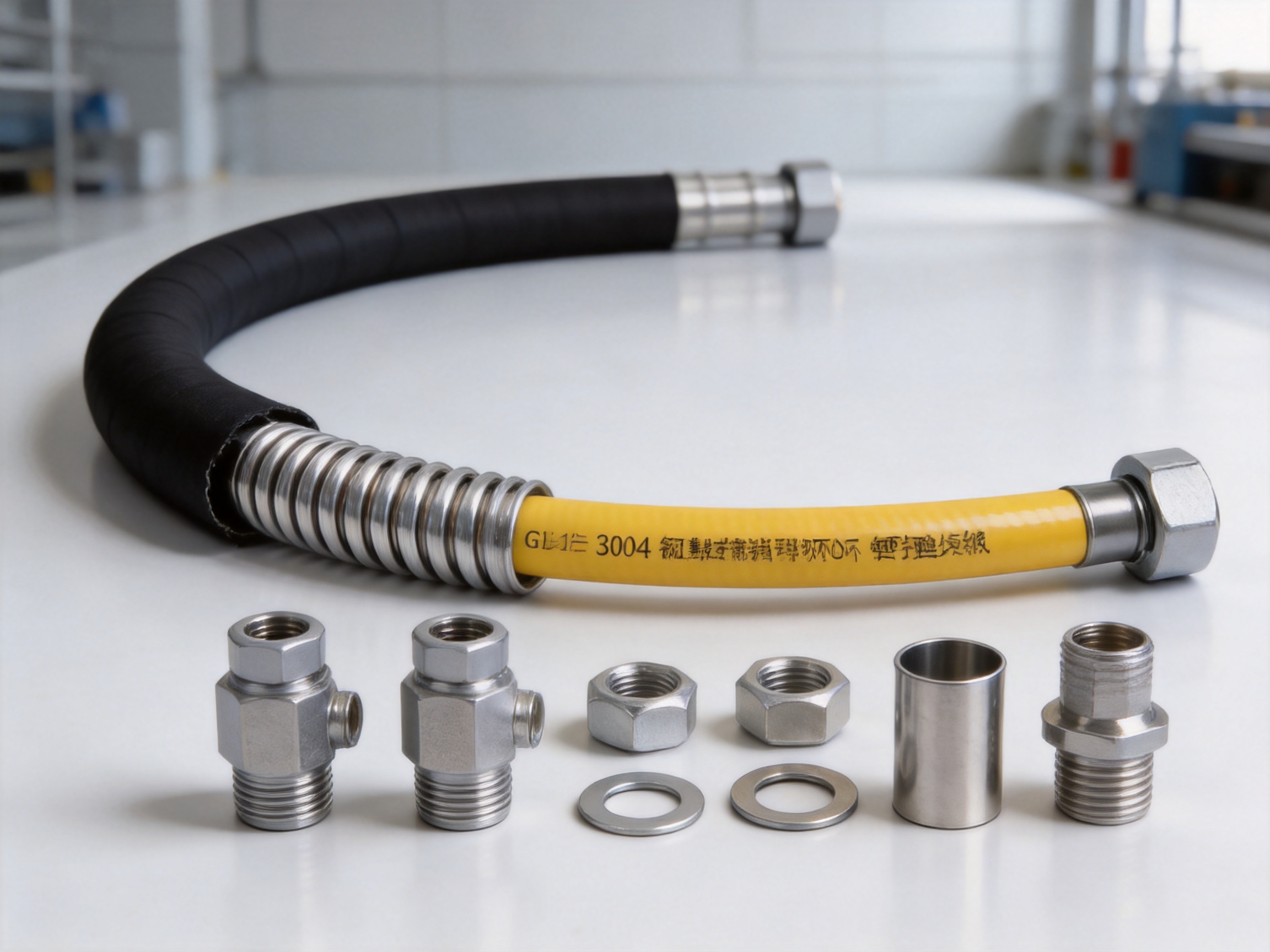
The ZLR-07 is composed of several coordinated parts. Each component contributes to the overall performance of the product, and the combination is intended to support dependable installation and operation.
| Component | Material or Specification | Primary Function |
|---|---|---|
| Corrugated bellows | 304 stainless steel | Provides the flexible metallic pressure-bearing body and resistance to corrosion and temperature. |
| Gas connection nut | Stainless steel, G1/2 configuration | Secures the hose to the mating connection and supports assembly integrity. |
| Flat washer | Sealing gasket | Distributes contact pressure across the sealing surface and helps reduce leakage risk. |
| PVC cover | Protective polymer cover | Provides an outer protective layer against handling damage, abrasion, and environmental contact. |
| Stainless steel sleeve | Stainless steel | Supports the hose end and contributes to mechanical reinforcement around the connection area. |
| Turn-in fitting | Precision-machined fitting | Creates the transition between the corrugated hose and the appliance or supply connection. |
2.1 304 Stainless Steel Bellows
The bellows is the central working component of the ZLR-07. It is manufactured from 304 stainless steel, a widely used austenitic stainless steel known for its corrosion resistance, formability, and suitability for many general industrial and building-service applications. In a gas hose, these characteristics are important because the hose may encounter humidity, cleaning conditions, temperature changes, and atmospheric contaminants during normal use.
The corrugated configuration gives the bellows a controlled degree of flexibility. A smooth metal tube would generally be more rigid and would transmit greater bending force to its connection points. The corrugated body can absorb limited movement along its length and across its intended bending direction. This can make installation easier and can help reduce stress caused by small differences in alignment between an appliance and a fixed gas outlet.
304 stainless steel also offers a durable metallic surface that is less vulnerable to ordinary corrosion than many untreated carbon-steel alternatives. This does not mean that the hose is immune to every chemical or environmental condition. Correct application remains essential, and the product should be protected from incompatible chemicals, excessive mechanical damage, and installation conditions outside its design purpose. Within suitable gas appliance applications, however, 304 stainless steel provides a strong balance between performance, availability, manufacturability, and cost.
2.2 Stainless Steel Nuts and Connection Hardware
The connection hardware provides the mechanical interface between the hose and the mating appliance or pipe fitting. Stainless steel nuts are selected to complement the stainless steel hose assembly and to provide a durable fastening component. A dependable nut must engage correctly with the mating thread, withstand assembly torque appropriate to the connection, and maintain its position during service.
The ZLR-07 uses a G1/2 nut configuration in the listed model specification. Thread compatibility must always be confirmed before installation because nominal size alone does not identify every aspect of a connection. The installer should verify thread form, sealing method, mating component design, and applicable local requirements. When correctly matched, the nut and fitting can create a compact connection suitable for gas appliance applications.
2.3 Flat Washer and Sealing Performance
The flat washer is more than an accessory. It contributes to sealing by creating a controlled contact interface between the connection components. It helps distribute the applied force over a broader area, reducing localized stress concentration on the sealing surface. This is particularly valuable when the connection uses a face-sealing arrangement in which the gasket, rather than the thread itself, provides the primary seal.
Proper sealing depends on the complete connection system. The washer must be clean, correctly positioned, and suitable for the service conditions. The mating surfaces must be free from damage and contamination. The nut must be tightened according to appropriate installation practice rather than overtightened. Excessive force can deform a gasket or damage threads, while insufficient force can prevent the washer from seating correctly.
2.4 PVC Protective Cover
The PVC cover provides an external protective layer around the metallic hose body. It can help limit direct contact between the stainless steel bellows and surrounding surfaces, reducing the possibility of abrasion during handling or installation. It may also help protect the hose from minor environmental exposure and improve the visual finish of the connection.
A protective cover does not replace correct installation. The hose should not be dragged over sharp edges, crushed beneath equipment, exposed to excessive heat beyond its specified conditions, or installed where the cover can be cut or chemically attacked. Its purpose is to add protection to the assembly, not to permit careless handling or operation in unsuitable environments.
2.5 Stainless Steel Sleeve and Turn-In Fitting
The stainless steel sleeve helps reinforce the hose termination. Connection areas are subject to higher mechanical stress than the middle of the hose because forces are transferred from the flexible body to the rigid fitting. A properly designed sleeve supports this transition and helps maintain the geometry of the hose end.
The turn-in fitting provides the connection between the bellows and the external threaded or appliance-side interface. Because this area affects both mechanical integrity and gas tightness, precision machining is important. The fitting must be properly formed, dimensionally consistent, and securely integrated with the hose assembly. The ZLR-07 uses precision-machined swivel joint connectors to support accurate engagement and a tight connection.
3. Main Advantages of the ZLR-07
3.1 Corrosion Resistance for Long-Term Service
One of the principal advantages of the ZLR-07 is its 304 stainless steel construction. Gas appliance connections may be installed in kitchens, utility areas, equipment rooms, workshops, commercial facilities, or other locations where moisture and airborne contaminants are present. Corrosion can weaken a metal component, affect thread quality, damage sealing surfaces, and ultimately reduce the reliability of a connection.
The use of corrosion-resistant stainless steel helps the hose retain its functional properties over an extended service period when it is used in appropriate conditions. The material is also compatible with the product’s intended image of a durable, clean, and professional connection. In comparison with ordinary unprotected steel tubing, a stainless steel corrugated hose can offer better resistance to common atmospheric exposure and a lower risk of visible rust formation.
Material selection must still be evaluated against the actual environment. Industrial locations may contain chemicals, salts, solvents, or gases that require a more specific material assessment. The ZLR-07 is designed around 304 stainless steel and should be selected only after confirming that this material is appropriate for the application.
3.2 High-Temperature and Pressure Capability
The metal bellows structure gives the hose a robust foundation for applications involving temperature fluctuation and pressure service. Stainless steel retains useful strength across a broad range of ordinary operating conditions, and the corrugated construction is designed to provide flexibility without relying solely on a soft polymer tube.
This characteristic can give the ZLR-07 an advantage over lower-grade flexible products that may become brittle, soften, or lose dimensional stability when exposed to unfavorable temperatures. The actual allowable temperature and pressure limits depend on the complete product design, the gas medium, the connection method, the installation configuration, and relevant standards. Users should consult the applicable technical documentation before final selection.
The product description identifies the hose as suitable for the safe transfer of various liquids and gases. In gas appliance applications, the key requirement is that the product must be used with compatible media and within its approved operating envelope. A metal hose is not automatically suitable for every fluid, pressure, temperature, or chemical environment. Professional evaluation remains necessary for specialized service.
3.3 Flexibility Without the Weakness of a Basic Soft Tube
The corrugated design provides a useful compromise between rigidity and flexibility. Rigid pipe offers dimensional stability but can be difficult to align. A soft polymer hose may be easy to bend but may offer less resistance to crushing, heat, aging, or mechanical damage. The ZLR-07 uses a metallic corrugated body to provide controlled flexibility while maintaining a strong pressure boundary.
This design can reduce installation effort because the hose can be routed around minor obstacles and aligned with an appliance connection without requiring numerous additional elbows. It can also reduce the amount of rigid pipework needed in compact installations. When the hose is installed correctly and not bent beyond its intended radius, the corrugations can distribute movement more evenly along the flexible section.
Flexibility should never be interpreted as unlimited bendability. Sharp bending, twisting, repeated movement, or tension at the fittings can shorten service life. A flexible gas hose should be installed with adequate clearance, without kinks, and with sufficient length to avoid pulling the connections together. These installation principles help the design deliver its intended advantages.
3.4 Precision-Machined Connections
The ZLR-07 emphasizes precision machining at the connector area. This is a significant advantage because many connection failures originate at the ends rather than in the middle of the hose. Poorly formed threads, uneven seating surfaces, misaligned fittings, or inconsistent dimensions can make installation difficult and increase the possibility of leakage.
Precision machining helps control critical dimensions and supports smoother engagement between mating components. The swivel joint configuration can also make it easier to orient the hose during installation without forcing the corrugated body to rotate excessively. A properly designed swivel connection helps the installer position the assembly while reducing stress on the flexible section.
Precision machining also improves production consistency. When fittings are produced with stable processes and inspected using suitable equipment, individual hoses are more likely to exhibit consistent dimensions. This is especially important for OEM and ODM customers that require repeatable assembly performance across multiple production batches.
3.5 Integrated Sealing Components
The inclusion of a stainless steel nut and flat washer creates a coordinated connection package. Customers do not need to develop an entirely separate sealing solution for every order configuration. The integrated design supports a clear installation sequence and helps reduce the risk of missing or mismatched components.
A flat washer distributes force evenly, while the machined fitting provides the required seating geometry. Together, they are intended to create a reliable seal when correctly installed. This approach can be more practical than relying on thread sealant alone, especially where the connection is designed around a gasketed face seal. The exact sealing method must always follow the product’s technical instructions and the requirements of the mating equipment.
3.6 Protective Outer Finish
The PVC cover contributes to product protection and appearance. It provides a barrier between the metal bellows and surrounding surfaces, which may help reduce minor abrasion during handling. It can also make the hose easier to clean visually and give the assembly a finished appearance suitable for appliance installations.
Compared with an exposed corrugated metal hose, a covered design may provide greater protection against incidental contact with cabinet edges, equipment panels, or other nearby surfaces. However, the cover should be inspected during installation and service. Cuts, severe abrasion, heat damage, or deformation should be evaluated before the connection is placed into operation.
4. Comparison with Alternative Connection Solutions
Customers evaluating the ZLR-07 may compare it with rigid metal pipe, polymer-based flexible hose, braided hose, or lower-cost corrugated products. Each solution has a place in the market, but the ZLR-07 offers a balanced combination of metallic strength, flexibility, and precision connection engineering.
| Connection Solution | Typical Strengths | Potential Limitations | ZLR-07 Position |
|---|---|---|---|
| Rigid metal pipe | Strong, stable, and suitable for fixed layouts. | Requires accurate alignment, cutting, threading, bending, and additional fittings. | Offers flexibility for the final appliance connection while retaining a metal hose body. |
| Basic polymer hose | Lightweight and easy to route. | May be more vulnerable to heat, aging, crushing, and mechanical damage depending on material. | Uses 304 stainless steel bellows with a protective cover for a more robust connection structure. |
| General braided hose | Flexible and widely available. | Performance depends strongly on internal tube, braid, fittings, and sealing design. | Combines corrugated stainless steel construction with precision-machined fittings and a flat washer. |
| Low-cost corrugated hose | May provide basic metal flexibility at a lower purchase price. | Can vary in material quality, connector accuracy, protective finish, and production consistency. | Focuses on 304 stainless steel, controlled machining, integrated hardware, and established manufacturing capability. |
The most important comparison is not simply price per meter. A gas connection should be evaluated as a complete engineered assembly. Material quality, connector design, sealing components, dimensional consistency, inspection, packaging, and after-sales support all influence the total value of the product.
The ZLR-07 may be especially attractive to distributors, appliance manufacturers, plumbing contractors, gas equipment suppliers, and project purchasers that require a repeatable product rather than an unverified generic hose. Its defined model, DN10 specification, G1/2 nut, 16-millimeter outside diameter, and 300-to-2,000-millimeter length range provide a clear basis for product selection and ordering.
5. Manufacturing Strengths Behind the Product
The performance of a metal hose depends heavily on manufacturing quality. Stainless steel selection alone does not guarantee a reliable product. The bellows must be formed correctly, the fittings must be attached securely, the threads must be accurate, the gasket must be compatible, and the completed hose must be checked for leakage and dimensional conformity.
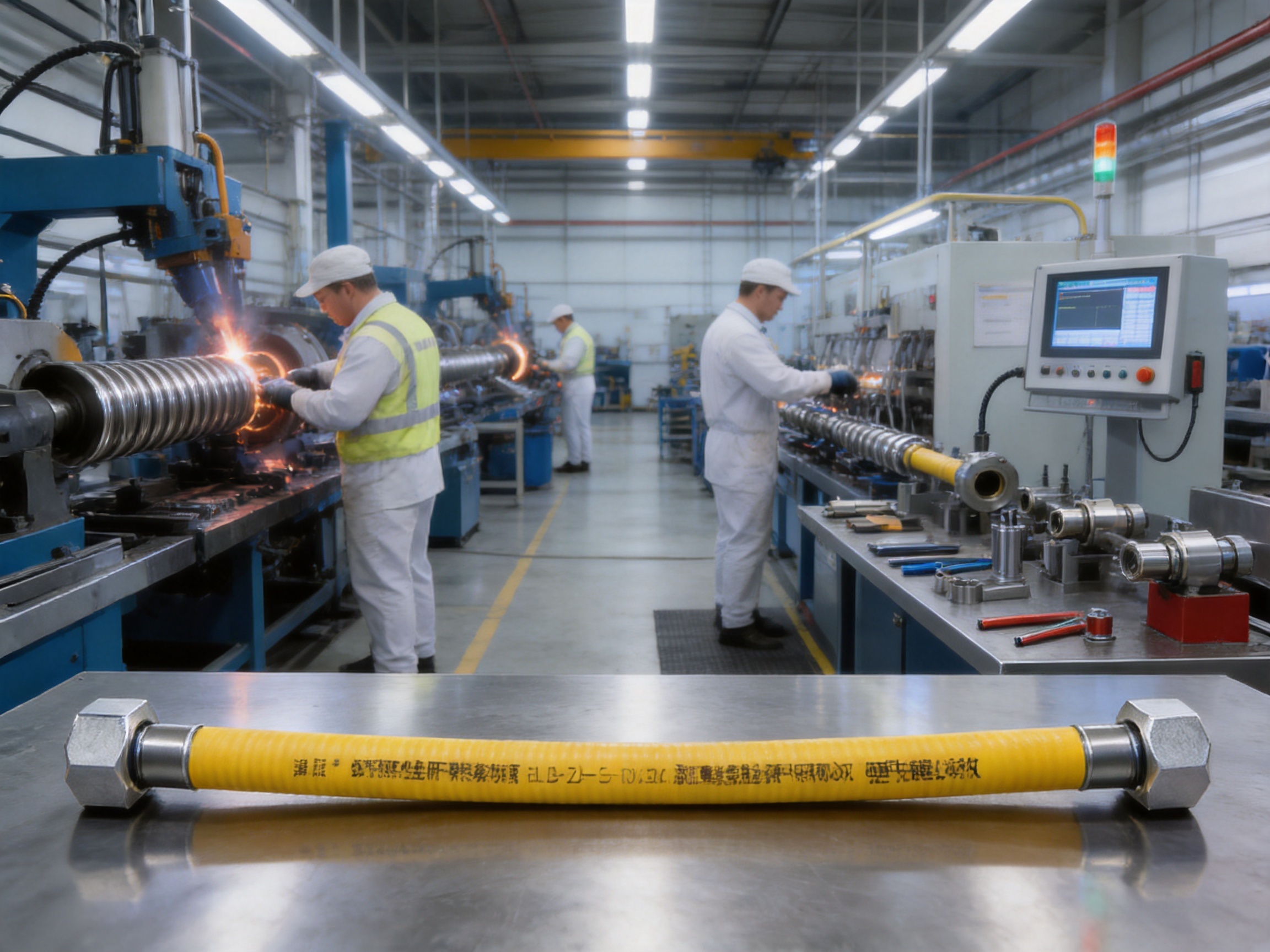
Zhejiang Zhenlong Energy Equipment Technology Co., Ltd. integrates research and development, manufacturing, processing, and trade. The company operates from Yuyao, Ningbo, Zhejiang, and has a factory area of approximately 30,000 square meters on a site covering about 40 acres. This scale supports organized production, equipment deployment, quality management, and coordination between engineering and manufacturing teams.
The company reports 30 welding and forming production lines. For metal hose production, forming and welding are fundamental operations. Forming determines the geometry and consistency of the corrugated body, while welding and joining processes influence the strength and leak resistance of the assembly. A larger number of production lines can help support production capacity, product specialization, and delivery planning for different customer orders.
The company also reports two uninterrupted solid melting hydrogen furnace production lines. Such thermal processing resources indicate an investment in controlled manufacturing infrastructure for metal-related production. Furnace operations require careful control of temperature, atmosphere, material handling, and process continuity. Stable thermal processing can contribute to consistent material properties and improved production repeatability when managed according to established procedures.
5.1 Material Analysis and Process Verification
Material verification is an important part of stainless steel product manufacturing. The company identifies metal material analysis direct-reading spectrometers among its testing equipment. This type of equipment can support rapid verification of alloy composition, helping confirm that incoming or processed metal corresponds to the intended grade.
For the ZLR-07, material traceability and composition control are valuable because the product is specified with a 304 stainless steel bellows. Alloy verification can help reduce the possibility of material substitution or incorrect material entering production. It also supports internal quality records and provides greater confidence for customers that the stated material designation is being managed as part of the manufacturing process.
Material analysis is one element of quality control rather than a complete product test. A finished hose also requires attention to forming quality, weld integrity, fitting dimensions, gasket condition, surface condition, and leak performance. The strongest manufacturing systems combine material inspection with process controls and finished-product testing.
5.2 Flow Tightness Testing
The company identifies flow tightness testers among its testing equipment. Tightness testing is directly relevant to hose assemblies used for gas or fluid transfer. The purpose is to identify leakage paths that may not be visible during a basic visual inspection.
Testing can help assess the integrity of the bellows, welded or joined areas, fittings, and sealing interfaces. It also supports production consistency by allowing manufacturers to detect process variation. When combined with proper sampling or full inspection procedures, tightness testing strengthens confidence in the completed product.
For customers purchasing hoses in larger quantities, it is useful to discuss inspection scope, test methods, acceptance criteria, documentation, and traceability with the manufacturer. Different markets and applications may require different levels of validation. Zhejiang Zhenlong’s available testing equipment provides a foundation for these quality-management discussions.
5.3 Welding and Forming Capability
Metal hose production requires controlled forming. The corrugation profile must be produced with suitable geometry so the hose can flex in a predictable manner. Excessive variation can affect flexibility, stress distribution, appearance, and connection fit. The forming process must therefore be managed through stable tooling, machine adjustment, operator training, and inspection.
Welding and joining operations are equally important. The bellows and connector assembly must be joined in a way that supports mechanical integrity and gas tightness. Poor welding can lead to defects, distortion, or leakage. A manufacturer with dedicated welding and forming lines is better positioned to establish repeatable procedures and organize production around specific product families.
Production capacity also benefits customers that need customized lengths, packaging, connector arrangements, or private-label programs. The ZLR-07 is listed with a length range from 300 millimeters to 2,000 millimeters. A manufacturer with multiple production lines and engineering resources can more effectively manage variations within an established product platform.
6. Quality Management and Compliance Orientation
Gas-related products require a disciplined approach to quality because the consequences of a poor connection can be serious. A manufacturer must consider material control, design verification, process stability, inspection, documentation, packaging, and customer support as connected parts of the quality system.
Zhejiang Zhenlong Energy Equipment Technology Co., Ltd. reports implementation of the ISO9000:2008 quality management system. A quality management system provides a framework for documenting procedures, assigning responsibilities, managing records, controlling nonconforming products, and supporting continual improvement. Certification or implementation alone does not replace product-specific testing, but it can provide an organized foundation for production control.
The company also reports holding a Special Equipment Manufacturing License issued by the People’s Republic of China for pressure pipelines, as well as EU CE certification testing reports. These credentials and reports indicate that the company has developed experience with regulated equipment and product evaluation. Customers should request current, product-specific documentation and confirm that the scope of any license, report, or certification applies to their intended product and market.
The company’s membership in the China Urban Gas Association further reflects its involvement in the gas equipment field. Industry participation can help a manufacturer remain informed about market needs, technical developments, and application expectations. For international customers, the most important step remains confirming that the purchased product meets the standards and installation regulations applicable in the destination country.
Quality management should continue after the product leaves the factory. Clear product identification, protective packaging, storage guidance, installation instructions, and after-sales communication all contribute to safe use. The ZLR-07’s defined model and component description support more transparent ordering and product identification.
7. Applications for the ZLR-07
7.1 Residential Gas Appliances
The ZLR-07 is designed for connecting gas appliances in residential settings, subject to local regulations and appliance compatibility. Its flexible body can be useful where a cooker, water heater, heating appliance, or other gas appliance must be connected to a fixed supply point within a limited space.
Residential installations often involve cabinets, walls, corners, and appliances with different connection orientations. A flexible corrugated hose can simplify the final connection and make it easier to position the appliance. The protective cover may also help reduce incidental contact with surrounding surfaces during installation.
Residential users should never install or modify a gas connection without following applicable regulations and using a qualified professional where required. The hose must not be hidden in a way that prevents inspection, installed under excessive tension, or routed near incompatible heat sources. After installation, the connection should be checked using an approved method.
7.2 Commercial Kitchens and Food-Service Equipment
Commercial kitchens may contain several gas appliances arranged within a compact working environment. Equipment can include cooking ranges, ovens, burners, boilers, and other gas-fired systems. The ability to provide a flexible connection can assist with equipment layout and maintenance access.
Commercial environments may also involve frequent cleaning, higher operating temperatures, vibration from equipment, and greater demands on service personnel. The 304 stainless steel bellows and protective outer cover offer a robust foundation, but the hose must still be selected according to the specific temperature, gas type, routing, and cleaning chemicals present.
In commercial projects, purchasing teams may value consistent dimensions and repeatable quality across multiple hoses. The ZLR-07’s defined construction and manufacturing support can be useful when a project requires a series of hoses with specified lengths and connection configurations.
7.3 Heating and Utility Equipment
Heating and utility equipment may be installed in plant rooms, service closets, workshops, and other technical spaces. These areas can contain vibration, temperature variation, limited access, and complex pipe layouts. A corrugated stainless steel hose may help connect equipment while accommodating small alignment differences.
The suitability of the ZLR-07 depends on the appliance connection, gas medium, operating pressure, ambient temperature, and local installation rules. Where the hose is used near heat-producing equipment, adequate clearance and heat protection must be maintained. The PVC cover should not be exposed to conditions beyond its intended capability.
7.4 OEM and ODM Equipment Programs
Equipment manufacturers often require more than a standard catalog item. They may need specific lengths, packaging, labeling, connector arrangements, or production schedules. Zhejiang Zhenlong Energy Equipment Technology Co., Ltd. describes itself as an OEM and ODM manufacturer of metal hoses, corrugated hoses, pipe fittings, and related precision-engineered products.
The ZLR-07 platform can provide a starting point for such programs. Customers can discuss required hose lengths within the listed 300-to-2,000-millimeter range, connection details, cover requirements, inspection documentation, and packaging. Any customization should be validated through engineering review and sample approval before mass production.
OEM and ODM cooperation also benefits from direct communication between the manufacturer’s technical team and the customer’s product engineers. This can help identify installation constraints, define acceptance criteria, evaluate material compatibility, and establish a repeatable production specification.
8. Installation and Handling Considerations
Correct installation is essential to realizing the advantages of a flexible gas hose. Before installation, confirm the model, length, nominal size, connection type, material suitability, and application requirements. Inspect the hose for damage, deformation, cuts, damaged threads, missing washers, or contamination.
The hose should be routed with a smooth bend rather than a sharp angle. The corrugated body should not be kinked, crushed, stretched, twisted, or used to support the weight of an appliance. The length should be sufficient to reach the connection without tension, but excessive slack should also be avoided because it can create unnecessary loops or contact with hot surfaces.
When tightening the connection, use appropriate tools and prevent unwanted twisting of the hose body. The swivel fitting should be allowed to perform its intended function, while the corrugated section should remain in a relaxed position. Do not use the hose as a lever to rotate or reposition an appliance.
The flat washer should be correctly seated on a clean, undamaged sealing surface. Do not reuse a gasket if the manufacturer or applicable standard requires replacement after disassembly. Thread sealants should not be applied unless they are compatible with the connection design and specifically permitted by the installation instructions. A gasketed face seal and a tapered thread seal are different systems and should not be treated interchangeably.
After installation, the connection should be tested using an approved leak-detection procedure. Open flames must never be used to check for leaks. If a leak is found, close the gas supply, ventilate the area, and have the connection inspected by a qualified professional. The hose should remain accessible for inspection and should not be painted, buried, or enclosed in a way that prevents condition monitoring unless the applicable installation requirements specifically allow it.
Periodic inspection should include the hose cover, exposed connection areas, fittings, and surrounding conditions. Look for corrosion, abrasion, cracking, deformation, heat damage, or signs of movement. Replacement intervals may be determined by local regulations, appliance manufacturers, project specifications, or the condition of the product. A hose should be replaced if its integrity is uncertain.
9. Procurement Guidance for Distributors and Project Buyers
When purchasing the ZLR-07 or a similar product, buyers should provide complete technical information. The required length, nominal diameter, connection type, gas medium, operating pressure, operating temperature, installation location, and applicable standards should be identified before quotation and production.
The listed ZLR-07 specification is DN10, with a 16-millimeter outside diameter, a G1/2 nut, and a length range of 300 to 2,000 millimeters. Buyers should confirm whether both ends use the same connection configuration or whether a customized end arrangement is required. They should also verify whether the PVC cover, stainless steel sleeve, and flat washer are included in the supplied assembly.
For large projects, buyers may request a product specification sheet, material information, dimensional drawings, sample units, packaging details, inspection records, and batch traceability. If the product will be sold in a regulated market, documentation should be reviewed before purchase rather than after shipment.
Packaging is also important. The hose should be protected from crushing and sharp contact during transport. Fittings and threads should be protected from impact and contamination. If products are stored for an extended period, they should be kept in a clean, dry location away from corrosive chemicals and excessive heat.
Price should be considered together with service life, installation efficiency, failure risk, product consistency, and supplier support. A low purchase price may not represent the lowest total cost if it leads to installation delays, repeated replacements, leakage investigations, or inconsistent field performance. The ZLR-07 is positioned as a precision-engineered product for customers that value controlled manufacturing and complete connection design.
10. Why Zhejiang Zhenlong Energy Equipment Technology Co., Ltd. Is a Suitable Manufacturing Partner
Zhejiang Zhenlong Energy Equipment Technology Co., Ltd. combines product development, manufacturing, processing, and trade within one organization. This integrated structure can simplify communication for customers seeking metal hoses, corrugated hoses, pipe fittings, valves, plumbing products, sanitary ware, plastic products, and hardware.
The company’s production infrastructure includes a substantial factory building, multiple welding and forming lines, solid melting hydrogen furnace lines, material analysis equipment, and flow tightness testing equipment. These resources support the technical requirements of stainless steel hose production from material verification through forming, joining, inspection, and shipment.
A strong manufacturing partner should also understand that different customers require different forms of value. A distributor may prioritize stable quality, packaging, and delivery. An appliance manufacturer may require dimensional repeatability and OEM labeling. An engineering contractor may need technical documents and application support. A project purchaser may require compliance records, samples, and batch traceability.
The company reports having a strong research, development, design, and production team. This combination is important because product performance is influenced by both engineering decisions and production execution. The R&D and design functions can support improvements to hose geometry, connection structure, production efficiency, and customized requirements, while the manufacturing team converts approved designs into repeatable products.
Customer support is another part of the company’s stated capability. Pre-sales assistance can help customers select the correct model and clarify specifications. After-sales service can support installation questions, product identification, quality feedback, and future procurement. For safety-related products, responsive technical communication can be as valuable as the physical product itself.
11. Sustainability and Product Life-Cycle Considerations
Durability is one way a product can contribute to more responsible resource use. A hose that resists corrosion, maintains its connection integrity, and remains serviceable for a suitable period may reduce the frequency of replacement and the consumption of additional materials. Stainless steel can also be recovered through established metal recycling systems at the end of its useful life, subject to local recycling infrastructure.
Long service life depends on proper selection and installation. A hose that is overloaded, kinked, exposed to incompatible chemicals, or installed near excessive heat may fail prematurely regardless of its material quality. Therefore, product durability and installation discipline must be considered together.
Manufacturing efficiency also influences the overall product life cycle. Stable forming processes, controlled welding, material verification, and testing can reduce scrap and prevent defective products from reaching customers. A well-managed factory can improve the consistency of production while supporting more predictable resource use.
Customers interested in environmental performance should request current information about packaging materials, production controls, material declarations, and recycling practices. Such information should be evaluated according to the specific market and procurement standard involved.
12. Frequently Asked Questions
Q1: What is the ZLR-07 stainless steel corrugated gas hose used for?
The ZLR-07 is designed for connecting gas appliances. Its corrugated stainless steel body provides controlled flexibility between a fixed gas supply and an appliance connection. It may be used in residential, commercial, and suitable industrial or utility installations when the application is compatible with the product specification and local regulations.
Q2: What material is used for the hose body?
The hose body is a 304 stainless steel corrugated bellows. The assembly also includes stainless steel nuts and sleeves, a flat washer, a PVC cover, and a turn-in fitting.
Q3: What are the main dimensions of the listed model?
The listed model is DN10 with an outside diameter of 16 millimeters. It uses a G1/2 nut configuration, and the stated length range is 300 millimeters to 2,000 millimeters.
Q4: Why is a corrugated metal body used instead of a smooth tube?
Corrugations allow the metal body to flex while retaining a continuous metallic structure. They distribute bending movement across multiple corrugations and can make it easier to accommodate minor alignment differences during appliance installation.
Q5: Does the hose have unlimited flexibility?
No. The hose should be bent only within its intended limits. It must not be kinked, twisted excessively, stretched, crushed, or used to support equipment. Correct routing and a suitable installation radius are necessary for reliable service.
Q6: What is the purpose of the flat washer?
The flat washer helps create the sealing interface and distributes connection force across the contact area. It must be clean, correctly positioned, and compatible with the mating connection. Installation should follow the applicable product instructions and regulations.
Q7: Is the PVC cover only for appearance?
No. The PVC cover also provides an outer protective layer that can help reduce minor abrasion and incidental contact with nearby surfaces. It does not make the hose suitable for excessive heat, sharp edges, chemical attack, or improper installation.
Q8: How does the ZLR-07 compare with rigid pipe?
Rigid pipe can provide a strong and stable fixed layout, but it may require accurate alignment, bending, threading, and additional fittings. The ZLR-07 provides a flexible metal connection that can simplify the final appliance connection and accommodate limited positional variation.
Q9: How does it compare with a basic polymer hose?
The ZLR-07 uses a 304 stainless steel bellows as its primary hose body, giving it a metallic pressure boundary and resistance to corrosion and temperature variation suitable for its intended application. A polymer hose may be lighter or less expensive, but its performance depends strongly on its specific material and exposure conditions.
Q10: Can the ZLR-07 be customized?
The company provides OEM and ODM manufacturing services for metal hoses, corrugated hoses, pipe fittings, and related products. Customers can discuss length, connection configuration, packaging, labeling, and other requirements with the manufacturer. Customized designs should be confirmed through technical review and sample approval.
Q11: What testing capabilities does the manufacturer have?
The company reports material analysis direct-reading spectrometers and flow tightness testers, as well as welding and forming production lines. These resources can support alloy verification, process control, and finished-product tightness evaluation.
Q12: Is the product suitable for every gas?
No. Suitability depends on the gas composition, pressure, temperature, connection design, installation environment, and applicable standards. Customers should confirm compatibility with the manufacturer and relevant technical authorities before using the hose in a specialized application.
Q13: Can a customer install the hose without professional assistance?
Gas installation requirements vary by location, and many jurisdictions require qualified or licensed professionals. Even where self-installation is legally permitted, the installer must follow the product instructions, verify compatibility, use correct tools, and perform an approved leak test. Professional installation is recommended whenever there is uncertainty.
Q14: What should be checked before ordering?
Confirm the required length, nominal size, outside diameter, thread type, sealing method, gas medium, operating conditions, cover requirements, documentation, and applicable standards. Also confirm whether the quoted product includes all listed components, including the nut, washer, sleeve, cover, and fitting.
13. Conclusion
The Stainless Steel Corrugated Gas Hose ZLR-07 is designed as a complete, precision-engineered connection solution for gas appliances. Its 304 stainless steel corrugated bellows provides a practical combination of flexibility, corrosion resistance, and mechanical strength. The stainless steel nut, flat washer, sleeve, PVC cover, and turn-in fitting work together to support secure installation and long-term service.
Its advantages over basic flexible tubing or low-cost alternatives are based on the complete product design rather than on one isolated feature. The metal bellows offers controlled flexibility, the precision-machined connectors support accurate engagement, the flat washer helps distribute sealing force, and the protective cover adds an additional layer of external protection. These features can reduce installation difficulty and improve confidence in demanding appliance connection applications.
The product is supported by Zhejiang Zhenlong Energy Equipment Technology Co., Ltd.’s manufacturing infrastructure, including welding and forming production lines, thermal processing equipment, material analysis instruments, flow tightness testers, and an integrated research, design, production, and service team. This combination makes the company a suitable partner for distributors, contractors, appliance manufacturers, engineering companies, and OEM or ODM customers seeking reliable metal hose products.
As with every gas connection, final performance depends on correct selection, professional installation, suitable operating conditions, and regular inspection. When these requirements are properly managed, the ZLR-07 offers a durable and flexible connection approach for gas appliance systems where safety, dimensional consistency, and long-term reliability are important.
References
1. Product specification information for Stainless Steel Corrugated Gas Hose ZLR-07, including DN10 size, 16-millimeter outside diameter, G1/2 nut, component list, and 300-to-2,000-millimeter length range.
2. Manufacturer information concerning Zhejiang Zhenlong Energy Equipment Technology Co., Ltd., its product categories, factory resources, research and development capabilities, and customer services.
3. General technical literature on 304 stainless steel, corrosion resistance, metal forming, corrugated bellows, and flexible hose construction.
4. General guidance on gas appliance connection design, gasketed sealing interfaces, hose routing, leak testing, and professional installation practices.
5. Quality-management principles associated with ISO9000-based manufacturing systems and documented production control.
6. General engineering references concerning material verification, flow tightness testing, welding inspection, and dimensional quality control for metal hose assemblies.