 English
 中文简体
 Español
 عربى

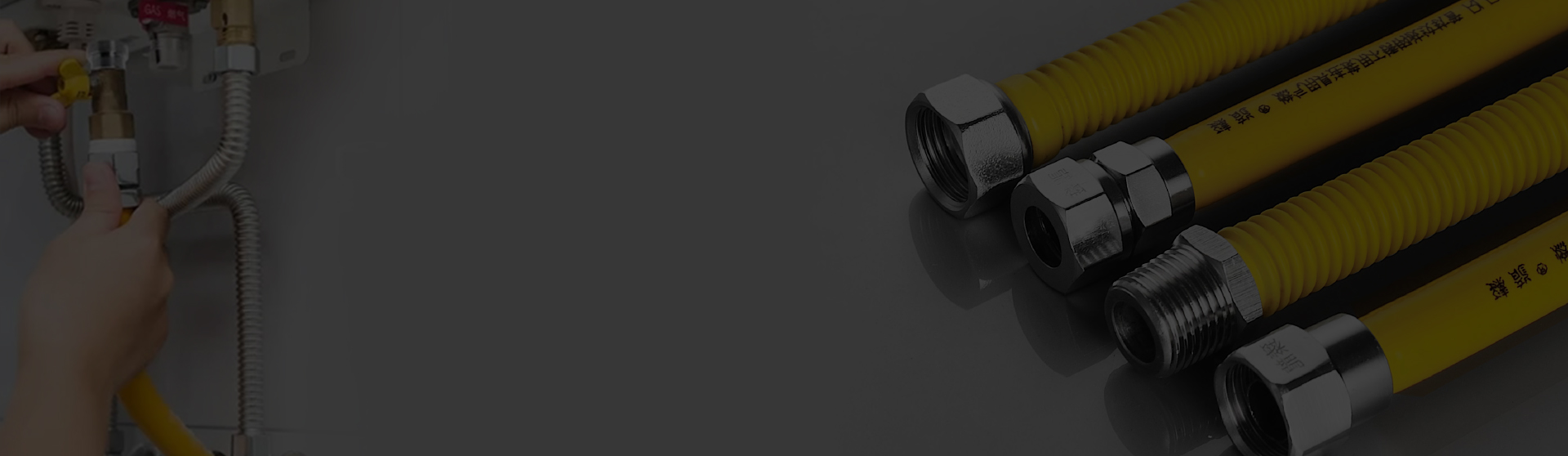

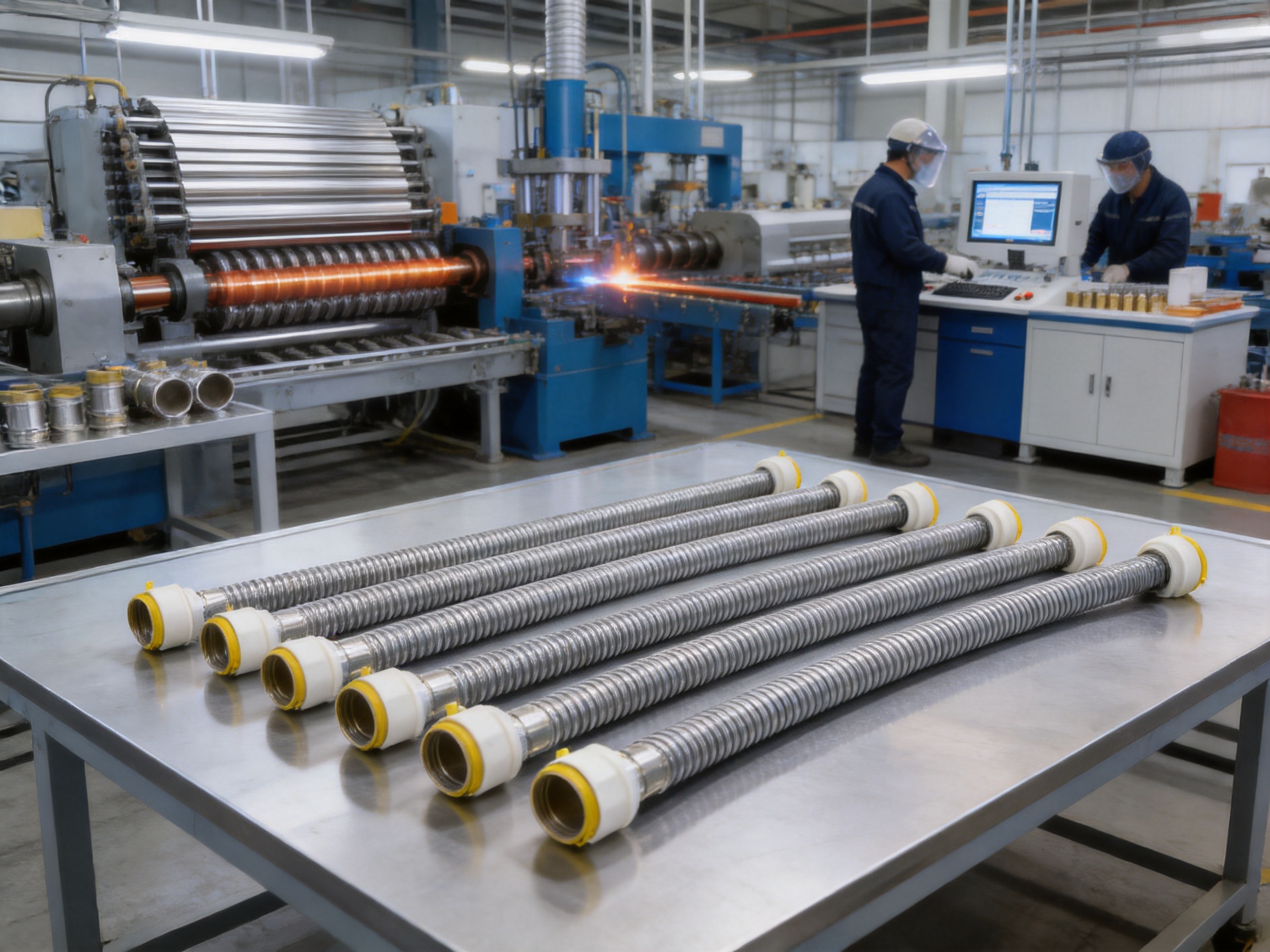
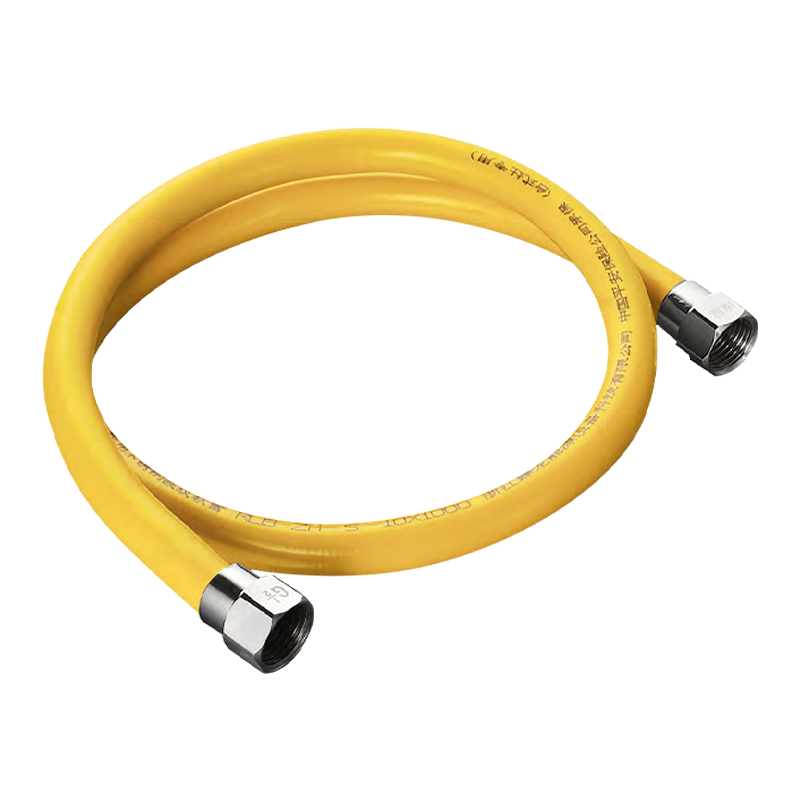
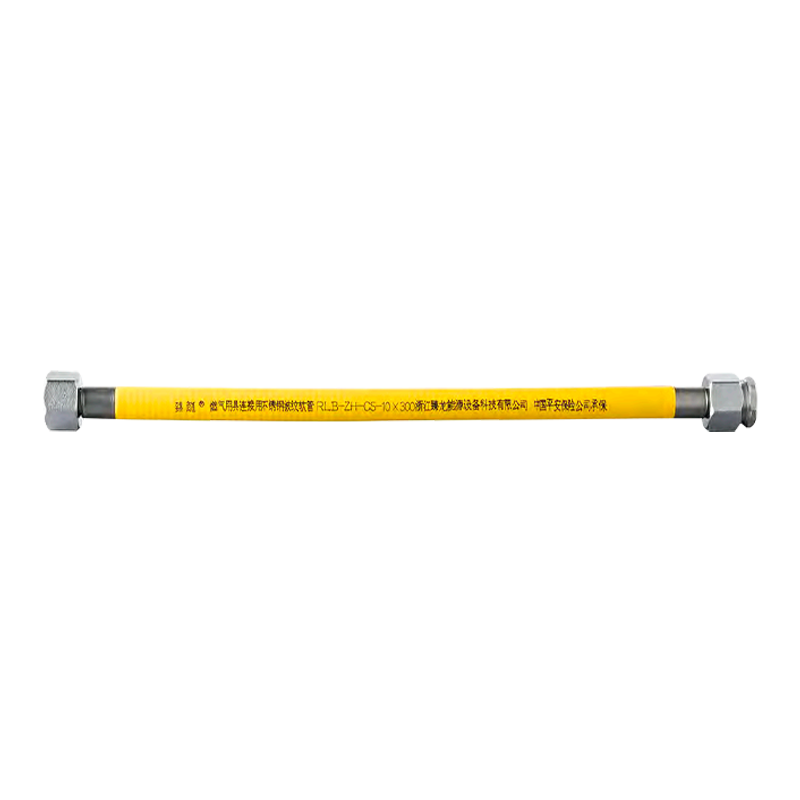
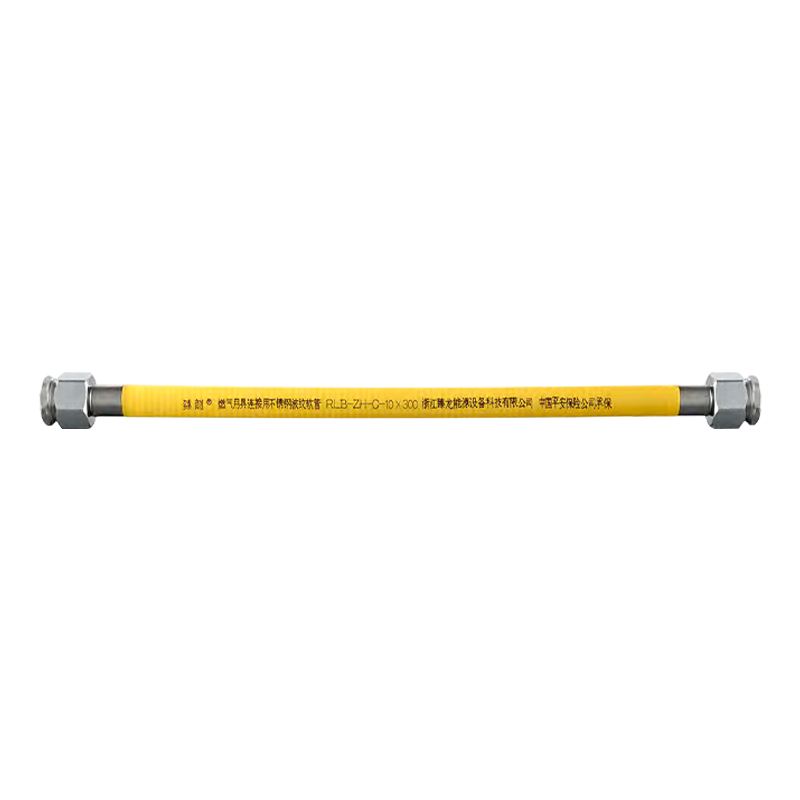
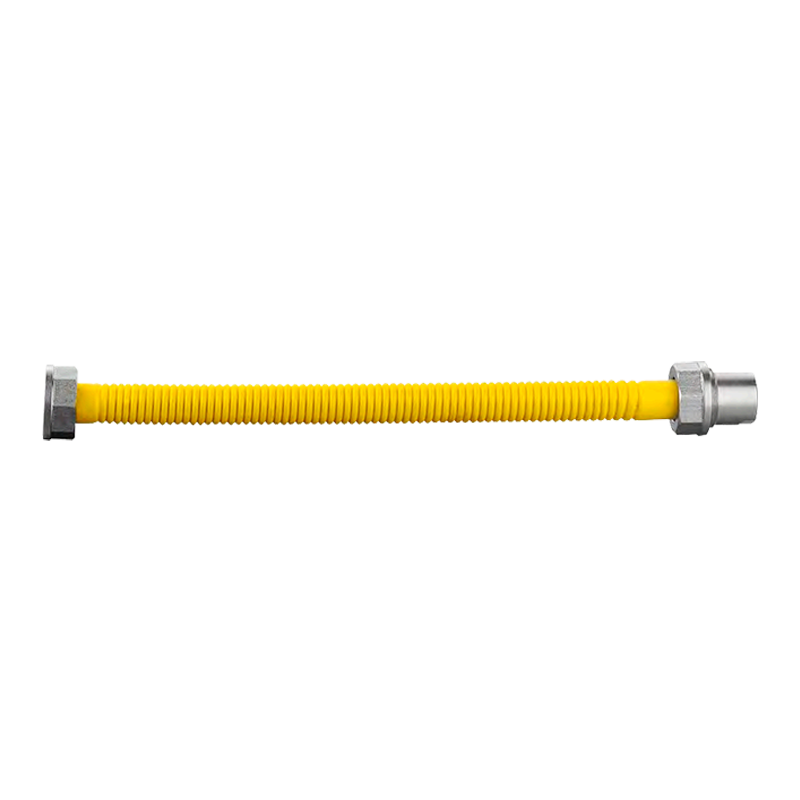
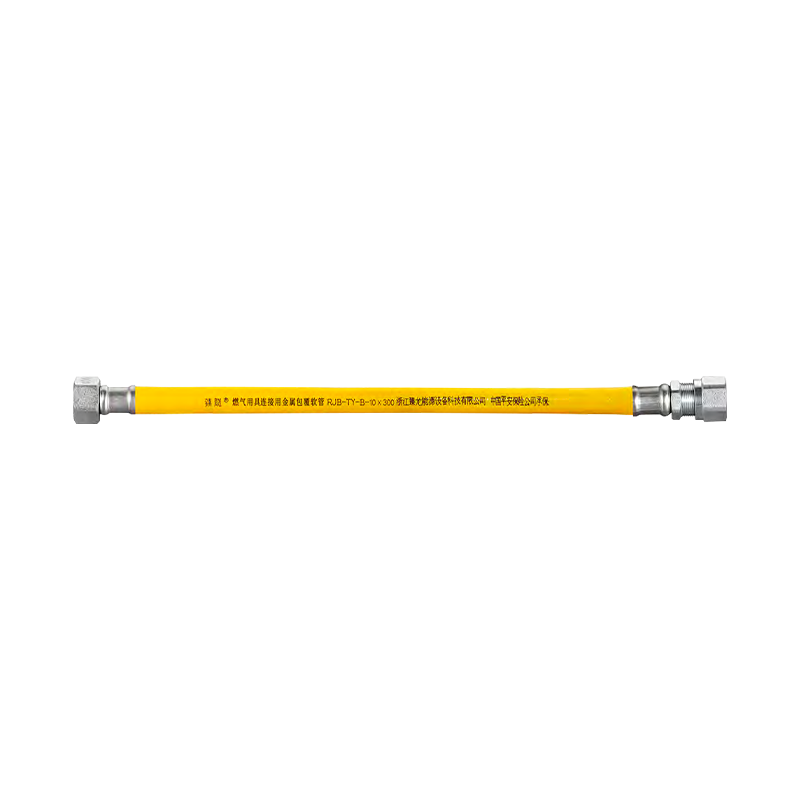
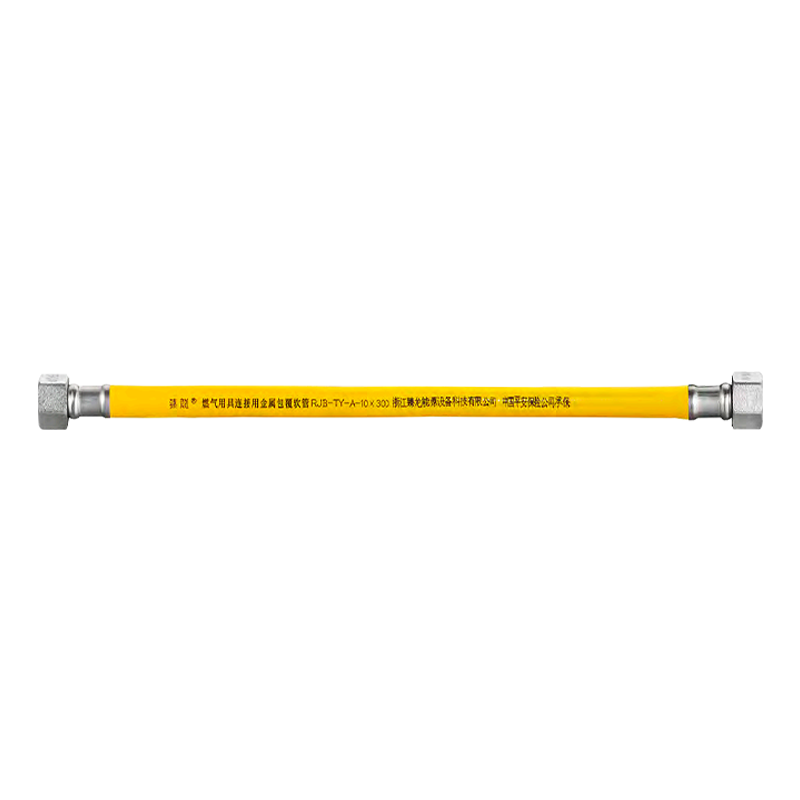
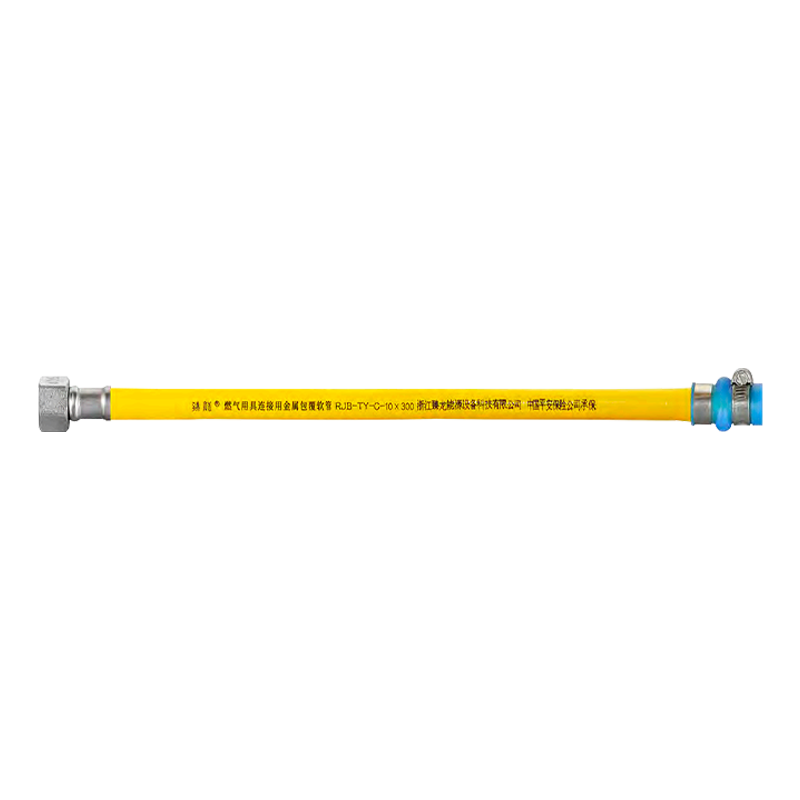
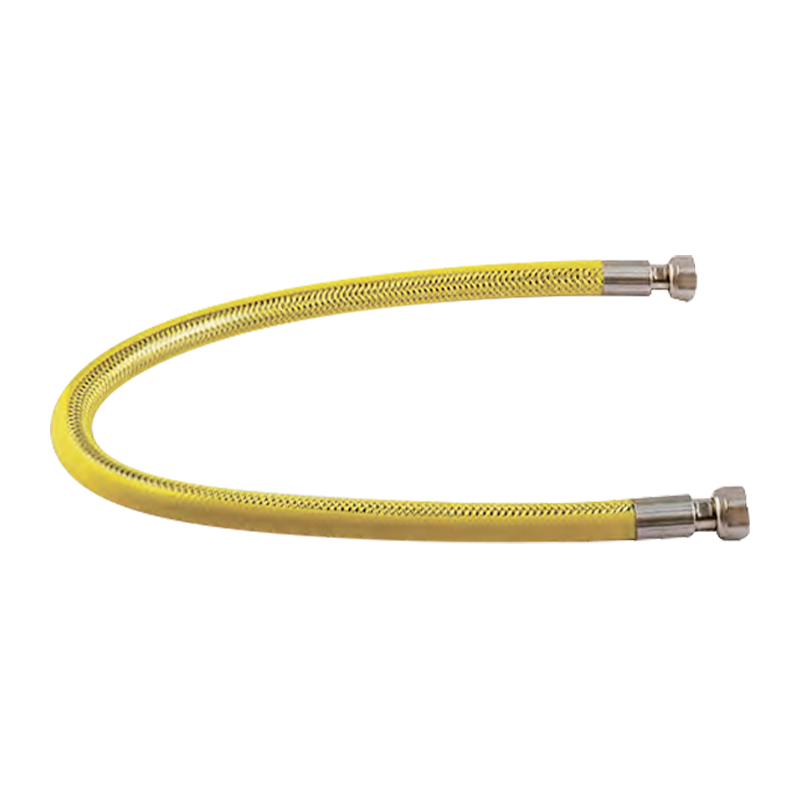
Reliable gas connections are essential in residential, commercial, and industrial installations. A hose used between a gas appliance and a fixed supply line must do more than transport fuel. It must accommodate movement, absorb vibration, resist corrosion, maintain a dependable seal, and remain serviceable throughout its operating life. The Stainless Steel Corrugated Gas Hose with Metal Flange ZLR-15 has been developed to address these requirements through a combination of stainless steel corrugated tubing, protective polyethylene coating, metal end connectors, and convenient connection features.
Designed for connecting gas appliances, the ZLR-15 combines the flexibility of a corrugated hose with the mechanical strength of metal fittings. Its SS304 stainless steel spiral bellows provide a durable flow path, while the outer PE covering helps protect the assembly from moisture, abrasion, and environmental exposure. Metal flanges and threaded connectors support secure installation, and the stated quick-release clip design allows convenient connection and removal when appropriate installation procedures are followed.
This article examines the product’s construction, operating advantages, technical characteristics, installation considerations, quality potential, and application value. It also explains how the manufacturing capabilities of Zhejiang Zhenlong Energy Equipment Technology Co., Ltd. support consistent production of metal hoses, gas pipelines, pipe fittings, valves, and related energy equipment components.
Content
- 1 Product Overview
- 2 Construction and Material Selection
- 3 How the Corrugated Design Improves Performance
- 4 Advantages Compared with Conventional Alternatives
- 5 Technical Data and Configuration
- 6 Manufacturing Strengths and Process Capabilities
- 7 Quality Management and Certification Support
- 8 Applications
- 9 Installation Best Practices
- 10 Maintenance and Service Life
- 11 Customization and OEM/ODM Potential
- 12 Why the ZLR-15 Is a Practical Product Choice
- 13 Purchasing Checklist
- 14 Q&A
- 14.1 Q1: What is the main purpose of the ZLR-15?
- 14.2 Q2: What material is used for the corrugated tube?
- 14.3 Q3: What does the PE outer coating do?
- 14.4 Q4: What are the stated dimensions of the ZLR-15?
- 14.5 Q5: Which connections are identified for this product?
- 14.6 Q6: Can the hose be used outdoors?
- 14.7 Q7: Can the ZLR-15 replace fixed gas piping?
- 14.8 Q8: Is the hose suitable for continuous movement?
- 14.9 Q9: How should the hose be checked after installation?
- 14.10 Q10: What manufacturing advantages does the supplier provide?
- 14.11 Q11: Can the product be customized?
- 14.12 Q12: What should be done if the PE coating is damaged?
- 15 Conclusion
- 16 References
- 17 Product: Stainless steel corrugated gas hose with metal flange ZLR-15
Product Overview
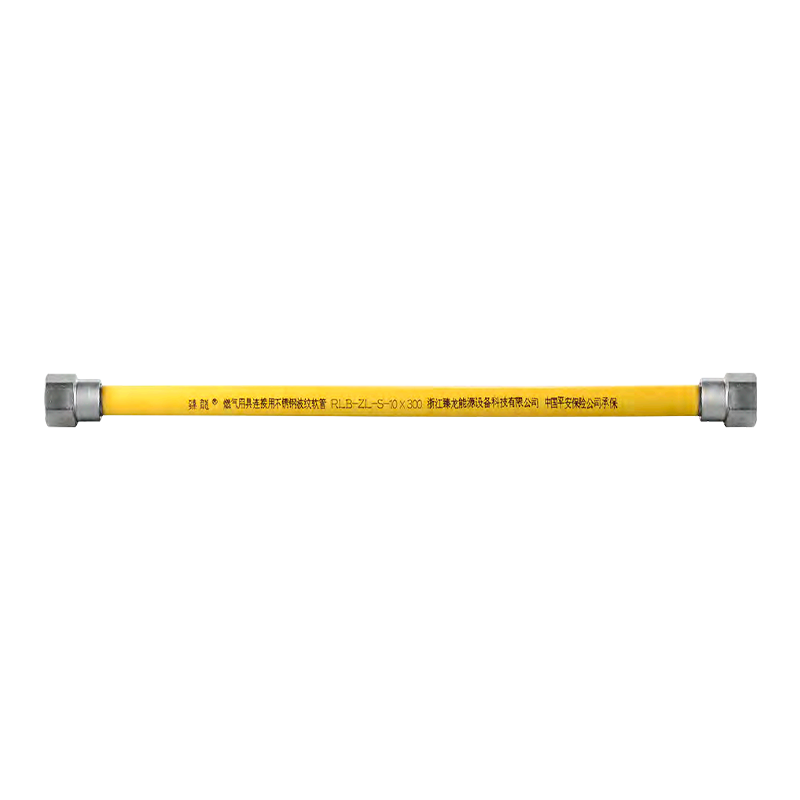
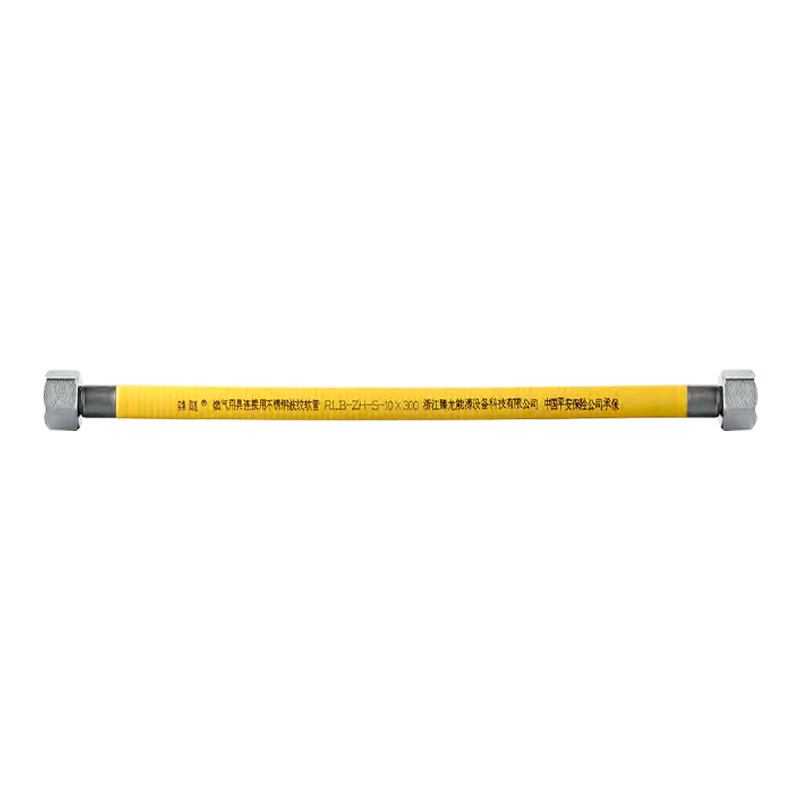
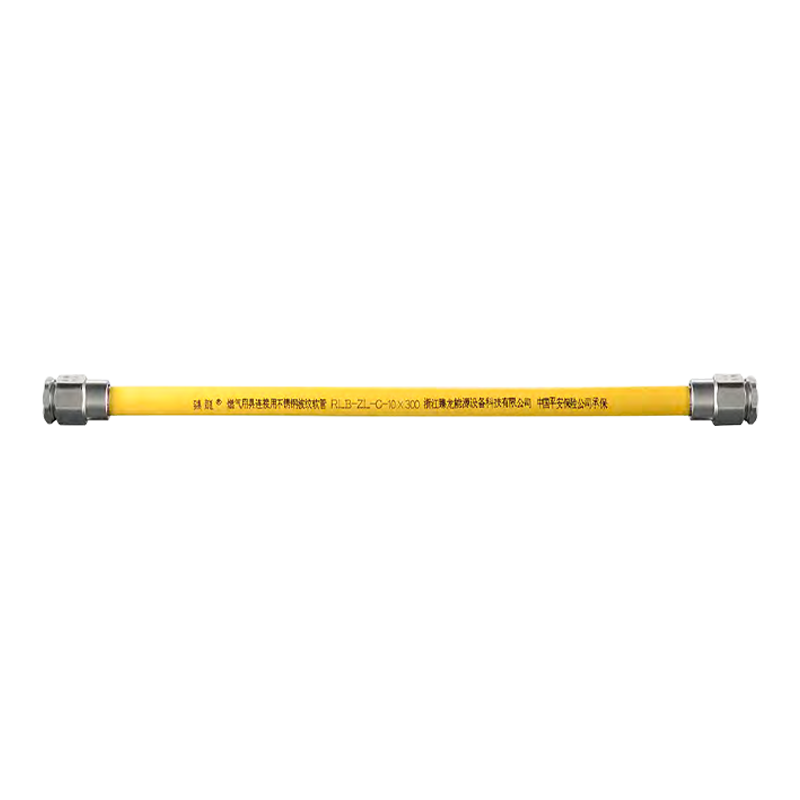
The Stainless Steel Corrugated Gas Hose with Metal Flange ZLR-15 is categorized as a stainless steel corrugated tube for connecting gas appliances. The nominal connection size is DN15, commonly associated with a 15 mm nominal piping system. The available product information lists a 20 mm outside diameter and an 18 mm inside diameter, together with standard length options from 30 cm to 60 cm.
The assembly is intended to create a flexible transition between a fixed gas pipe and an appliance connection. Unlike a rigid pipe section, a flexible corrugated hose can accommodate limited movement during installation and operation. This is valuable where the appliance may need to be positioned, where piping alignment is not perfectly linear, or where vibration could otherwise be transferred directly to threaded joints.
The product description identifies several principal components:
1. A G 1/2 meter-pipe outer-thread connector.
2. SS304 stainless steel spiral corrugated bellows.
3. A PE protective outer covering.
4. An M30x2 meter-pipe anti-theft inner-thread connector with an M buckle.
The exact connection configuration should always be confirmed against the installation drawing, order specification, local gas regulations, and the appliance manufacturer’s requirements. Thread profiles, sealing methods, pressure ratings, and permitted gas types can vary between markets and applications.
The ZLR-15 is particularly suitable where a compact connection is required. A short hose length can help maintain a neat installation while still providing the flexibility needed for alignment and servicing. The product may be used in residential gas appliance installations as well as selected commercial or industrial applications, provided that the pressure, temperature, gas compatibility, certification, and installation requirements are satisfied.
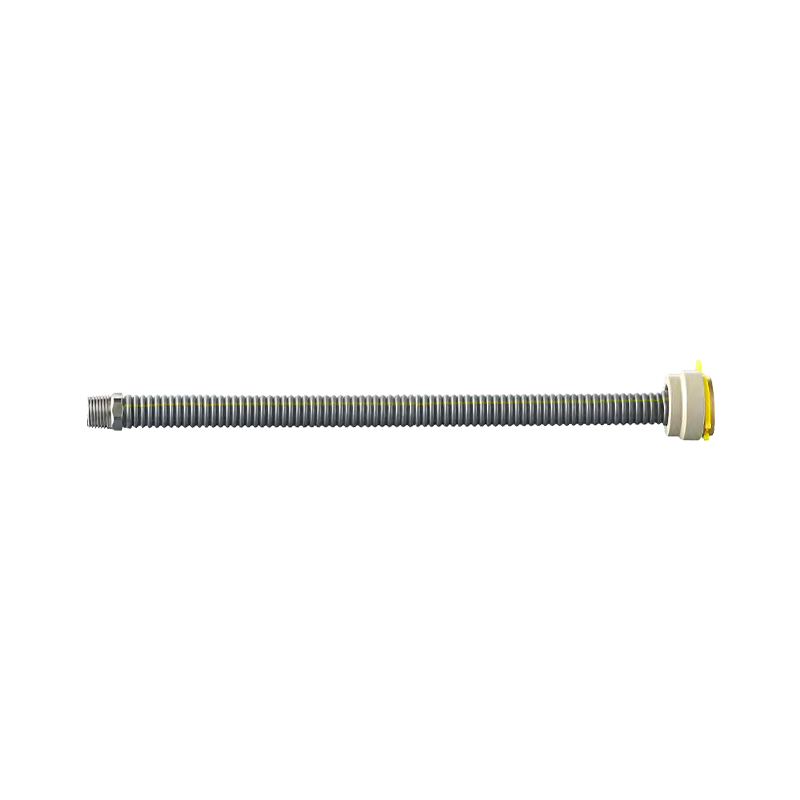
Stainless steel corrugated gas hose with metal flange ZLR-15
Construction and Material Selection
SS304 Stainless Steel Corrugated Bellows
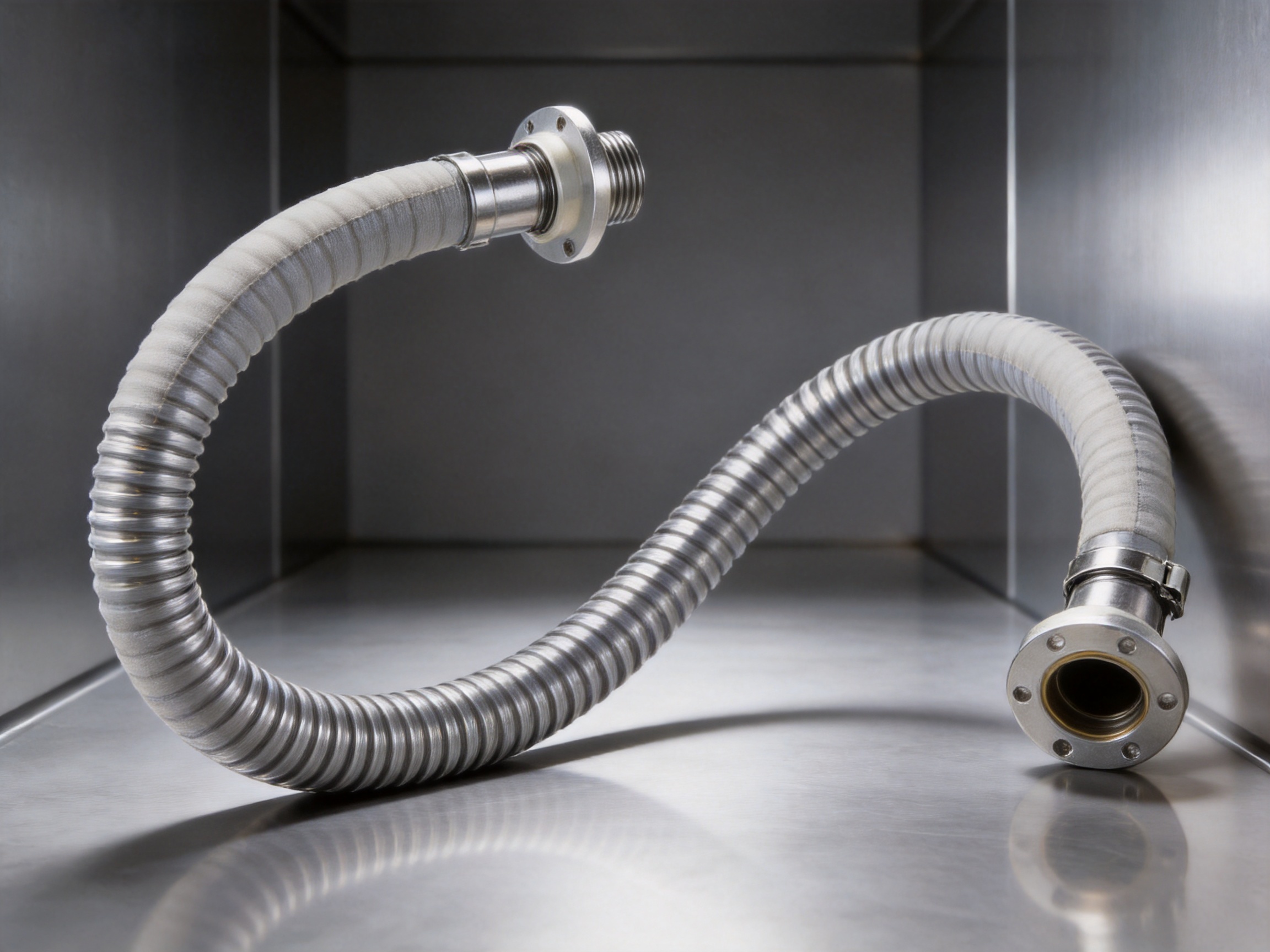
The primary pressure-containing element is a spiral corrugated tube made from SS304 stainless steel. Stainless steel 304 is widely used in fluid-handling equipment because it offers a useful balance of corrosion resistance, formability, mechanical strength, and availability. These properties make it suitable for forming into thin-walled corrugated tubing while preserving the structural integrity required for gas service.
The corrugated profile is central to the hose’s performance. Instead of using a smooth rigid tube, the wall is formed into repeating waves or spirals. These corrugations allow the hose to bend over a controlled radius and accommodate limited axial movement. They also reduce the transmission of mechanical stress from one end of the assembly to the other.
Stainless steel construction provides advantages over many ordinary carbon-steel alternatives. It is less vulnerable to atmospheric rust, does not require the same type of external paint protection, and can maintain a clean appearance in visible appliance installations. It also provides a strong foundation for use in environments where moisture, condensation, or temperature changes are present.
Material selection alone does not guarantee service life. The finished bellows must be correctly formed, free from damaging cracks or excessive thinning, and joined securely to the end fittings. Appropriate forming controls, welding practices, dimensional inspection, and leak testing are therefore essential parts of the manufacturing process.
PE Protective Coating
The hose is covered with an outer polyethylene, or PE, protective layer. This coating provides a barrier between the stainless steel bellows and the surrounding environment. It helps reduce exposure to moisture, surface contamination, abrasion, and incidental contact with nearby components.
In practical installations, the outer coating can be especially useful where the hose passes near a cabinet, wall, appliance panel, or other surface. It can help reduce the possibility of scratching and can provide an additional layer of protection during handling and installation. The coating also contributes to a cleaner finished appearance compared with an uncoated metal bellows.
PE should be selected and applied with the actual operating conditions in mind. Gas type, ambient temperature, ultraviolet exposure, contact with oils or chemicals, and mechanical movement can influence coating performance. The product should therefore be used within the manufacturer’s stated temperature, pressure, and environmental limits.
Metal Flanges and Threaded Connectors
Metal end fittings provide the transition between the flexible hose body and the connected piping or appliance. The ZLR-15 description refers to metal flanges and threaded connectors at both ends. These components are important because the quality of a gas hose depends not only on the bellows but also on the accuracy and strength of its end connections.
Threaded connectors must be manufactured with consistent dimensions and clean thread profiles. A properly produced connector allows the installer to achieve the intended engagement without cross-threading or excessive force. The sealing arrangement must match the connection design. Some connections seal through a gasket or washer, while others use a conical seat, compression interface, or approved thread-sealing method. Installers should not assume that every threaded connection is sealed by applying tape to the threads.
The listed G 1/2 connection and M30x2 connection indicate that the assembly may incorporate different connection interfaces for the gas line and appliance side. This can be useful when a hose must bridge two different fitting arrangements. However, the actual thread standard, gender, sealing surface, and adapter requirements should be verified before installation.
Quick-Release Connection Features
The product description states that quick-release clips are incorporated into the design. A quick-release feature can improve installation convenience by allowing approved connections to be made or separated without extensive tooling. This can reduce installation time and simplify appliance replacement or maintenance.
Convenience must always remain secondary to gas safety. Quick-release components must be fully engaged, correctly locked, and inspected after installation. They should never be used as a substitute for a certified shutoff procedure, pressure test, or leak inspection. If a particular installation code requires a specific connector type, the product must be selected and installed in accordance with that code.
How the Corrugated Design Improves Performance
Flexibility During Installation
A major advantage of the ZLR-15 is its ability to bend within an appropriate radius. Fixed gas pipework often requires precise alignment. Small differences between the pipe outlet and the appliance inlet can make rigid connections difficult to install without stressing the fittings. A corrugated hose allows the installer to create a more practical route while reducing the need for multiple rigid elbows or adapters.
This flexibility can simplify work in compact kitchens, equipment rooms, utility cabinets, and service areas. It can also make it easier to position an appliance at the correct distance from a wall or cabinet. The hose should nevertheless be routed in a smooth curve rather than sharply folded. Excessive bending, twisting, or repeated movement can reduce service life.
Vibration and Movement Resistance
Gas appliances may produce vibration during operation. Pumps, burners, fans, compressors, ignition systems, and moving equipment can transmit small mechanical forces into connected piping. A rigid connection can transfer these forces directly to the pipe, fitting, or appliance inlet.
The corrugated structure provides a degree of mechanical compliance. It can absorb limited movement and reduce stress concentration at the connection points. This is one reason corrugated hoses are often preferred for appliance connections over short rigid sections in installations where vibration or repositioning is expected.
The hose is not intended to function as a general-purpose expansion joint or as a support for heavy equipment. The connected appliance and fixed piping should be independently supported. The hose should be used only to bridge the intended connection gap and should not carry loads, support a pipe run, or compensate for major structural movement.
Corrosion Resistance
Gas appliance connections may be exposed to humidity, condensation, cleaning products, airborne salts, and changing temperatures. SS304 stainless steel offers a strong level of general corrosion resistance in many indoor and moderately demanding environments. The PE coating provides an additional protective barrier over the exterior.
Compared with ordinary unprotected steel hoses, the stainless steel and PE combination can provide a longer-lasting appearance and reduce the risk of surface corrosion. This can lower the likelihood of premature replacement caused by external deterioration. The actual service life will depend on the gas medium, atmosphere, installation quality, maintenance, and exposure conditions.
Temperature Durability
Stainless steel performs well across a broad range of temperatures encountered in normal gas appliance connections. It retains useful mechanical properties in conditions that may be unsuitable for some polymer-only hoses. The metal bellows also provide a stable connection near appliances that generate heat, provided the hose is routed at a safe distance from hot surfaces and is not exposed to direct flame.
The PE jacket has its own temperature limitations. The complete assembly must be installed according to the lowest applicable temperature rating of the hose, coating, seal, connector, and appliance connection. A hose should never be routed through a hot exhaust path or placed against a burner, flue, heating element, or other high-temperature source.
Advantages Compared with Conventional Alternatives
Compared with Rigid Metal Pipe Sections
Rigid pipe can provide excellent durability when properly designed and installed, but it requires accurate measurement, cutting, threading, bending, and alignment. A short flexible hose can reduce installation complexity at the final appliance connection. It can accommodate small alignment differences and make future appliance servicing more convenient.
The ZLR-15 also reduces the number of rigid elbows that may otherwise be required to achieve the same route. Fewer connection points can mean fewer potential leakage locations, although every hose end and threaded interface still requires careful inspection and testing.
Rigid pipe remains appropriate for permanent distribution lines and supported pipe runs. The ZLR-15 is best considered a flexible appliance connection component rather than a replacement for properly designed fixed piping.
Compared with Basic Rubber or Polymer Hoses
Rubber and polymer hoses can be flexible and economical, but their performance may be more sensitive to aging, ultraviolet exposure, chemical contact, heat, and mechanical damage. Stainless steel corrugated construction offers a more robust mechanical core. The PE coating further protects the exterior while maintaining a clean, manageable form.
The ZLR-15’s metal end fittings also provide a firm connection platform. When combined with correct sealing components and suitable installation practices, this construction can offer a more durable alternative for applications that demand stronger resistance to vibration, abrasion, and environmental exposure.
However, material suitability must always be assessed for the specific gas and operating conditions. No hose construction should be treated as universally suitable for every fuel, pressure, or environment without confirming its certification and technical rating.
Compared with Uncoated Corrugated Hoses
An uncoated stainless steel hose can provide flexibility and corrosion resistance, but it may be more vulnerable to surface scratches, contact abrasion, and visual contamination. The PE outer layer on the ZLR-15 adds a protective interface between the bellows and nearby objects.
The coating can also improve handling. Installers can route the assembly more easily around finished surfaces without exposing the metal directly to every point of contact. In visible residential installations, the jacket can create a more finished appearance while helping protect the hose during normal service.
Connection Convenience
The combination of metal flanges, threaded connectors, and stated quick-release clips is another competitive advantage. A gas hose must be more than flexible; it must be practical to install. An appropriately designed connection system can reduce labor, improve repeatability, and make inspection or replacement more straightforward.
The value of this feature depends on manufacturing accuracy. Threads must be consistent, sealing faces must be correctly formed, clips must engage reliably, and the final assembly must pass leak testing. Zhejiang Zhenlong’s integrated production capabilities are relevant here because the company manufactures metal hoses, pipe fittings, valves, plumbing products, and related hardware rather than treating the hose as an isolated commodity.
Technical Data and Configuration
The following table summarizes the product information supplied for the ZLR-15. Buyers should request the latest technical drawing and formal specification before placing an order, particularly when the hose will be used in a regulated gas installation.
| Item | Specification | Stated Value | Notes |
| Product model | Model number | ZLR-15 | Stainless steel corrugated gas hose with metal flange |
| Nominal size | DN | DN15 | Suitable connection size must be verified against the system |
| Outside diameter | OD | 20 mm | As listed in the supplied product information |
| Inside diameter | ID | 18 mm | As listed in the supplied product information |
| Bellows material | Stainless steel grade | SS304 | Spiral corrugated stainless steel tubing |
| Protective layer | Outer covering | PE | Helps protect against moisture, corrosion, and environmental wear |
| Connection reference | Gas-side fitting | G 1/2 | Connection form should be confirmed before ordering |
| Connection reference | Appliance-side fitting | M30x2 | Listed as an inner-thread connector with M buckle |
| Length range | Available length | 30 cm to 60 cm | Actual standard length options should be confirmed |
| Connection accessories | Quick-release feature | Included in product description | Must be fully locked and tested after installation |
| Application | Primary use | Gas appliance connection | Use only within approved pressure, temperature, and gas limits |
The supplied remarks also mention DN32, DN40, and DN50. These may refer to other available sizes, related product options, or a broader product range rather than the DN15 configuration itself. Customers should clarify this point with the supplier when requesting quotations or technical documentation. Confirming size availability before purchase helps avoid mismatches between the hose and the fixed piping system.
Manufacturing Strengths and Process Capabilities
Integrated Industry and Trade Structure
Zhejiang Zhenlong Energy Equipment Technology Co., Ltd. integrates research and development, manufacturing, processing, and trade. This structure can provide practical advantages for customers seeking both standard products and customized components. Instead of relying only on external suppliers for every stage, an integrated manufacturer can coordinate material selection, forming, welding, machining, assembly, inspection, and shipment more efficiently.
For a corrugated gas hose, this coordination is valuable because the final product contains several interdependent parts. The bellows, coating, end connectors, seals, and locking components must work together. A change in one component can affect the fit, flexibility, leak performance, or installation method of the entire assembly.
Production Scale
The company’s stated facility is located in Yuyao City, Zhejiang, and covers approximately 40 acres with a factory building of about 30,000 square meters. The company reports having 30 welding and forming production lines. This production scale supports the manufacture of multiple categories of energy equipment and plumbing products.
Multiple production lines can help separate product families, organize different forming procedures, and improve scheduling flexibility. It may also allow the manufacturer to respond to different order volumes, specifications, and connector configurations without depending on a single line. For OEM and ODM customers, production capacity is important because a product must remain available not only during initial sampling but also during repeat orders.
Welding and Forming Control
Corrugated tubing requires accurate forming to create consistent wave geometry. If the corrugations vary significantly, the hose may have uneven flexibility or localized stress. Forming equipment must therefore be adjusted and maintained carefully. The stainless steel strip or tube must be handled in a way that minimizes surface damage and preserves dimensional accuracy.
Welding is equally important when the bellows are joined to end fittings or when the tube is formed from welded material. A sound weld should have adequate penetration, controlled heat input, and a clean finished surface. Poor welding can create leakage paths, distortion, or premature fatigue failure.
The company’s reported welding and forming production lines indicate that these processes are established parts of its manufacturing operation. Customers requiring specialized end fittings, hose lengths, or assembly configurations can benefit from discussing process capability directly with the manufacturer.
Hydrogen Furnace Technology
The company reports two uninterrupted solid melting hydrogen furnace production lines. Furnace technology can be significant in metal manufacturing because controlled heating and melting influence material consistency, cleanliness, and processing stability. A controlled production environment may help reduce unwanted contamination and support repeatable properties in metal components.
For a gas hose manufacturer, control of metal quality is relevant to both the stainless steel bellows and the fittings used in the assembly. Consistent raw material supports more predictable forming, welding, machining, and corrosion performance. Material traceability and inspection records should still be requested for projects requiring formal documentation.
Testing and Inspection Equipment
The company identifies equipment including direct-reading spectrometers for metal material analysis and flow tightness testers. A direct-reading spectrometer can be used to analyze alloy composition and help verify that metal materials correspond to the intended grade. This is particularly relevant when stainless steel 304 is specified.
Flow tightness testing is directly connected to gas hose performance. A finished assembly must not merely look correct; it must maintain pressure without unacceptable leakage. Testing can identify problems associated with welds, fittings, seals, threaded interfaces, or damaged bellows.
A strong quality program typically combines incoming material inspection, in-process dimensional checks, weld inspection, assembly verification, and final leak testing. The precise test pressure, duration, acceptance criteria, sampling plan, and records should be defined by the applicable product standard, customer specification, and local regulations.
Quality Management and Certification Support
Zhejiang Zhenlong Energy Equipment Technology Co., Ltd. states that it implements the ISO9000:2008 quality management system. Although customers should request current certificates and confirm the scope of certification, a documented quality management approach can support consistent procedures across purchasing, production, inspection, warehousing, and customer service.
The company also reports holding a Special Equipment Manufacturing License for pressure pipelines issued by the People’s Republic of China, as well as EU CE certification testing reports. It is important to distinguish between a manufacturing license, a test report, and a product certification. Their relevance depends on the product category, market, pressure class, gas type, and applicable regulation.
For export projects, purchasers should request the documentation required in the destination market. This may include material certificates, dimensional drawings, pressure and leak test reports, declarations of conformity, batch traceability, installation instructions, and third-party certification. The supplier’s membership in the China Urban Gas Association also indicates involvement in the broader gas equipment sector, although each individual product must still be evaluated according to its own requirements.
Applications
Residential Gas Appliances
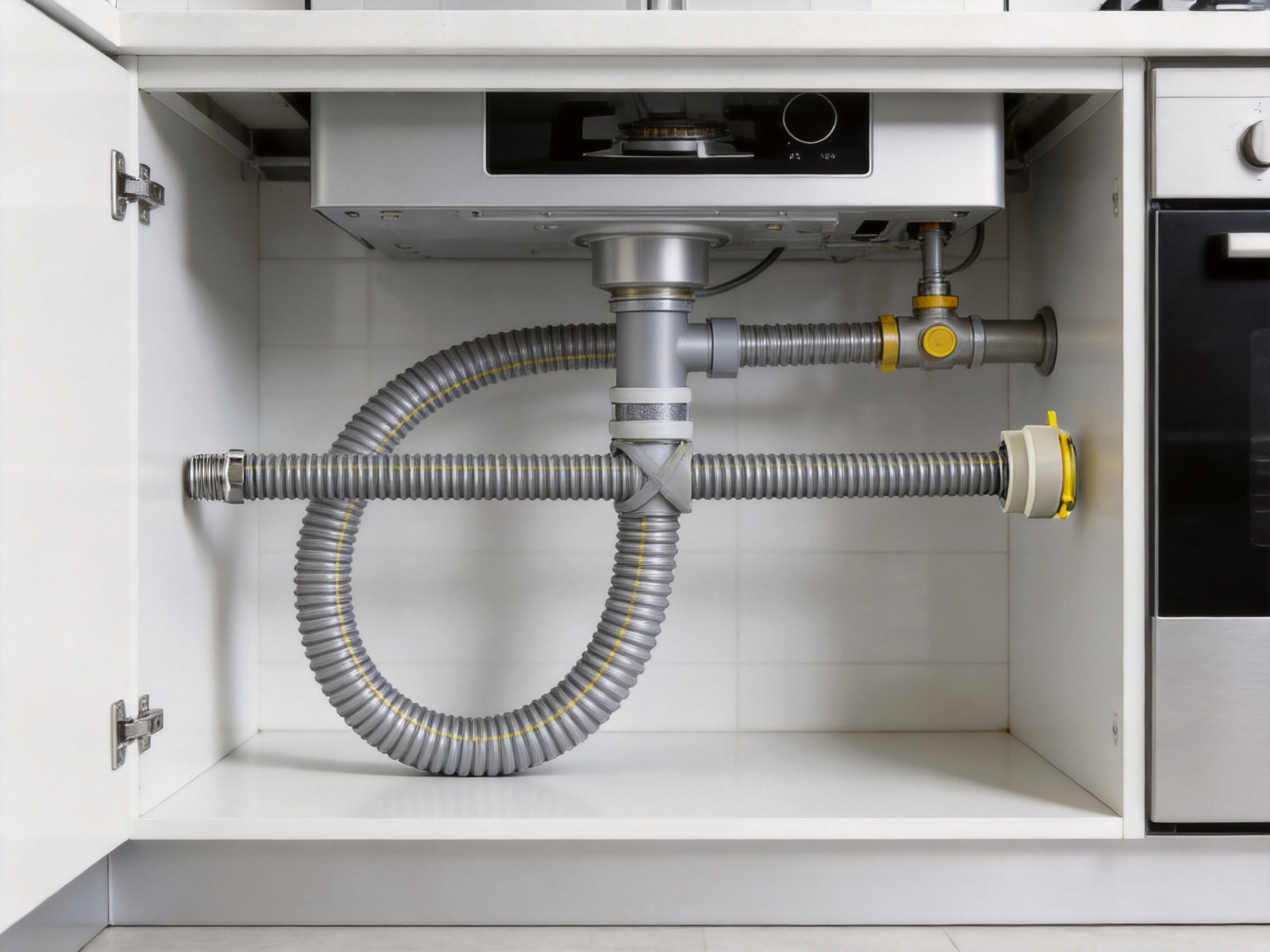
The ZLR-15 is suited to connection points for household gas appliances when the appliance and local regulations permit a flexible stainless steel connector. Typical applications may include gas cooking equipment, domestic heating equipment, water heaters, and other approved gas appliances with compatible inlet connections.
In residential spaces, the short length range of 30 cm to 60 cm can help maintain a neat route between the wall outlet and the appliance. The PE coating can protect the hose from incidental contact with cabinetry and make the assembly easier to clean visually. The appliance must remain accessible for inspection, and the hose must not be concealed in a way that prevents checking its condition.
Commercial Kitchens and Food Service Equipment
Commercial kitchens often require durable connections because appliances may be repositioned during cleaning or maintenance. Stainless steel construction and vibration tolerance can provide practical benefits in this environment. The hose may be used for compatible cooking ranges, ovens, fryers, and other equipment, subject to gas authority requirements and the manufacturer’s certification.
Commercial installations can expose hoses to grease, cleaning chemicals, heat, and frequent movement. The product should be positioned away from direct heat and protected from sharp edges. Operators should include the hose in routine inspection programs and replace it if the coating, bellows, fittings, or locking parts show damage.
Industrial and Utility Equipment
The hose may also serve selected industrial or utility gas connections where a flexible transition is required. Examples can include small burners, laboratory equipment, heating units, and process appliances. Industrial applications typically demand more detailed evaluation of pressure, temperature, gas composition, movement frequency, and safety classification.
The ZLR-15 should not automatically be used for high-pressure, high-temperature, toxic, corrosive, or continuously flexing service. Such applications may require a different hose design, additional armor, special alloys, or a certified industrial assembly. The manufacturer can help determine whether the standard configuration is appropriate or whether a customized product is needed.
Installation Best Practices
Confirm Compatibility Before Installation
Before installation, verify the gas type, working pressure, operating temperature, connection size, thread form, sealing method, and required certification. Confirm that the hose length allows a natural bend without tension. A hose that is too short may pull on the fittings, while an excessively long hose may form loops that can be damaged or interfere with the appliance.
Inspect the hose for crushed corrugations, cuts, coating damage, distorted threads, missing seals, or loose components. Do not install a product that has been dropped, sharply bent, contaminated, or visibly damaged during transportation.
Route the Hose Correctly
The hose should be routed in a smooth curve. Avoid kinking, twisting, crushing, dragging, or bending beyond the manufacturer’s minimum radius. Do not place the hose under the appliance, where its weight could compress it. Do not use the hose to lift, support, or stabilize the appliance.
Keep the assembly away from direct flame, hot exhaust, sharp cabinet edges, moving parts, and areas where it can be repeatedly stepped on or struck. If the appliance is movable, ensure that movement does not stretch, twist, or sharply bend the hose.
Make the Connections Securely
Use the correct sealing washer, gasket, adapter, or approved sealing method for each connection. Engage threads carefully by hand before using a suitable tool. Cross-threading can damage the connector and create a dangerous leak path. Do not apply excessive torque, as over-tightening can distort sealing surfaces or damage the hose end.
If quick-release clips are included, ensure that each clip is completely seated and locked. A partially engaged clip may appear connected while failing to provide reliable retention. The finished connection should be supported by the appliance and fixed piping so that the hose fittings are not exposed to bending loads.
Test After Installation
After installation, the system must be tested according to applicable gas safety procedures. A qualified installer should check for leakage using an approved method. Open flames must never be used for leak detection. The installer should also confirm that the appliance operates correctly and that the hose remains stable under normal operating conditions.
Where required, pressure testing and commissioning records should be maintained. Recheck the hose after the appliance has been positioned and after any maintenance work. A connection that was safe before movement may become stressed if the appliance is shifted without first isolating the gas supply.
Maintenance and Service Life
Routine inspection helps preserve the safety benefits of a flexible gas connection. Inspect the PE coating for cuts, cracks, melting, severe discoloration, abrasion, or chemical attack. Examine exposed fittings for corrosion, deformation, and thread damage. Check the corrugated section for crushing, excessive flattening, unusual bulges, or permanent deformation.
Pay attention to changes in appliance performance, unusual odors, hissing sounds, or visible movement at the fittings. If a leak is suspected, close the gas supply if it is safe to do so, ventilate the area, avoid electrical switches or ignition sources, and contact a qualified professional or emergency service according to local procedures.
The hose should be replaced if it has been exposed to fire, severe heat, flooding, aggressive chemicals, impact, or unauthorized modification. Flexible gas connectors are generally treated as replaceable safety components rather than permanent lifetime products. Replacement intervals may be determined by local regulations, appliance instructions, inspection findings, and the manufacturer’s recommendations.
Do not paint the hose, weld onto it, drill it, clamp it tightly, or attempt to repair a damaged bellows with adhesive or tape. Any modification can change the pressure boundary or interfere with the intended flexibility and sealing performance.
Customization and OEM/ODM Potential
Because the company manufactures metal hoses, corrugated tubes, pipe fittings, valves, plumbing products, sanitary ware, plastic products, and hardware, it may be able to support customized connection assemblies. Potential customization areas can include hose length, end-fitting configuration, thread type, outer coating color, packaging, labeling, and production quantities.
OEM and ODM projects should begin with a complete technical brief. The brief should specify the gas medium, design pressure, working pressure, temperature range, nominal size, required flexibility, minimum bend radius, connection standards, sealing method, testing requirements, certification target, and packaging conditions.
A reliable development process normally includes drawing review, prototype production, dimensional inspection, leak testing, installation verification, sample approval, and controlled mass production. Customers should also establish how engineering changes will be communicated and how production batches will be identified for traceability.
Customization should not be limited to appearance. For gas equipment, the most important custom features are often internal and functional: fitting geometry, weld design, seal material, pressure resistance, coating compatibility, and tested assembly performance.
Why the ZLR-15 Is a Practical Product Choice
The ZLR-15 combines several characteristics that are valuable in modern gas appliance connections. Its SS304 corrugated bellows provide flexibility and mechanical strength. Its PE coating adds environmental protection. Its metal flanges and threaded connectors support integration with fixed piping and appliances. Its stated quick-release features can improve installation and service convenience when used correctly.
Compared with a basic flexible hose, the product offers a more engineered assembly with a metal pressure path and formed corrugated structure. Compared with a rigid pipe connection, it can simplify alignment and reduce stress caused by limited movement. Compared with an uncoated metal hose, it provides an additional protective outer layer.
The product’s value is strengthened by the manufacturer’s reported production infrastructure. Welding and forming lines, hydrogen furnace equipment, metal analysis instruments, flow tightness testers, engineering resources, and quality management procedures all contribute to the possibility of consistent production. These capabilities are particularly important for gas components, where small variations in material, dimensions, welding, or sealing can affect safety and service performance.
At the same time, responsible selection requires more than comparing material names or appearance. Buyers should confirm the formal pressure rating, temperature range, gas compatibility, certification, connection details, test standards, and installation instructions. When the product is matched correctly to the application, the ZLR-15 can provide a compact, durable, and serviceable connection solution.
Purchasing Checklist
Before ordering the Stainless Steel Corrugated Gas Hose with Metal Flange ZLR-15, purchasers should confirm the following information with the supplier:
1. Required hose length and allowable length tolerance.
2. Nominal size and actual inside and outside dimensions.
3. Gas type and maximum working pressure.
4. Minimum and maximum operating temperature.
5. Thread standards, connector gender, and sealing surfaces.
6. Whether the required quick-release clips, flanges, gaskets, and locking parts are included.
7. Applicable product standards and destination-market certifications.
8. Material grade and availability of material test documentation.
9. Leak-testing method, acceptance criteria, and inspection records.
10. Packaging, labeling, batch traceability, and replacement recommendations.
11. Availability of samples for installation and compatibility testing.
12. Technical support for OEM or ODM modifications.
Q&A
Q1: What is the main purpose of the ZLR-15?
The ZLR-15 is designed as a flexible connection between a gas appliance and a compatible gas piping system. It helps accommodate alignment differences, limited movement, and vibration while maintaining a secure metal connection.
Q2: What material is used for the corrugated tube?
The product information identifies the corrugated bellows as SS304 stainless steel. This material provides a combination of corrosion resistance, formability, and mechanical durability suitable for many gas appliance connection environments.
Q3: What does the PE outer coating do?
The PE coating helps protect the stainless steel bellows from moisture, abrasion, surface contamination, and environmental wear. It also provides a cleaner exterior and can reduce contact damage during handling and installation.
Q4: What are the stated dimensions of the ZLR-15?
The supplied information lists DN15, an outside diameter of 20 mm, and an inside diameter of 18 mm. The listed length range is 30 cm to 60 cm. The exact production configuration should be confirmed with the supplier before ordering.
Q5: Which connections are identified for this product?
The product information refers to a G 1/2 meter-pipe outer-thread connector and an M30x2 meter-pipe anti-theft inner-thread connector with an M buckle. Buyers should verify thread standards, connector orientation, and sealing requirements for their specific installation.
Q6: Can the hose be used outdoors?
Outdoor suitability depends on the complete product rating, ultraviolet exposure, temperature, moisture, chemicals, physical protection, and local regulations. The PE coating offers environmental protection, but outdoor use should be approved by the manufacturer and the relevant authority before installation.
Q7: Can the ZLR-15 replace fixed gas piping?
No. The product is intended as a flexible appliance connection, not as an unsupported substitute for a complete fixed gas distribution system. Fixed piping must be designed and supported separately according to applicable codes.
Q8: Is the hose suitable for continuous movement?
The corrugated design accommodates limited movement and vibration, but it should not be treated as a continuously flexing industrial hose unless specifically rated for that duty. Repeated bending, twisting, or movement can shorten service life.
Q9: How should the hose be checked after installation?
A qualified installer should verify correct routing, connector engagement, support, and sealing. The completed installation should be tested for leakage using an approved method. Open flames must never be used for leak testing.
Q10: What manufacturing advantages does the supplier provide?
The supplier reports integrated research, development, manufacturing, and processing capabilities; 30 welding and forming production lines; hydrogen furnace production lines; metal analysis equipment; flow tightness testers; and experience with metal hoses, gas pipelines, valves, fittings, and related energy equipment.
Q11: Can the product be customized?
Potential customization may include length, end fittings, thread configuration, coating, packaging, and labeling. Customized projects should be developed through drawings, samples, testing, and formal approval before mass production.
Q12: What should be done if the PE coating is damaged?
The hose should be inspected by a qualified person. If the damage exposes or affects the bellows, creates a cut, causes deformation, or results from heat or chemical attack, replacement is generally safer than attempting an on-site repair.
Conclusion
The Stainless Steel Corrugated Gas Hose with Metal Flange ZLR-15 is designed to solve a common challenge in gas system installation: creating a secure, flexible, and durable connection between fixed piping and a gas appliance. Its SS304 spiral corrugated bellows provide mechanical flexibility and corrosion resistance, while the PE outer coating adds protection against environmental wear. Metal flanges, threaded connectors, and the stated quick-release features contribute to practical installation and service access.
The product’s competitive value comes from the combination of materials, structure, connection design, and manufacturing support. It offers advantages over rigid short pipe sections where alignment and vibration are concerns, over basic polymer hoses where stronger mechanical protection is needed, and over uncoated corrugated tubes where additional environmental shielding is desirable.
Zhejiang Zhenlong Energy Equipment Technology Co., Ltd. supports this product category with reported capabilities in welding, forming, metal melting, material analysis, leak testing, research and development, and integrated energy equipment manufacturing. These resources can support both standard production and customer-specific OEM or ODM programs.
For the best result, the ZLR-15 should be selected according to the actual gas, pressure, temperature, connection, certification, and installation requirements. Correct routing, qualified installation, leak testing, and periodic inspection remain essential. When these conditions are met, the ZLR-15 can provide a dependable and serviceable connection for residential, commercial, and selected industrial gas appliance applications.
References
1. Product technical information for Stainless Steel Corrugated Gas Hose with Metal Flange ZLR-15, including supplied dimensions, materials, connection references, and length range.
2. General principles of stainless steel material selection for corrugated tubing, welded assemblies, and fluid-handling equipment.
3. General installation and inspection practices for flexible gas appliance connectors and threaded gas fittings.
4. Quality management principles for manufacturers of pressure-containing components and energy equipment.
5. General guidance on leak testing, pressure testing, material verification, and traceability for gas system components.
6. Manufacturer information concerning welding and forming production lines, hydrogen furnace equipment, metal analysis instruments, flow tightness testing, and integrated energy equipment manufacturing.
7. Applicable local gas installation codes, appliance manufacturer instructions, and destination-market product safety requirements.