 English
 中文简体
 Español
 عربى

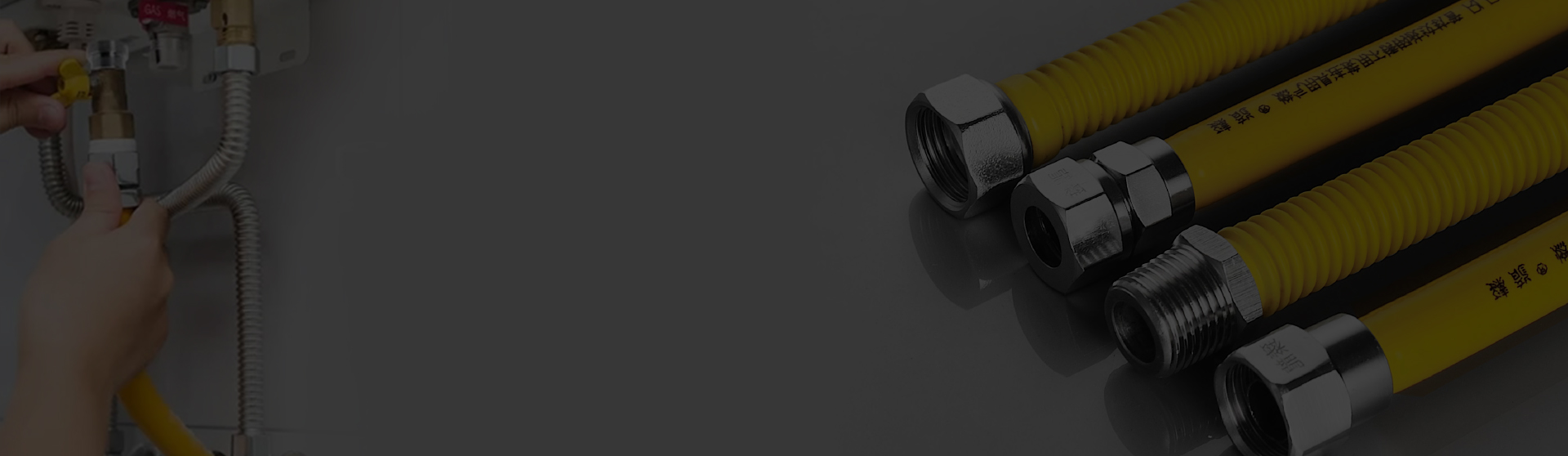

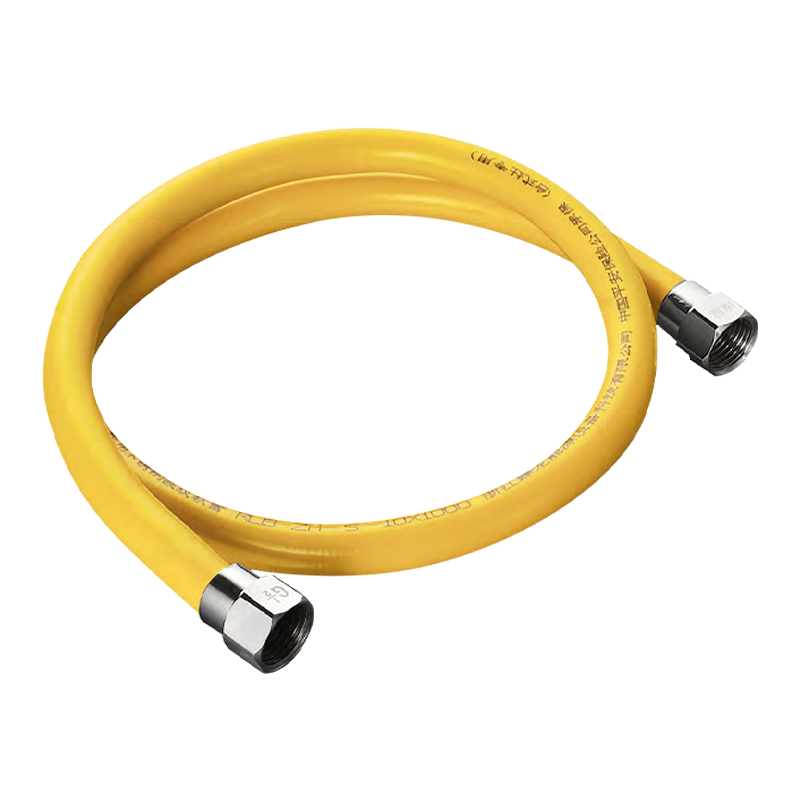
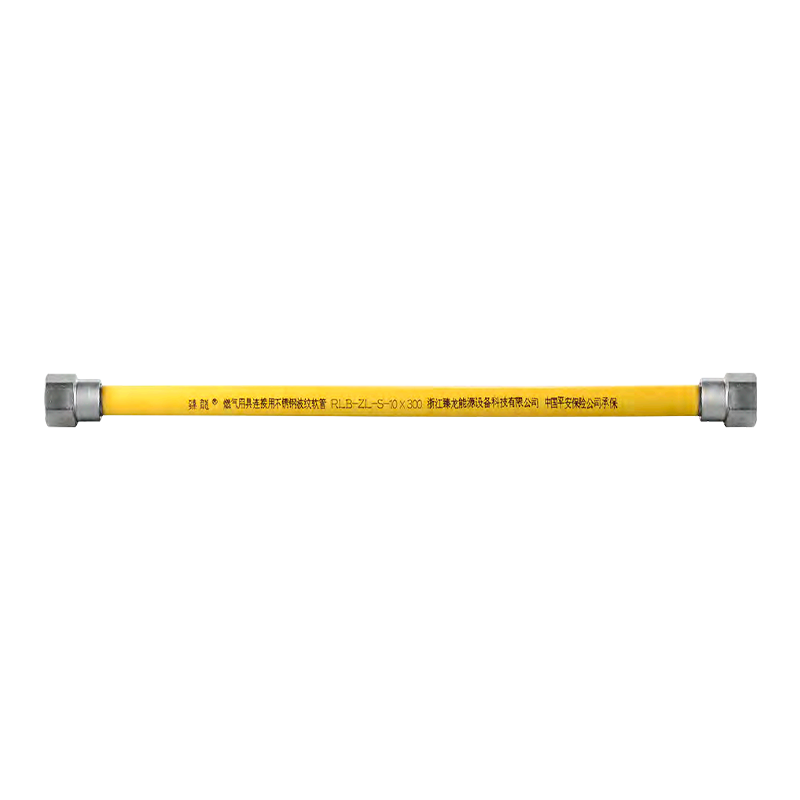
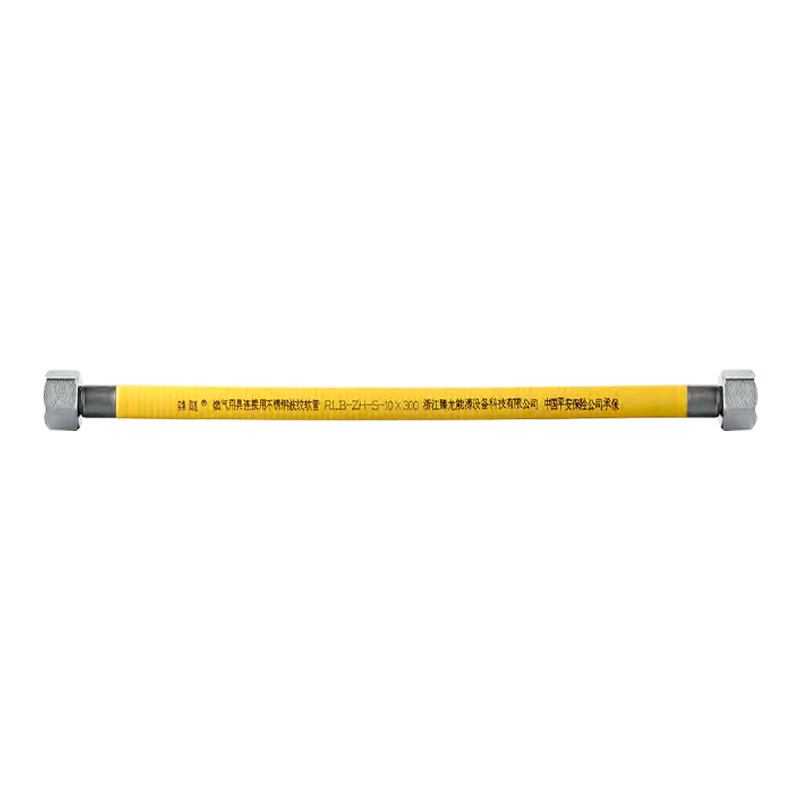
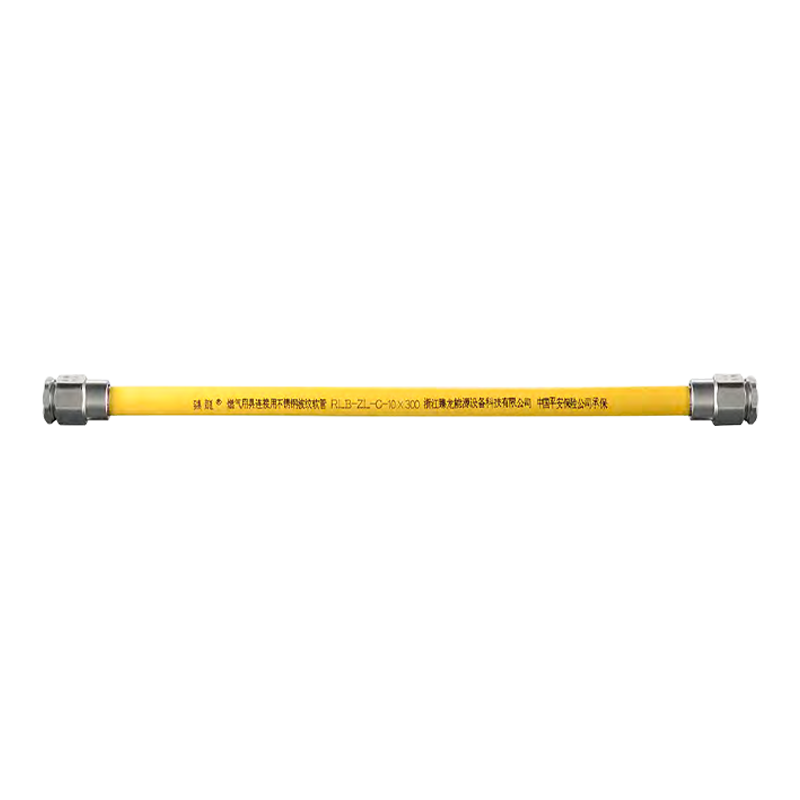
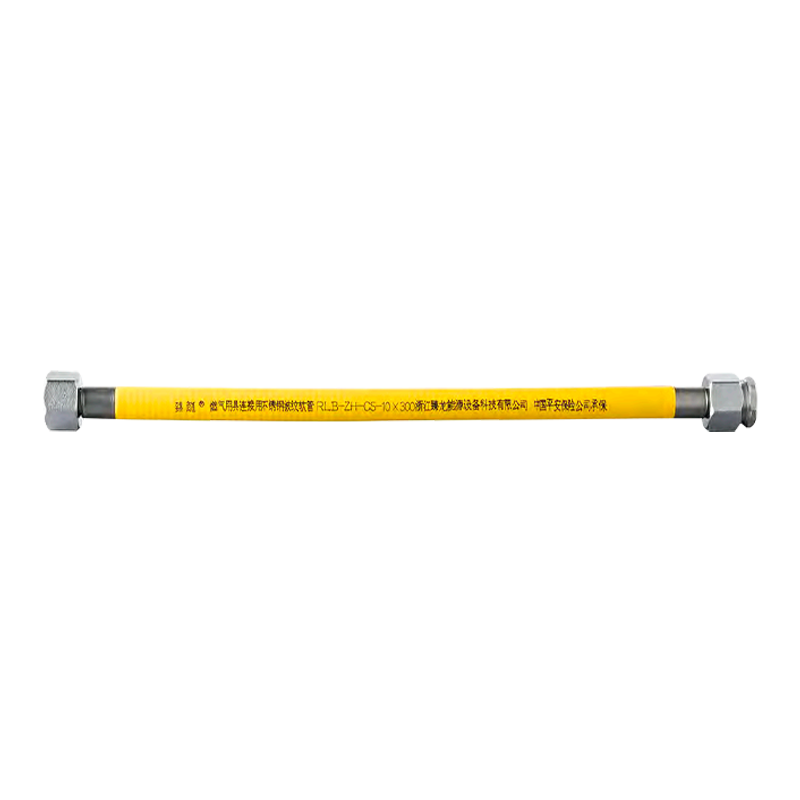
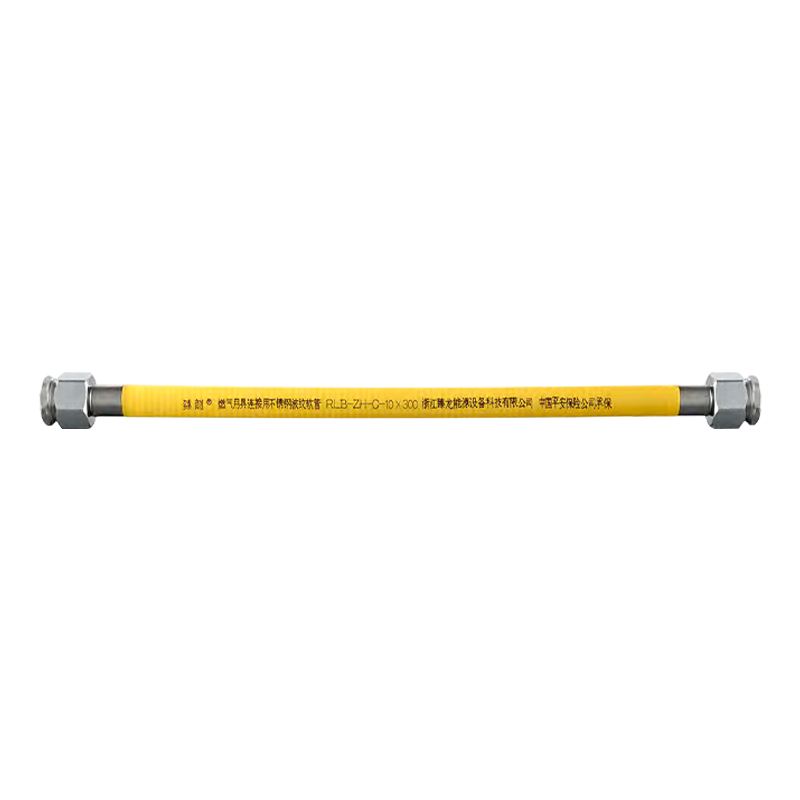
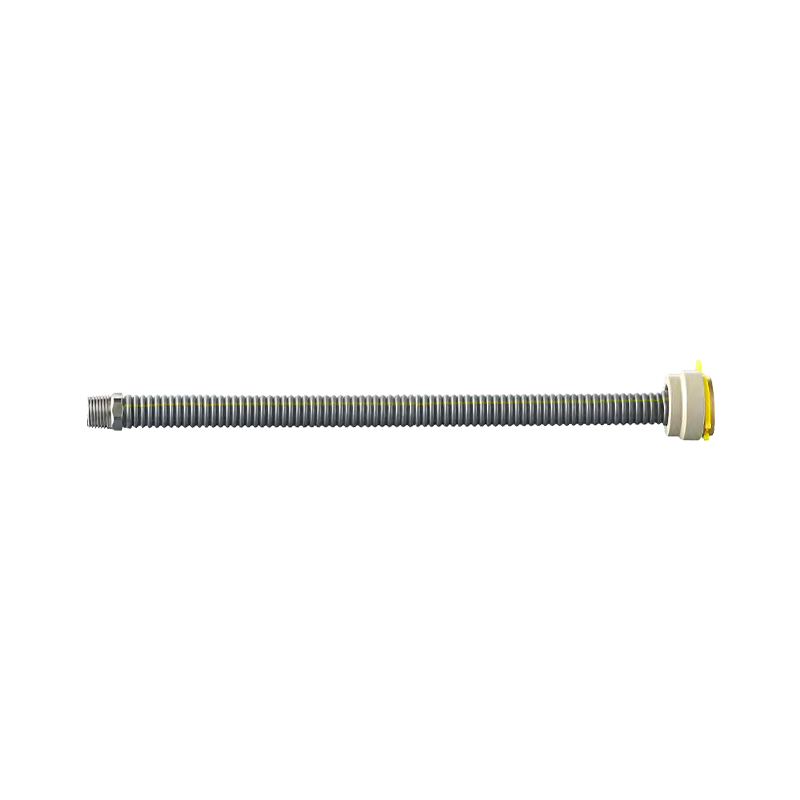
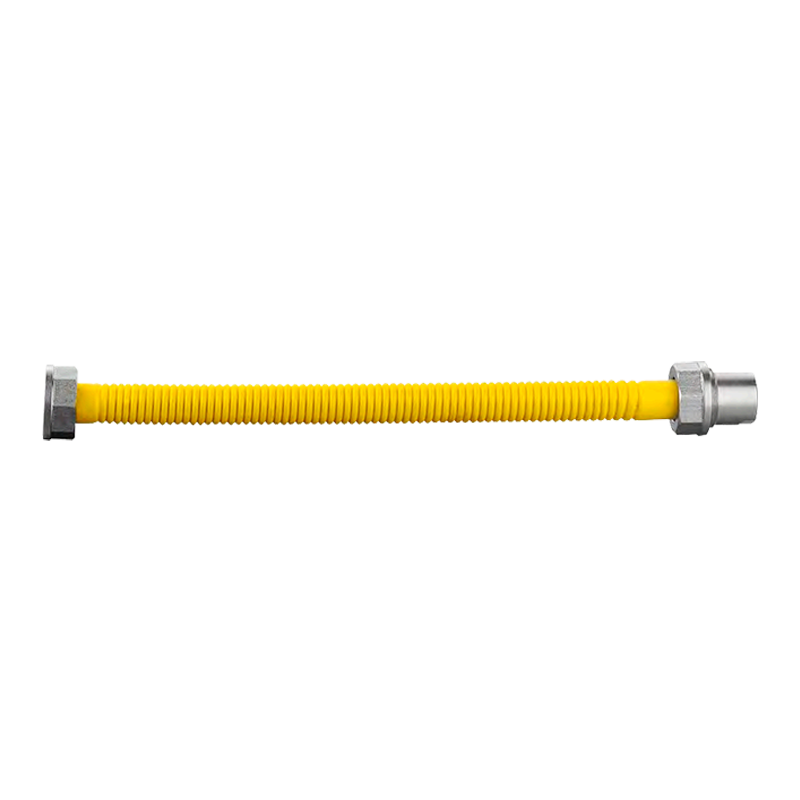
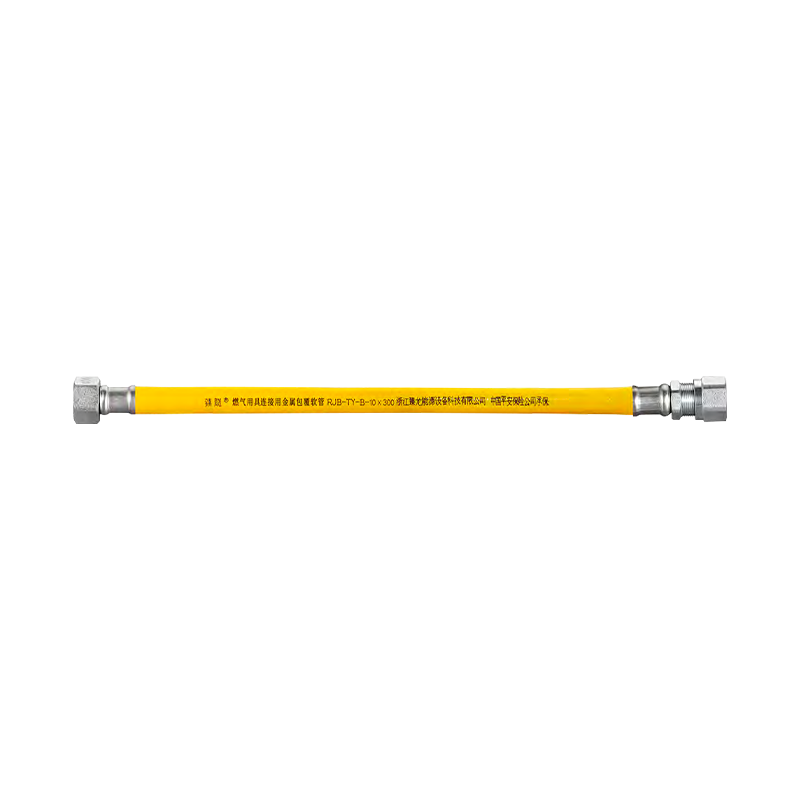
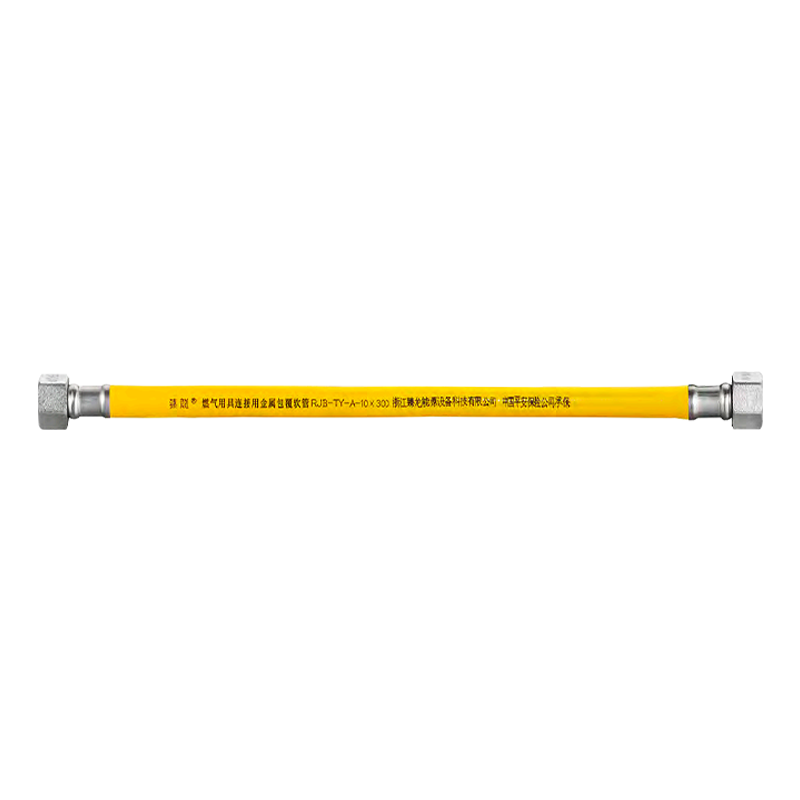
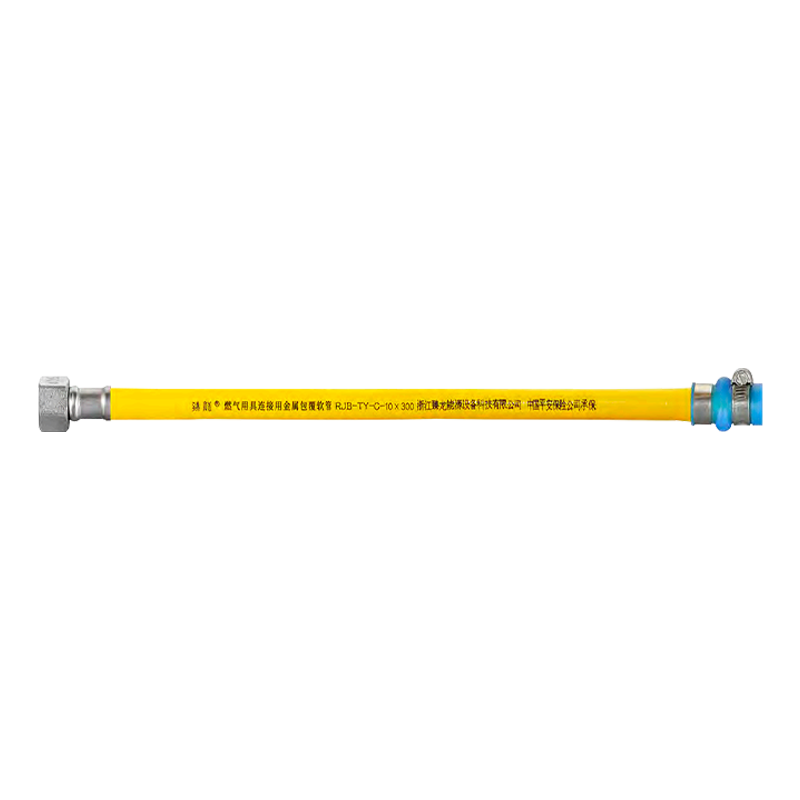
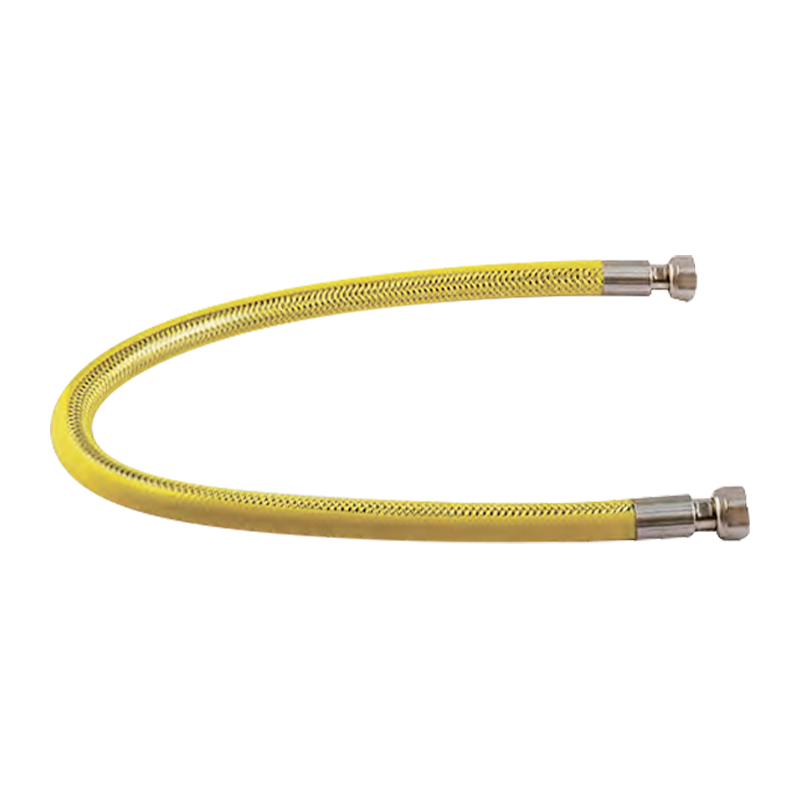
The Plug-in Swivel Joint is a precision-engineered connection component designed for stainless steel corrugated hoses used in gas transmission and related fluid-handling systems. Combining a plug-in installation method, swivel functionality, corrosion-resistant construction, and a carefully machined sealing interface, this fitting is developed to support secure connections in demanding industrial environments. Its design responds to several common challenges in piping and hose assemblies, including difficult installation, restricted working space, vibration, alignment variation, leakage risk, and maintenance delays.
Manufactured by Zhejiang Zhenlong Energy Equipment Technology Co., Ltd., the Plug-in Swivel Joint is positioned for applications involving industrial gas, hydraulic systems, pneumatic equipment, and other installations that require dependable pipe and hose connections. The listed model is RBG-IS10X10-GB/T 26002, identified as a plug-in connector with a DN10/Φ13.5 specification. Its product numbering is ZLP-007.
In modern energy and industrial systems, a fitting is not merely an accessory between two sections of hose or pipe. It forms part of the pressure boundary and directly contributes to the overall safety, service life, and efficiency of the installation. A connection must maintain mechanical stability while accommodating practical installation requirements. It must also resist environmental exposure, support consistent sealing, and remain serviceable during inspection and maintenance. The Plug-in Swivel Joint is designed around these needs.

Plug-in Swivel Joint
Content
- 1 Product Overview
- 2 Key Product Information
- 3 How the Plug-in Design Improves Installation
- 4 Sealing Performance and Leakage Prevention
- 5 Swivel Function and Mechanical Flexibility
- 6 Material and Environmental Resistance
- 7 Advantages Compared with Conventional Fixed Connections
- 8 Applications in Industrial Gas Systems
- 9 Hydraulic and Pneumatic Uses
- 10 Manufacturing Capabilities and Process Strengths
- 11 Quality Management and Technical Assurance
- 12 Precision Engineering for Consistent Connections
- 13 Service Life, Maintenance, and Total Cost
- 14 Recommended Selection Considerations
- 15 Installation and Operational Guidance
- 16 Why Manufacturer Integration Matters
- 17 Quality, Safety, and Responsible Use
- 18 Frequently Asked Questions
- 18.1 What is a Plug-in Swivel Joint?
- 18.2 What is the primary application of this product?
- 18.3 What is the model number?
- 18.4 What is the available specification?
- 18.5 How does the swivel function help during installation?
- 18.6 Does the fitting prevent all leakage?
- 18.7 Is the product suitable for harsh environments?
- 18.8 Can it be used in hydraulic systems?
- 18.9 Can it be used in pneumatic systems?
- 18.10 What manufacturing capabilities support this product?
- 18.11 What quality credentials does the manufacturer report?
- 18.12 Is customization available?
- 18.13 How should the joint be maintained?
- 19 Conclusion
- 20 References
- 21 Product: Plug-in Swivel Joint
Product Overview
The Plug-in Swivel Joint is a compact connection fitting for stainless steel corrugated hose assemblies, especially those used in gas transmission. Its plug-in structure allows a hose or compatible connection component to be inserted into the fitting rather than requiring a complex assembly procedure. This approach can reduce installation effort and make the fitting suitable for areas where working space is limited.
The swivel function provides additional flexibility during installation and operation. In a fixed connection, misalignment between the hose and the connected pipe may create unnecessary stress. This stress can be transmitted to the hose, the fitting, or the equipment connection. A swivel joint helps manage this issue by allowing controlled rotational movement at the connection point. This can make positioning easier and reduce the need to twist or force the hose into alignment.
The product description emphasizes a high-precision sealing system. The sealing interface is tightly machined to create a secure fit and help prevent the escape of gas or fluid under high-pressure conditions. While actual operating pressure, temperature, and media compatibility must be confirmed for each application, the design objective is clear: to provide a dependable barrier against leakage while preserving a strong mechanical connection.
Corrosion-resistant materials are used to improve suitability for harsh environments. Industrial installations may be exposed to moisture, changing temperatures, cleaning agents, airborne contaminants, or other corrosive influences. A fitting that resists corrosion can maintain its functional integrity for longer and reduce the likelihood of premature replacement. Corrosion resistance is especially important in gas and fluid systems because deterioration at the connection can affect both performance and safety.
The Plug-in Swivel Joint is therefore a combination of three important functions. First, it joins compatible hose and pipe components. Second, it helps accommodate installation movement and alignment requirements. Third, it supports sealing performance and system integrity. These functions are integrated into a single fitting rather than being treated as separate design concerns.
Key Product Information
| Item | Specification |
| Product name | Plug-in Swivel Joint |
| Product category | Stainless steel corrugated hose fittings for gas transmission |
| Product number | ZLP-007 |
| Model number | RBG-IS10X10-GB/T 26002 |
| Product classification | Plug-in connectors |
| Specification | DN10/Φ13.5 |
| Primary application direction | Gas transmission and industrial hose connections |
| Additional application areas | Hydraulic and pneumatic systems, subject to compatibility confirmation |
The information above identifies the available model and basic size designation. Engineering teams should confirm connection dimensions, hose compatibility, pressure ratings, temperature limits, sealing materials, and applicable installation requirements before placing the product into a specific system. Correct selection is essential for safe and reliable operation.
How the Plug-in Design Improves Installation
Traditional hose and pipe connections may require several tools, multiple threaded components, or considerable effort to maintain alignment during assembly. In a confined installation area, these requirements can increase labor time and create opportunities for assembly errors. A plug-in design simplifies the connection sequence by allowing compatible components to be inserted into the fitting in a controlled manner.
This simplified method can be particularly valuable in production environments where many assemblies must be installed consistently. Reducing the number of installation steps may help standardize work practices and decrease variation between individual assemblies. When technicians can follow a clear and repeatable installation procedure, the risk of incorrect positioning or incomplete tightening may also be reduced.
The design can support faster maintenance as well. Industrial equipment often needs periodic inspection, component replacement, or system modification. A connection that can be accessed and serviced efficiently helps reduce equipment downtime. Faster replacement does not eliminate the need for proper inspection, but it can improve the overall maintenance process and make planned service work easier to schedule.
Another benefit is the potential reduction in installation stress. A hose should not be pulled, twisted, or sharply bent simply to make a connection. The swivel feature gives the installer greater freedom to orient the hose and fitting correctly. This helps preserve the natural movement capability of the hose and may reduce mechanical loading at the connection.
Installation simplicity should not be confused with reduced engineering requirements. A plug-in fitting still requires correct insertion depth, compatible dimensions, proper sealing components, and verification of connection security. The advantage is that the product is designed to make these requirements more manageable and less labor-intensive when used according to the appropriate installation procedure.
Sealing Performance and Leakage Prevention
Leakage is one of the most important concerns in any gas or fluid transmission system. Even a small leak can affect efficiency, create an environmental concern, reduce operating pressure, or introduce a safety hazard. For this reason, the connection between a hose and a fitting must be designed with close attention to surface accuracy, sealing geometry, material compatibility, and assembly consistency.
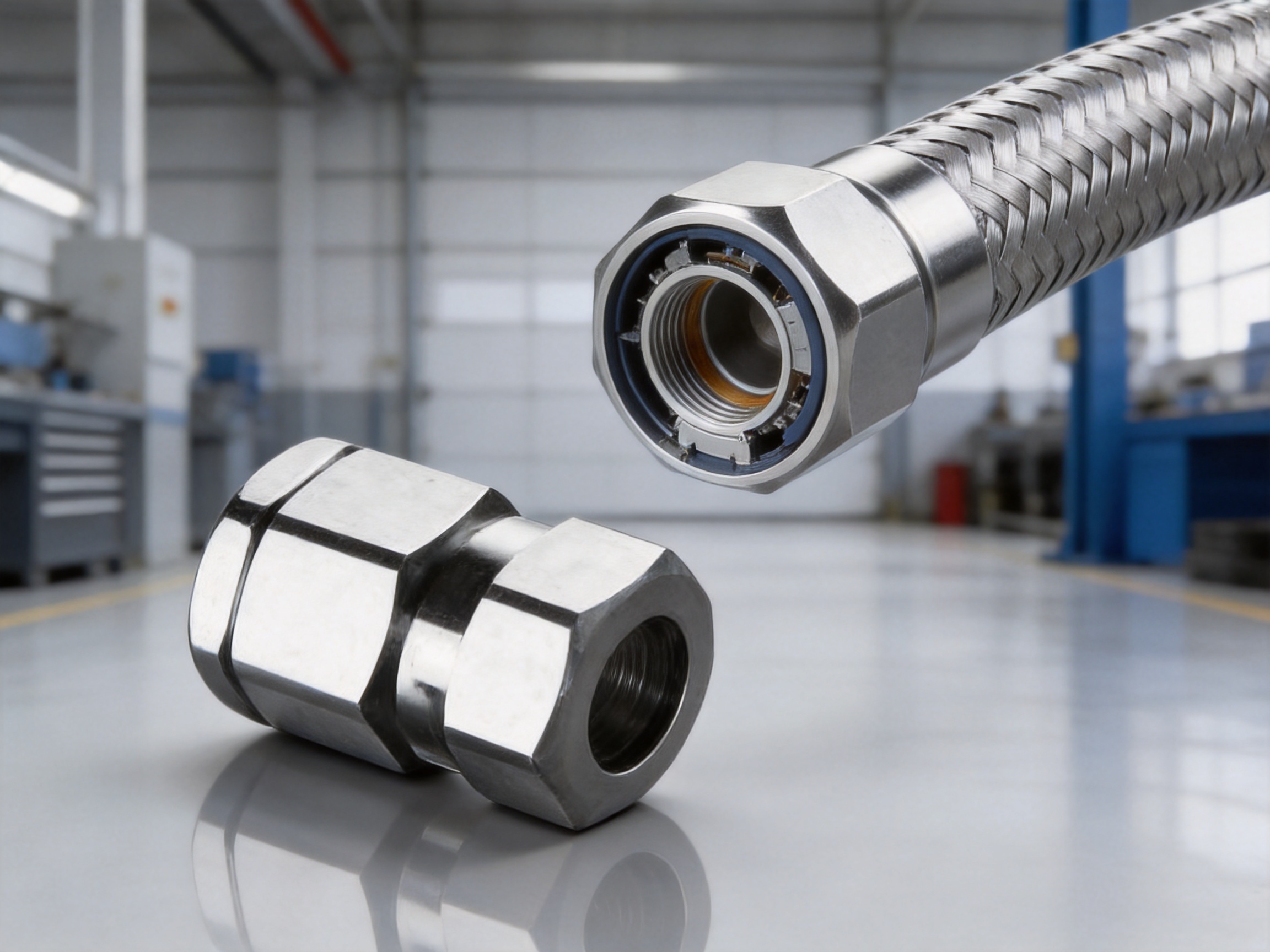
The Plug-in Swivel Joint uses a high-precision sealing system intended to prevent fluid or gas leakage, including under high-pressure conditions. Its tightly machined interface supports a close and secure fit between mating components. Precise machining is important because irregular surfaces, dimensional variation, or poor contact can create leakage paths.
A reliable sealing system depends on more than one feature. The geometry of the connection must provide adequate contact. The sealing element, where applicable, must be compatible with the conveyed medium and operating temperature. The fitting must also retain its shape during pressure fluctuations and routine movement. The Plug-in Swivel Joint addresses these requirements through a combination of precision construction, robust connection design, and corrosion-resistant materials.
Leak prevention also contributes to operational efficiency. When a system loses gas or fluid through a connection, the equipment may need to work harder to maintain the required pressure or flow. In pneumatic systems, leakage can increase compressor demand. In hydraulic systems, leakage may reduce performance and create contamination concerns. In gas systems, leakage can result in product loss and require additional inspection or emergency response.
The sealing interface should be inspected during installation and maintenance. Technicians should check that the mating surfaces are clean, the fitting is correctly seated, and the hose is not subjected to lateral force that could compromise the seal. Proper system design and installation remain essential even when the fitting itself has been manufactured to a high level of precision.
Swivel Function and Mechanical Flexibility
Hoses are frequently installed between components that are not perfectly aligned. Equipment may move during operation, structural supports may be located at different heights, and access limitations may require a curved installation route. A rigid fitting can transfer these alignment differences into the hose assembly. Over time, repeated stress may affect the corrugated hose, end connection, or equipment port.
The swivel function helps address this issue by allowing rotational adjustment at the joint. During installation, the technician can orient the fitting without excessively twisting the hose. During operation, controlled movement can help accommodate changes in position and reduce unnecessary torsional loading. This is especially useful when the hose must connect to equipment that experiences vibration or limited movement.
A swivel connection can also improve routing efficiency. A hose can be positioned more naturally, with fewer sharp turns and less interference with surrounding components. Better routing may improve accessibility and simplify inspection. It can also help protect the hose from contact with nearby structures, provided the complete assembly is designed with adequate clearance.
The swivel feature is not intended to compensate for every form of movement. The joint should not be used as a substitute for proper hose support, expansion planning, or vibration control. Excessive rotation, bending beyond the hose’s allowable radius, or continuous mechanical abuse can still damage a system. The fitting provides flexibility within a properly engineered assembly.
Compared with a fixed connection, a swivel joint can offer a practical advantage during both initial installation and future servicing. It gives installers more control over orientation, reduces the need to force components into position, and may decrease the time needed to achieve a clean and stable hose route.
Material and Environmental Resistance
Industrial pipe and hose fittings must perform in environments that are often more demanding than ordinary indoor plumbing applications. Moisture, condensation, airborne chemicals, dust, salt-containing atmospheres, temperature changes, and cleaning operations can all influence product life. Corrosion at a connection may gradually reduce wall thickness, damage threads, affect sealing surfaces, or make future maintenance more difficult.
The Plug-in Swivel Joint is made from corrosion-resistant materials. This construction supports its intended use in industrial gas, hydraulic, and pneumatic applications where environmental exposure may be significant. Material resistance helps protect the fitting’s external surfaces and functional interfaces, contributing to dependable performance over time.
Material selection also affects compatibility with the conveyed medium. Gas and fluid systems can contain different chemical compositions, and operating conditions may vary considerably. Before installation, the user should confirm that the fitting, hose, seals, and connected equipment are compatible with the medium being transported. Corrosion resistance is an important advantage, but it should be evaluated together with pressure, temperature, and chemical-resistance requirements.
Stainless steel corrugated hose assemblies are often selected because they combine flexibility with mechanical durability. The fitting must complement those characteristics. A connection that is substantially weaker or more vulnerable to environmental degradation than the hose may become the limiting component in the assembly. A corrosion-resistant Plug-in Swivel Joint helps create a more balanced system.
Environmental durability may also reduce lifecycle costs. A fitting that remains stable in demanding conditions can reduce the frequency of replacement and minimize unplanned service. It may also help preserve the cleanliness and appearance of equipment installations, which is valuable in organized industrial plants and facilities where inspection standards are high.
Advantages Compared with Conventional Fixed Connections
The Plug-in Swivel Joint offers several practical advantages over a conventional fixed fitting when the application requires installation flexibility and frequent service access. The first is the plug-in connection method. It can reduce the number of assembly operations and simplify positioning. This may help installers work more efficiently, particularly in confined areas or repetitive production environments.
The second advantage is swivel movement. Fixed fittings often require the hose to be rotated or carefully aligned before the connection can be completed. This can create torsion in the hose and increase labor requirements. A swivel joint permits the connection to be oriented more conveniently and may help preserve the hose’s intended geometry.
The third advantage is the precision sealing interface. Conventional fittings vary widely in their machining accuracy and sealing arrangements. A well-controlled interface supports more consistent contact between mating parts. This is valuable where leakage prevention is a major operating priority.
The fourth advantage is corrosion resistance. A fitting that is able to withstand harsh environmental conditions can offer better service continuity than a less resistant alternative. This is not simply a matter of appearance. Corrosion can make disassembly difficult, weaken the fitting, and compromise sealing performance.
The fifth advantage is the combination of multiple functions in one component. Instead of adding separate adapters, alignment aids, or movement allowances, the Plug-in Swivel Joint integrates connection, rotational flexibility, and sealing support. Fewer separate components can simplify procurement, reduce assembly complexity, and make the overall design easier to inspect.
Competitor products may provide one or more of these features, but performance depends on the complete design and manufacturing process. The main distinction of this product is the coordinated approach: a plug-in connection is combined with a swivel structure, precision machining, and corrosion-resistant construction for a targeted gas hose fitting application.
Applications in Industrial Gas Systems
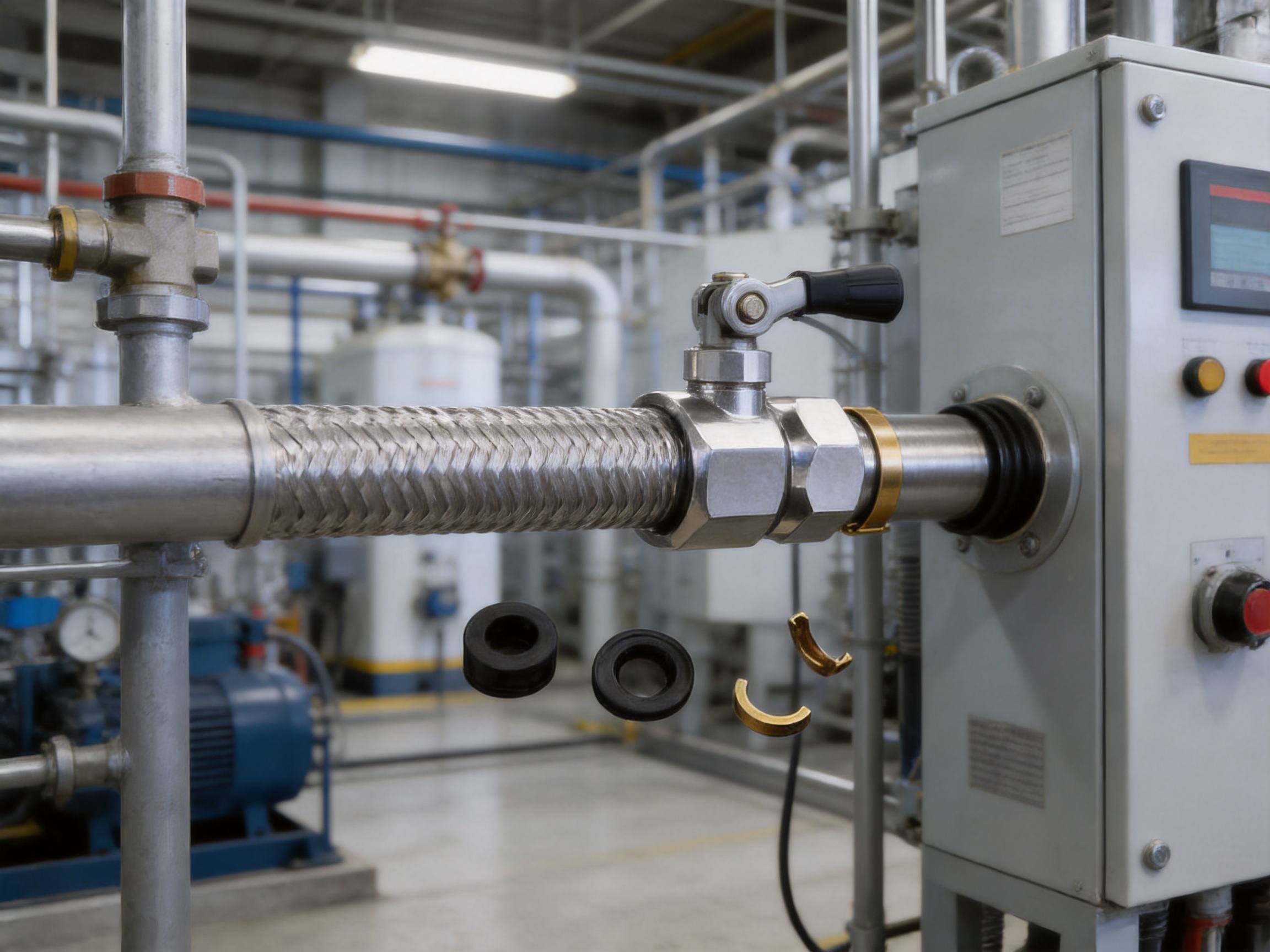
Gas transmission systems require careful control of connections because the conveyed medium can escape through very small openings. The Plug-in Swivel Joint is designed for stainless steel corrugated hose fittings used in gas transmission. It can be considered for equipment connections, gas distribution assemblies, industrial gas installations, and other compatible systems where a flexible hose must be connected securely.
In an industrial gas system, the fitting may be installed between a fixed pipeline and a flexible hose leading to equipment. The hose can help absorb vibration or accommodate limited movement, while the joint provides a secure interface between the hose and the rigid connection. The swivel function can assist with orientation during installation and reduce twisting forces.
The fitting may also be useful in modular equipment assemblies. When equipment is assembled, relocated, or modified, connection orientation can change. A joint that is easier to insert and adjust can support more efficient commissioning and maintenance. It may also help reduce the need for custom-bent rigid pipe sections in certain layouts.
Gas applications require strict attention to the correct installation procedure. The system designer should establish pressure and temperature limits, confirm the appropriate hose and seal materials, and specify inspection and leak-testing requirements. The Plug-in Swivel Joint should be selected as part of a complete, compatible assembly rather than evaluated as an isolated component.
Hydraulic and Pneumatic Uses
The product description also identifies hydraulic and pneumatic applications. These systems often include equipment that produces vibration, repetitive movement, or pressure fluctuations. A flexible hose and swivel connection can help manage the interface between moving equipment and fixed piping.
In pneumatic systems, connection leakage can reduce pressure stability and increase compressor operating time. A well-sealed fitting can support efficient air delivery and reduce the need for repeated tightening or emergency replacement. The plug-in design may also help maintenance teams replace hose assemblies more quickly during planned service.
In hydraulic systems, the connection must withstand the pressure and mechanical forces associated with the hydraulic circuit. The conveyed fluid, temperature range, pressure rating, and hose construction must be matched to the fitting. If the application includes high vibration or recurring movement, the routing and support arrangement should be reviewed carefully to prevent excessive loading at the joint.
The corrosion-resistant construction may be beneficial in industrial environments where hydraulic or pneumatic equipment is exposed to moisture, cleaning procedures, or airborne contaminants. However, the compatibility of the fitting and seals with the specific hydraulic fluid or compressed gas must always be verified before use.
Manufacturing Capabilities and Process Strengths
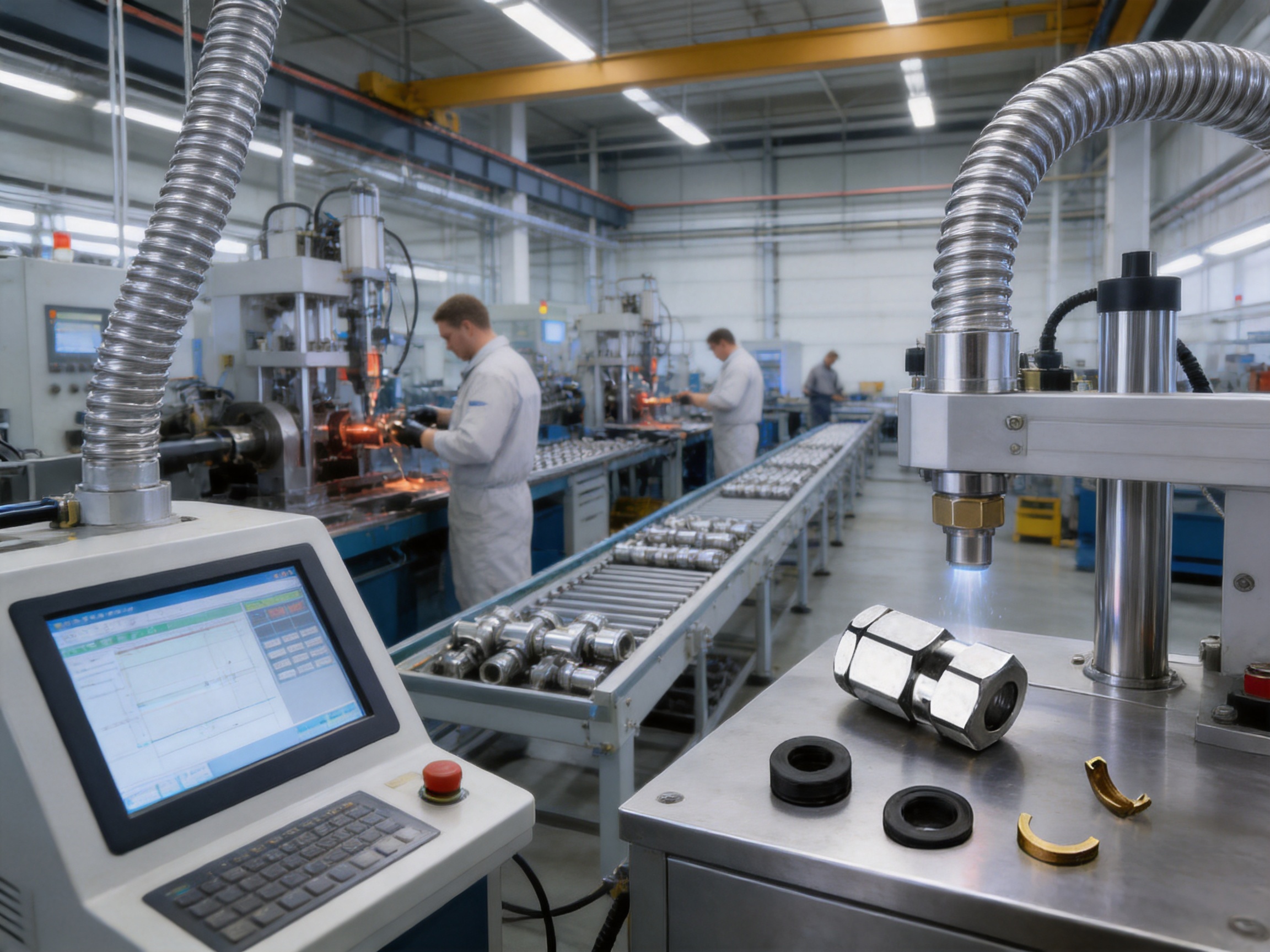
Zhejiang Zhenlong Energy Equipment Technology Co., Ltd. operates as an energy equipment manufacturer integrating research and development, manufacturing, processing, and trade. Its product scope includes metal hoses, natural gas pipelines, plumbing fittings, sanitary ware, valves, plastic products, and hardware. This broad product range provides an industrial foundation for producing fittings that must interface with different types of hose, pipe, and equipment systems.
The company operates a factory covering approximately 40 acres, with a factory building of about 30,000 square meters. This scale supports organized production, material handling, processing, assembly, inspection, and inventory management. A dedicated manufacturing environment is particularly important for precision fittings because consistent results depend on controlled workflows and repeatable processing conditions.
The company reports having 30 welding and forming production lines. Welding and forming are important capabilities for metal hose and fitting production. Forming processes influence the geometry and dimensional consistency of components, while welding capability supports the manufacture of metal hose assemblies and related products. Multiple production lines can also provide flexibility for different product types, specifications, and order quantities.
The manufacturing facility includes two uninterrupted solid melting hydrogen furnace production lines. These furnace systems support metal processing and material production requirements. Stable thermal processing can contribute to material consistency and repeatability. For components exposed to pressure, movement, and environmental conditions, controlled material processing is an important part of quality assurance.
The company also uses testing equipment including metal material analysis direct-reading spectrometers and flow tightness testers. Material analysis equipment helps verify the composition of metals used in production. Confirming material composition can support consistency, traceability, and suitability for the intended product category. Flow tightness testing is directly relevant to fittings and hose assemblies because it helps evaluate whether a connection or finished component can maintain the required level of tightness.
The combination of production equipment and testing capability supports a complete manufacturing chain. Material quality can be reviewed, components can be formed and processed, assemblies can be produced, and finished products can be tested. This integrated approach can reduce dependence on disconnected external processes and help the manufacturer maintain better control over product consistency.
Quality Management and Technical Assurance
The company states that it strictly implements the ISO9000:2008 quality management system. A quality management system provides a framework for documenting processes, controlling production activities, managing inspection procedures, and supporting continuous improvement. For a connection product such as the Plug-in Swivel Joint, process control is important because small dimensional differences can affect sealing and assembly performance.
The company also holds a Special Equipment Manufacturing License for pressure pipelines issued by the People’s Republic of China. This qualification is relevant to the production of equipment and components associated with pressure pipeline applications. In addition, the company has EU CE certification testing reports. These credentials and reports indicate that the manufacturer has addressed formal quality and compliance requirements associated with its product scope.
Certifications and testing reports do not replace application-specific engineering review. Users must still verify that the selected model is appropriate for their pressure, temperature, medium, connection, and installation conditions. Nevertheless, documented quality systems and technical qualifications provide useful evidence of a manufacturer’s commitment to controlled production.
The company is also a member of the China Urban Gas Association. This connection reflects participation in an industry environment related to urban gas equipment and infrastructure. Industry involvement can help a manufacturer remain familiar with practical application requirements, product expectations, and developments in gas transmission technology.
Precision Engineering for Consistent Connections
The Plug-in Swivel Joint depends on accurate dimensions and reliable surface quality. A plug-in connector must provide a consistent fit, and the swivel mechanism must function without creating excessive looseness or friction. The sealing surfaces must be machined closely enough to support the intended connection performance.
Precision engineering begins with controlled design. The product’s model designation and DN10/Φ13.5 specification provide a basis for selecting a compatible hose or pipe. Production must then translate the design into components with repeatable dimensions. Forming, machining, welding, and finishing processes all influence the final result.
Inspection is equally important. A visually acceptable fitting may still contain dimensional or sealing defects that cannot be identified through appearance alone. Material analysis and flow tightness testing provide additional verification beyond ordinary visual inspection. When these checks are integrated into a manufacturing process, the manufacturer is better positioned to identify deviations before products reach the customer.
Consistency is especially important for industrial buyers who purchase components in quantity. A product that performs well in one batch but varies significantly in another can create installation problems, increase inspection costs, and reduce confidence in the supply chain. Repeatable production and documented quality controls help support more predictable procurement.
Service Life, Maintenance, and Total Cost
The purchase price of a fitting is only one part of its overall value. Installation labor, maintenance time, replacement frequency, downtime, and leakage-related losses can have a greater impact on lifecycle cost. The Plug-in Swivel Joint is designed to provide advantages in each of these areas.
The plug-in structure may reduce the time required to install or replace a connection. The swivel function may reduce alignment difficulties and help prevent hose twisting. Corrosion-resistant construction may support longer service in demanding environments. The precision sealing interface may reduce the likelihood of leakage when the product is installed correctly and used within its design conditions.
These benefits can contribute to lower maintenance demand. A fitting that remains secure and corrosion-resistant is less likely to require early replacement. A fitting that is easier to service can reduce the duration of planned maintenance. A fitting that supports a leak-resistant system can reduce the need for repeated pressure checks or corrective work.
Maintenance teams should still establish inspection routines. The fitting and surrounding hose should be checked for corrosion, deformation, movement, contamination, and signs of leakage. Any change in system performance should be investigated promptly. If the fitting has been exposed to abnormal pressure, impact, heat, or chemical conditions, it should be assessed before the system is returned to service.
Recommended Selection Considerations
Before ordering the Plug-in Swivel Joint, the user should confirm the required connection size. The listed specification is DN10/Φ13.5, and the model number is RBG-IS10X10-GB/T 26002. The hose or pipe must be dimensionally compatible with the fitting. The user should also confirm whether the connection standard and end configuration match the existing equipment.
The conveyed medium should be identified clearly. Gas, hydraulic fluid, compressed air, and other media may impose different material and sealing requirements. Compatibility should be confirmed for the fitting body, sealing elements, hose liner, and any associated components.
Operating pressure and temperature are equally important. The product description refers to high-pressure sealing capability, but the exact allowable pressure and temperature must be obtained from the applicable technical documentation for the selected assembly. A fitting should never be operated above its verified rating.
Installation environment should also be considered. If the fitting will be exposed to outdoor weather, high humidity, corrosive chemicals, vibration, or repeated movement, the complete assembly should be designed accordingly. The corrosion-resistant construction is advantageous, but exposure conditions should still be reviewed carefully.
Finally, the user should consider accessibility. A plug-in swivel joint can simplify installation and maintenance, but sufficient space must remain available for inspection, insertion, removal, and leak testing. Proper access helps technicians verify that the connection is fully seated and functioning correctly.
Installation and Operational Guidance
The connection area should be clean before installation. Dirt, metal particles, oil contamination, or surface damage may interfere with sealing. The hose and fitting should be inspected for visible defects, and all protective packaging or temporary covers should be removed according to the installation procedure.
The hose should be aligned naturally with the fitting. Installers should avoid pulling the hose sideways or applying excessive force to make the connection. The swivel function should be used to achieve the correct orientation rather than twisting the hose body. The hose should also be routed without exceeding its permitted bend radius.
After insertion, the connection should be checked to confirm that it is fully engaged and secure. The applicable inspection or locking procedure should be followed. A leak test should be carried out using a method suitable for the system and conveyed medium. Testing should be performed before the assembly is placed into normal operation.
During service, the fitting should not be used as a lifting point or subjected to loads for which it was not designed. External supports should be provided where necessary to prevent the hose assembly from carrying excessive weight. Vibration, movement, and thermal expansion should be considered in the overall installation design.
If leakage, unusual noise, surface damage, or abnormal movement is detected, the system should be isolated safely and inspected by qualified personnel. Repairs or replacement should follow the manufacturer’s technical recommendations and the requirements of the relevant safety procedures.
Why Manufacturer Integration Matters
A manufacturer with capabilities across research, design, forming, welding, material processing, testing, and customer service can provide more than an individual component. Integrated capability can help ensure that product design reflects actual manufacturing conditions and that production feedback can be used to improve future versions.
For a fitting such as the Plug-in Swivel Joint, this integration is valuable because its performance depends on the relationship between several processes. Material composition affects corrosion resistance and mechanical behavior. Forming affects geometry. Machining affects fit and sealing. Welding affects assembly integrity. Testing provides evidence of performance. If these activities are coordinated, quality issues can be identified and managed more effectively.
The manufacturer’s research and development team also supports customized production. Industrial customers may have different hose dimensions, connection requirements, installation environments, or packaging needs. A company with design and processing experience may be better positioned to evaluate custom requirements than a supplier that only distributes standardized parts.
Pre-sales and after-sales support are also important. Correct selection and installation directly affect fitting performance. Technical communication before purchase can help the customer identify compatibility requirements, while after-sales support can assist with troubleshooting, replacement, and system improvement. The company states that it provides comprehensive pre-sales and after-sales services as part of its customer support approach.
Quality, Safety, and Responsible Use
Connection products used in gas and pressure systems must be treated as safety-related components. Even a well-manufactured fitting can fail if it is incorrectly selected, improperly installed, exposed to unsuitable media, or operated beyond its design limits. Safe use requires cooperation between the manufacturer, system designer, installer, operator, and maintenance team.
The Plug-in Swivel Joint supports safety through its intended leak-resistant sealing system, secure plug-in connection, corrosion-resistant construction, and controlled swivel function. These features can help improve system integrity, but they must be supported by correct engineering practice.
Users should maintain records of product model, installation date, connected hose, pressure conditions, inspection results, and replacement history. Documentation can make future maintenance more efficient and help identify patterns if a system experiences recurring issues. It also supports traceability in regulated or safety-sensitive installations.
Where local regulations require certification, inspection, or formal pressure testing, those requirements should be followed. The stated manufacturing qualifications and testing capabilities provide a foundation for industrial use, but the responsible party for the installation must confirm all applicable local standards and approvals.
Frequently Asked Questions
What is a Plug-in Swivel Joint?
A Plug-in Swivel Joint is a hose and pipe connection fitting that uses a plug-in connection structure and provides controlled rotational flexibility. It is designed to help create secure, leak-resistant connections while making installation and alignment easier.
What is the primary application of this product?
The product is categorized as a stainless steel corrugated hose fitting for gas transmission. It may also be considered for compatible hydraulic and pneumatic systems, provided that the pressure, temperature, medium, connection size, and sealing requirements are confirmed.
What is the model number?
The listed model number is RBG-IS10X10-GB/T 26002. The product numbering is ZLP-007, and the product is identified as a plug-in connector.
What is the available specification?
The listed specification is DN10/Φ13.5. Buyers should confirm the meaning of the dimensional designation and verify compatibility with the hose, pipe, and equipment connection before ordering.
How does the swivel function help during installation?
The swivel function allows the connection to be oriented more conveniently without forcing the hose to twist. It can help accommodate alignment differences, simplify routing, and reduce unnecessary torsional stress at the hose and fitting.
Does the fitting prevent all leakage?
The fitting is engineered with a high-precision sealing system intended to prevent fluid or gas leakage, including under high-pressure conditions. However, leakage performance also depends on correct selection, compatible materials, proper insertion, clean sealing surfaces, correct installation, and operation within the verified system limits.
Is the product suitable for harsh environments?
The fitting is made from corrosion-resistant materials and is designed to withstand harsh environmental conditions. The specific environment should still be evaluated, including humidity, chemicals, temperature, salt exposure, and mechanical vibration.
Can it be used in hydraulic systems?
The product description identifies hydraulic applications as one possible use. The complete assembly must be checked for hydraulic pressure, fluid compatibility, temperature, hose construction, and applicable safety requirements before use.
Can it be used in pneumatic systems?
It may be used in compatible pneumatic applications. The system designer should verify air pressure, temperature, hose dimensions, seal compatibility, and connection requirements. A suitable leak test should be completed after installation.
What manufacturing capabilities support this product?
The manufacturer operates welding and forming production lines, solid melting hydrogen furnace production lines, material analysis equipment, and flow tightness testing equipment. These capabilities support material control, component processing, assembly, and product inspection.
What quality credentials does the manufacturer report?
The manufacturer reports implementation of the ISO9000:2008 quality management system, possession of a Chinese Special Equipment Manufacturing License for pressure pipelines, EU CE certification testing reports, and membership in the China Urban Gas Association.
Is customization available?
The company provides research, development, manufacturing, processing, and custom production capabilities. Customers should provide detailed requirements, including dimensions, medium, pressure, temperature, connection type, quantity, and environmental conditions, for a technical evaluation.
How should the joint be maintained?
The fitting and surrounding hose should be inspected for leakage, corrosion, deformation, unusual movement, contamination, and damage. The connection should be isolated safely before maintenance, and any replacement should follow the applicable technical and safety procedures.
Conclusion
The Plug-in Swivel Joint is designed to address the practical requirements of modern gas, hydraulic, and pneumatic hose connections. Its plug-in structure supports efficient installation, while the swivel function helps accommodate alignment and reduce twisting during assembly. The high-precision sealing interface is intended to support leak-resistant operation, and corrosion-resistant materials improve suitability for demanding industrial environments.
Its advantages become more valuable when considered as part of a complete manufacturing and quality system. The manufacturer combines research and development, metal hose production, welding, forming, material processing, precision testing, and customer service. The company’s production scale, specialized equipment, quality management system, pressure pipeline manufacturing license, and reported CE testing documentation provide a strong foundation for supplying industrial connection products.
For buyers, the most important step is to match the fitting to the complete application. Model RBG-IS10X10-GB/T 26002, product number ZLP-007, and specification DN10/Φ13.5 should be verified against the intended hose, pipe, medium, pressure, temperature, and installation conditions. When correctly selected and installed, the Plug-in Swivel Joint can help improve connection security, maintenance efficiency, system flexibility, and operational safety.
References
1. Product information supplied for the Plug-in Swivel Joint, model RBG-IS10X10-GB/T 26002, product number ZLP-007.
2. Manufacturer-provided company profile and manufacturing capability information for Zhejiang Zhenlong Energy Equipment Technology Co., Ltd.
3. Manufacturer-provided information regarding ISO9000:2008 quality management implementation.
4. Manufacturer-provided information regarding the Special Equipment Manufacturing License for pressure pipelines.
5. Manufacturer-provided information regarding EU CE certification testing reports.
6. General engineering principles for stainless steel corrugated hoses, industrial hose fittings, pressure connections, and leakage prevention.