 English
 中文简体
中文简体 Español
 عربى
عربى
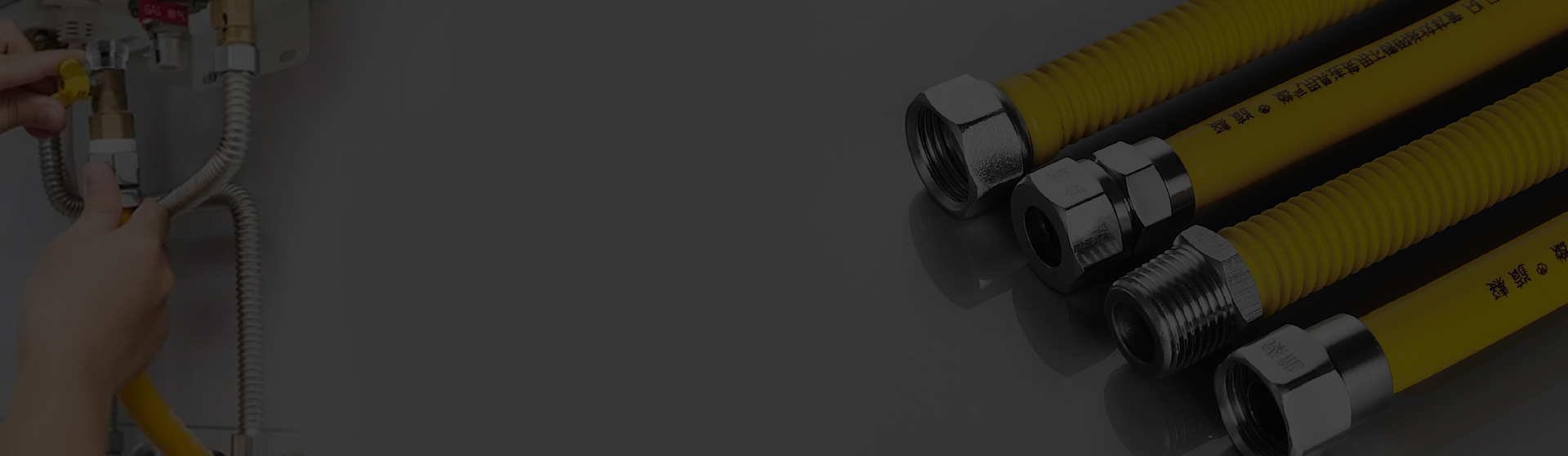

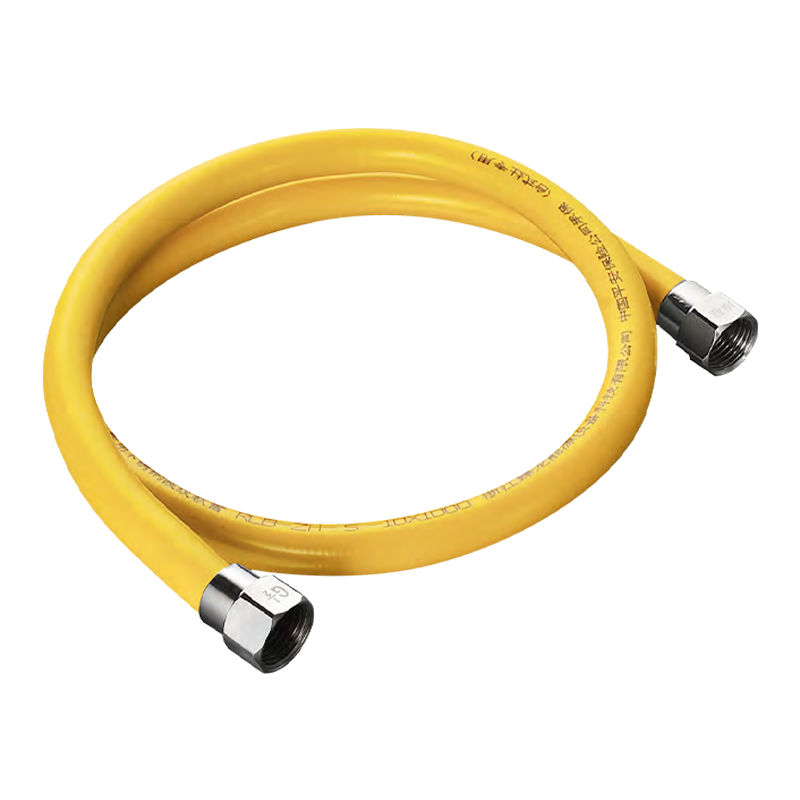
In gas transmission and distribution systems, corrugated stainless steel tubing is widely used in gas pipelines in residential and commercial buildings due to its advantages such as convenient installation, high flexibility, corrosion resistance, and long service life. However, many users are concerned about one question: Will corrugated stainless steel tubing leak? If so, how can it be avoided?
This article will take you to understand this in depth.
(1) Will Corrugated Stainless Steel Tubing Leak?
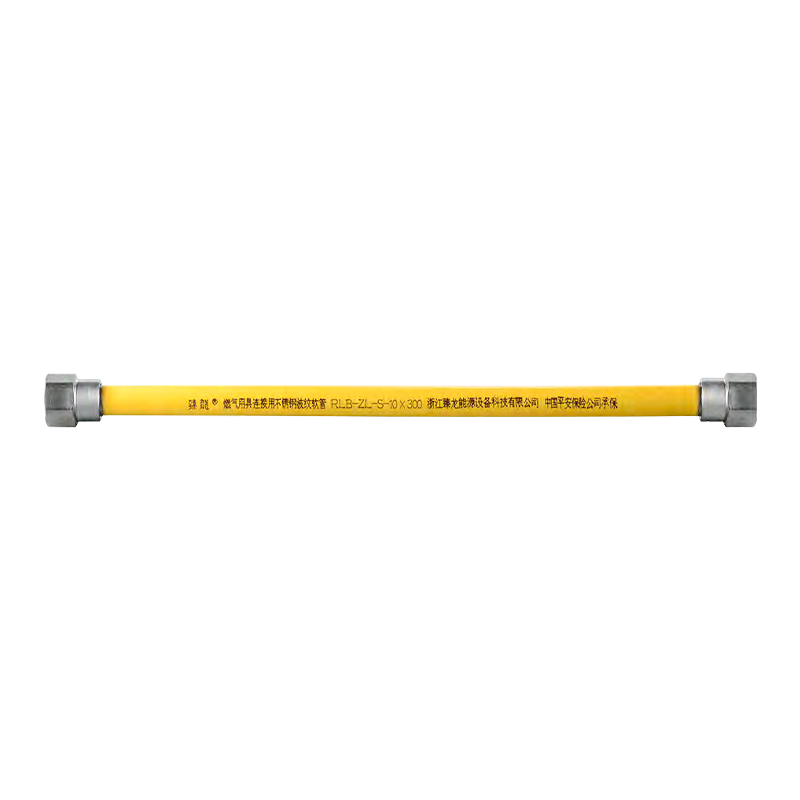
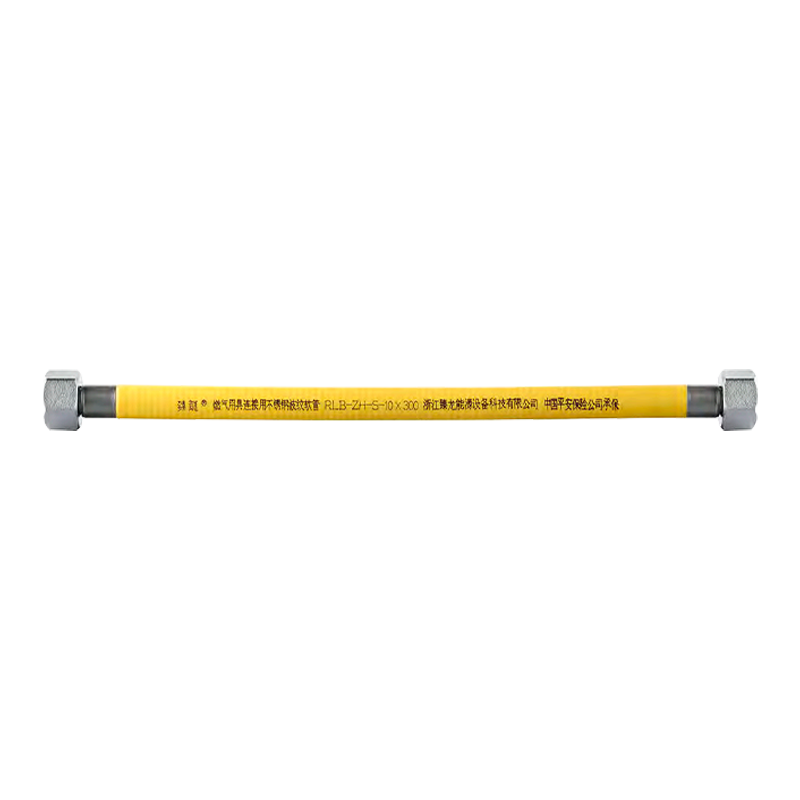
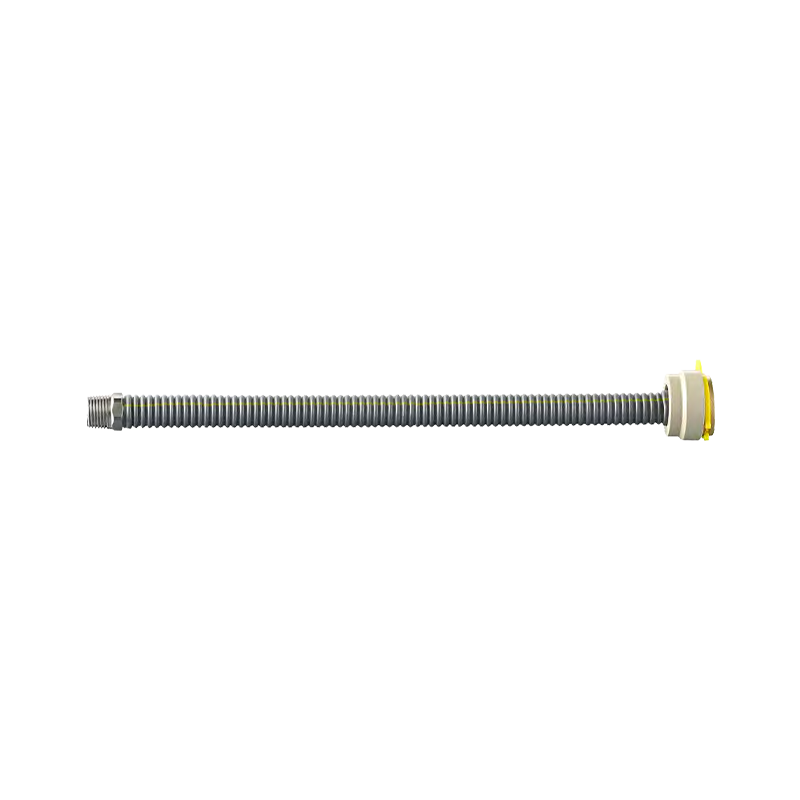
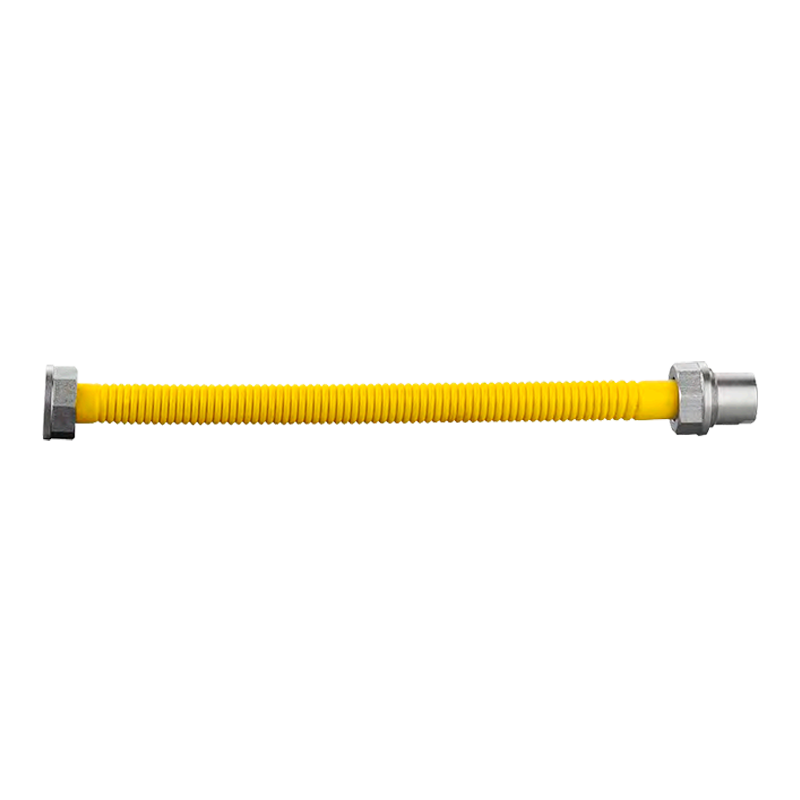
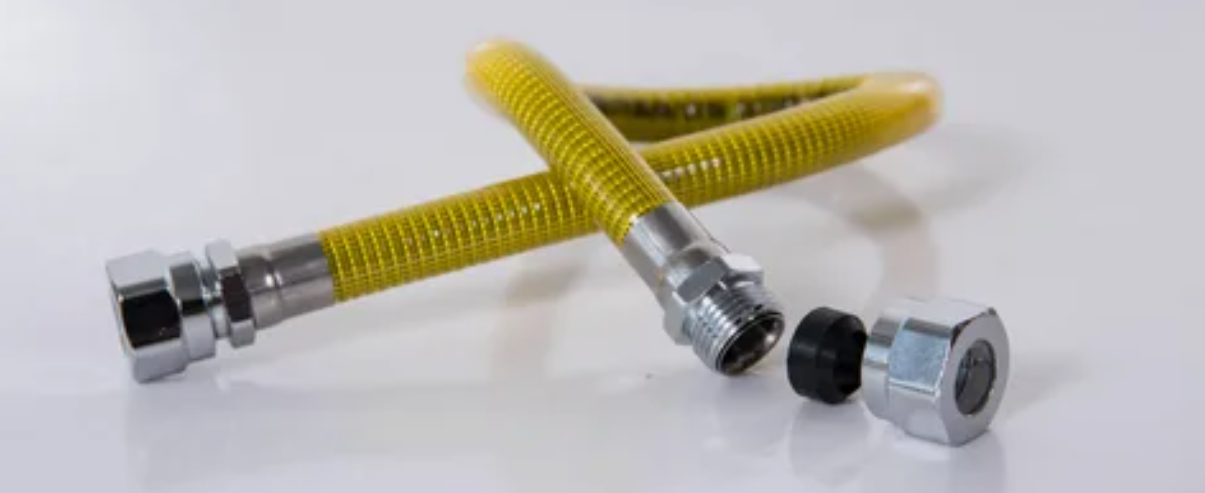
Theoretically, corrugated stainless steel tubing is not prone to leakage. This type of tubing is usually made of 304 or 316 stainless steel and is mechanically formed into a corrugated structure, possessing good sealing performance and pressure resistance. It has strong corrosion resistance, and even with long-term contact with moisture, fumes, or other environmental factors, it is not easy to develop damage or cracks.
The real problems affecting air leakage often occur in the following areas: Improperly installed joints; excessive bending angle causing structural damage; external force squeezing or perforation of the pipe wall; aging or incorrect installation of the sealing ring; improper construction leading to poor sealing.
In other words, corrugated stainless steel pipes leak not because of poor material quality, but because of improper installation or use.
(2) What situations easily lead to air leakage in corrugated stainless steel pipes?
To avoid the risk of air leakage, we need to understand common mistakes and risk points:
1) Loose joint connections
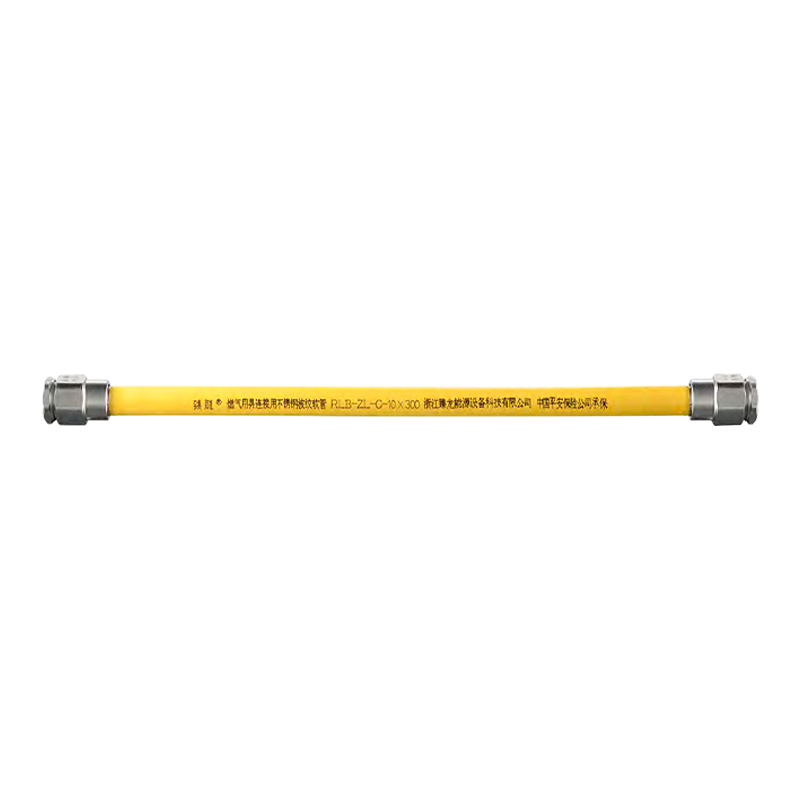
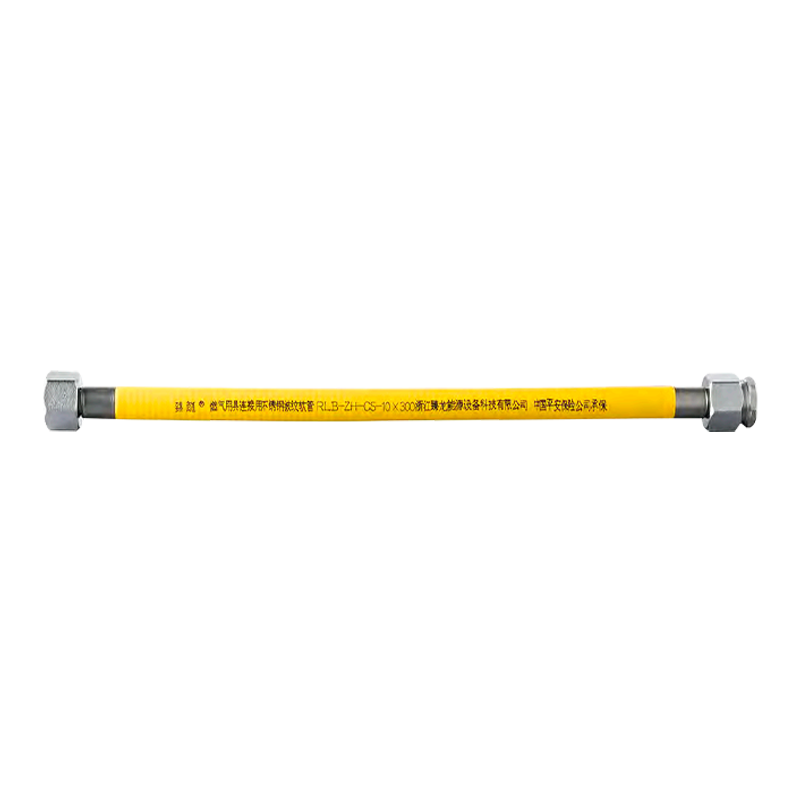
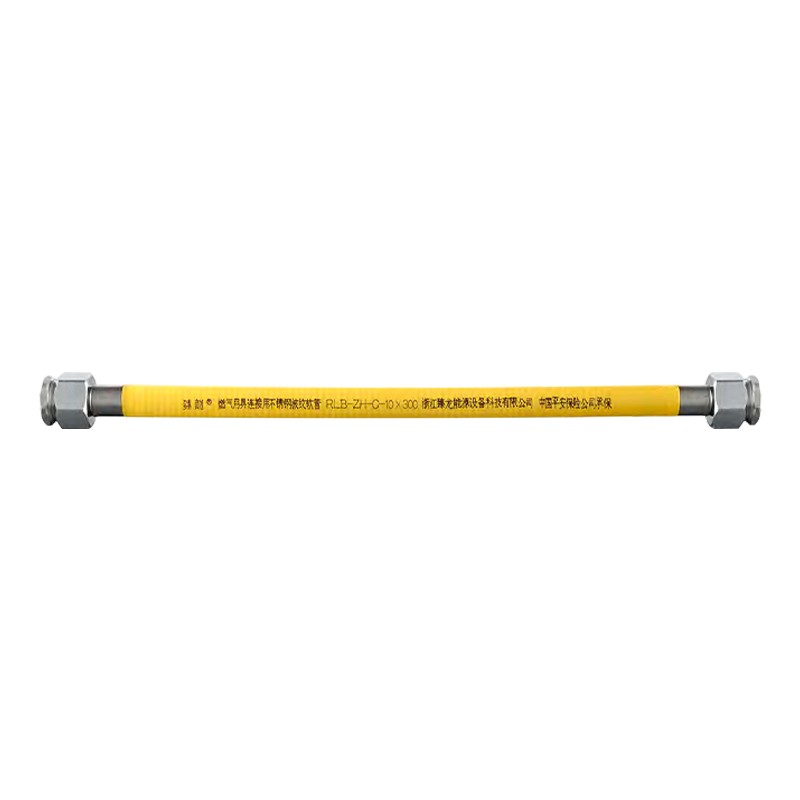
Corrugated stainless steel pipes are usually connected using special threaded joints. Insufficient torque, incomplete tightening of the sealing ring, or impurities in the threads can all lead to air leakage at the joints.
2) Excessive pipe bending damages the corrugated structure
Although corrugated stainless steel pipes are very flexible, this does not mean they can be bent arbitrarily.
Excessive bending may lead to:
Corrugation collapse
Uneven local stress
Cracks at weak points in the pipe wall
These can all create potential air leakage hazards.
3) Deformation caused by external impact or compression
If the pipe is installed behind a kitchen cabinet, under the floor, or inside a wall, impact from heavy objects or long-term compression can damage the pipe wall.
4) Aging of sealing rings
Sealing rings (such as rubber rings) may age and fail after long-term use in high-temperature and oily environments, leading to decreased airtightness.
5) Burrs at the joint due to improper cutting
Using non-professional cutting tools may result in uneven joints, forming tiny gaps and affecting the sealing effect.
(3) How to avoid leaks in corrugated stainless steel tubing?
With proper installation and use, the risk of leaks in corrugated stainless steel tubing is very low. Here are some practical methods to effectively avoid leaks:
1) Choose certified, high-quality products
Qualified corrugated stainless steel tubing should have:
National or international certification
Clear specification markings
Complete fitting assembly
Smooth corrugated structure
High-quality tubing has stronger pressure resistance and corrosion resistance, and is less prone to leaks.
2) Ensure installation by professionals
Professional gas installers will strictly adhere to standard procedures, including:
Using dedicated compression fittings
Fixing to standard torque
Checking the integrity of the fitting seals
Ensuring the joints are clean and free of oil
Maintaining the pipe bending radius within permissible limits
All these steps can prevent leaks.
3) Avoid forceful pulling, yanking, or excessive bending
When installing, allow the pipe to extend naturally. It is recommended to follow these principles:
Do not allow the corrugations to be completely flattened.
Do not bend below the manufacturer's minimum bending radius.
Avoid prolonged stretching.
Proper wiring can reduce mechanical stress and extend service life.
4) Install protective sleeves to prevent external damage
If the corrugated stainless steel pipe needs to pass through walls, cabinets, or the floor, it is recommended to use:
PVC sleeves
Protective hoses
Pressure-resistant sleeves
This can prevent external pressure from causing pipe deformation or rupture.
5) Regularly check joints and seals
Household gas pipes should be checked annually:
Whether joints are loose
Whether seals are aged
Whether the pipe is deformed or compressed
Every small check can prevent major risks.
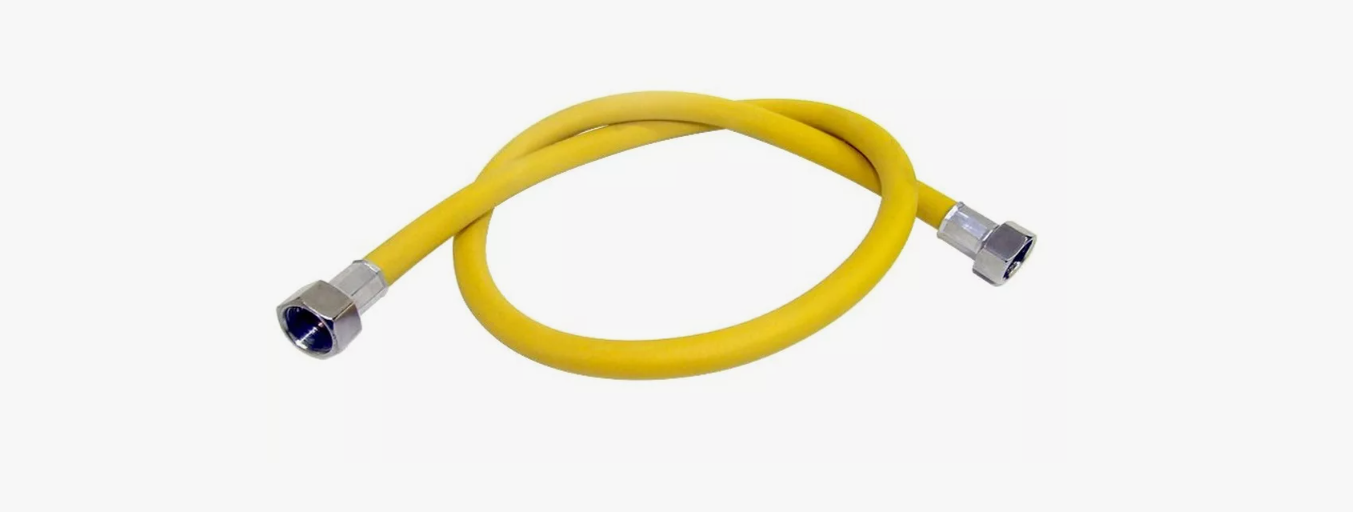
(4) What should you do if a leak is found in a corrugated stainless steel pipe?
Leak Response Plan for Corrugated Stainless Steel Pipes:
| Step | Gas Leak (Hazardous!) | Non-Gas Leak (Water/Air, etc.) |
| 1. Emergency Action | Shut off main valve immediately- No flames/electrical devices- Ventilate area Evacuate and call emergency services (e.g., 119 or gas company) |
Close valve to stop leakage Ventilate if safe |
| 2. Locate Leak | Soapy water test (avoid sparks) Do not use electronic detectors |
Soapy water or electronic leak detector |
| 3. Temporary Fix | Never DIY repair! | Seal with epoxy/tape (short-term) Mark leak location |
| 4. Professional Repair | Contact gas company (certified technicians only) | Hire plumber to replace damaged section Use pressure-resistant pipes |
| 5. Prevention | Install gas leak alarm- Annual professional inspection | Check joints/rust regularly Avoid physical damage |