 English
 中文简体
中文简体 Español
 عربى
عربى
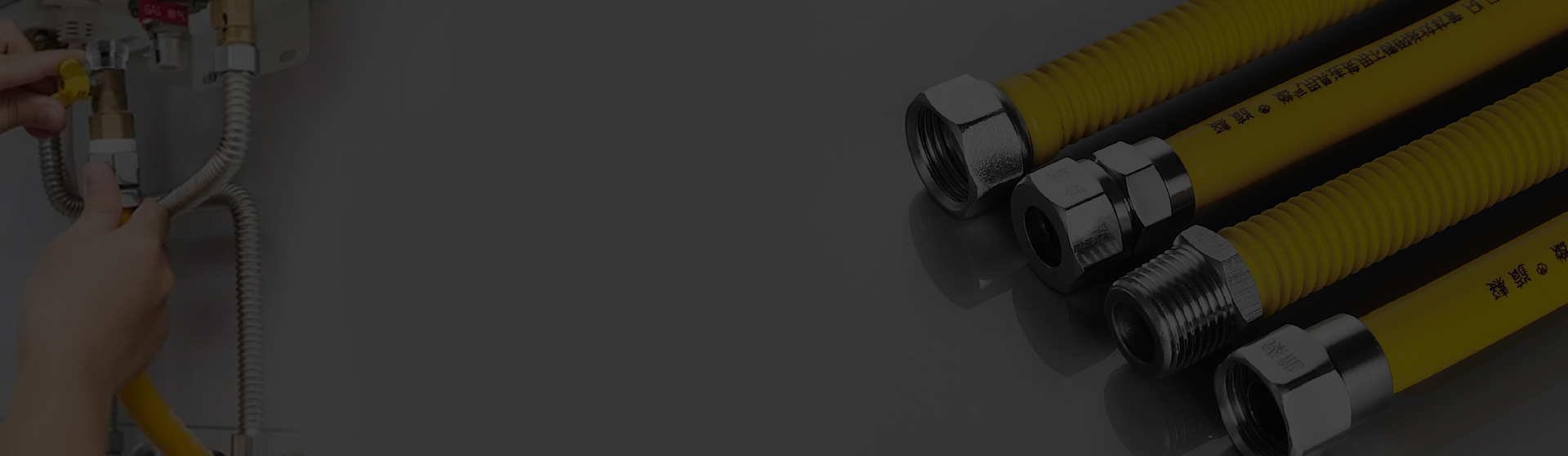

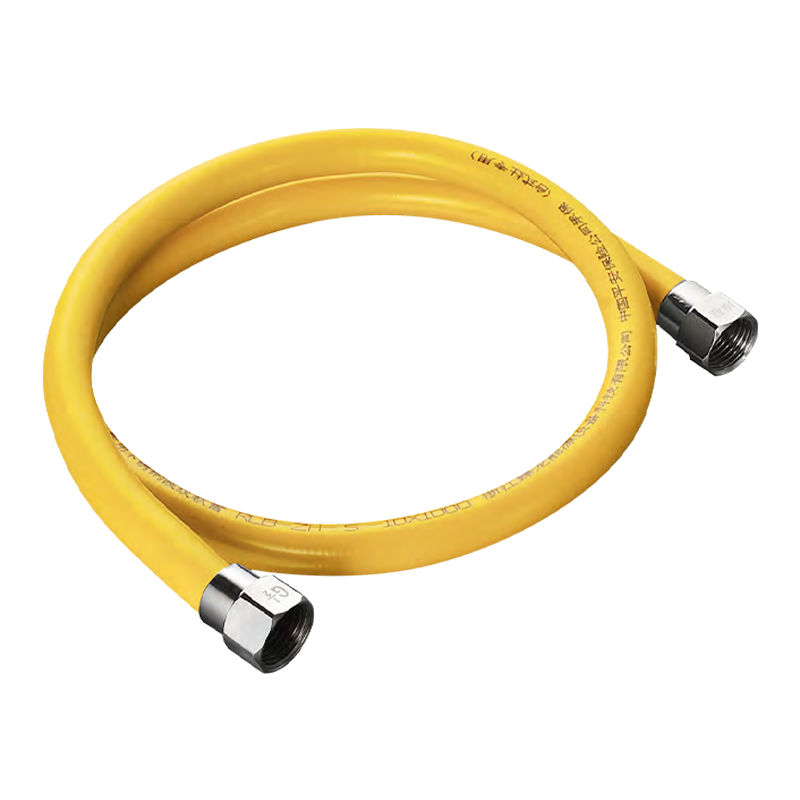
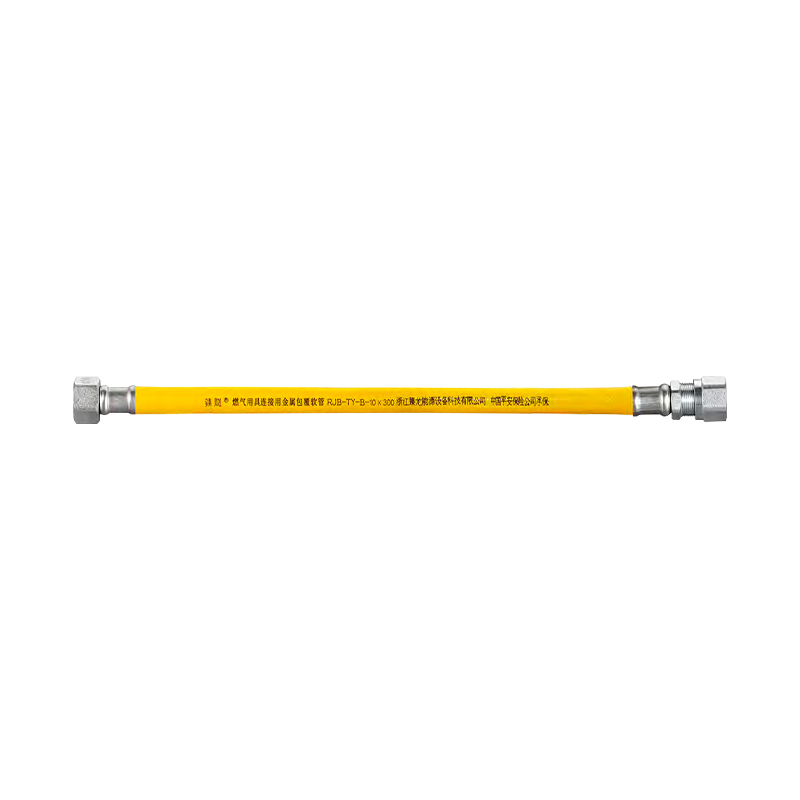
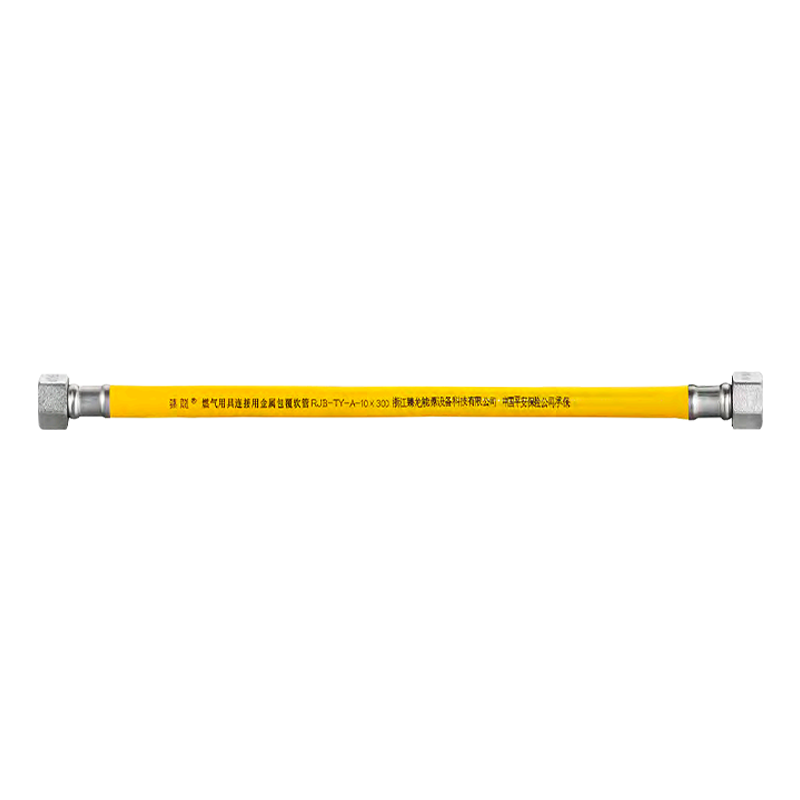
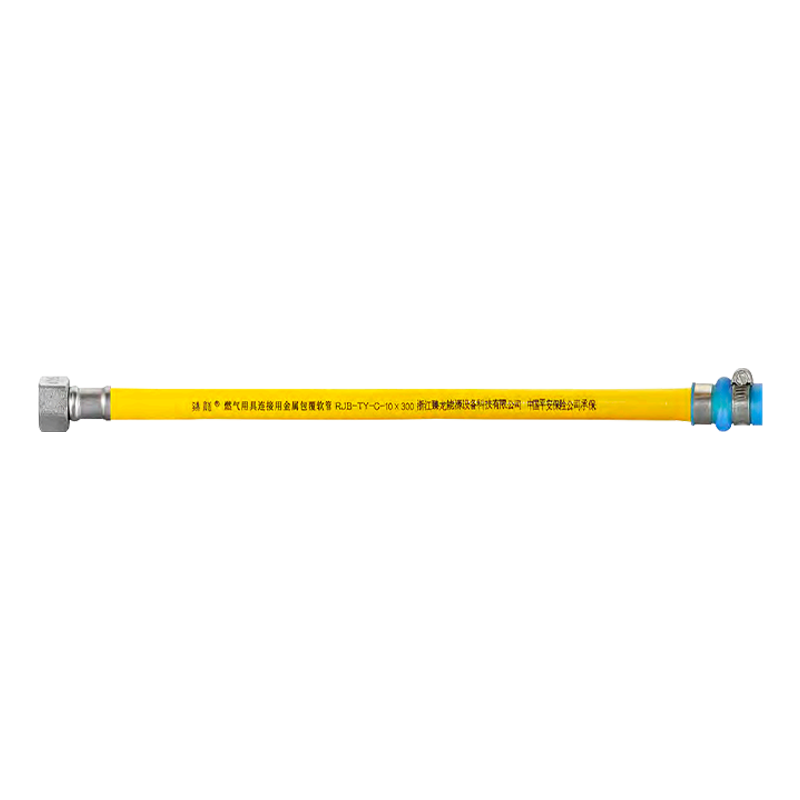
Gas appliances are essential equipment in modern homes and industries, and the safe use of gas directly affects the safety of everyone's life and property. To ensure the safety of the gas circulation system, the choice of hose for connecting gas appliances is crucial. In recent years, metal-wrapped hoses have gradually become the preferred material for connecting gas appliances. So, why are metal-wrapped hoses safer for connecting gas appliances?
1. Structural characteristics of metal-wrapped hoses
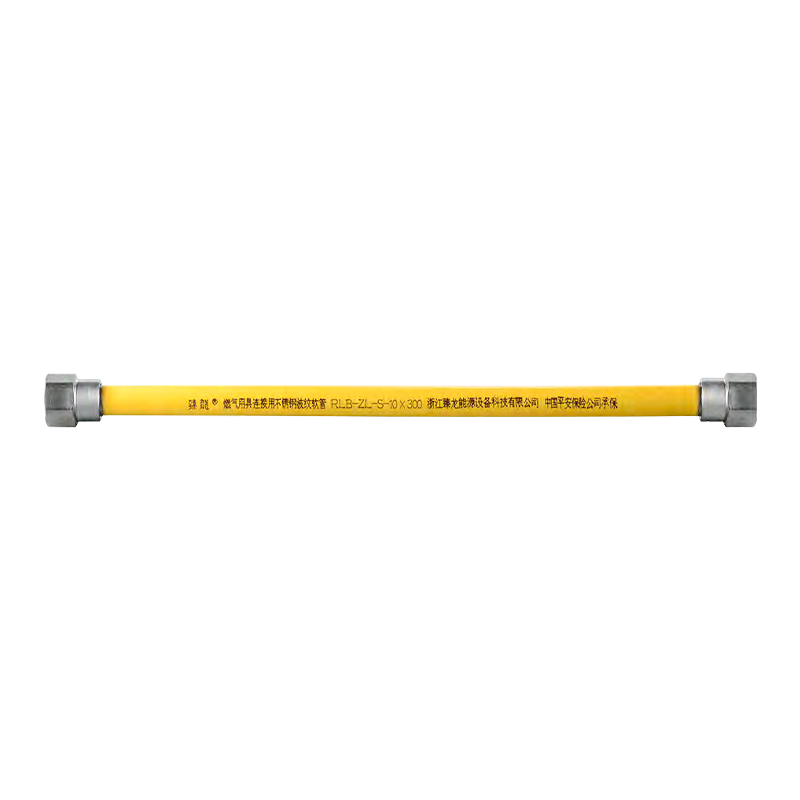
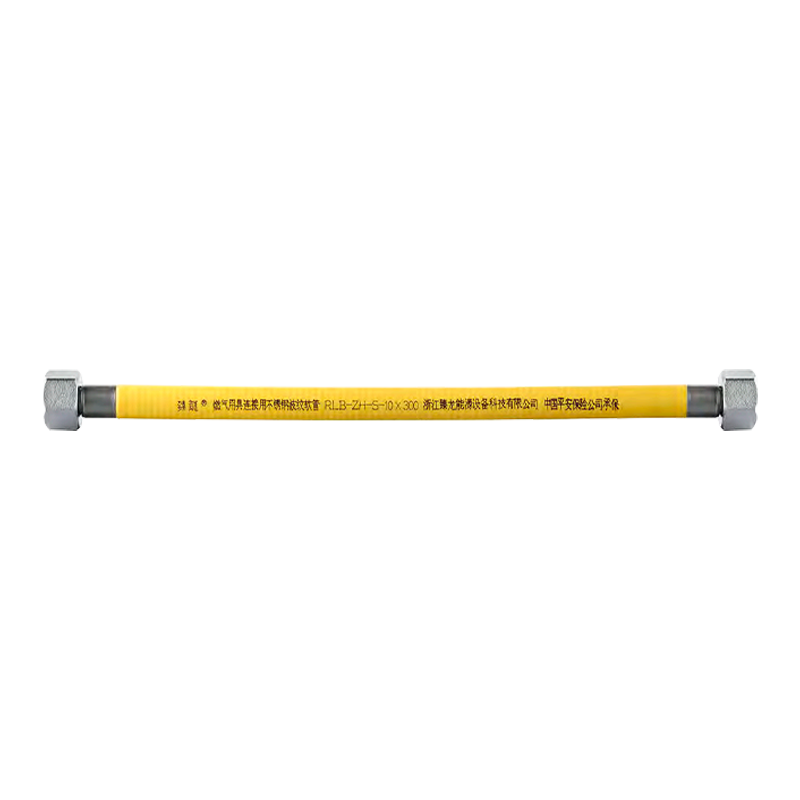
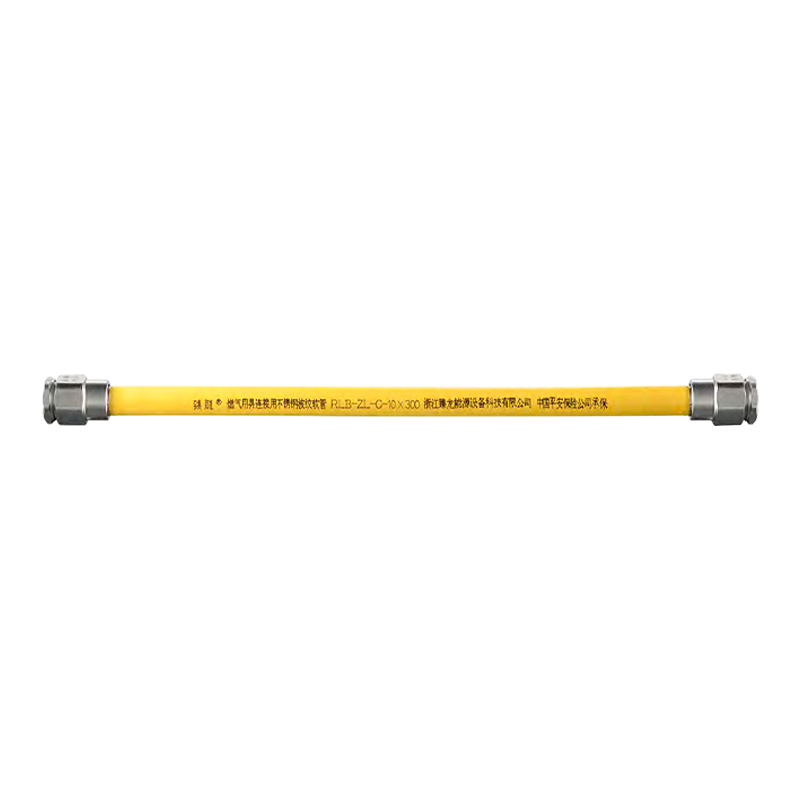
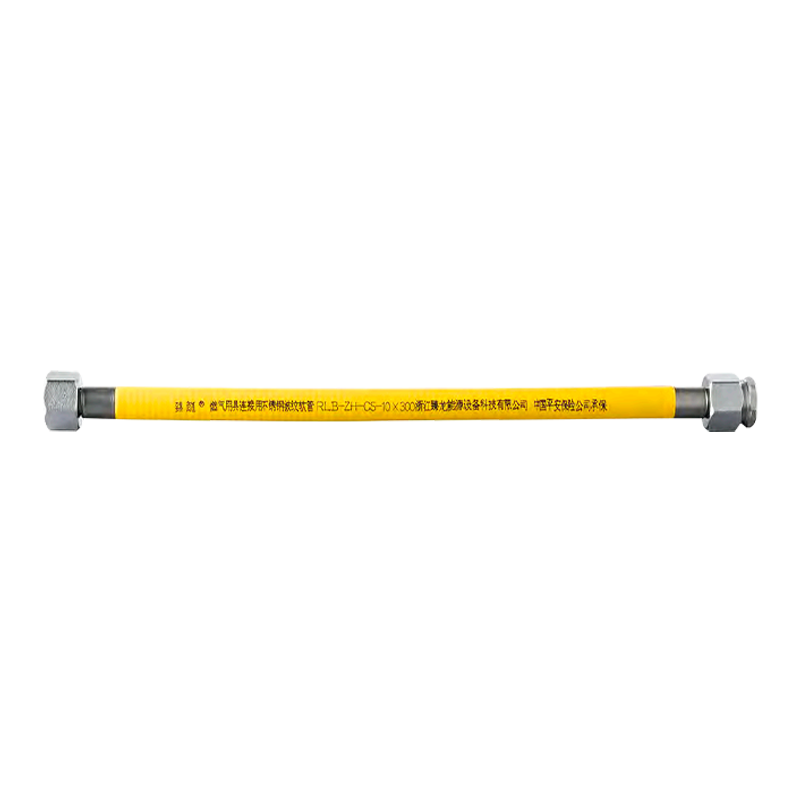
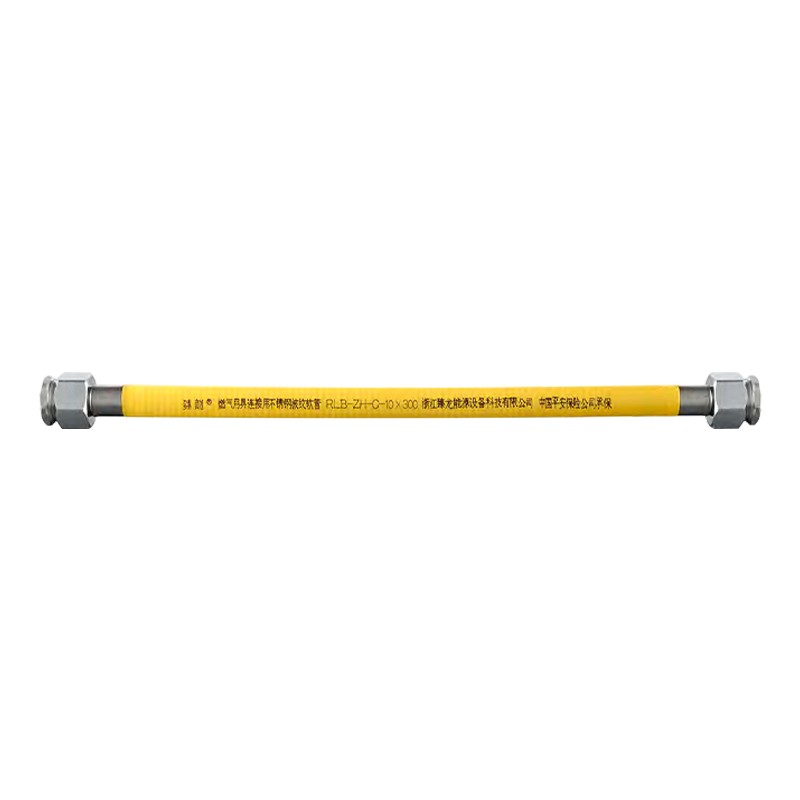
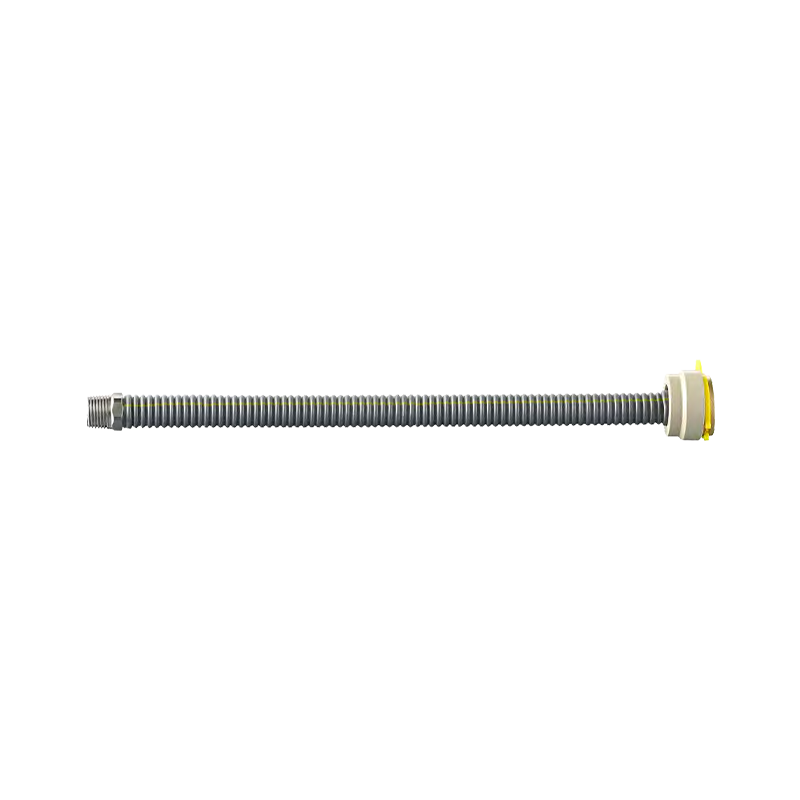
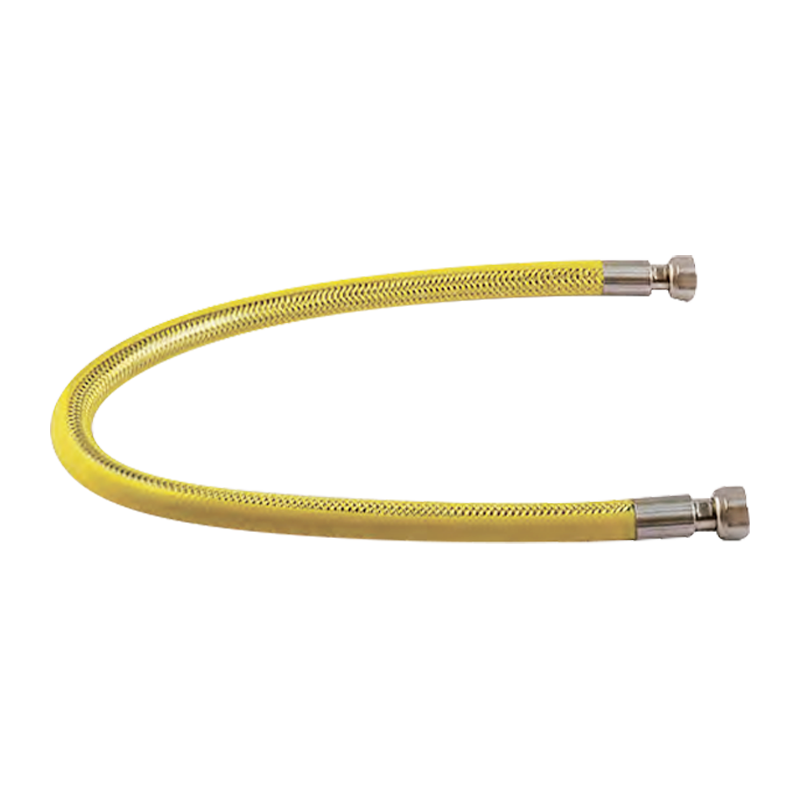
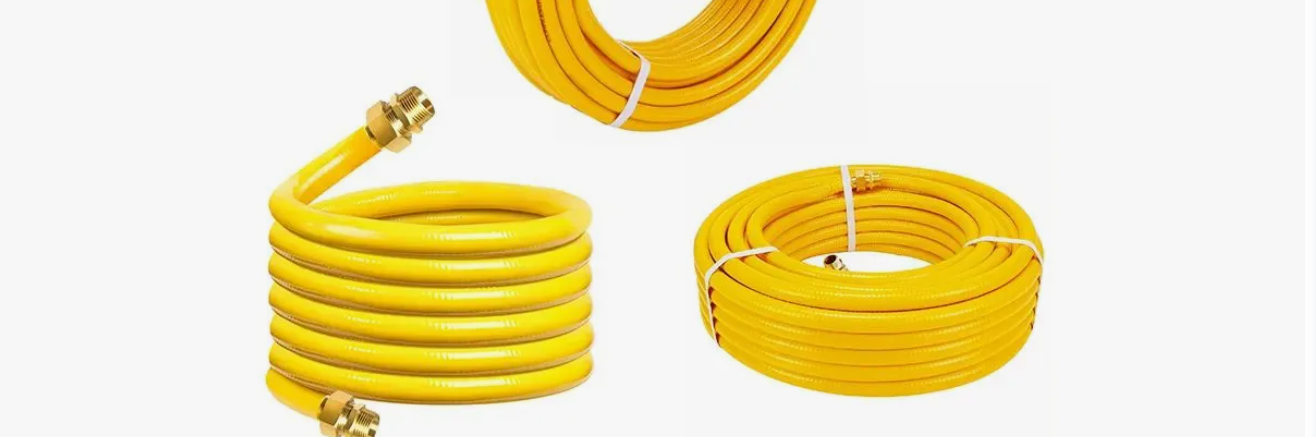
Metal-wrapped hoses typically consist of two parts: an inner hose layer and an outer metal sheath. The inner hose layer is generally made of corrosion-resistant, high-temperature-resistant, and highly flexible materials (such as rubber or PTFE), capable of withstanding the pressure of gas flow and providing a sealing effect; the outer metal sheath is usually braided from corrosion-resistant metal materials such as stainless steel, copper, or aluminum, providing strong mechanical protection and resistance to external damage. This composite structure gives metal-wrapped hoses excellent pressure resistance, corrosion resistance, and resistance to external force when connecting gas appliances.
2. Safety Advantages of Metal-Wrapped Hose
(1) Prevention of Gas Leakage
Gas leakage is one of the main causes of accidents in homes and industries. Traditional plastic or rubber hoses are prone to aging and cracking after prolonged use, leading to leaks. The outer metal braided layer of the metal-wrapped hose provides robust protection, effectively preventing damage from external physical impacts, scratches, or compression, greatly reducing the risk of gas leaks.
Furthermore, the inner hose layer of the metal-wrapped hose typically has excellent sealing properties. Even if the metal layer of the hose is damaged to some extent, the inner hose layer can still maintain its seal, further ensuring the safety of the gas system.
(2) Resistance to High Pressure and High Temperature
Metal-wrapped hoses have high pressure resistance and high temperature resistance. Gas may experience increased load due to pressure fluctuations during transmission, and traditional hoses are easily prone to rupture or leakage due to excessive pressure. However, metal-wrapped hoses have extremely strong pressure resistance and can withstand higher working pressures, making them ideal for connecting gas appliances.
In addition, the outer metal layer of the metal-wrapped hose effectively isolates the hose from the effects of external high-temperature environments. Under high-temperature conditions, ordinary hoses may age, soften, or even burn due to the heat, while metal-coated hoses can effectively withstand high temperatures, reducing the risks associated with temperature changes.
(3) Strong Corrosion Resistance
Gas components may contain trace amounts of corrosive substances such as sulfides and chlorides. Prolonged contact with these substances in the hose can cause corrosion, reducing its service life and safety. The outer metal layer of the metal-coated hose is typically made of corrosion-resistant materials, such as stainless steel or galvanized steel, effectively resisting the erosion of corrosive substances in the gas, extending the hose's service life and ensuring its safety.
For gas connection systems that are exposed to outdoor or humid environments for extended periods, the corrosion resistance of the metal-coated hose is particularly important. It prevents the hose from being corroded by moisture, salt, and other substances, avoiding hose rupture or leakage due to corrosion.
(4) Fire and Explosion Resistance
Gas is a flammable and explosive gas; therefore, hoses connecting gas appliances must have strong fire resistance in the event of a fire or explosion. The outer metal material of the metal-coated hose has excellent fire resistance, effectively preventing direct contact between the fire source and the hose when exposed to high temperatures or ignition sources, thus slowing the spread of fire. In contrast, traditional plastic or rubber hoses melt easily in high temperatures or fires, increasing the risk of fire spread.
Furthermore, when subjected to impact or compression, the outer metal braided layer of the metal-coated hose effectively protects the inner hose, preventing gas leaks and explosions caused by external forces.
(5) Flexibility and Adaptability
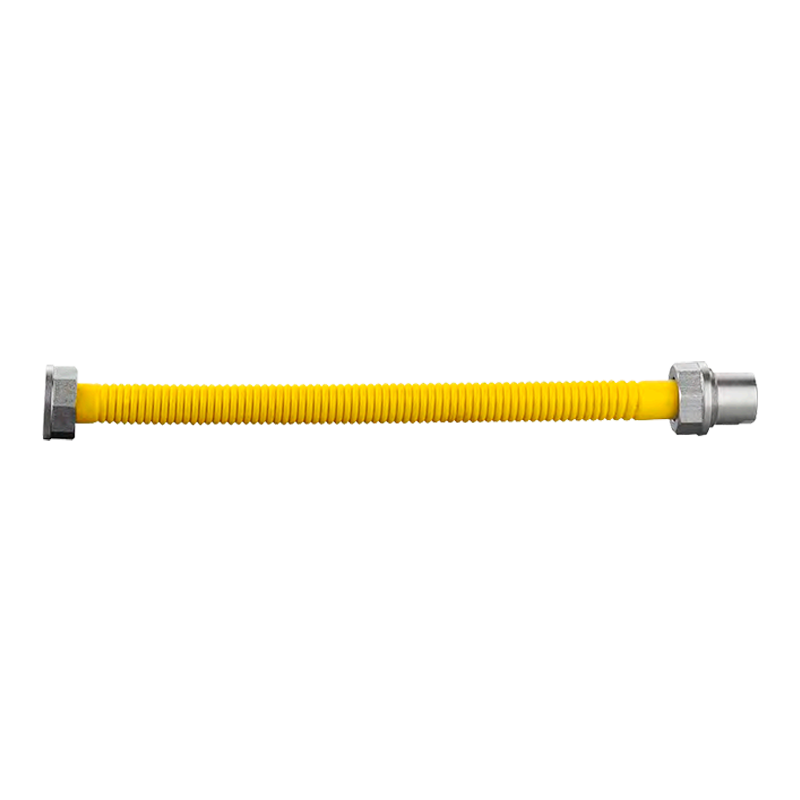
Metal-coated hoses not only offer strong protective performance but also excellent flexibility. They can bend flexibly in complex installation environments, adapting to connection needs in different directions and locations. Whether it's a gas stove in the kitchen or a complex gas pipeline system in an industrial setting, metal-coated hoses provide stable connections, reducing the inconvenience caused by rigid pipe installations.
This flexibility makes metal-coated hoses an ideal choice for many devices and gas appliances, especially suitable for locations with limited space or requiring frequent movement.
3. How to Correctly Select and Install Metal-Coated Hoses?
When selecting a suitable metal-coated hose, the following factors need to be considered:
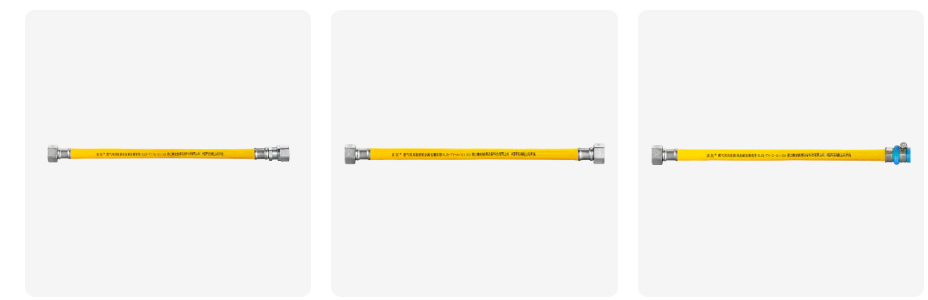
Hose Material: Select a metal-coated hose of appropriate material based on the usage environment. Stainless steel hoses are suitable for most household and industrial applications, while copper or aluminum hoses are suitable for certain special needs.
Hose Length and Diameter: Select a hose of appropriate length and diameter based on the distance between the gas appliance and the gas source, as well as the required gas flow rate.
Pressure Rating: Select a hose capable of withstanding the required operating pressure to ensure safe operation.
During installation, ensure that all hose connections are properly sealed to prevent leaks. Replace any damaged or aged hoses promptly to ensure the safety of the gas system.